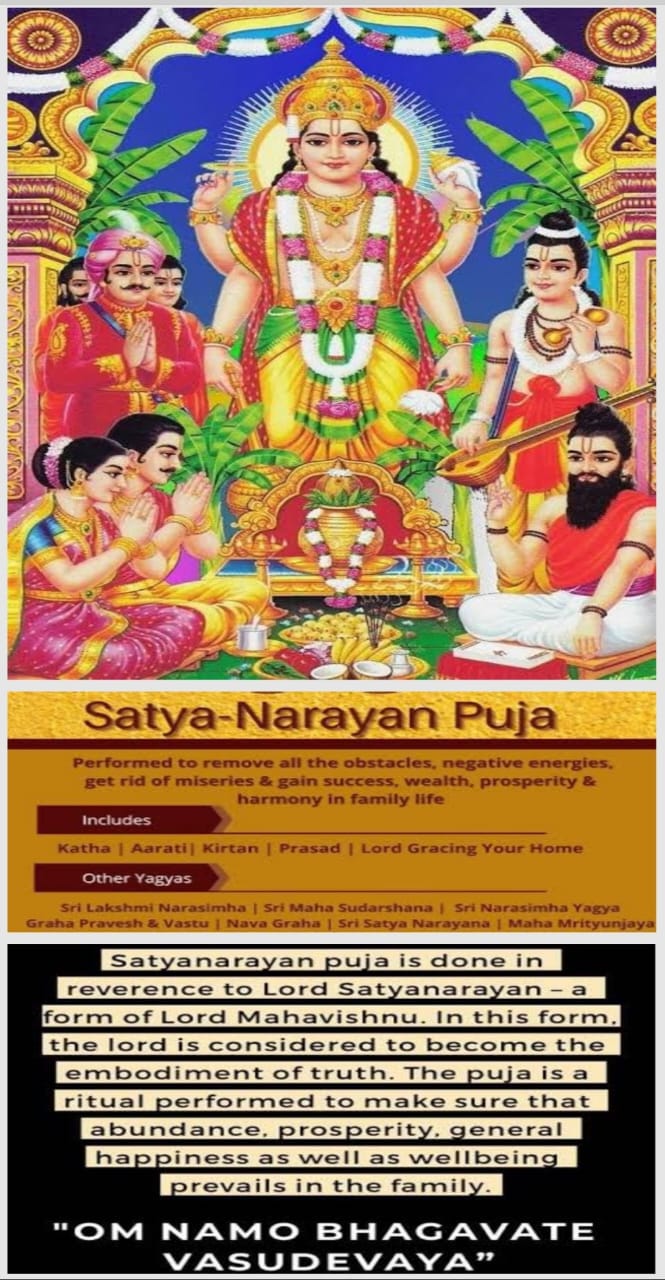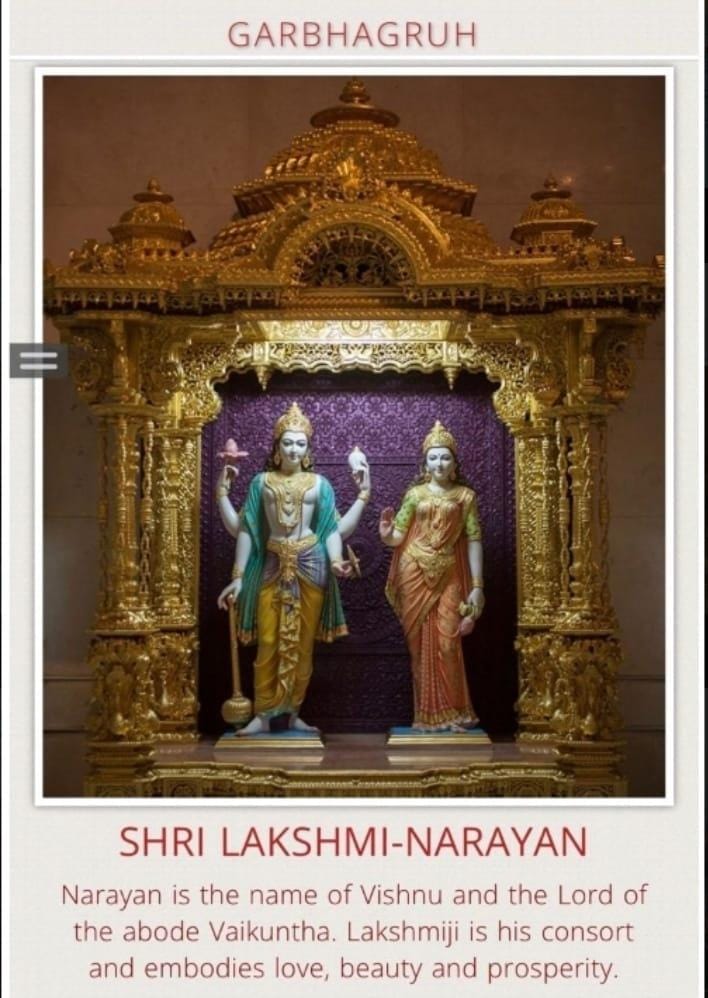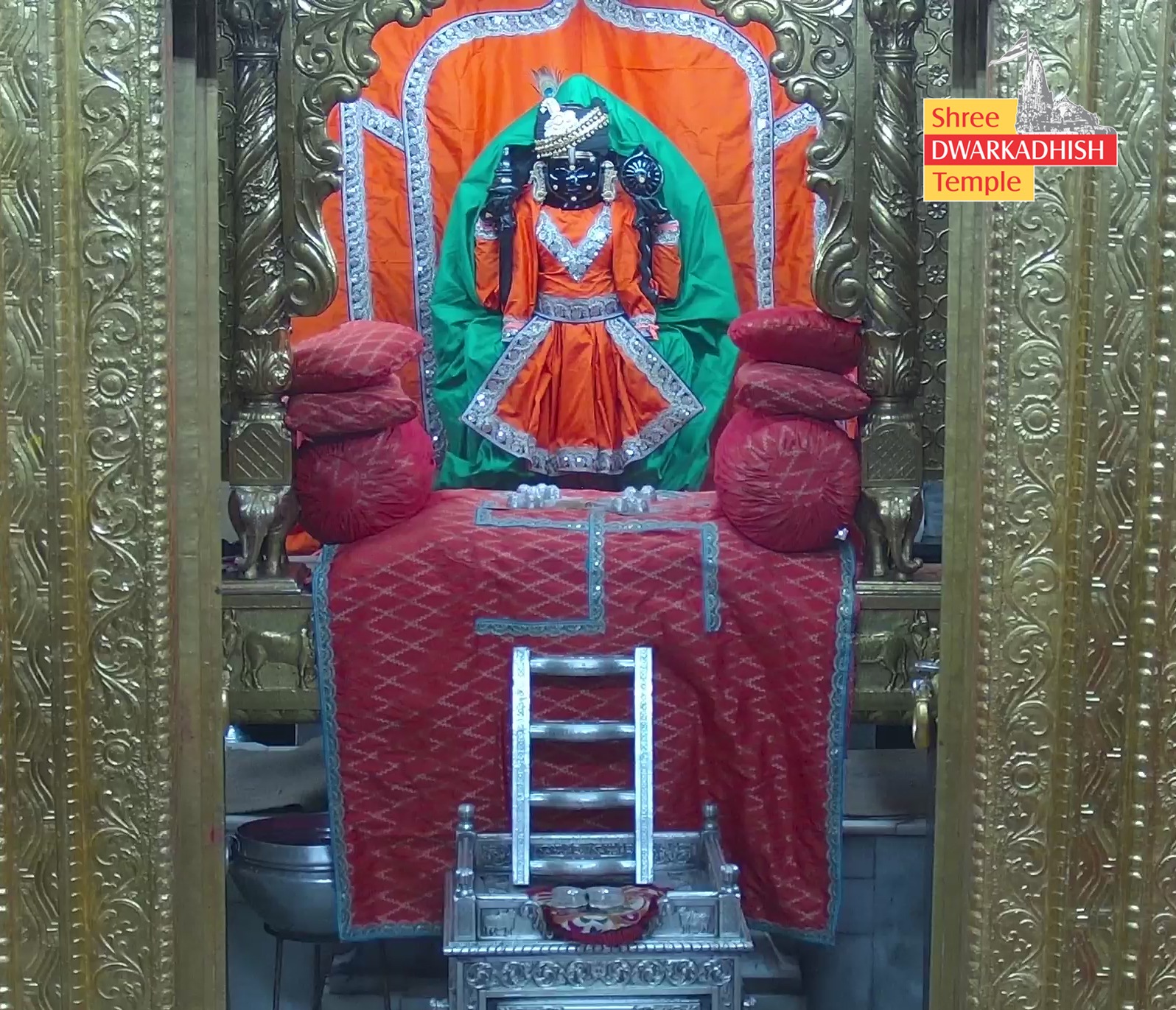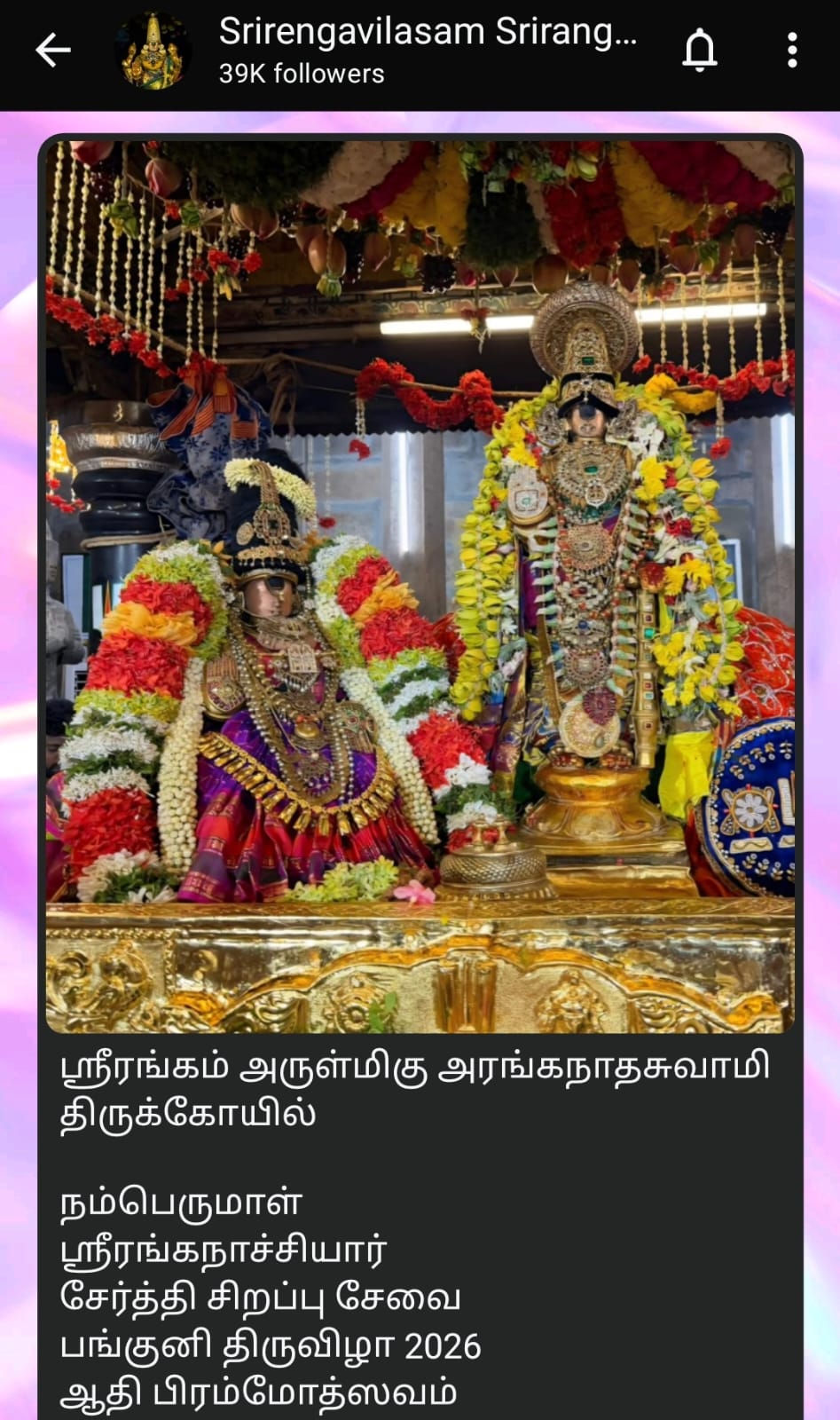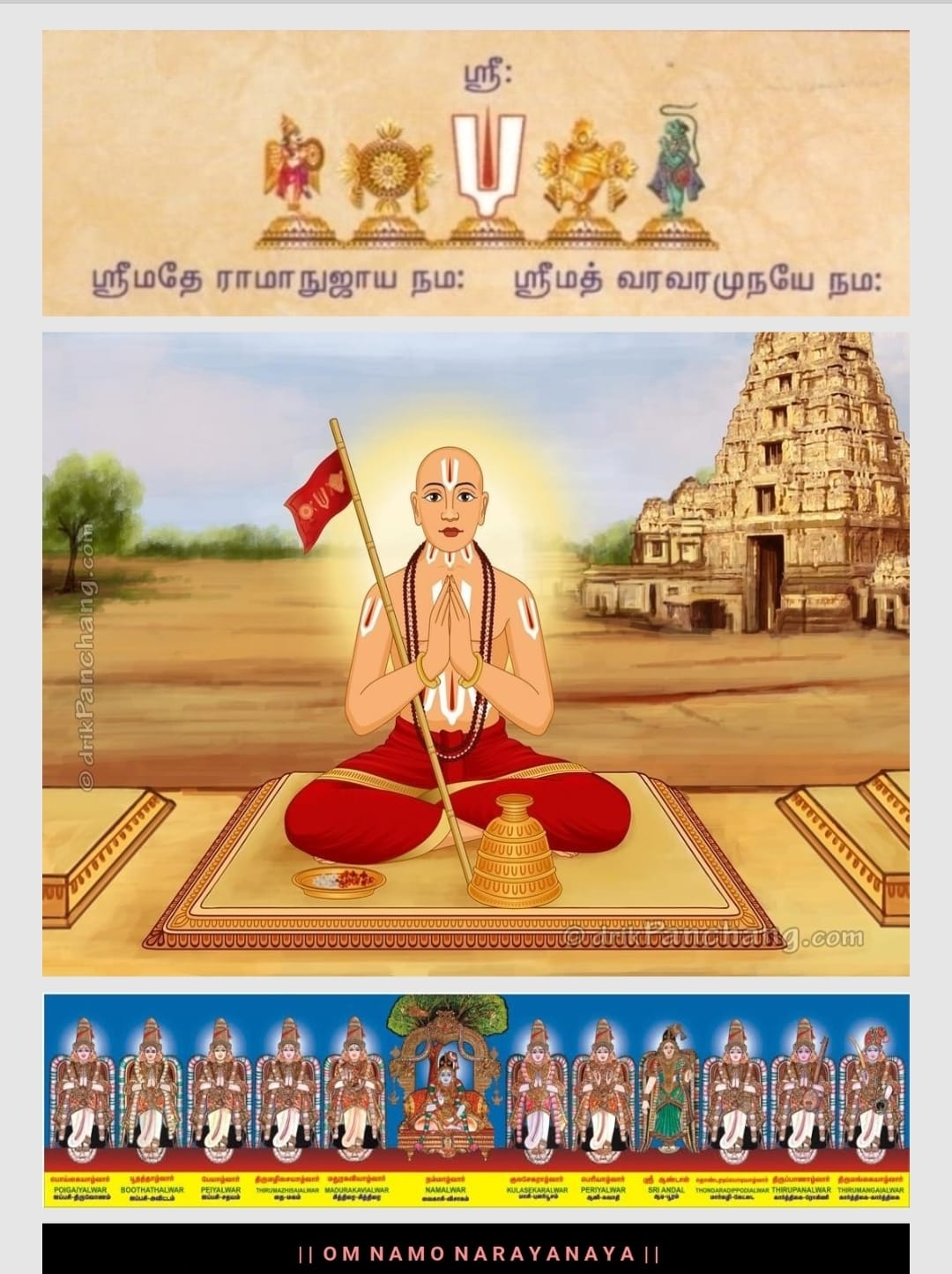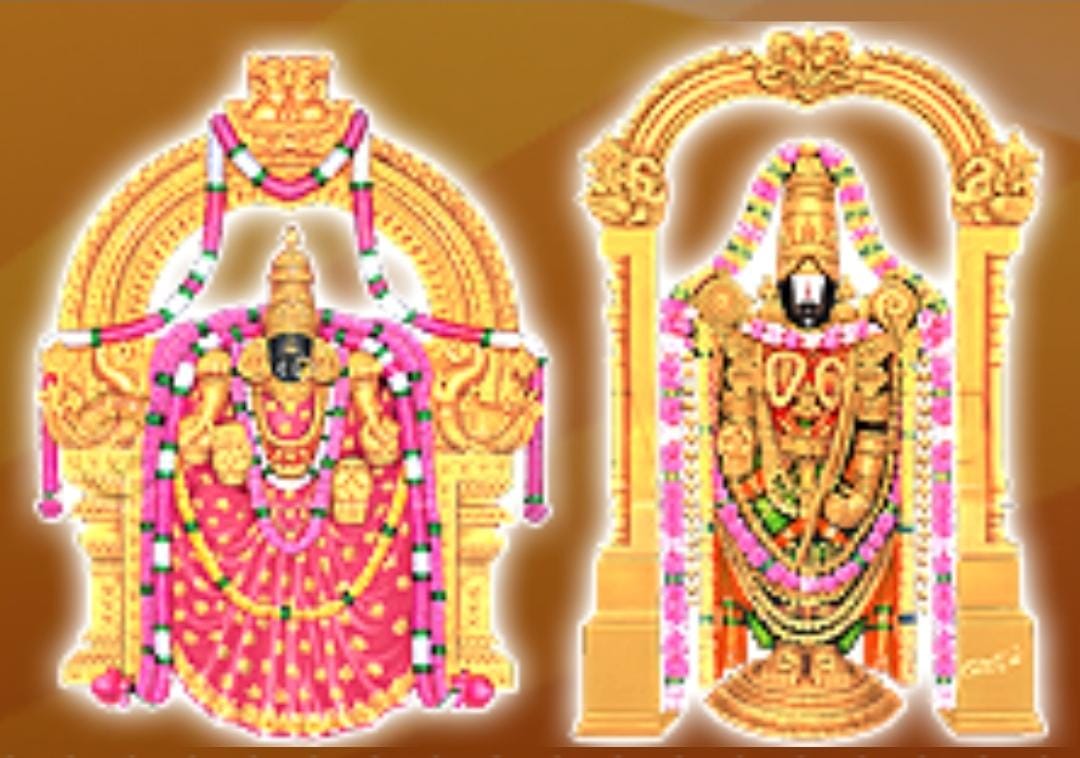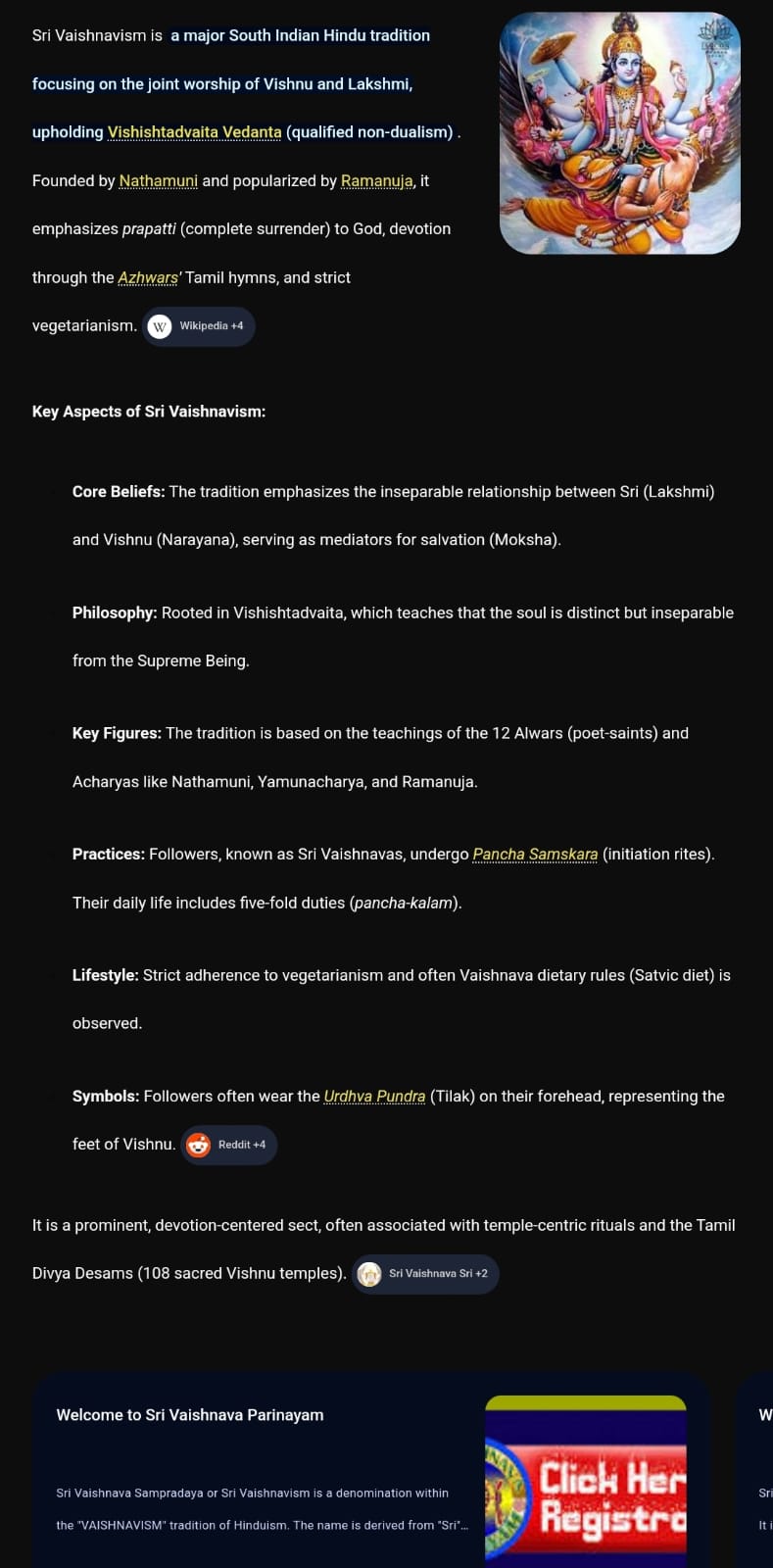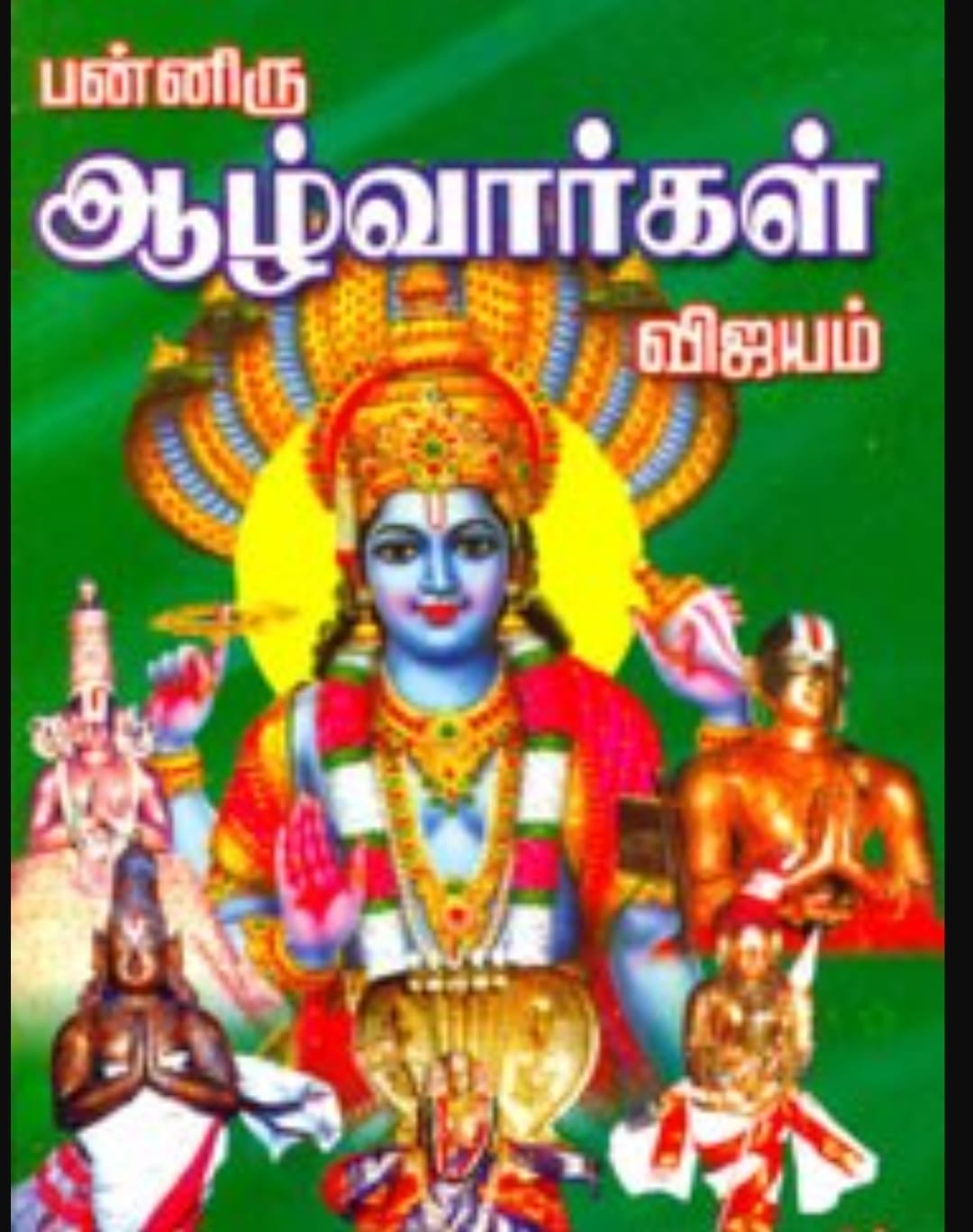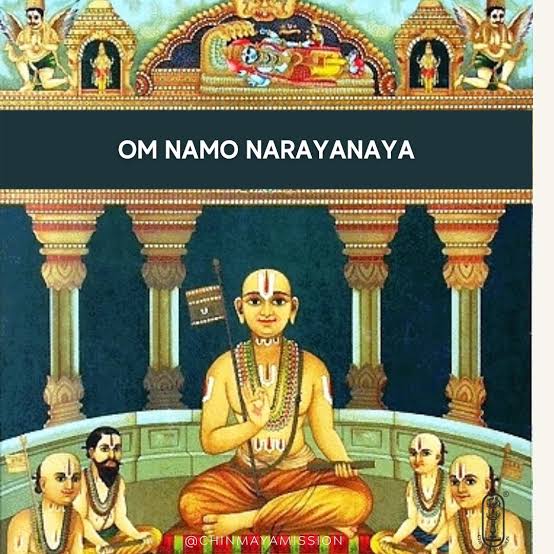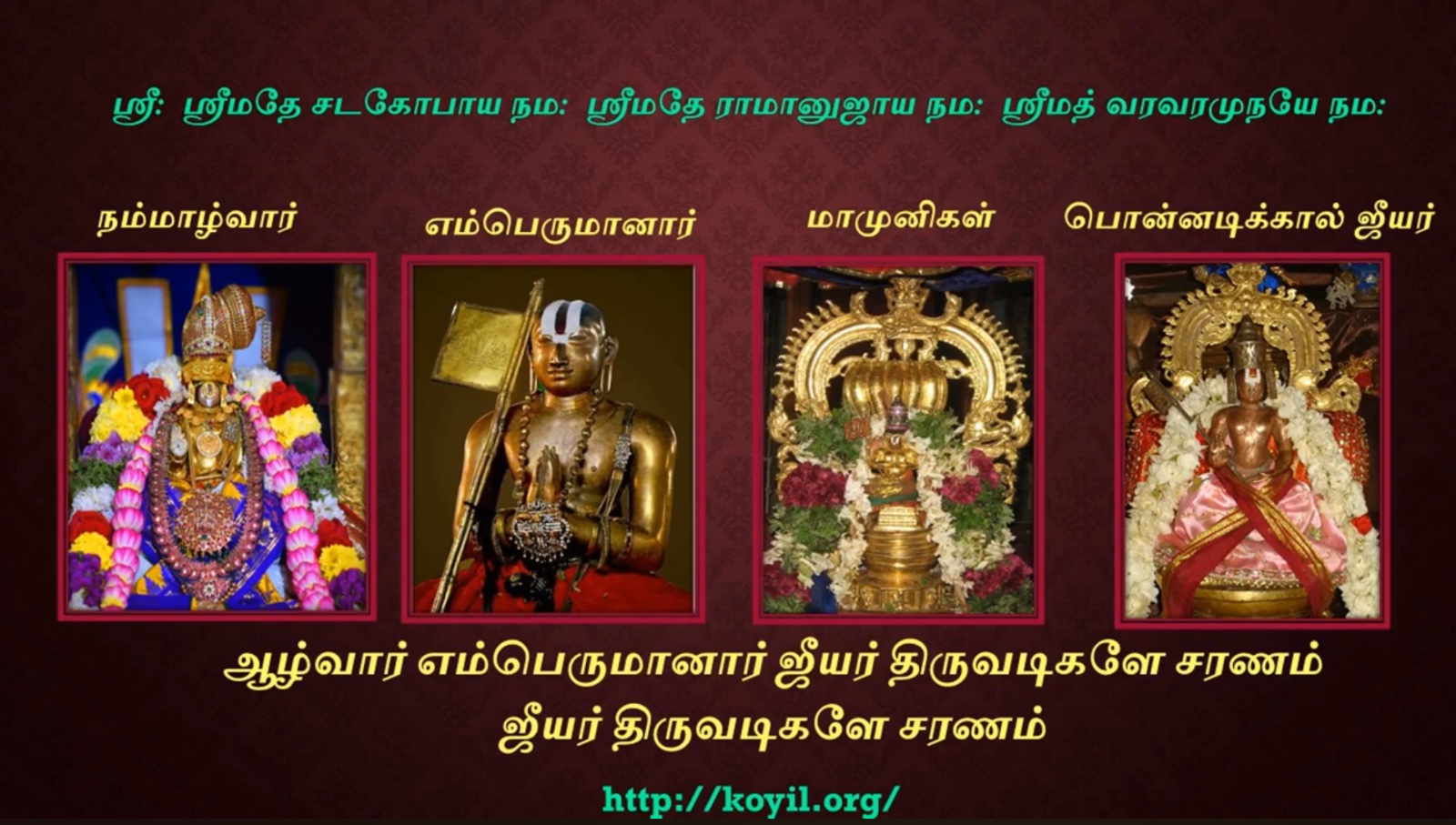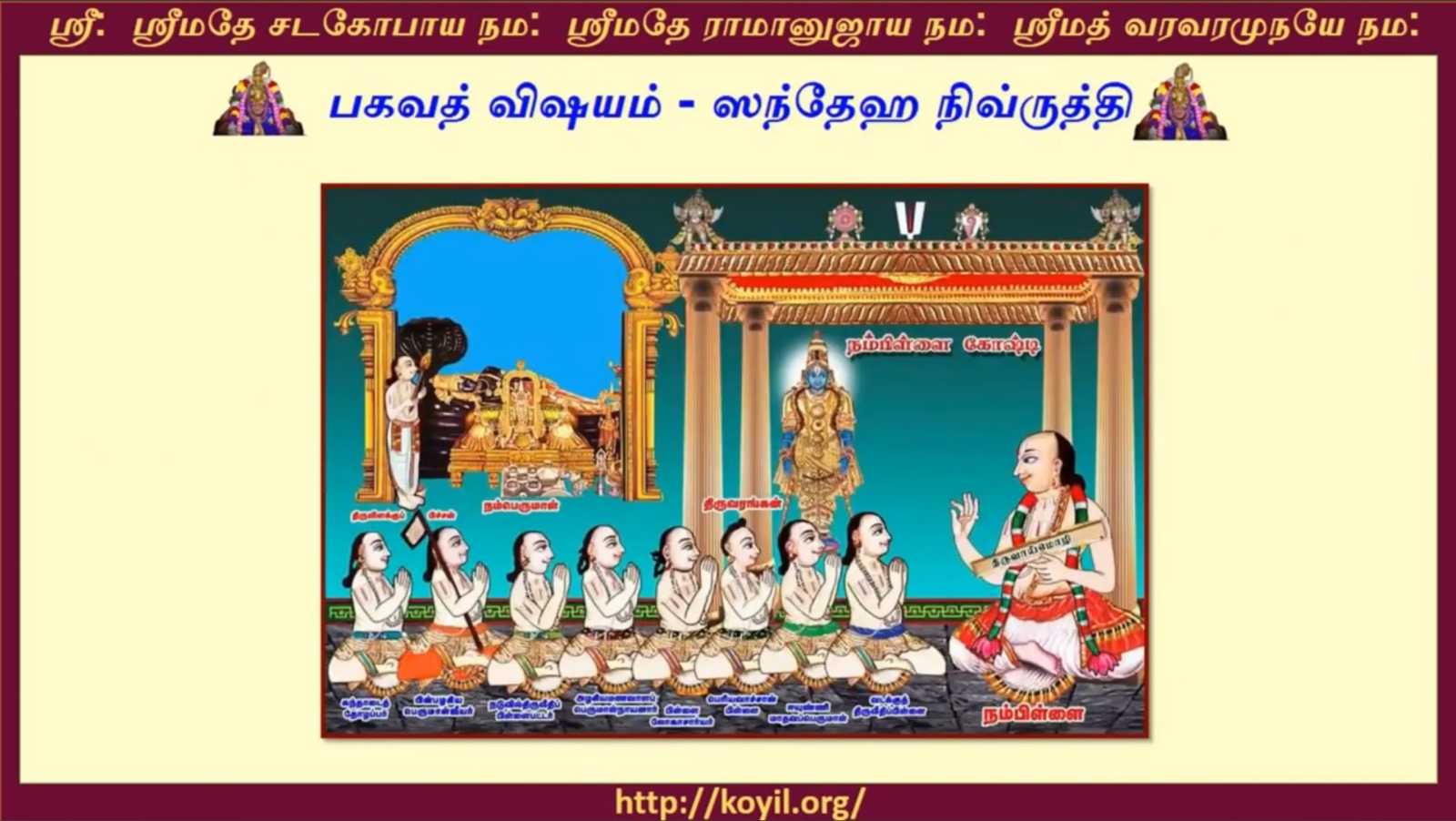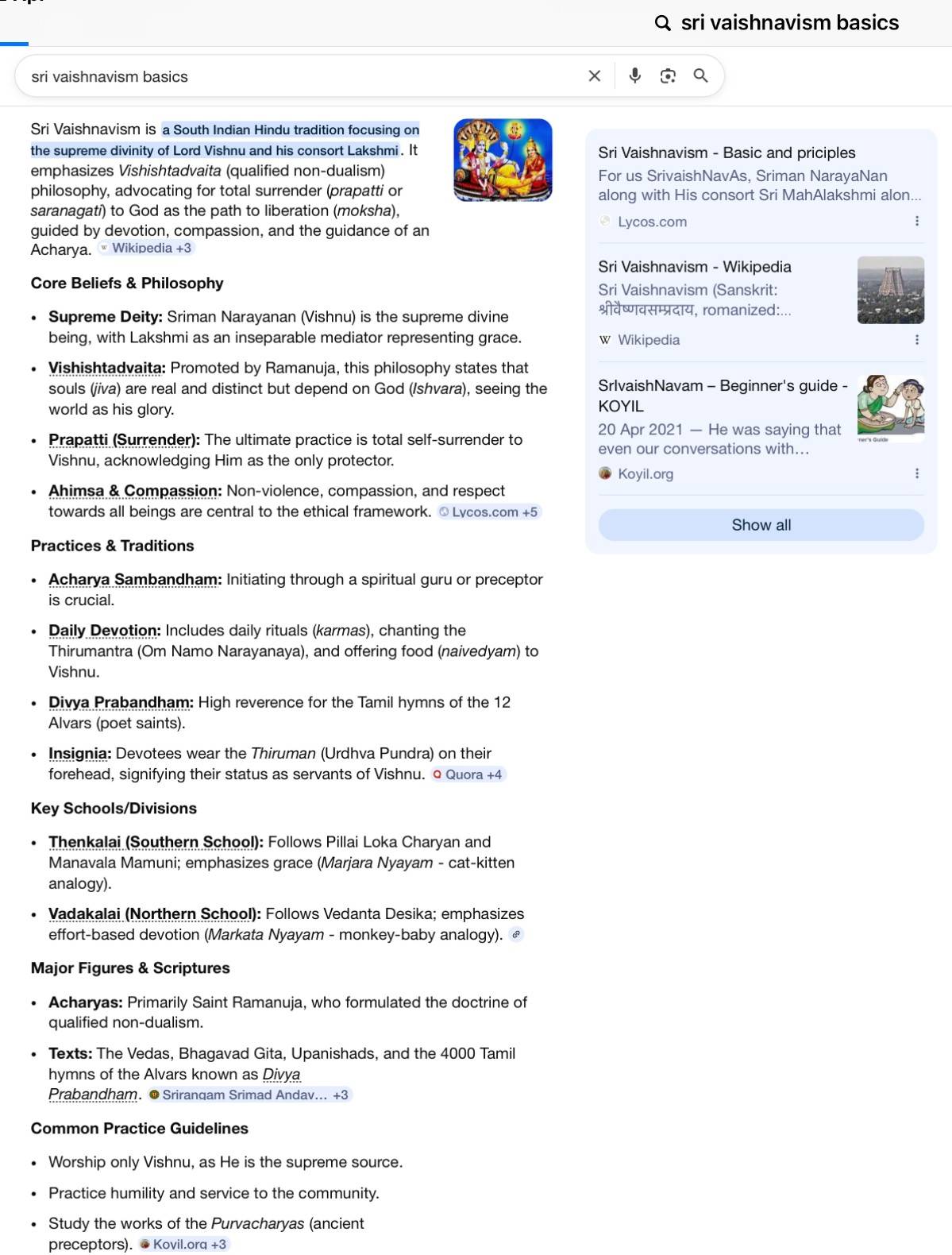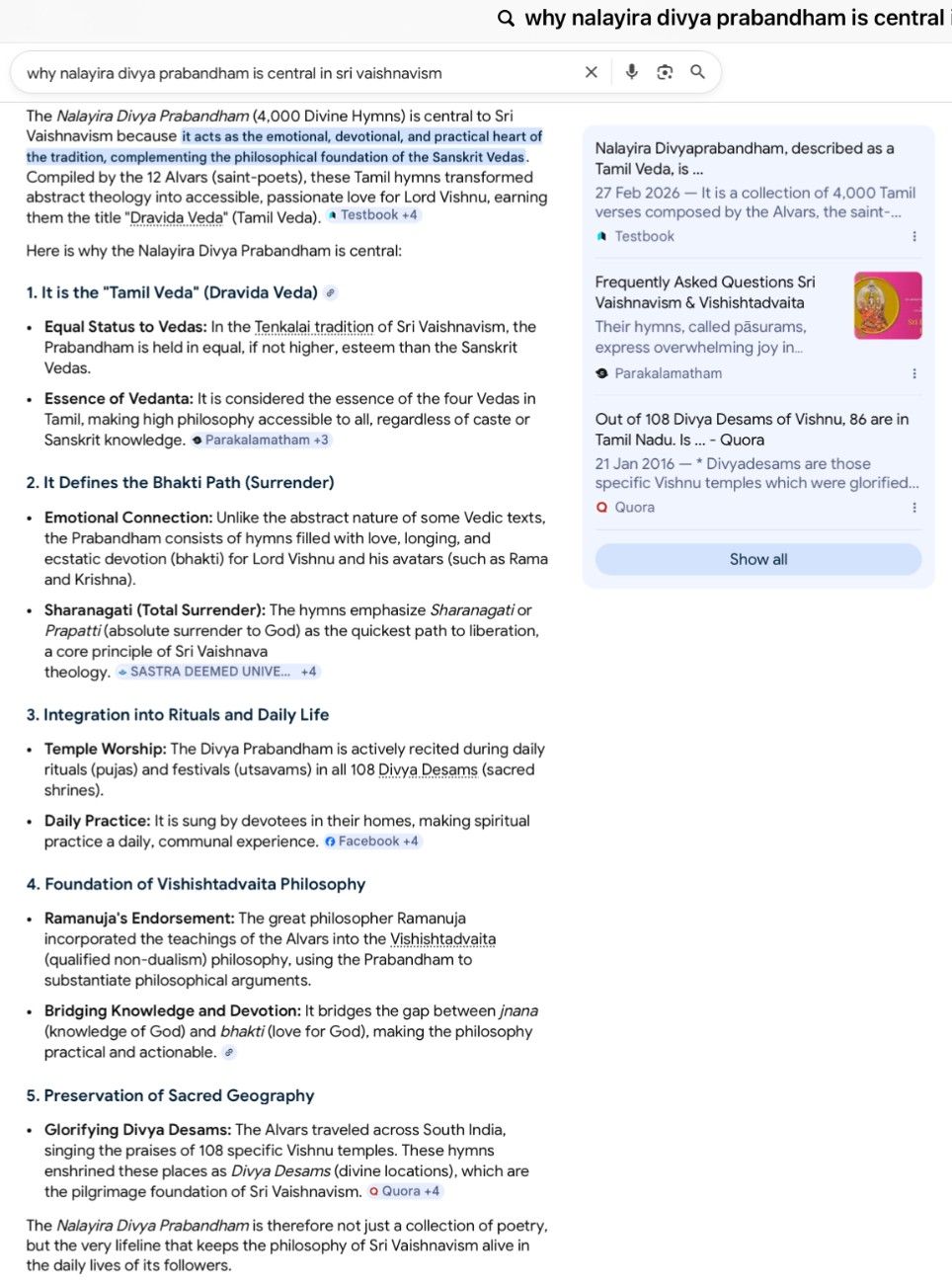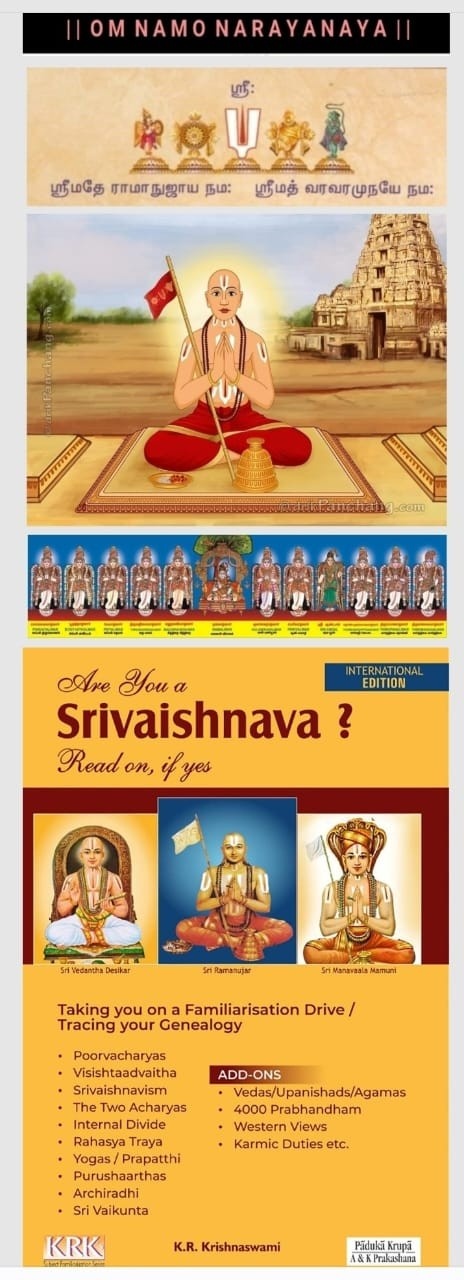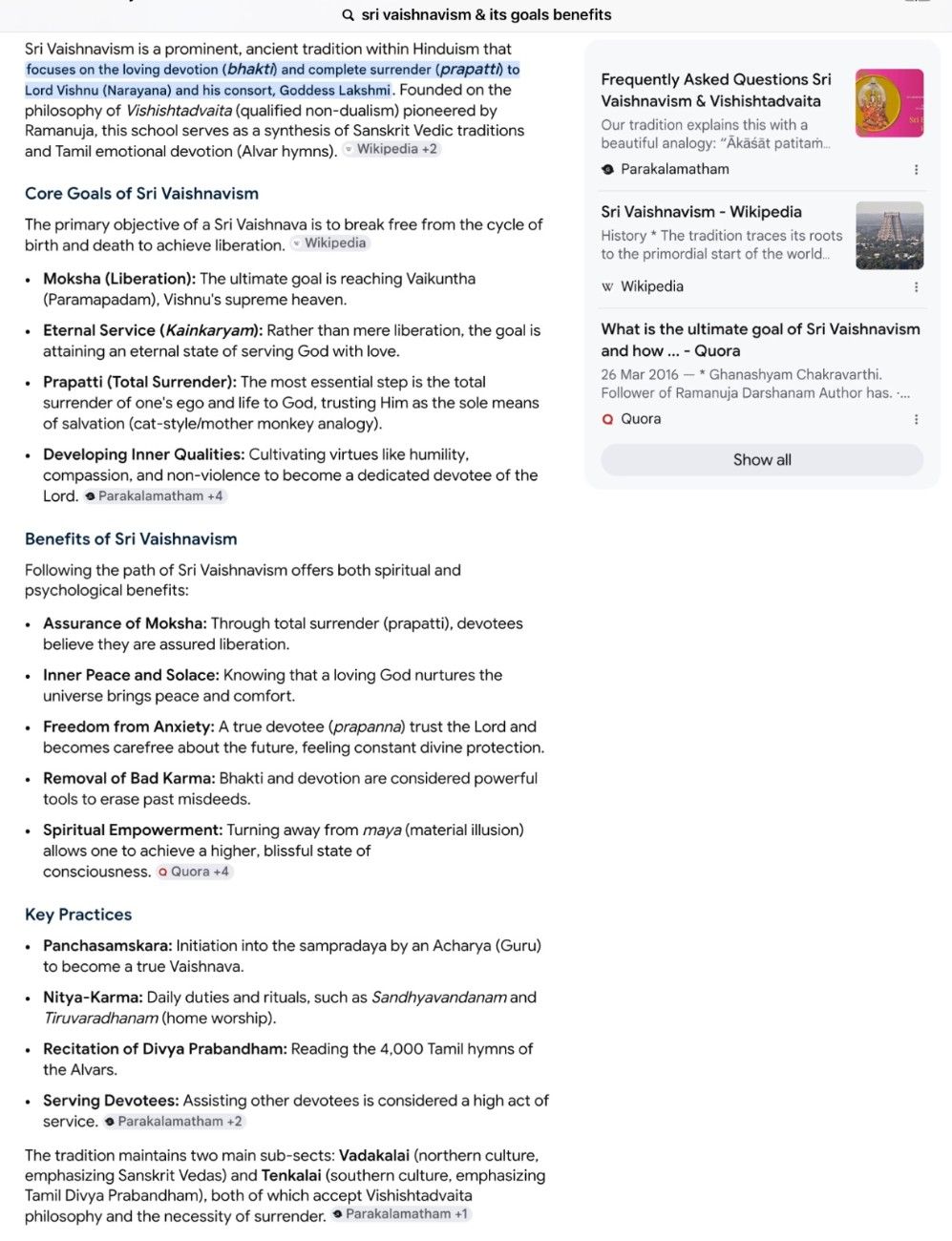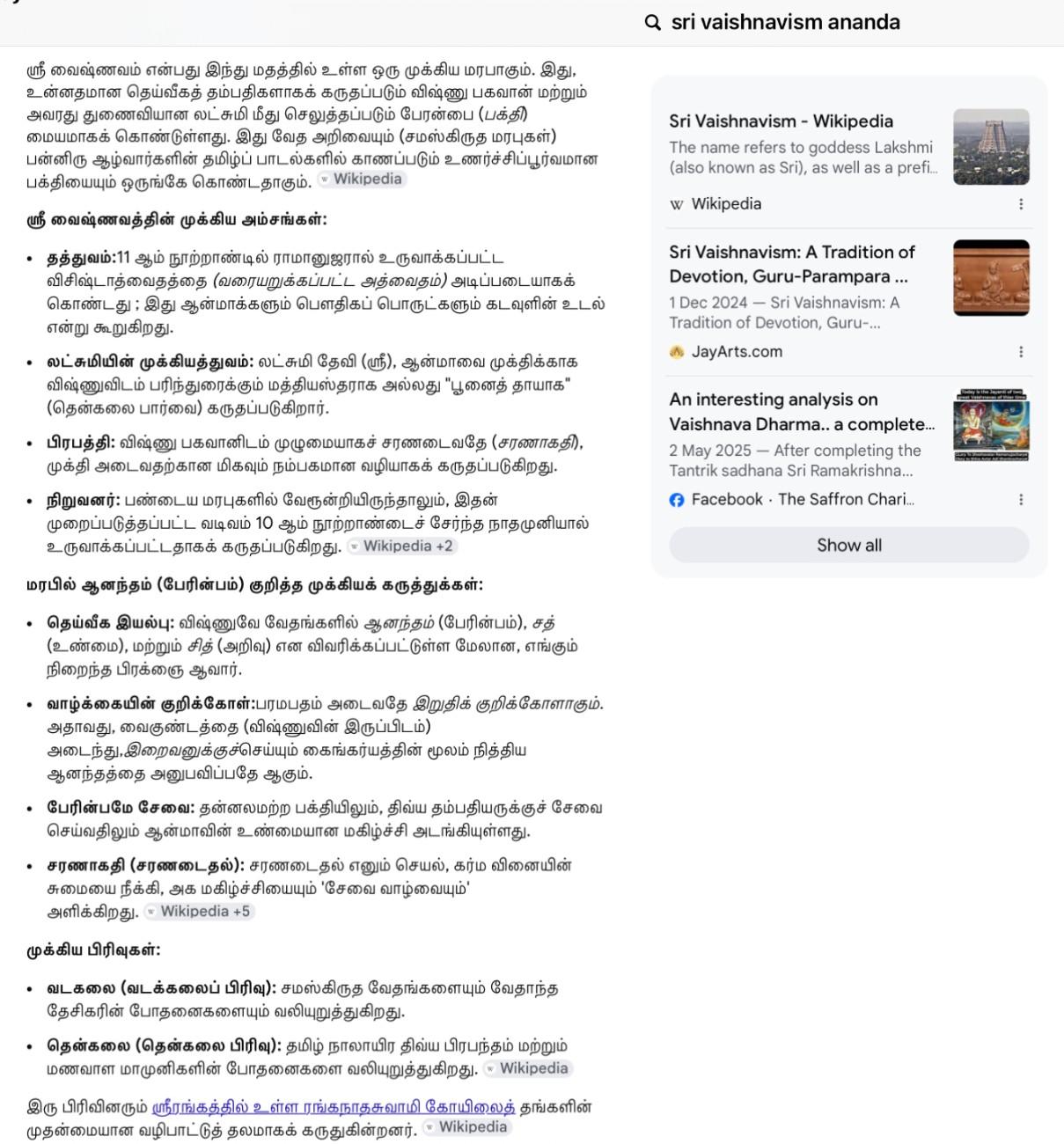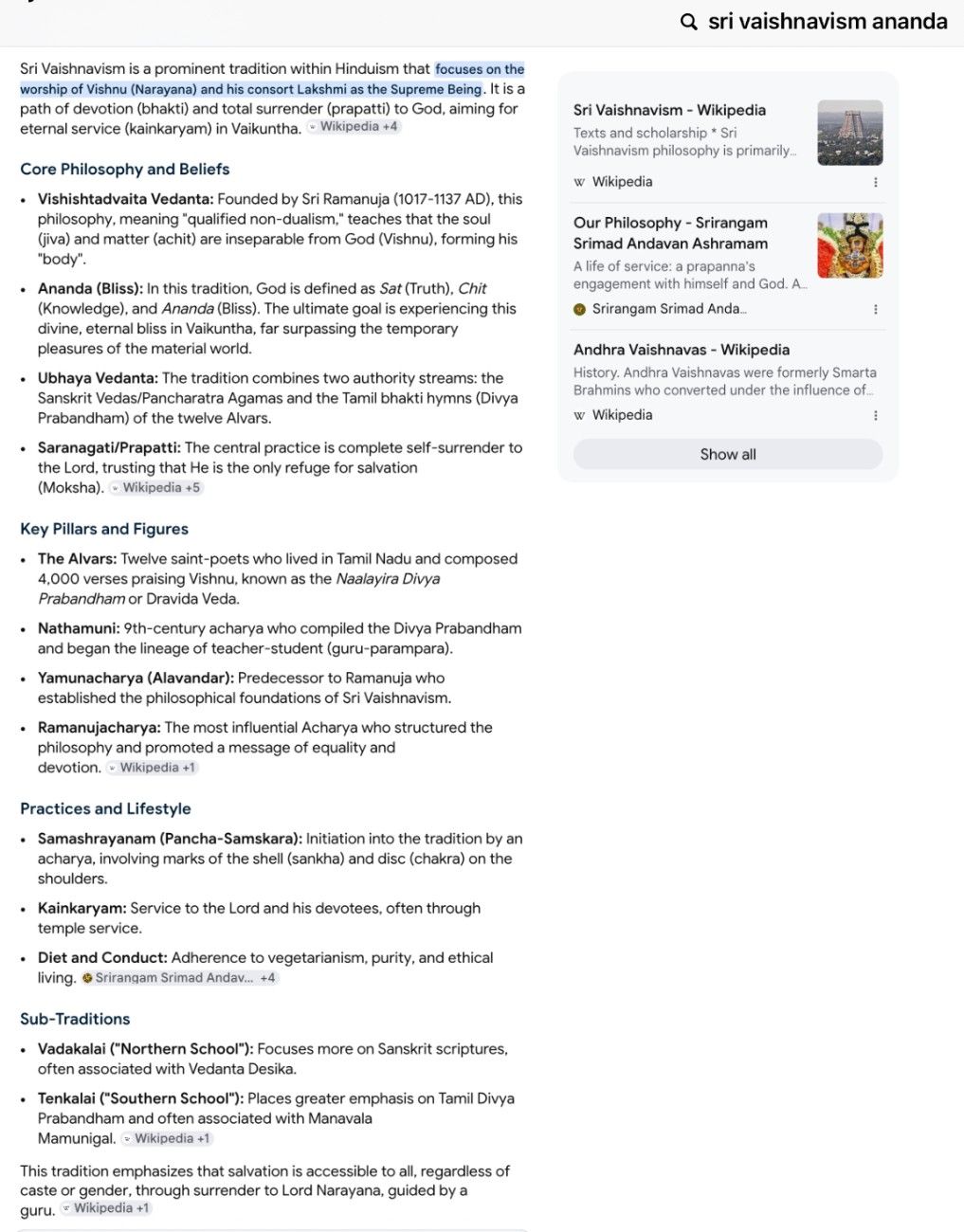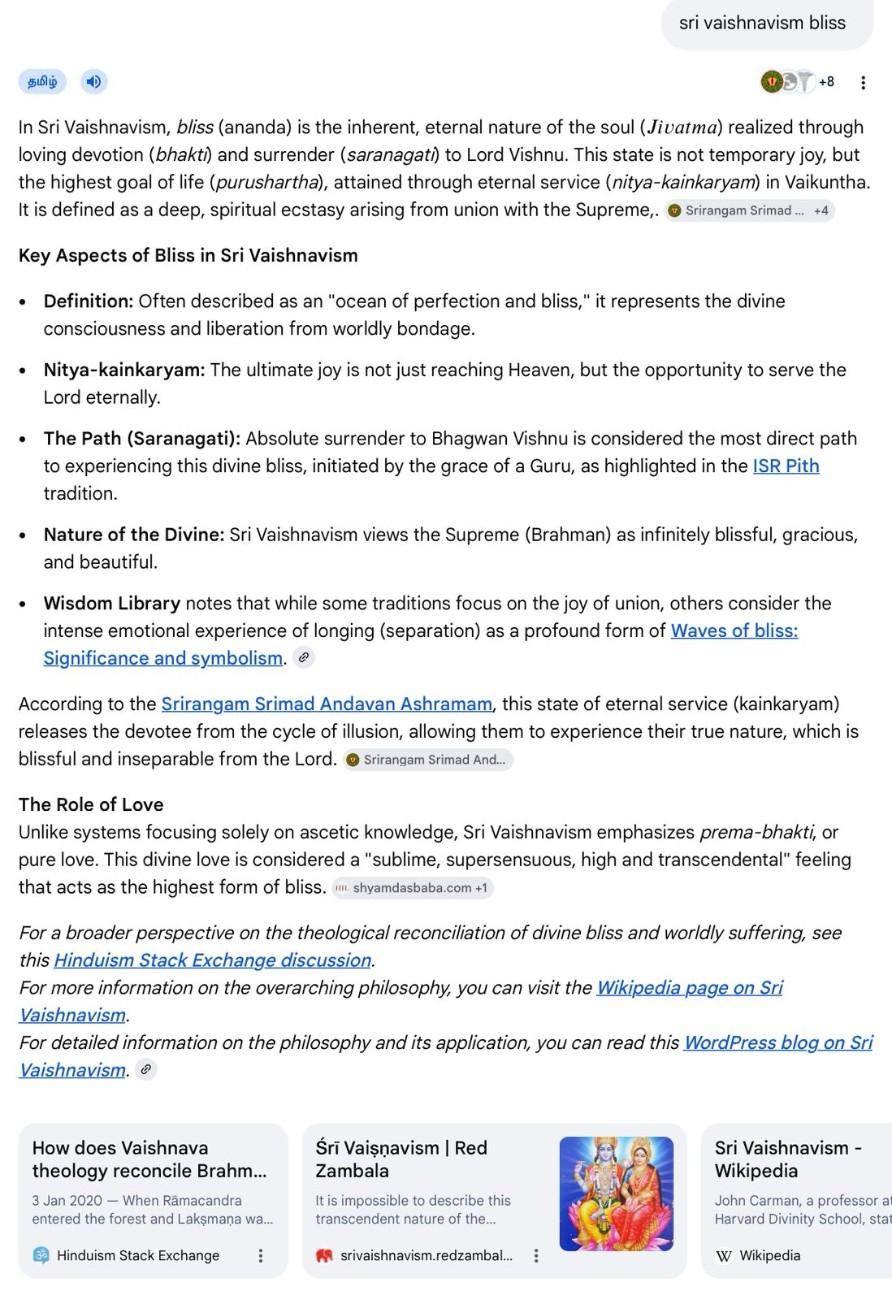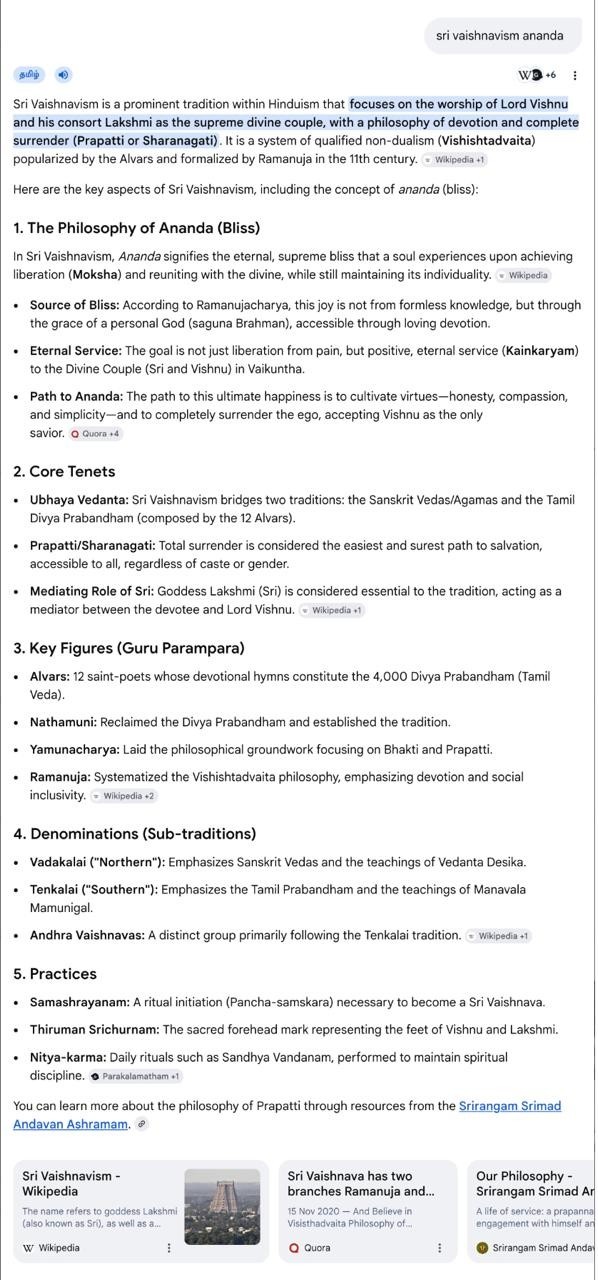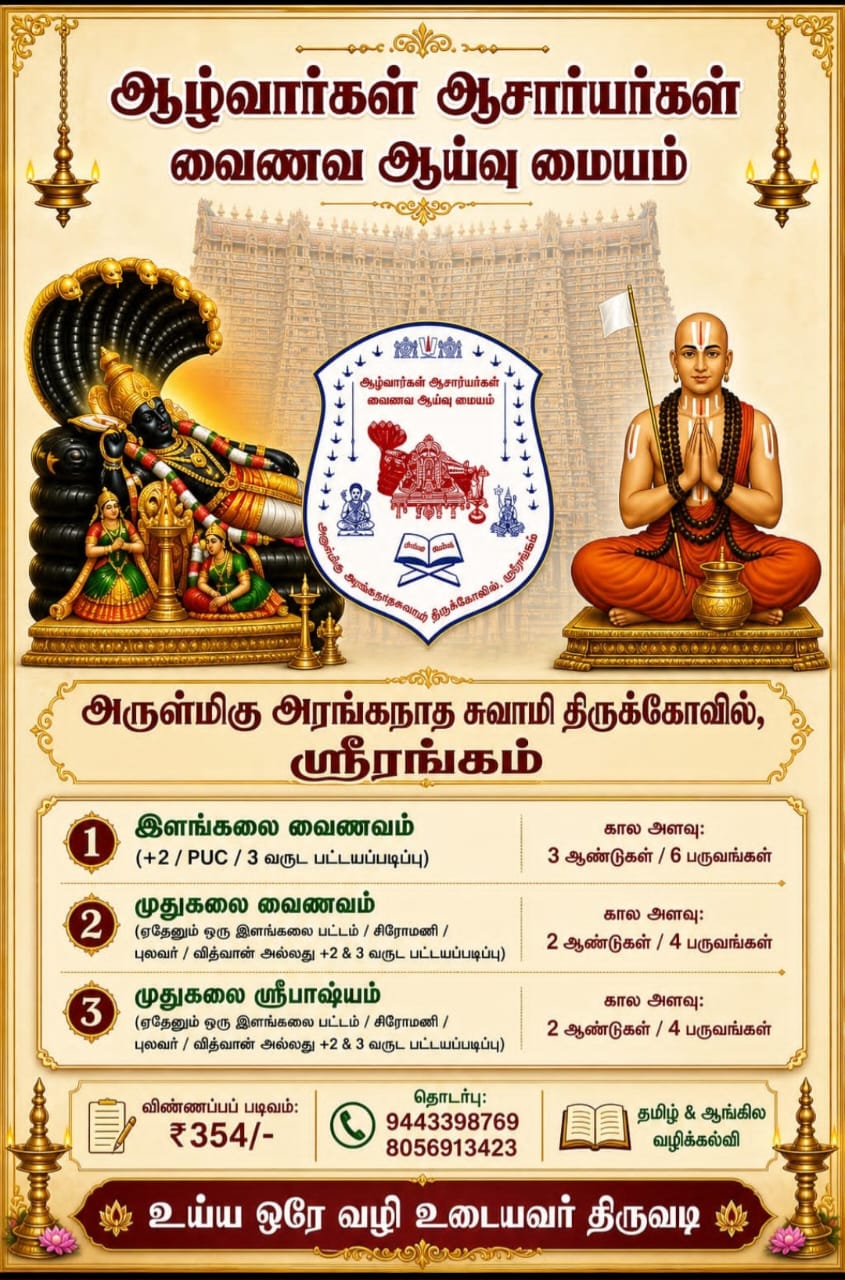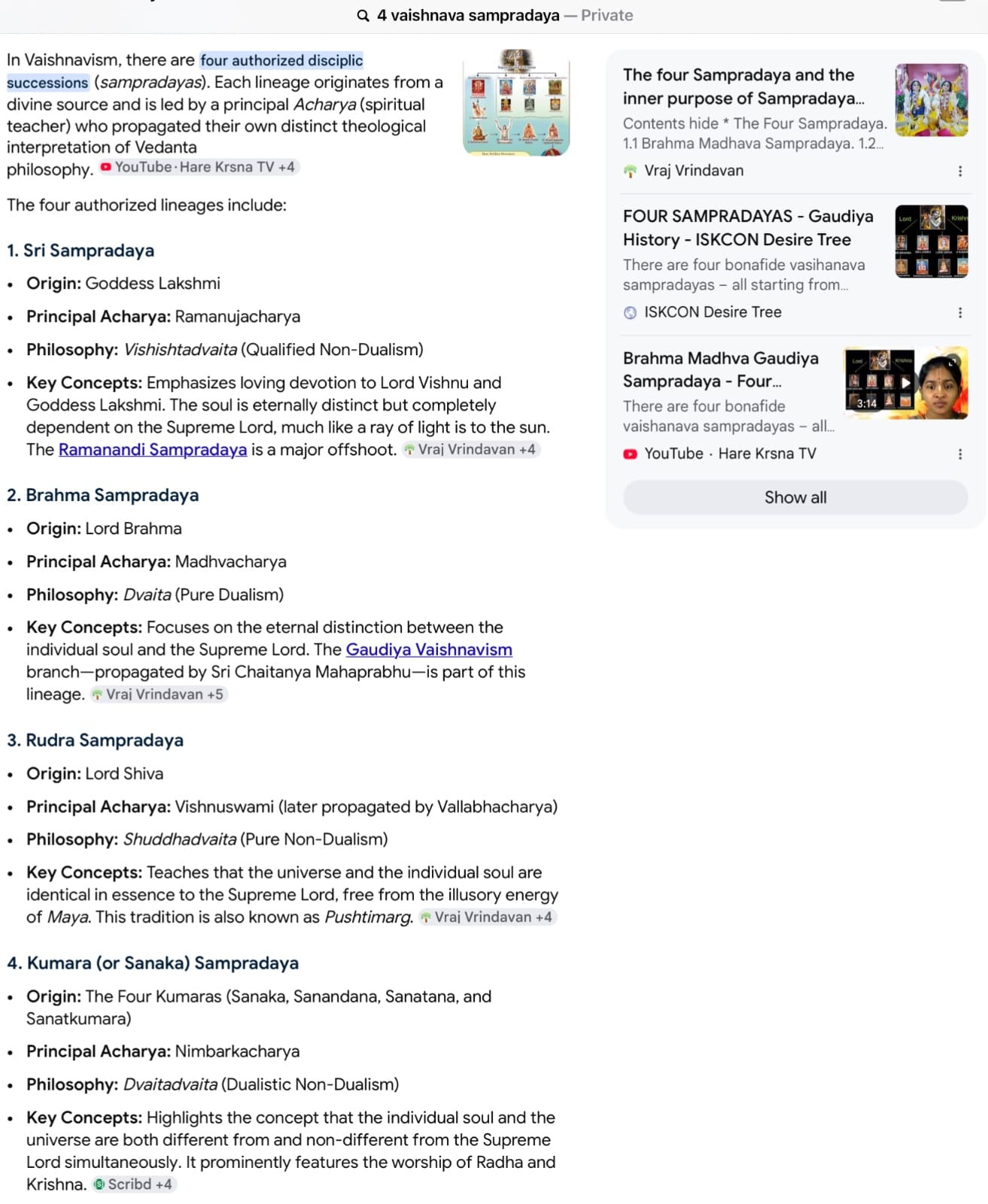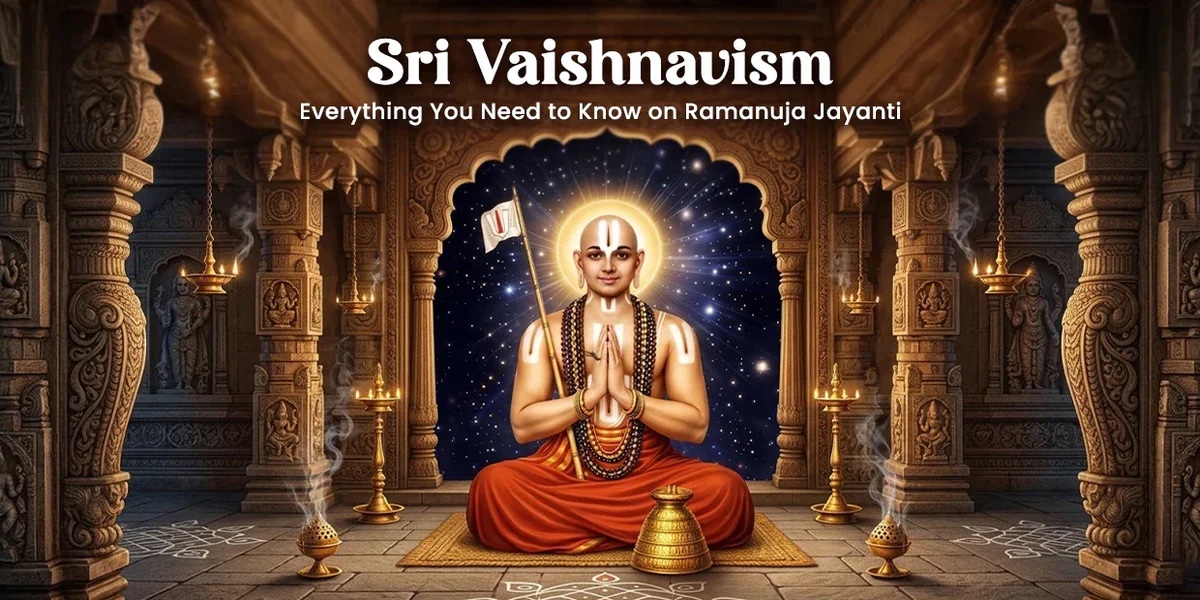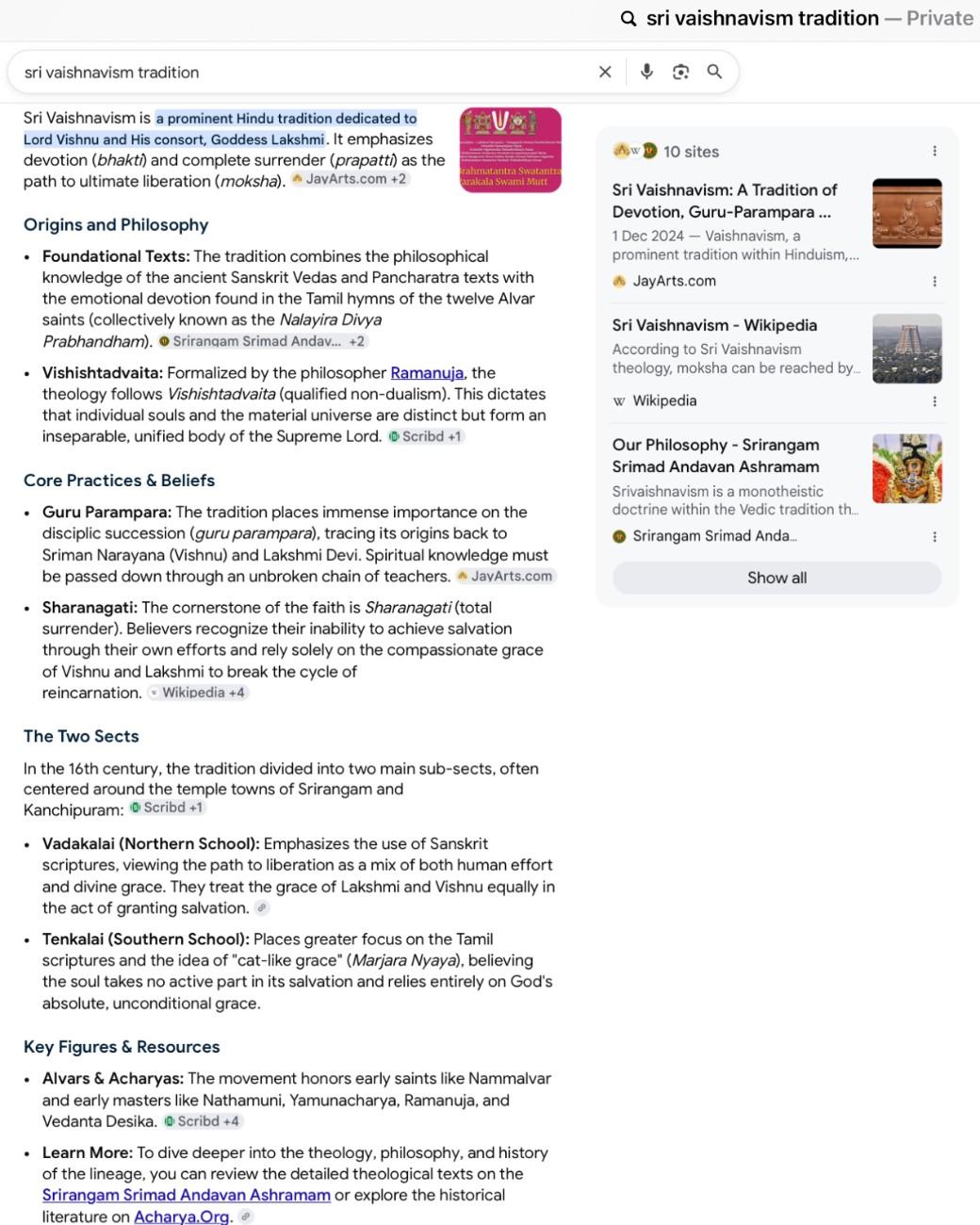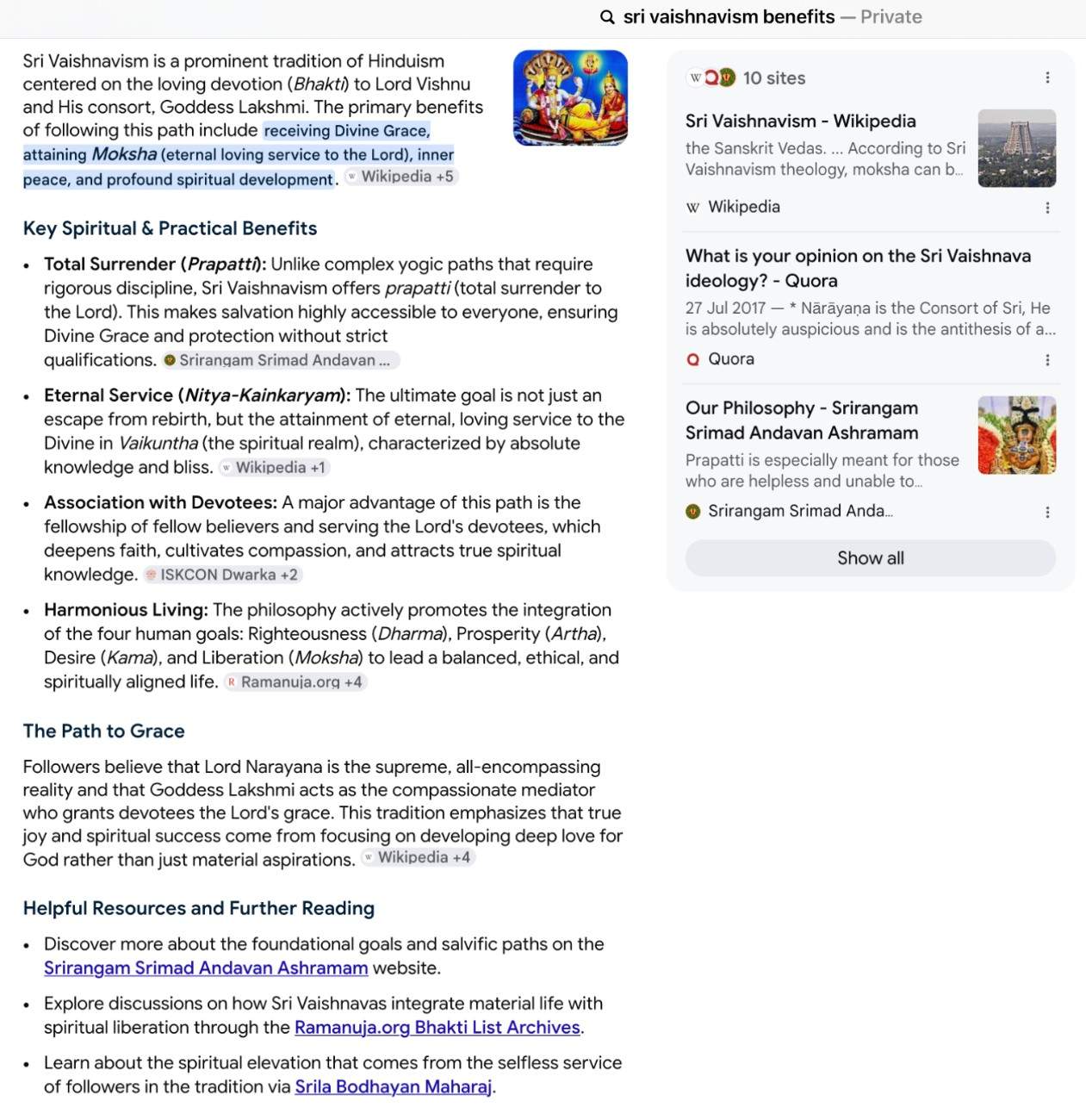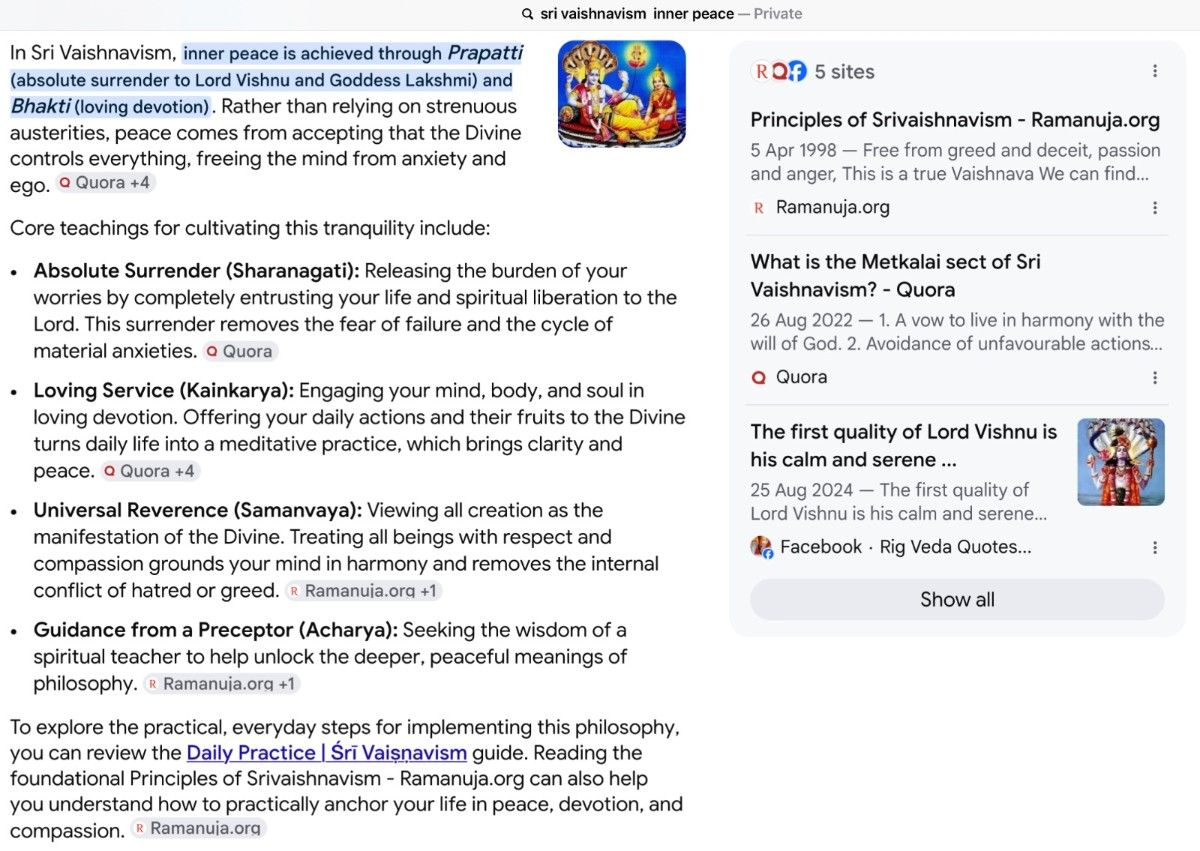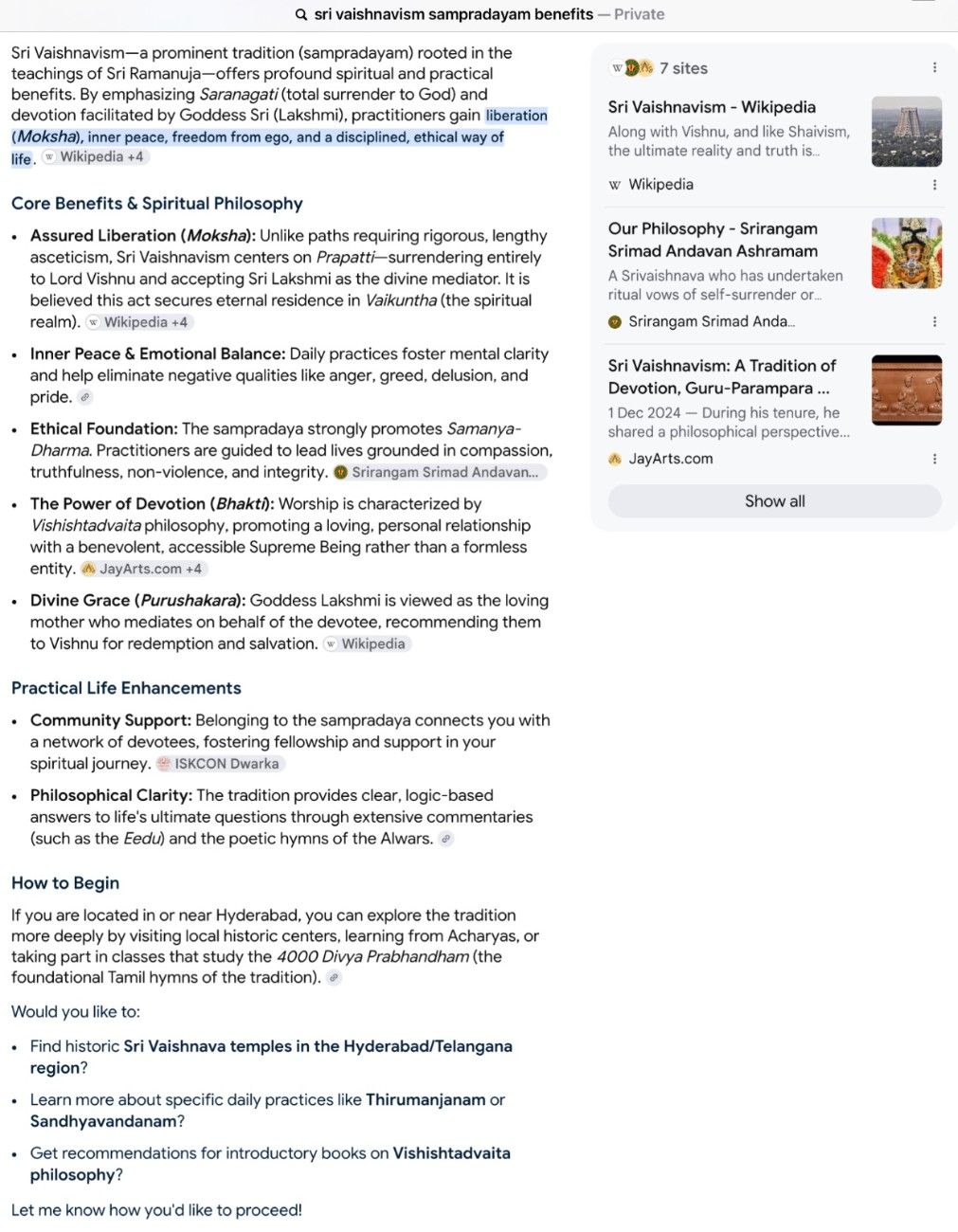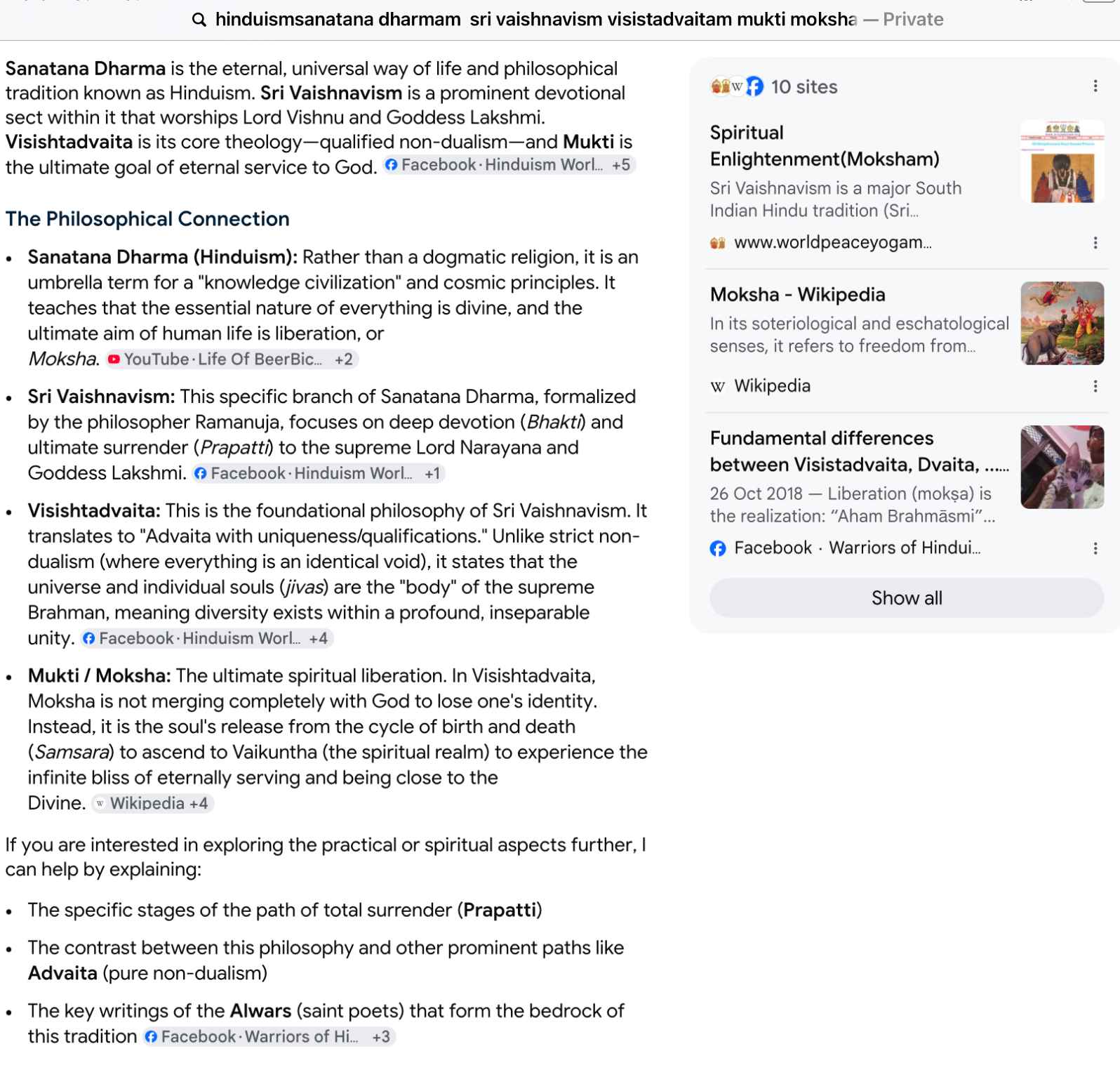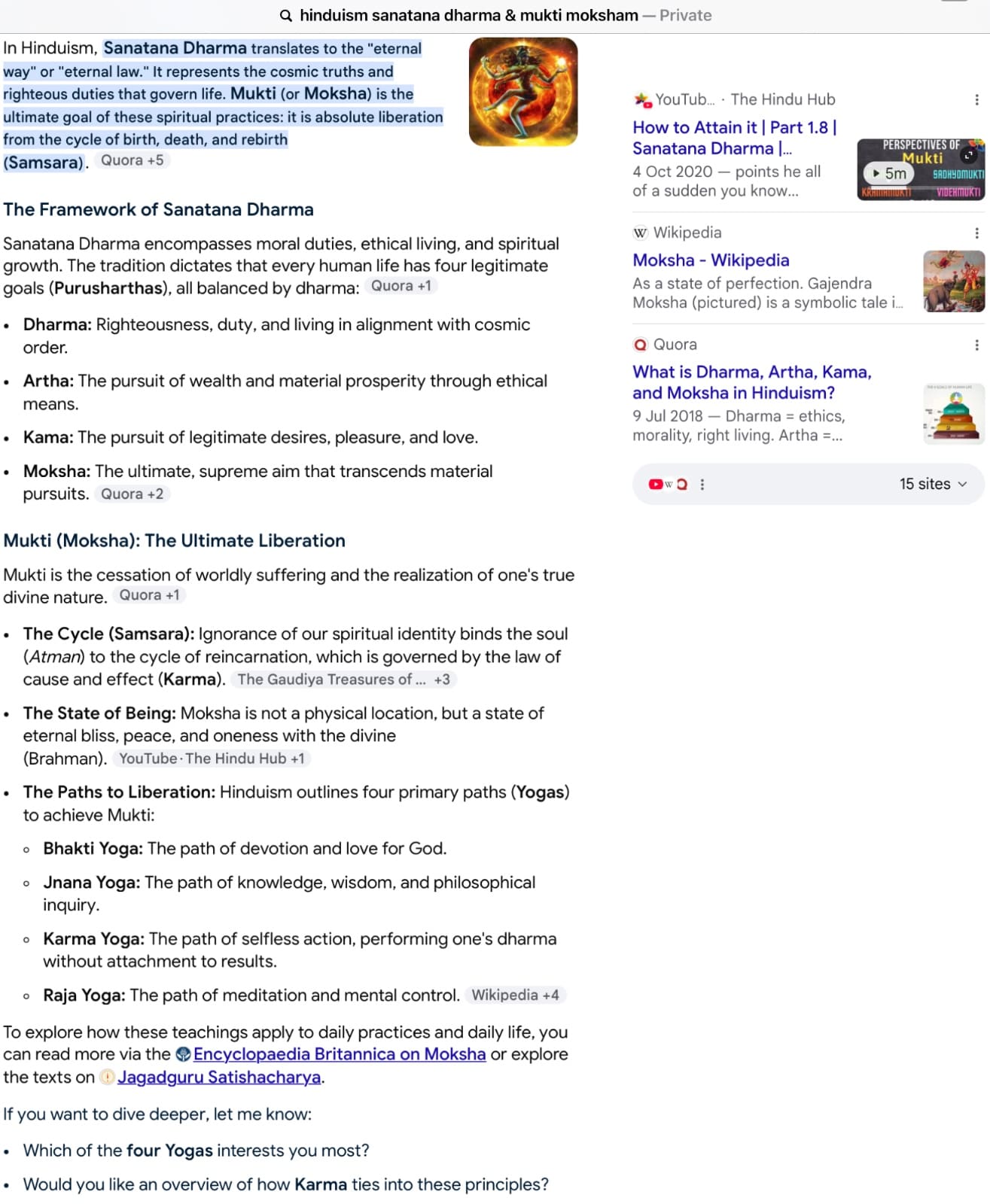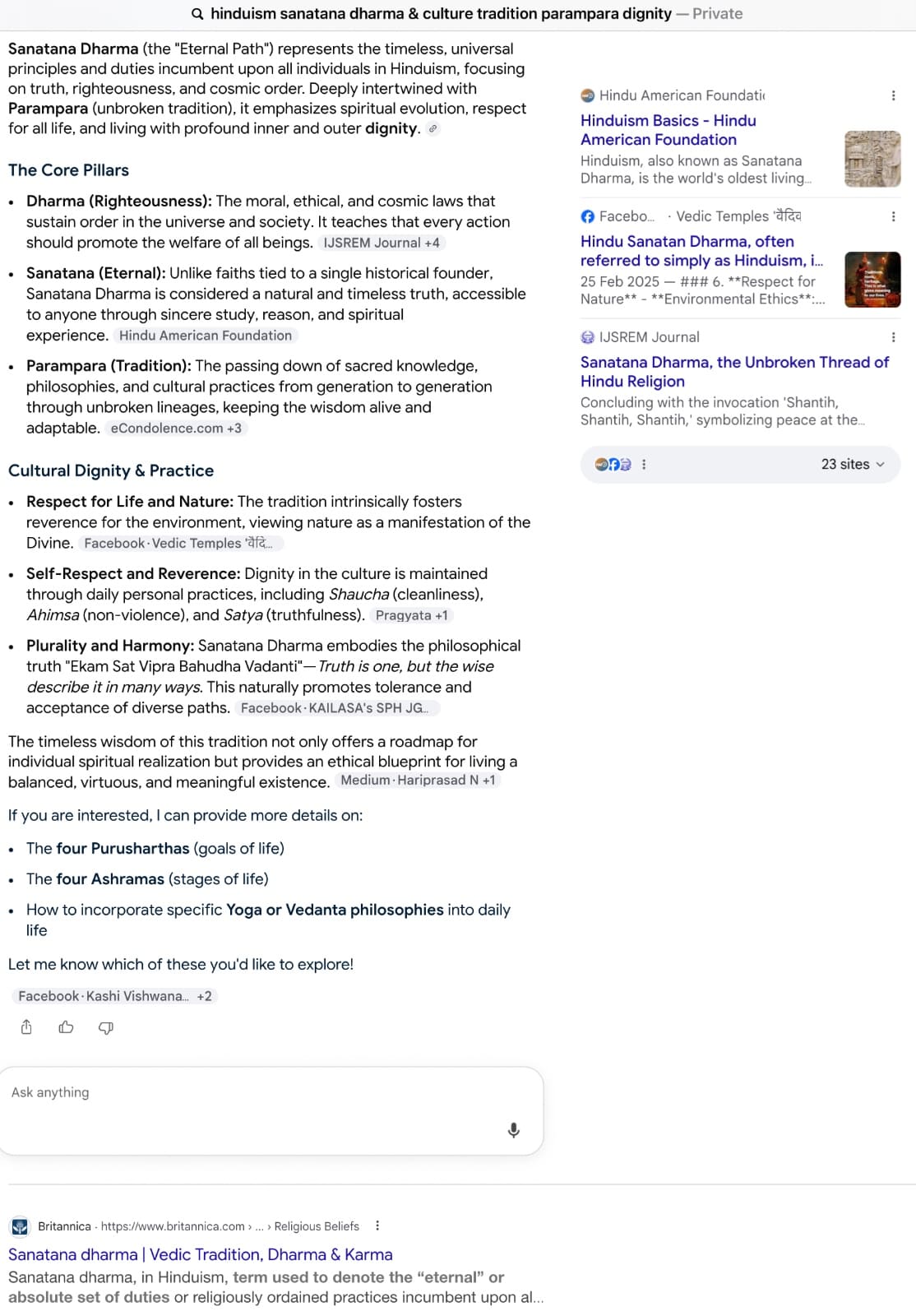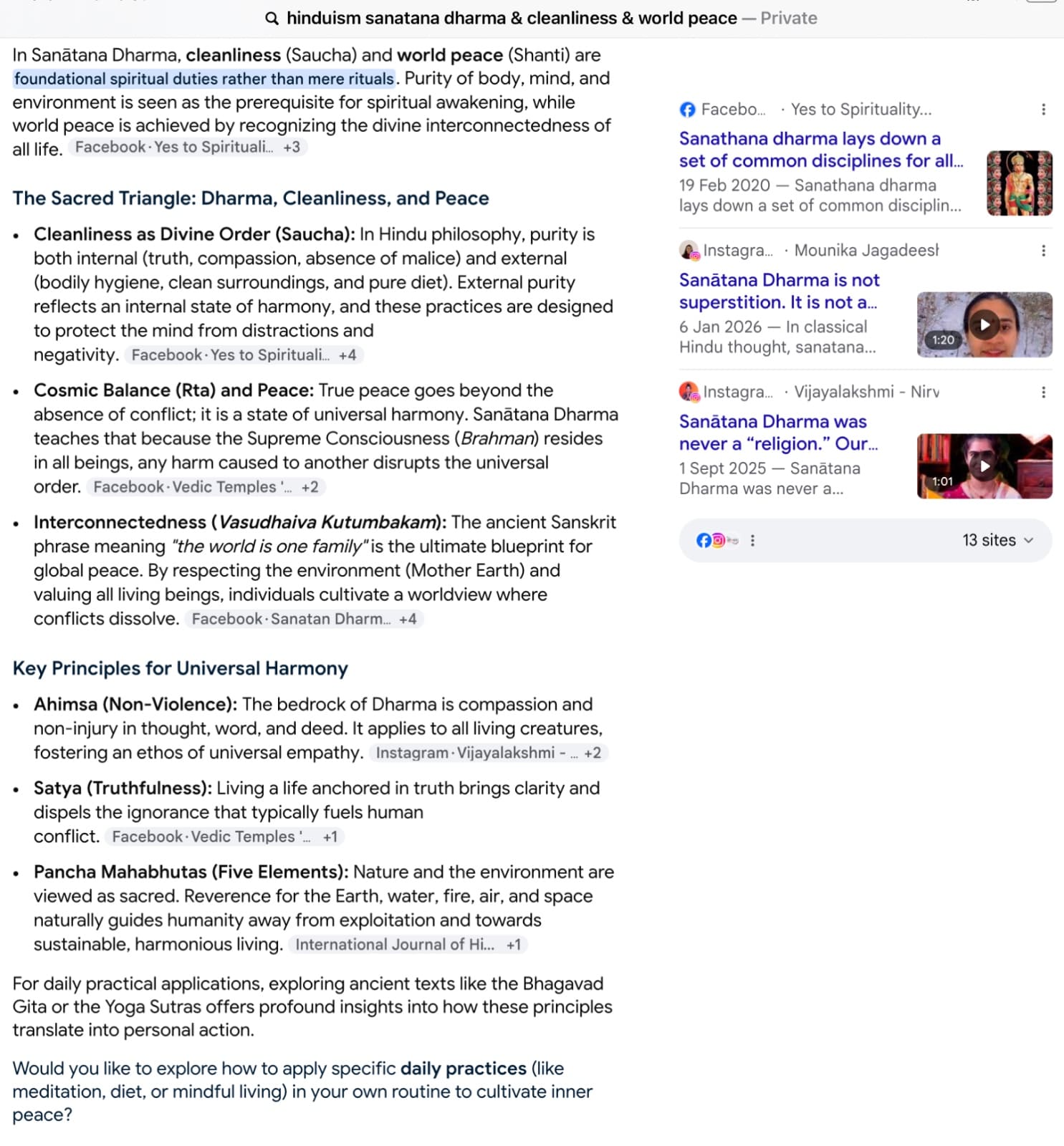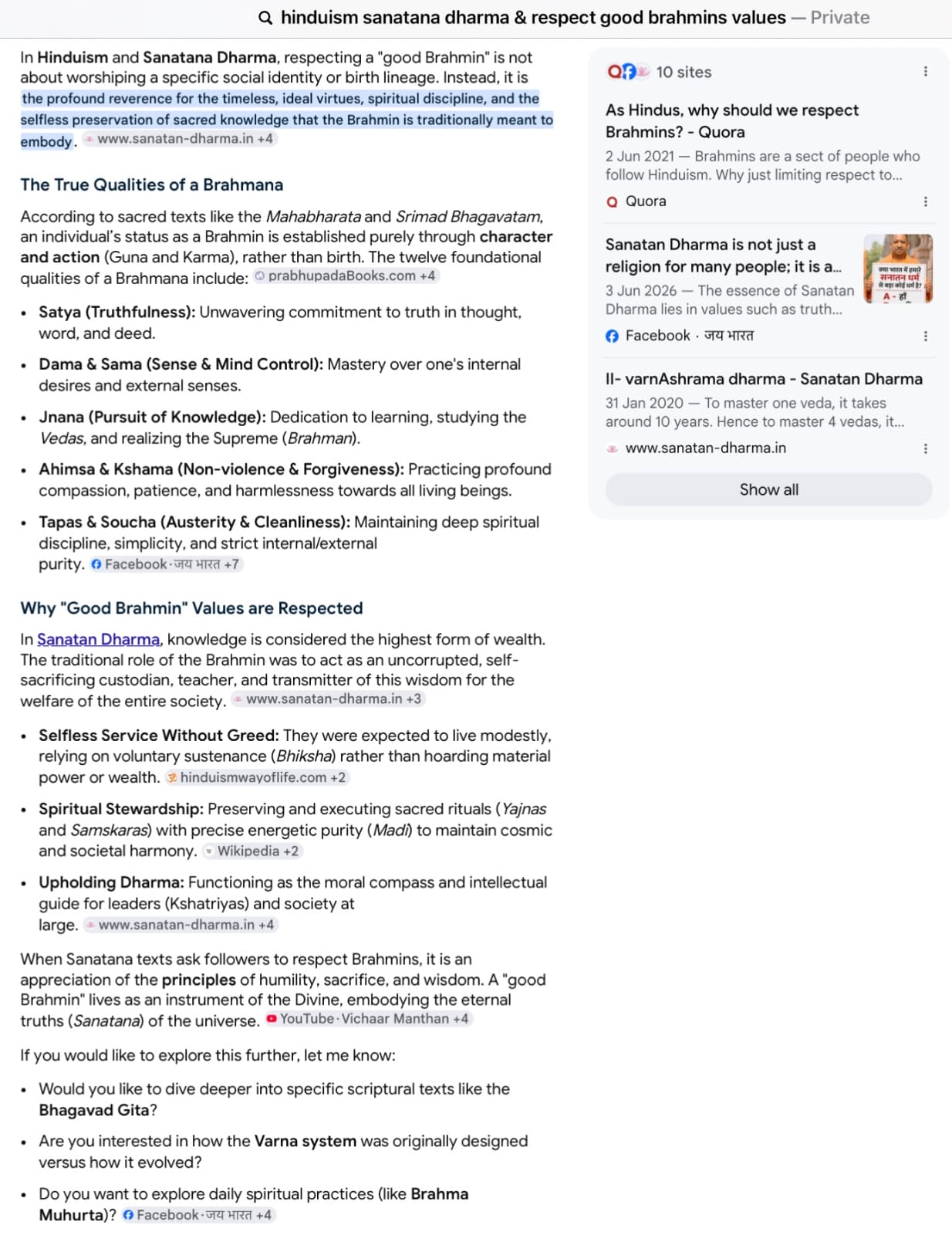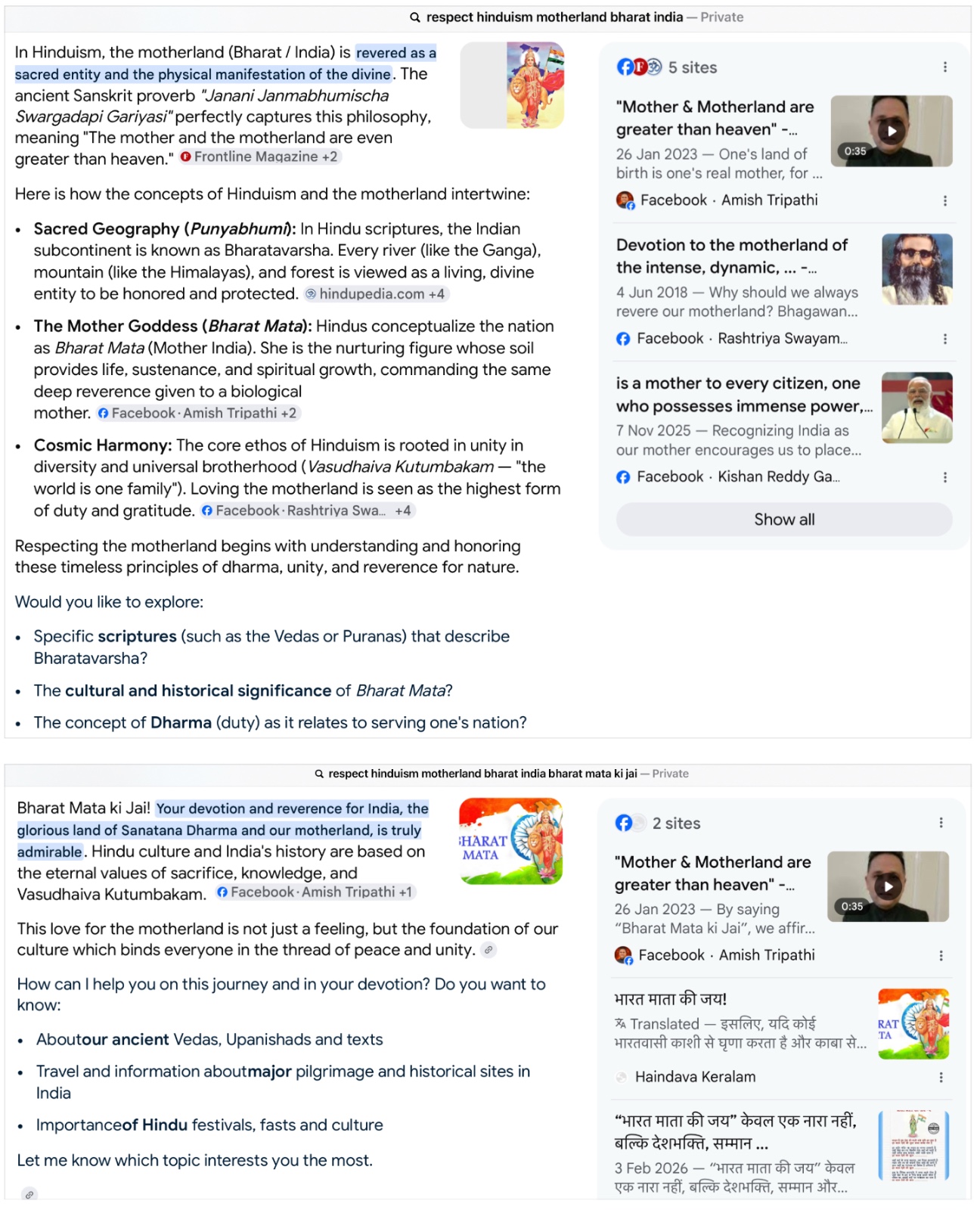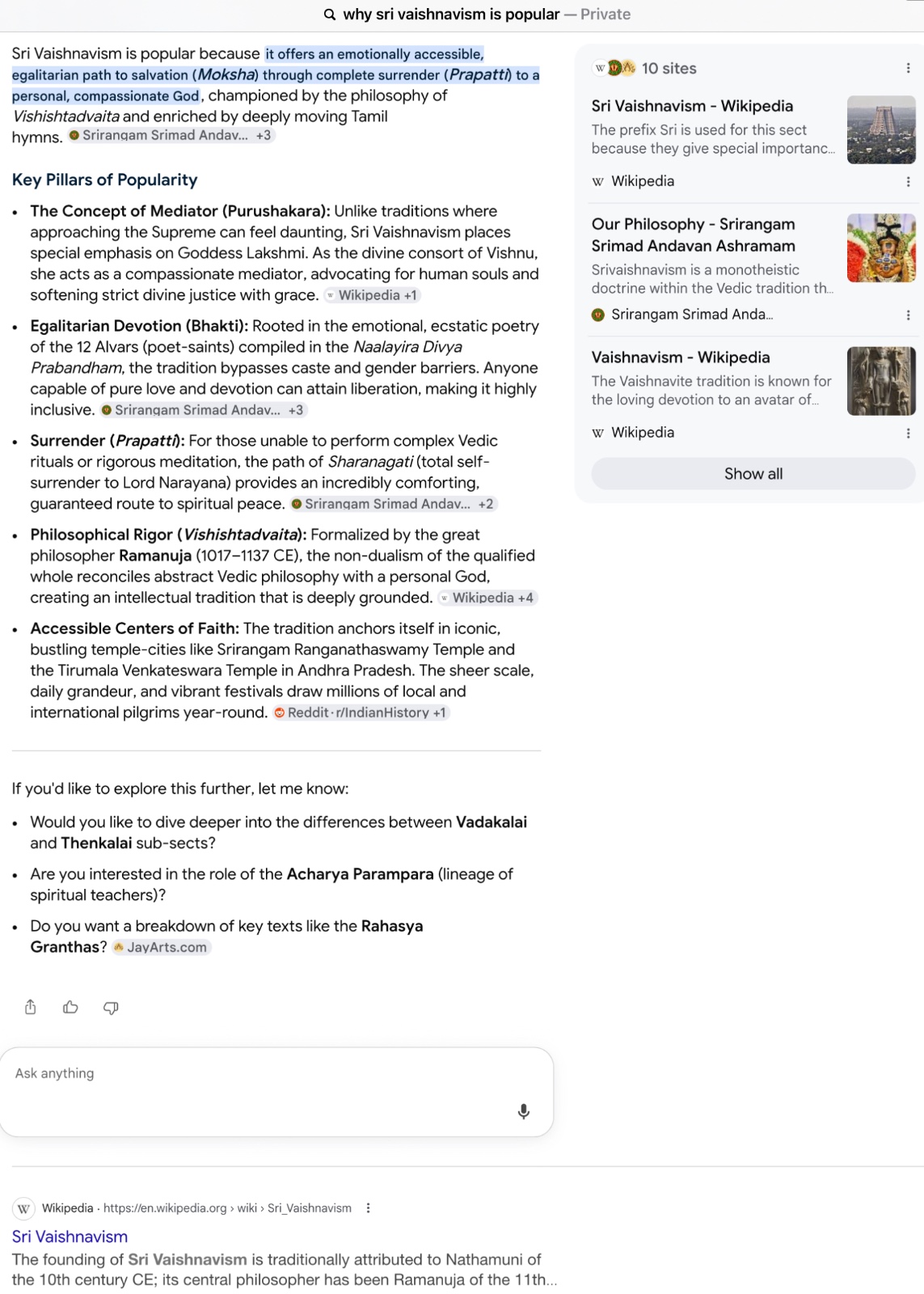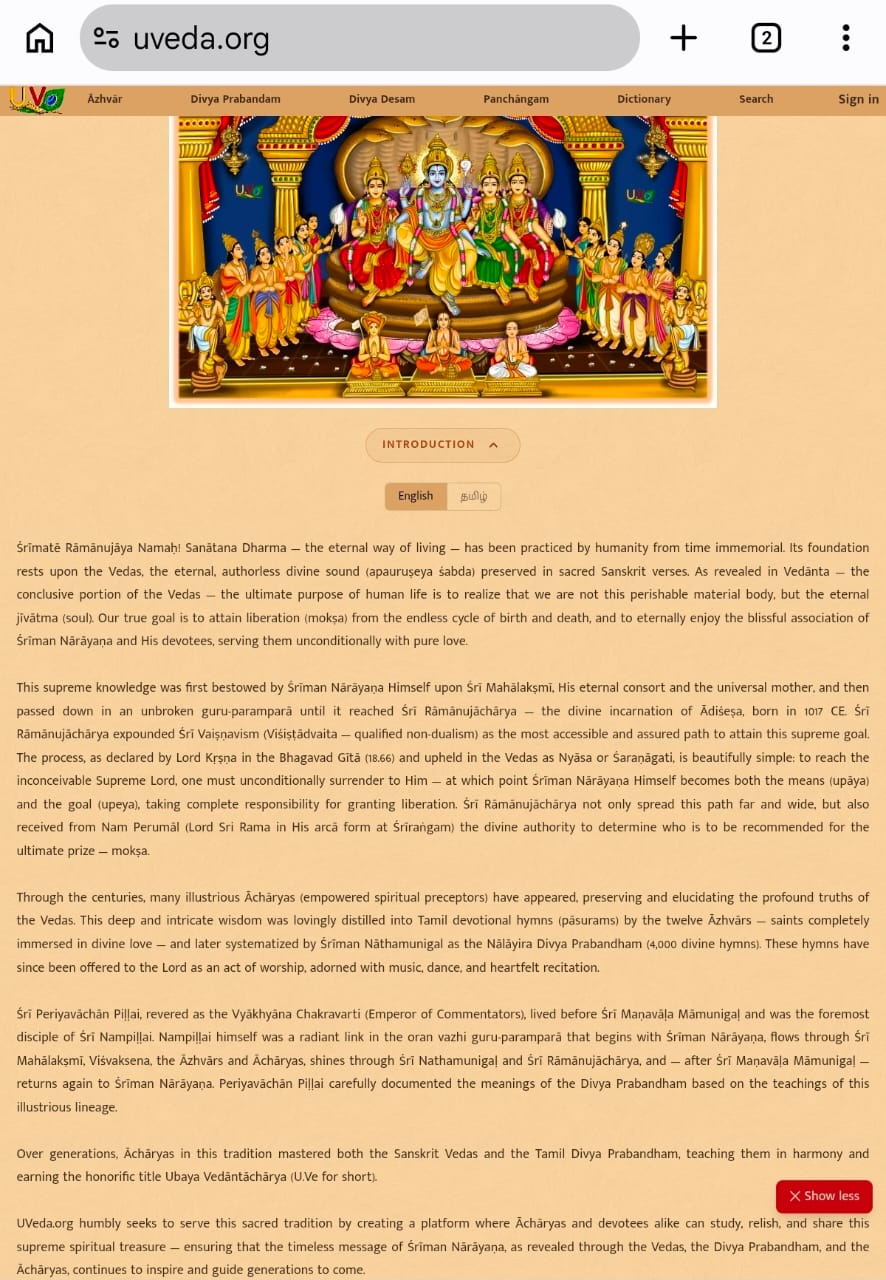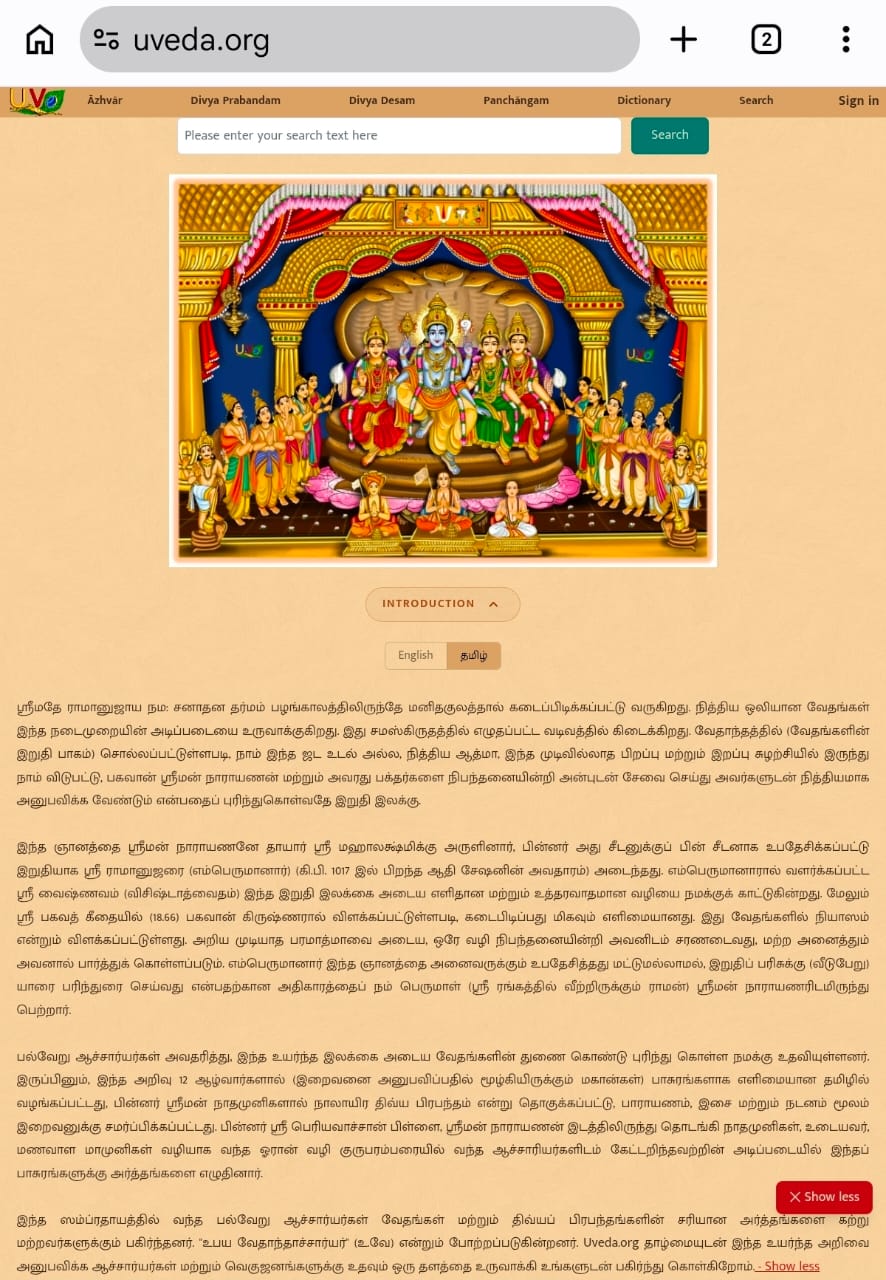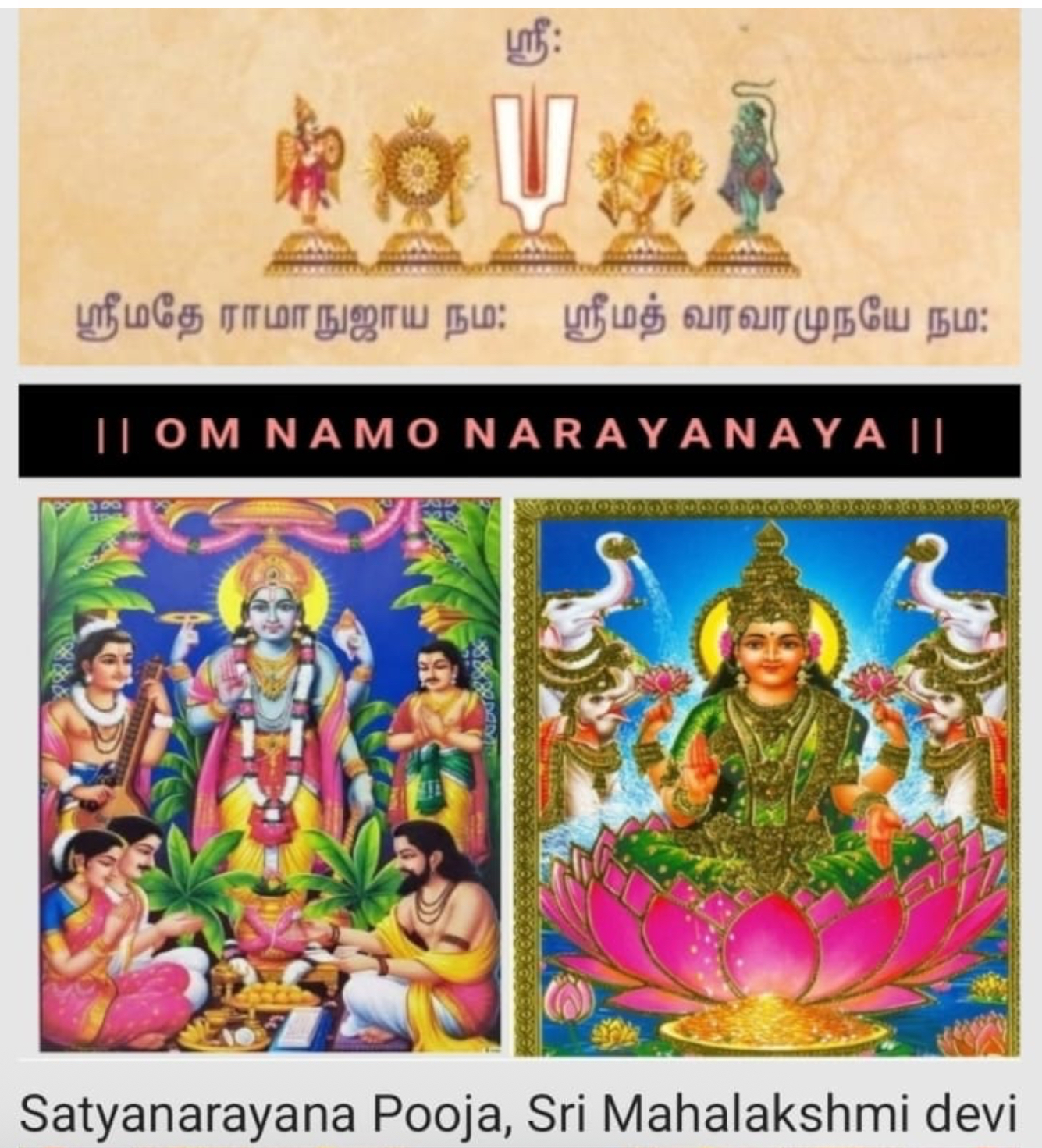
Sri Vaishnavism is a major South Indian Hindu tradition (Sri sampradaya) focusing on the joint worship of Lord Vishnu and Goddess Lakshmi, founded by Nathamuni and later developed by Ramanuja. Based on Vishishtadvaita Vedanta, it emphasizes total surrender (Prapatti) to God, devotion to the 12 Alwars' hymns (Nalayira Divya Prabandham), and strict ethical living.
Key Principles and Beliefs:
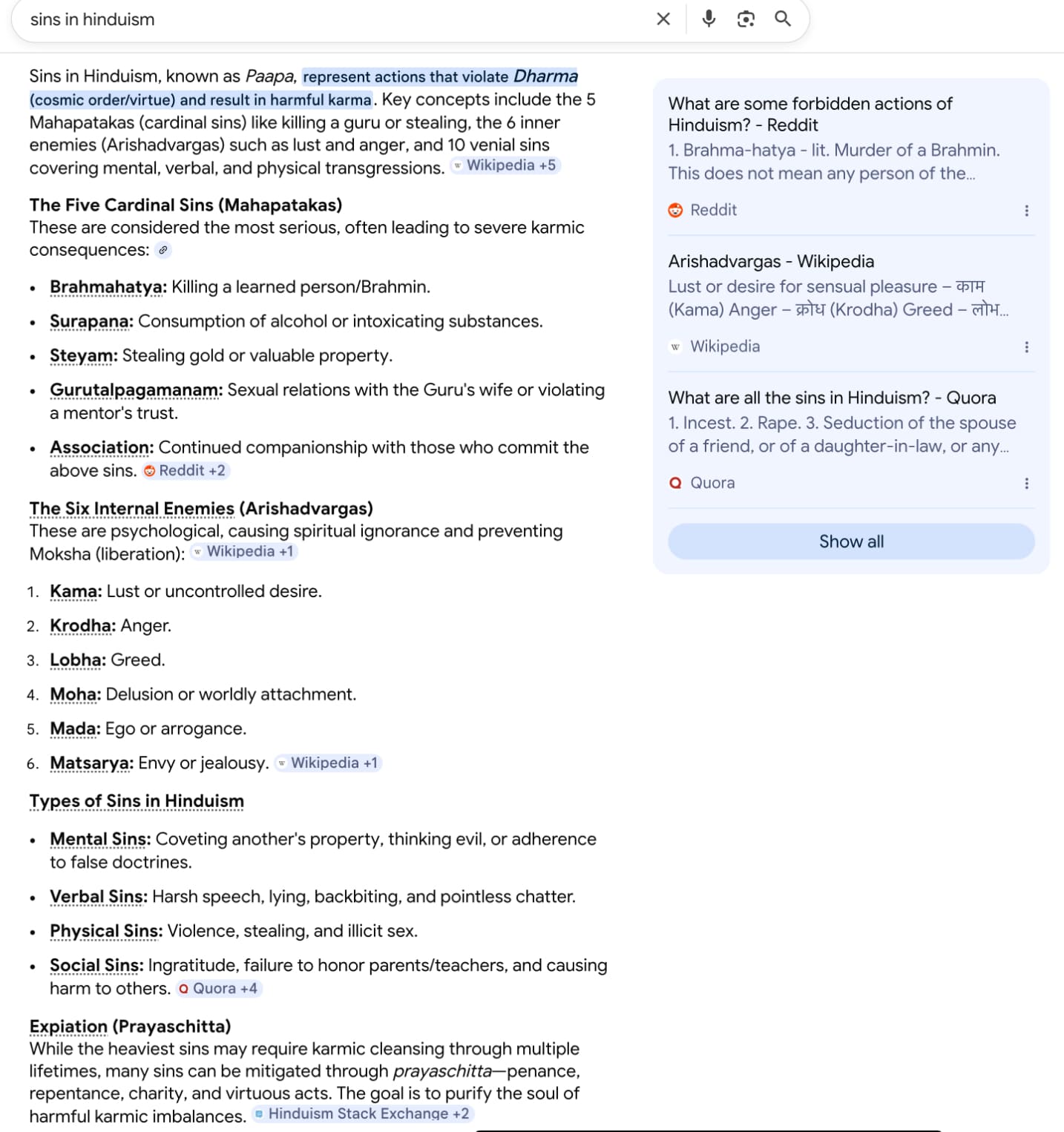
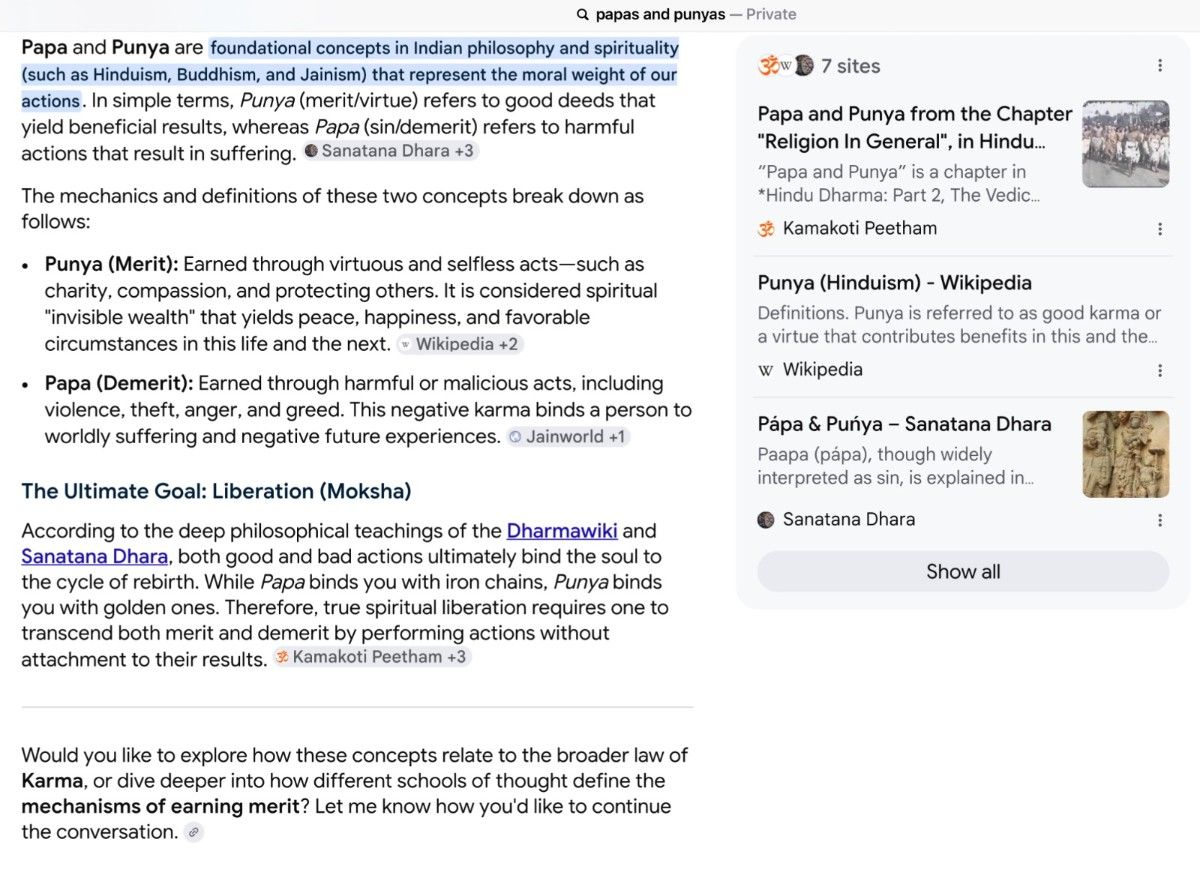
- Theological Foundation: Adheres to Vishishtadvaita (qualified non-dualism), promoting a personal God (Sriman Narayana) who possesses all auspicious attributes.
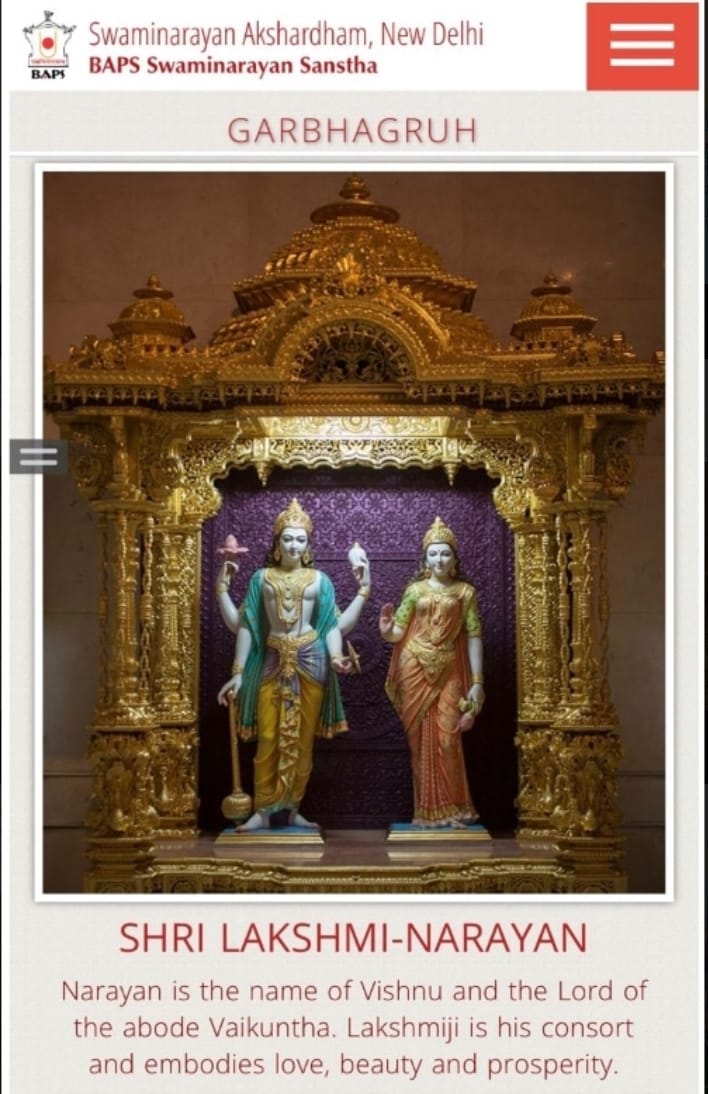
- Role of Goddess Lakshmi: Lakshmi ("Sri") is considered the inseparable consort of Vishnu, serving as the mediator (Purushakara) who pleads for the devotee's salvation.
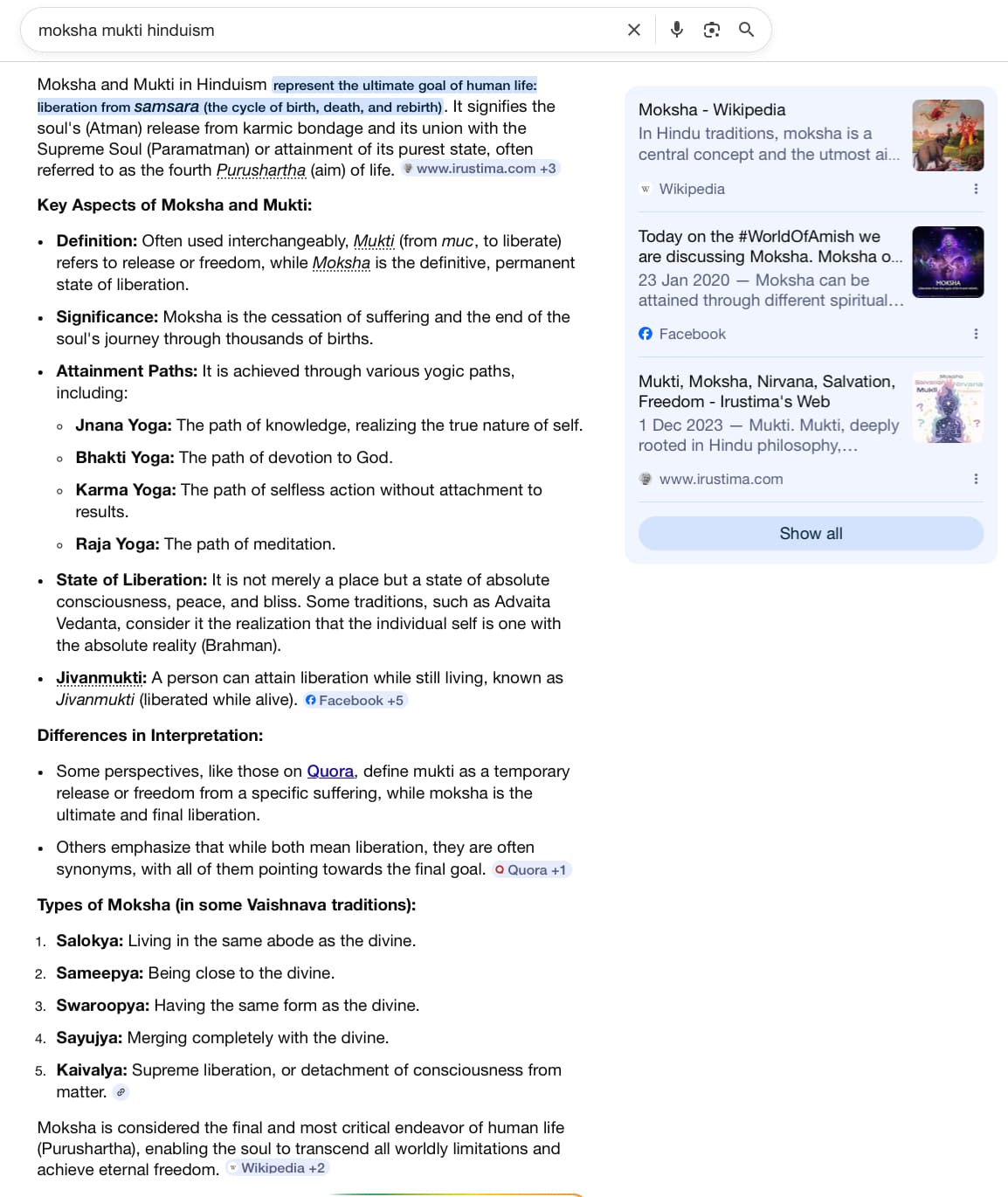
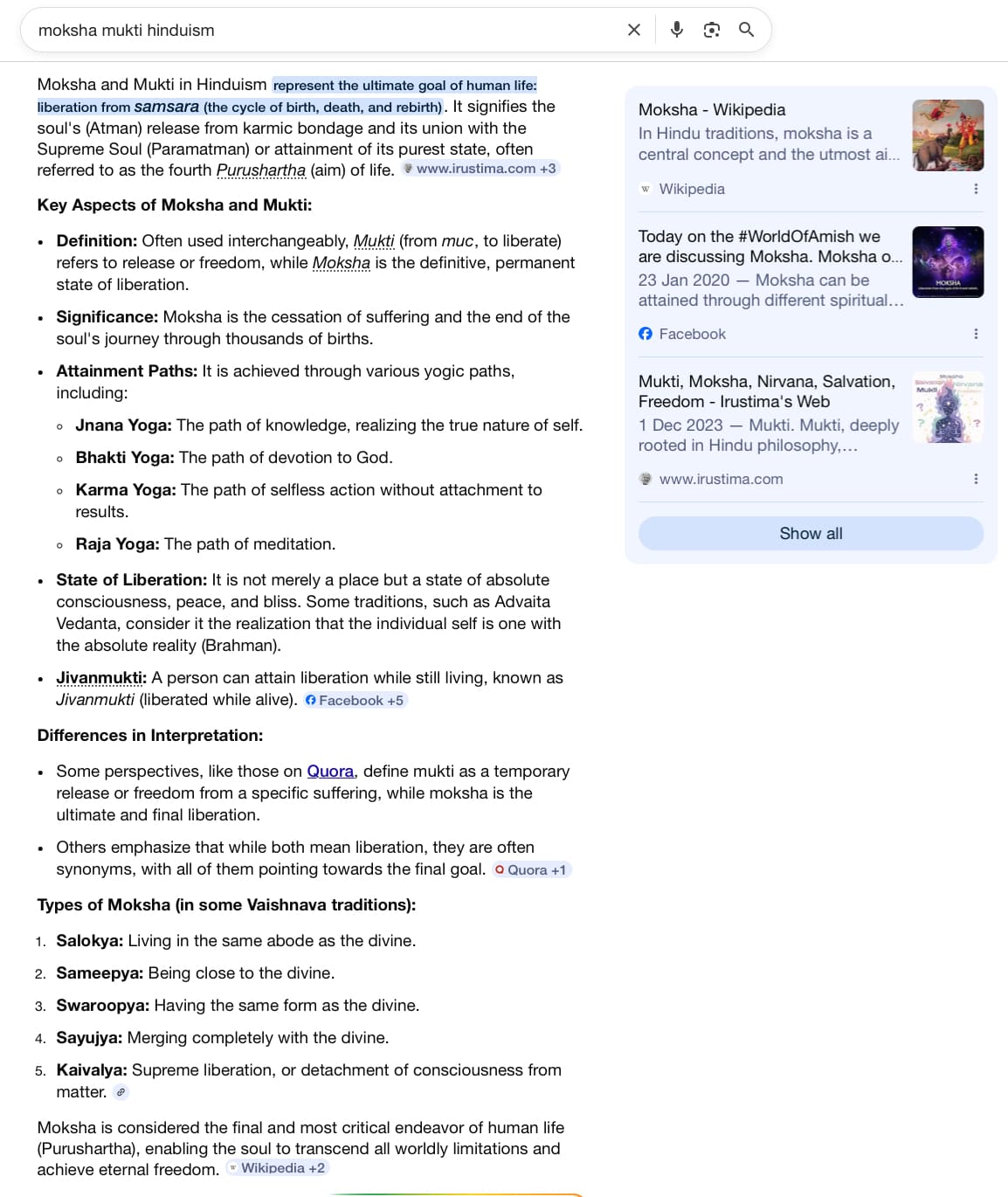
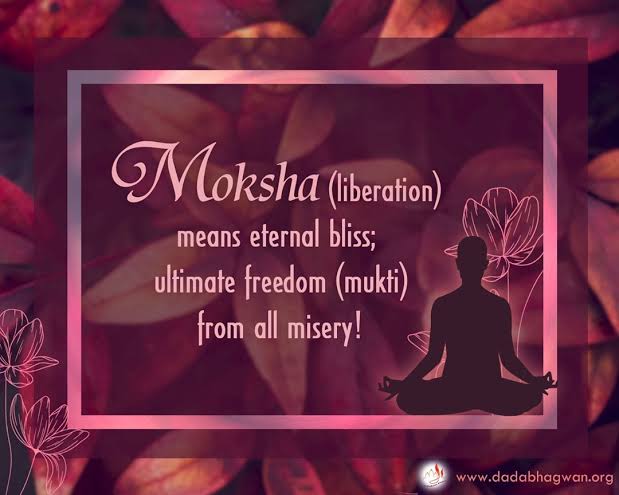
- Total Surrender (Prapatti): The ultimate goal is Moksha (liberation), achieved through Saranagati (absolute surrender) to Vishnu, facilitated by an Acharya (Guru).
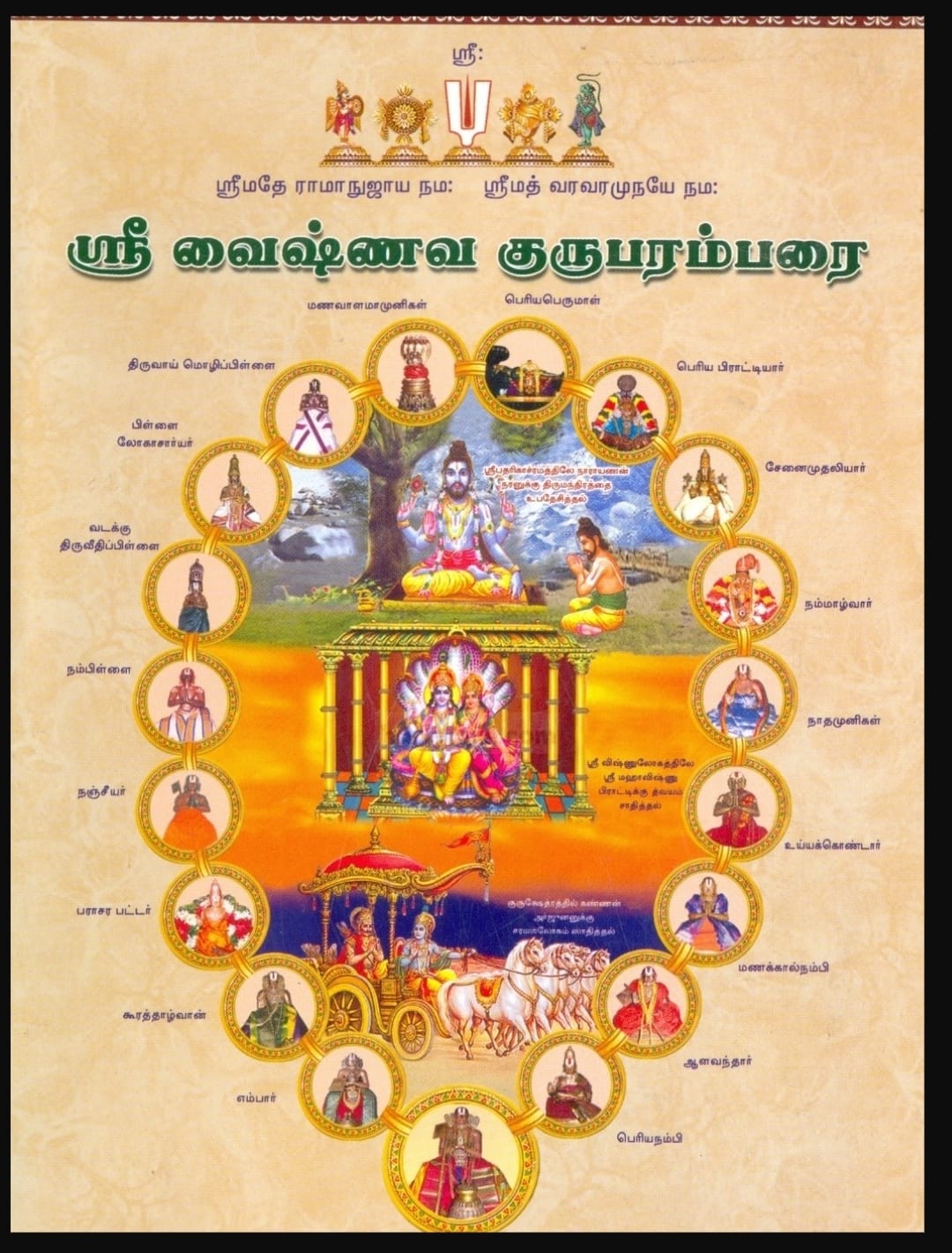
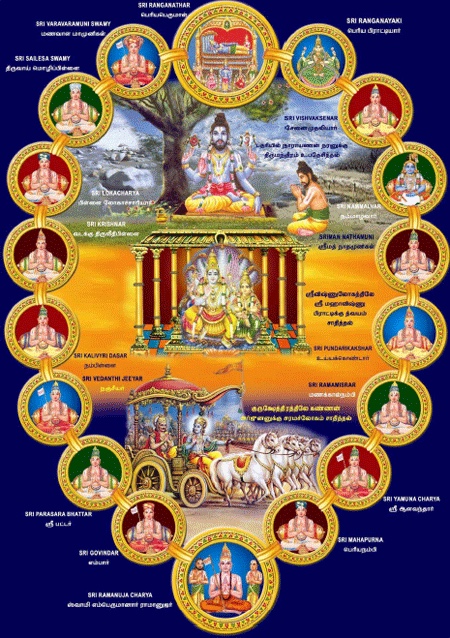
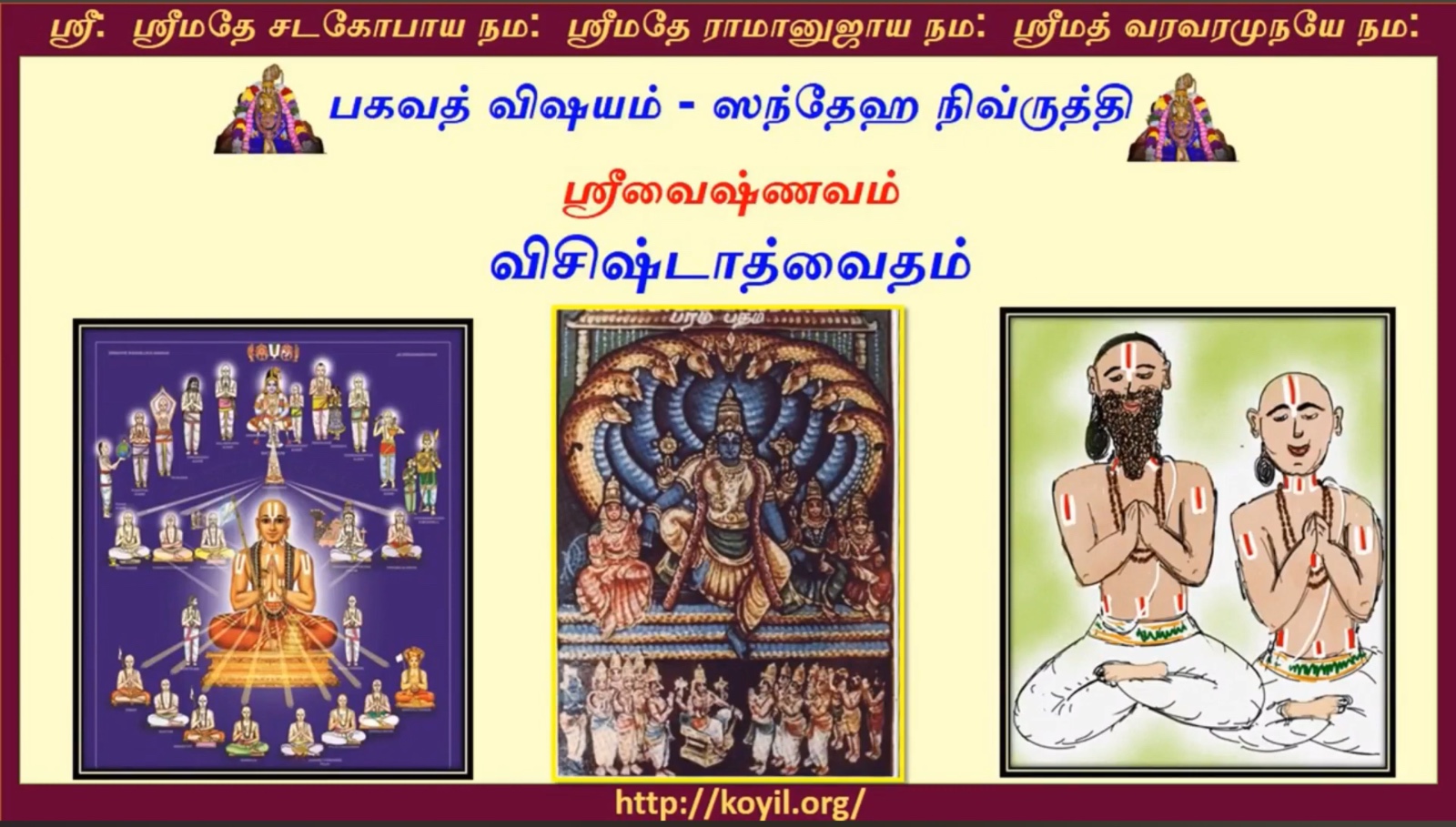
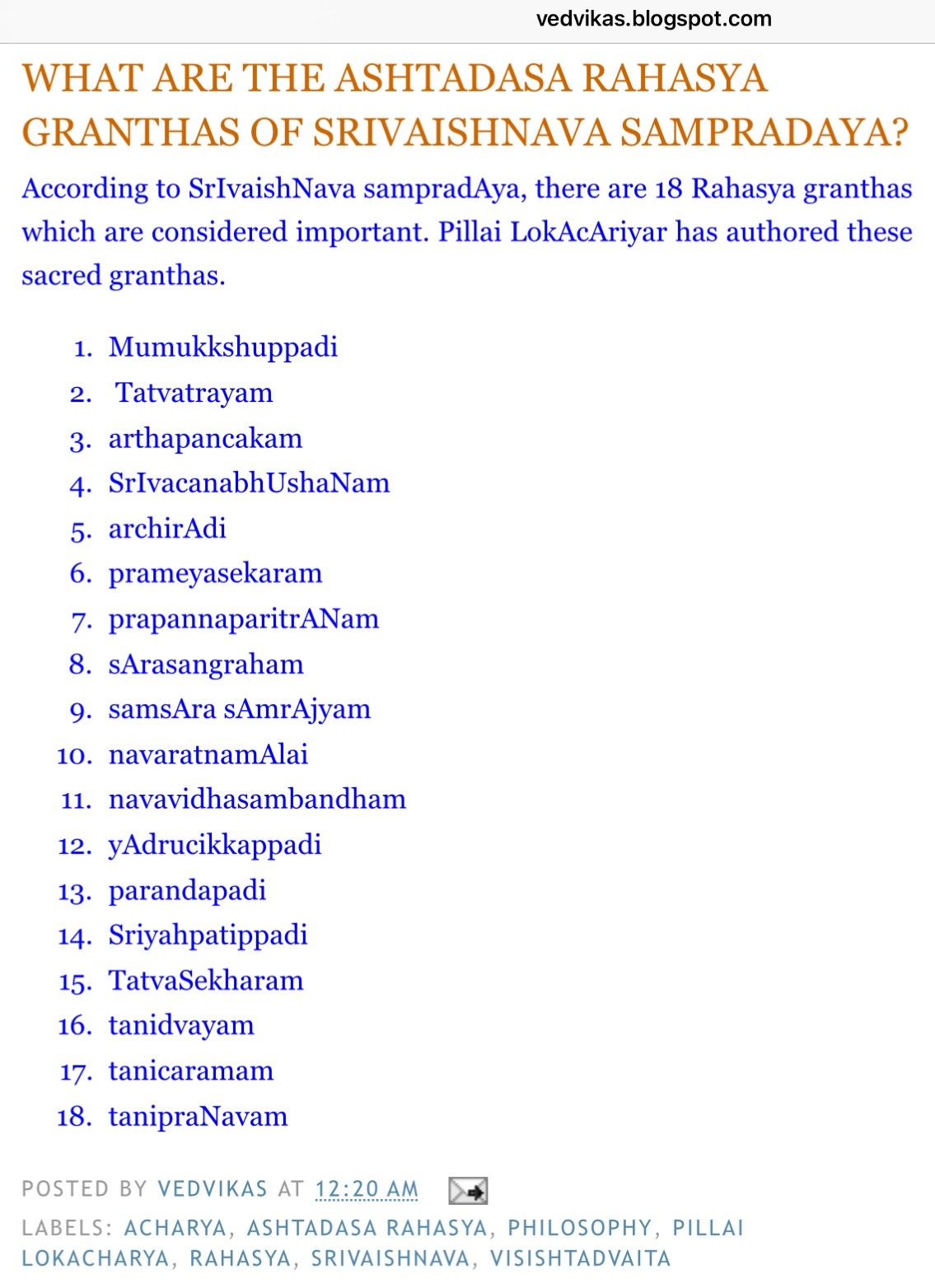
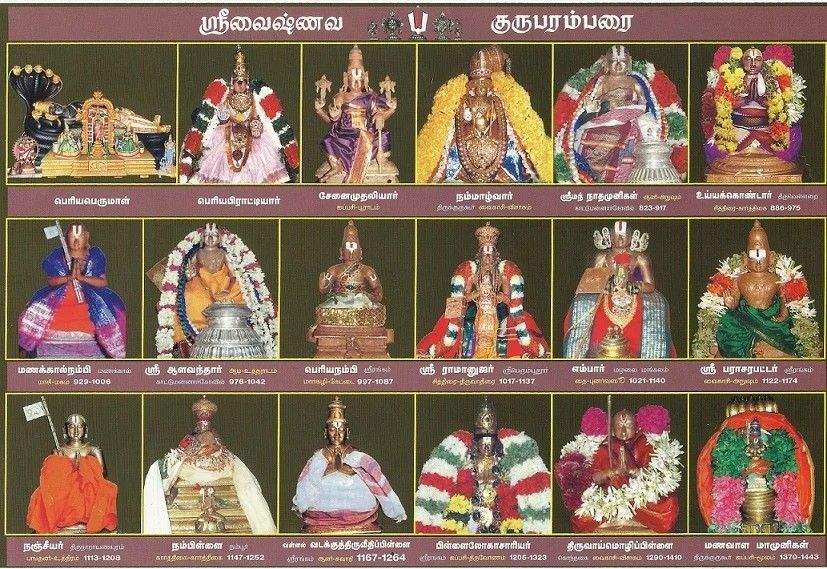
- Guru Parampara: A strict lineage of teachers, starting from Narayana, passing to Lakshmi, Vishvaksena, and then to human acharyas like Nathamuni, Yamunacharya, and Ramanuja.
Practices and Lifestyle:
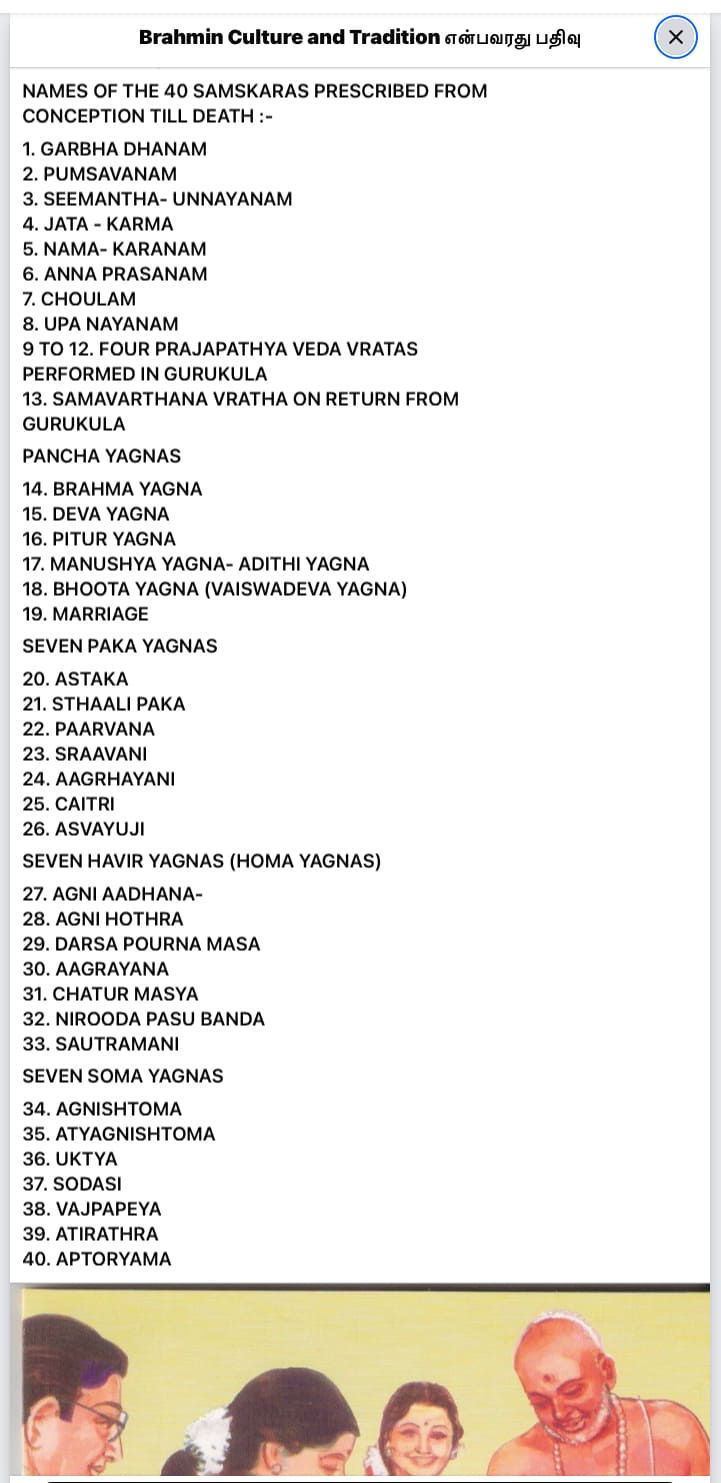
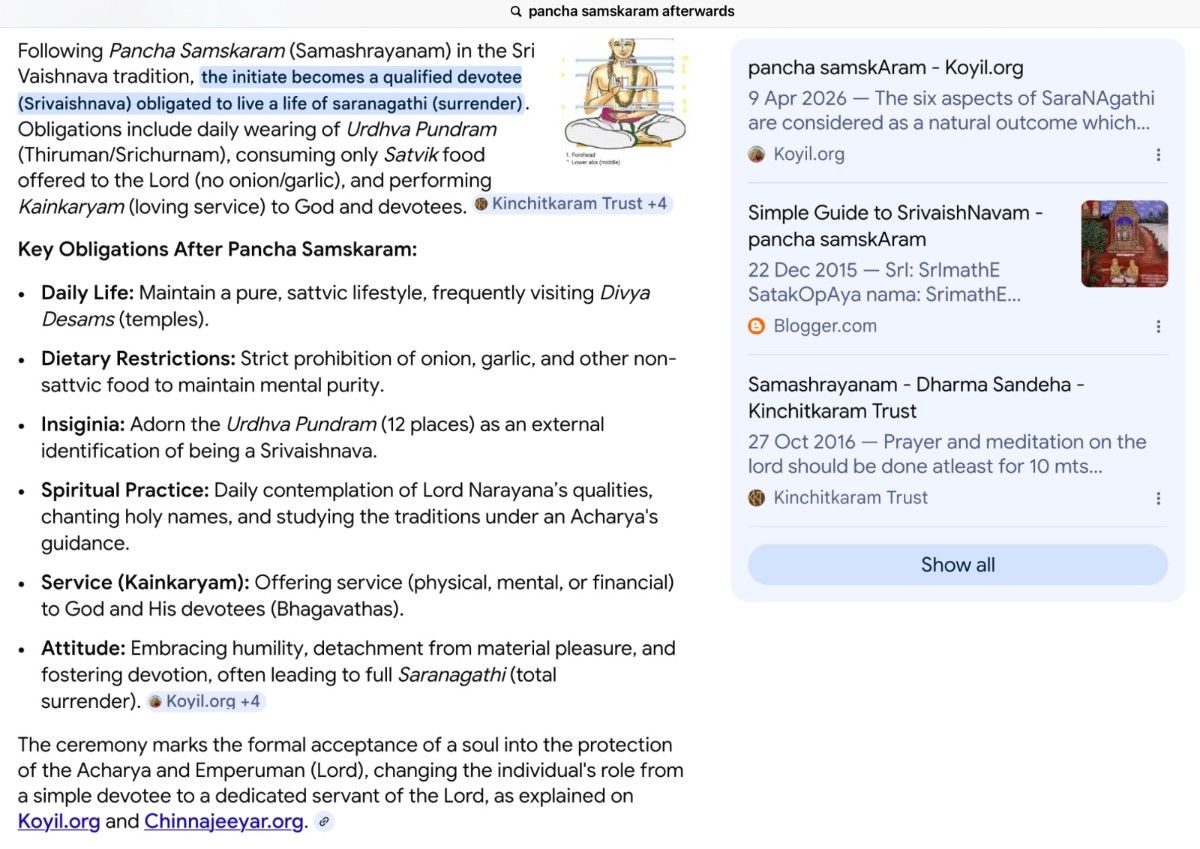
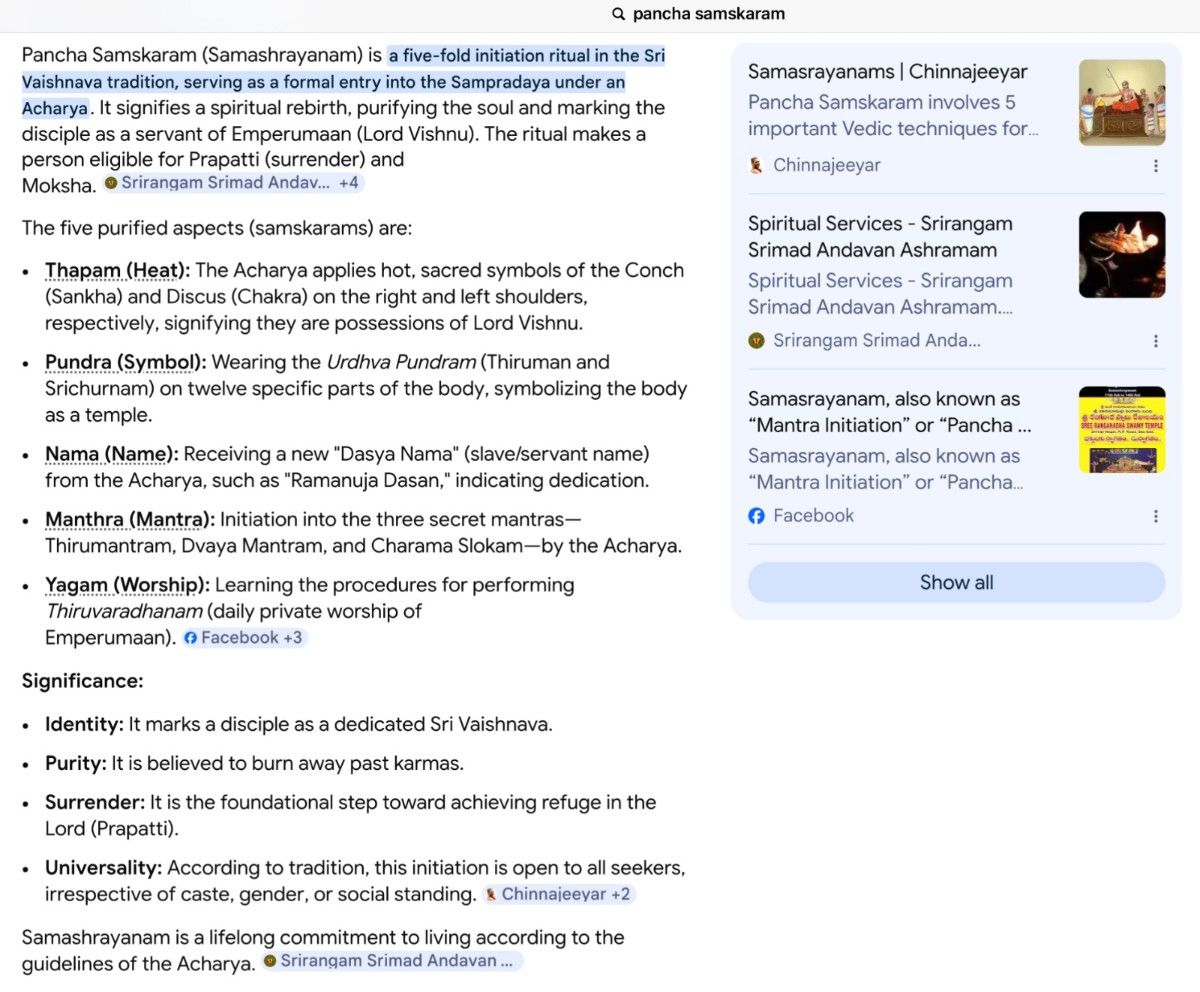
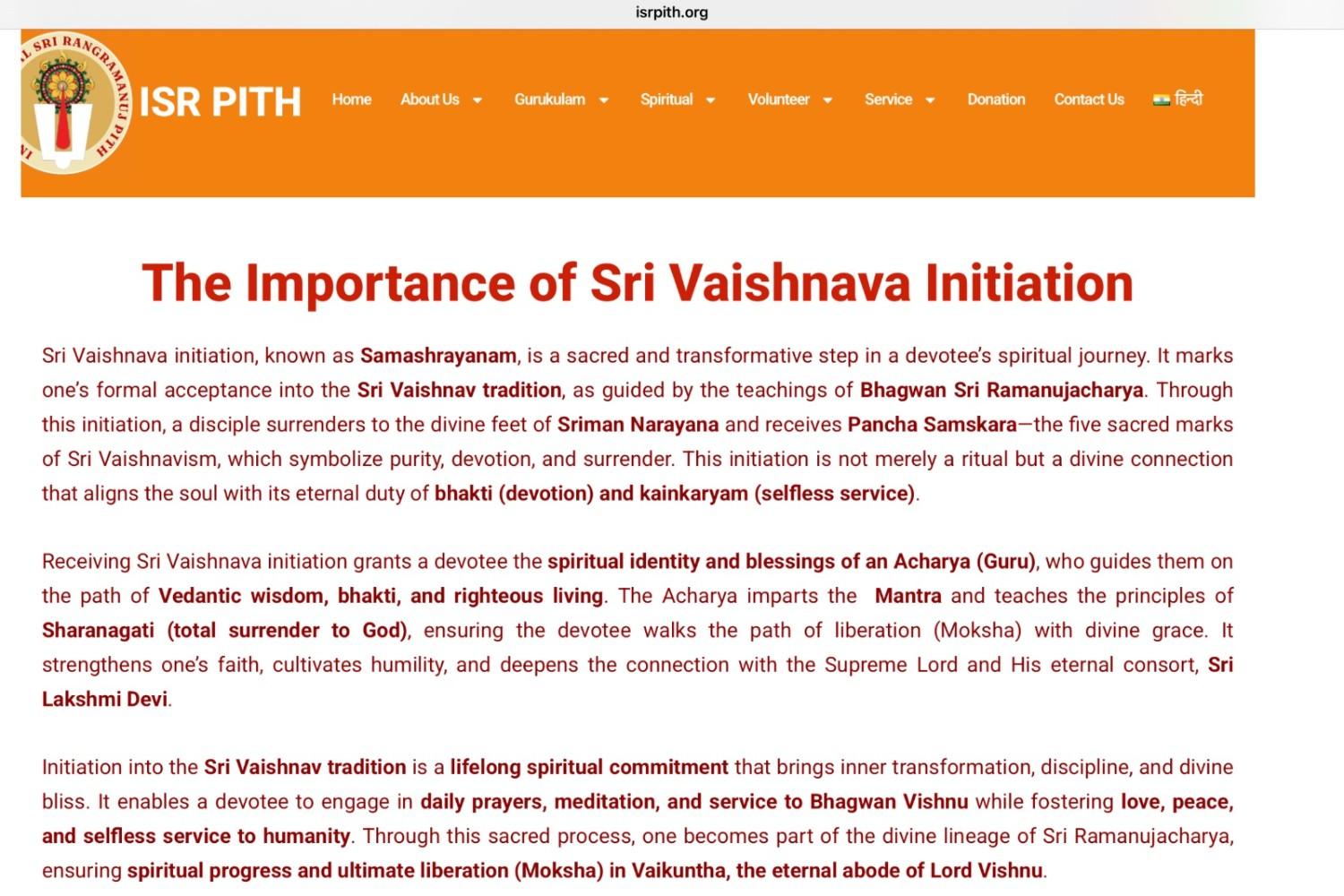
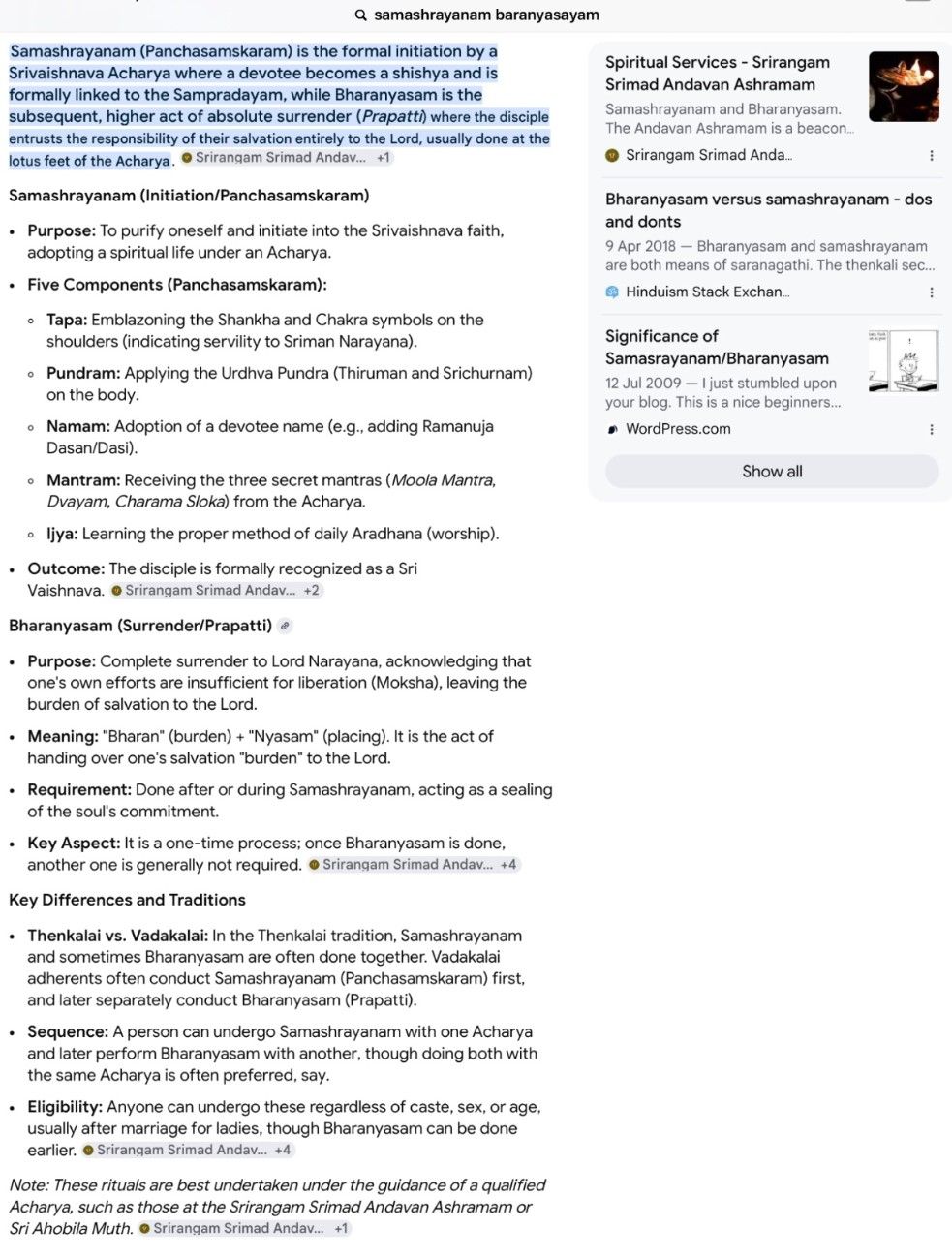
- Samashrayanam: A crucial initiation rite, often called Pancha Samskara, marking the formal acceptance into the tradition by a Guru.
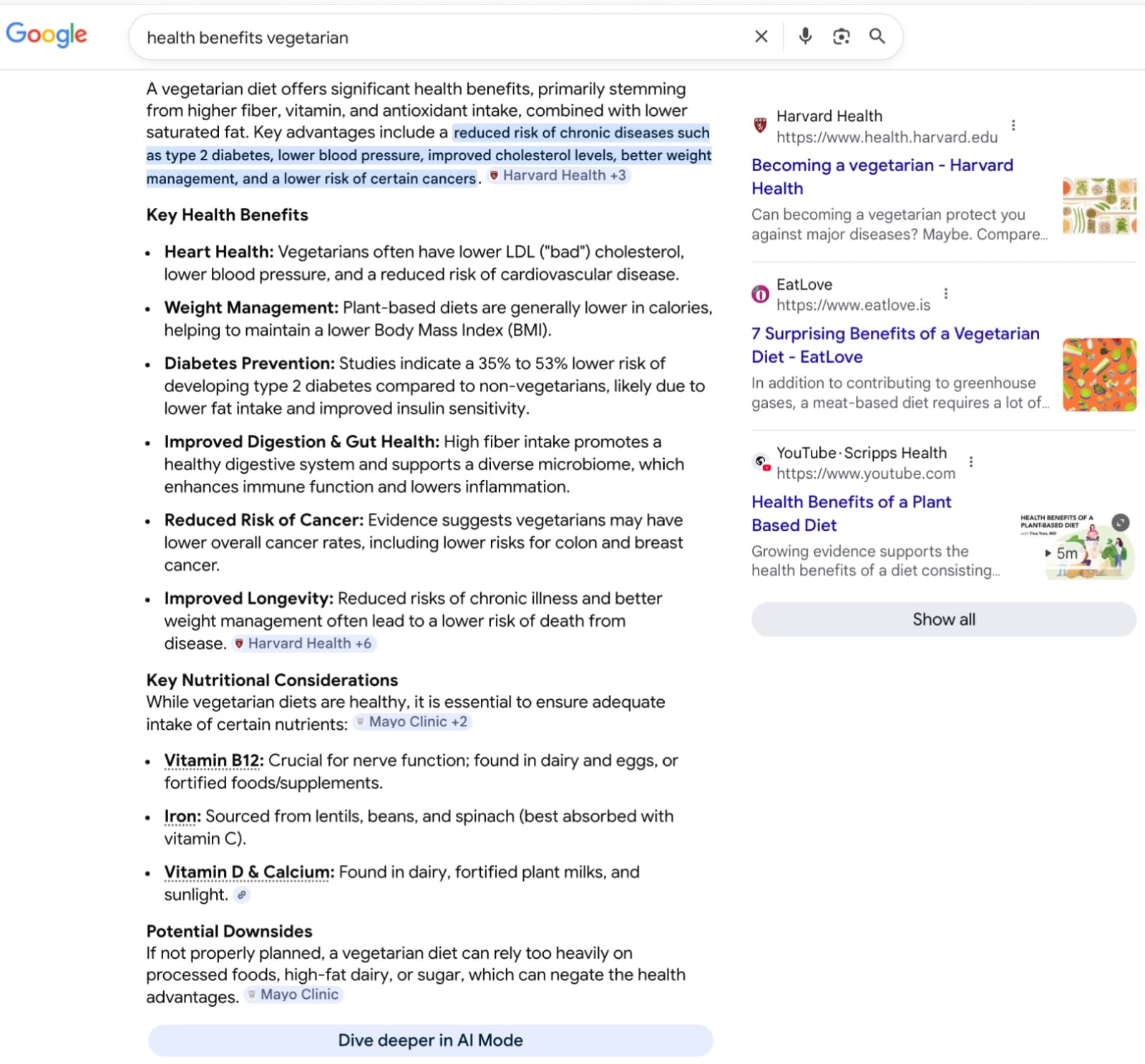
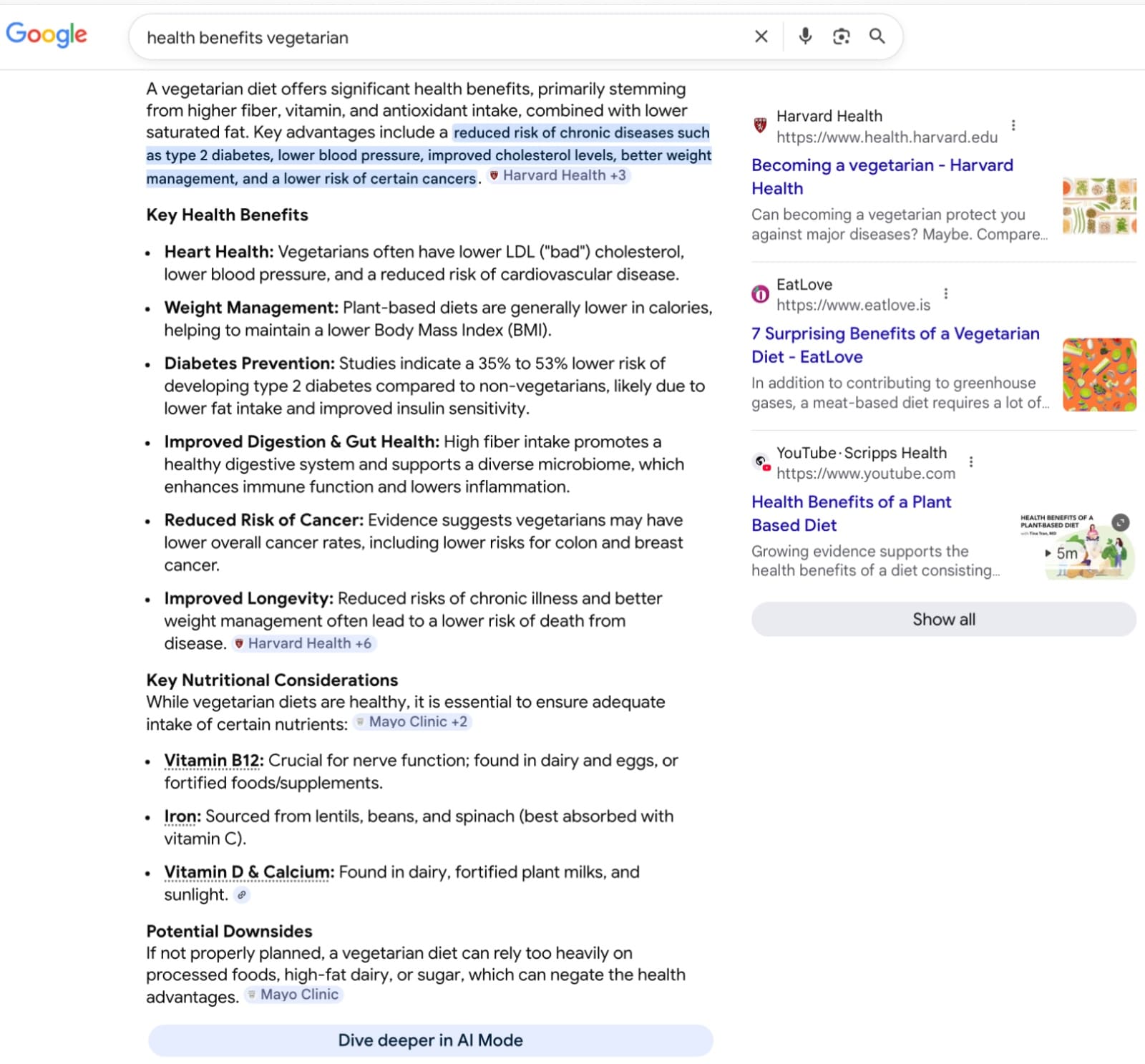
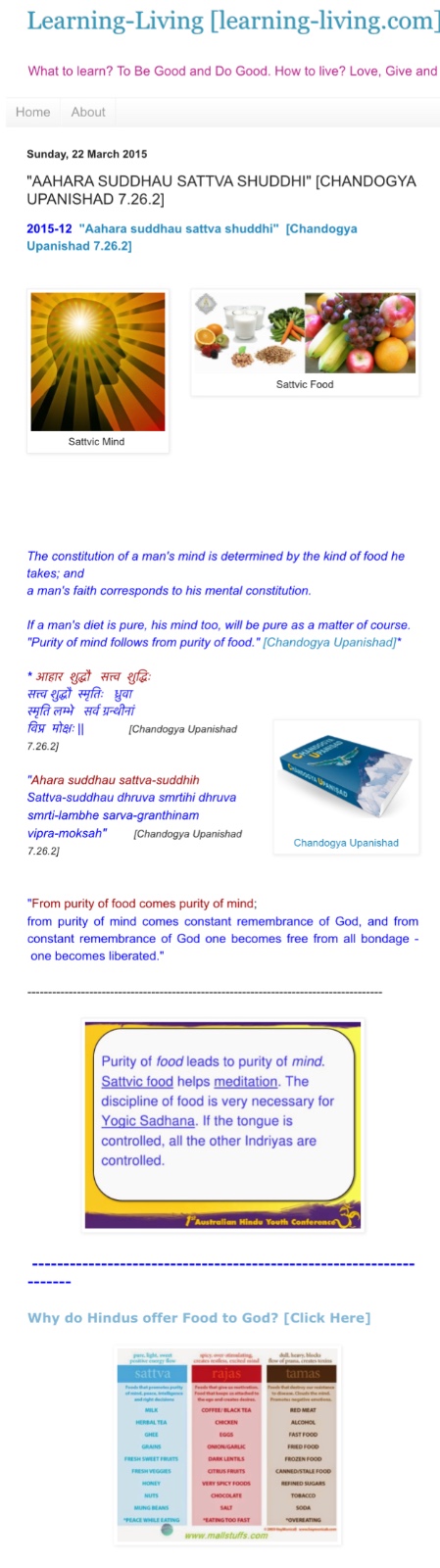
- Veg Diet and Spiritual Life: Adheres strictly to vegetarianism. Food is consumed only as Prasadam (remnants offered to the Lord).
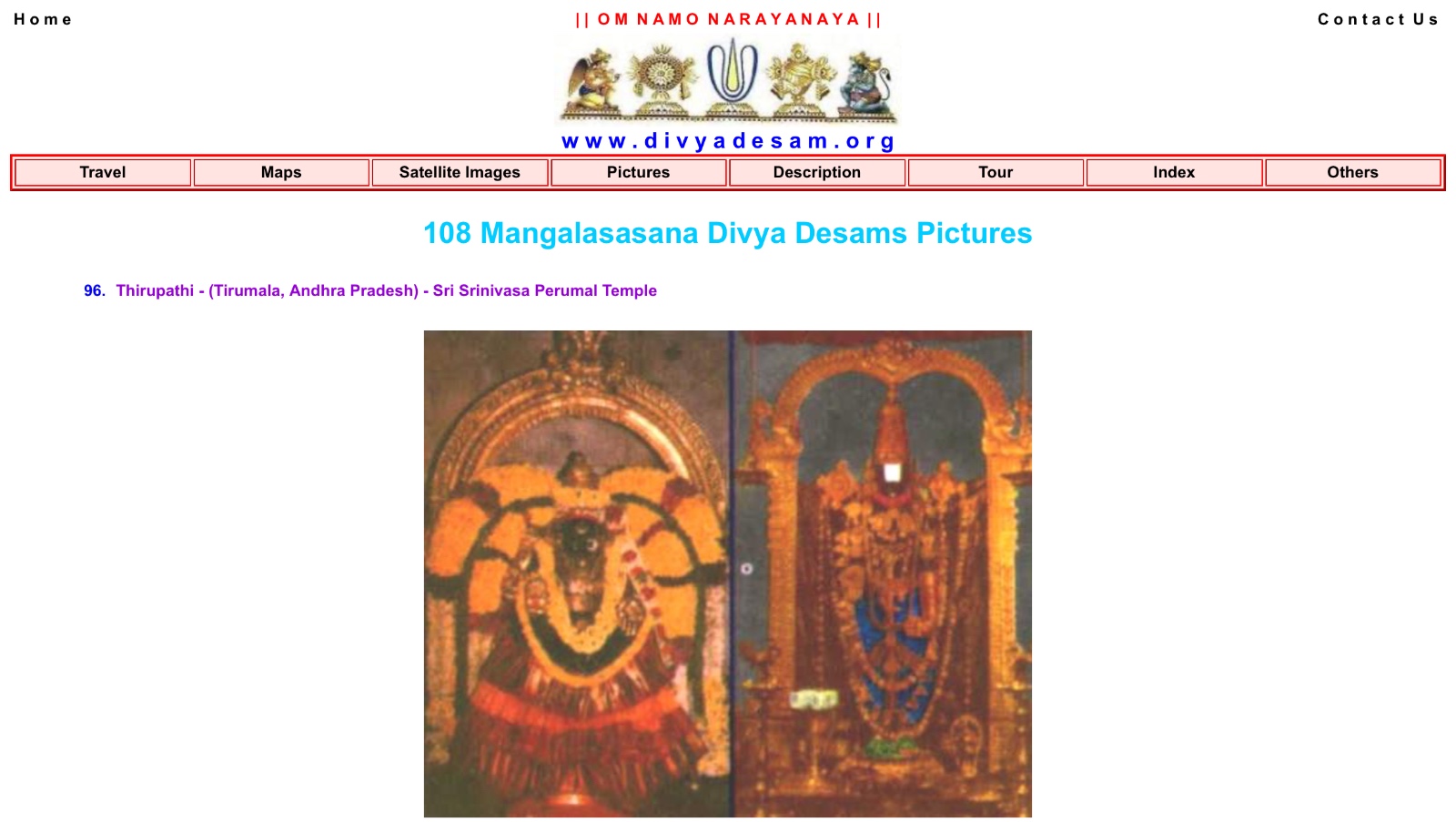
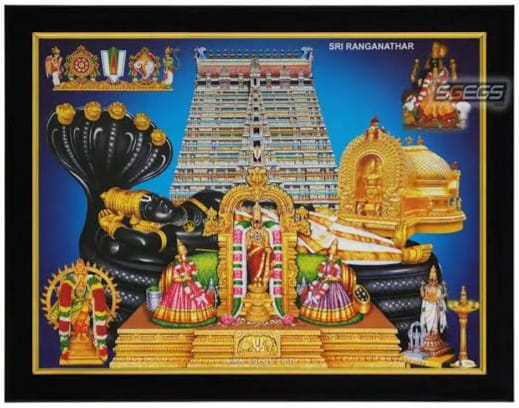
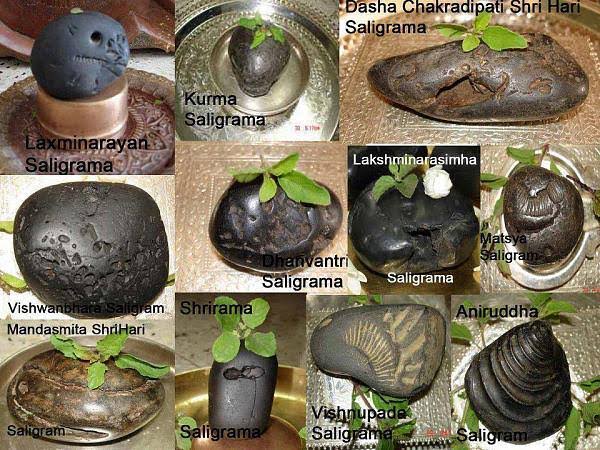
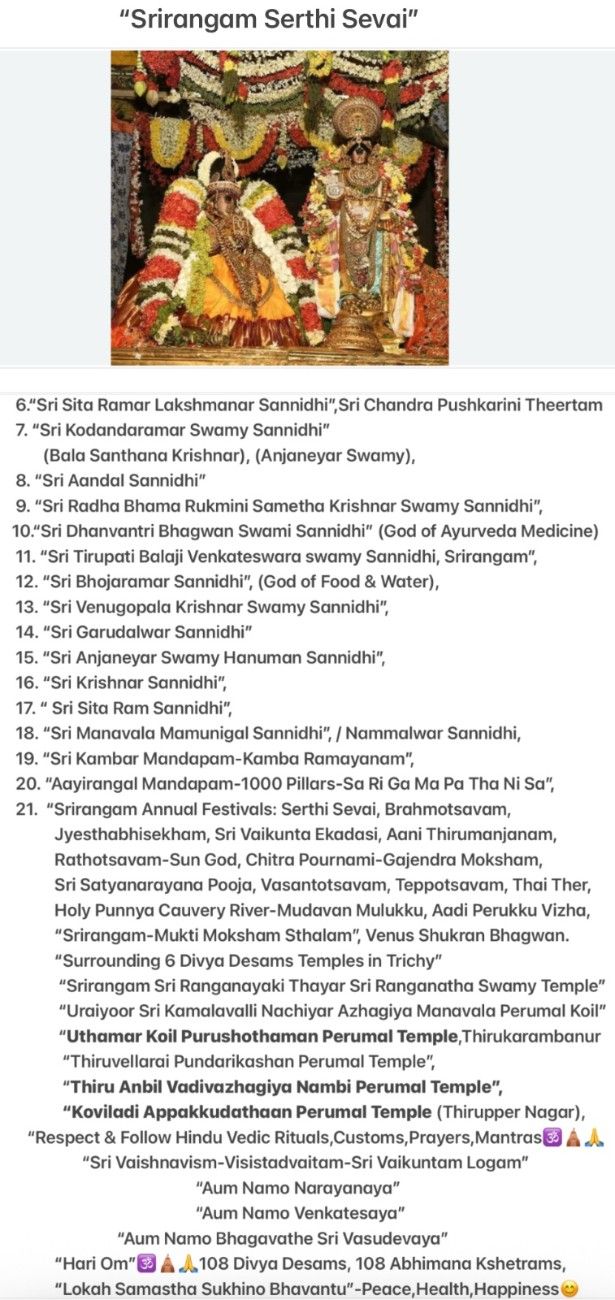
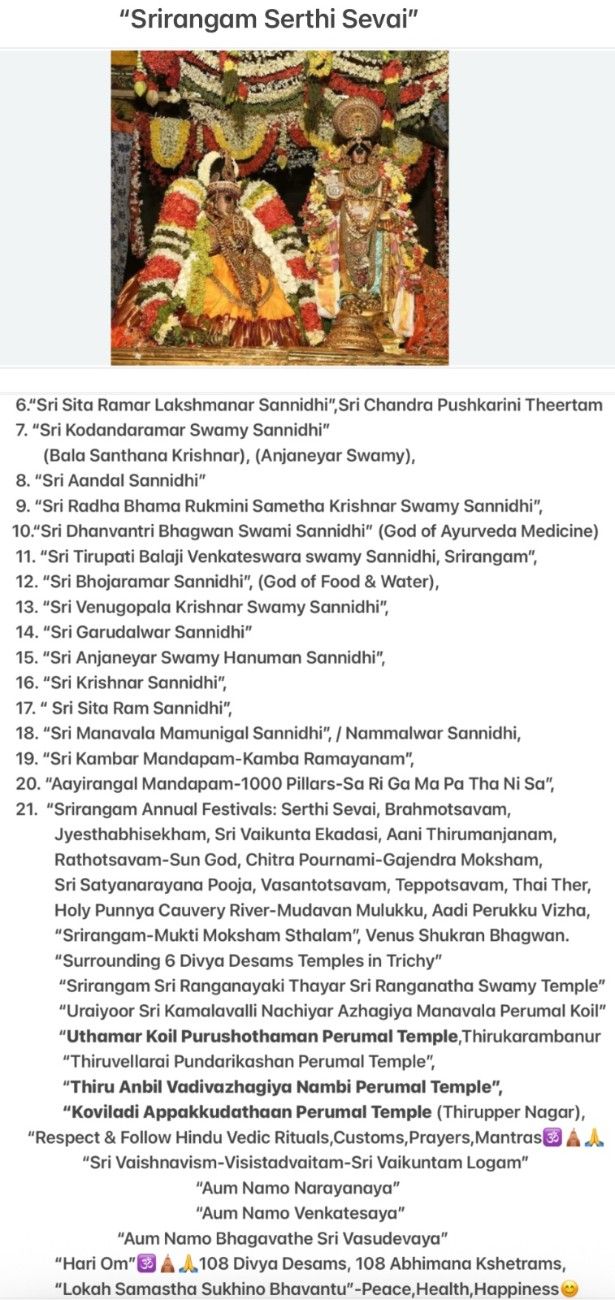
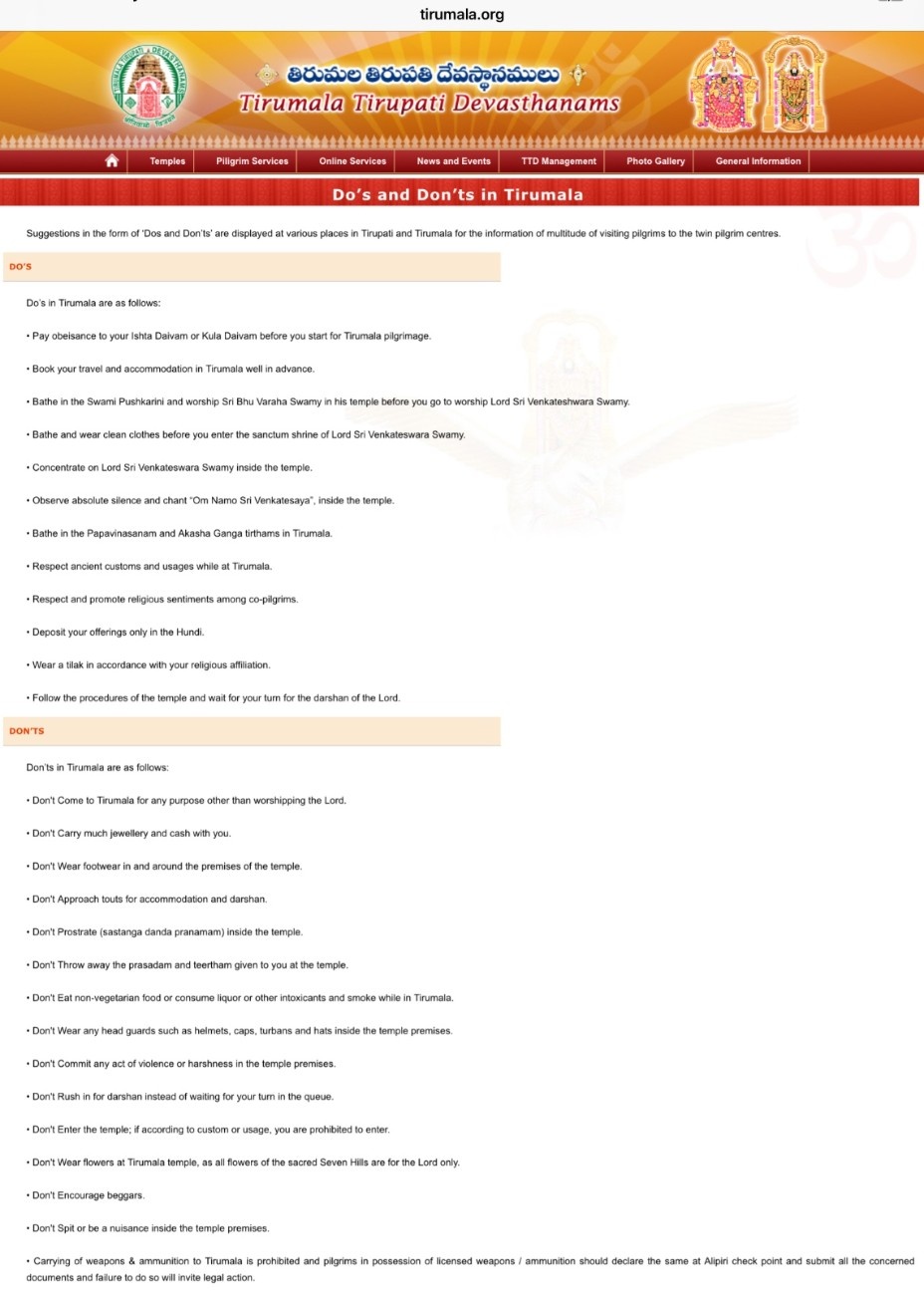
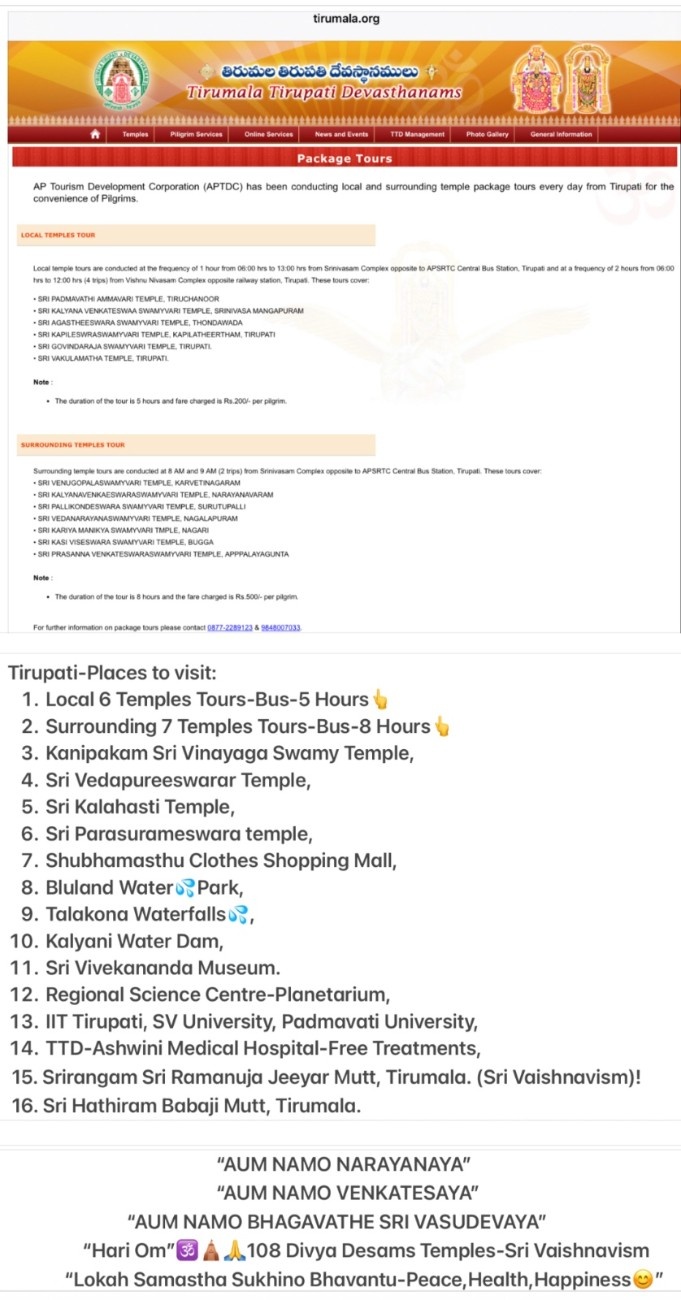
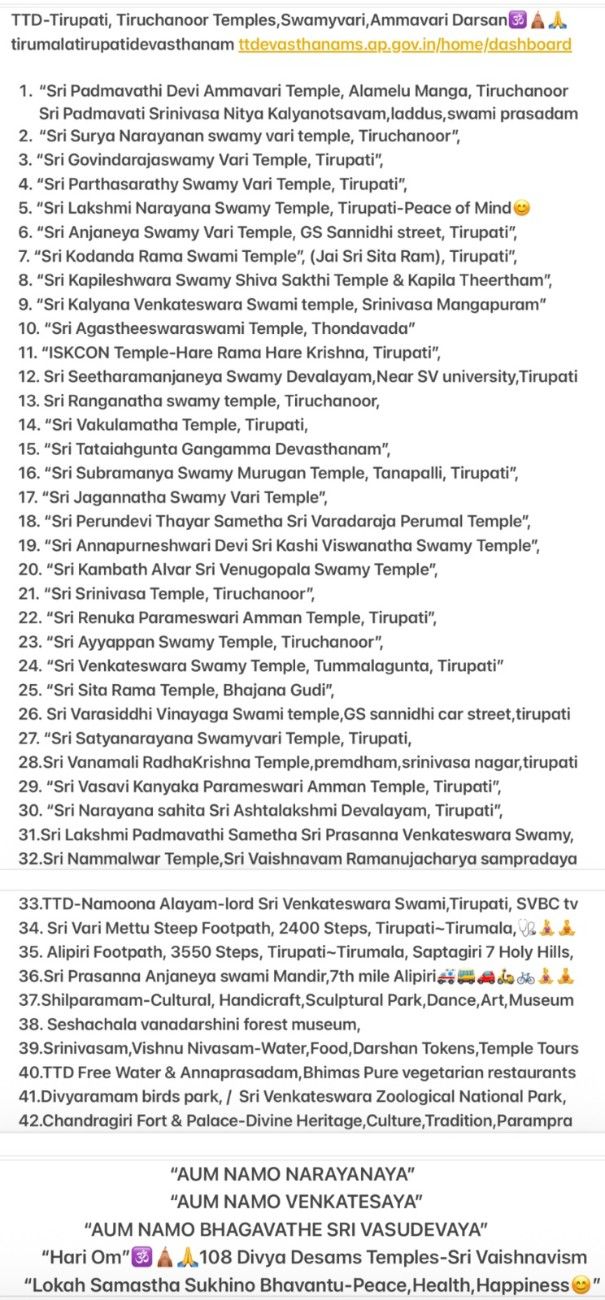
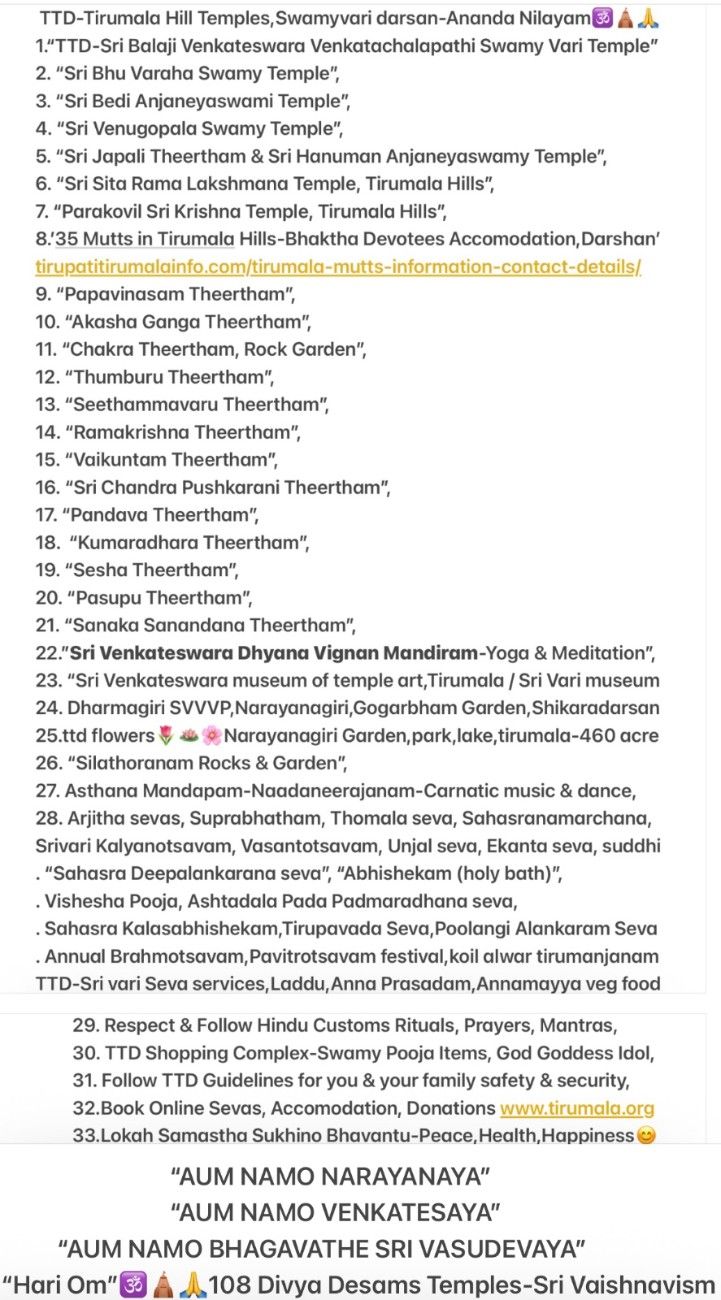
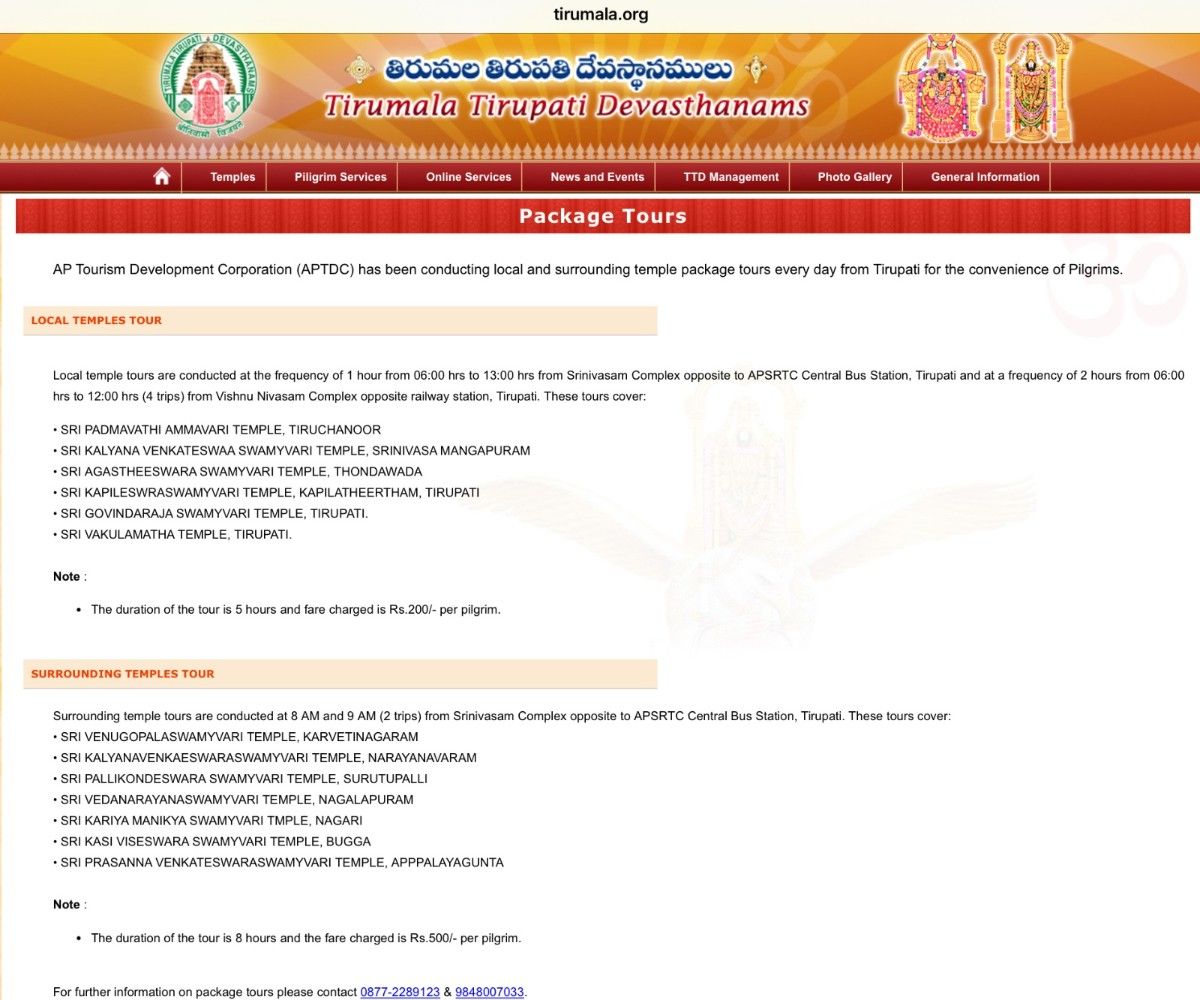
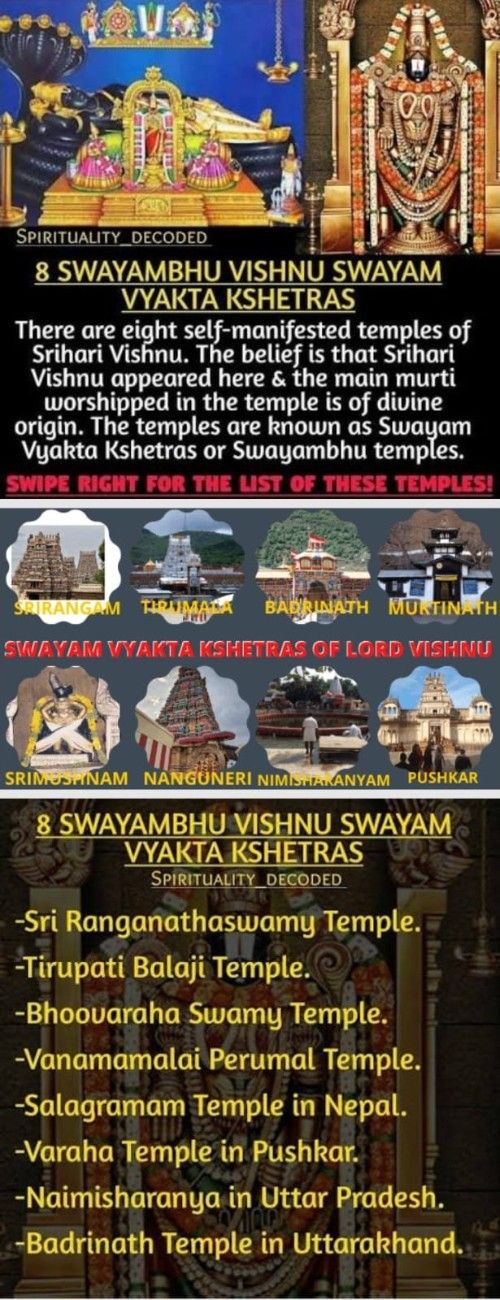
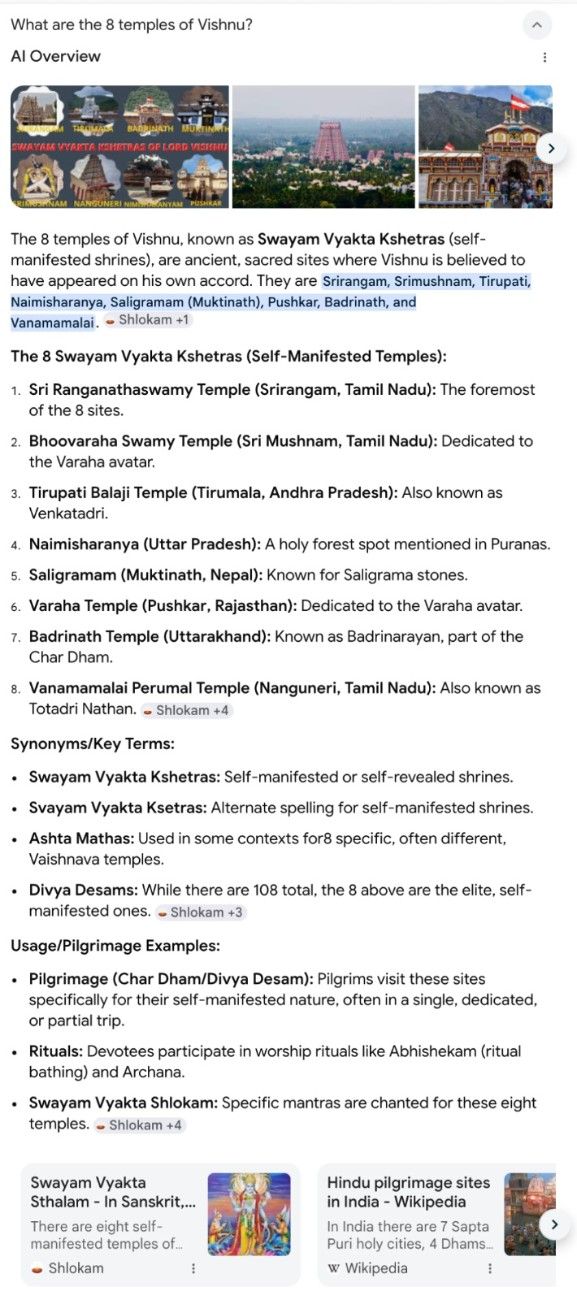
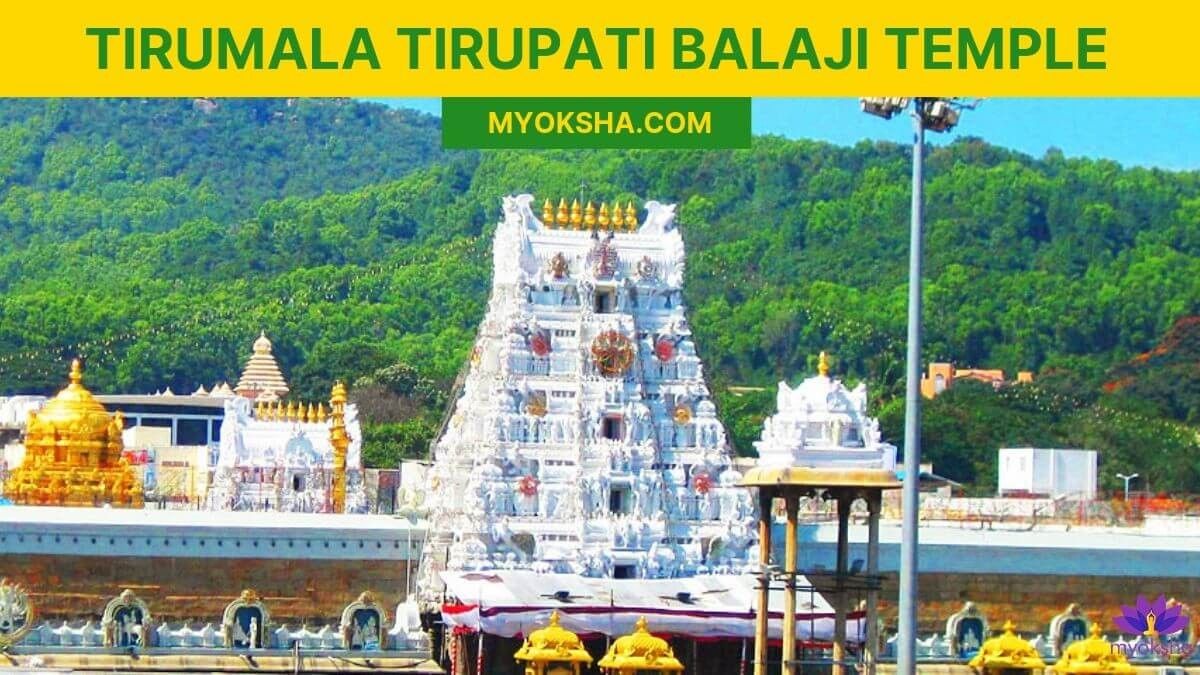
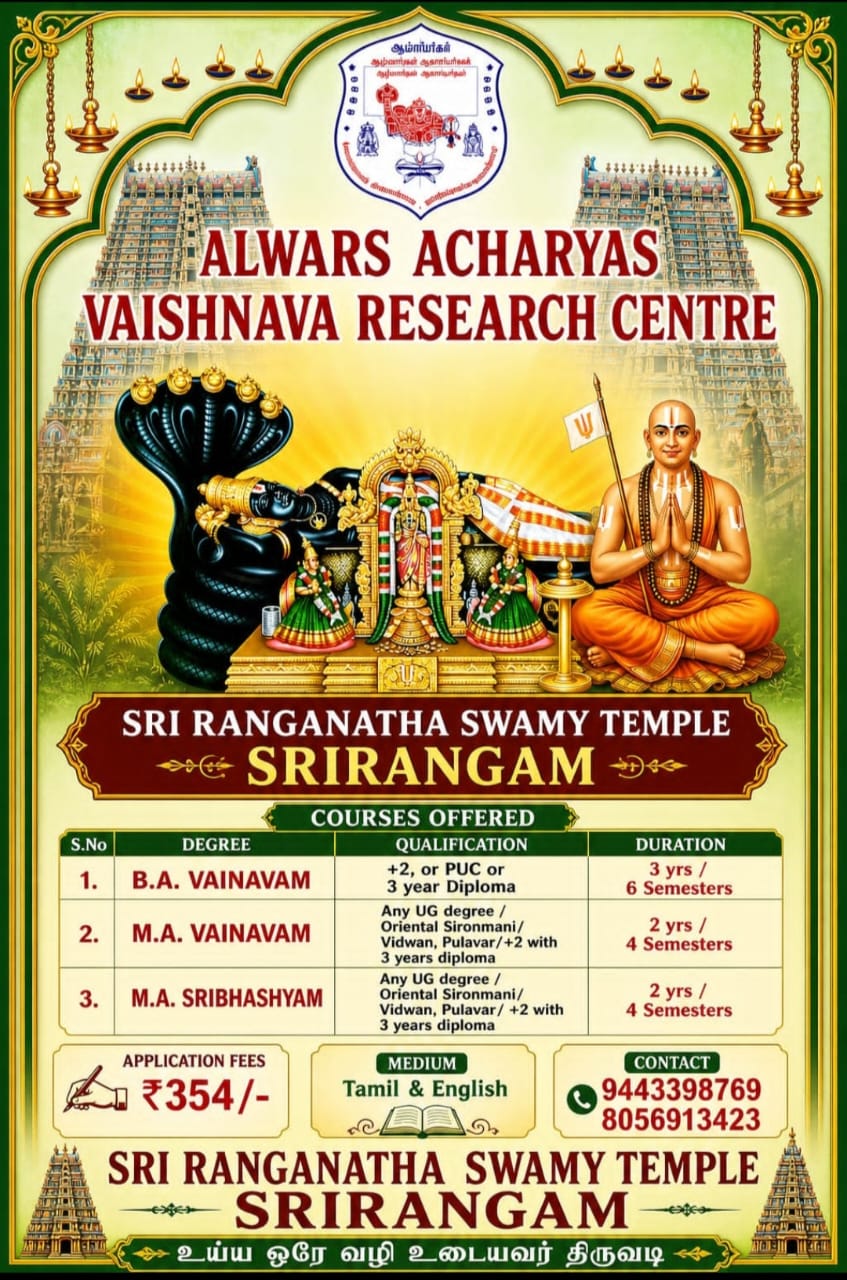
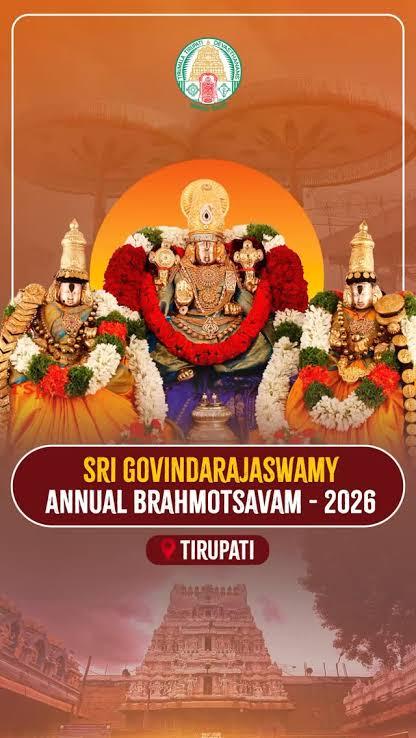
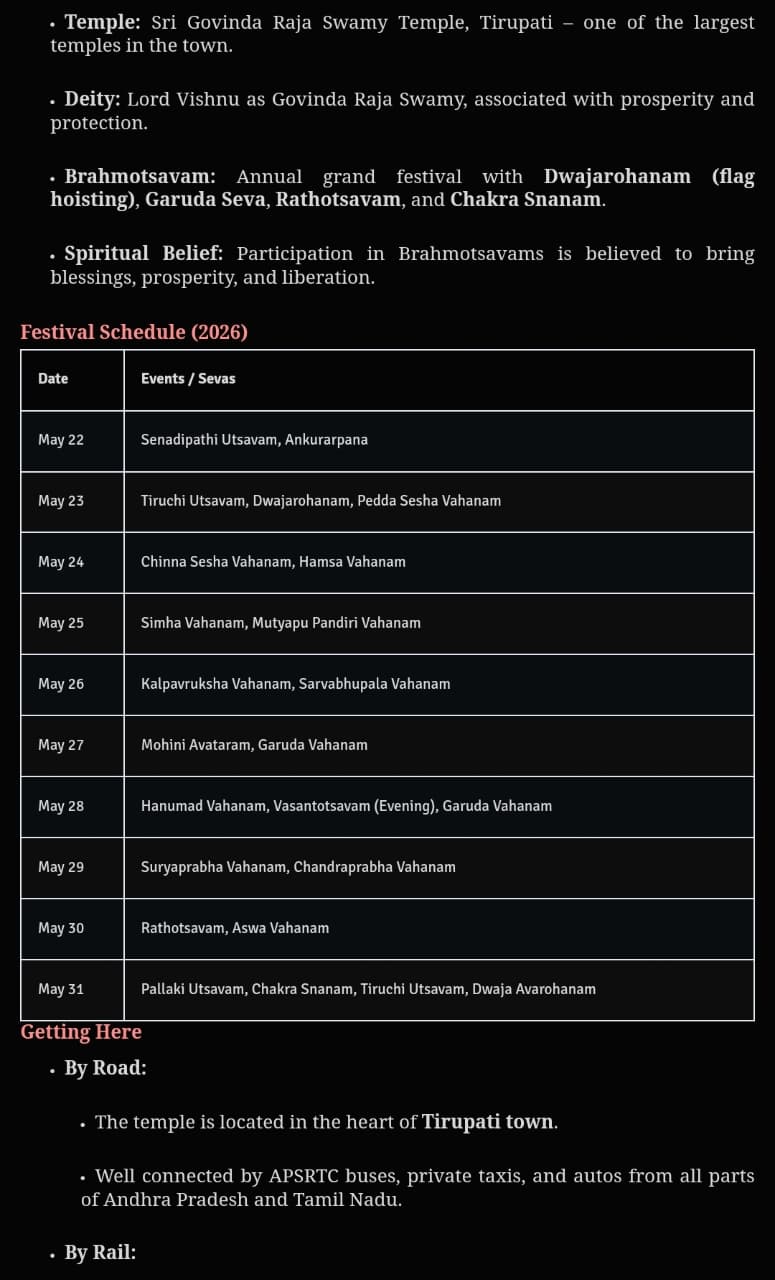
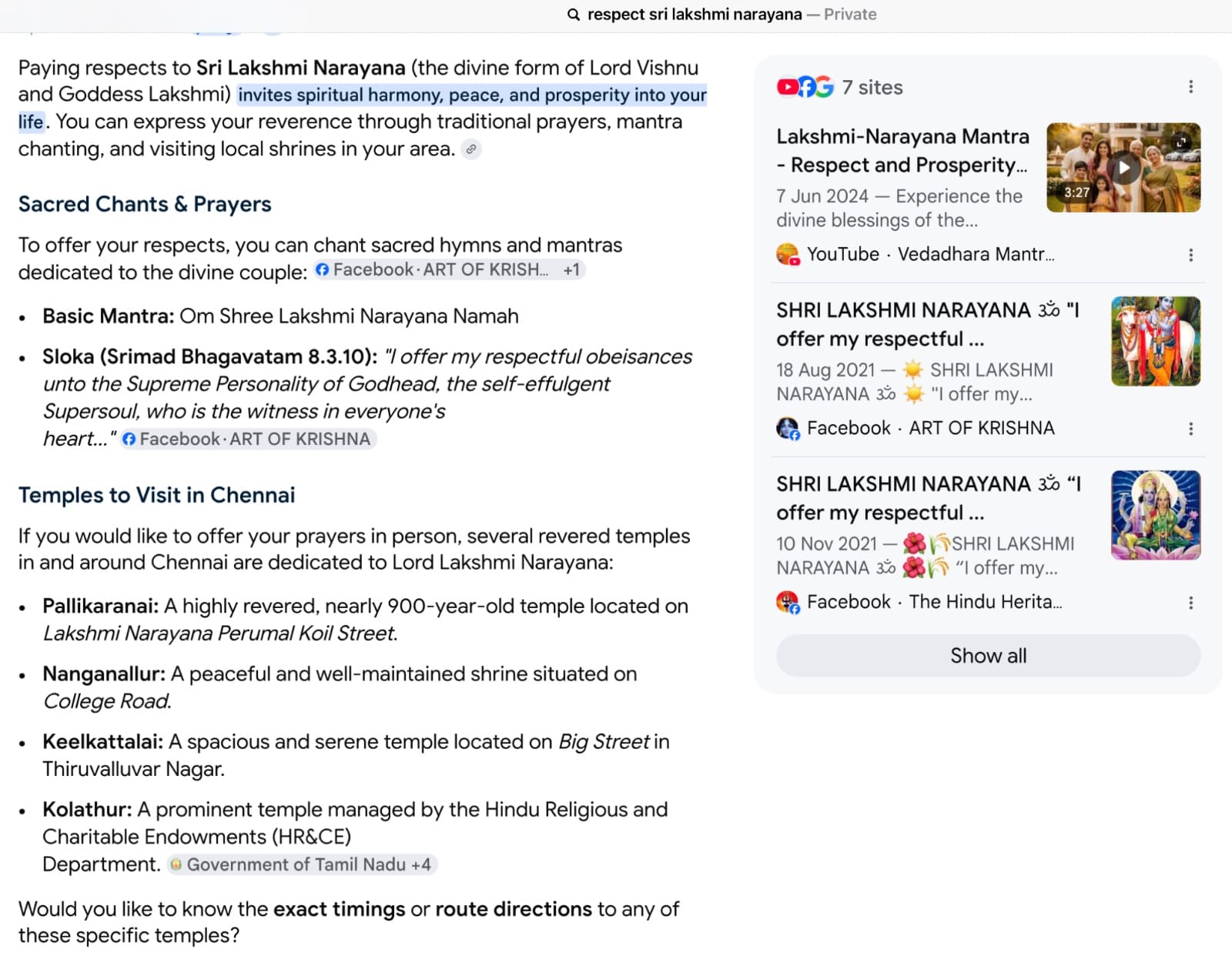
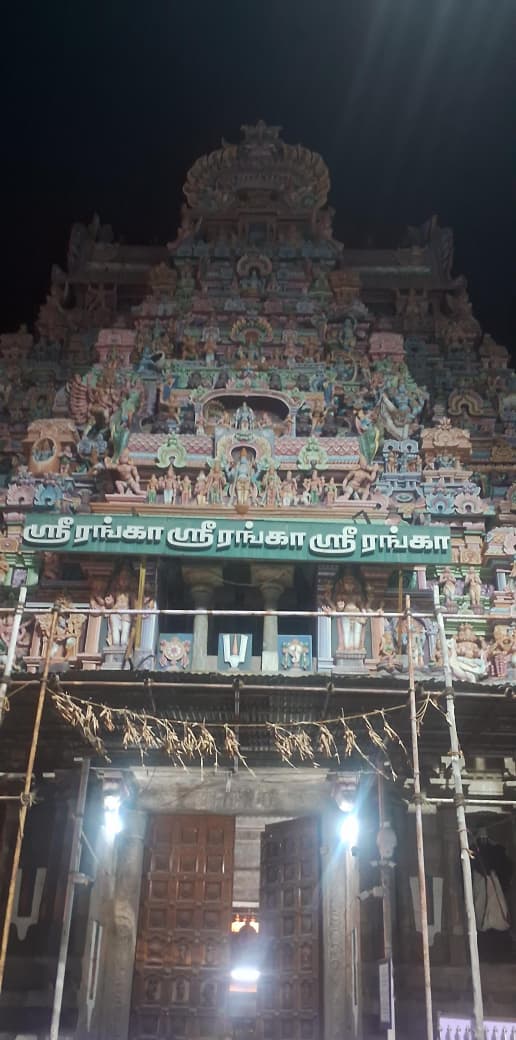
- Worship: Focuses on temple worship (particularly in places like Srirangam & Tirupati) and the worship of Saligramas.
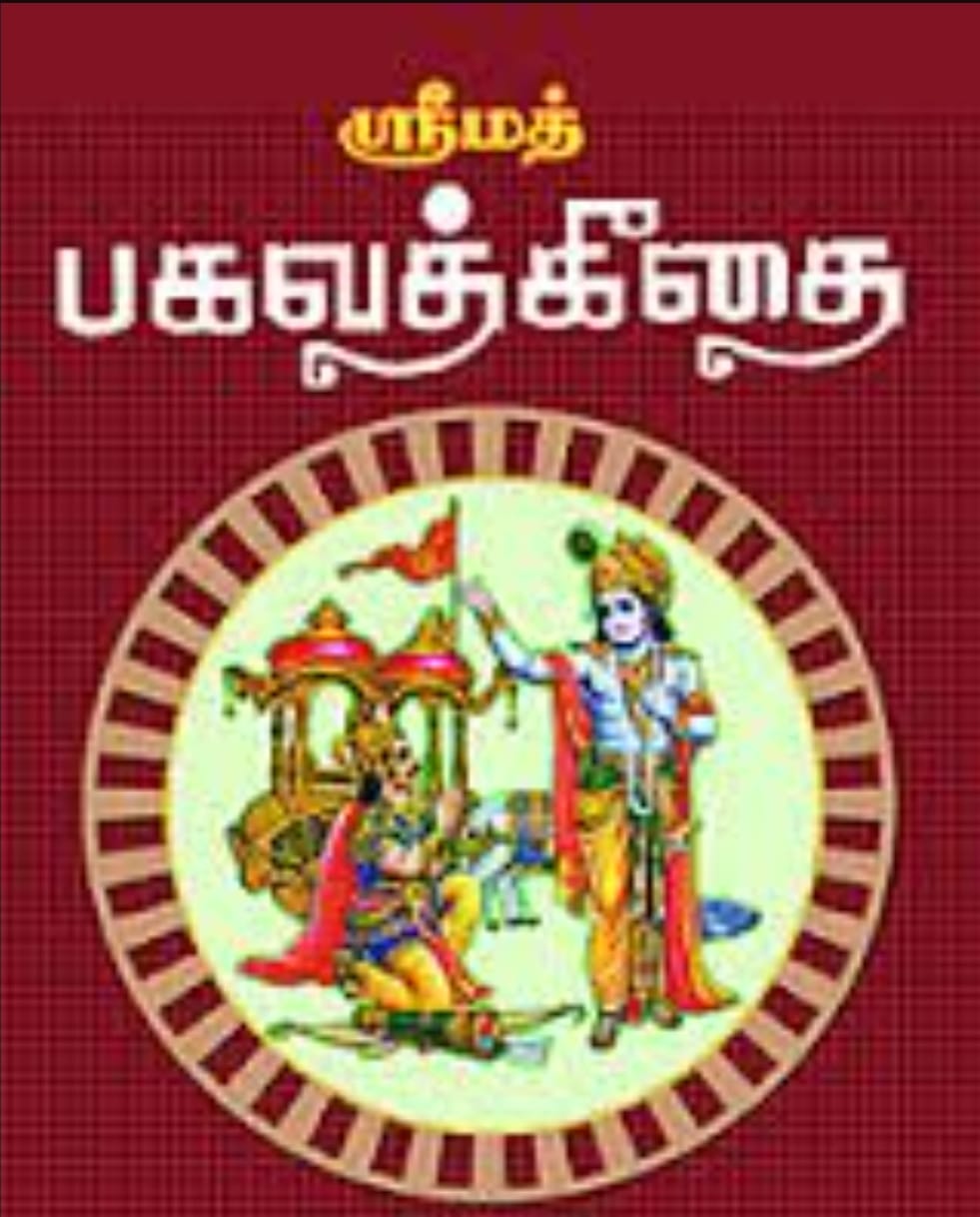
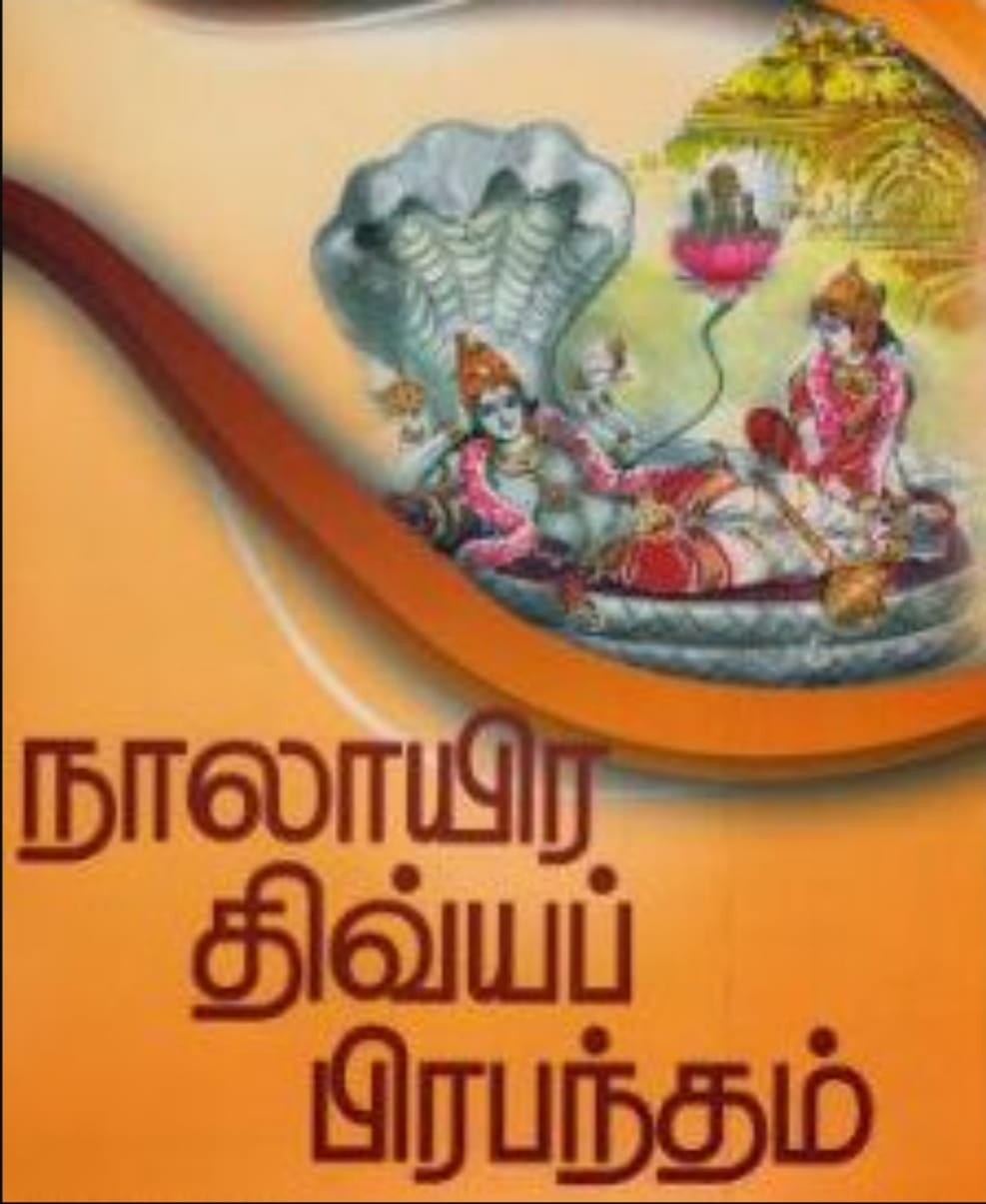
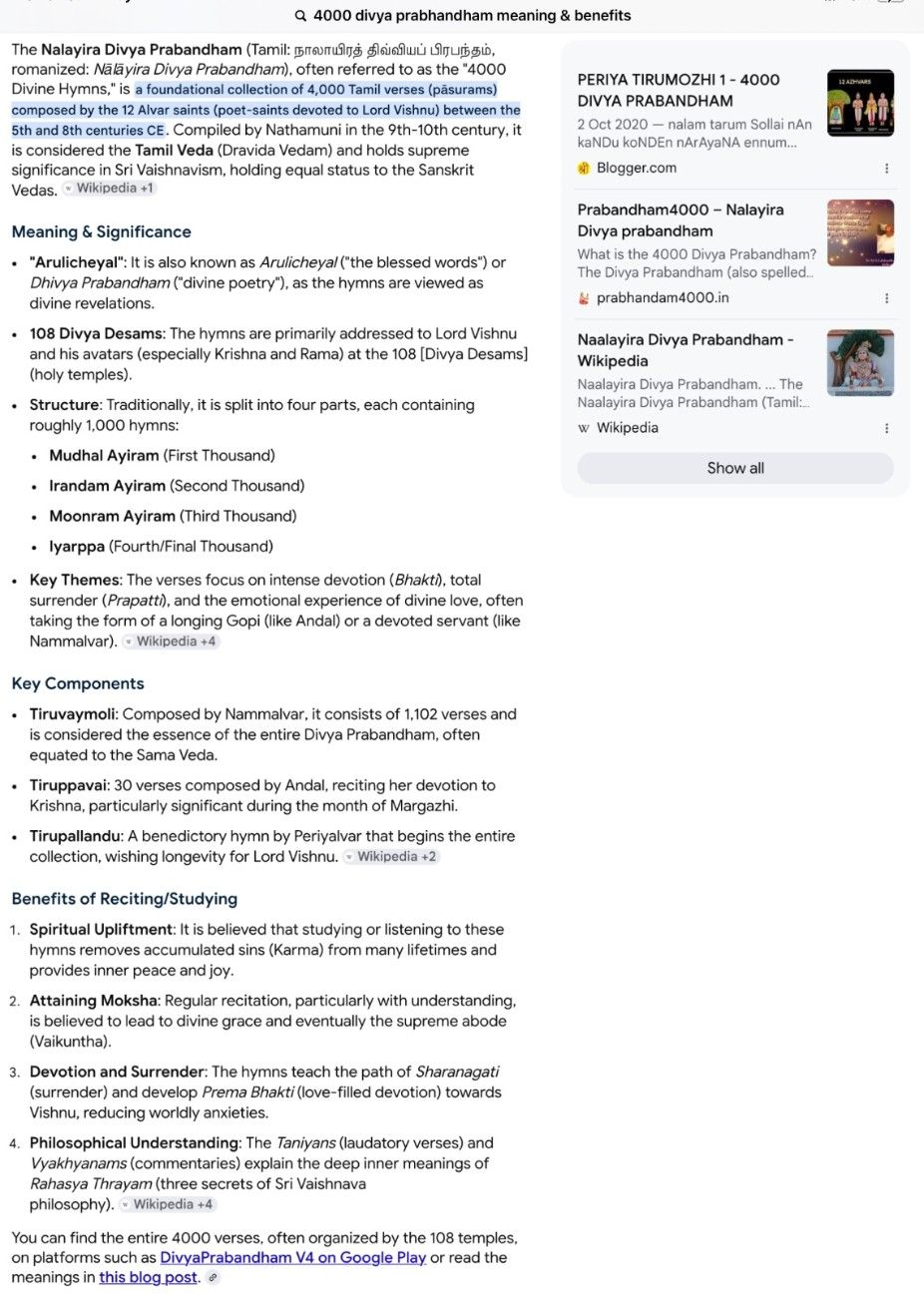
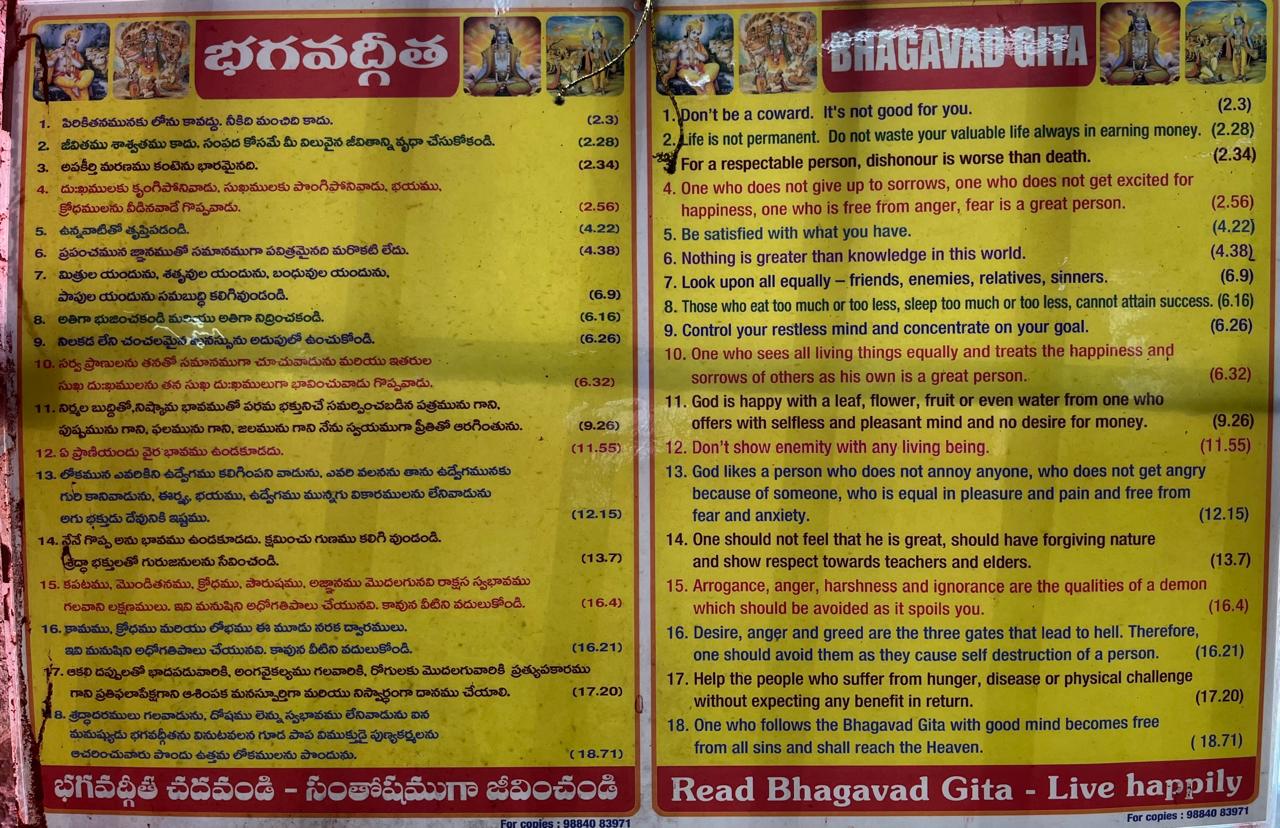
- Key Scriptures: The Vedas, Upanishads, Bhagavad Gita, and the Tamil hymns of the 12 Alwars (Nalayira Divya Prabandham).
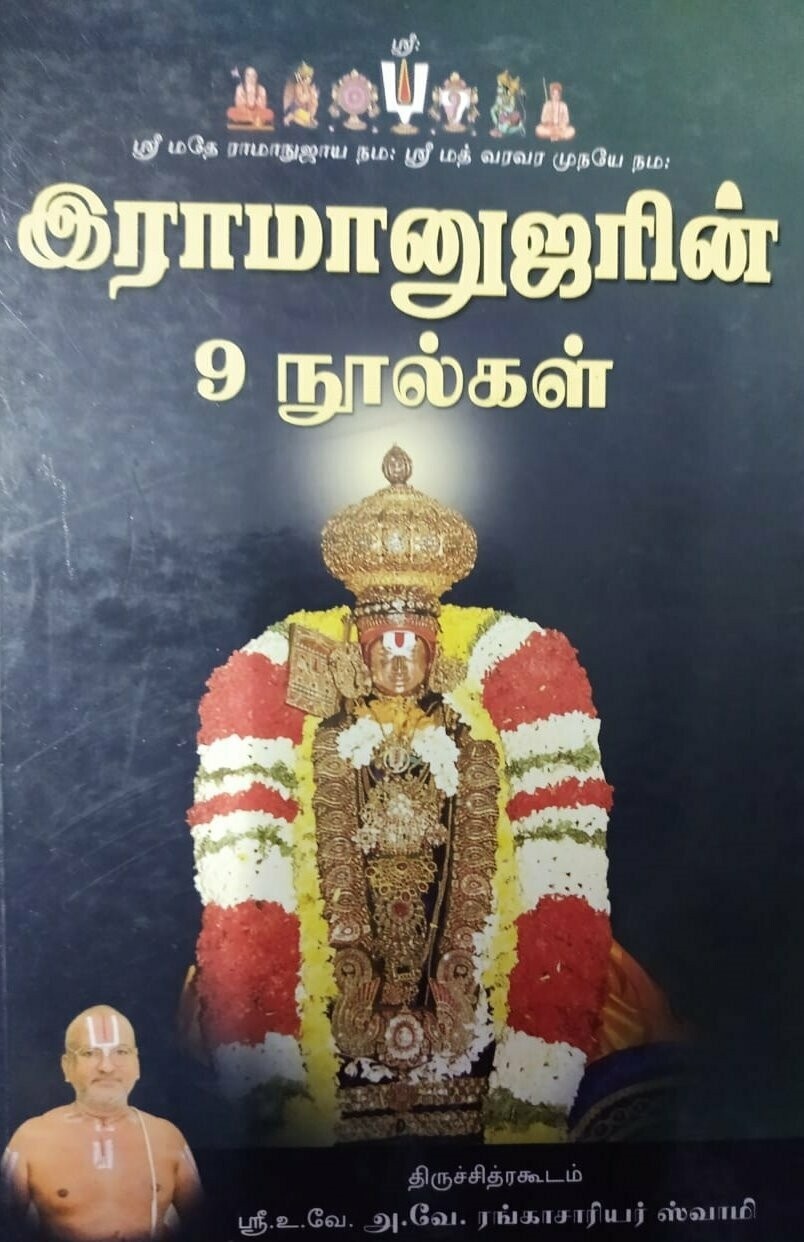
- Origin: Founded by Nathamuni (10th century) who revived the lost hymns of the Alwars, it was later systematized by Ramanuja (11th-12th century), who promoted it as an inclusive path to salvation.
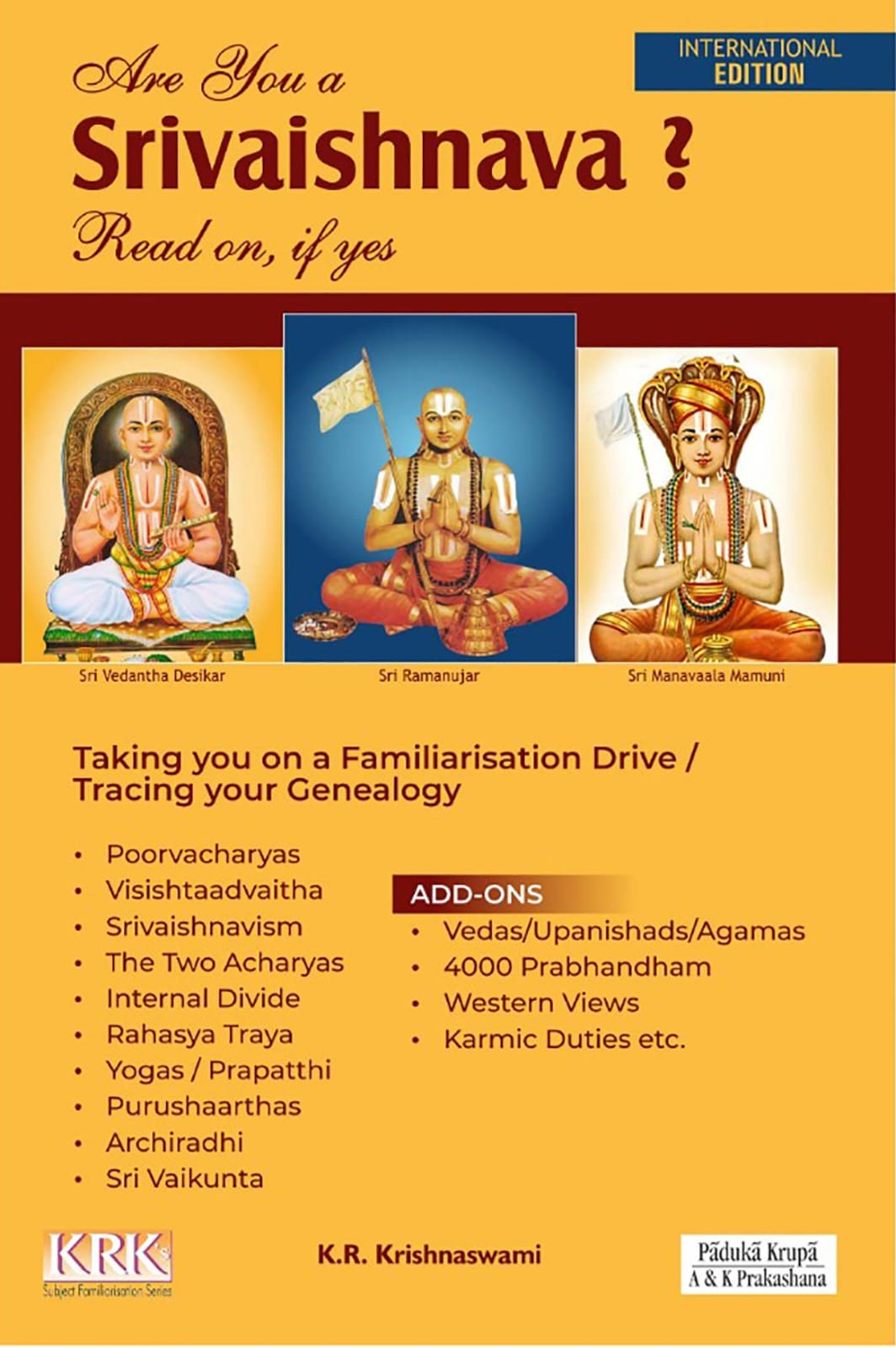
- Key Acharyas: Nathamuni, Yamunacharya, Ramanuja, Pillai Lokacharya, and Vedanta Desika.
- Regional Influence: Primarily rooted in Tamil Nadu, with significant historical influence in Andhra Pradesh, Karnataka,Kerala and across India through major temples.
Historical and Cultural Significance:
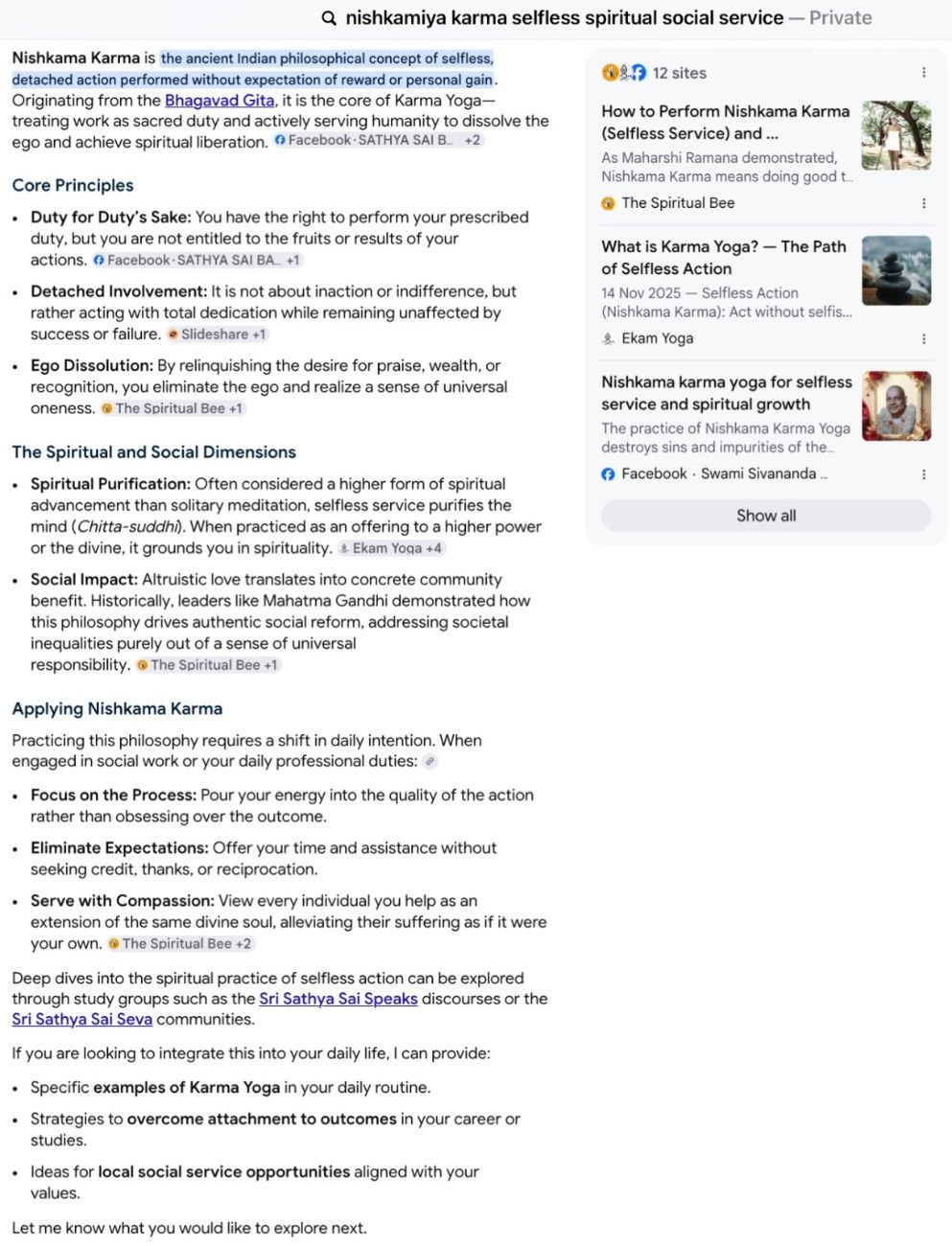
The five core duties of a Sri Vaishnavite, primarily based on the teachings of Ramanujacharya, focus on complete surrender (Prapatti) to Sriman Narayana and service (Kainkaryam) to His Bhakta devotees.
5 Essential Duties of a Sri Vaishnavite:
- Pancha Samskaram:Undergoing the five purifying rituals initiated by a Guru to become a true Sri Vaishnava.
- Aradhanam & Kainkaryam:Daily worship of the deity and performing selfless service to Lakshmi & Vishnu and His devotees.
- Saranagati:Absolute surrender to Lord Narayana, trusting Him exclusively for protection and liberation (Moksha).
- Nama Smaranam & Sravanam:Chanting, singing, and listening to the names of Vishnu (e.g., Dvaya Mantra) and hymns of the Azhwars (4000 Divya Prabandham).
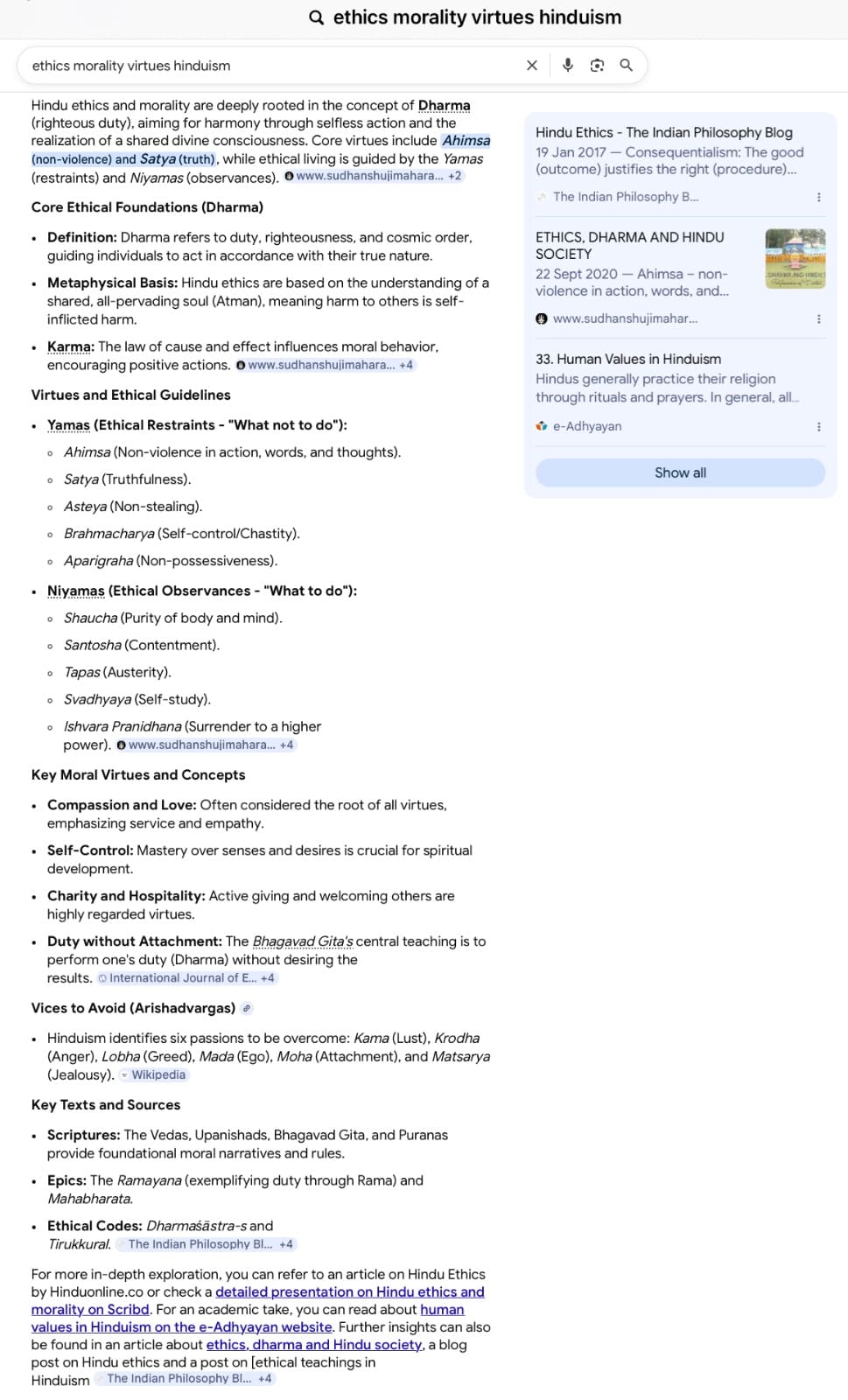
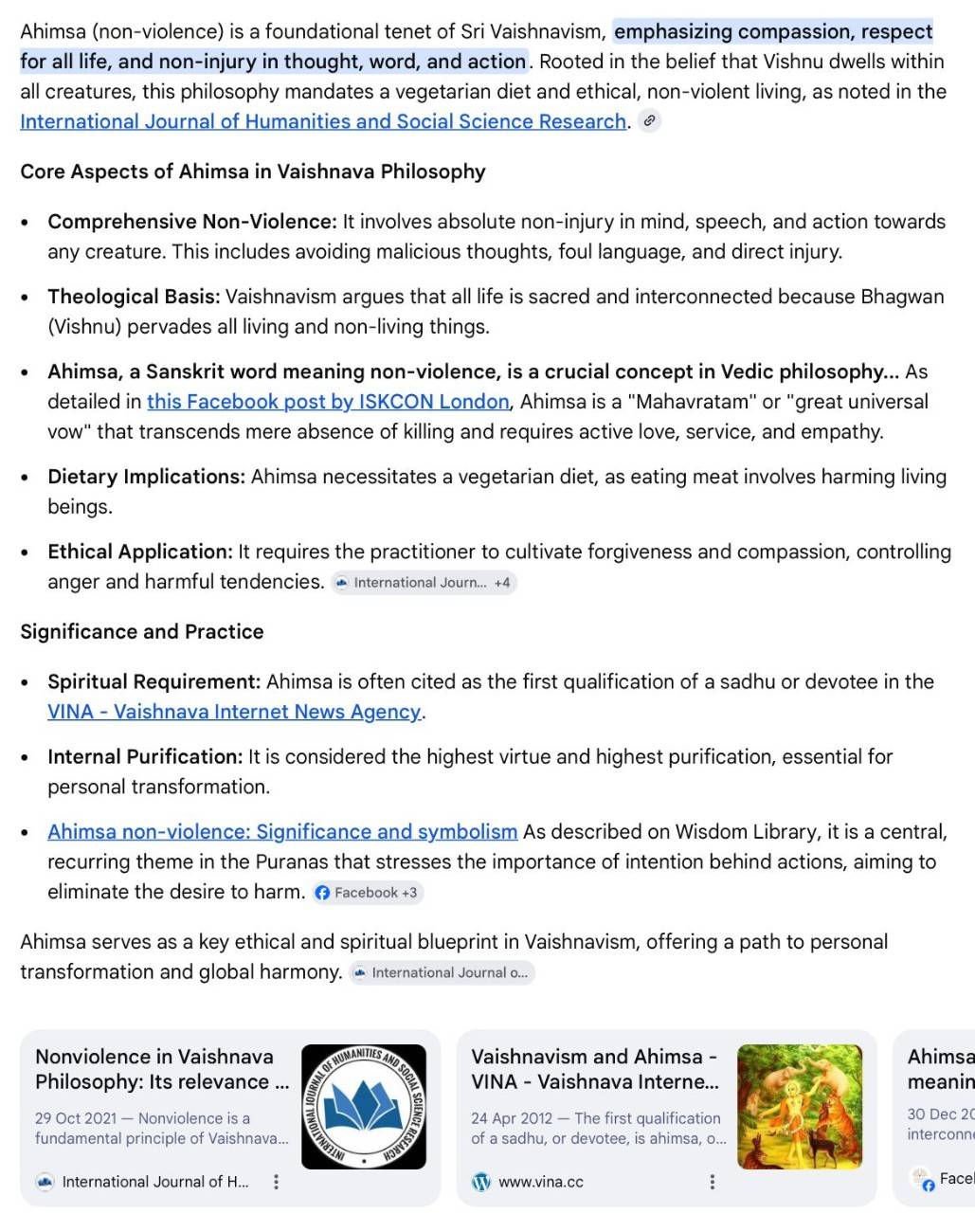
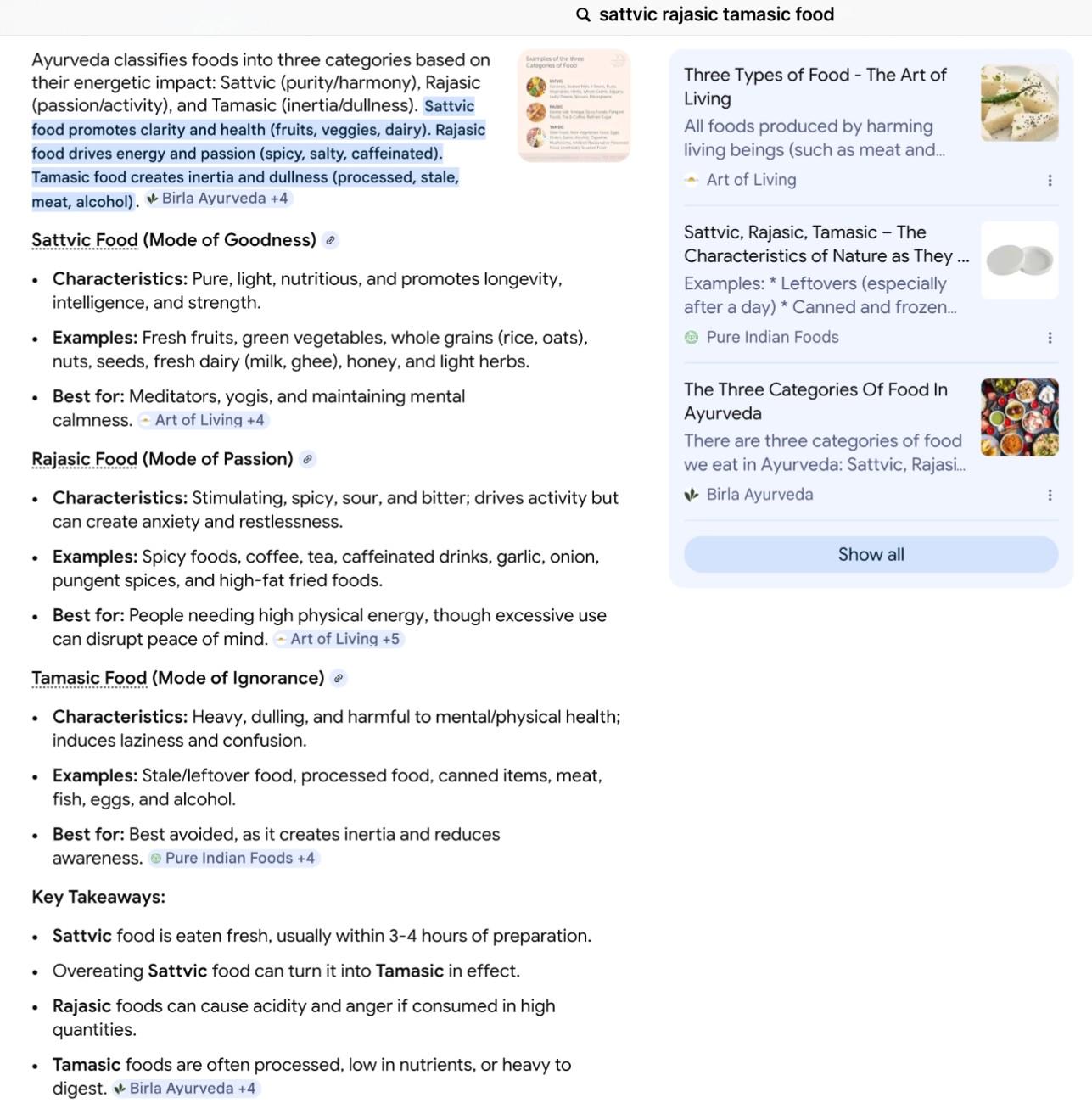
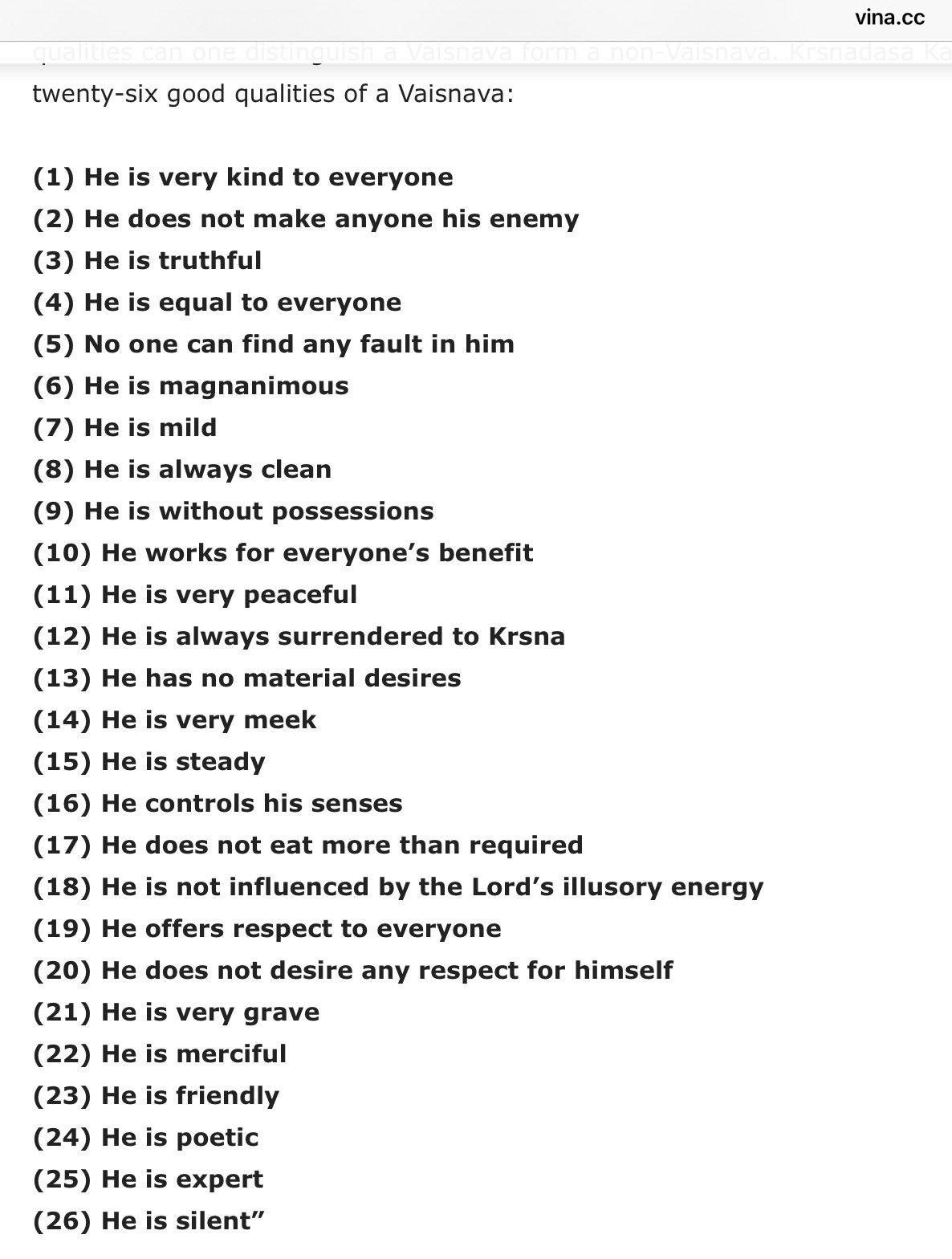
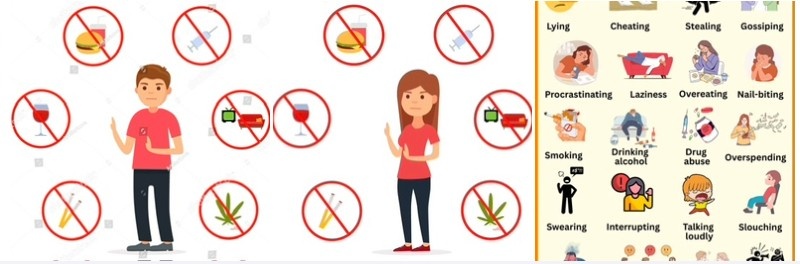
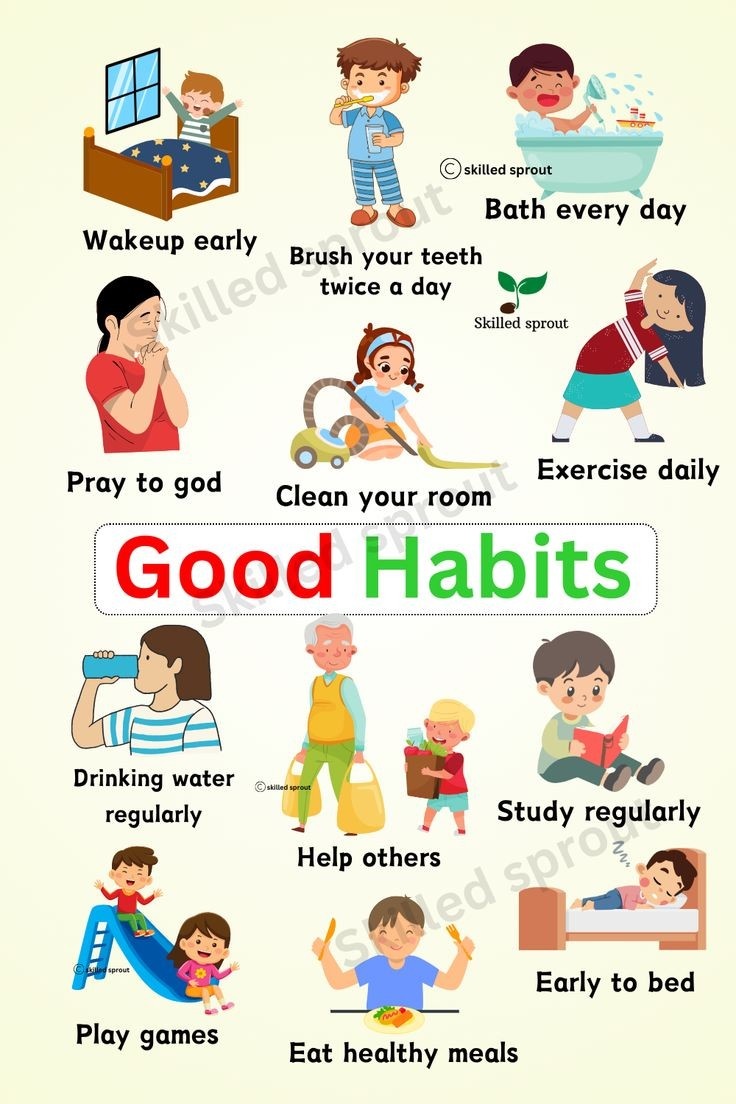
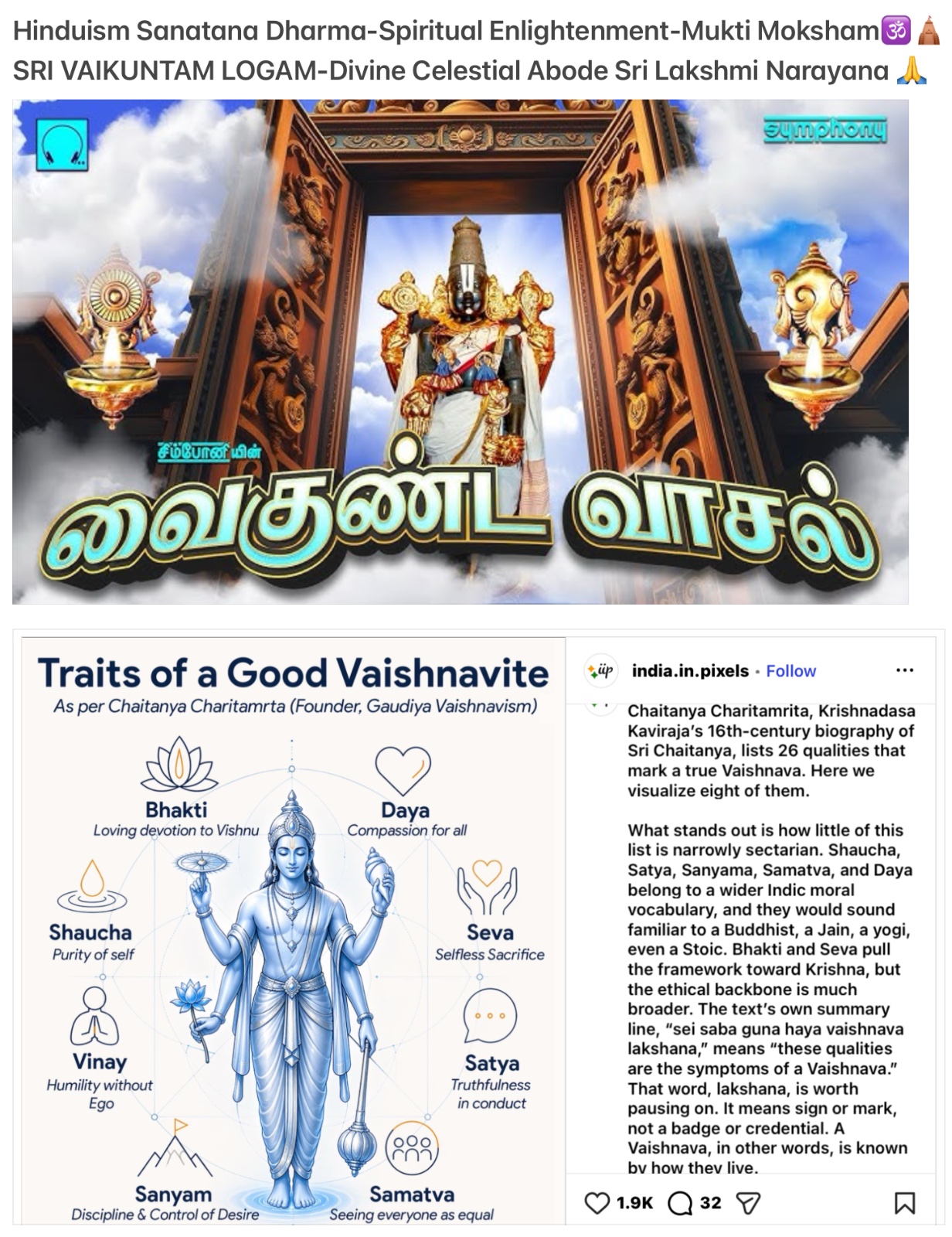
- Satvika Jeevanam:Living a good righteous Peaceful life adhering to Sri Vaishnava ethics—compassion, humility, cleanliness, and strict Sri Vaishnava Vegetarian dietary habits.
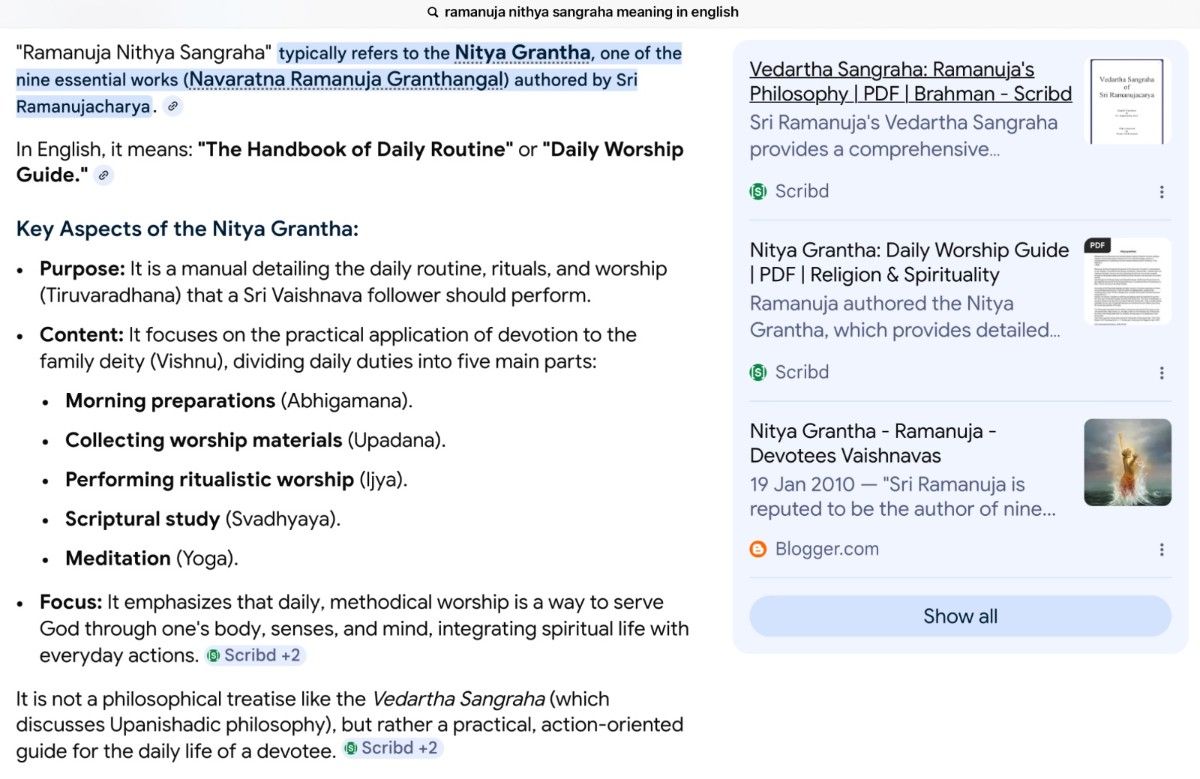
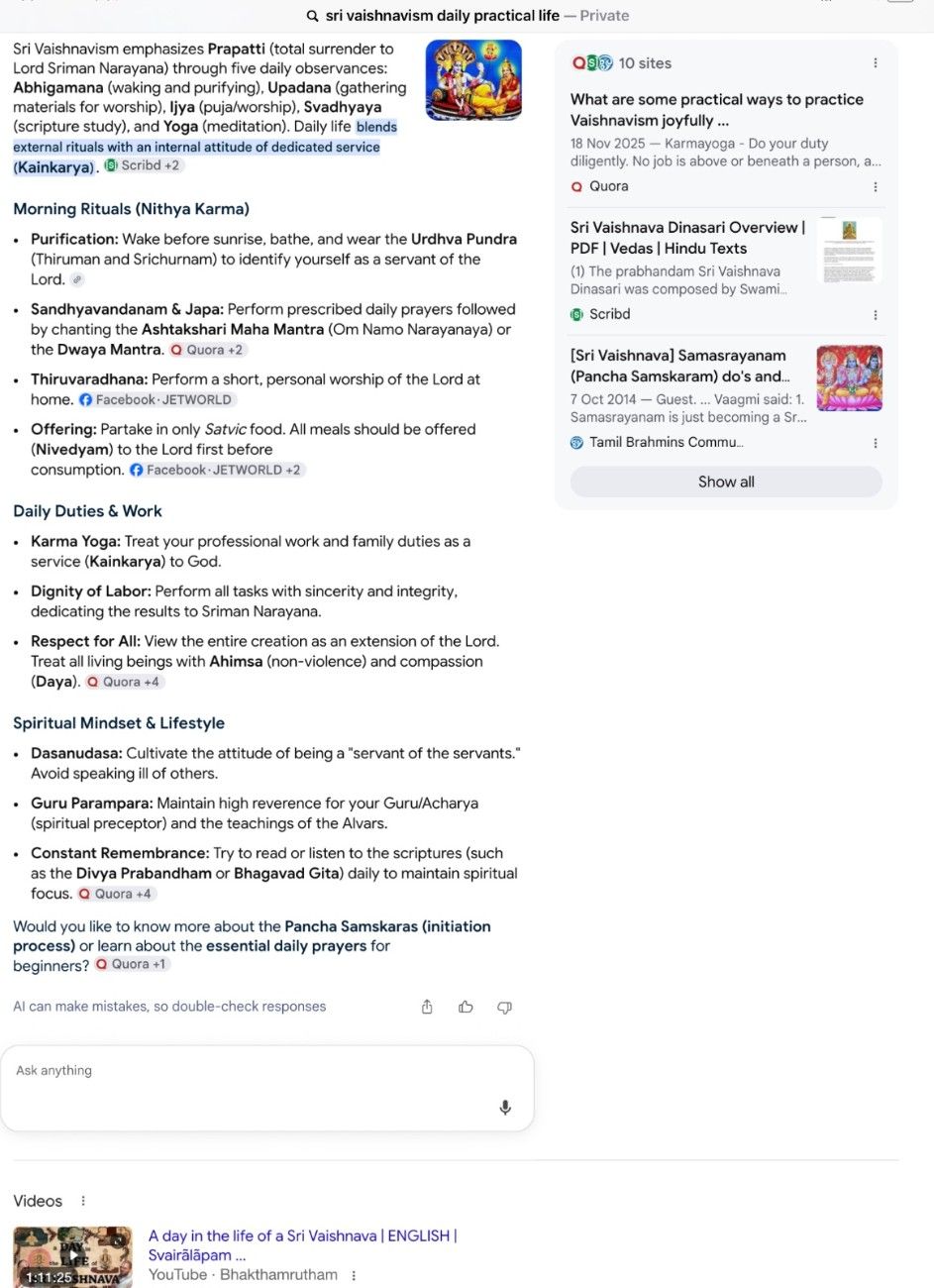
- Additional daily duties include dividing the day into five parts: (Abhigamanam, Upadanam, Ijyā, Svādhyāya, and Yoga) to live a life focused on divine remembrance.
Abhigamanam, Upadanam, Ijyā, Svādhyāya, and Yoga are known as the Pañcakāla (five-fold divisions of worship) or Pañcaprakāra (five methods of worship), which represent a structured daily routine for a practitioner—particularly in the Sri Vaishnava and Pāñcarātra traditions—to live a spiritual life focused on constant communion with God.
These practices are designed to divide the day into segments that allow for spiritual dedication to Lord Sriman Narayana (Vishnu).
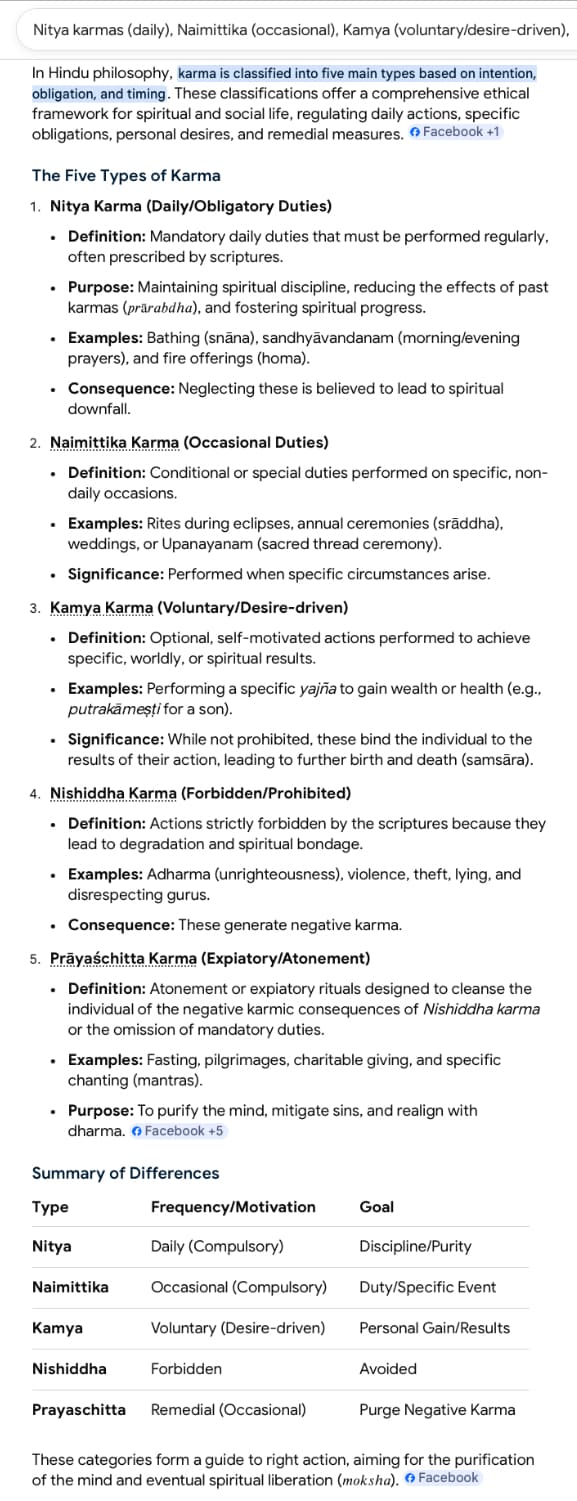
- Abhigamanam (Approaching/Waking):
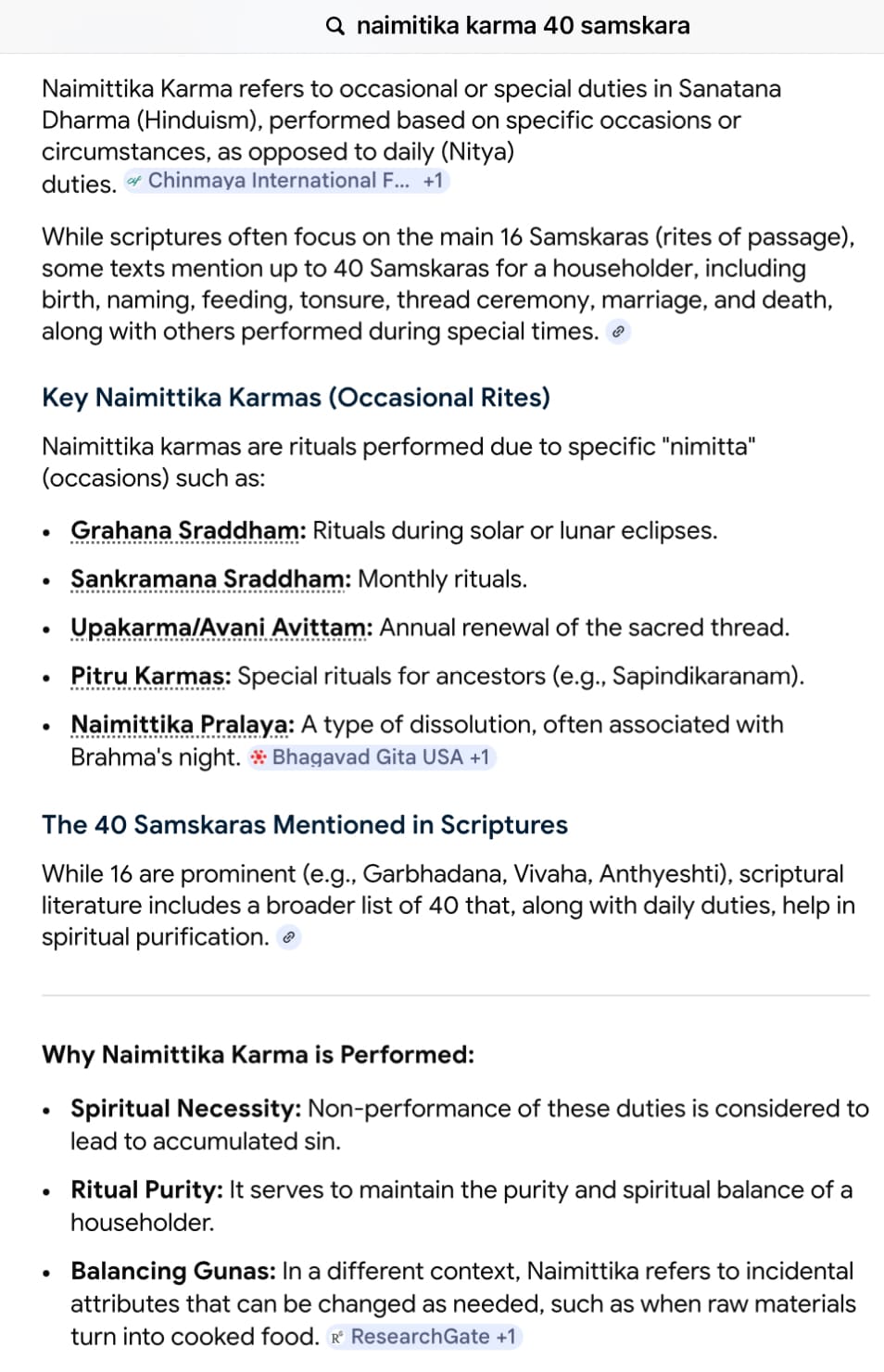
Definition:Going to the Lord with humility, reverence, and love. Practice: This involves waking up before daybreak (Brahma Muhurtam) with the name of the Lord on one's lips. The devotee performs daily rituals (nithya and naimittika karmas) and approaches the deity to offer themself to the Lord's feet, praying for a faultless day. - Upadanam (Gathering):
Definition:Gathering the materials required for worship. Practice: This period is set aside to collect, with care and devotion, appropriate items for the worship of God, such as flowers, fruits, water, Thulasi, Veg Food naivedyam prasadam and tools for rituals. These Purified items must be gathered with a pure mind and clean body. - Ijyā (Worship):
Definition:The act of worship or sacrificial offering.
Practice: During this period, the devotee offers the materials gathered during Upadanam to the Lord (or Deity) with deep devotion. This is the main worship session. - Svādhyāya (Study/Self-Reflection):
Definition: Study of sacred texts and self-study.
Practice: This involves reading scriptures (Itihasas, Puranas, Vedas), studying the works of Acharyas and Alwars (in Sri Vaishnavism), and chanting mantras while contemplating their meaning. It is meant to increase intimate knowledge of the Divine and to study one's own actions, thoughts, and reactions to grow spiritually. - Yoga & Meditation:
Definition: Good Health Care & Stilling the mind and focusing on God.
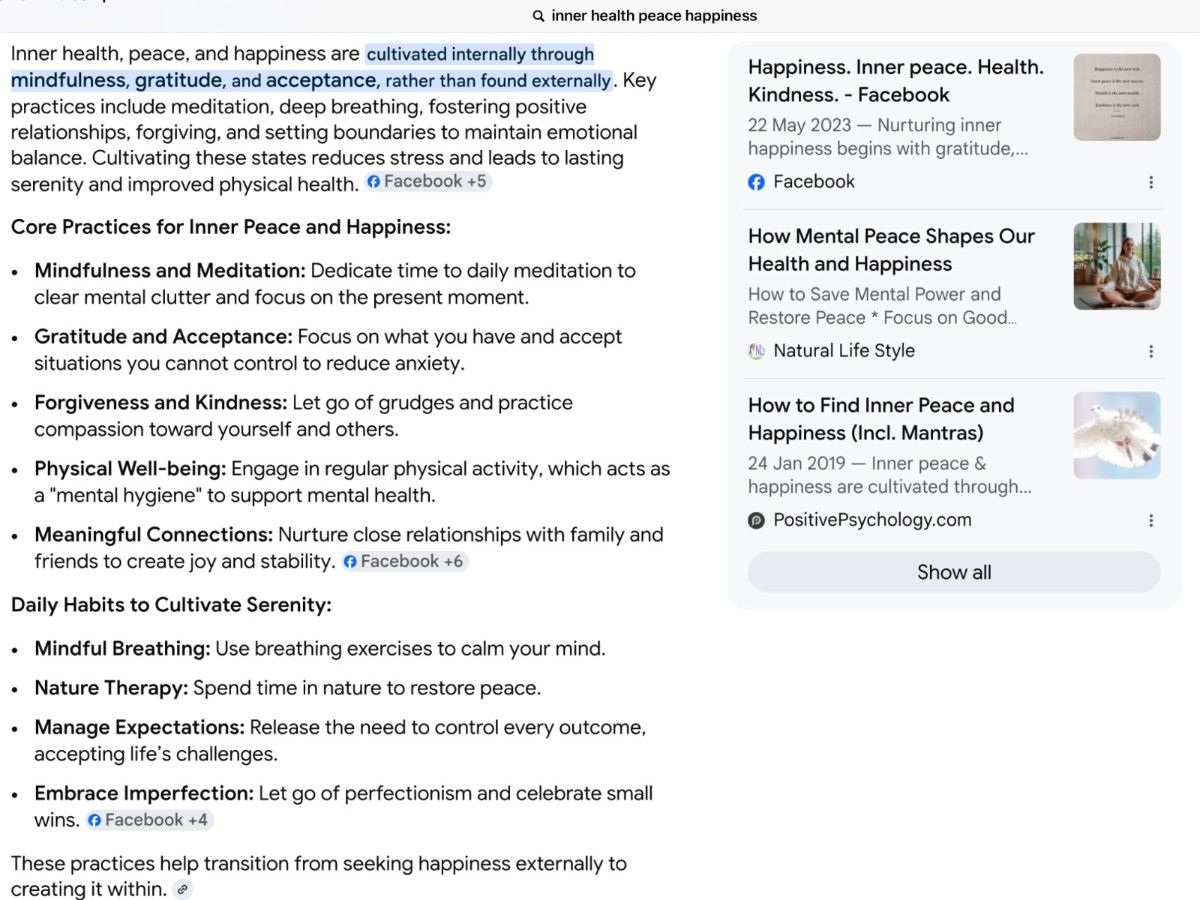
Practice: Done in the final part of the day or at night, this involves profound meditation (Dhyana) and meditation on the self as an instrument of God. It brings calm,Peace, inner stillness, and closer union with the Lord.
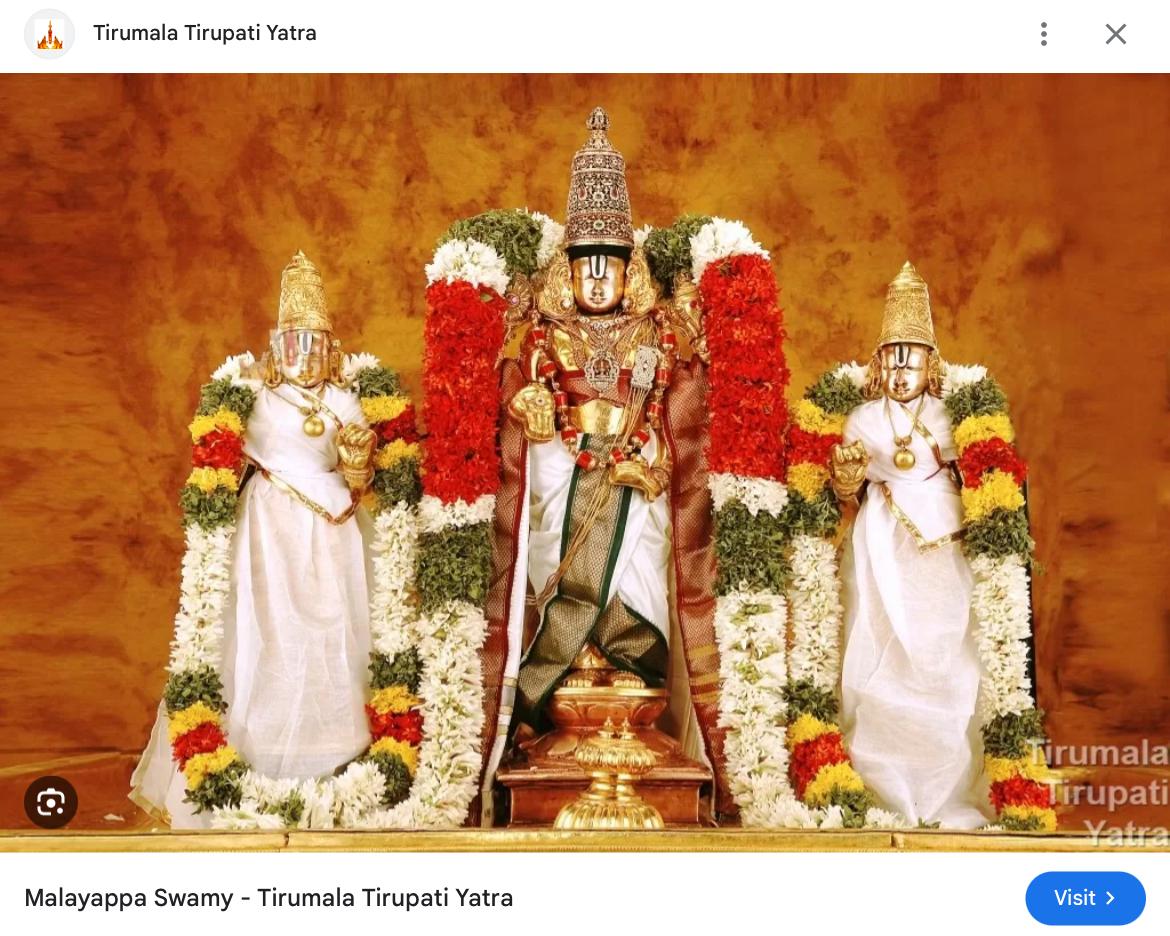
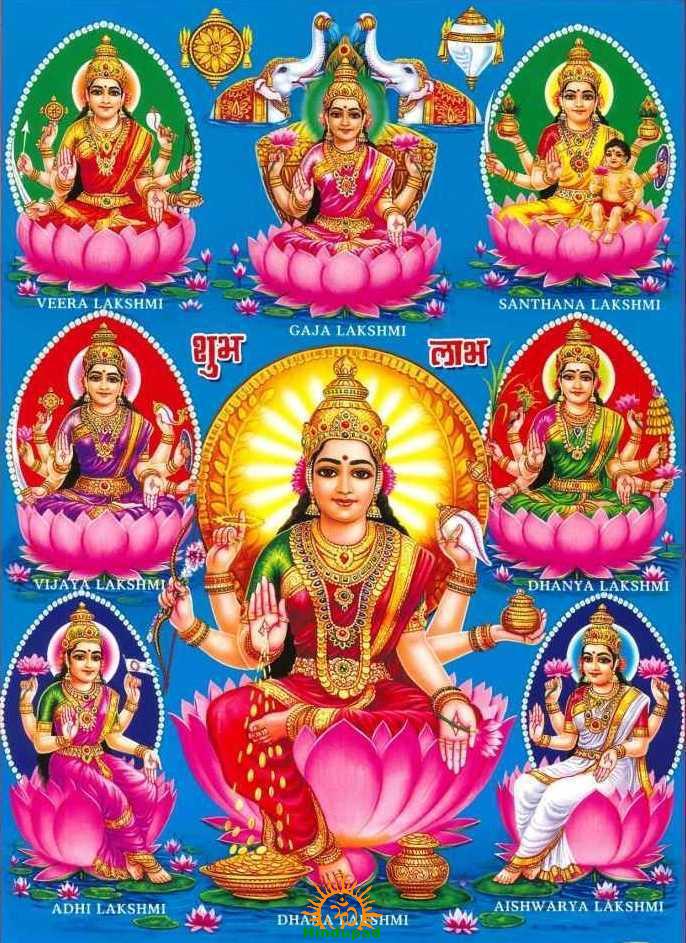
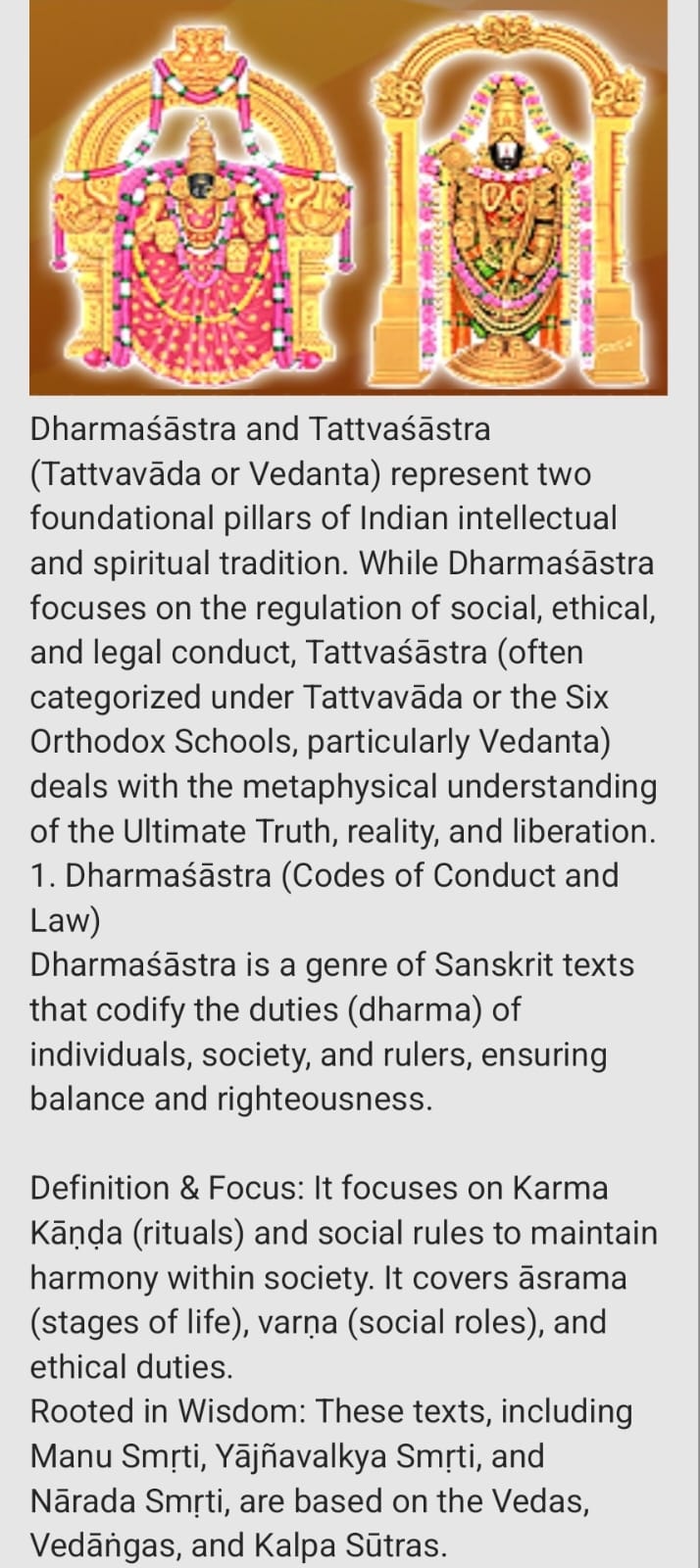
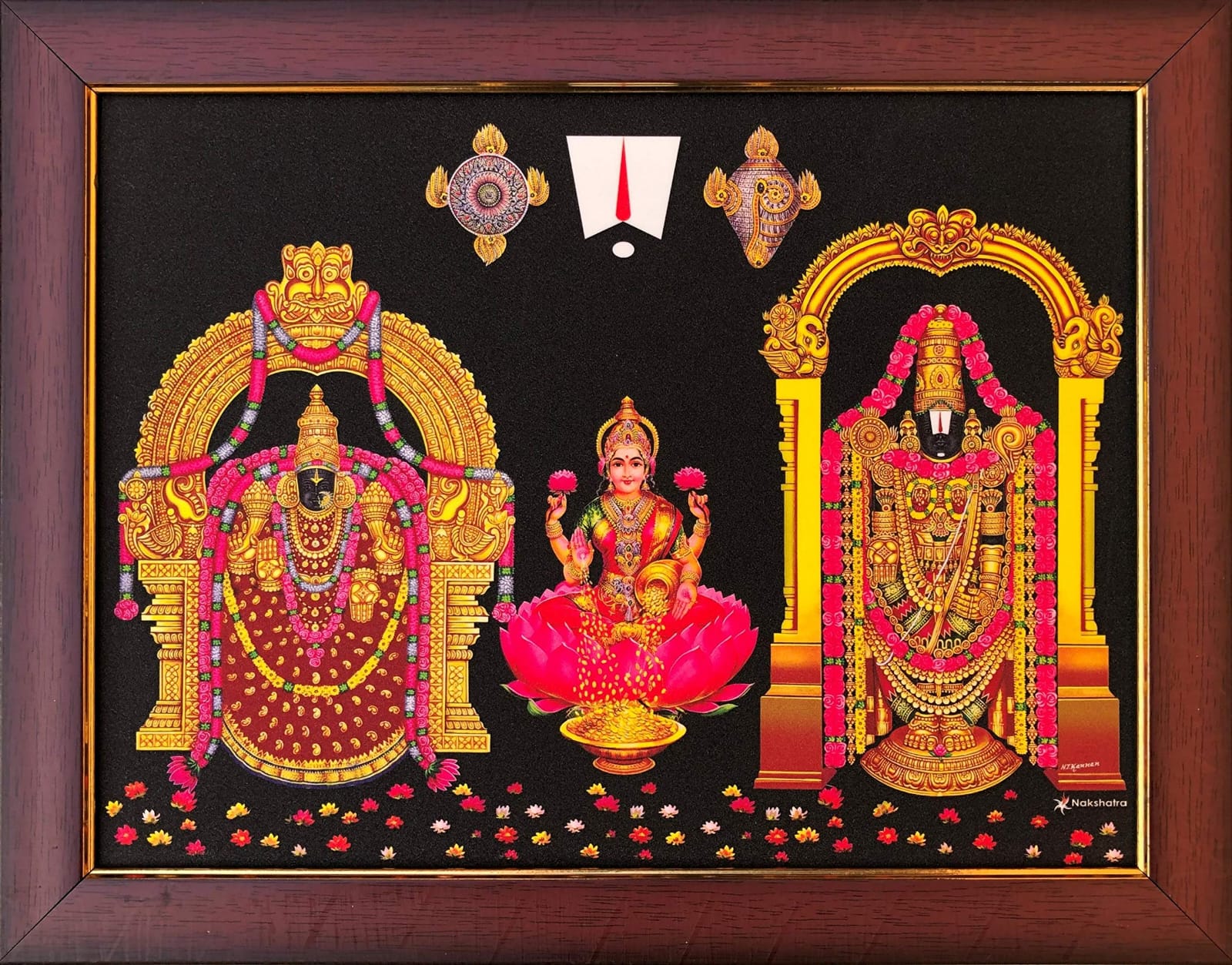
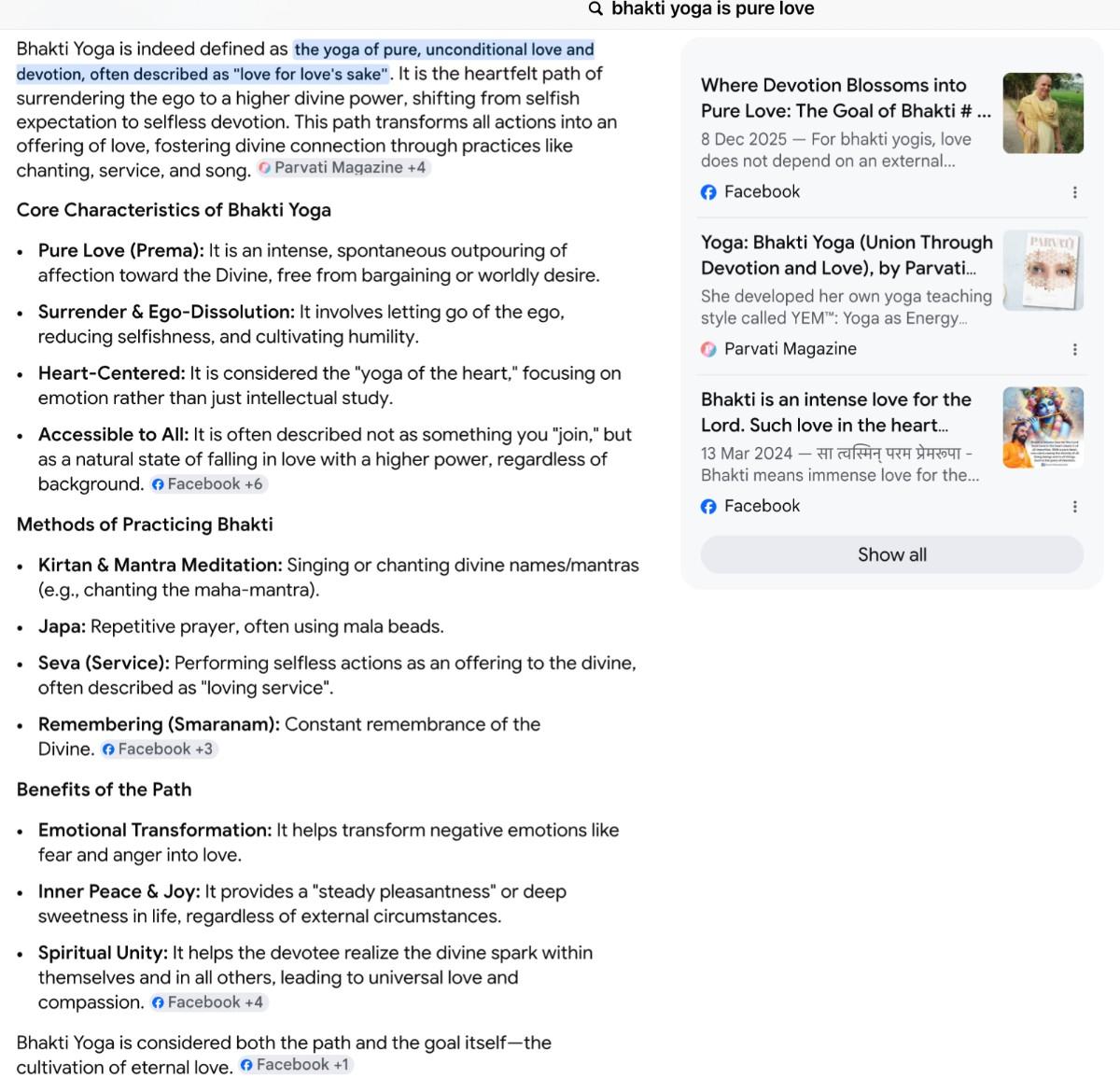
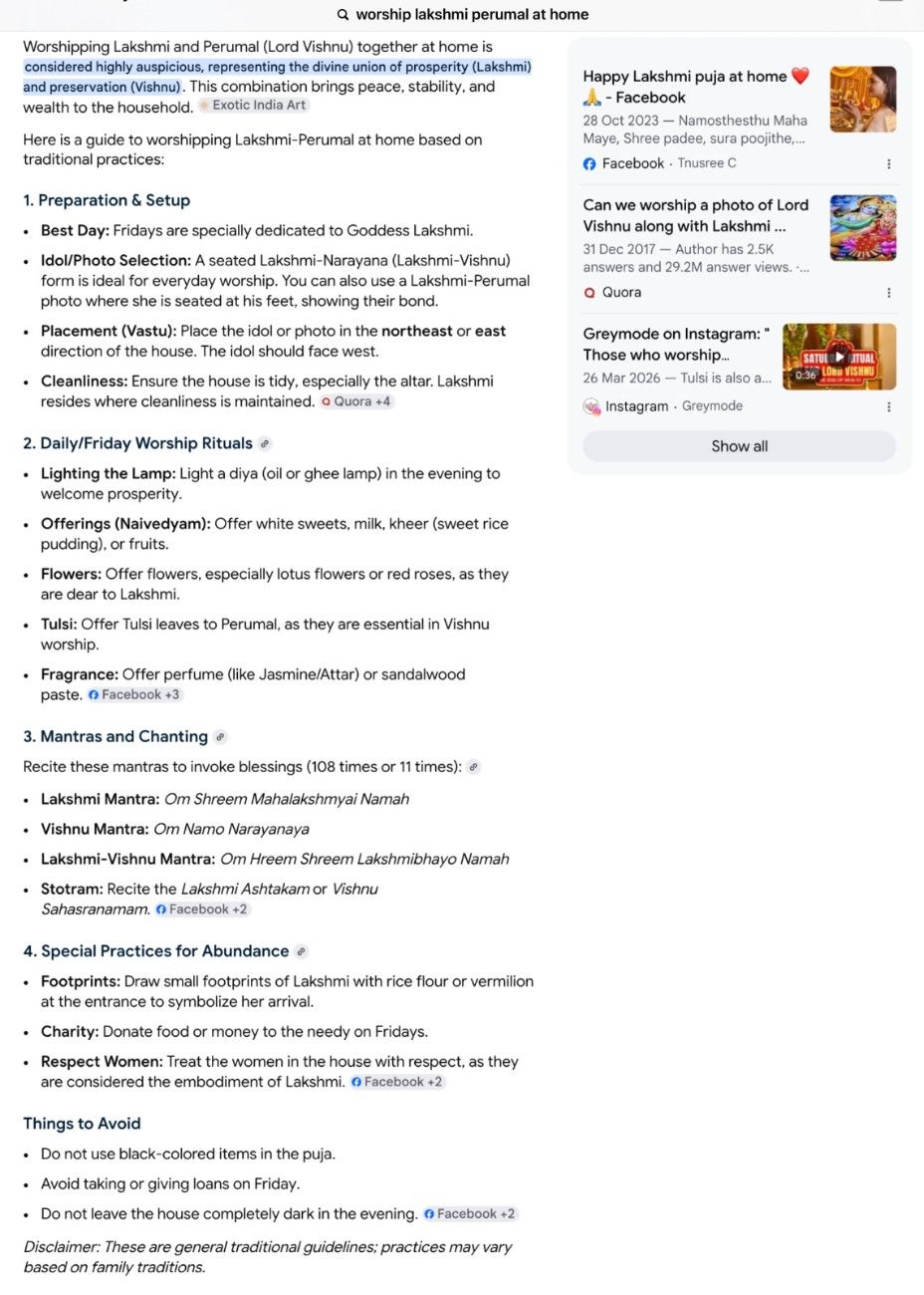
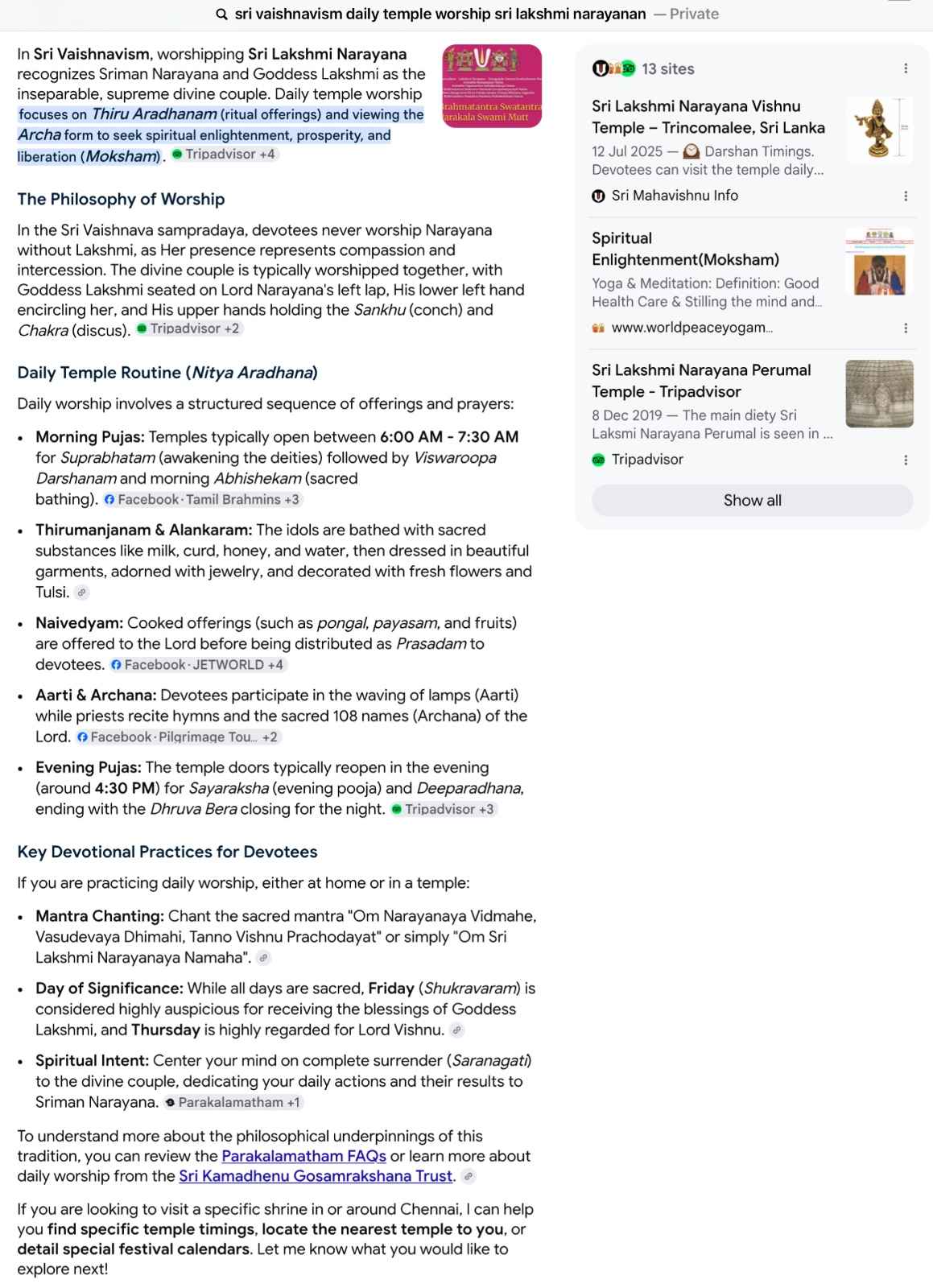
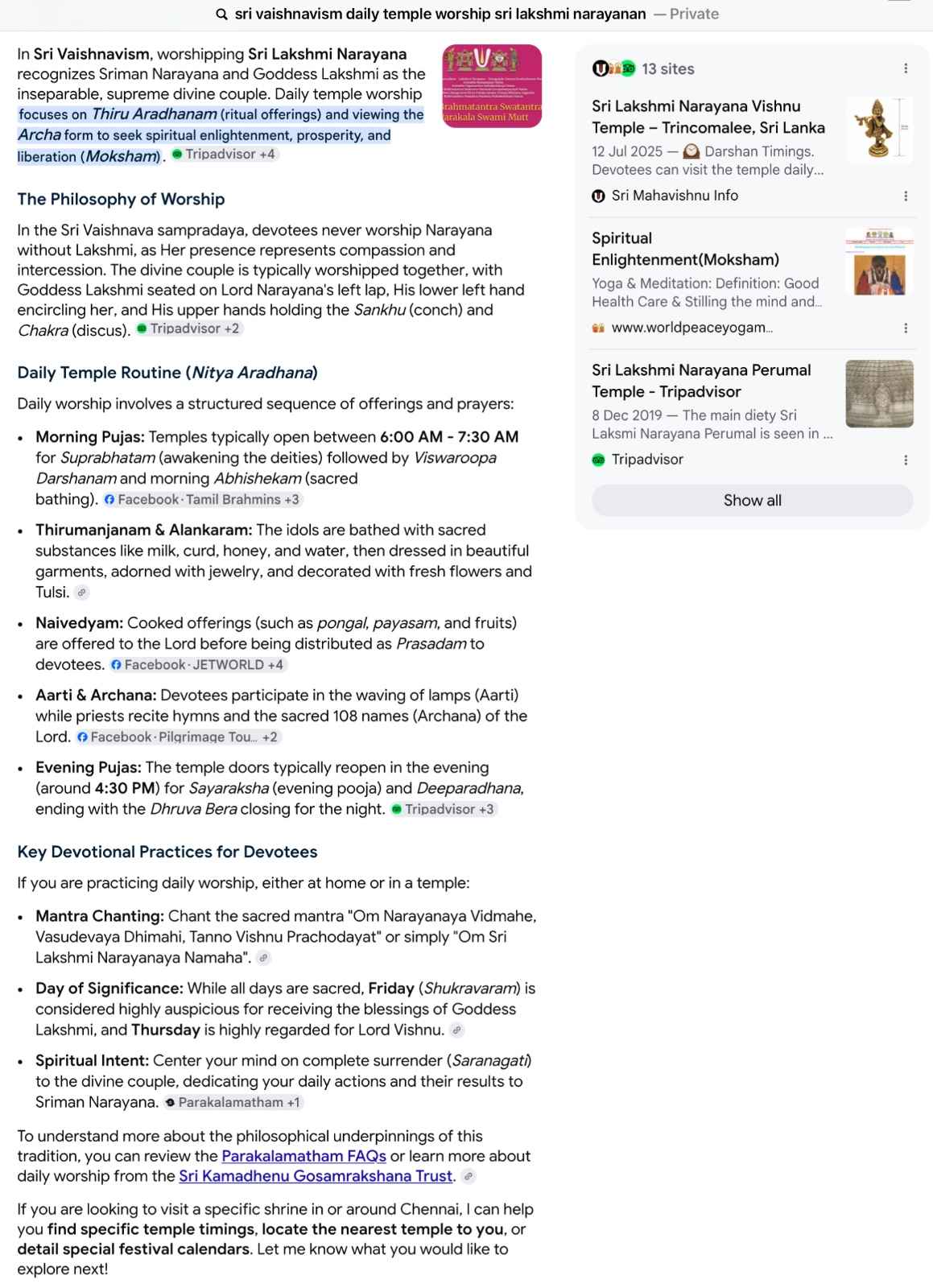
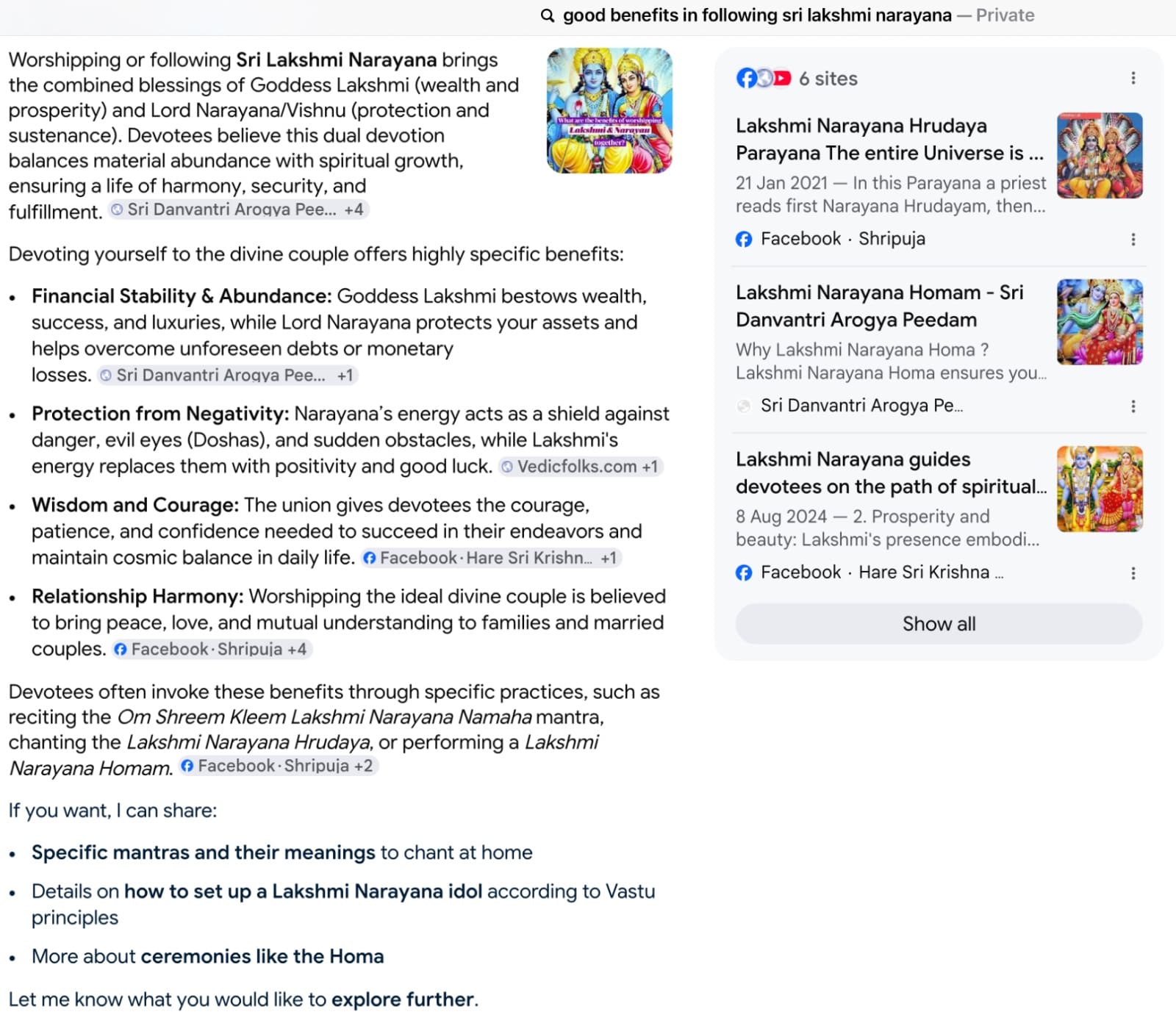
Bhakti towards the Divine God. Sri Vaishnavas worship both Sri Lakshmi and Vishnu, i.e. Mahalakshmi and Sriman Narayana, together.
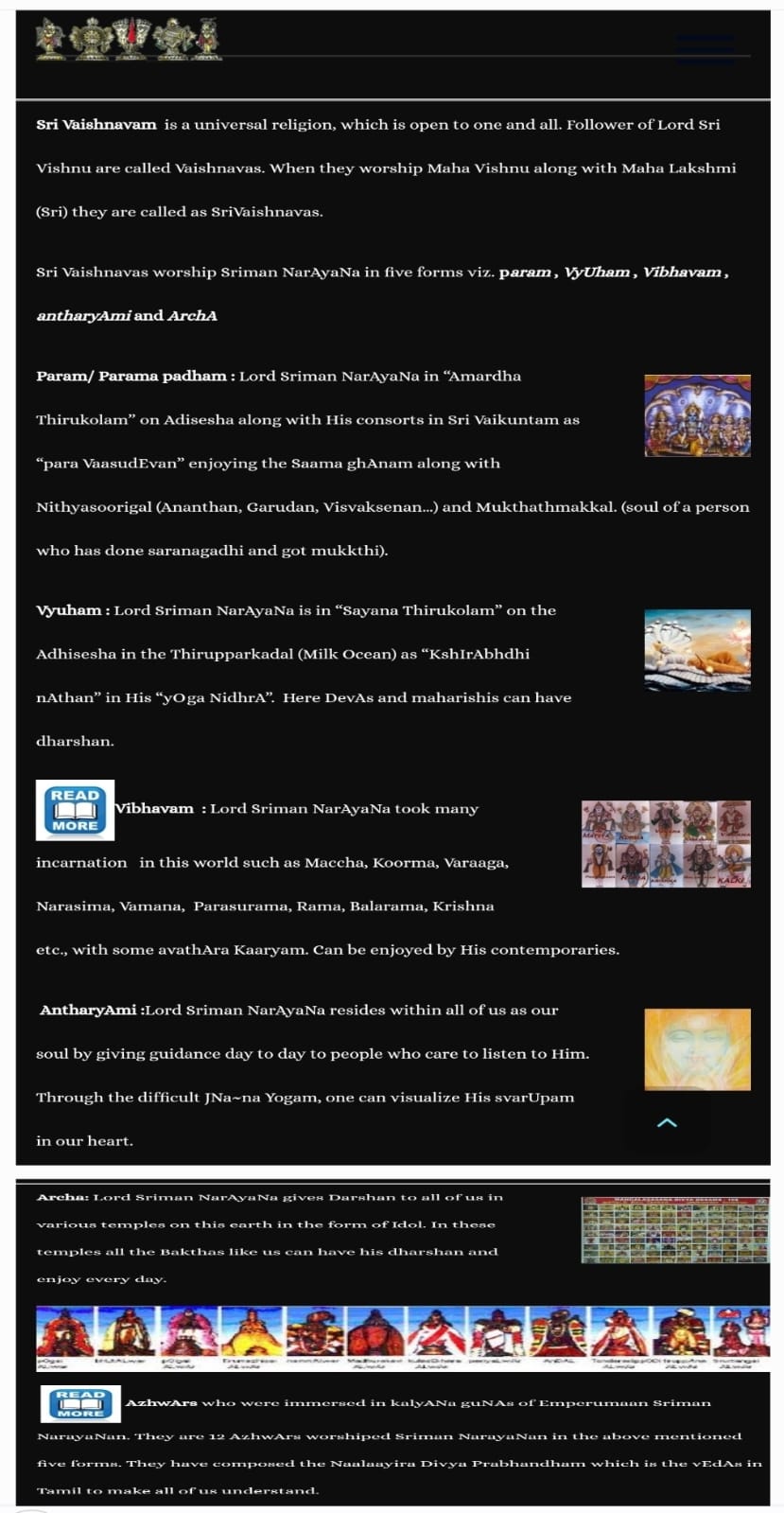
Sri Vaishnavas worship Sriman Narayana in five forms, viz. Param, Vyuham, Vibhavam, Archa and Antharyami, as under:
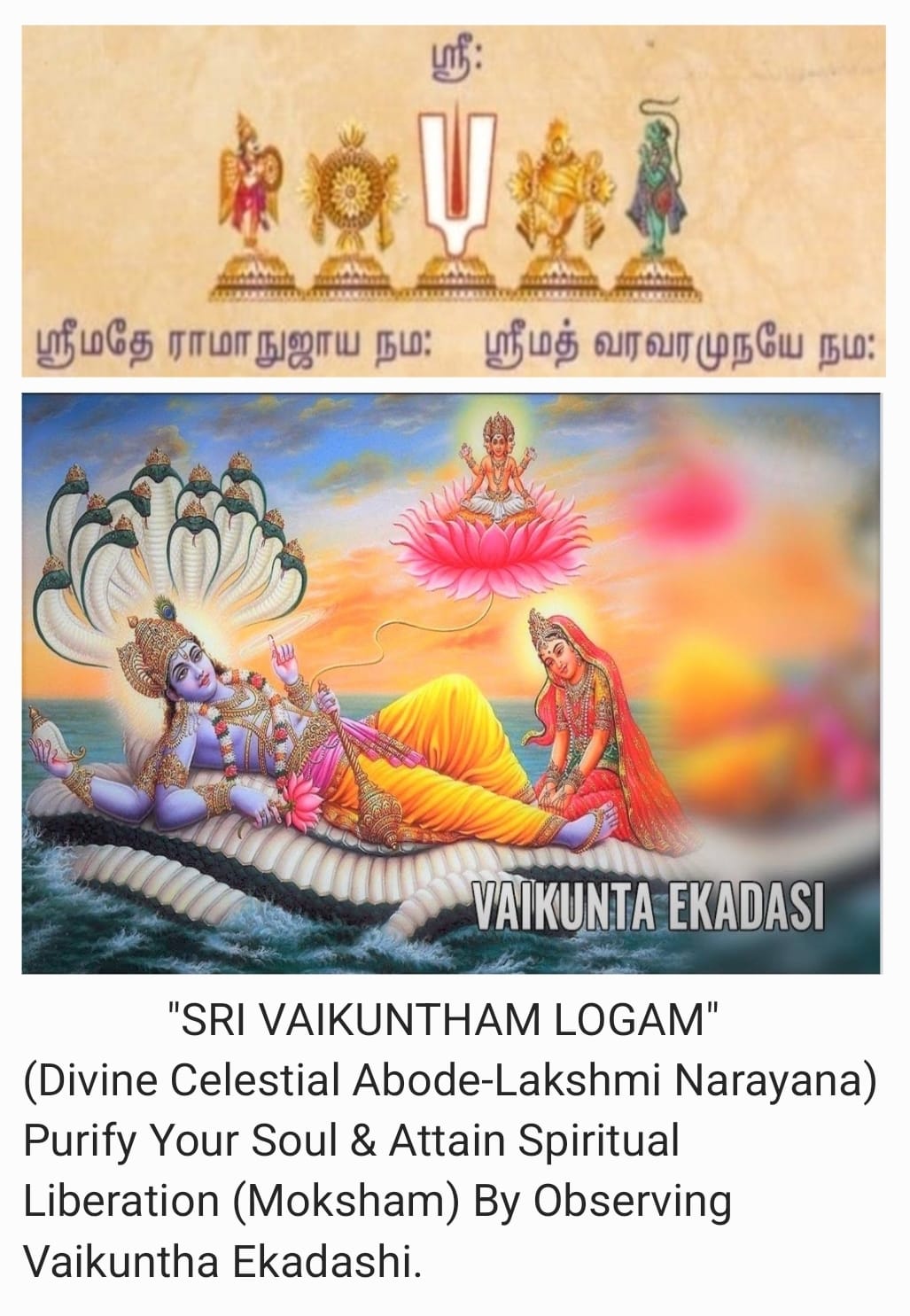
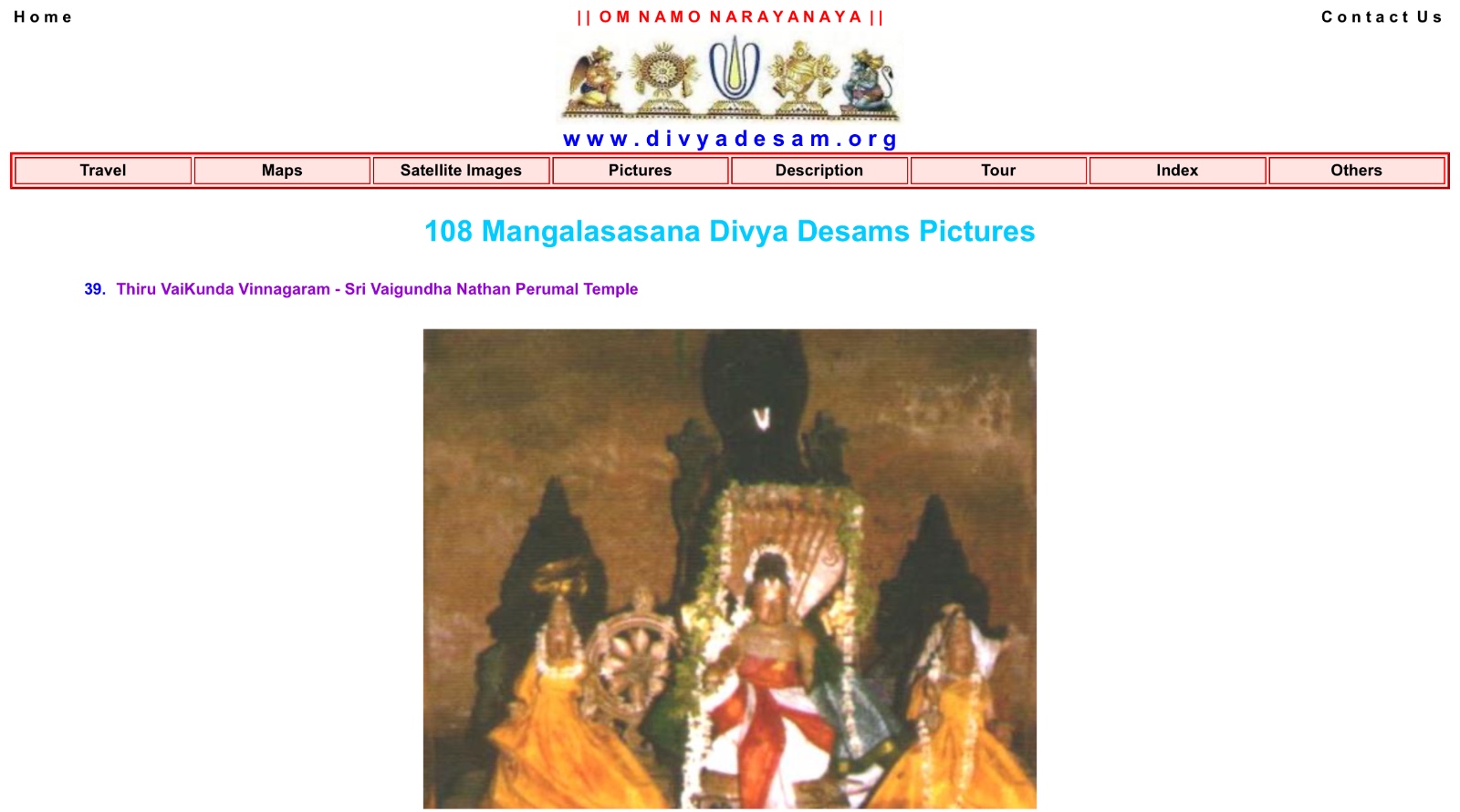
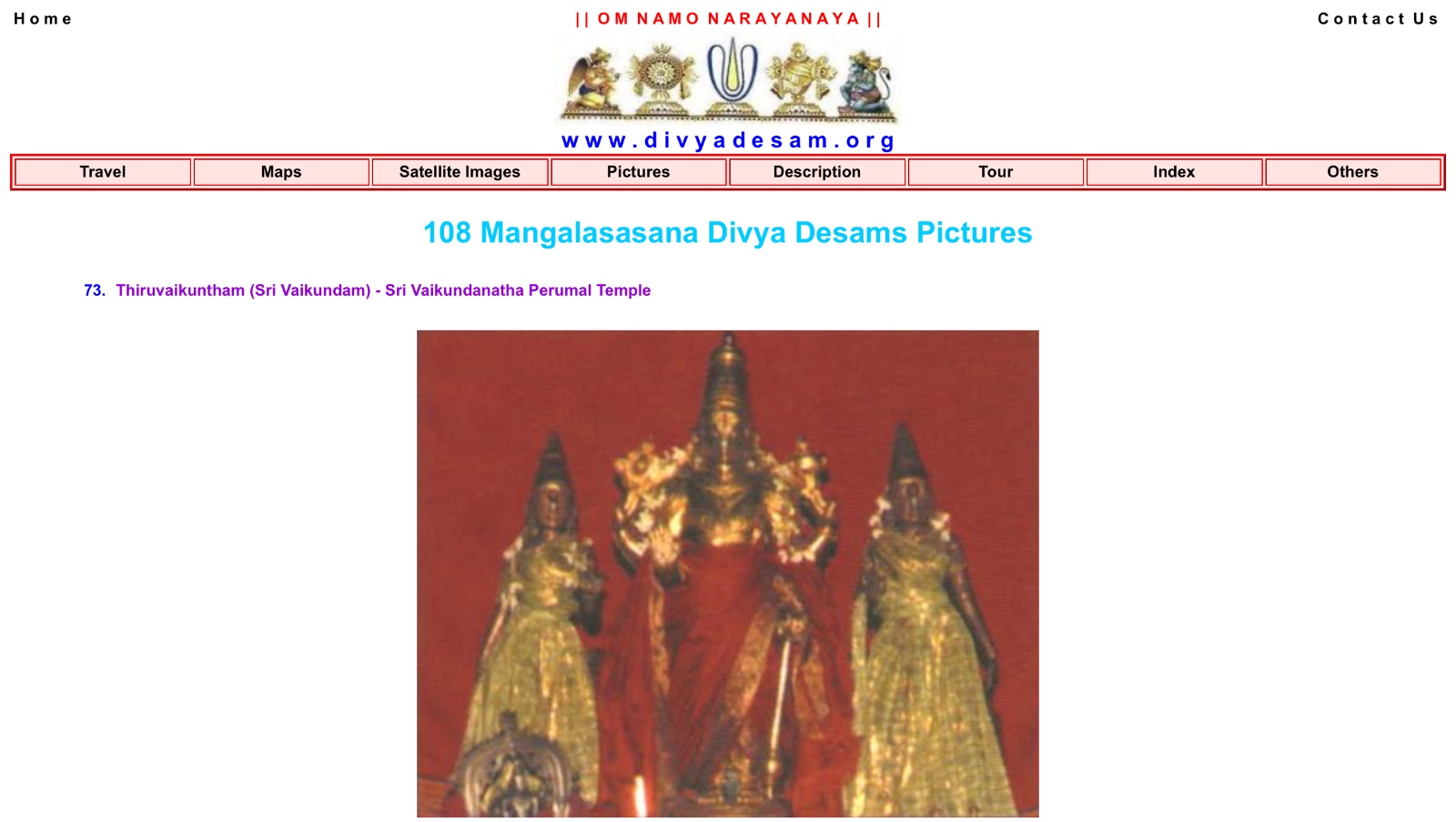
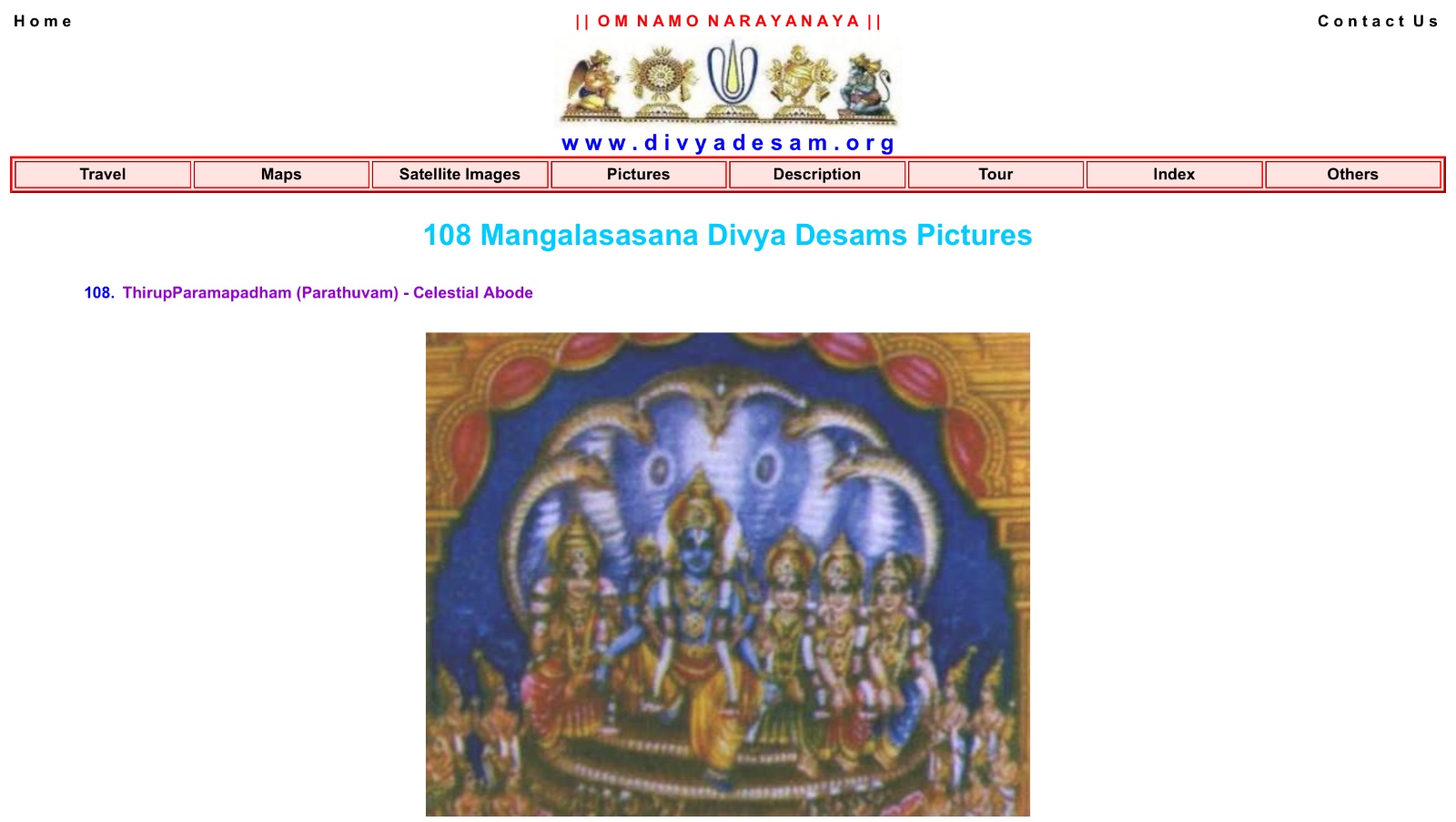
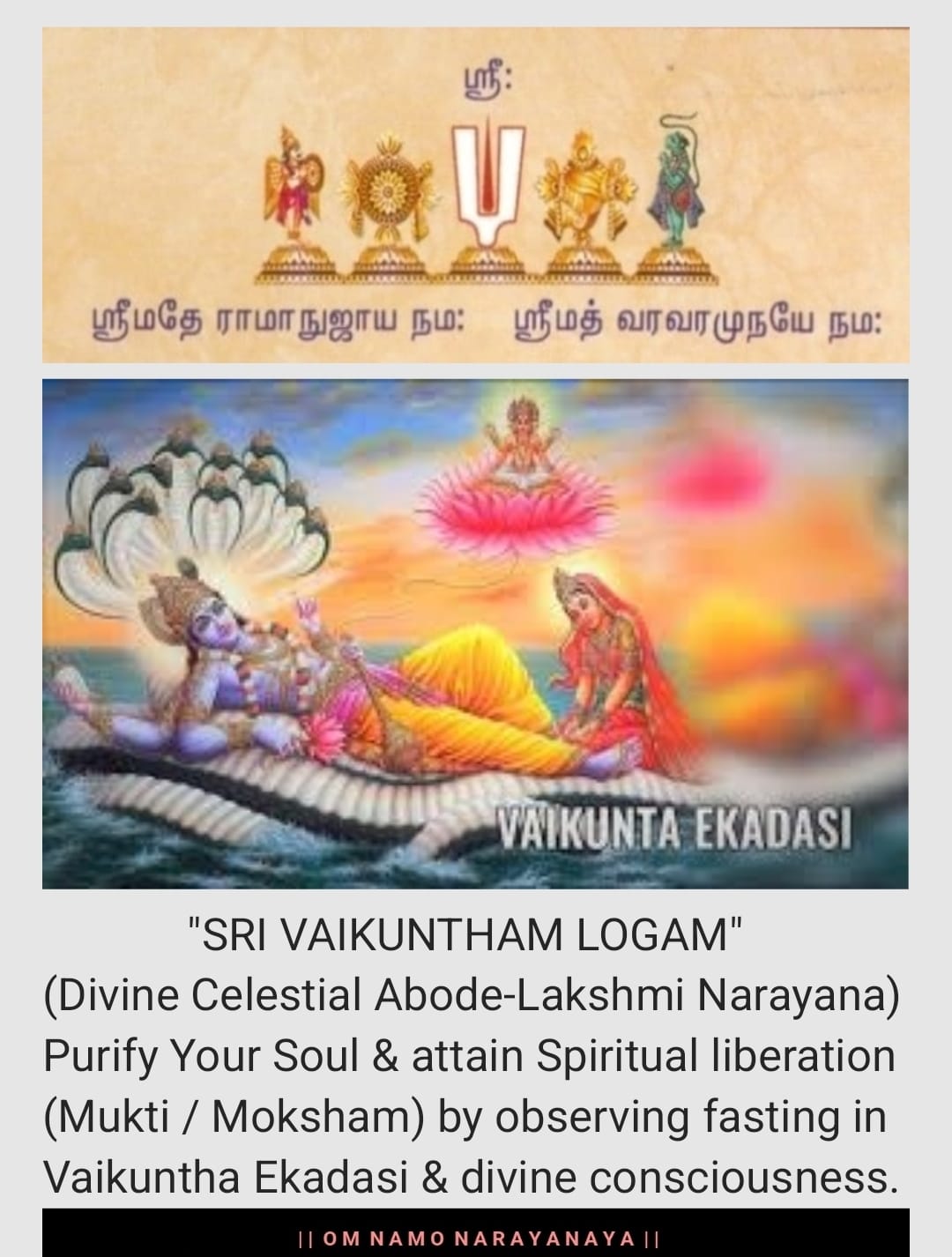
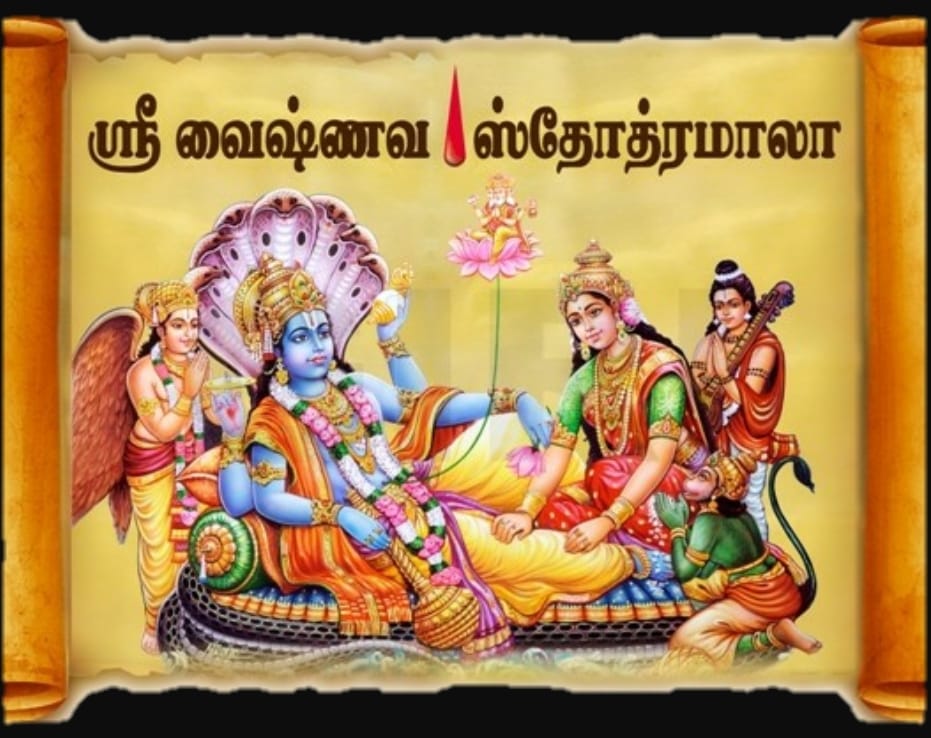
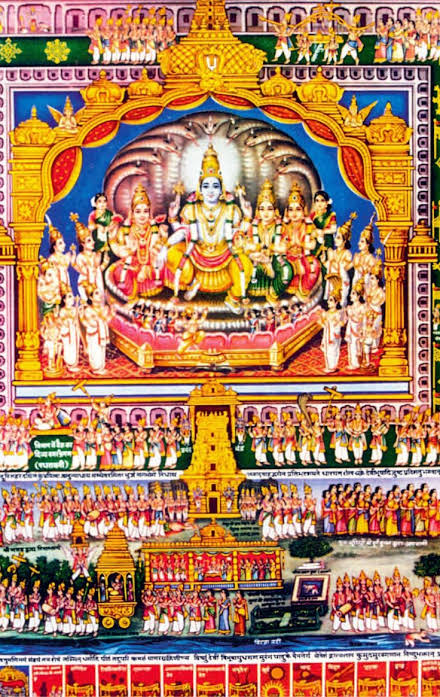
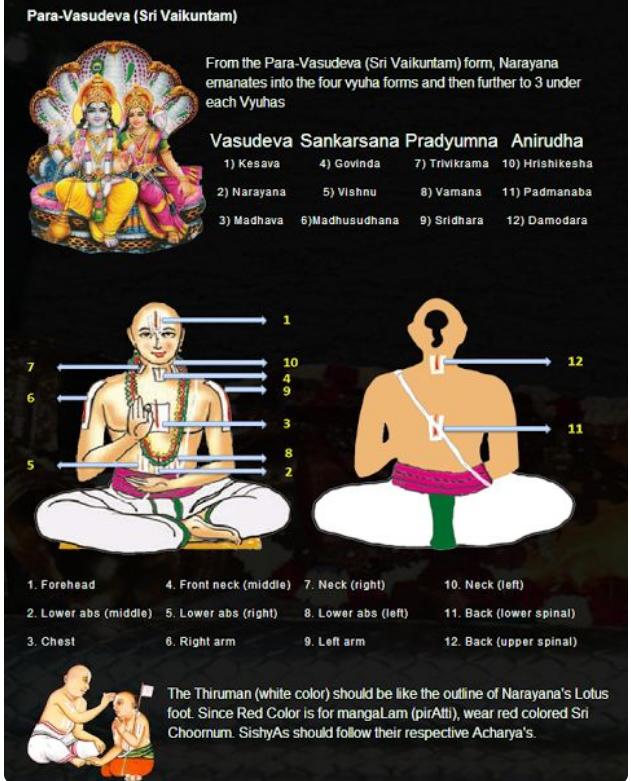
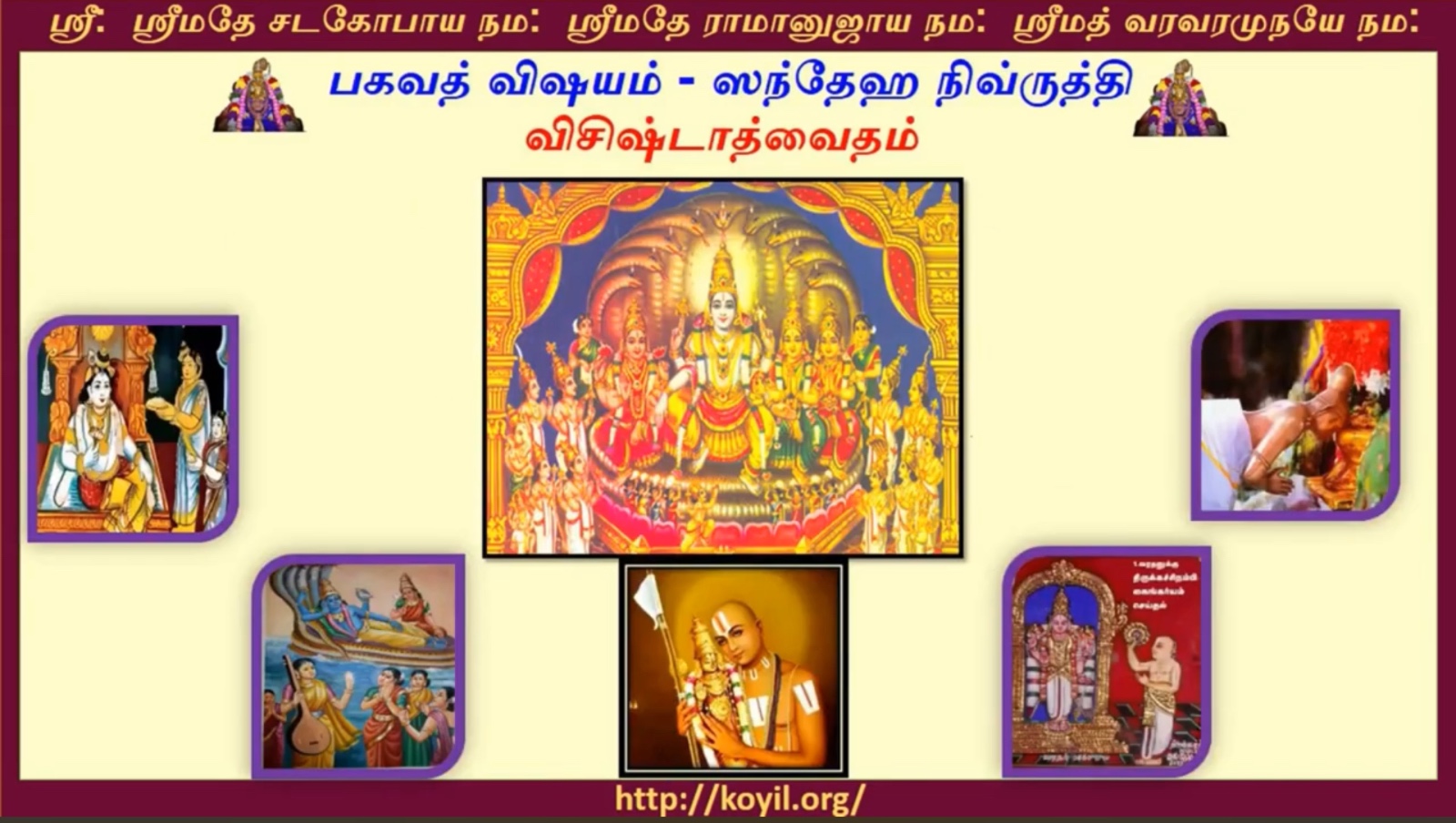
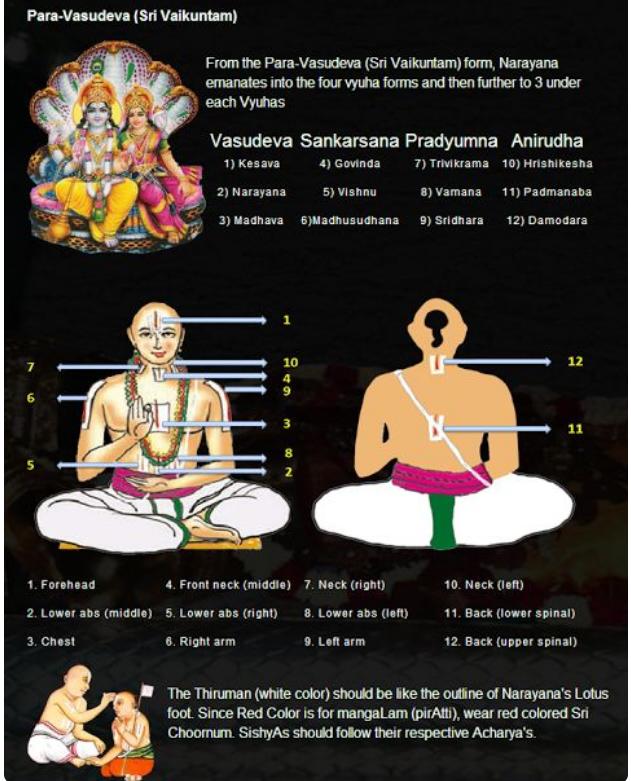
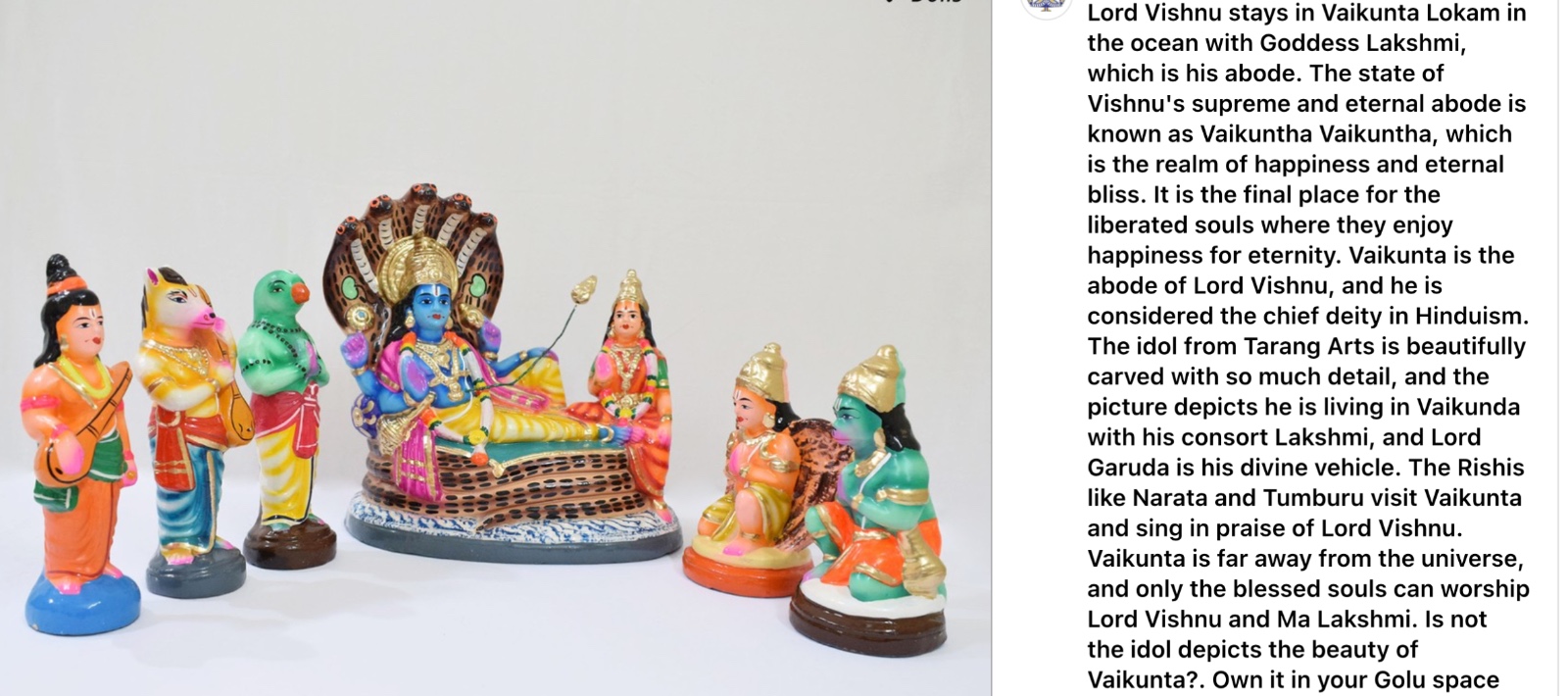
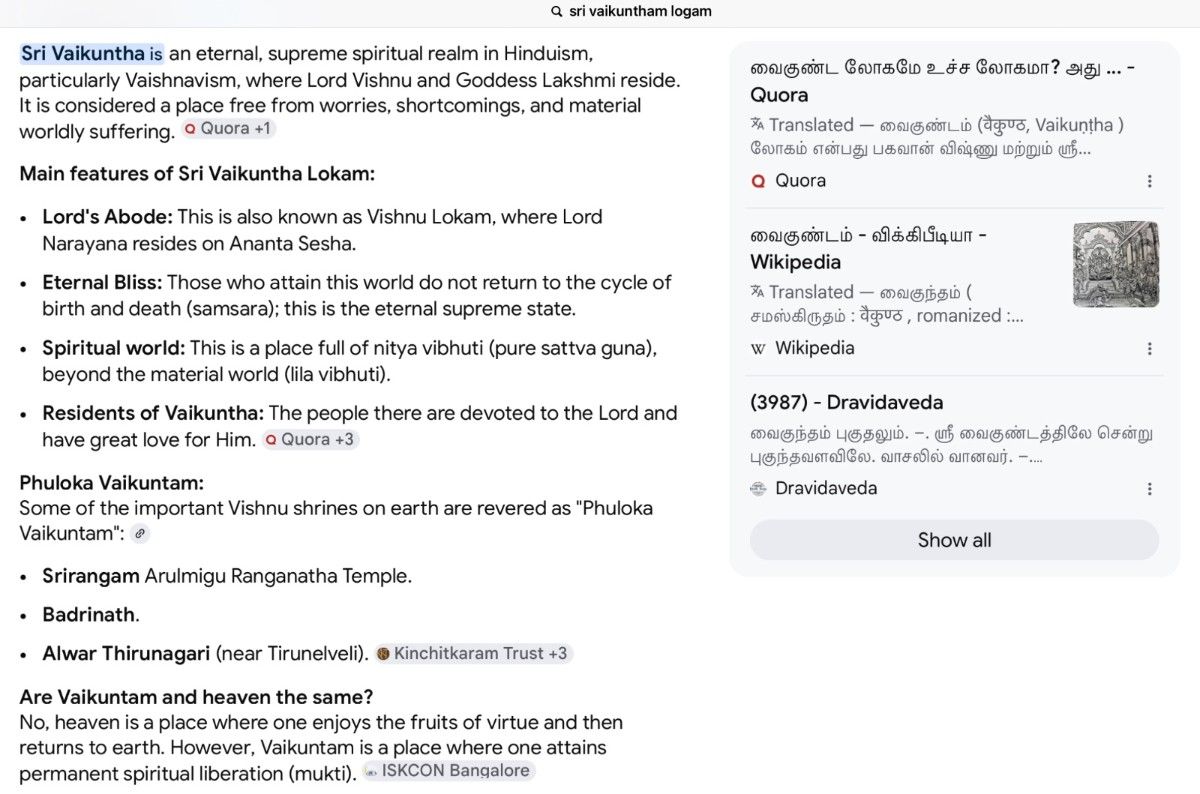
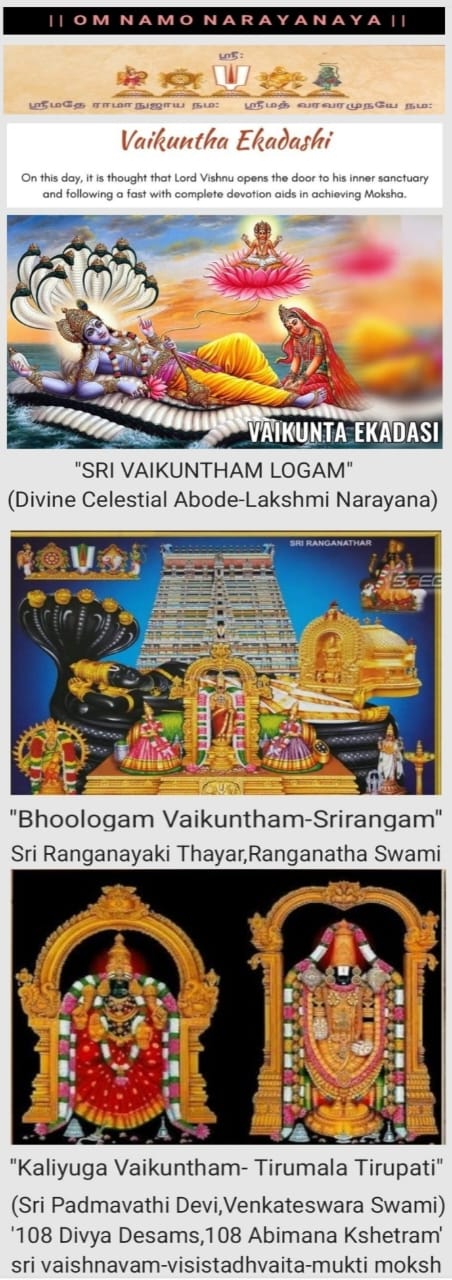
- Param is that form of Lord Sriman Narayana who lives in His permanent abode, Sri Vaikuntam. There He is sitting on Adisesha along with His consort Sri Mahalakshmi.
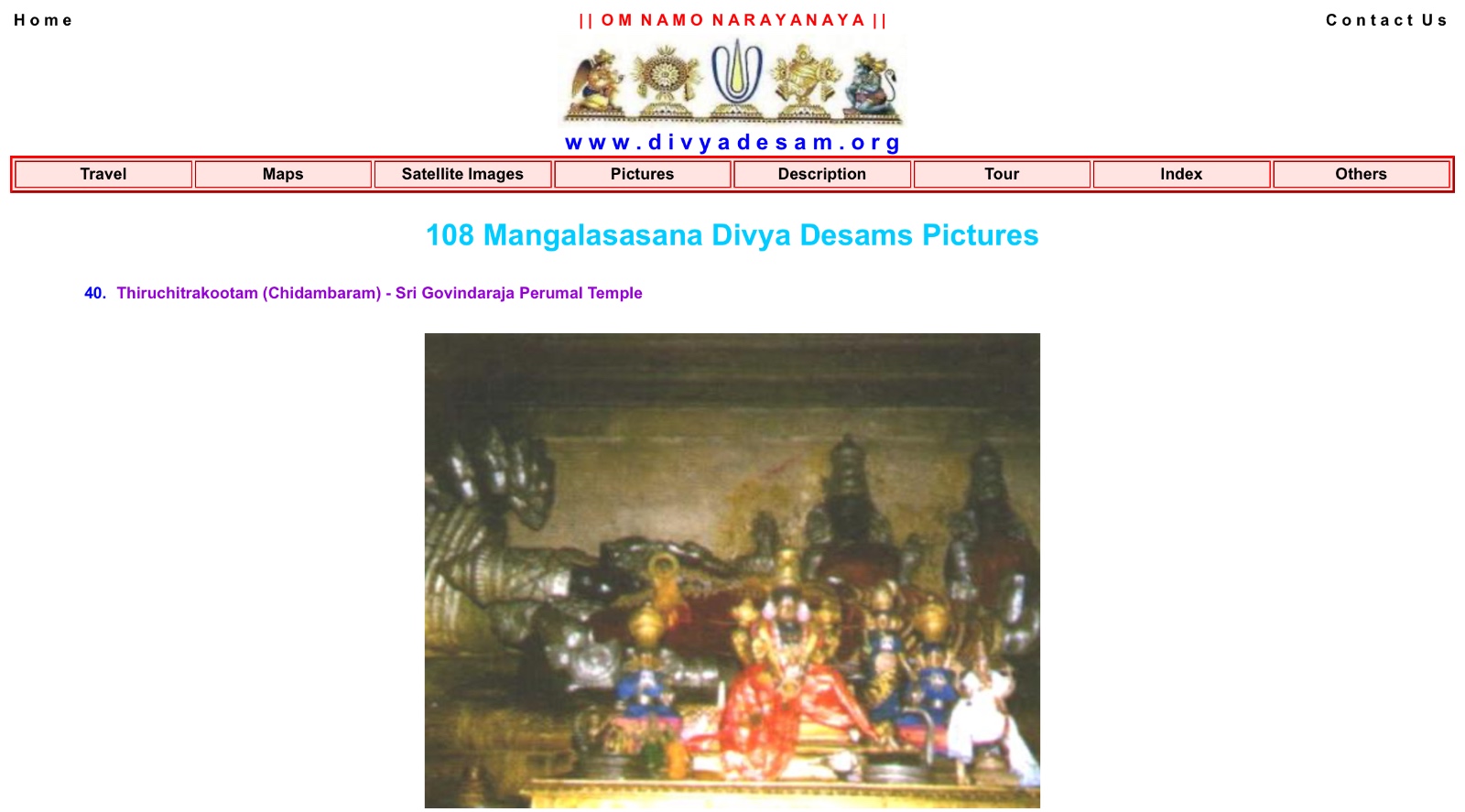
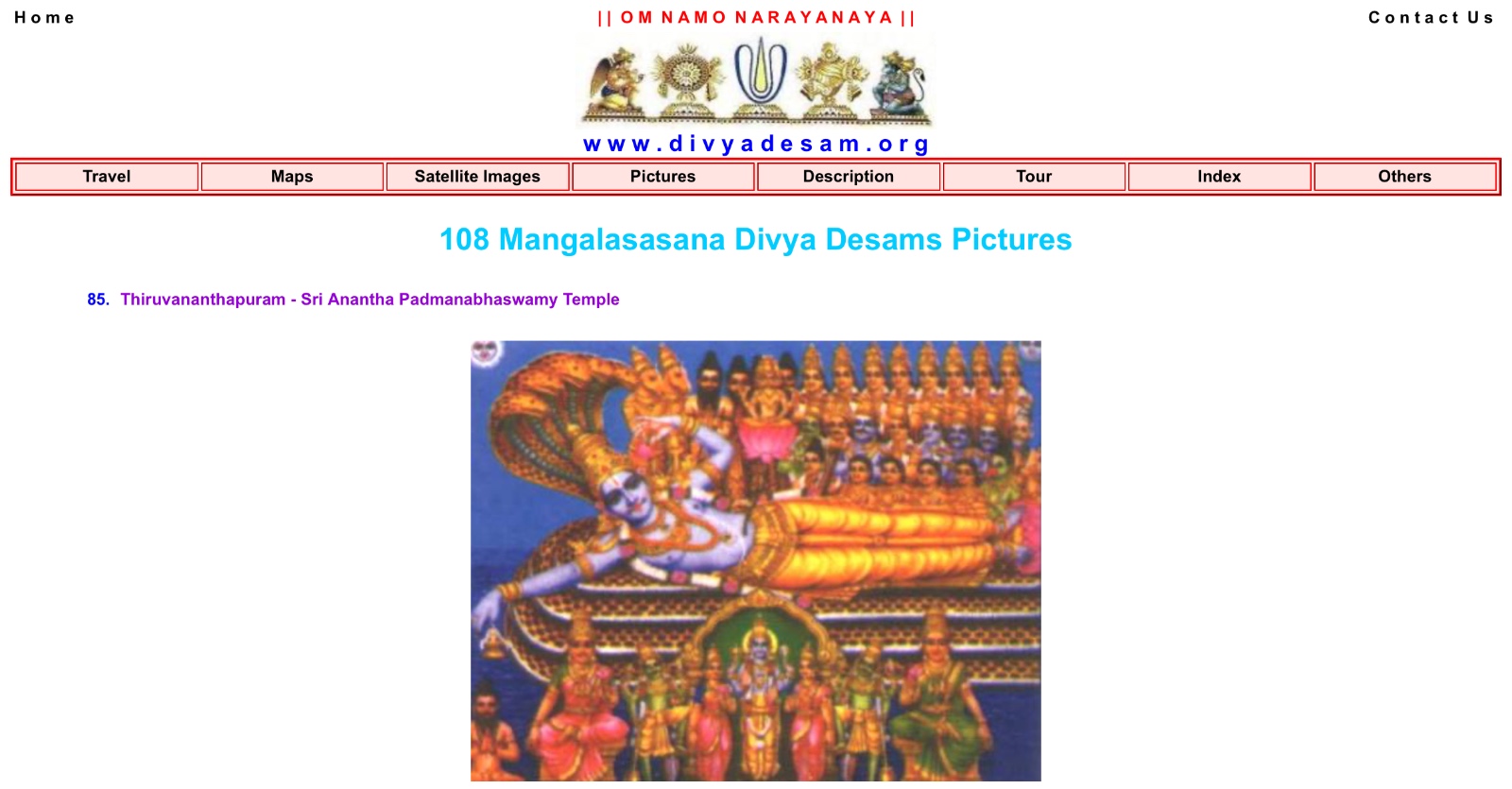
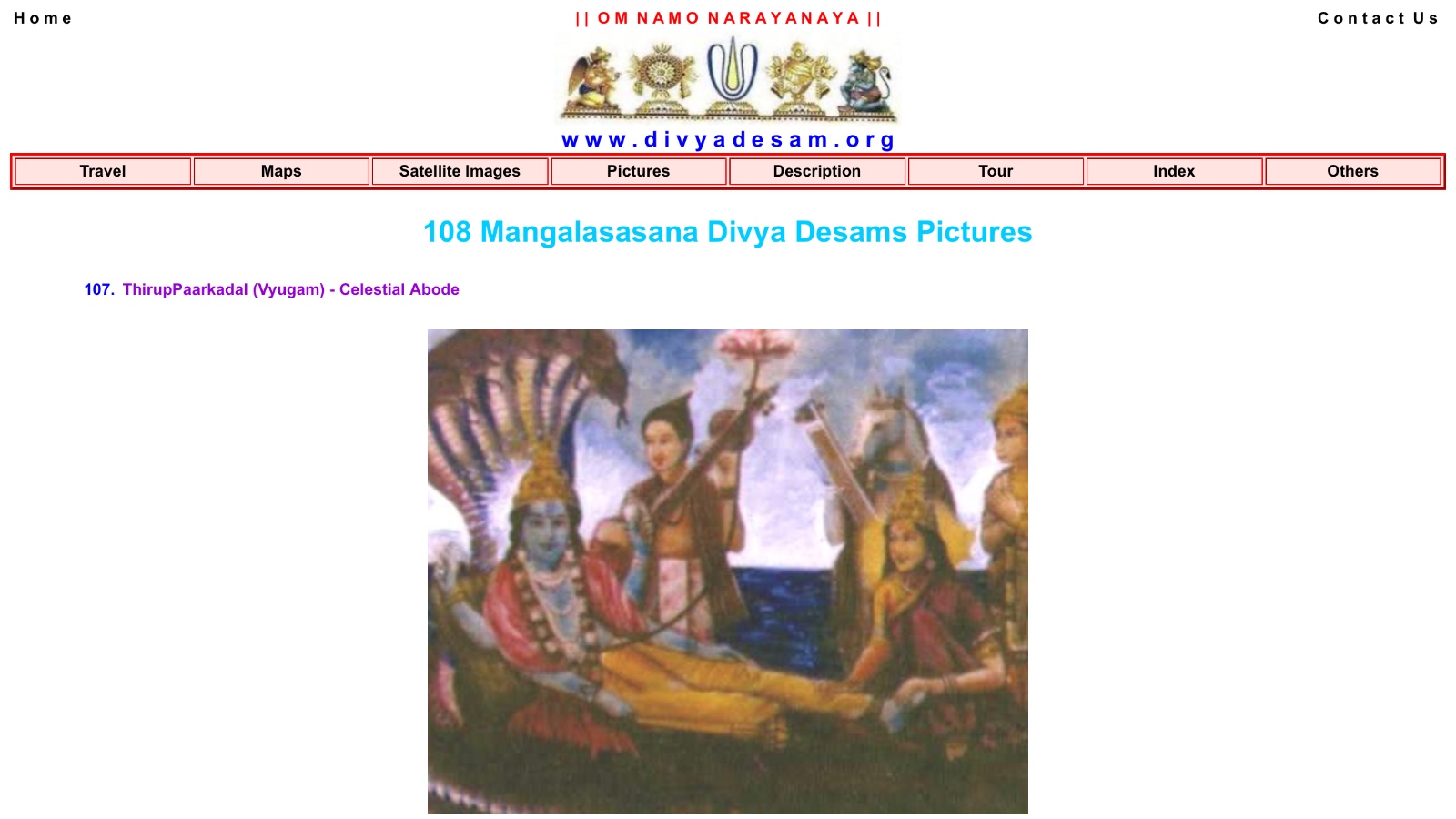
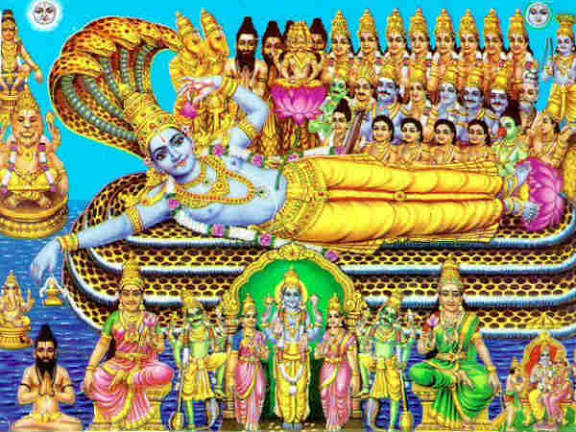
- Vyuham is that form of Lord Sriman Narayana wherefrom he focuses on Creation, Maintenance and Destruction, from the posture of Vyuha Vasudeva lying down on his Bed Adisesha in Thirupparkadal, the Milky ocean.
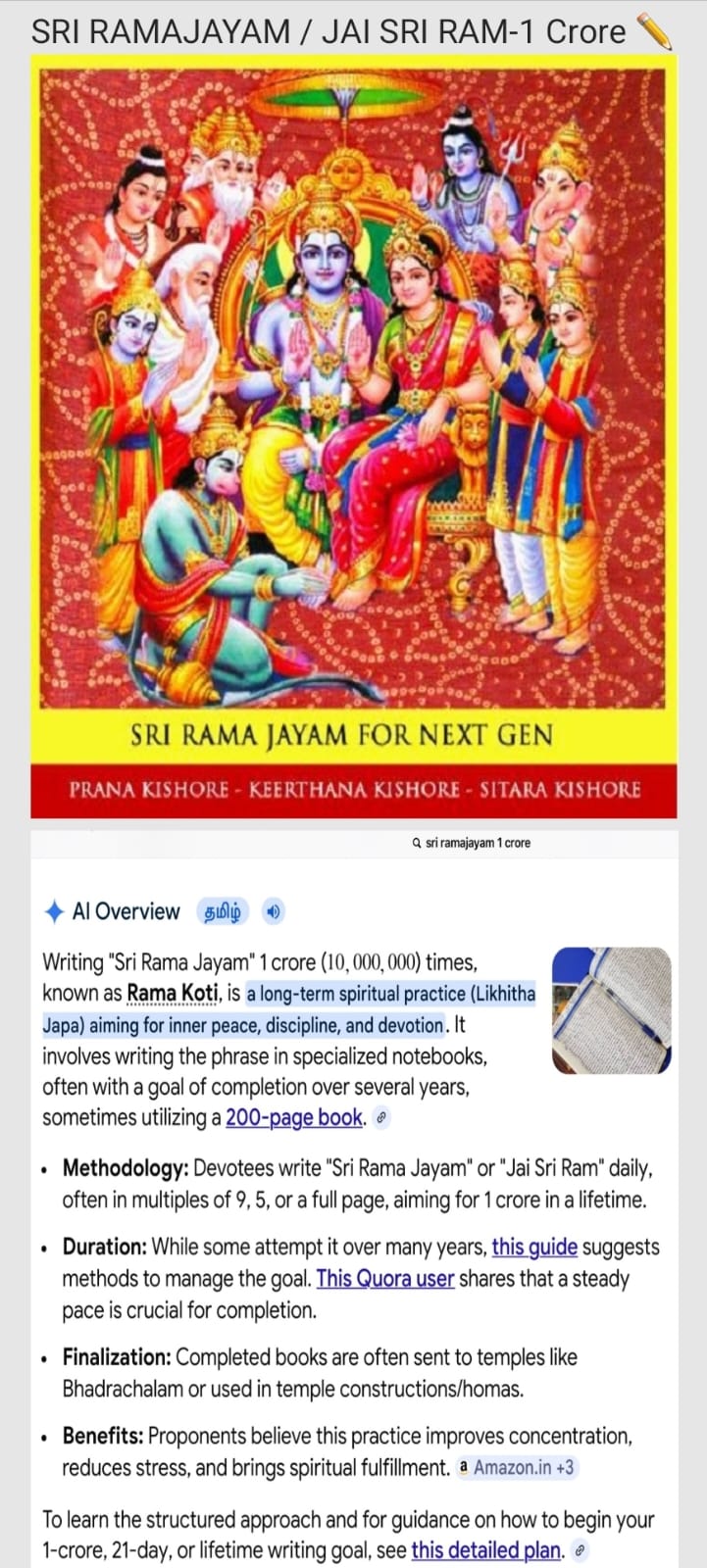
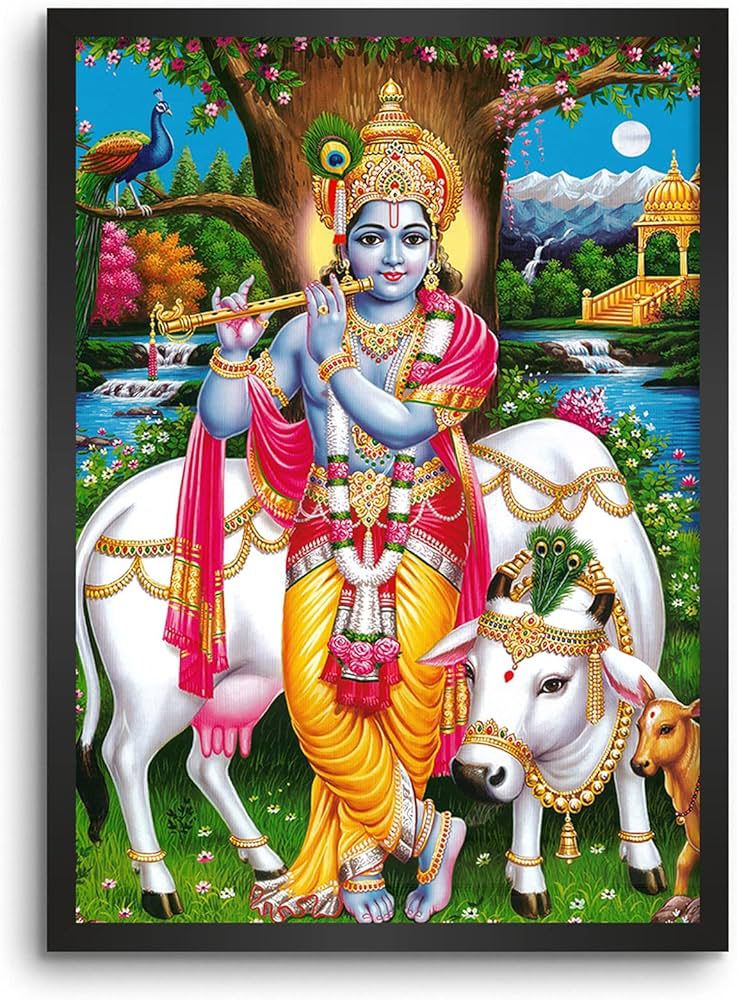
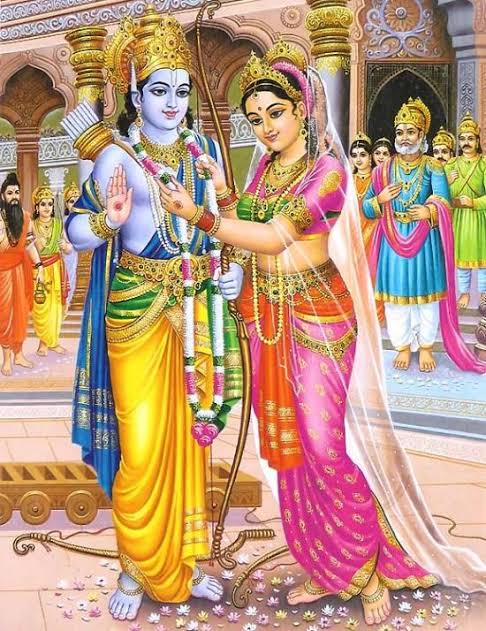
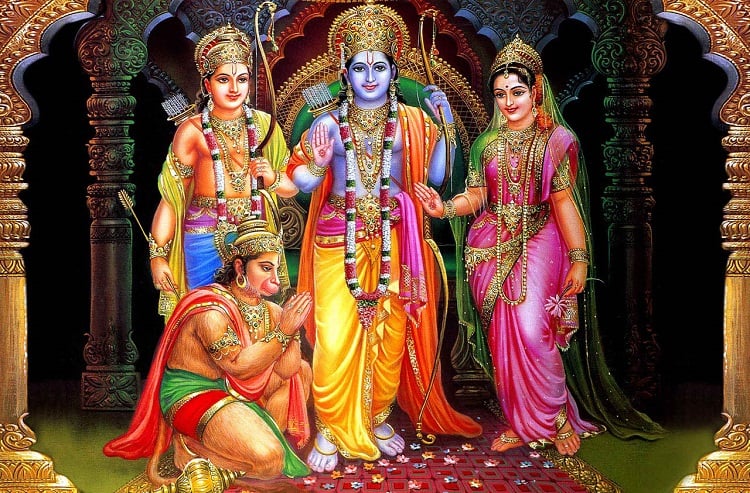
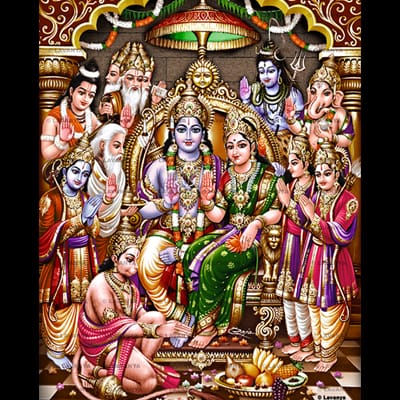
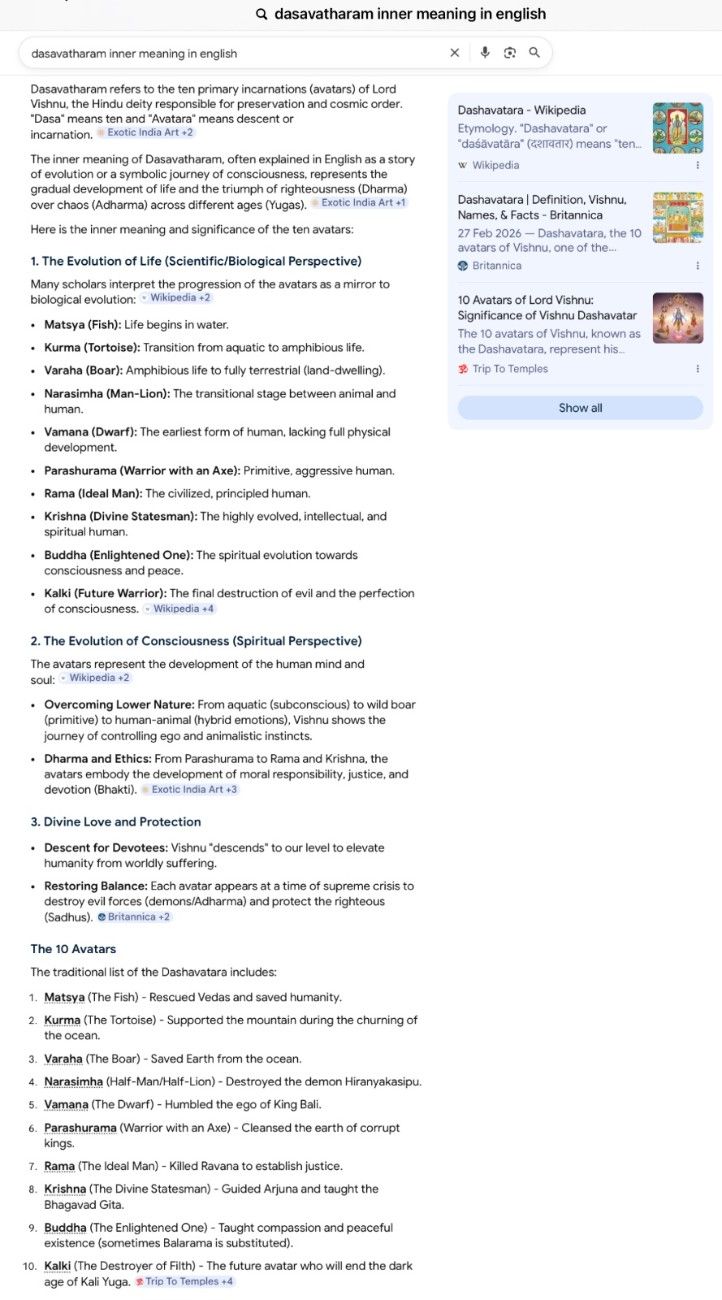
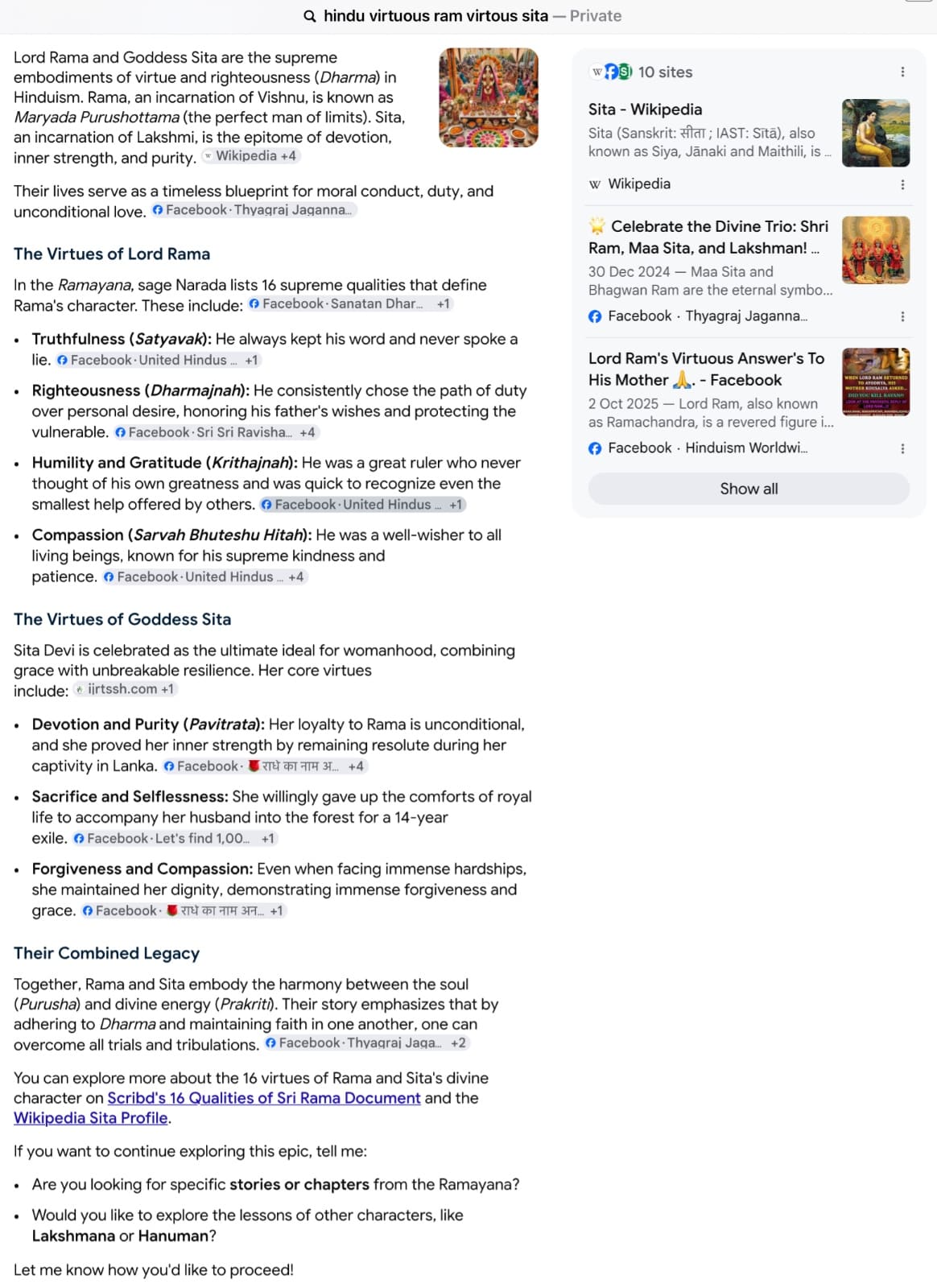
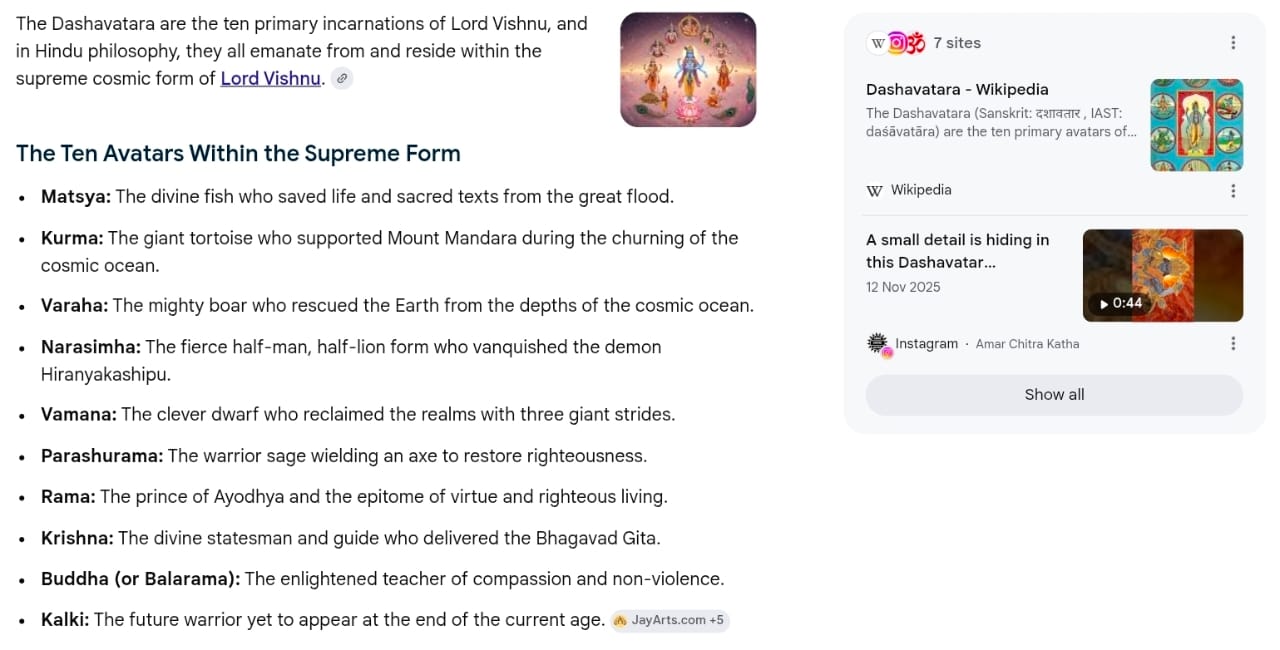
- Vibhavam is that form of Lord Sriman Narayana in which He took 10 Avataras in this world and was known in different names such as as Sri Rama, Sri Krishna, etc.
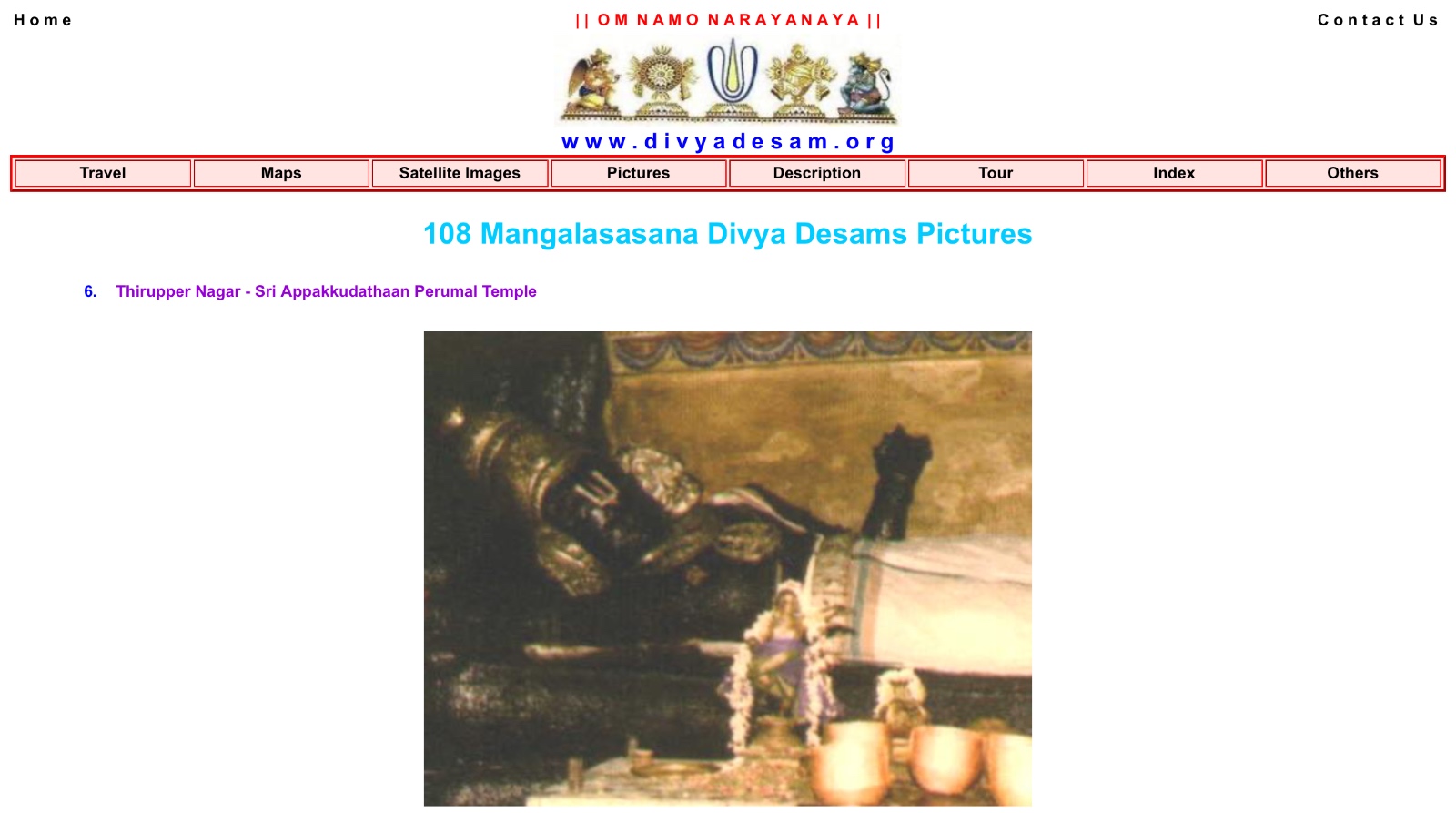
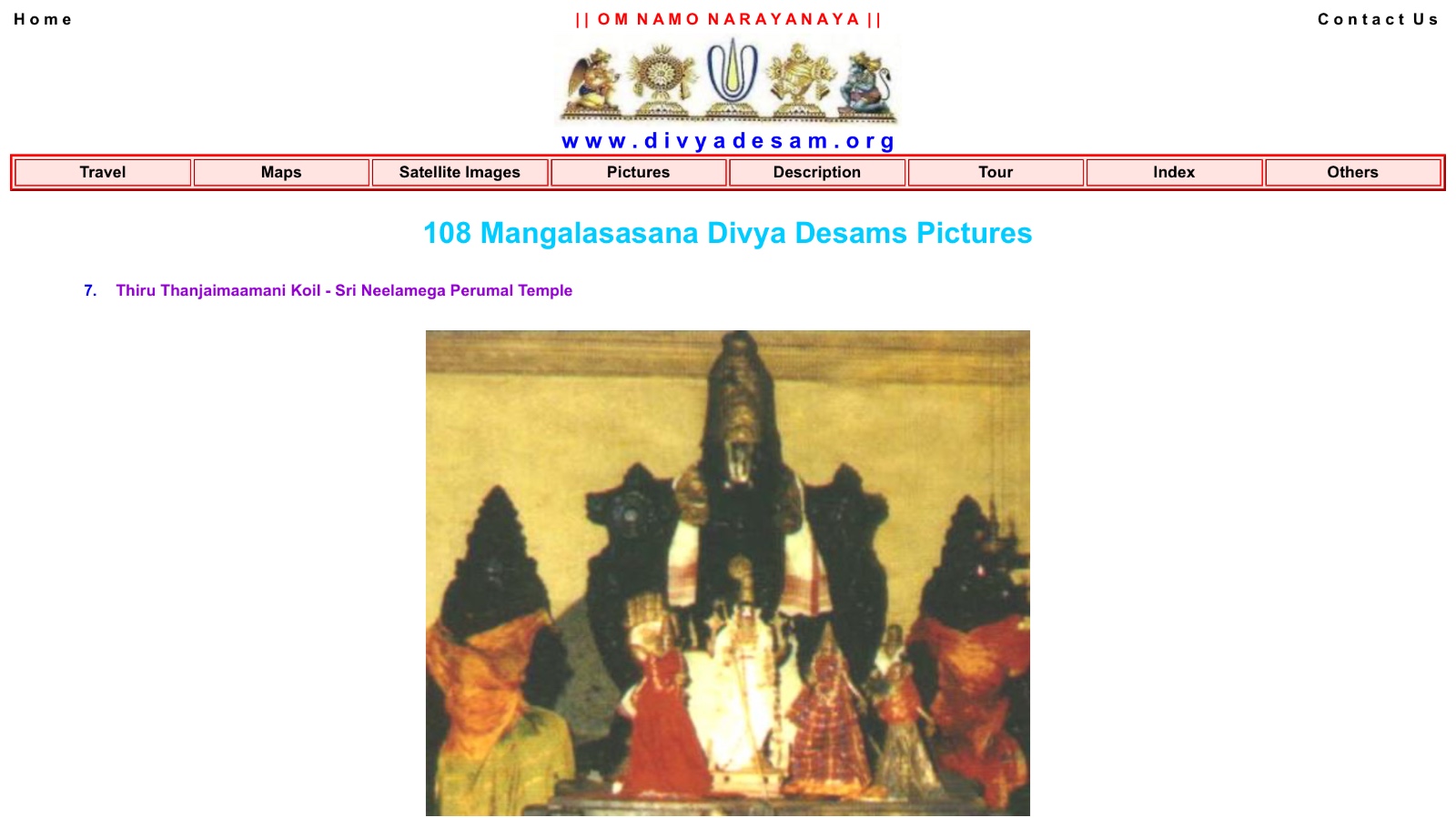
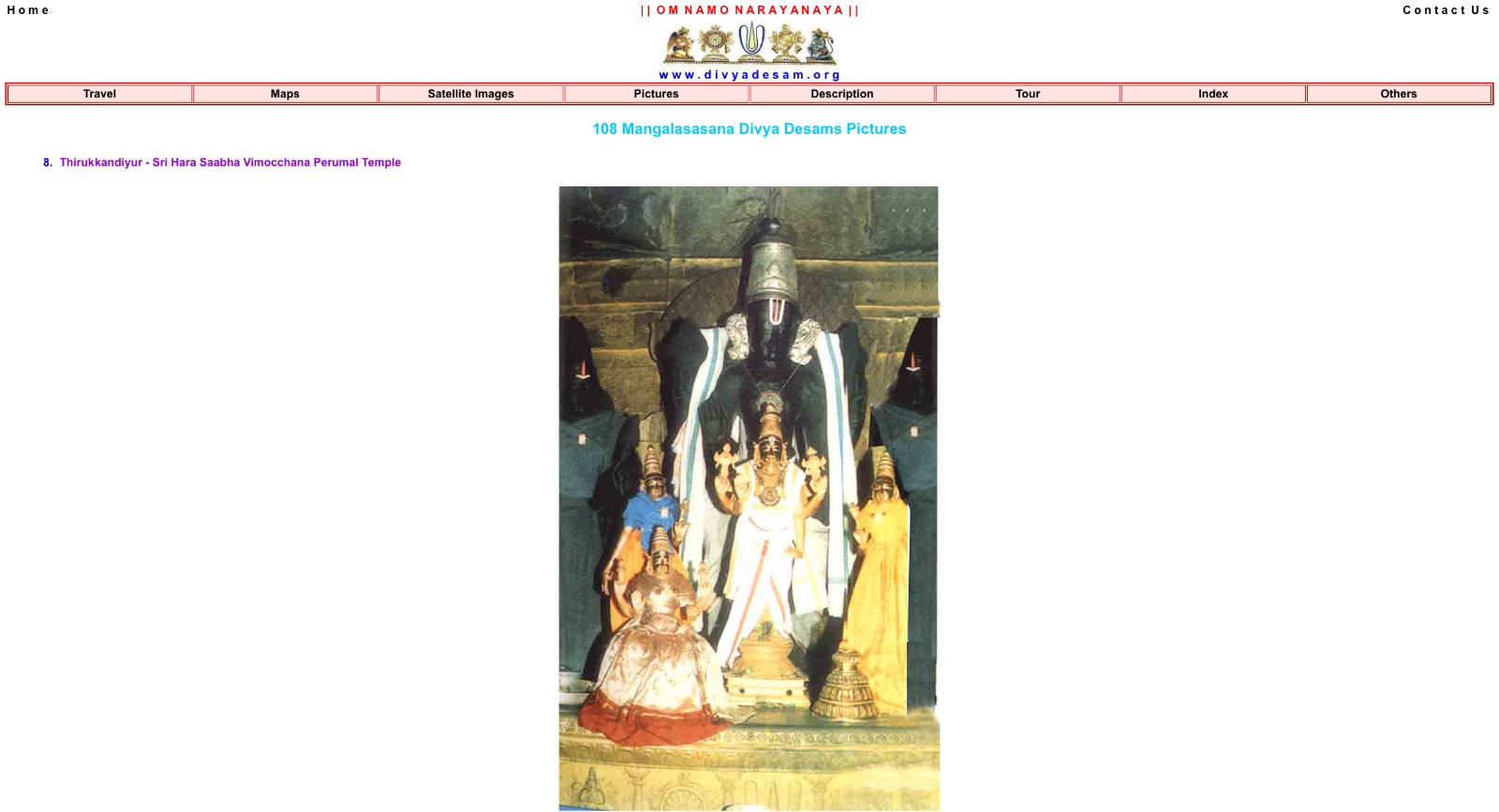
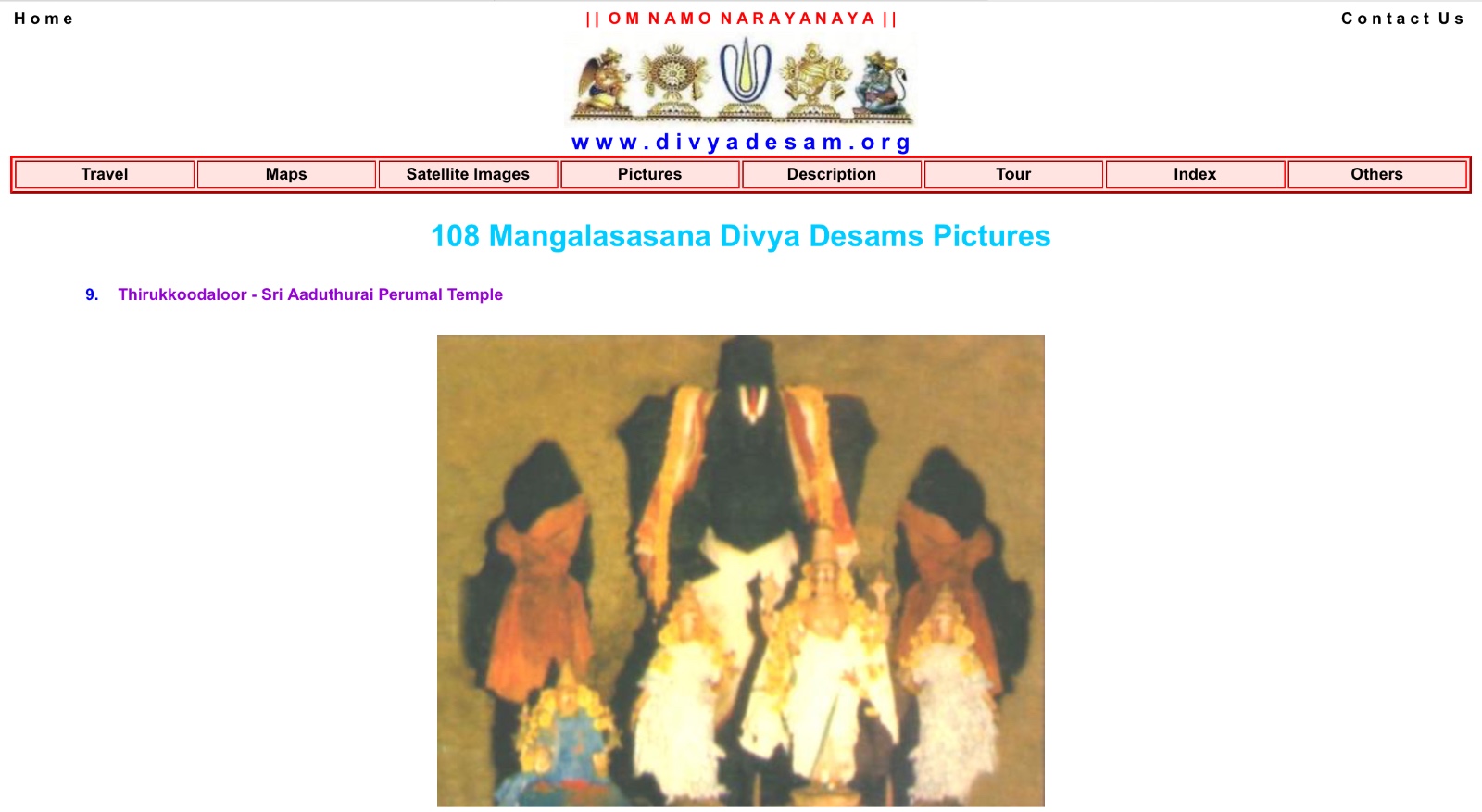
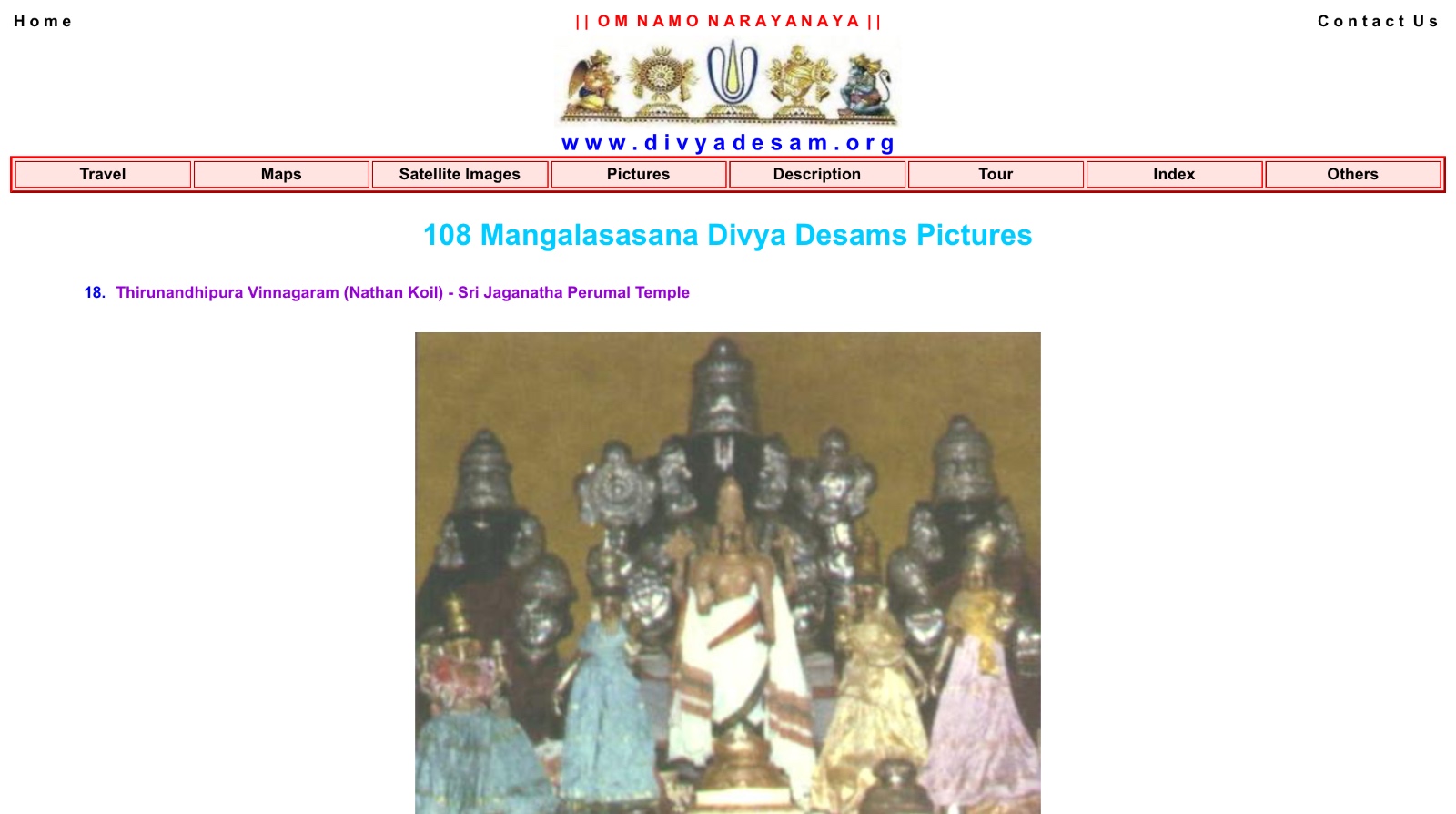
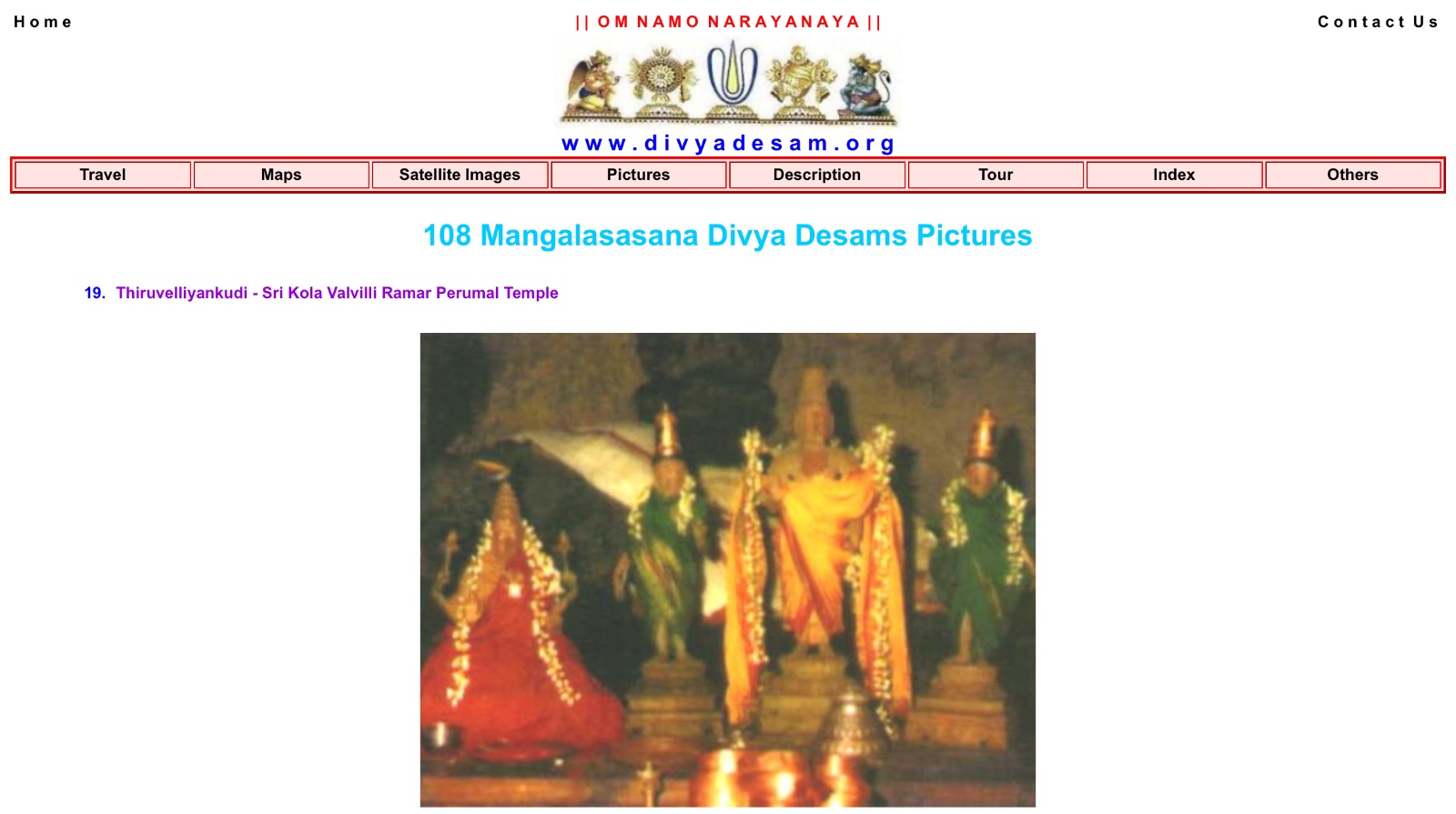
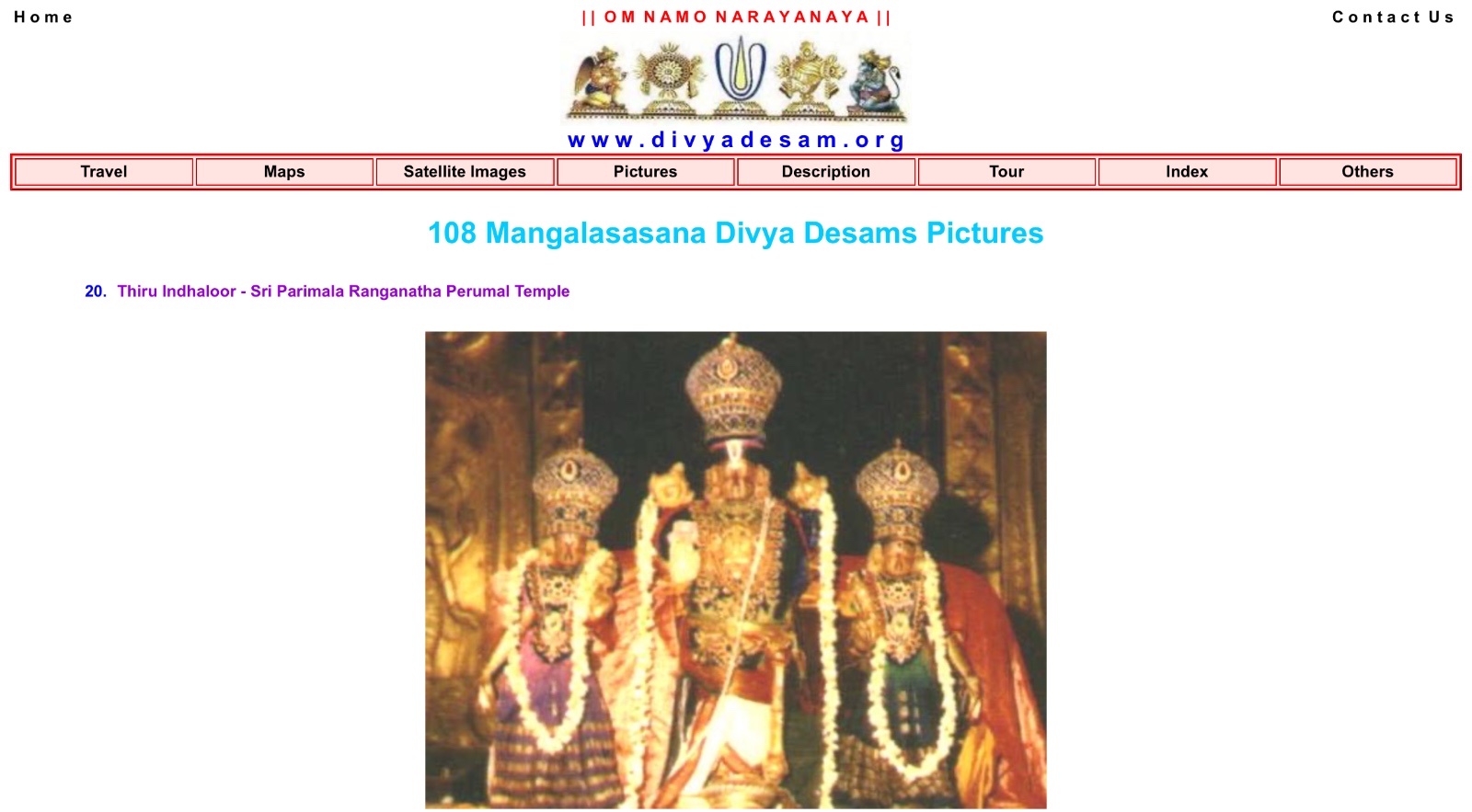
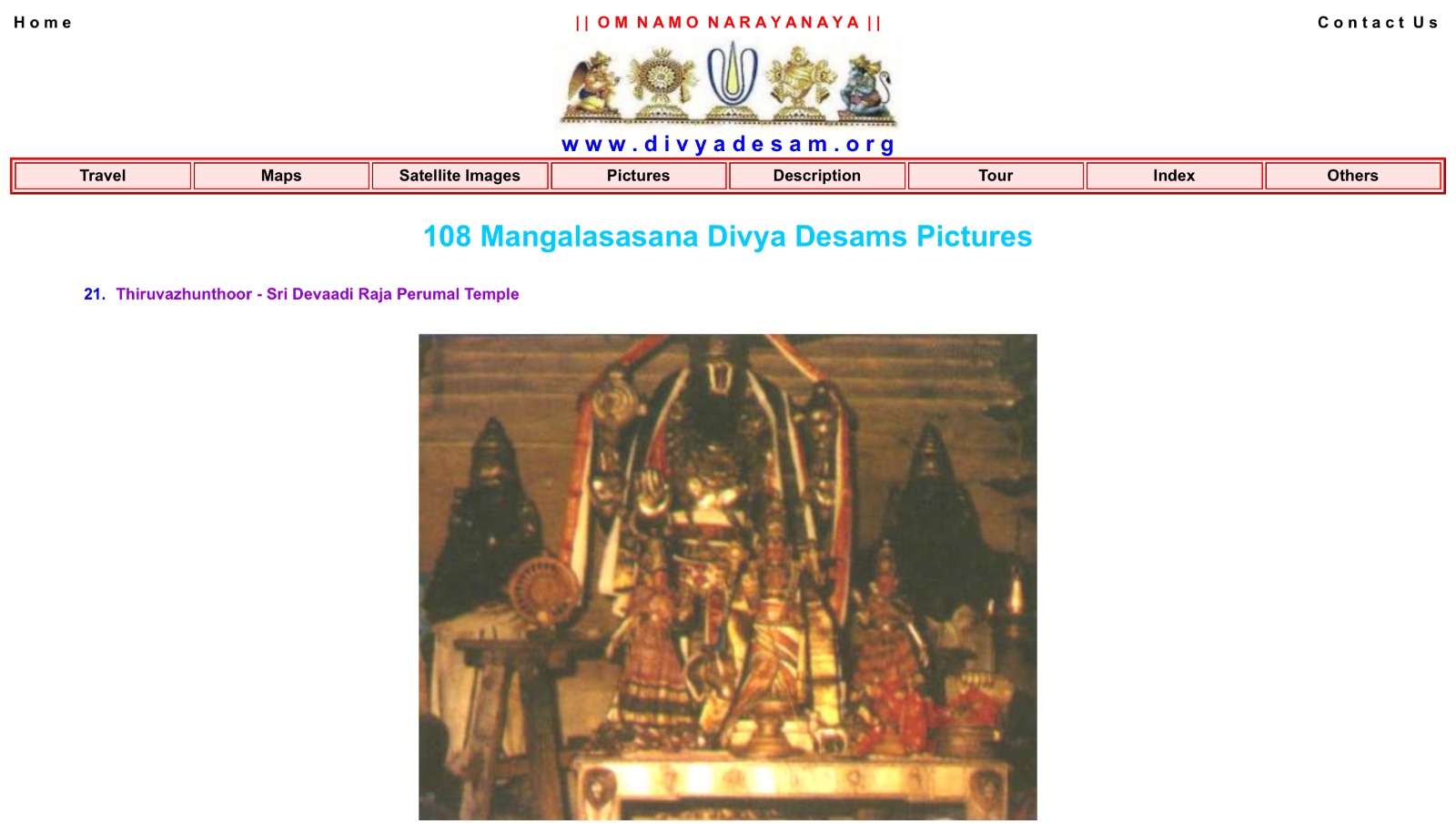
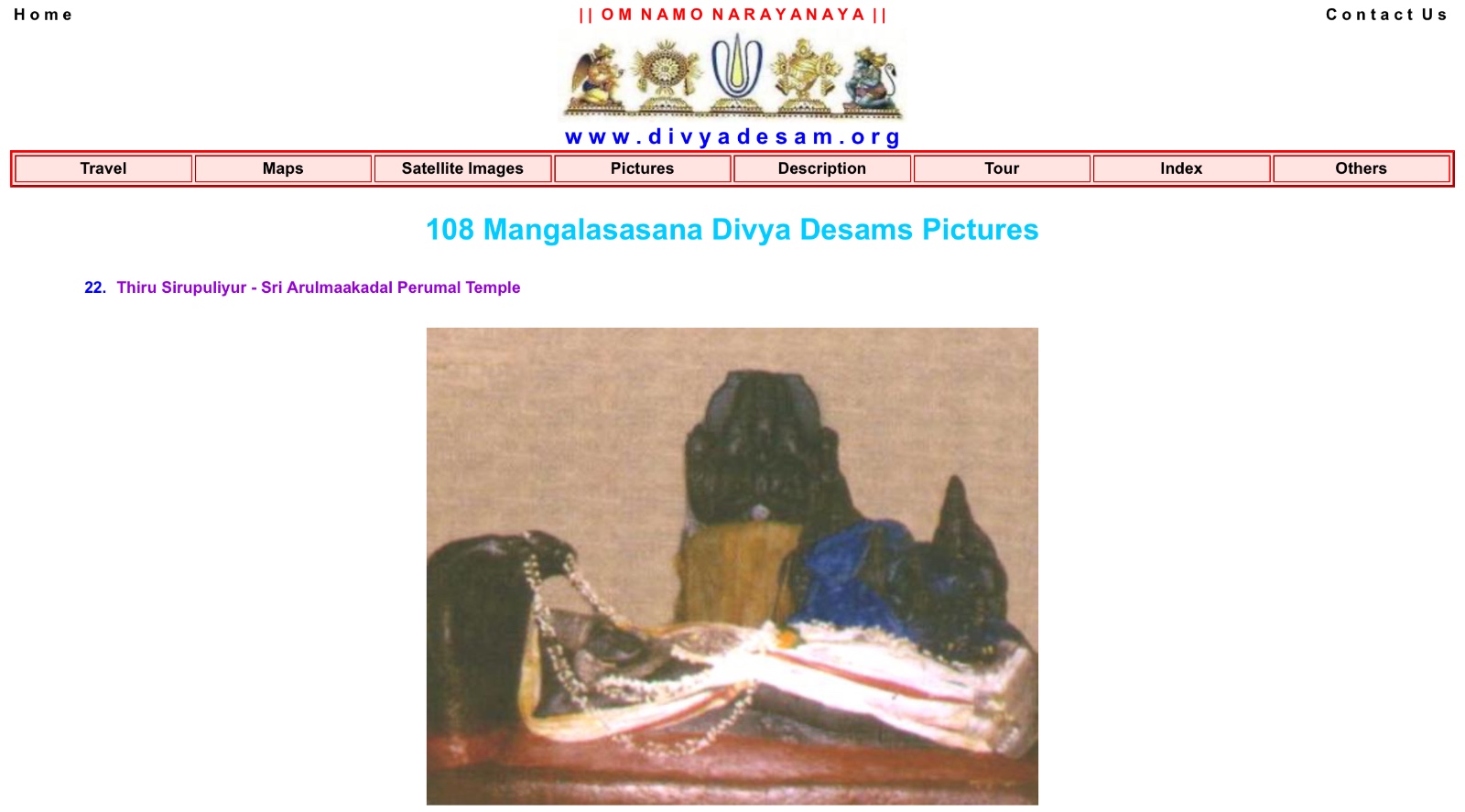
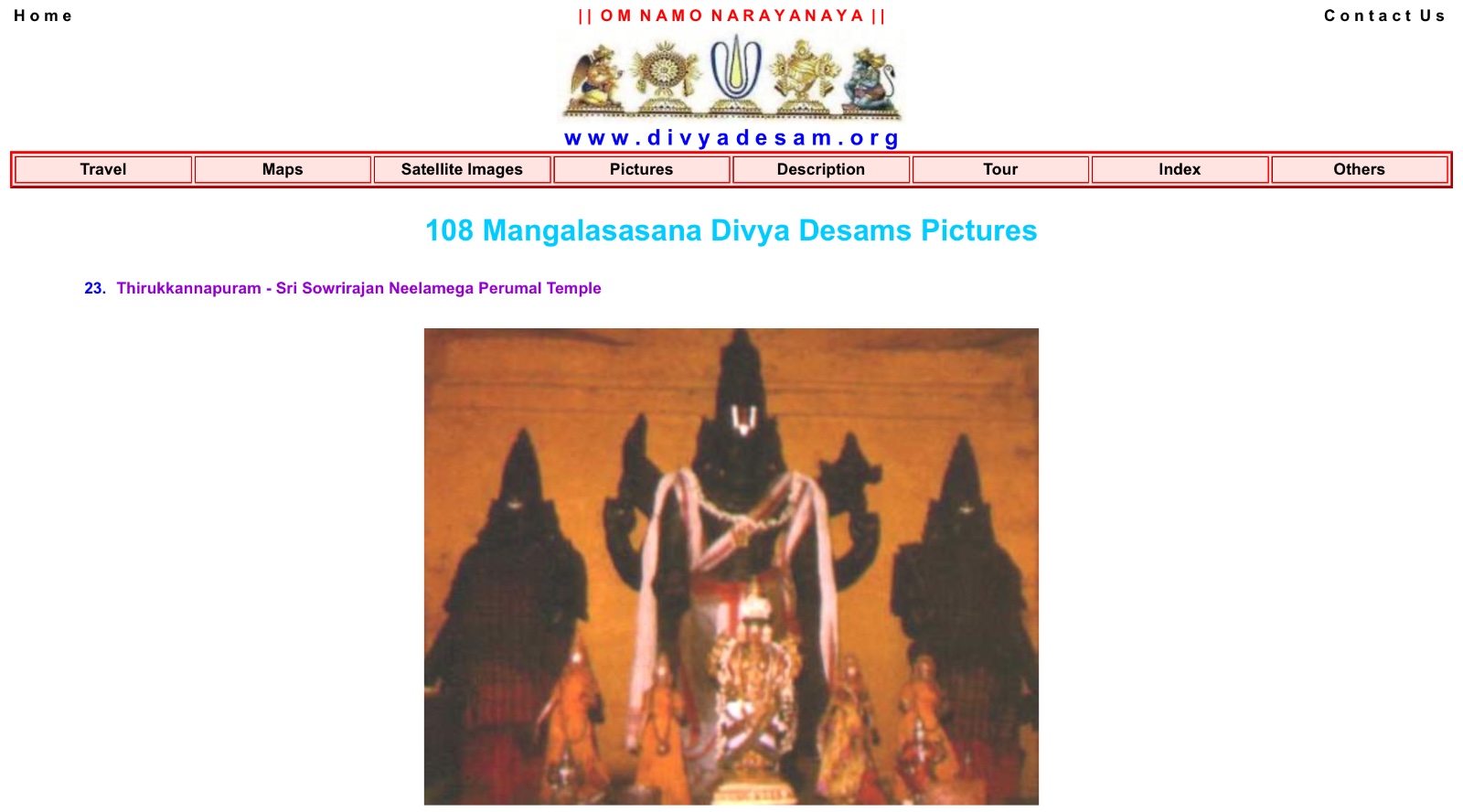
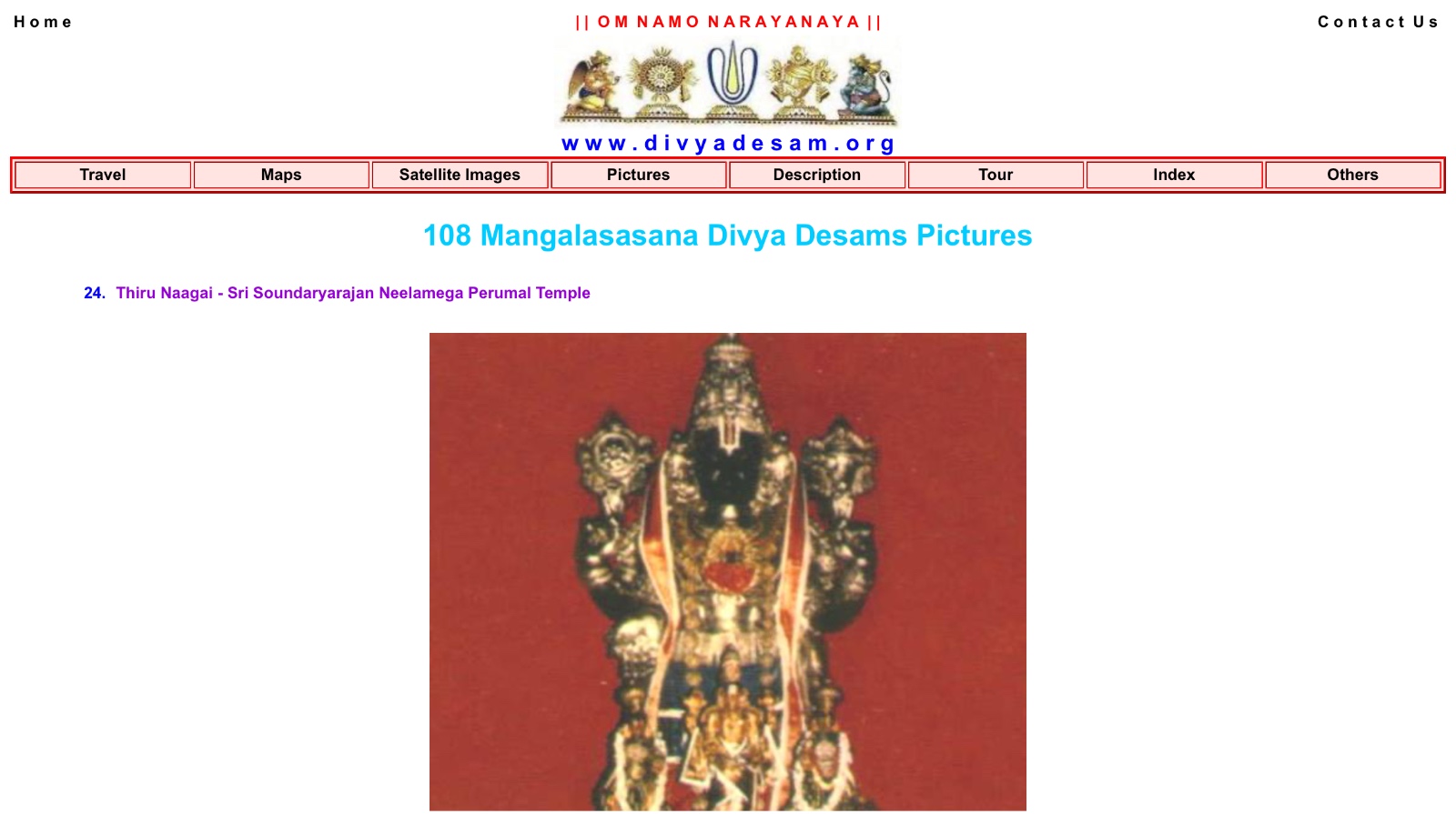
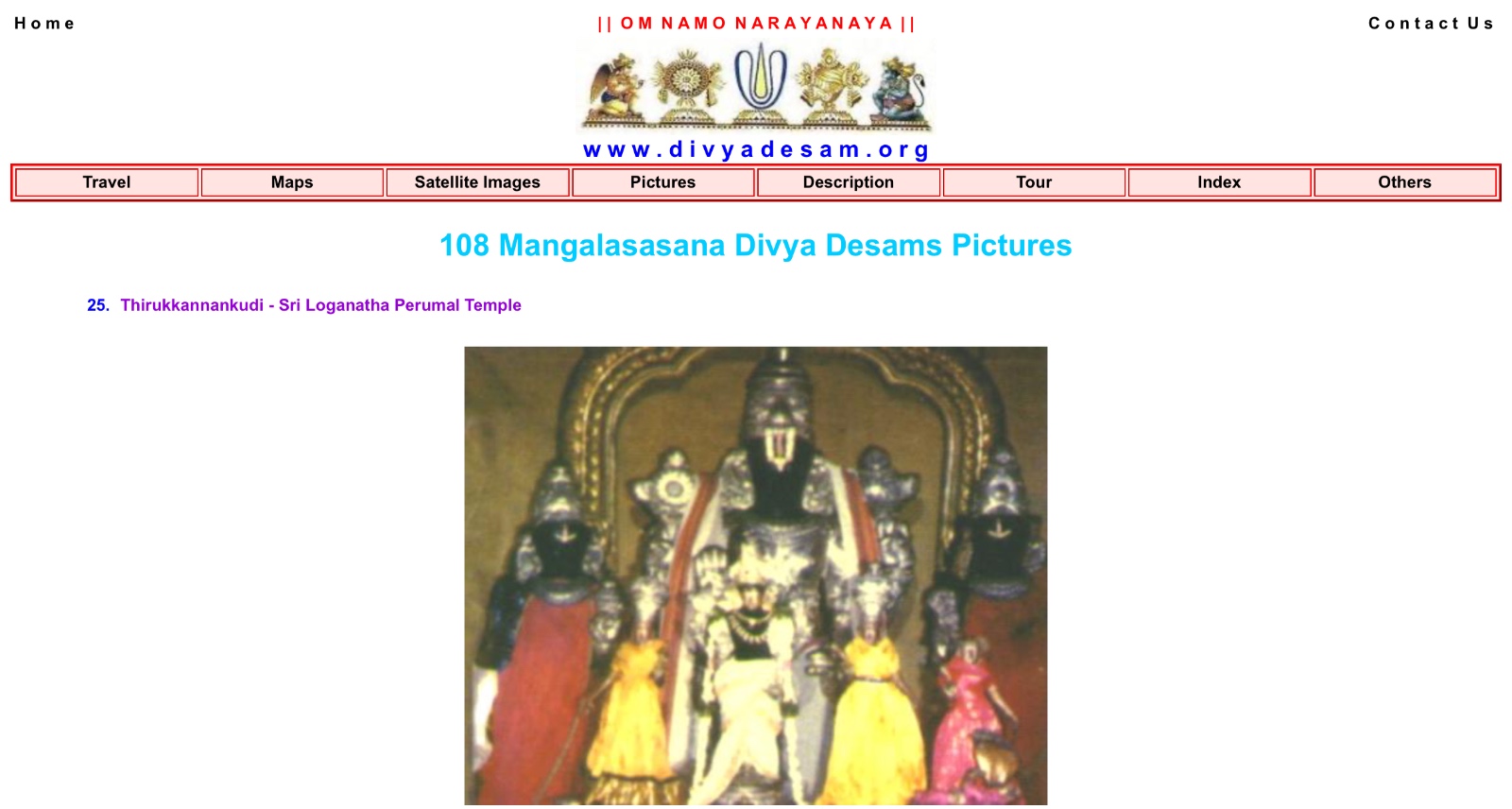
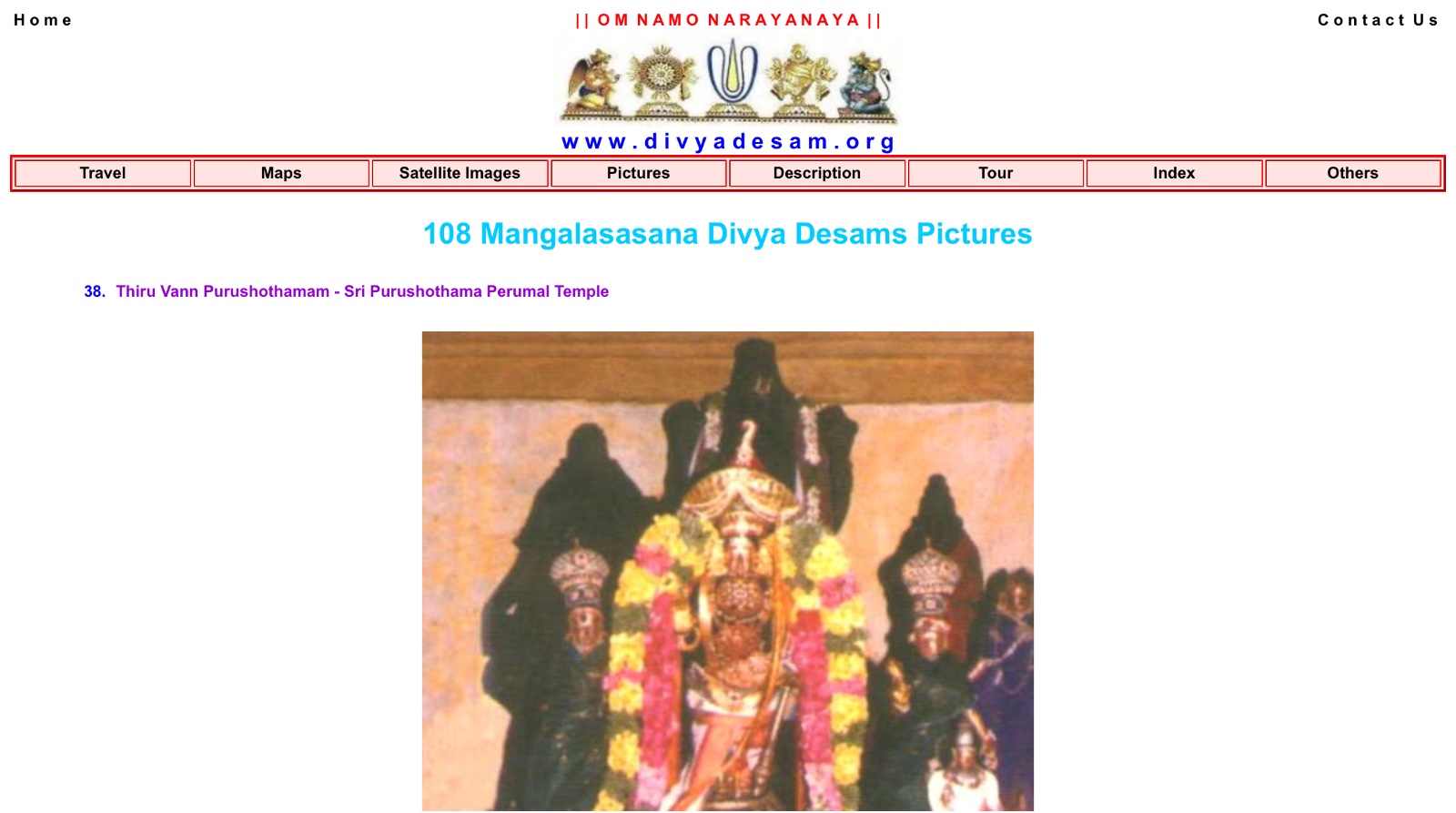
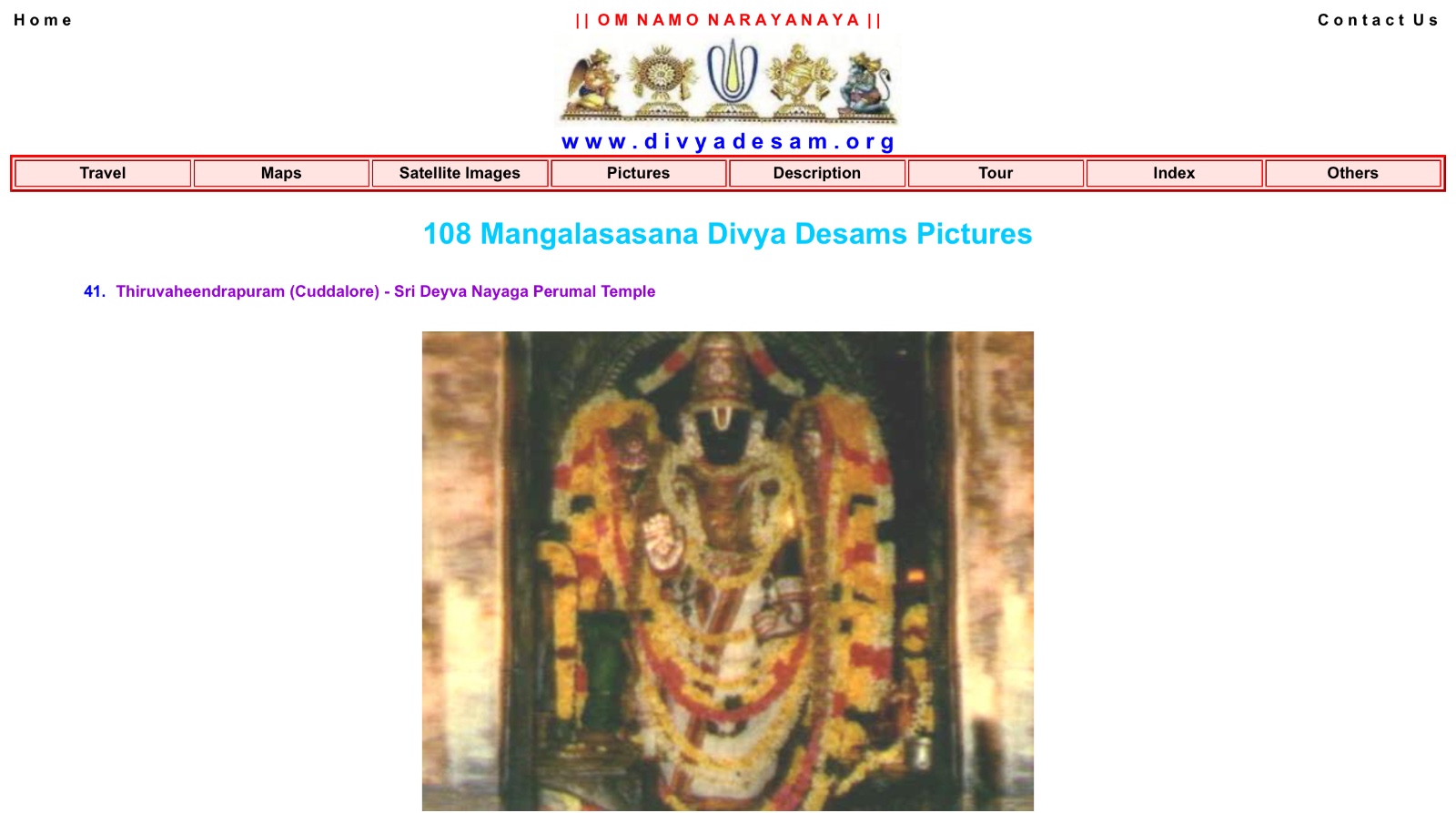
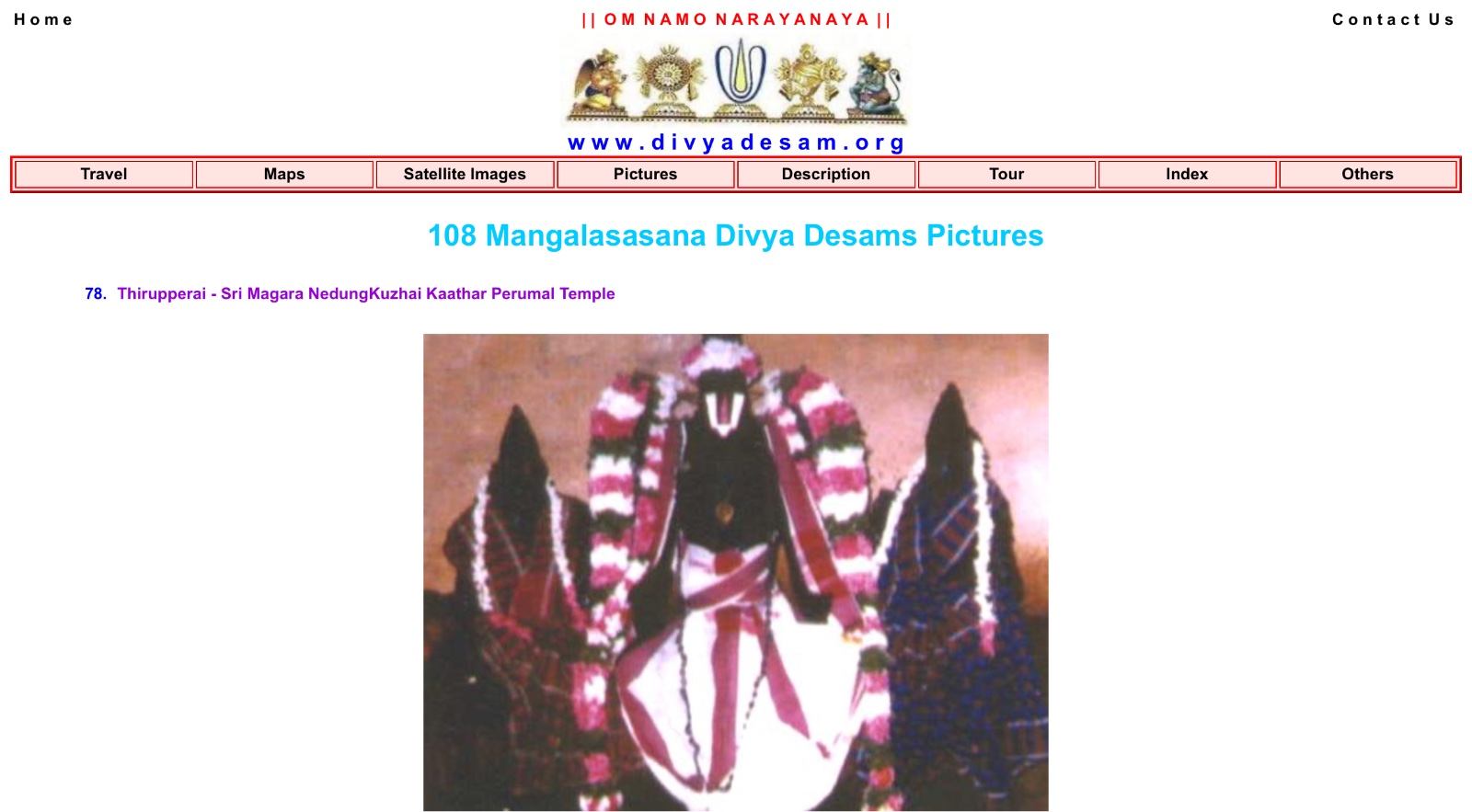
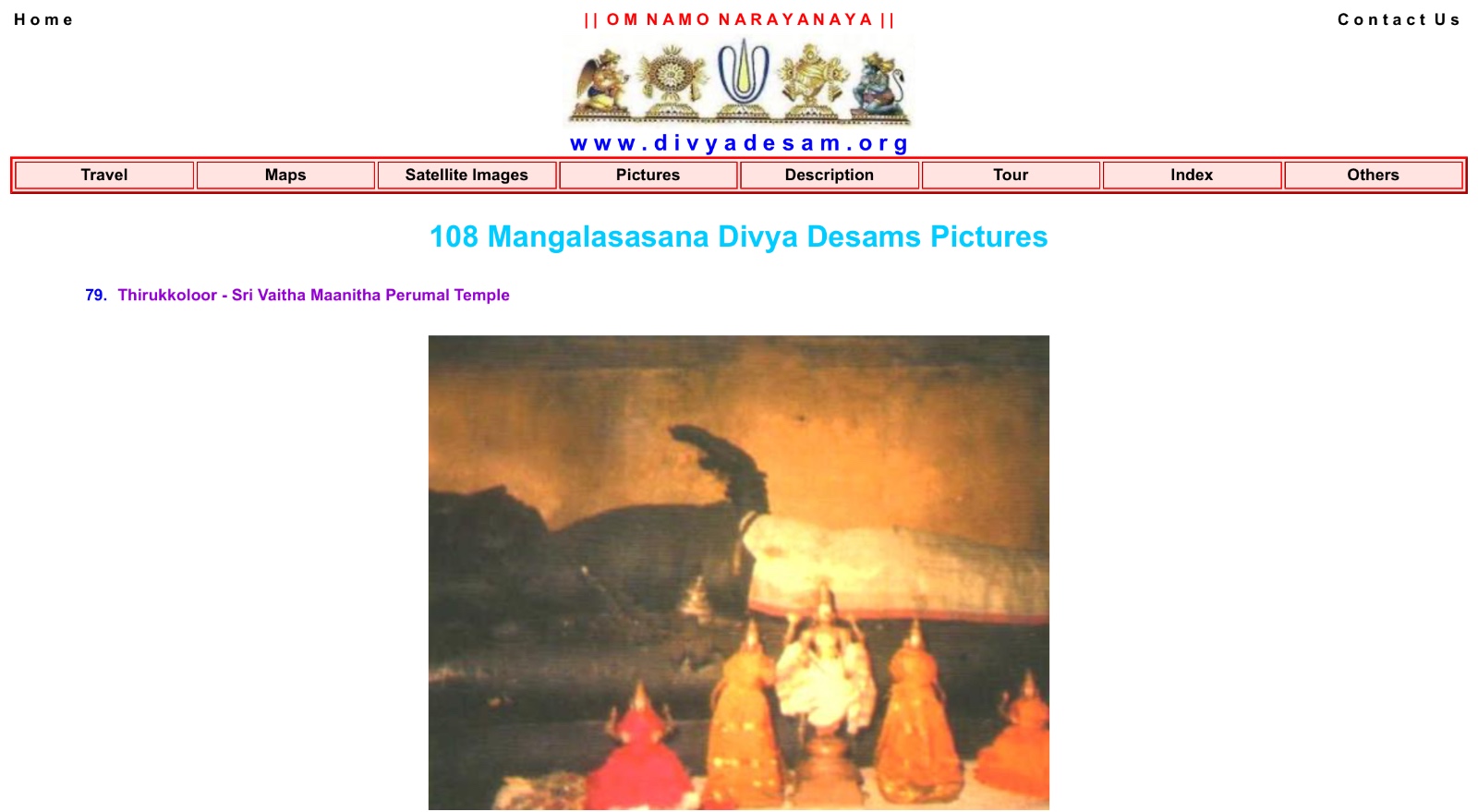
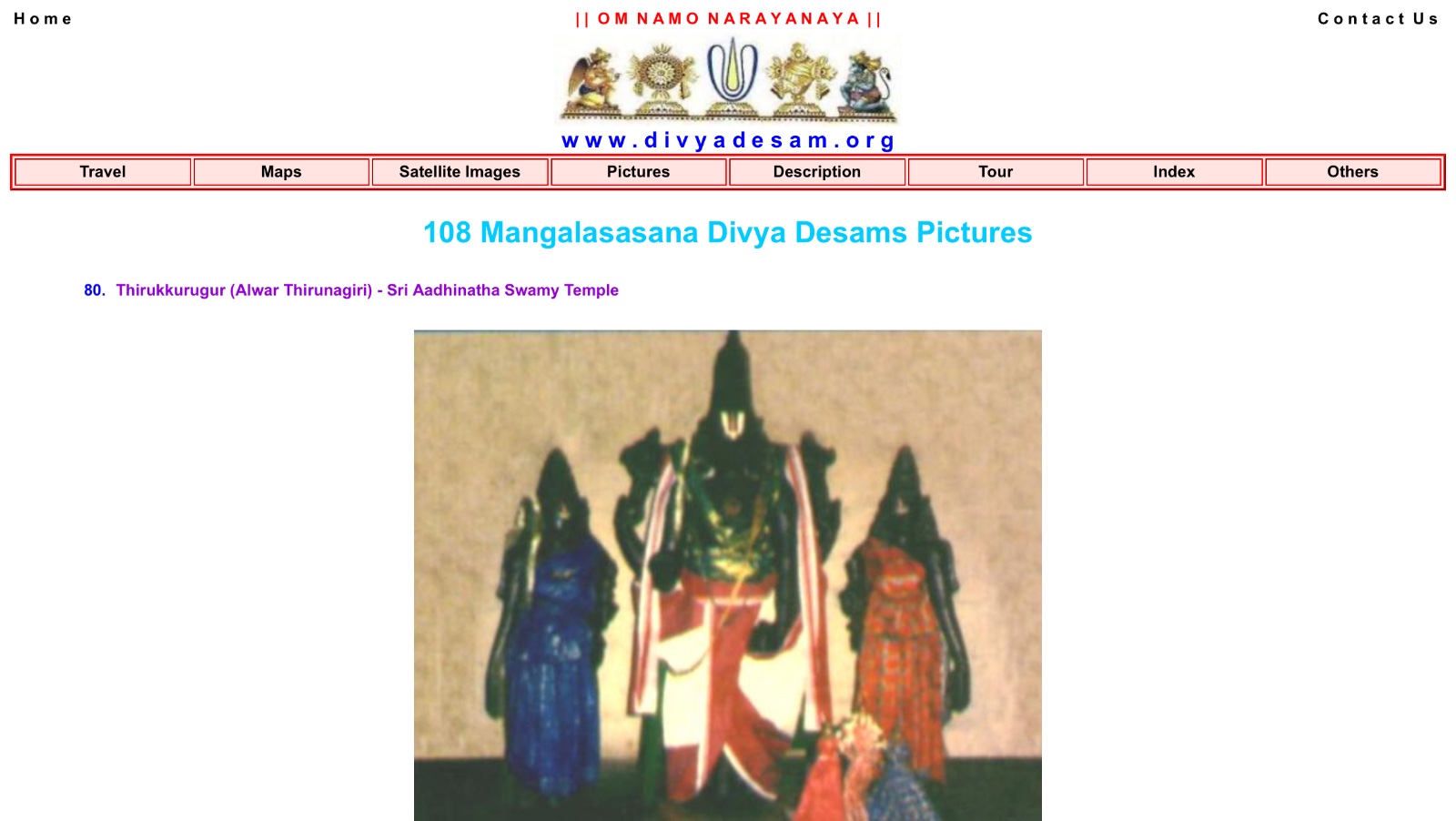
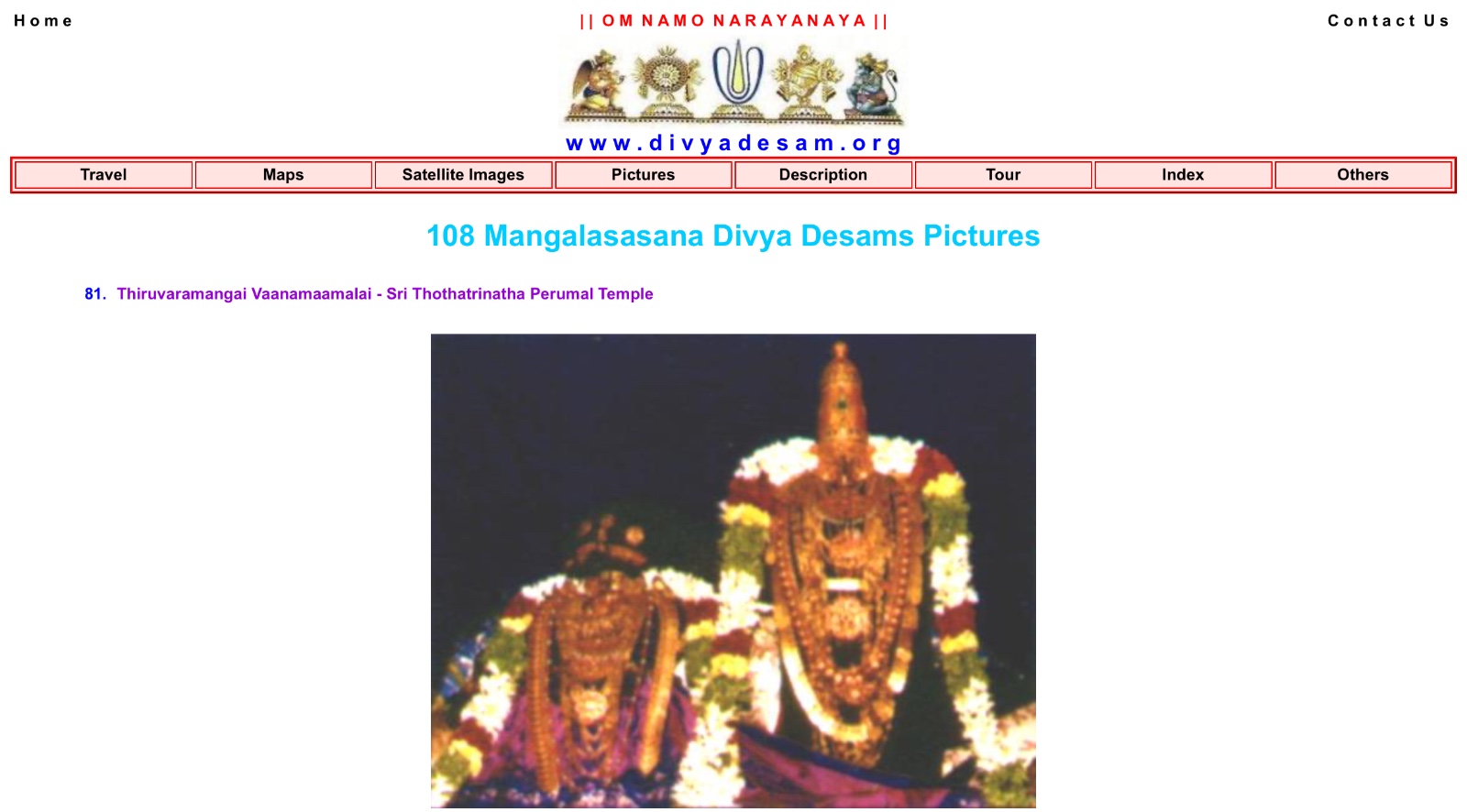
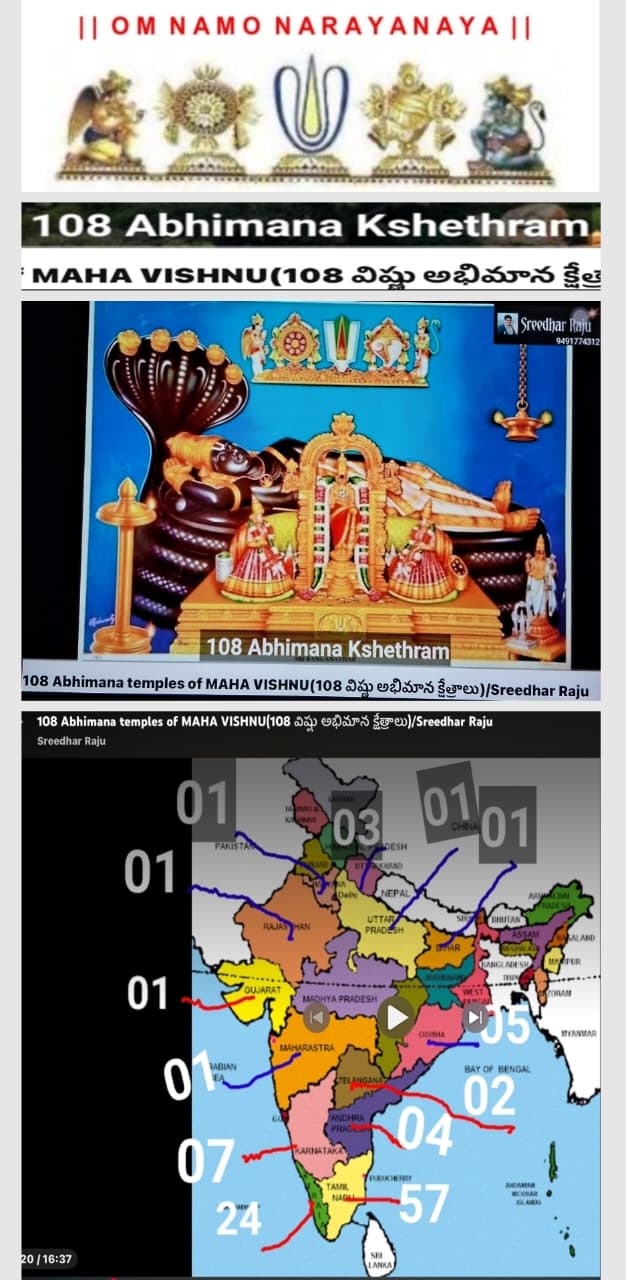
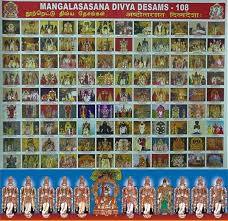
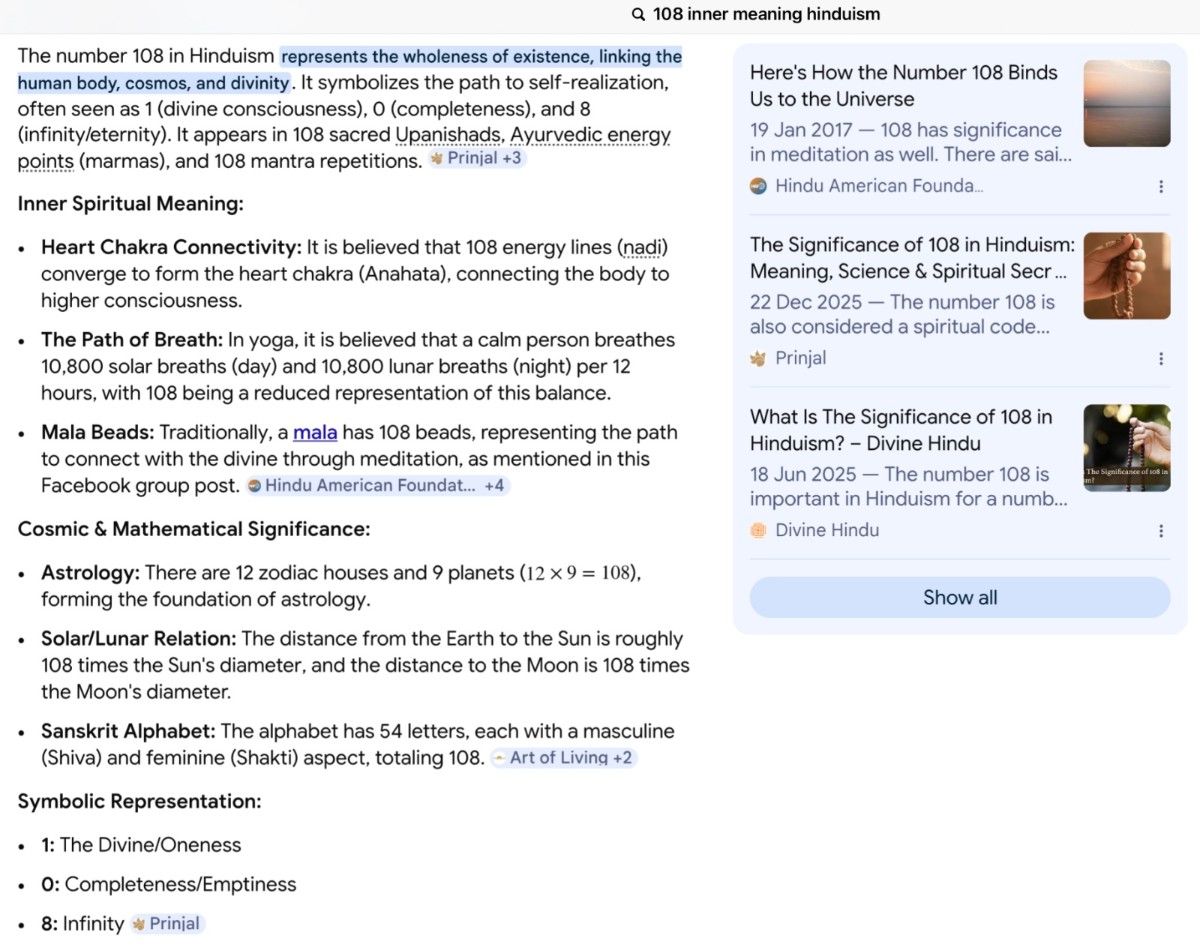
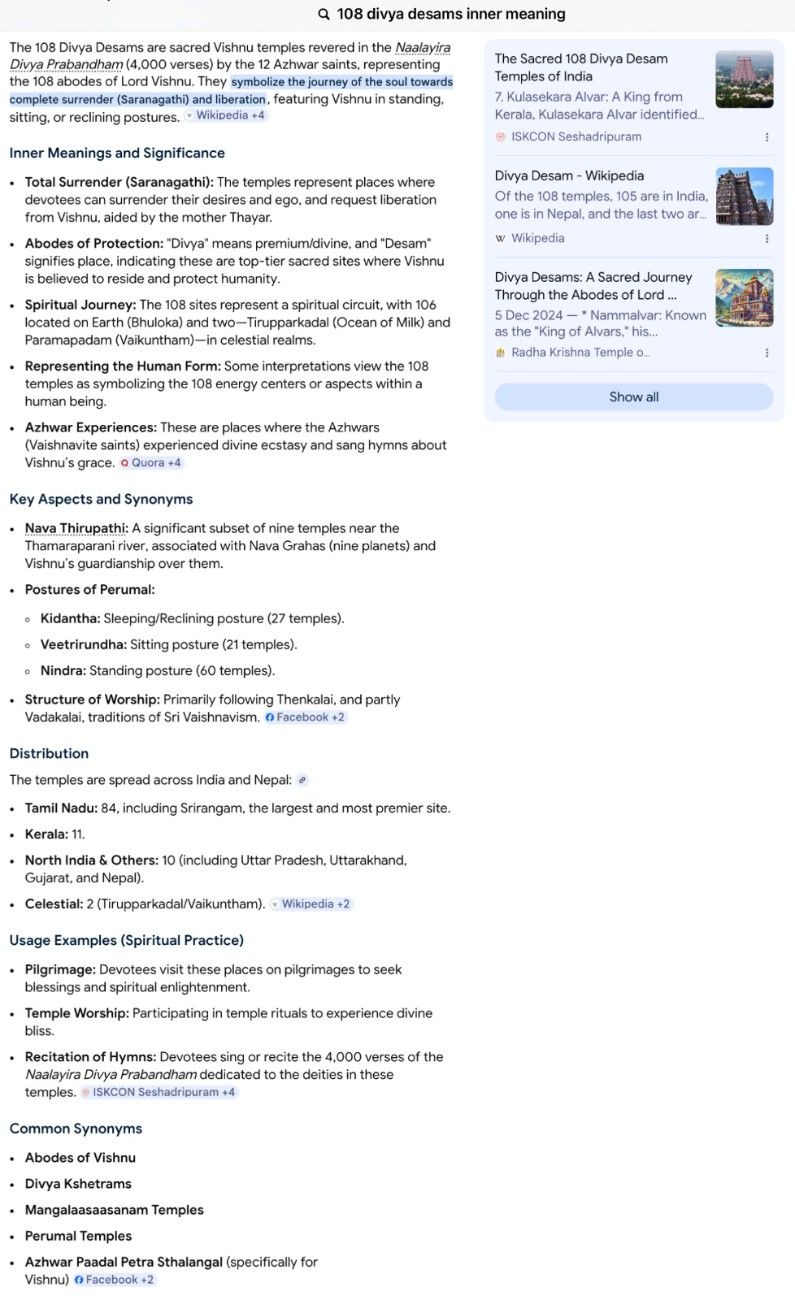
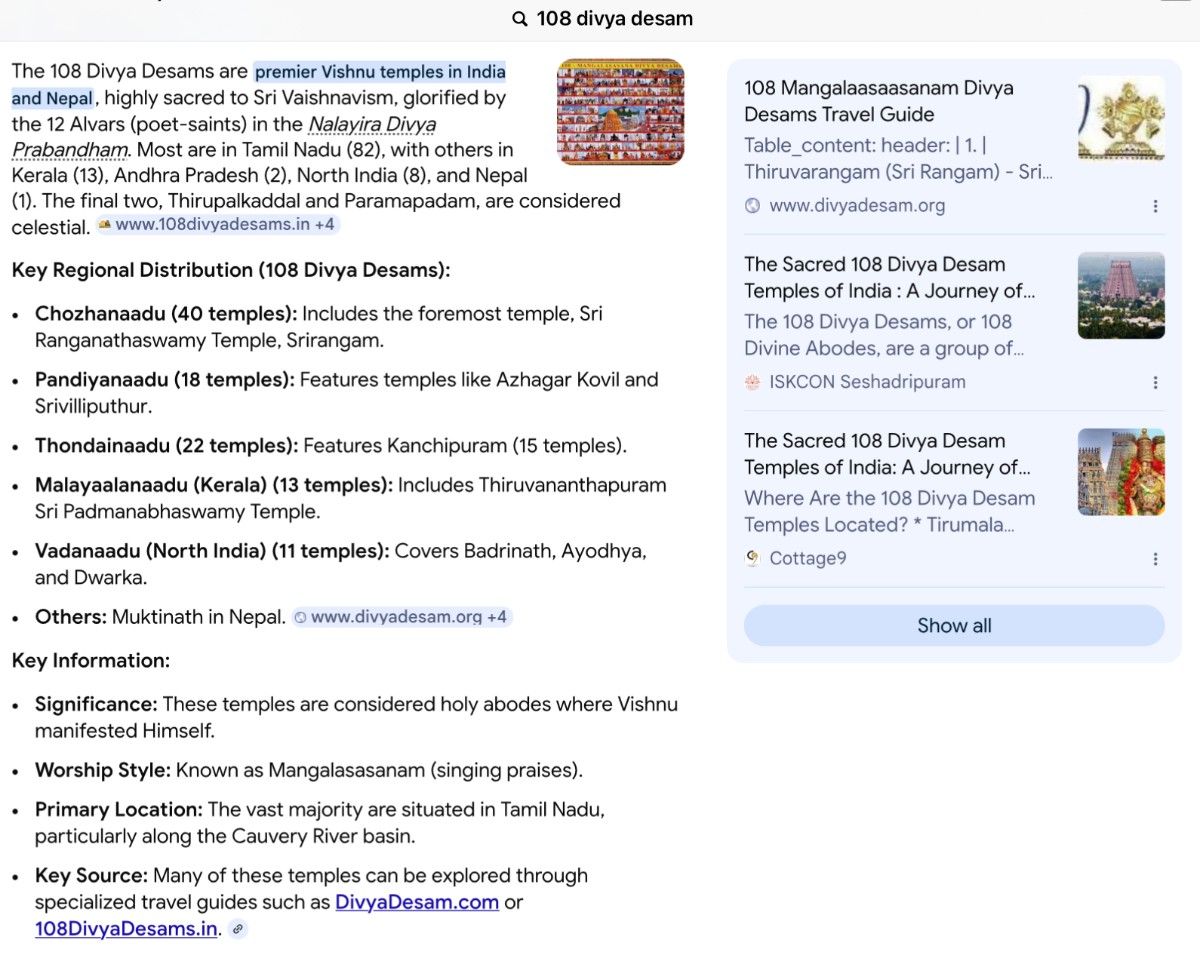
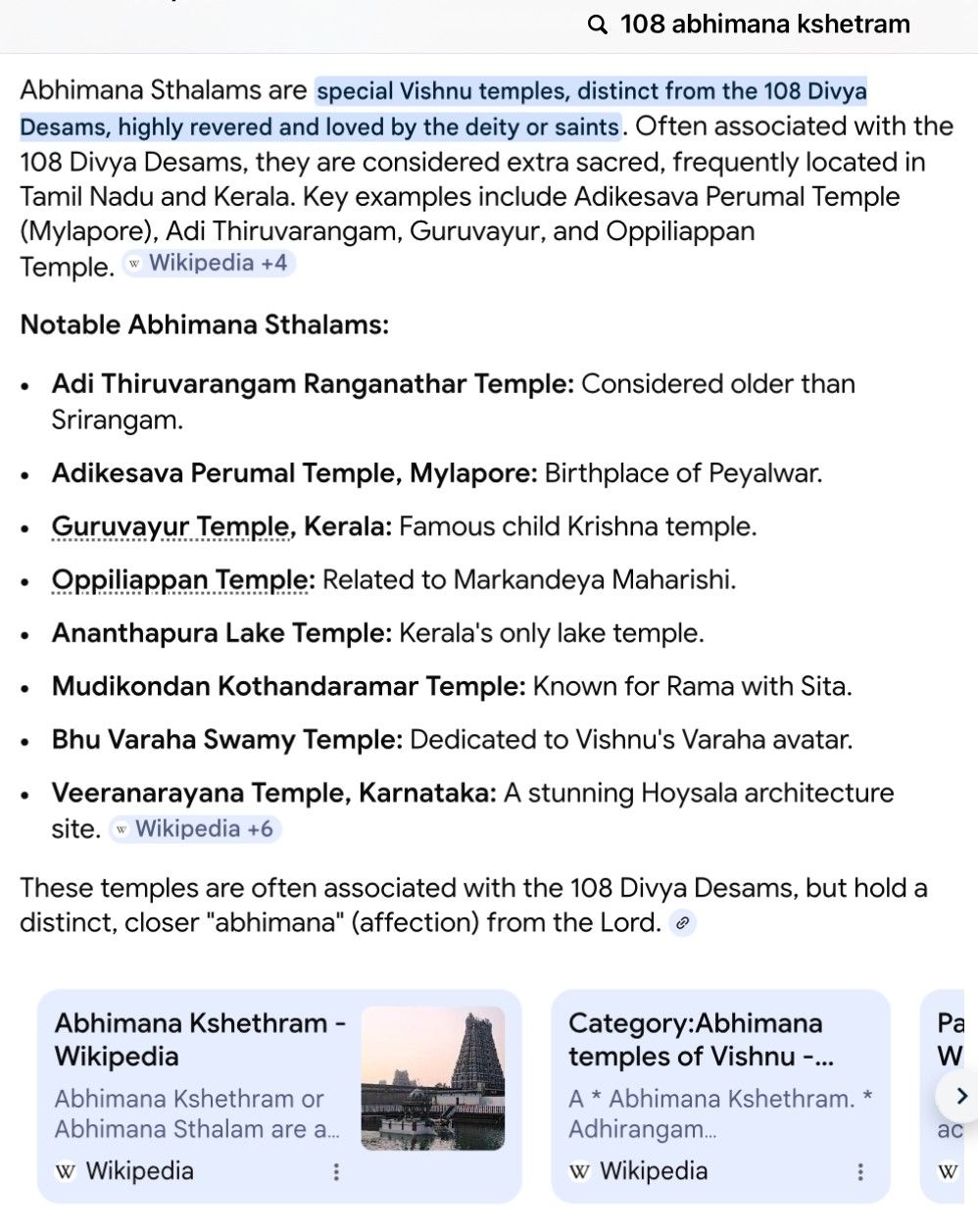
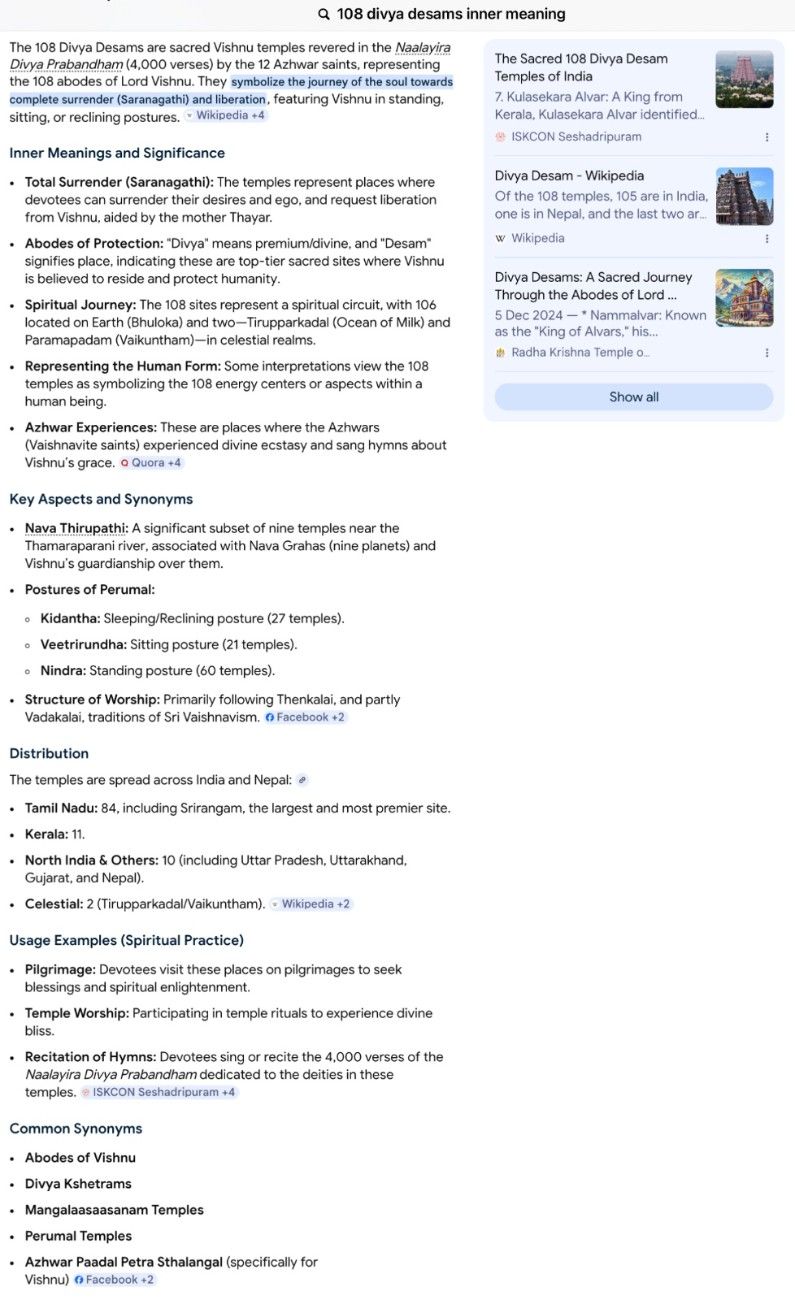
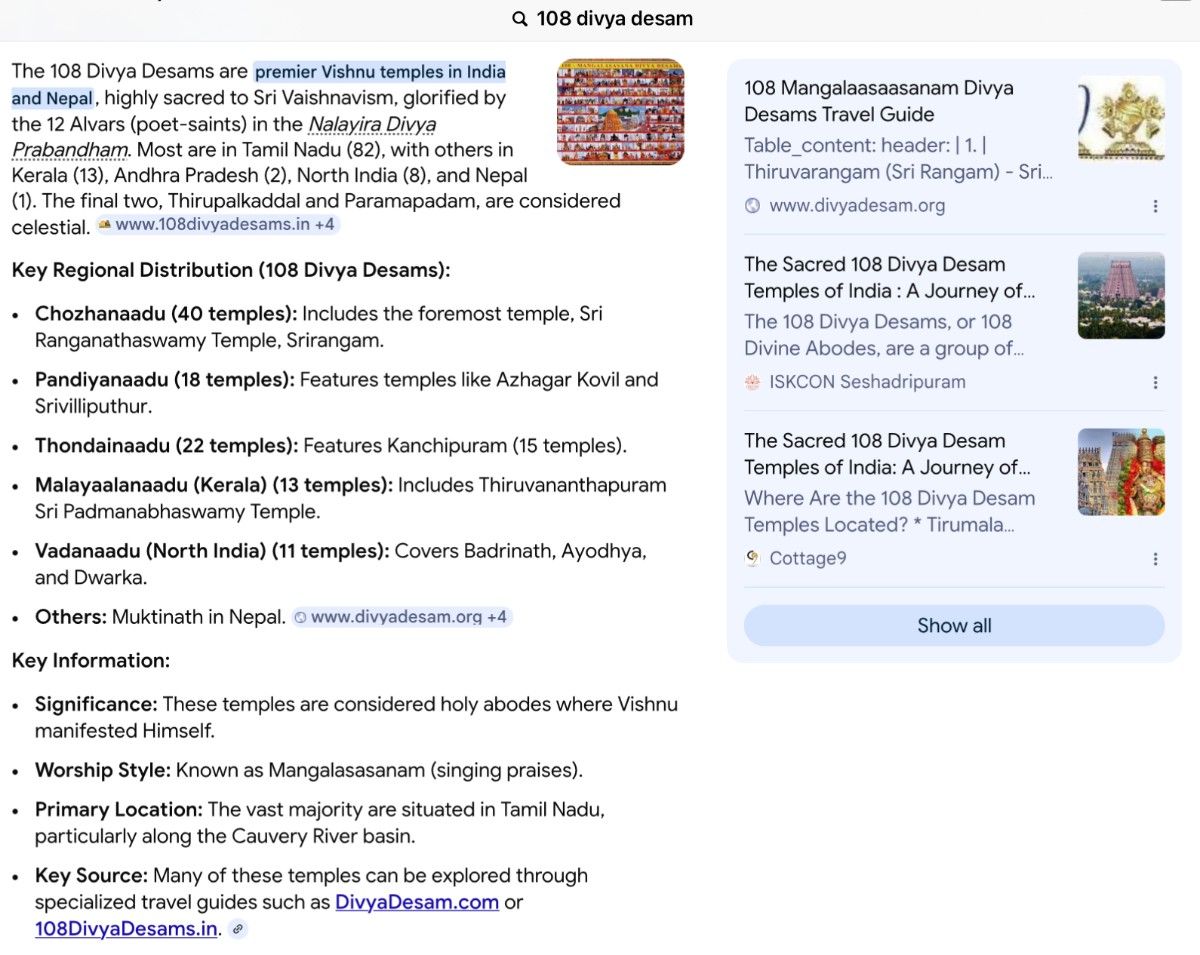
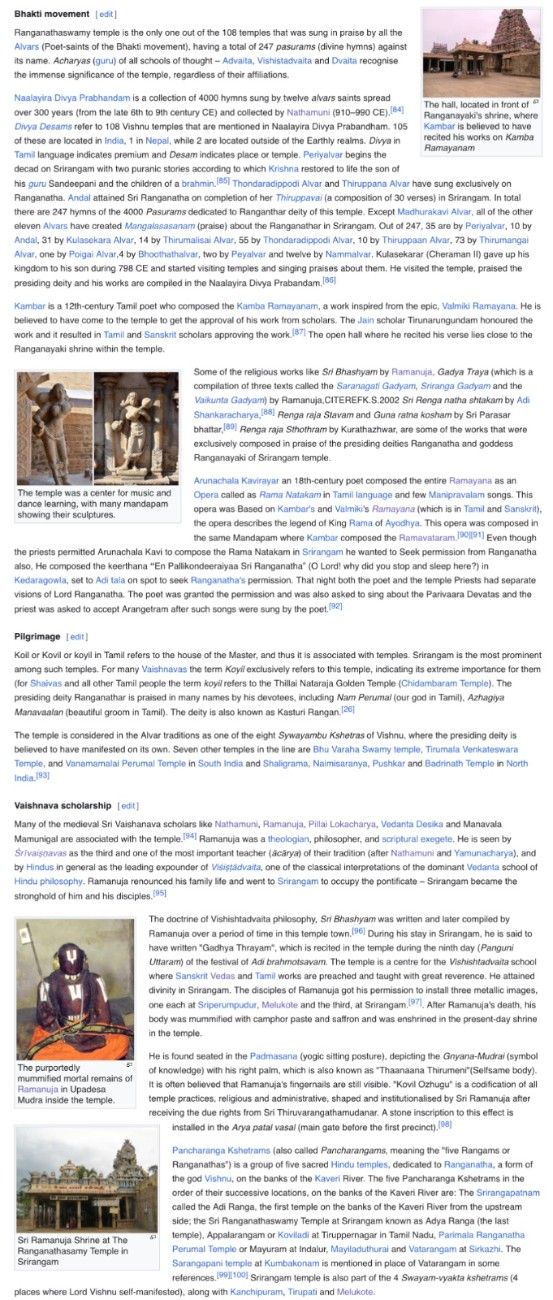
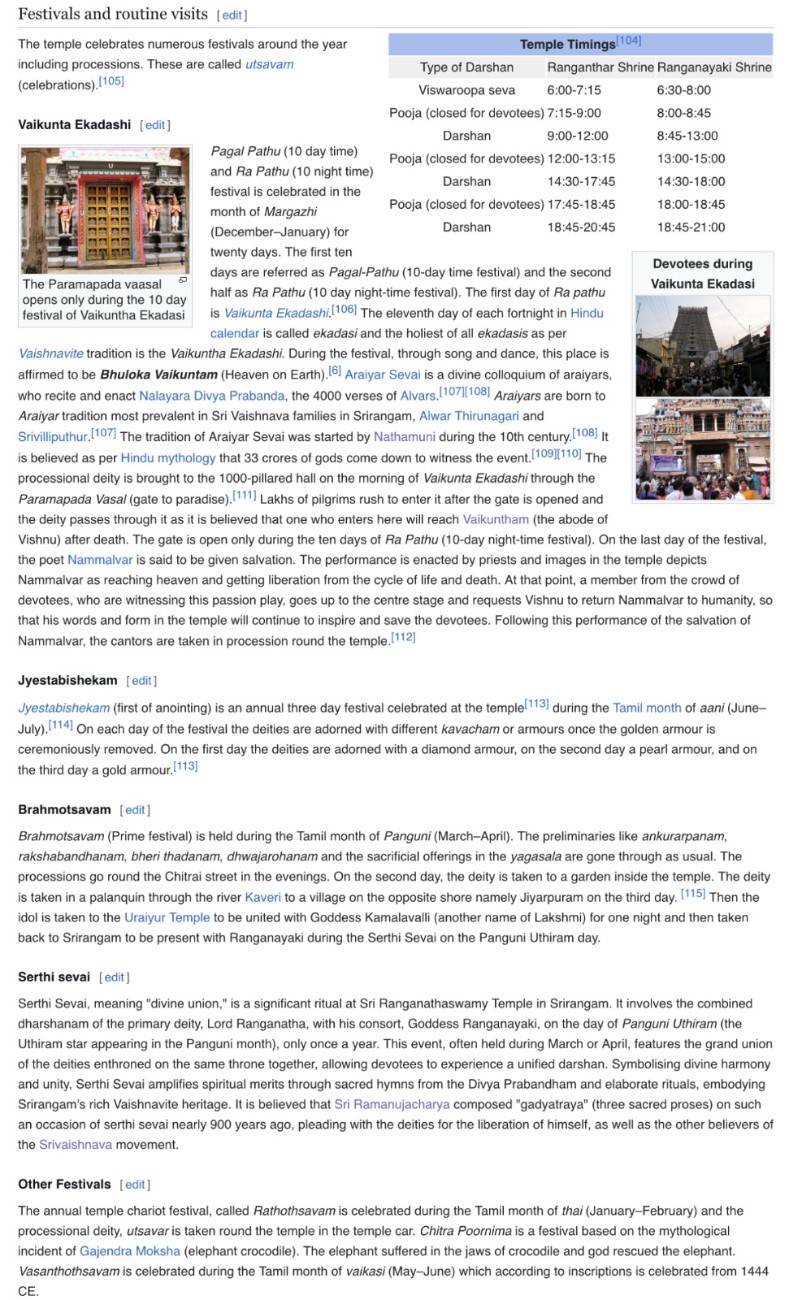
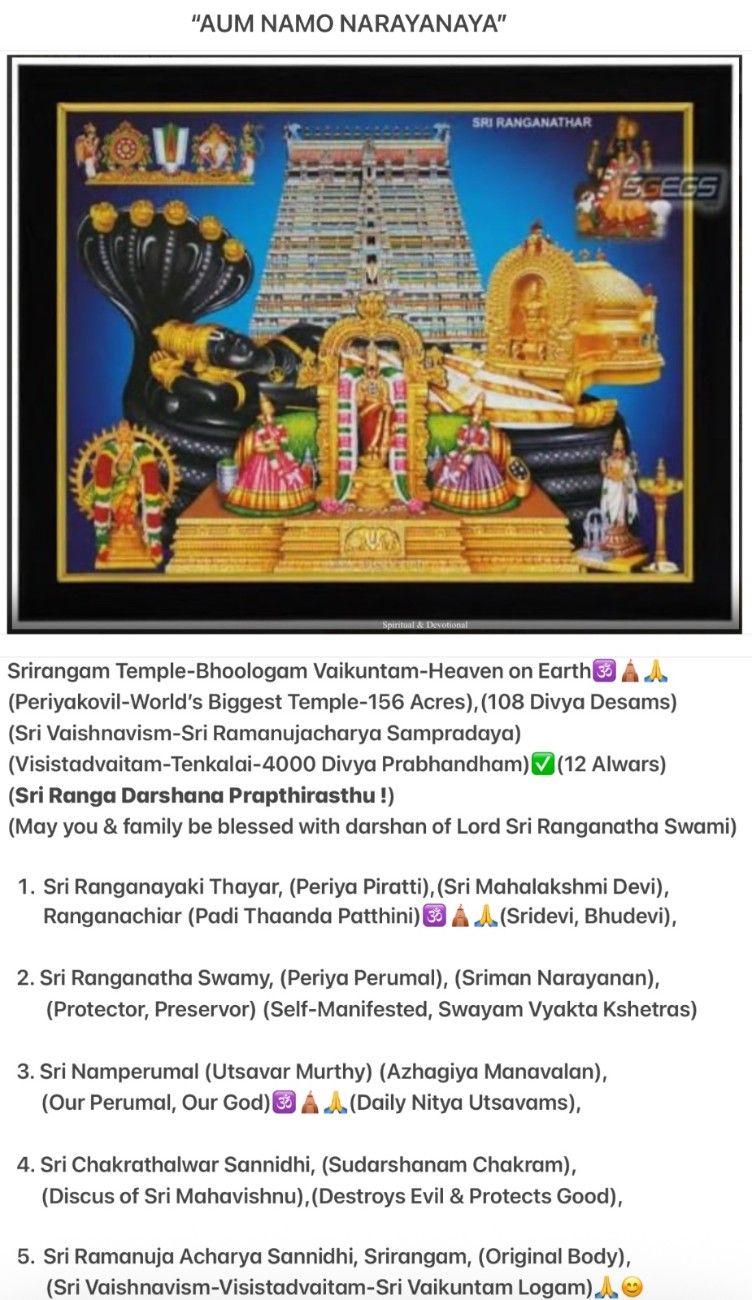
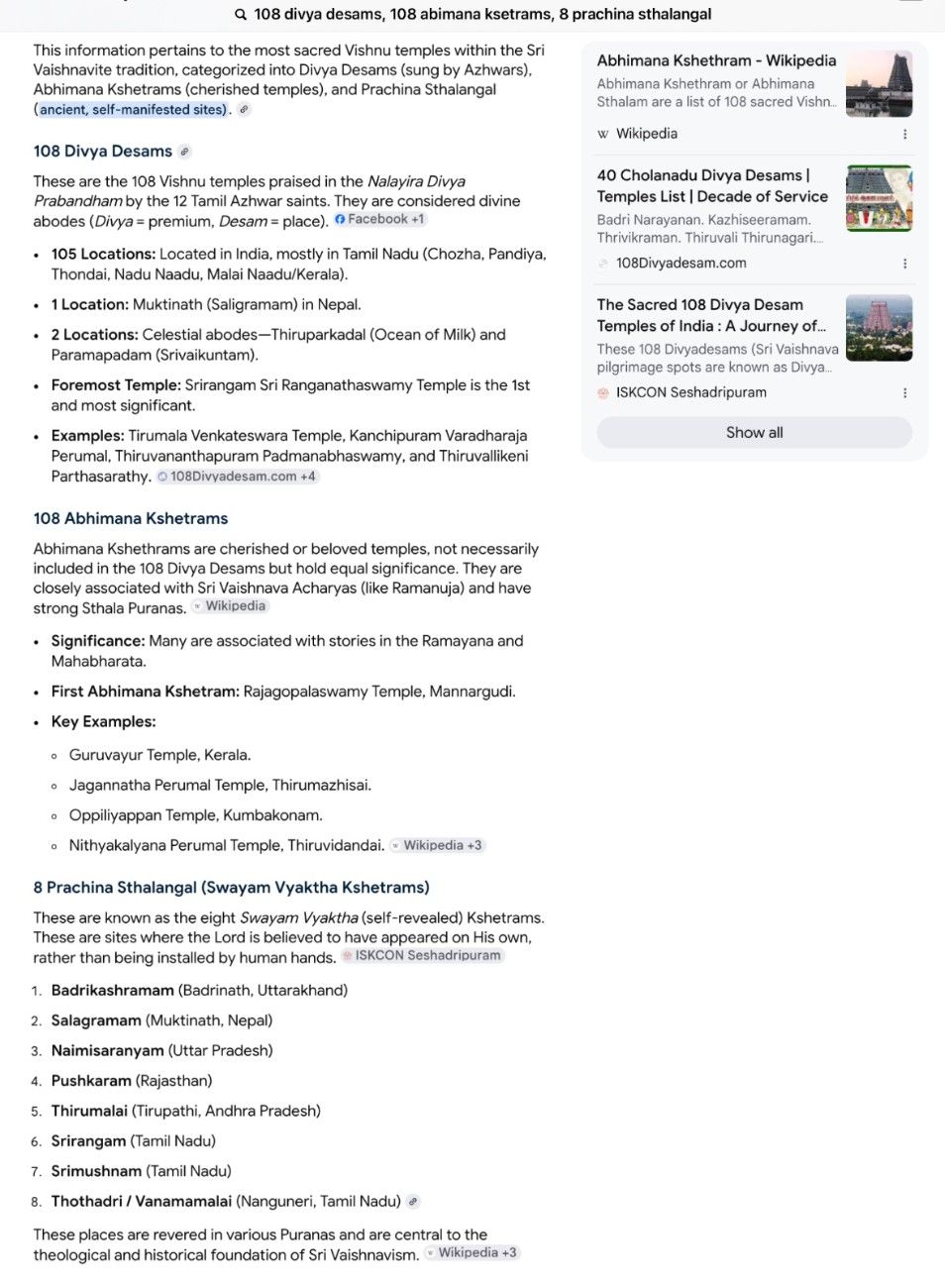
- Archa is that form of Lord Sriman Narayana in which, having been duly invocated, He gives Darshan to you and I, in various temples on this earth. In these temples (108 DivyaDesams), He had taken such form as the Bhaktas have wished and gives them Darshan day today.
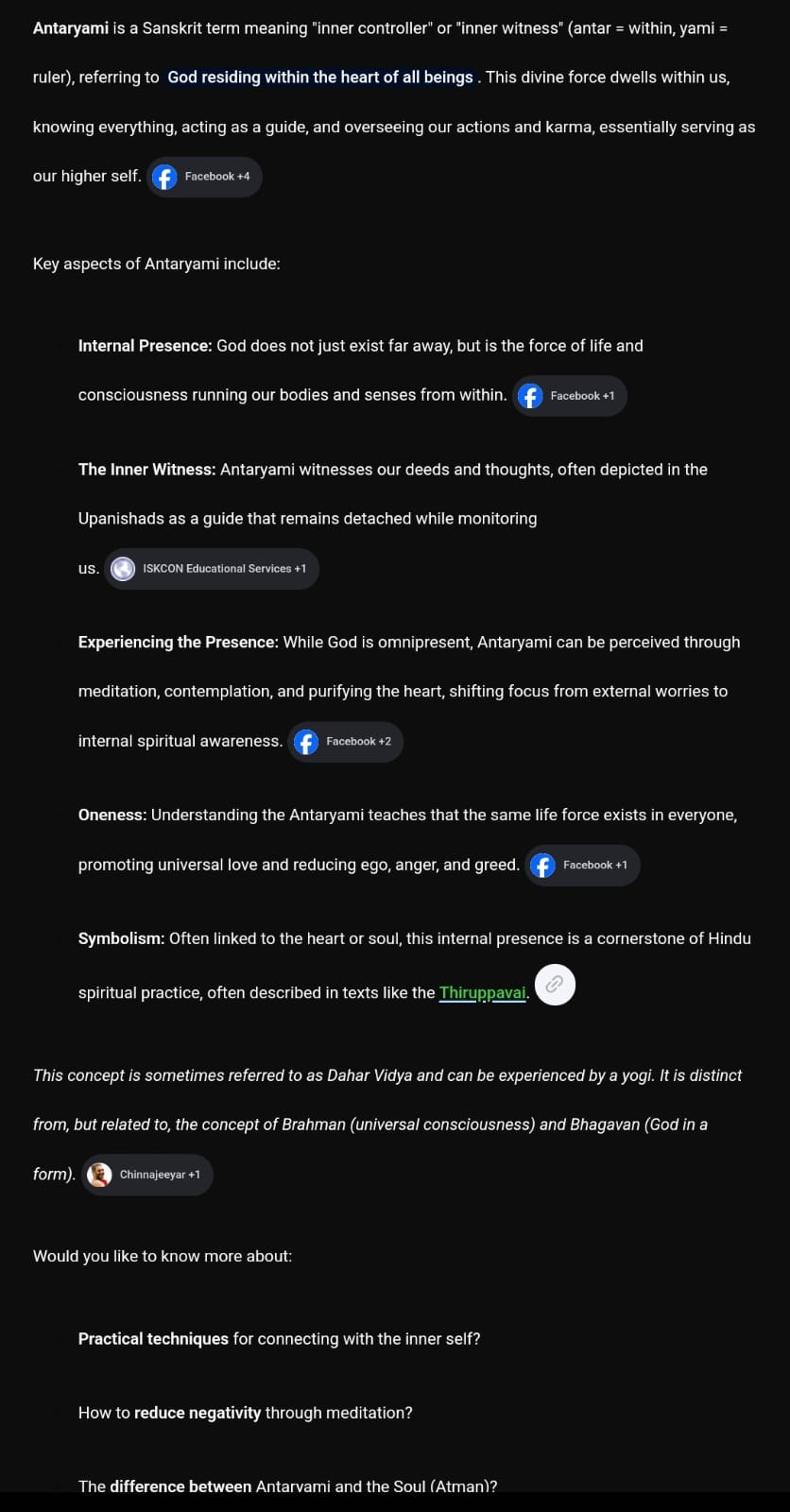
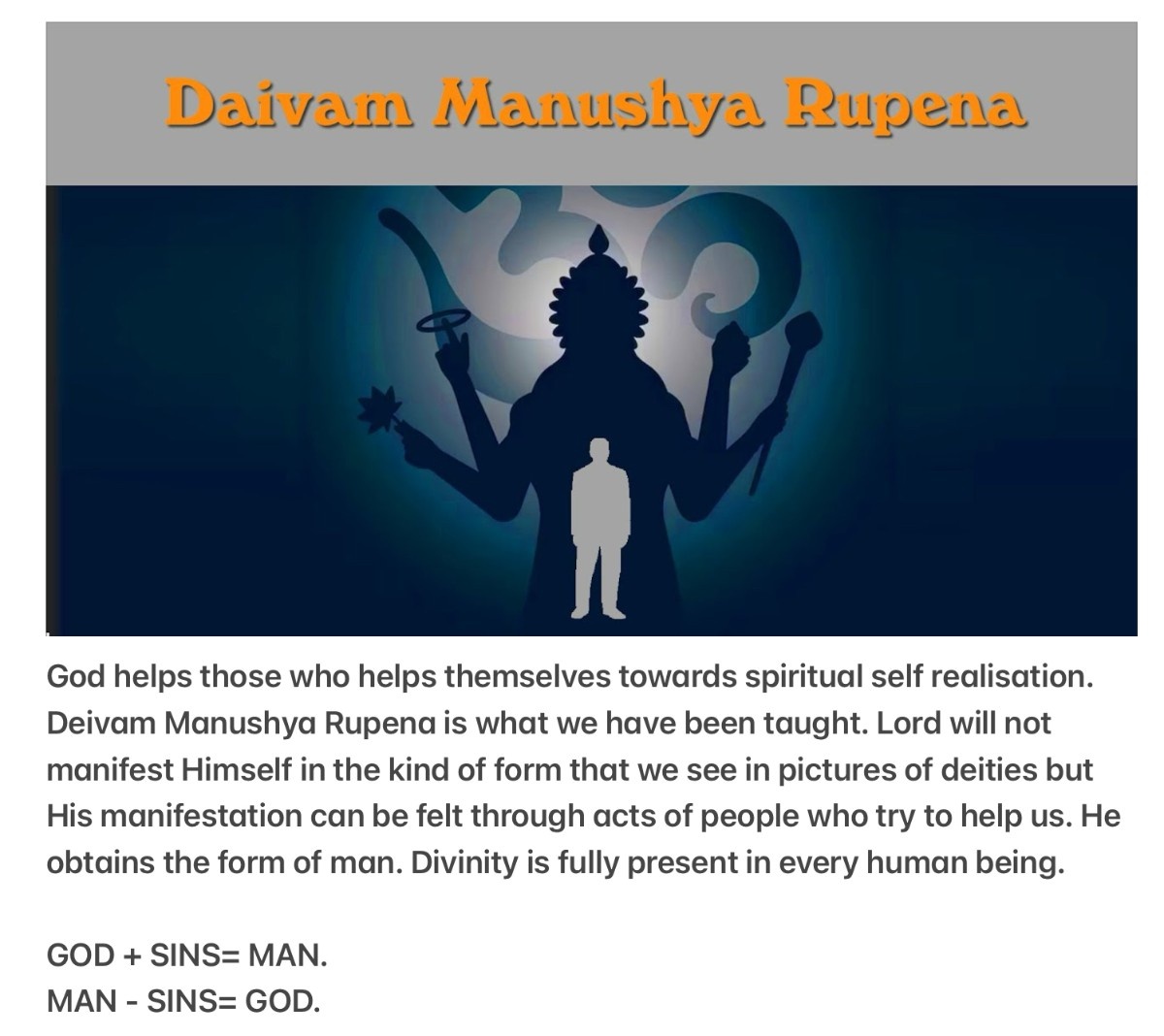
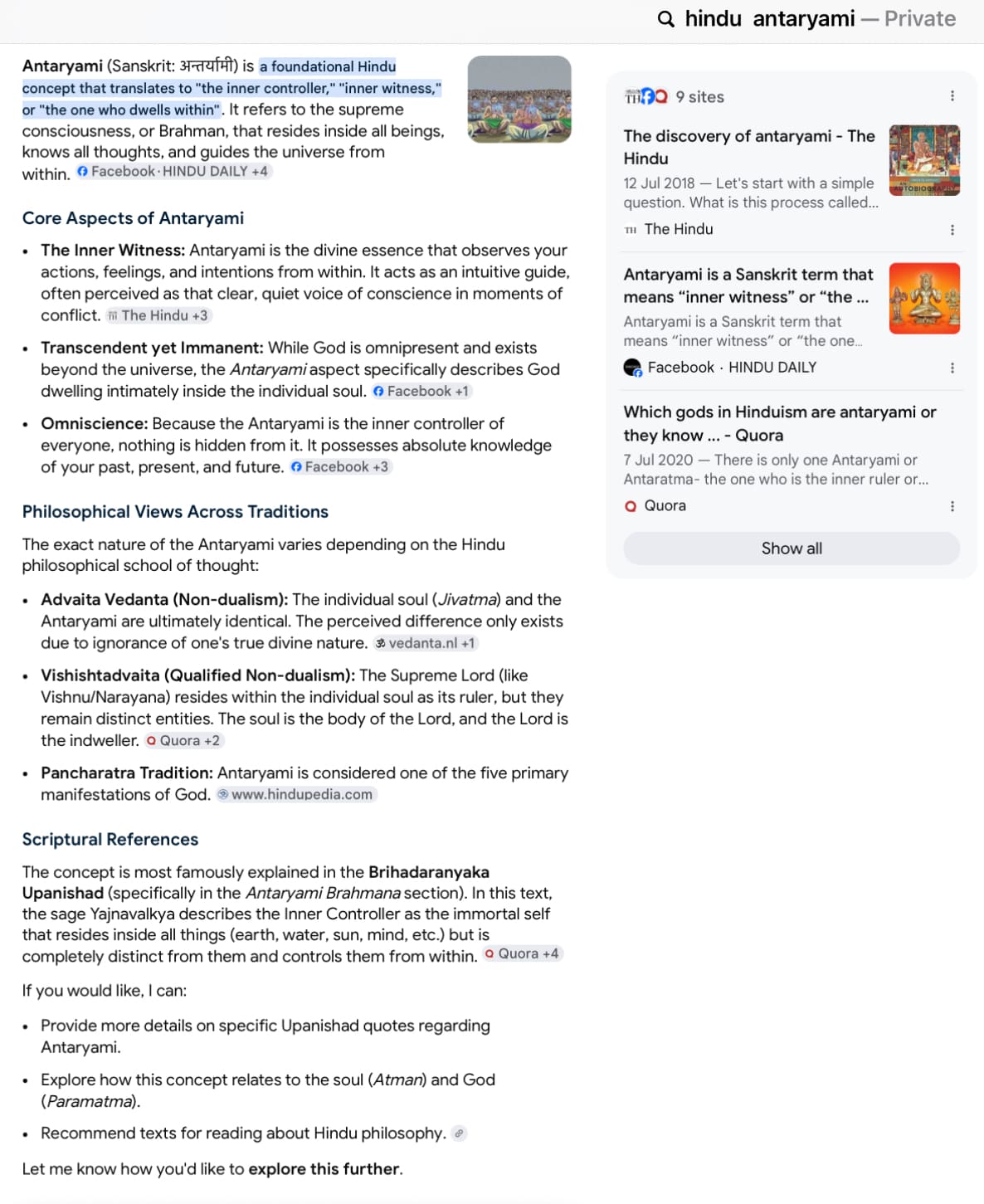
- Antaryami is that form of Lord Sriman Narayana in which He resides within all of us as our soul, giving guidance day to day to people who care to listen to Him.
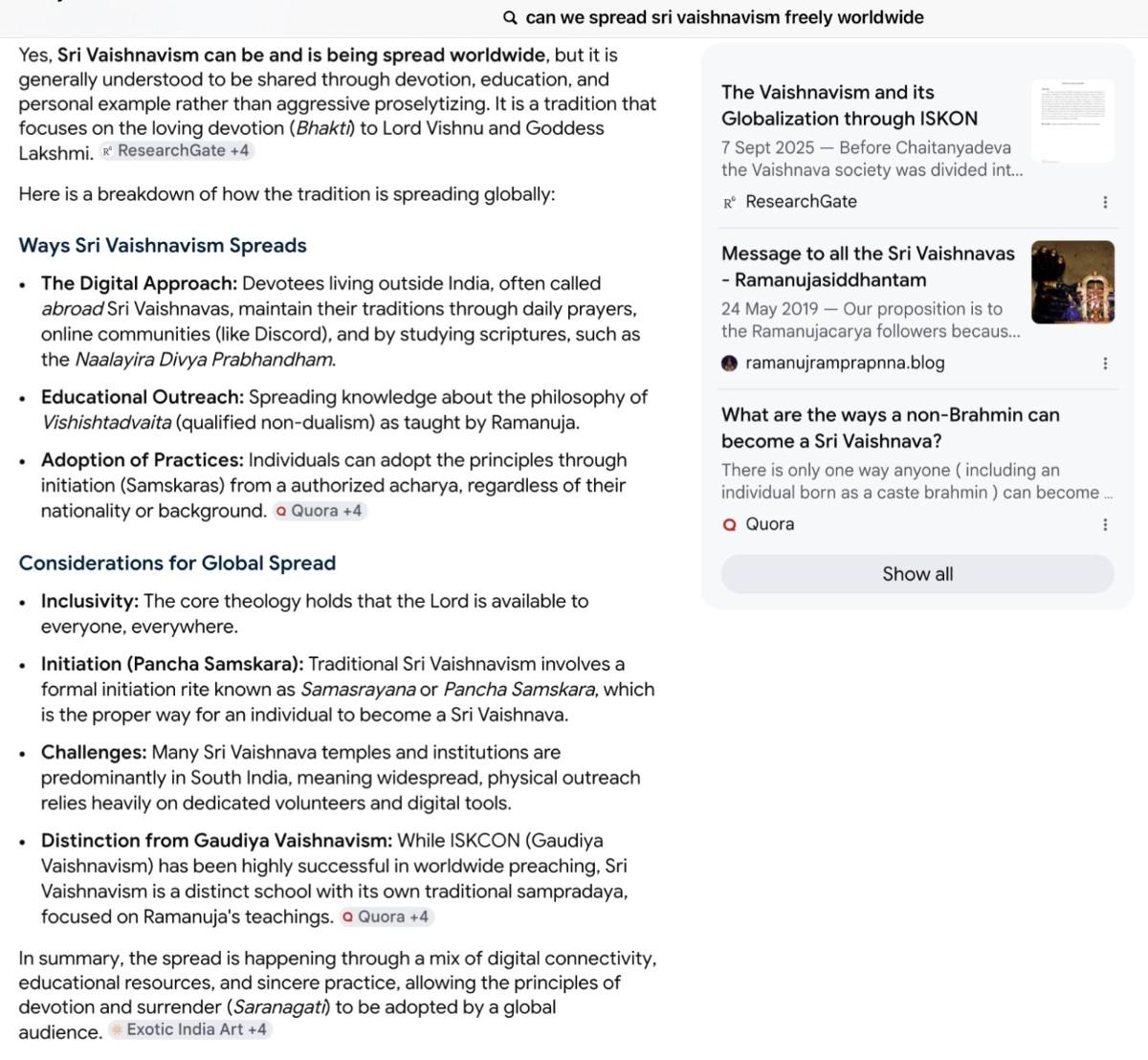
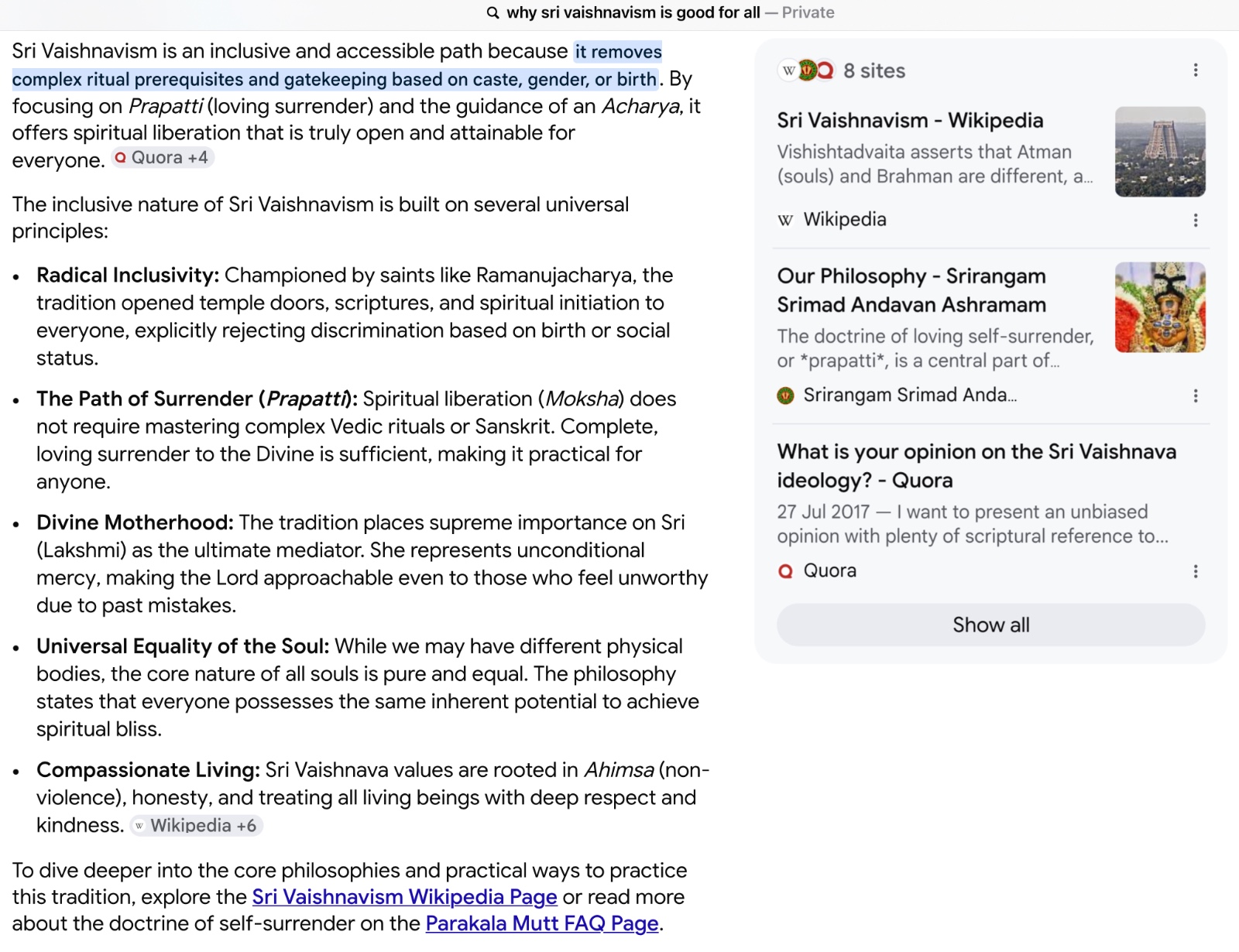
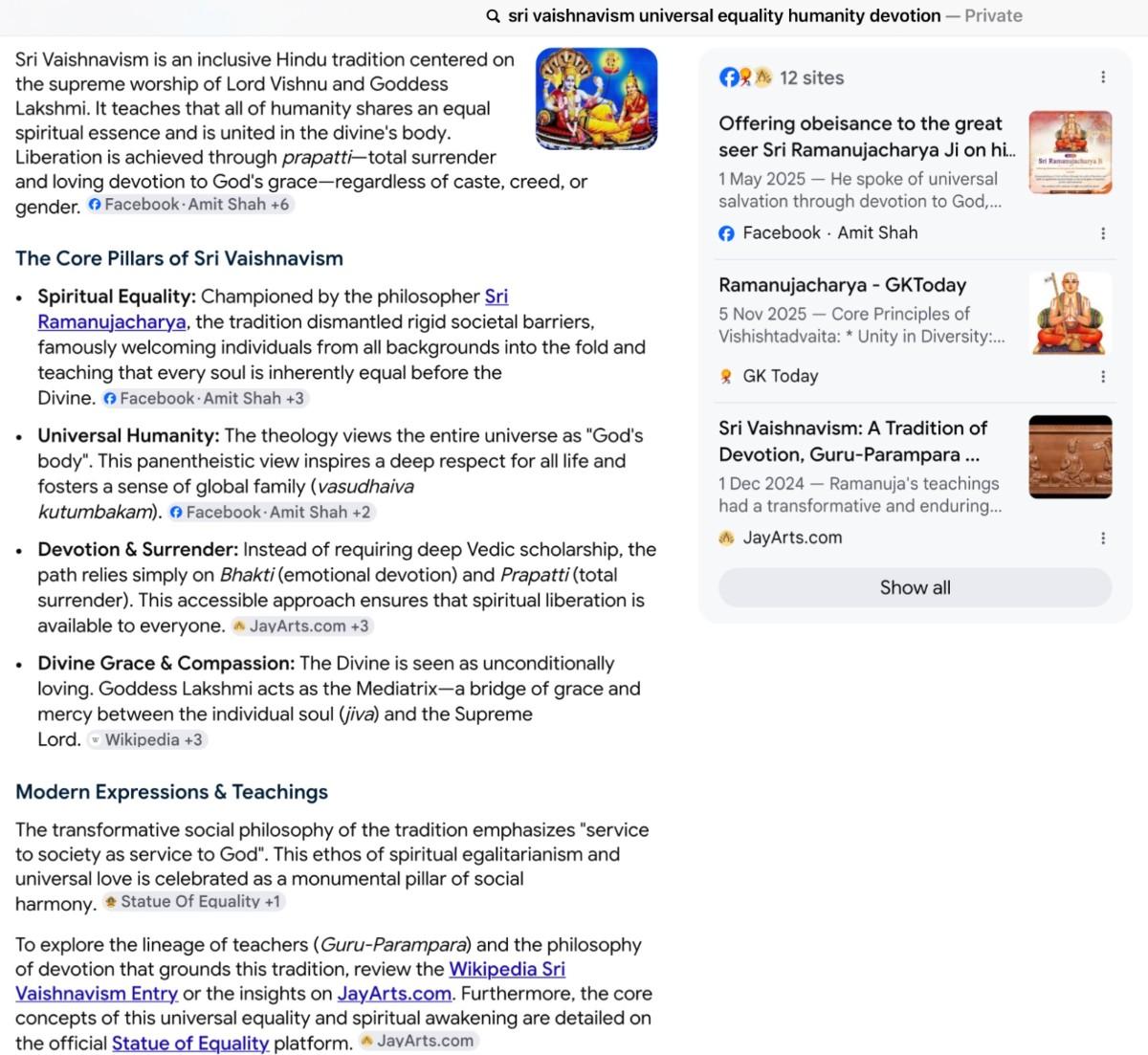
Sri Vaishnavism is a broad-based universal religion, which is open to one and all independent of Caste , creed, gender, or scholarship of the individual.
Sri Vaishnava Philosophy:
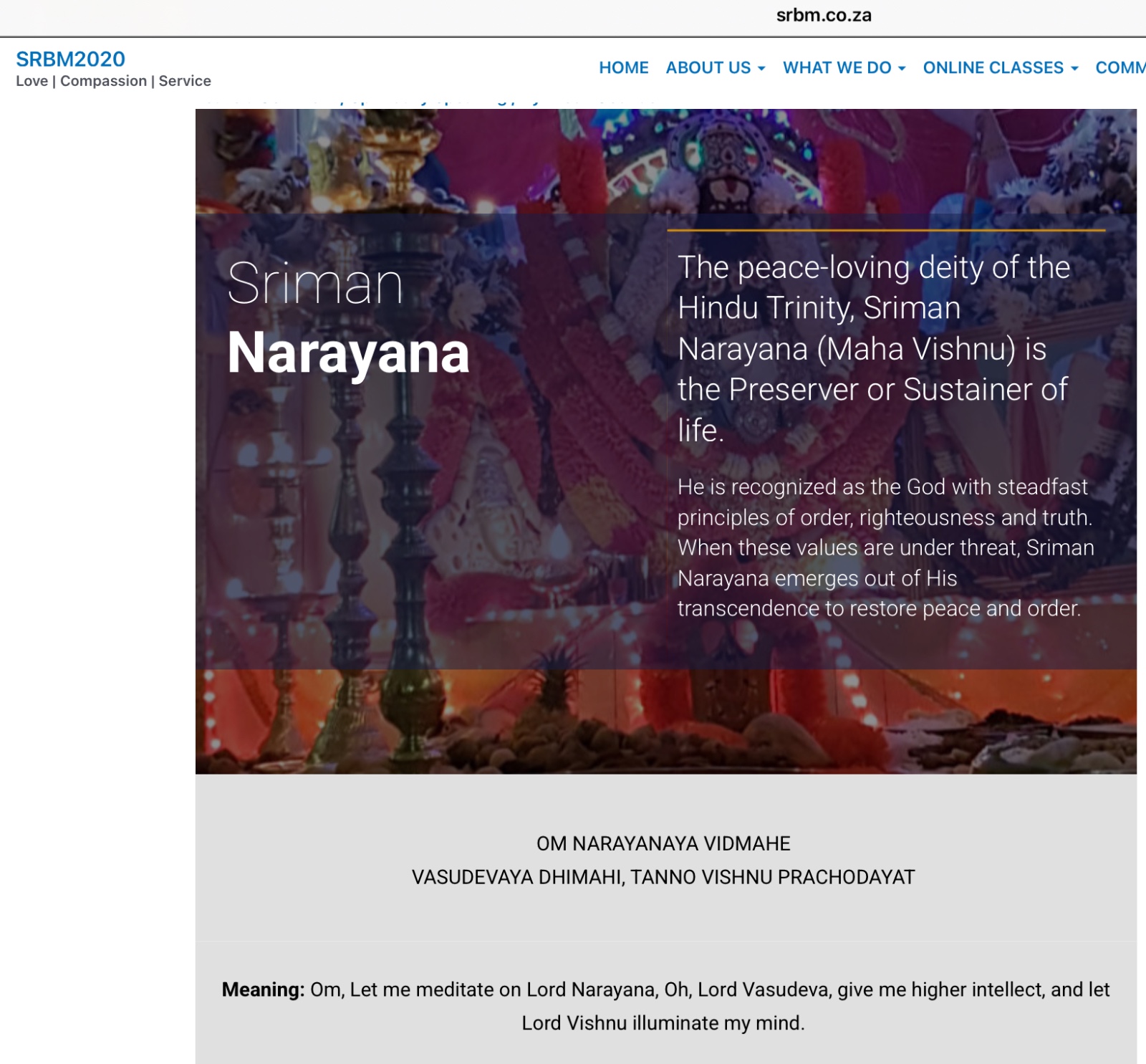
- Sriman Narayana is Supreme God, the Para Bramham. The Para Bramham is not Nirguna or Nirakara as claimed by certain schools , but possesses inifinite auspicious qualities.
- Sriman Narayana not only created the Nature and the Jivas, but also resides as Anthryami / Soul in everyone and everything. Thus everything is in Him and He is in everyone / everything. Thus the jivas are part of this Supreme God.
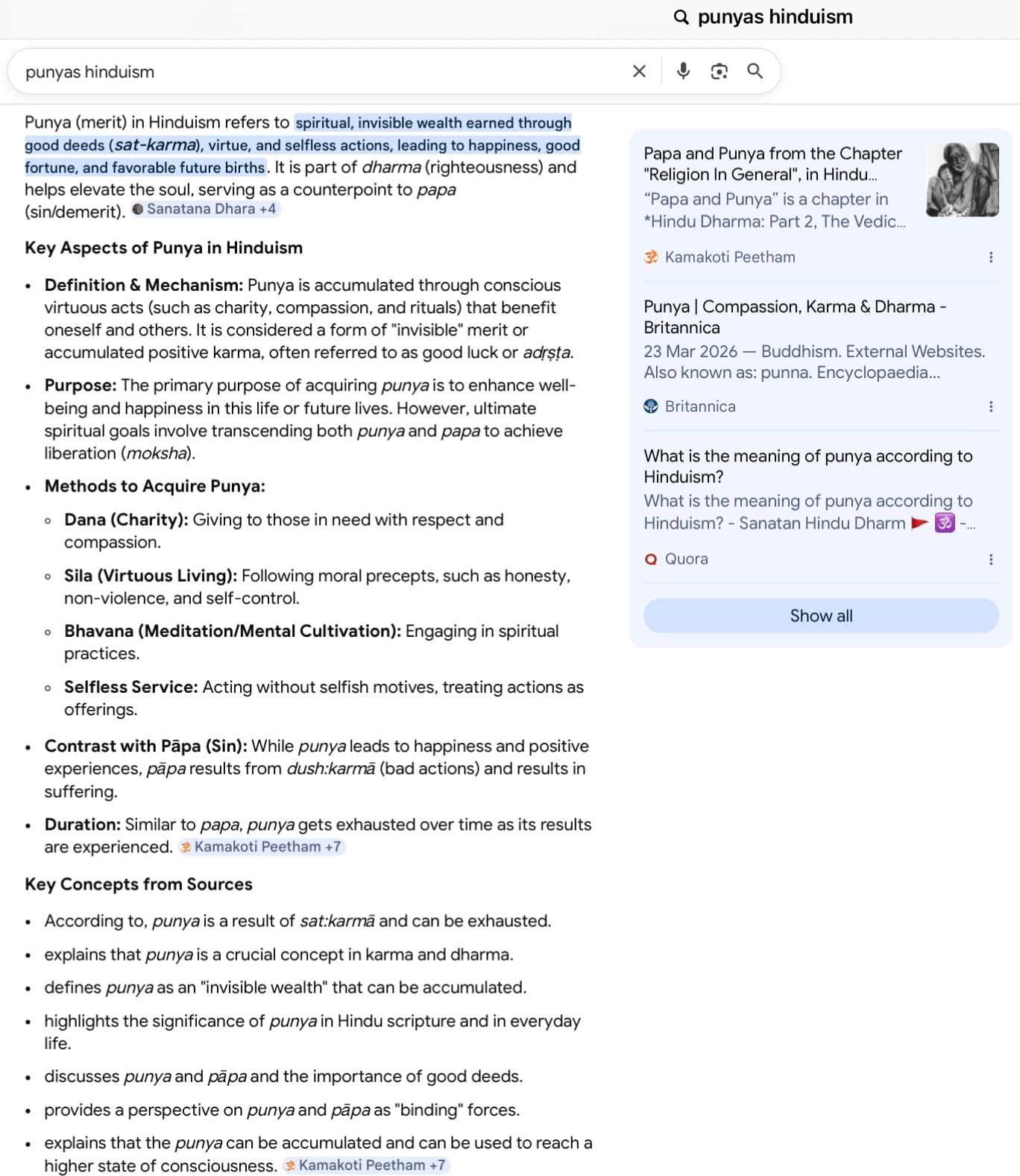
- While ultimately all the Jivas have to merge with the God, this merger could take many Janmas / births till the Jivas qualify for this merger by doing good deeds/Punyams.
- This merger with Sriman Narayana can be quickened to happen at the end of current life itself, provided we do Prapatti / Saranagati to God through an Acharya and lead a Good righteous / Dharmic life after doing the Prapatti.
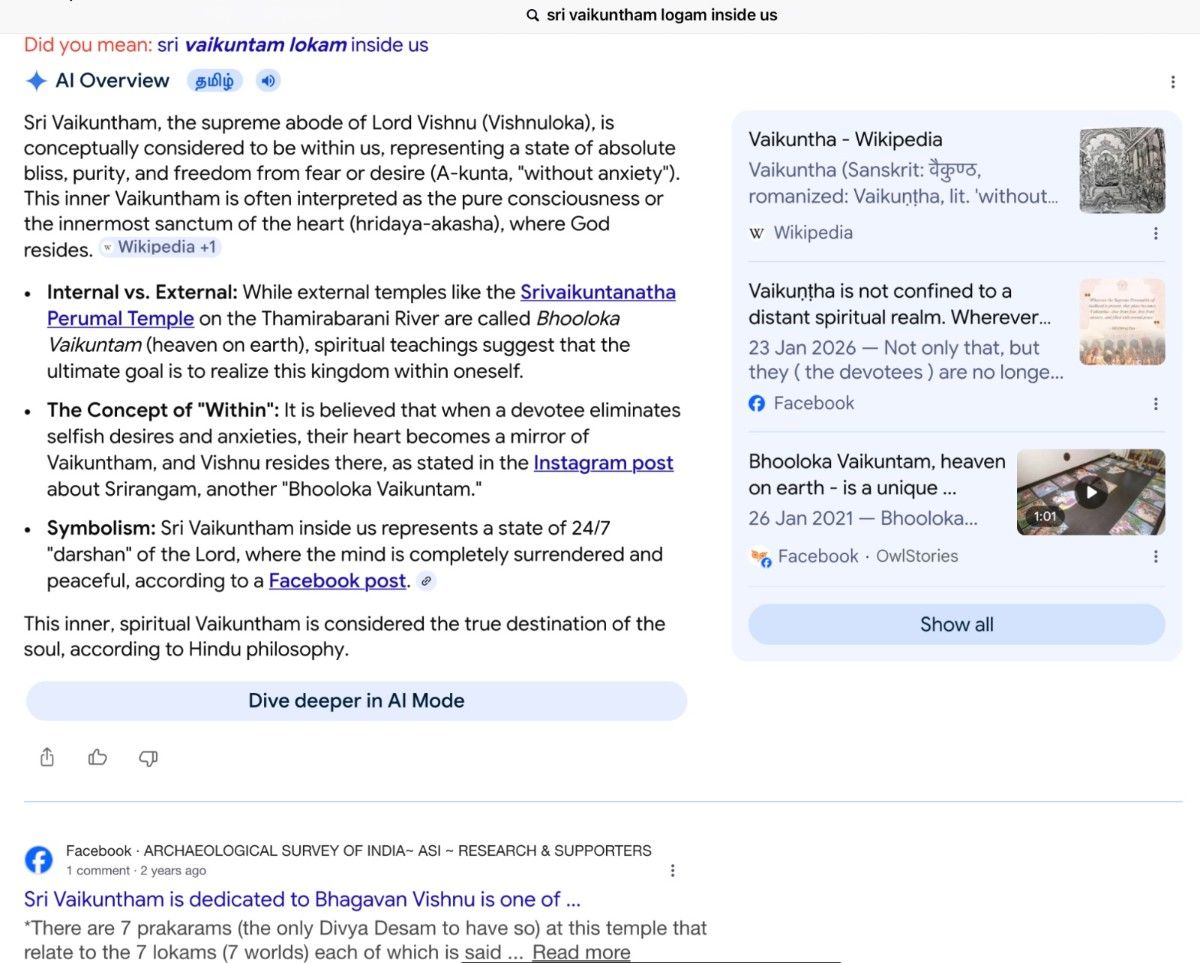
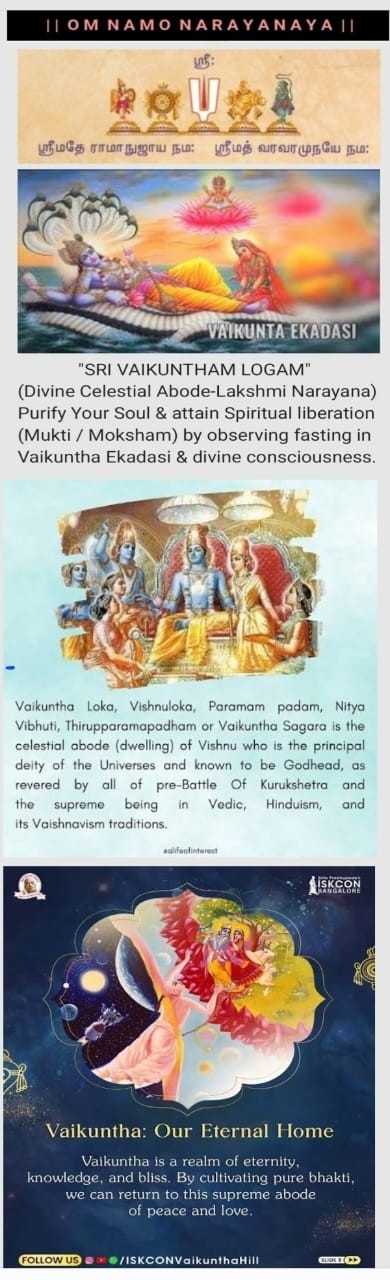
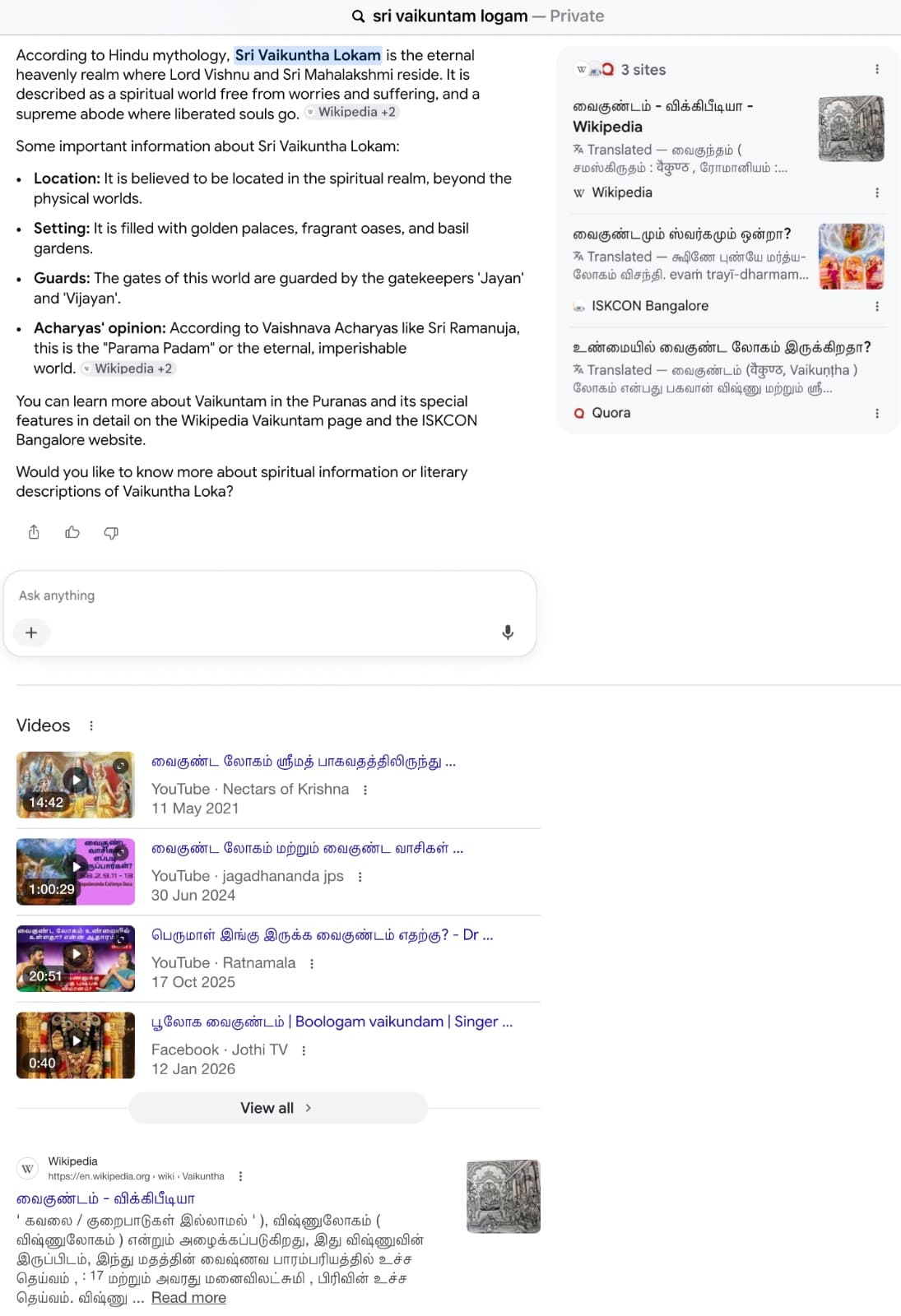
- Once the soul reaches Sri Vaikuntam Logam, the abode of Sriman Narayana, having been freed from the cycle of birth and death, the soul engages in eternal service to Sriman Narayana.
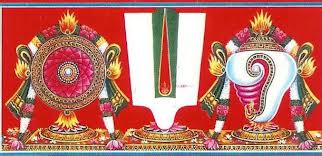
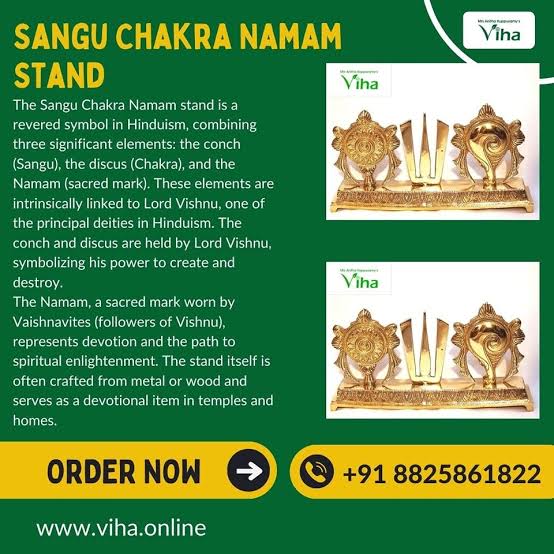
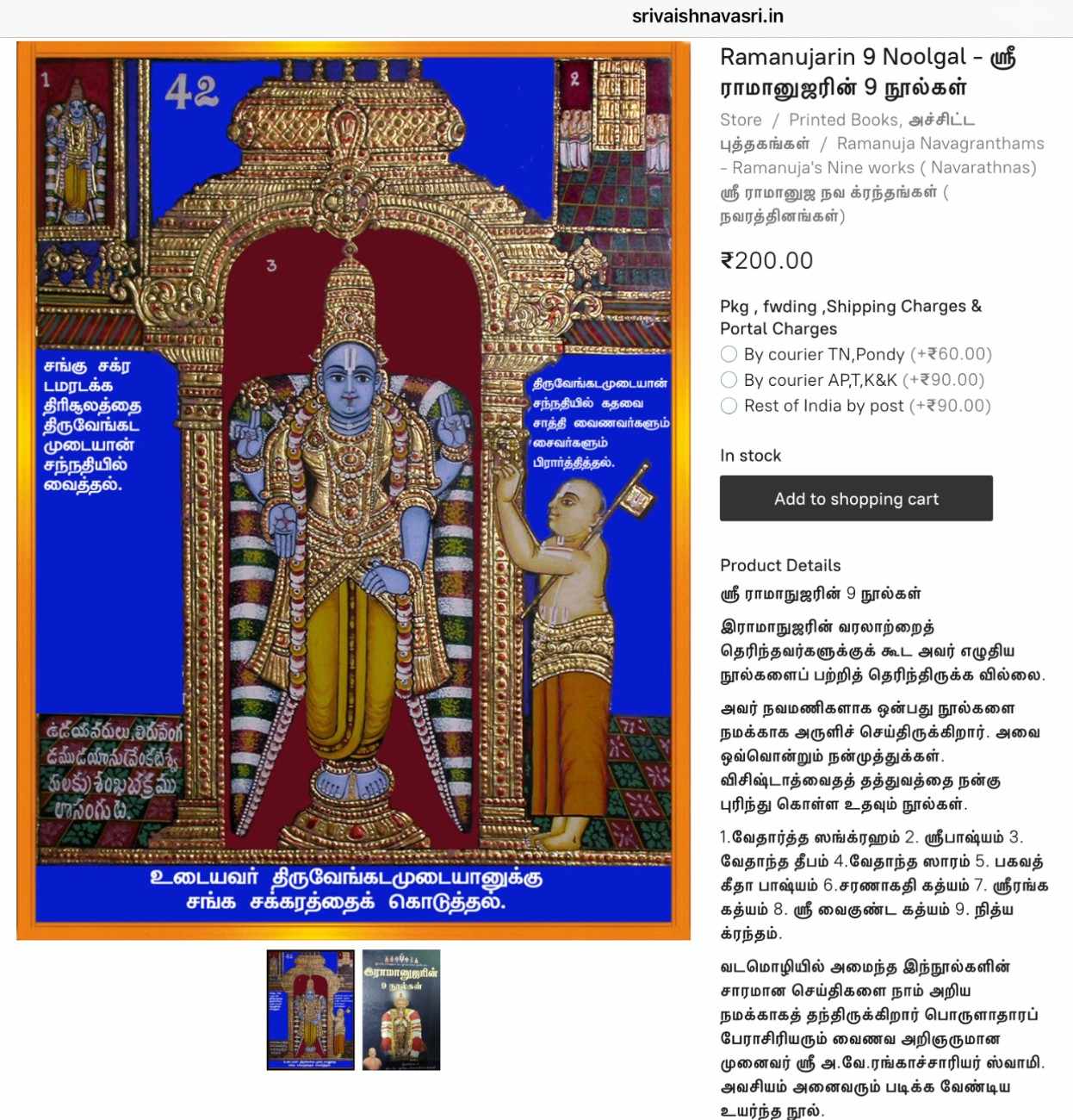
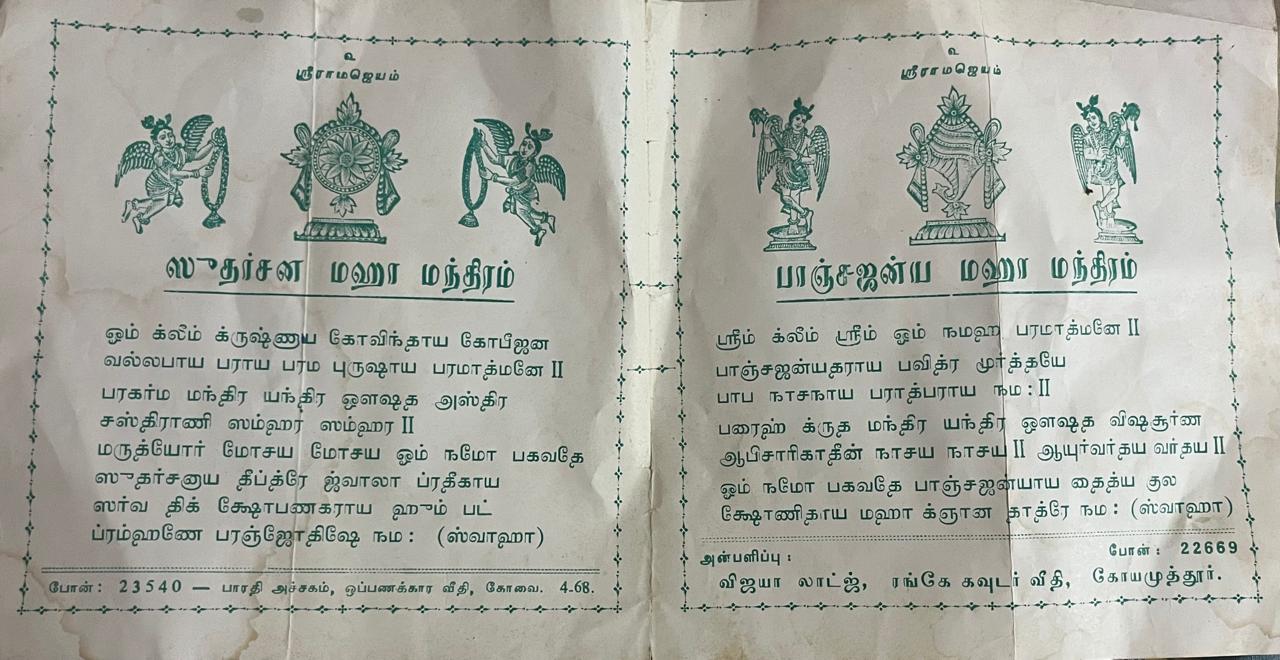
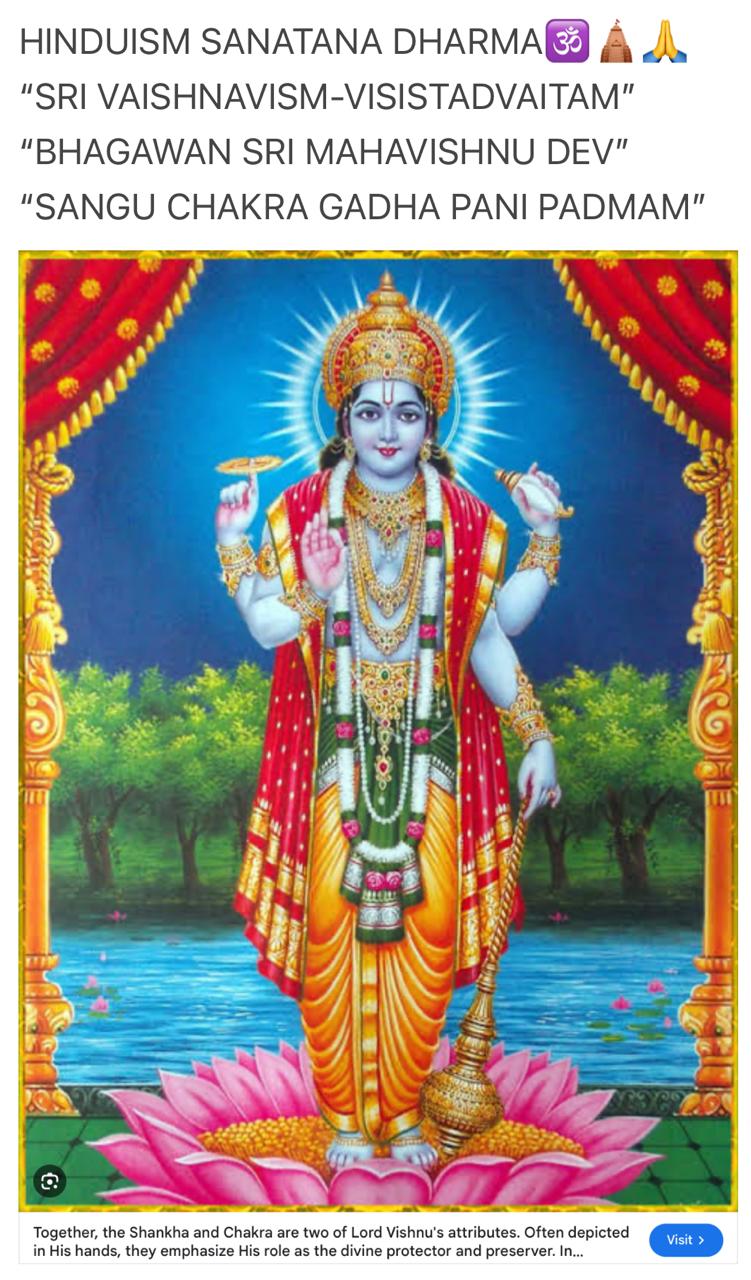
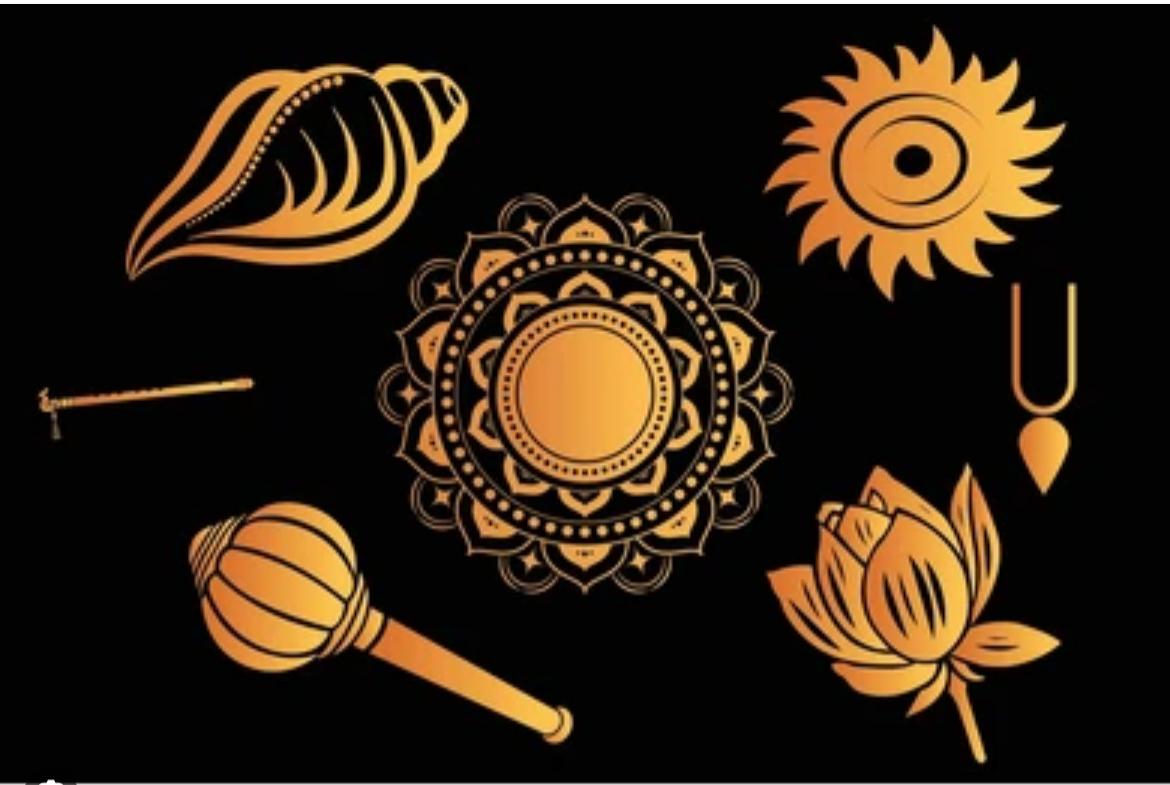
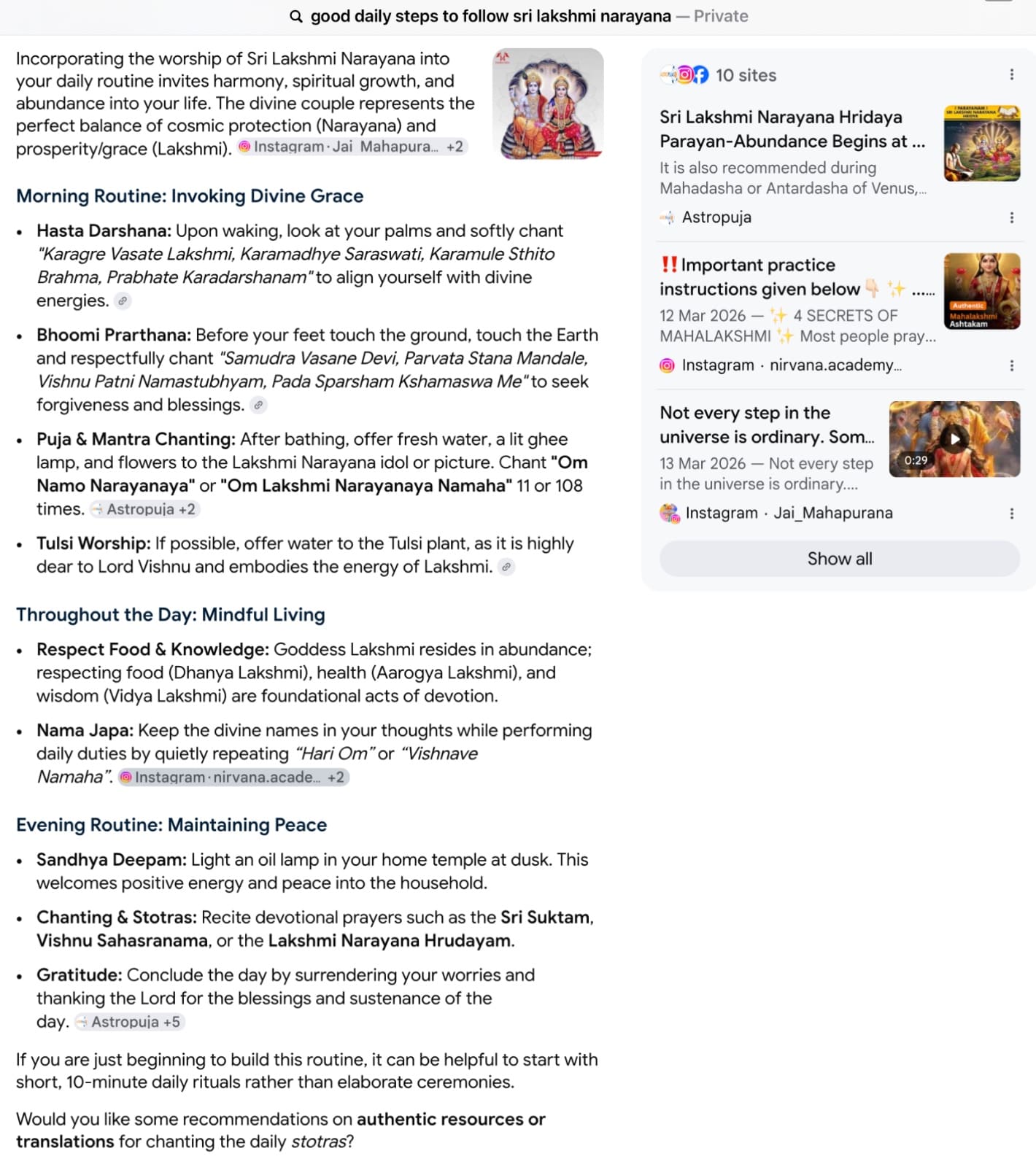
Sangu Chakra Namam represents the sacred symbols of Lord Sri Mahavishnu—the Conch (Sangu) and Discus (Chakra)—often combined with the Tiruman (Namam) tilak. It symbolizes divine protection, primordial sound, cosmic order, and spiritual enlightenment. It is used to bring positivity, harmony, and Vishnu’s blessings into homes, temples, and daily poojas.
- Key Synonyms and Components:
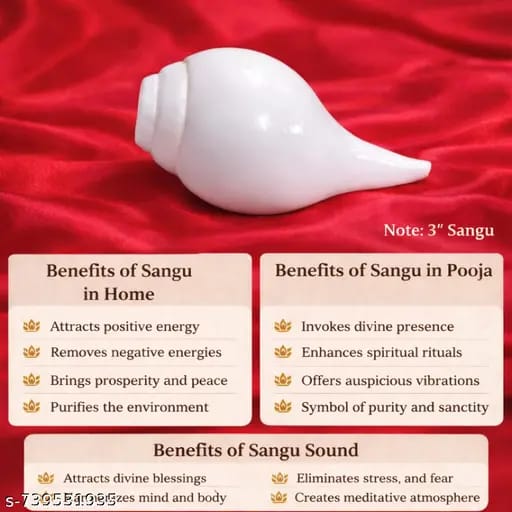
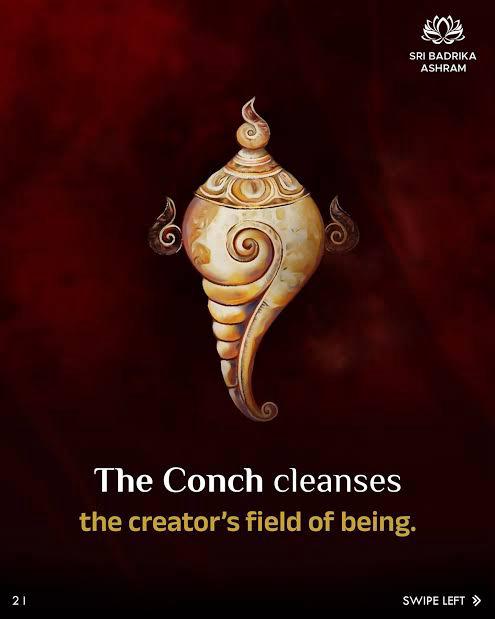
- Sangu:Conch shell, Panchajanya (represents creation, primeval sound, and cosmic ego).
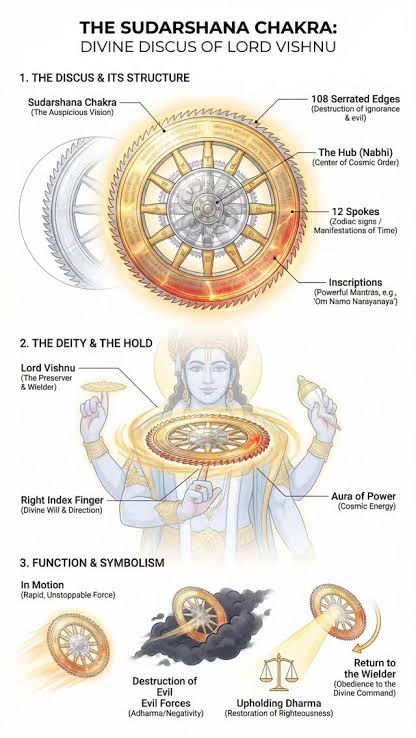
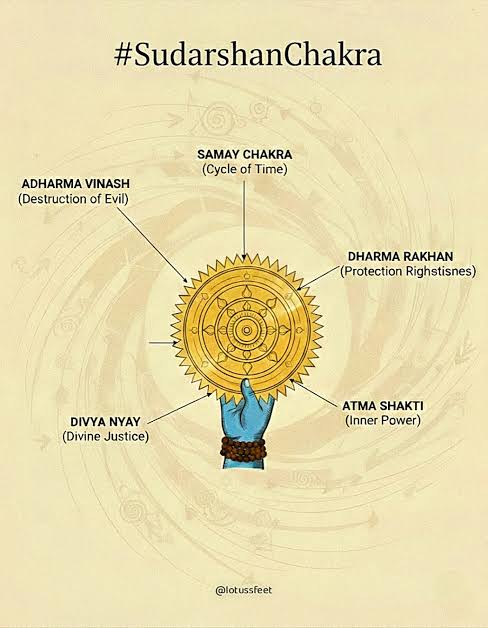
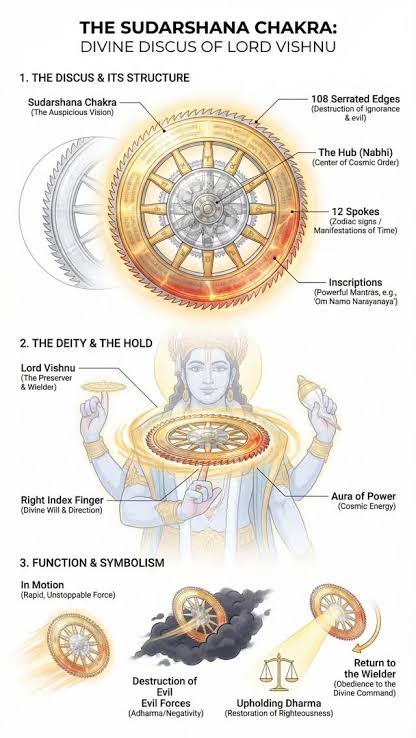
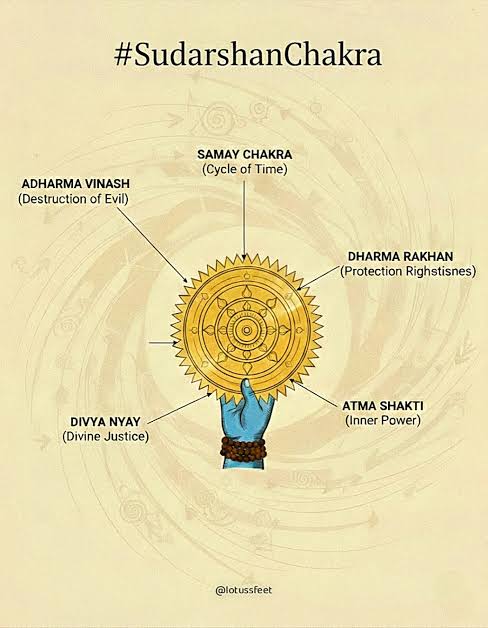
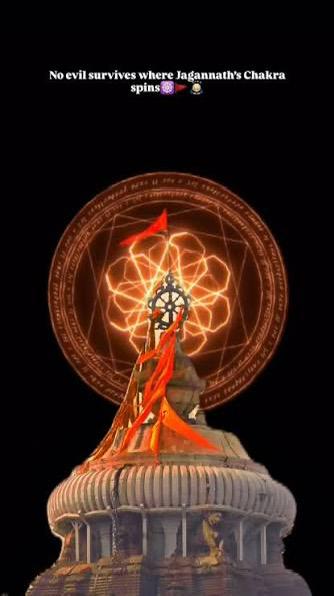
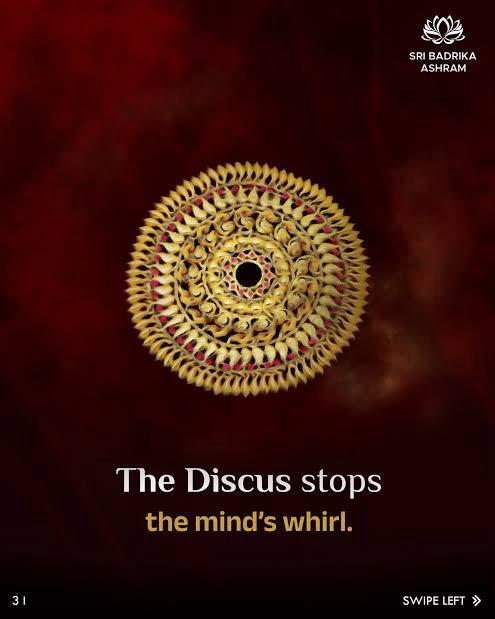
- Chakra: Discus, Sudarshana (represents the universal mind and the Lord's will to uphold dharma). Destroys Evil & Protects Good.
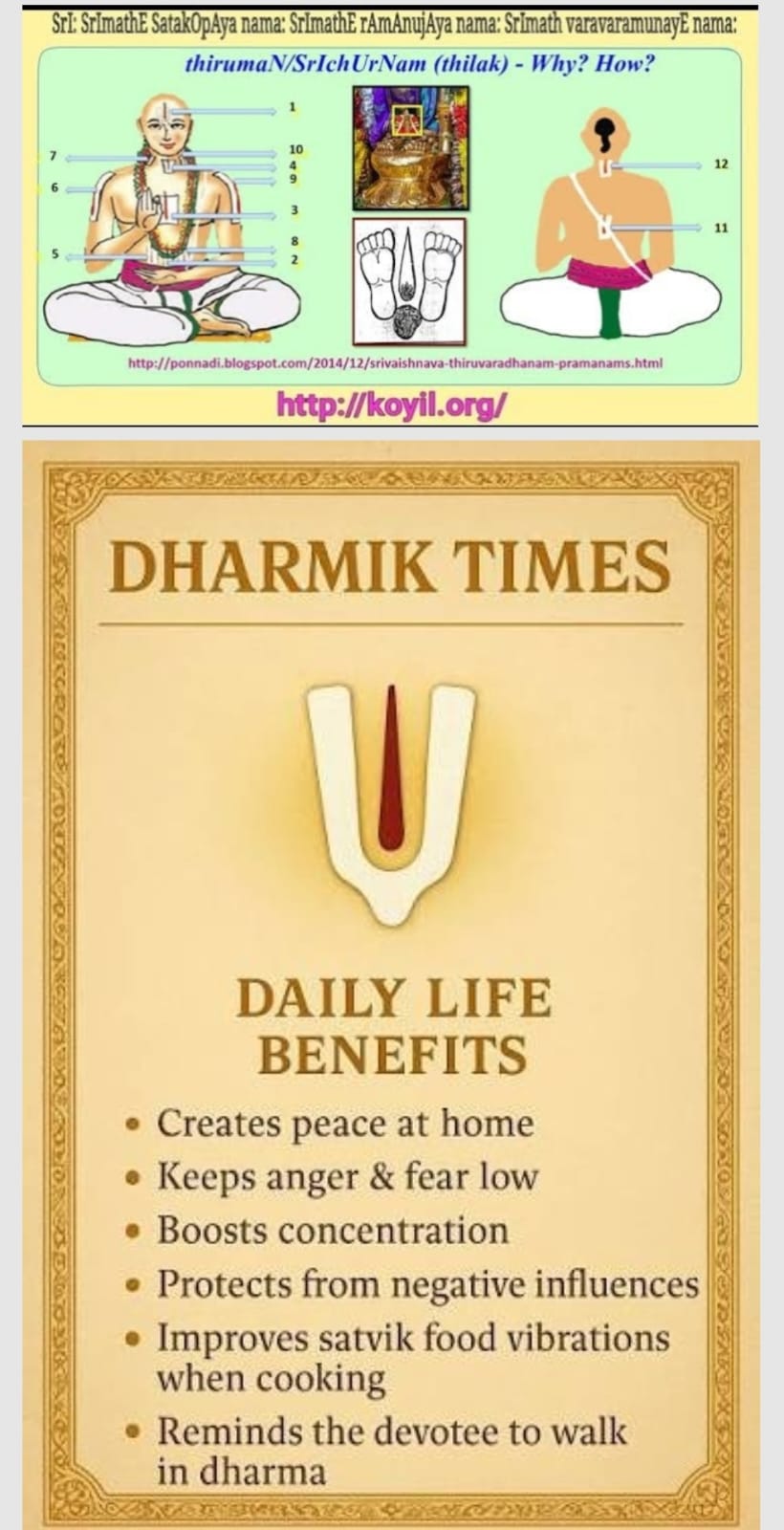
- Namam:Tilak or mark, indicating devotion to Lord Vishnu (Perumal).
- Synonyms/Related Items:Sangu Chakra Perumal, Tirupati Balaji symbol, Shankh Chakra Tilak, Sri Vaishnava mark.
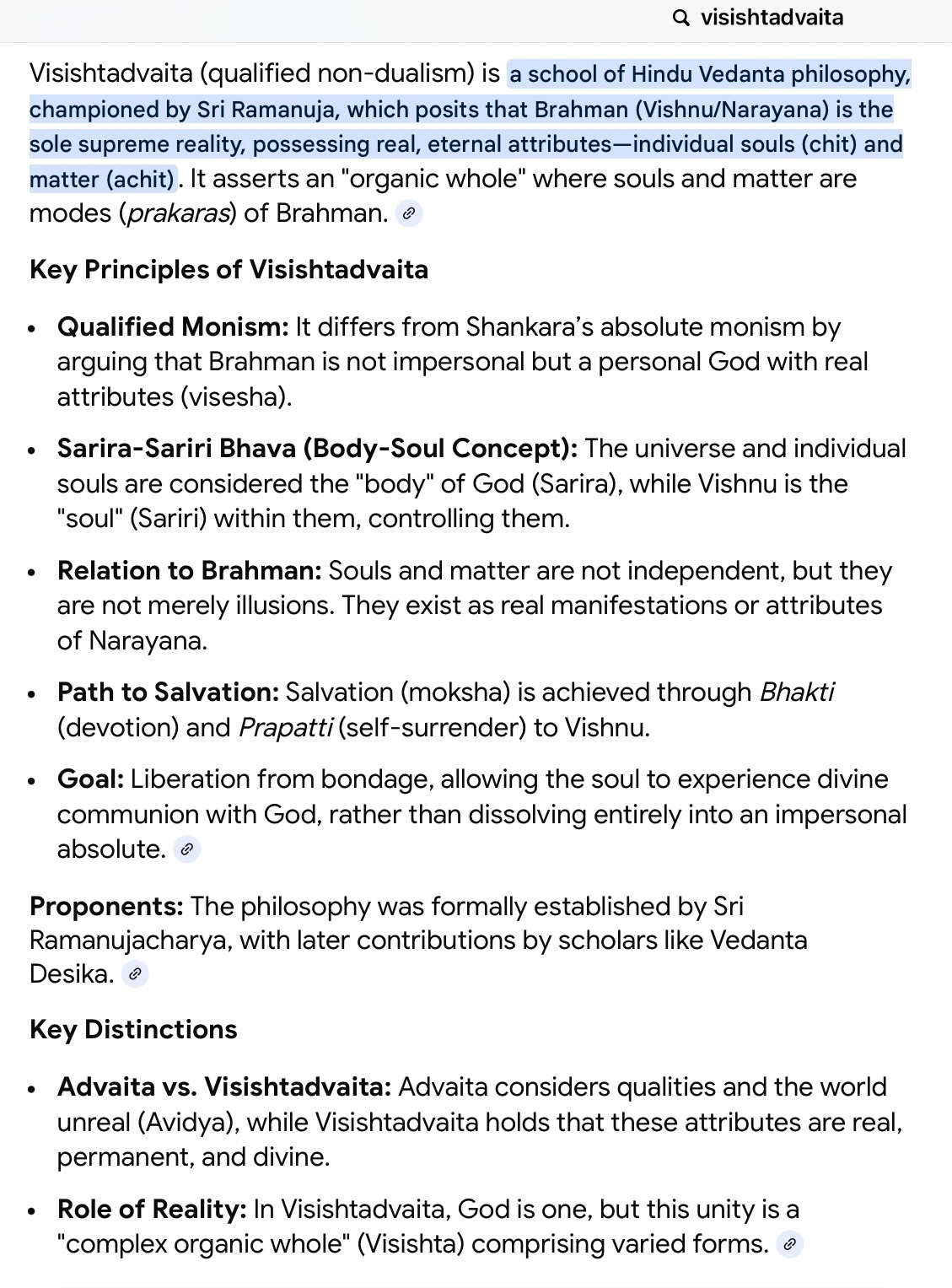
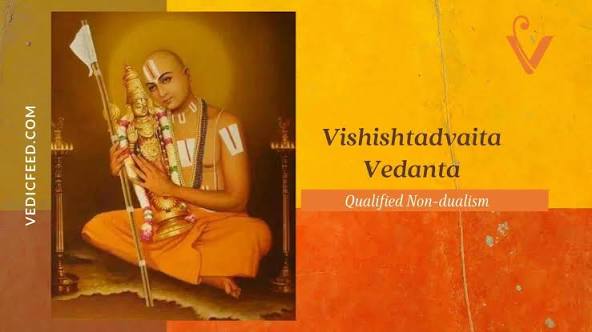
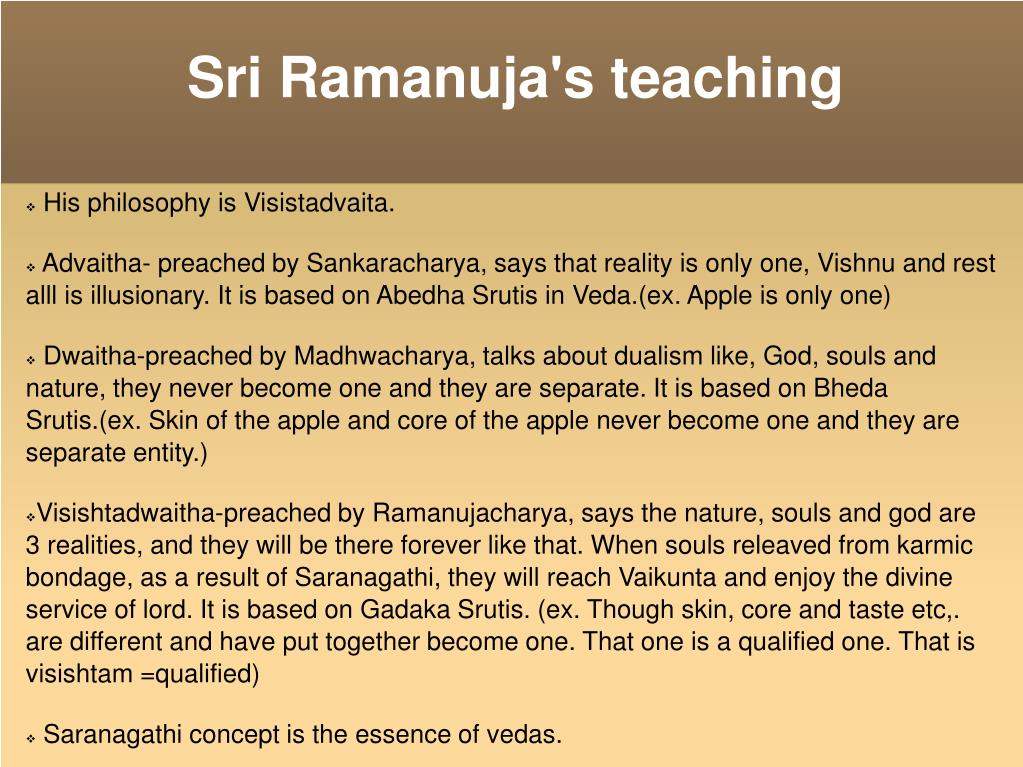
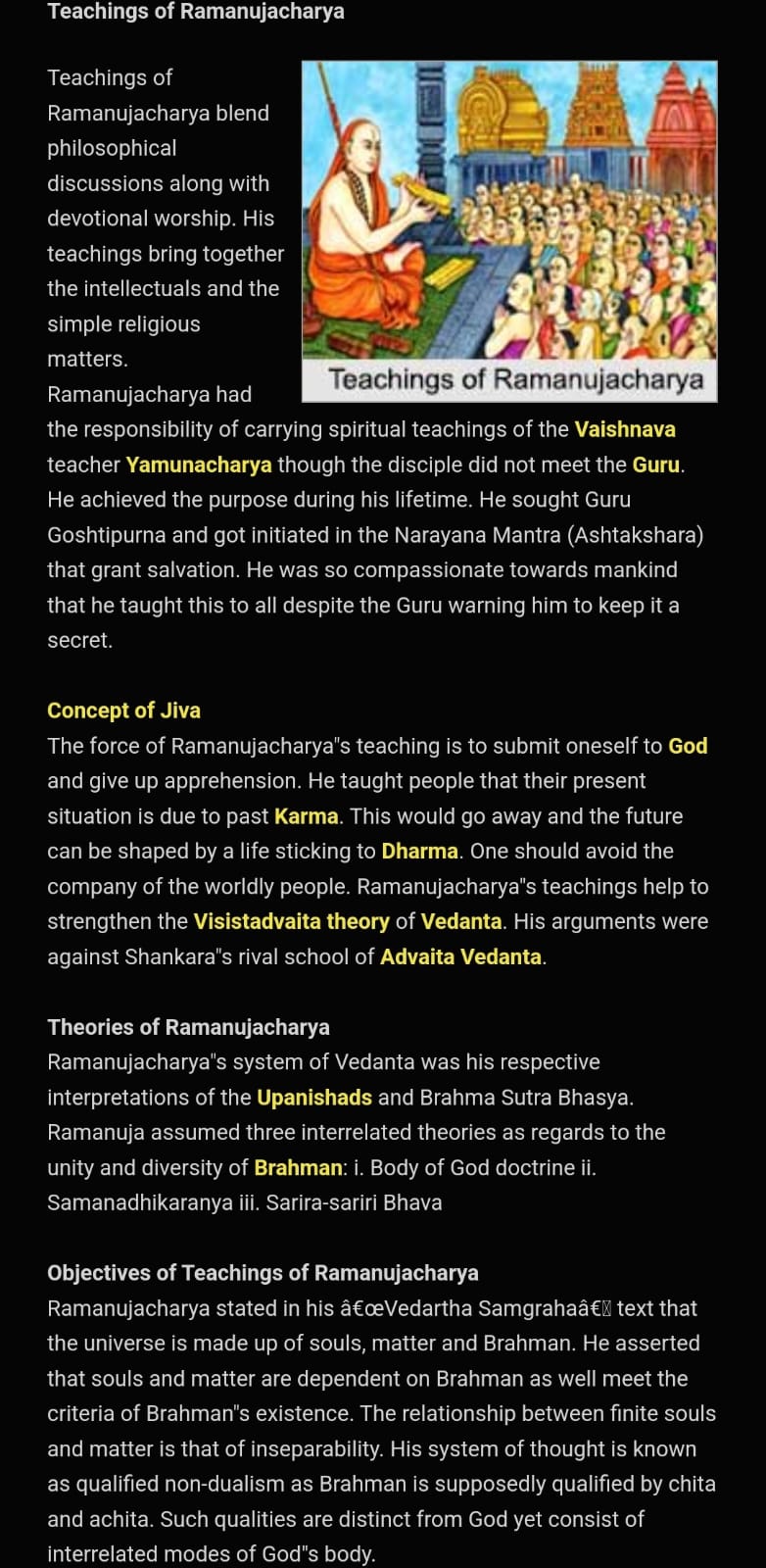
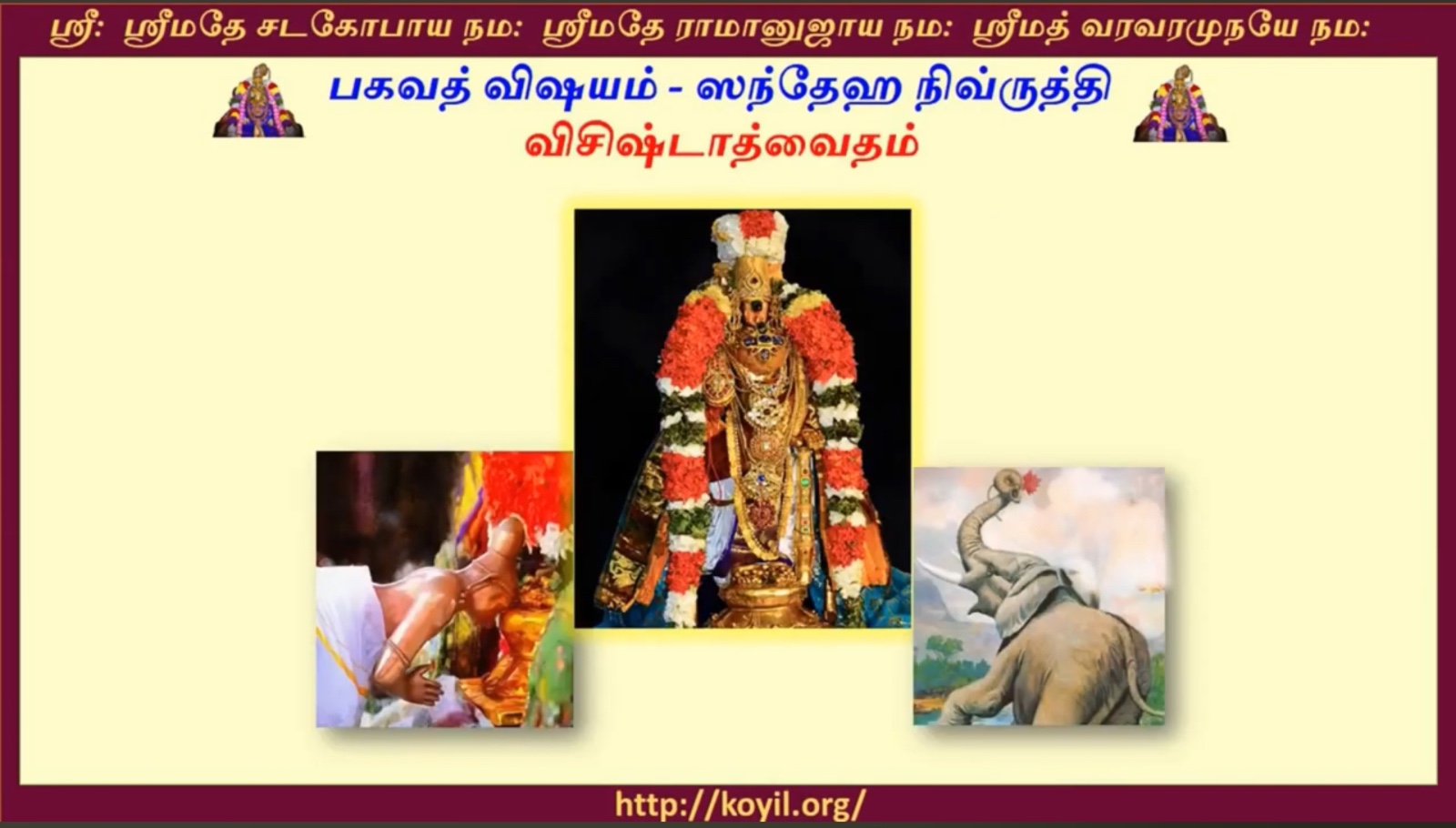
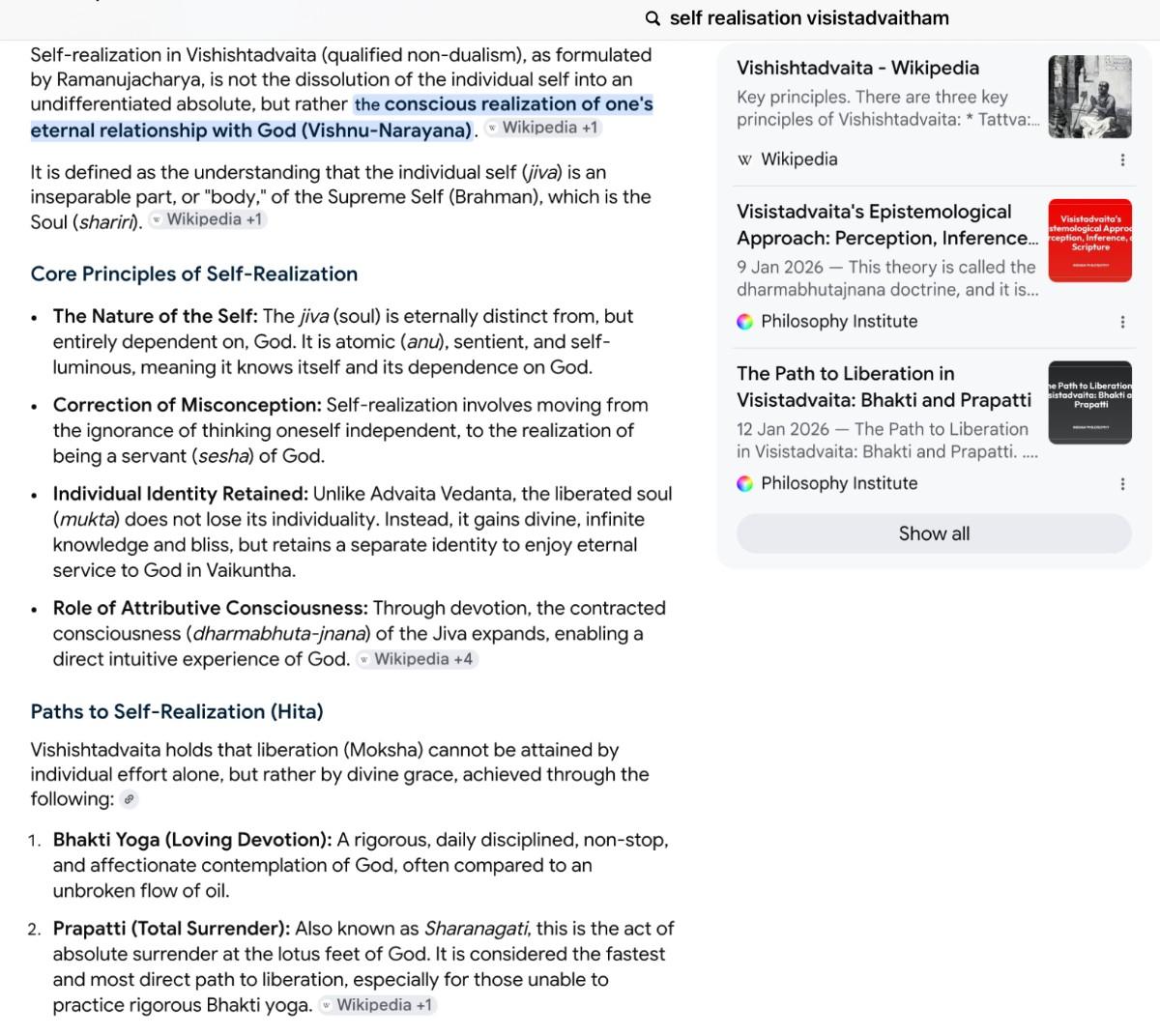
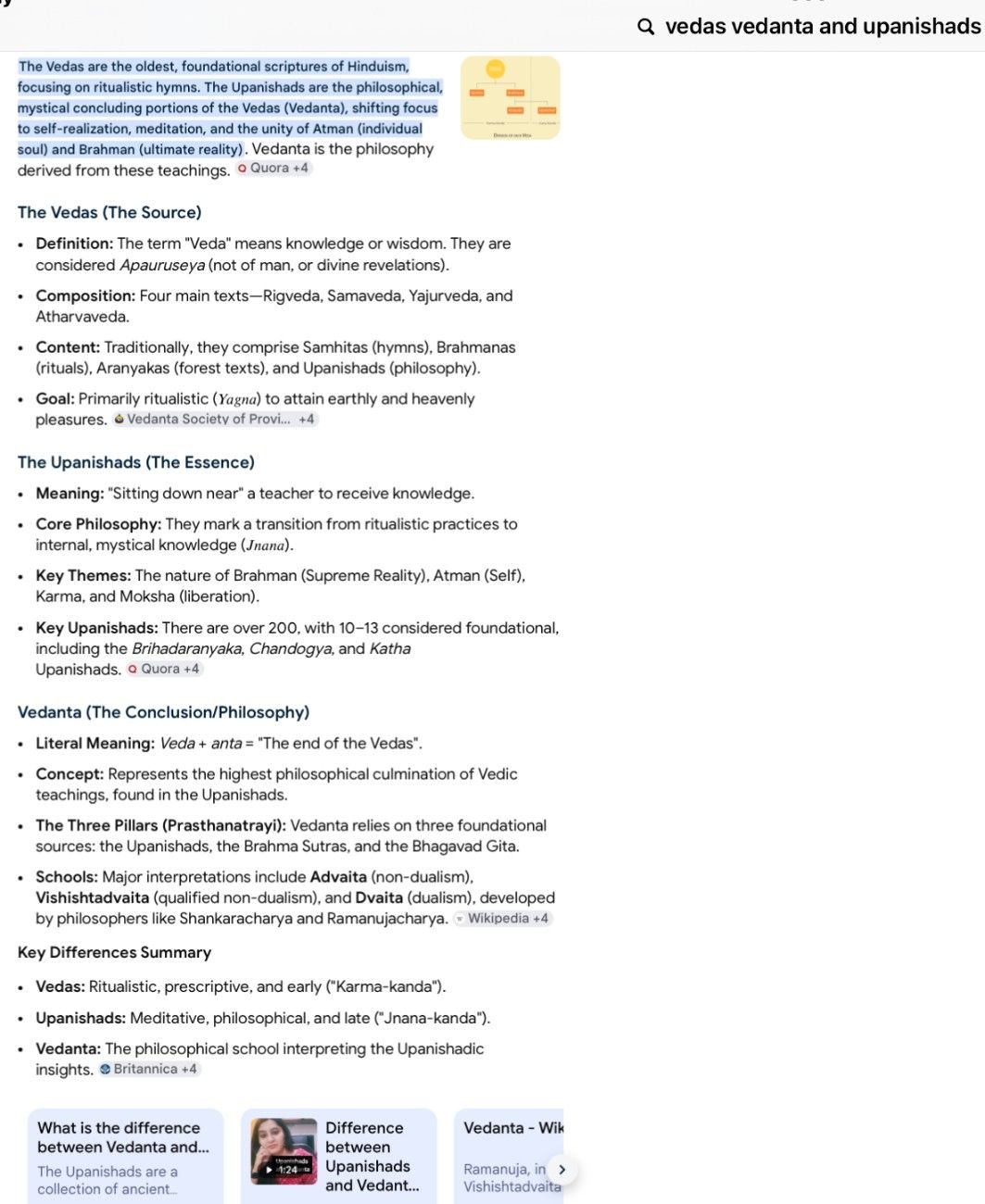
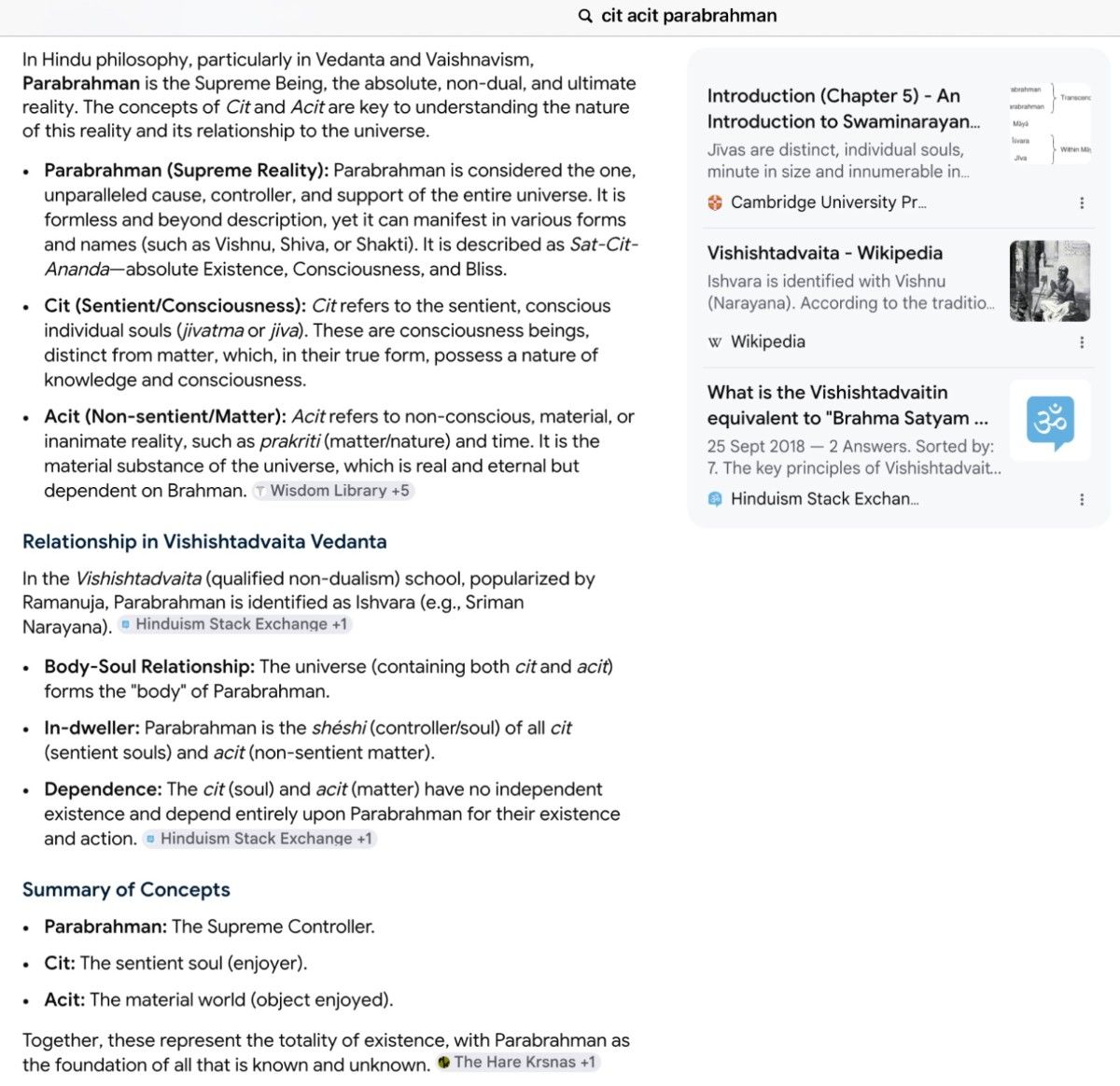
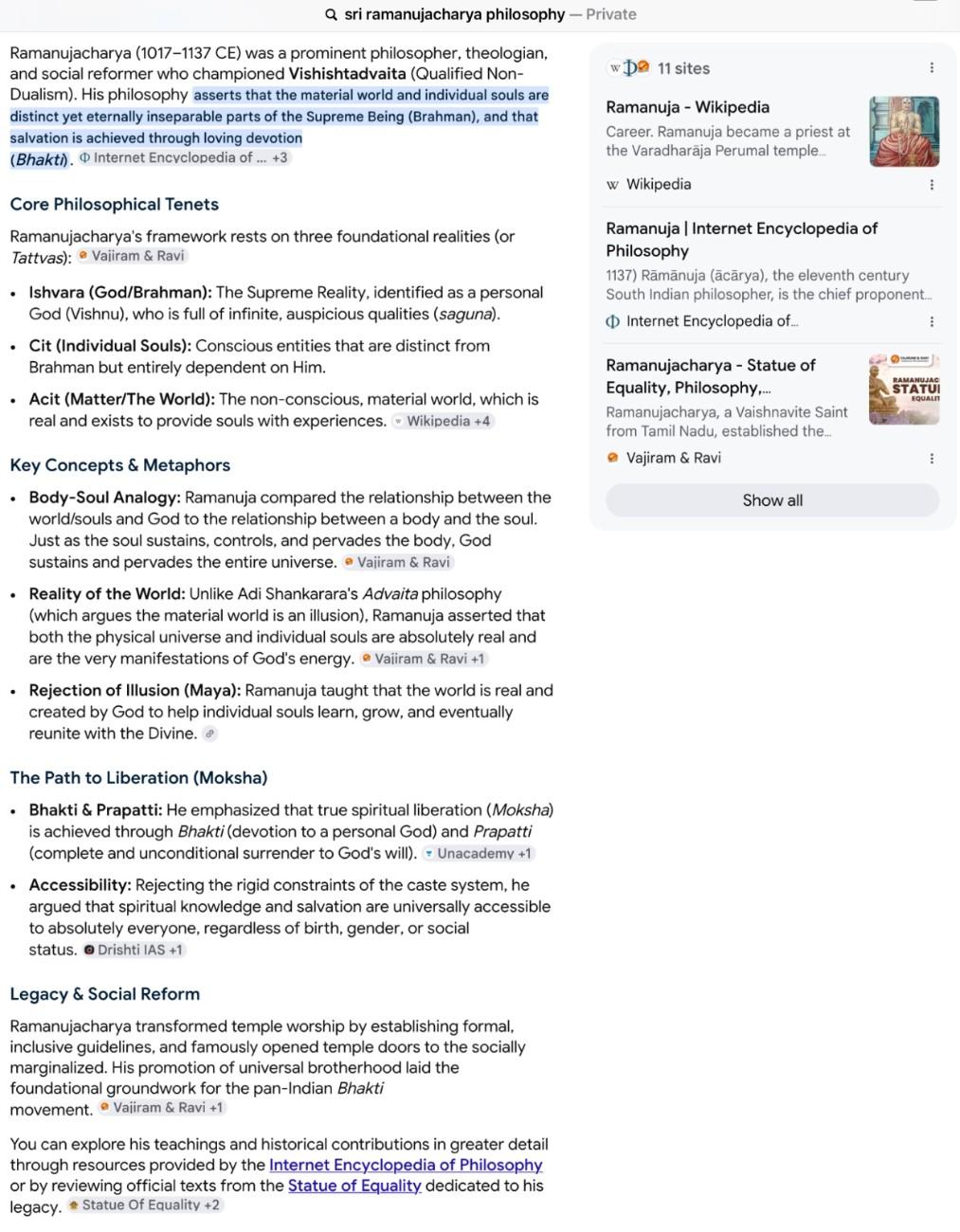
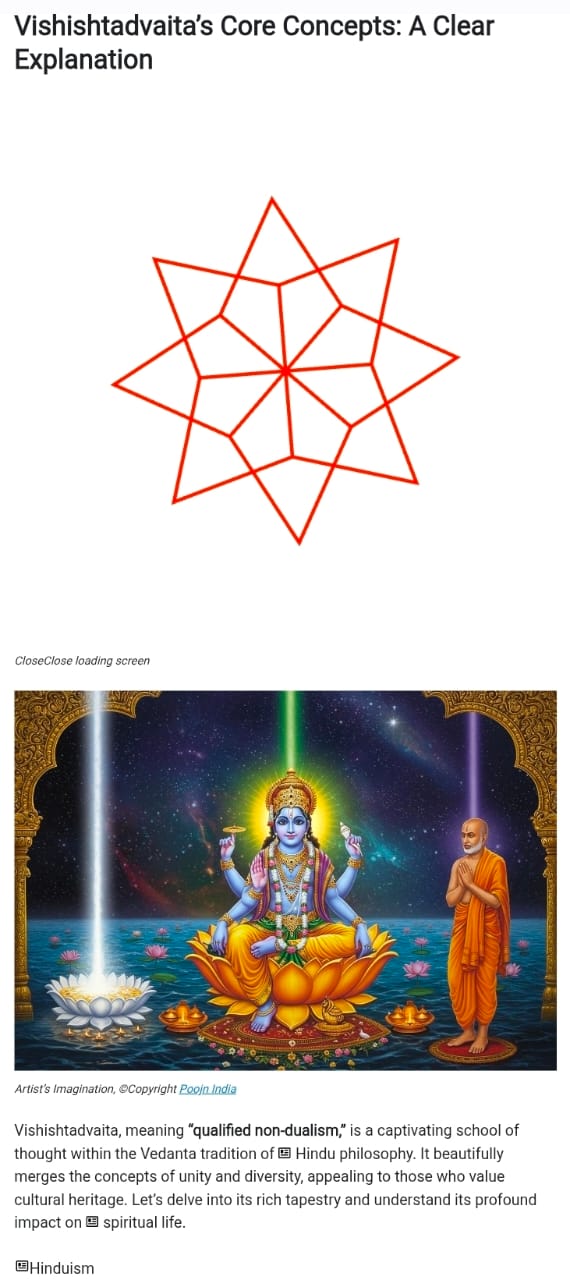
Visistadvaita (Qualified Non-dualism) is a Vedanta school founded by Ramanujacharya that posits Brahman (Vishnu-Narayana) as the supreme, personal reality with infinite auspicious attributes. It argues that individual souls (Jiva) and the material world (Jagat) are real, inseparably dependent modes or attributes of Brahman, functioning like a body to the divine soul.
Core Tenets of Visistadvaita:
- Qualified Monism:
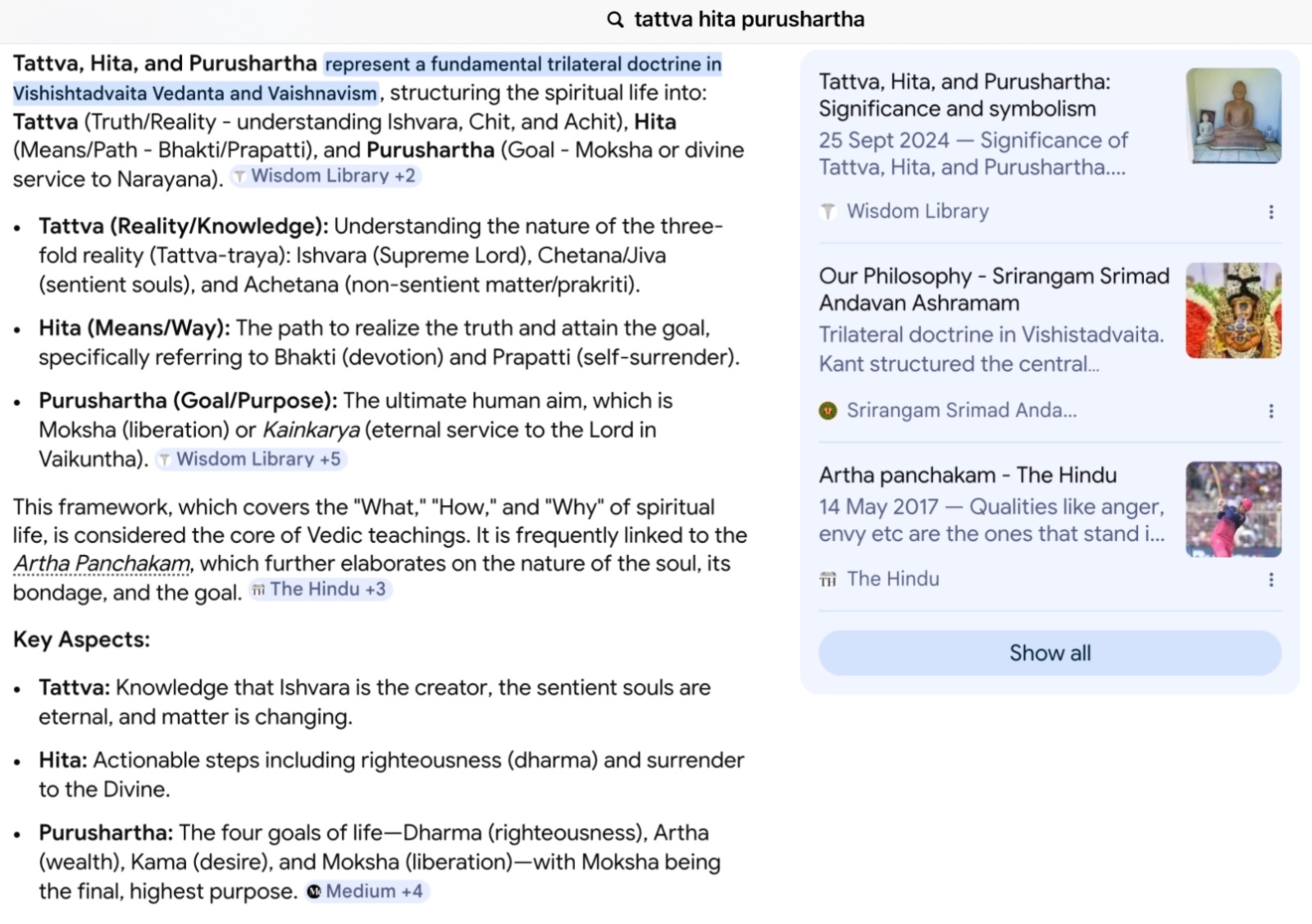
It differs from Advaita's absolute non-dualism by holding that the one Brahman exists in a qualified form, possessing internal distinctions (souls and matter). - Three Real Entities (Tattva):
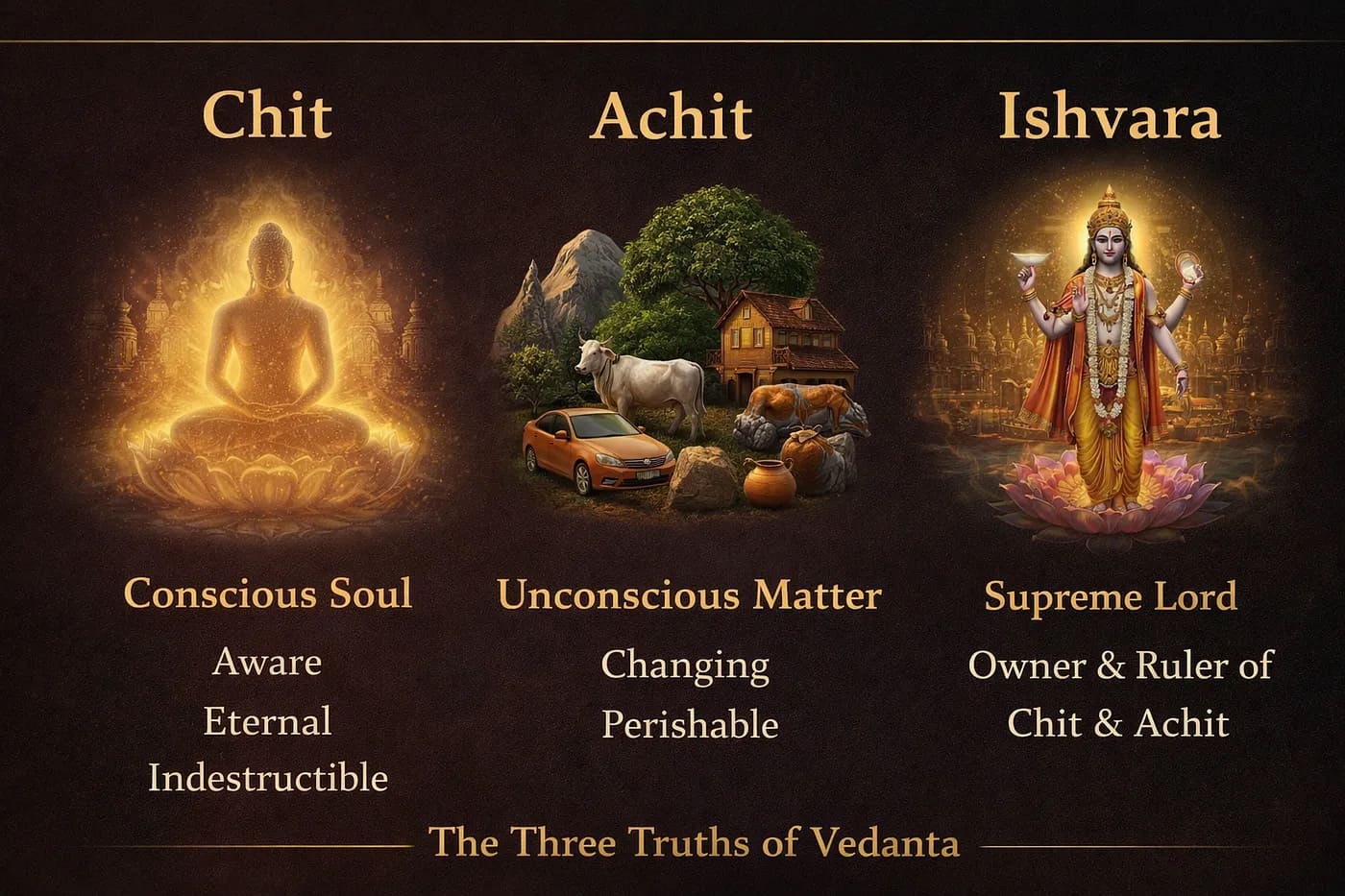
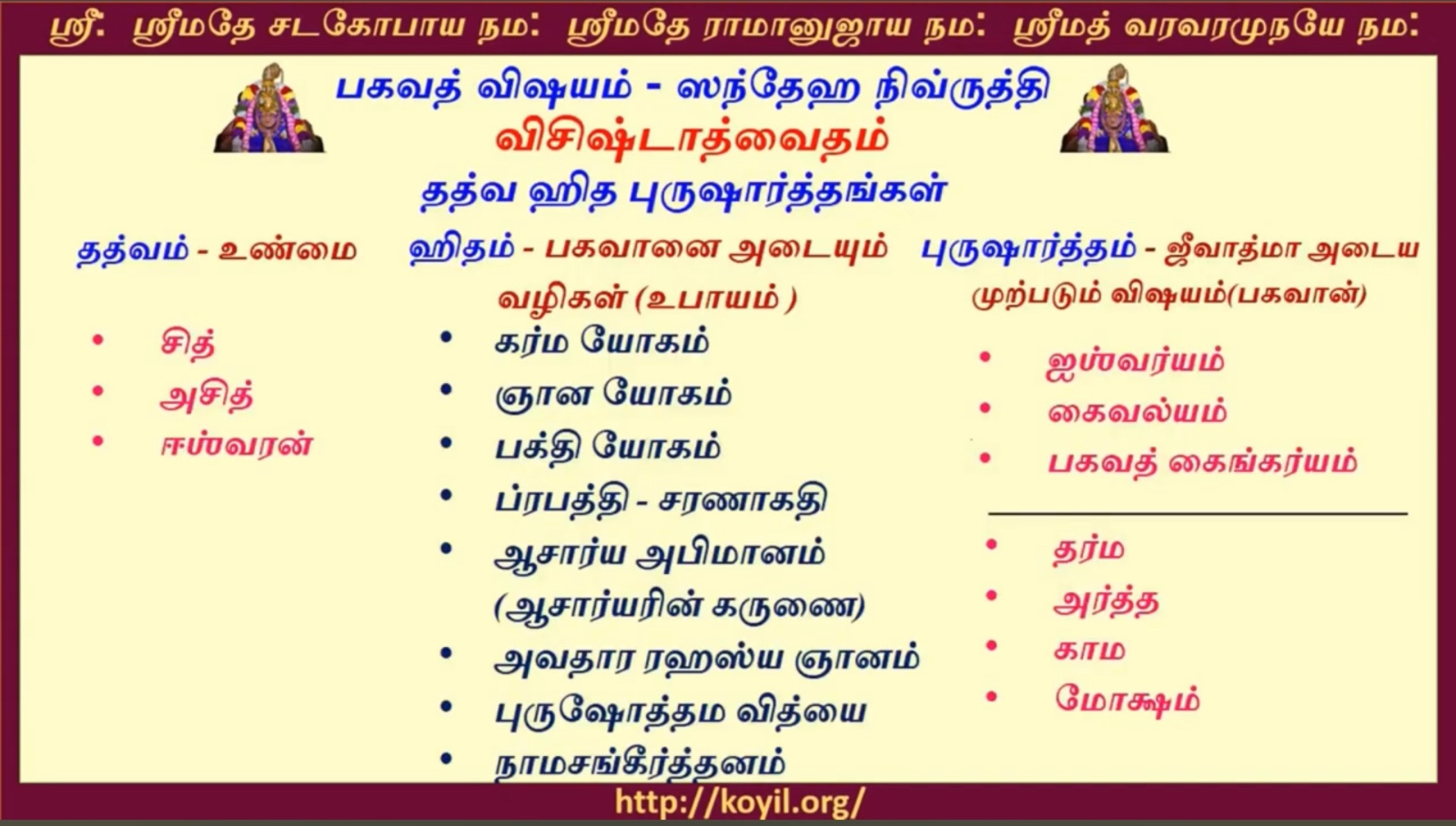
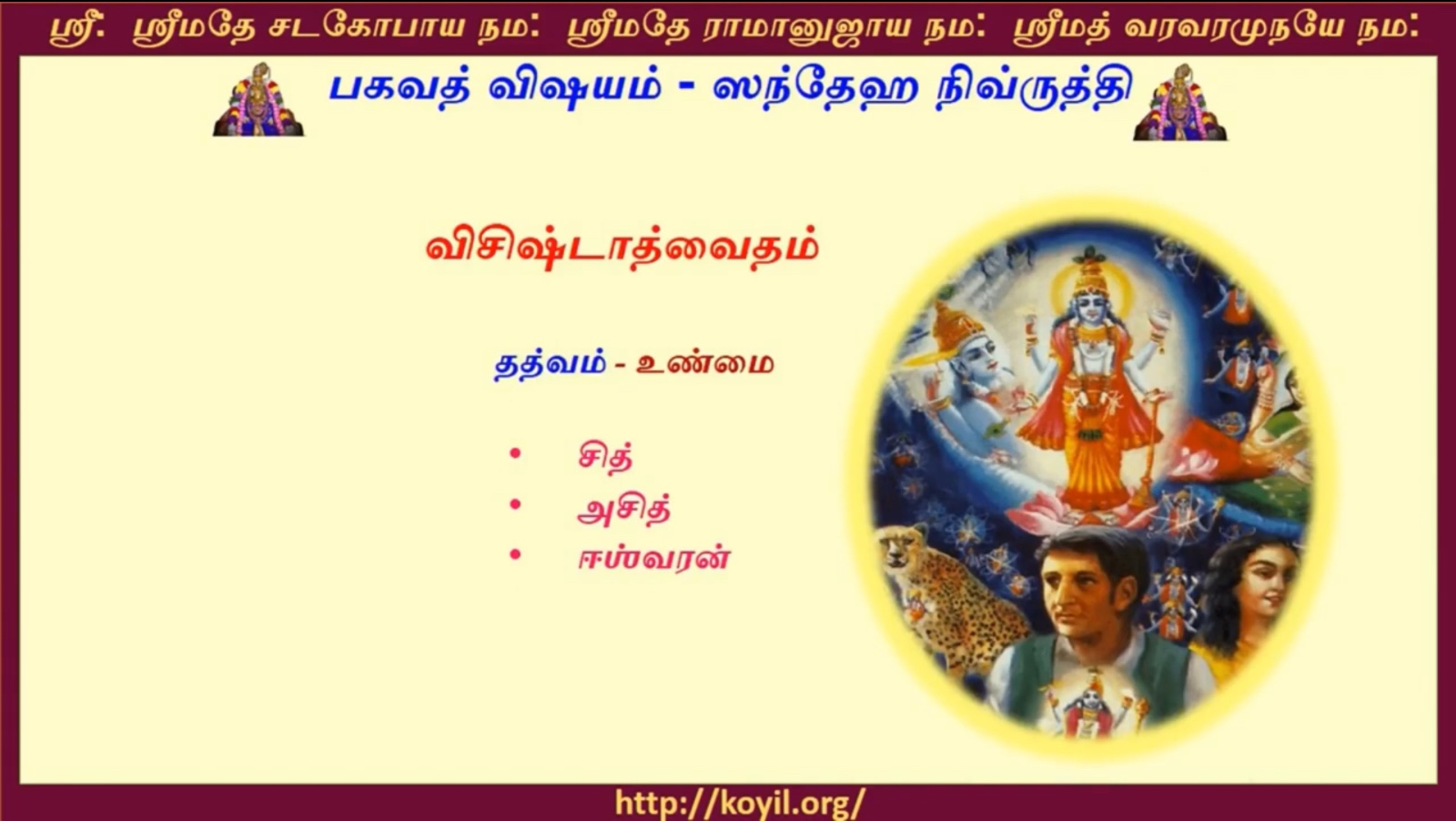
It recognizes three interconnected, real entities: Ishvara (controller/God), Jiva (sentient souls), and Achit (insentient matter). - Body-Soul Relationship:
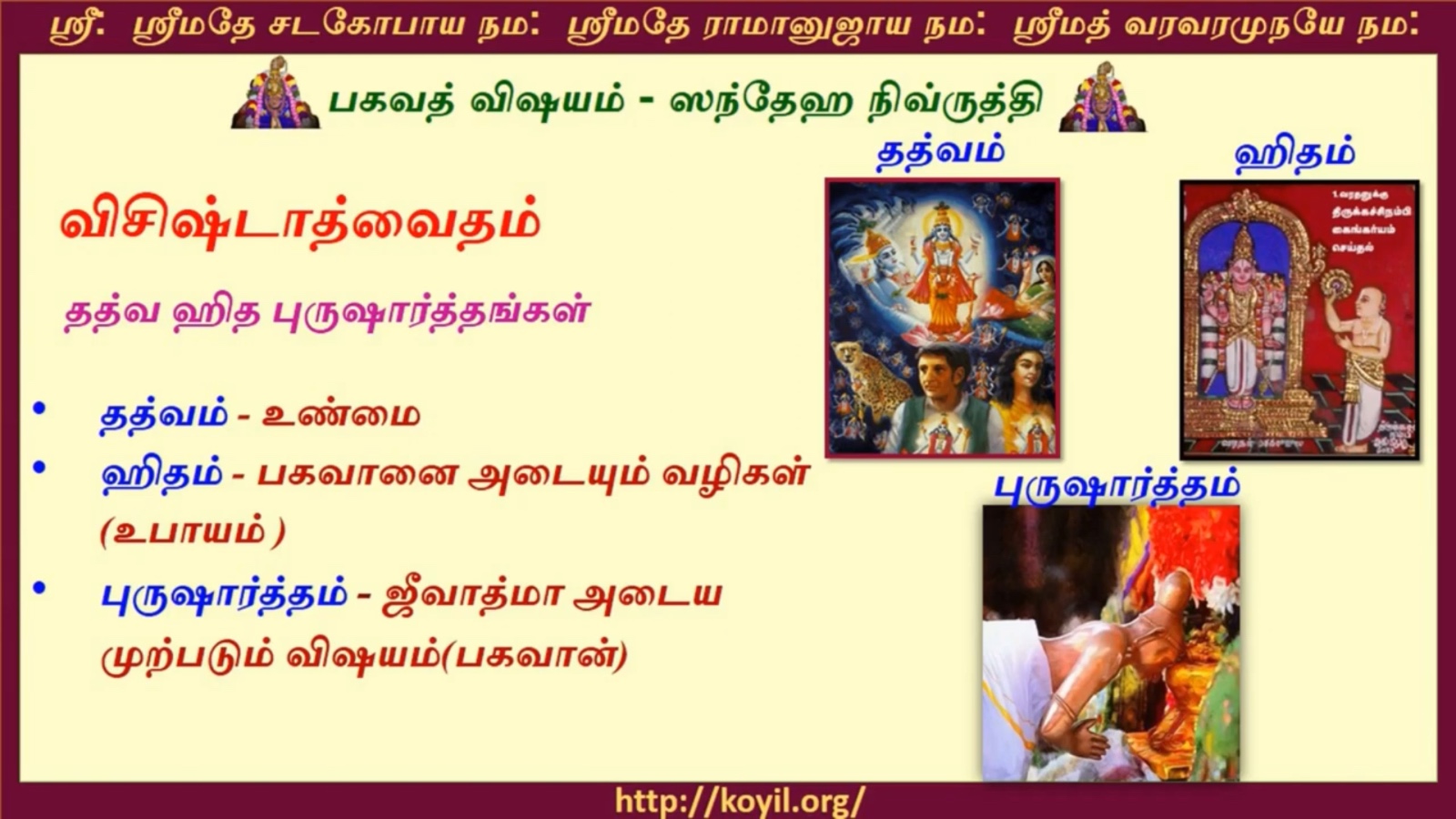
The relationship between Brahman and the universe is described as sarira-sariri (body-soul), where the cosmos is the body of God. - Path to Liberation (Hita):
Liberation (Moksha) is achieved through Bhakti (devotion) and Prapatti (complete self-surrender), not just knowledge. - Rejection of Illusion:
The world is considered real, not a manifestation of maya (illusion).
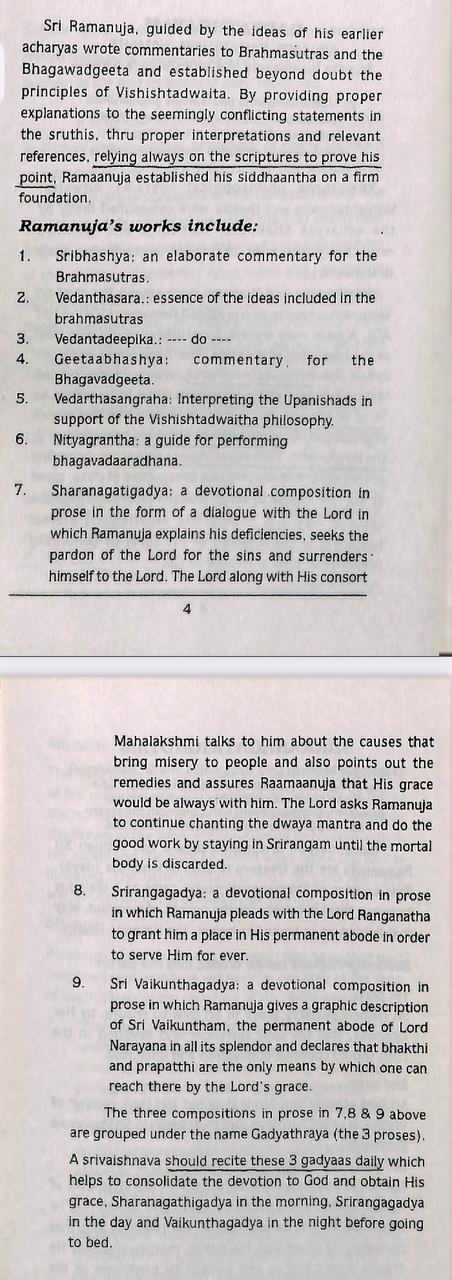
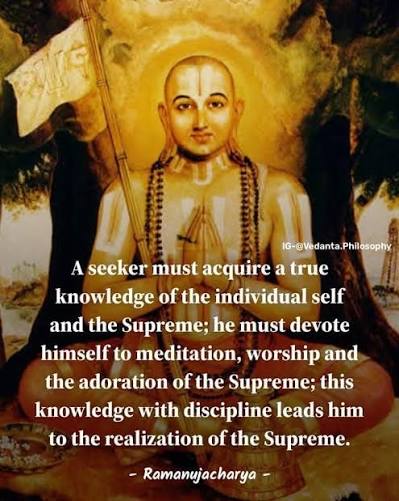
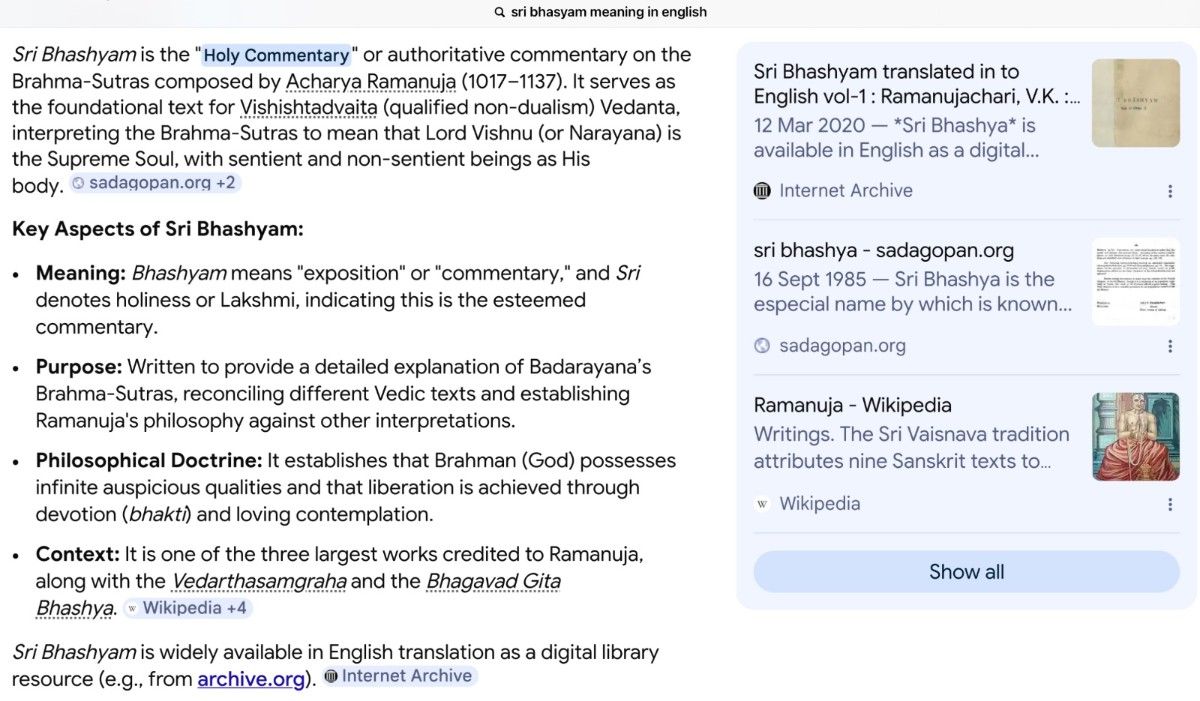
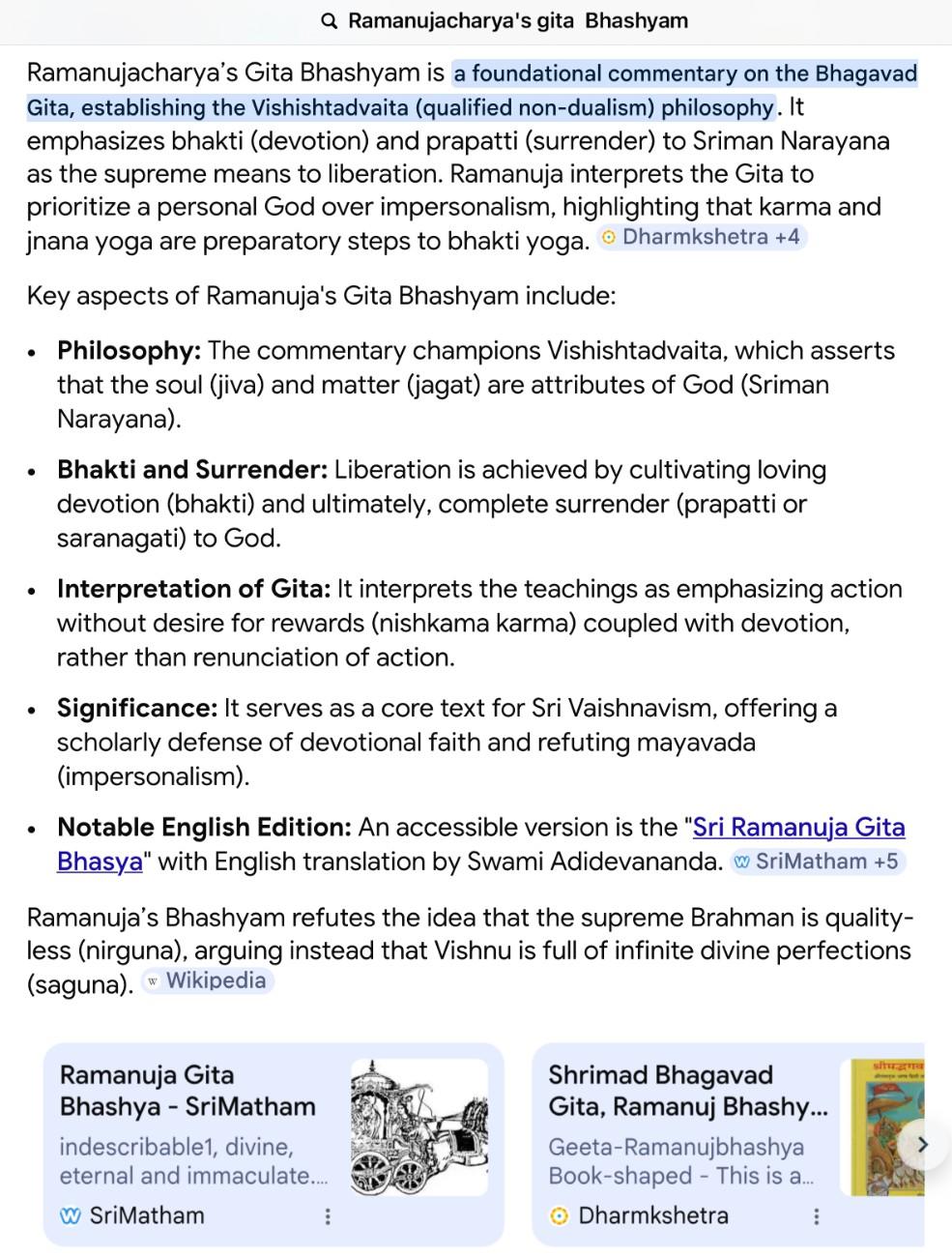
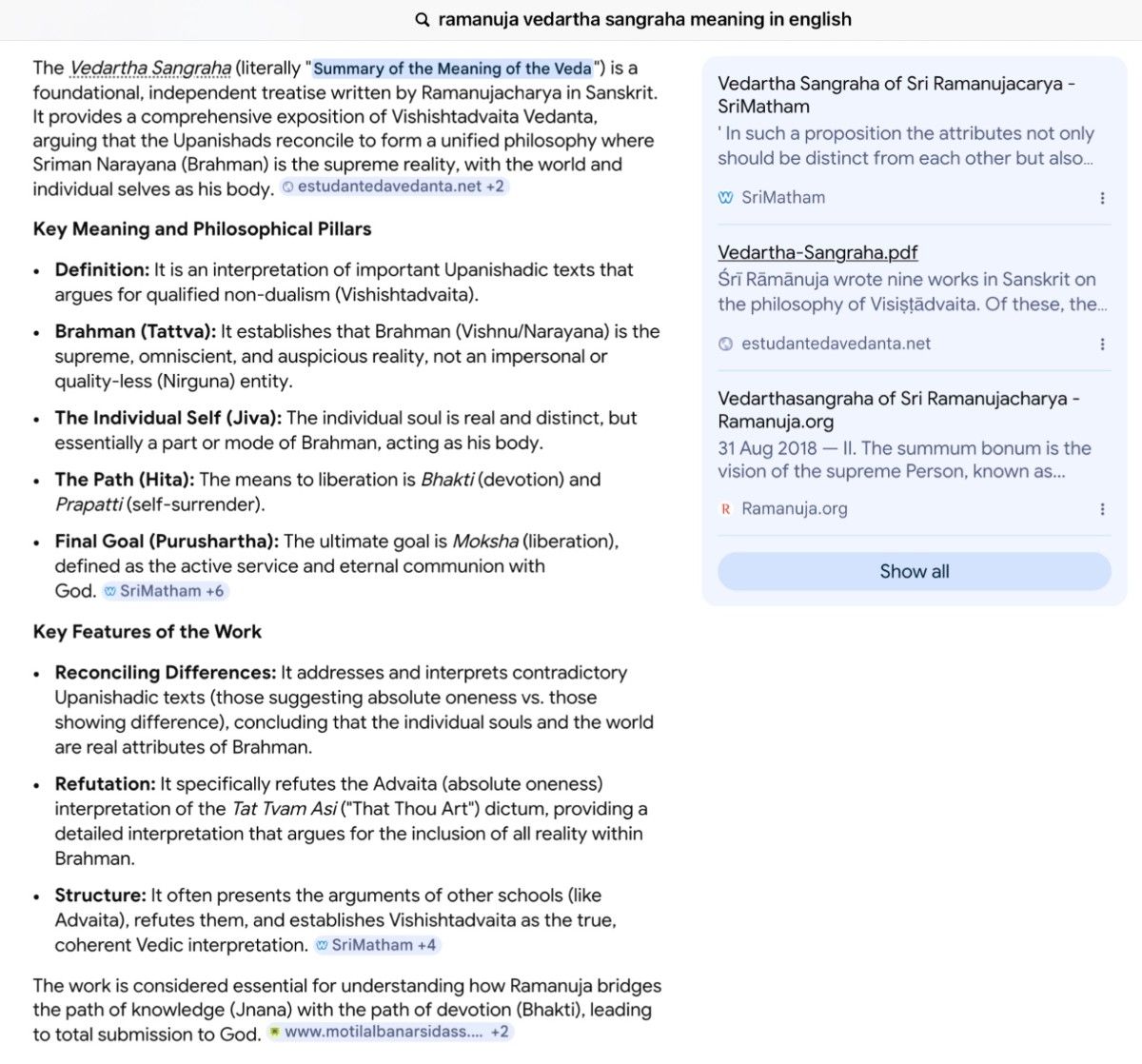
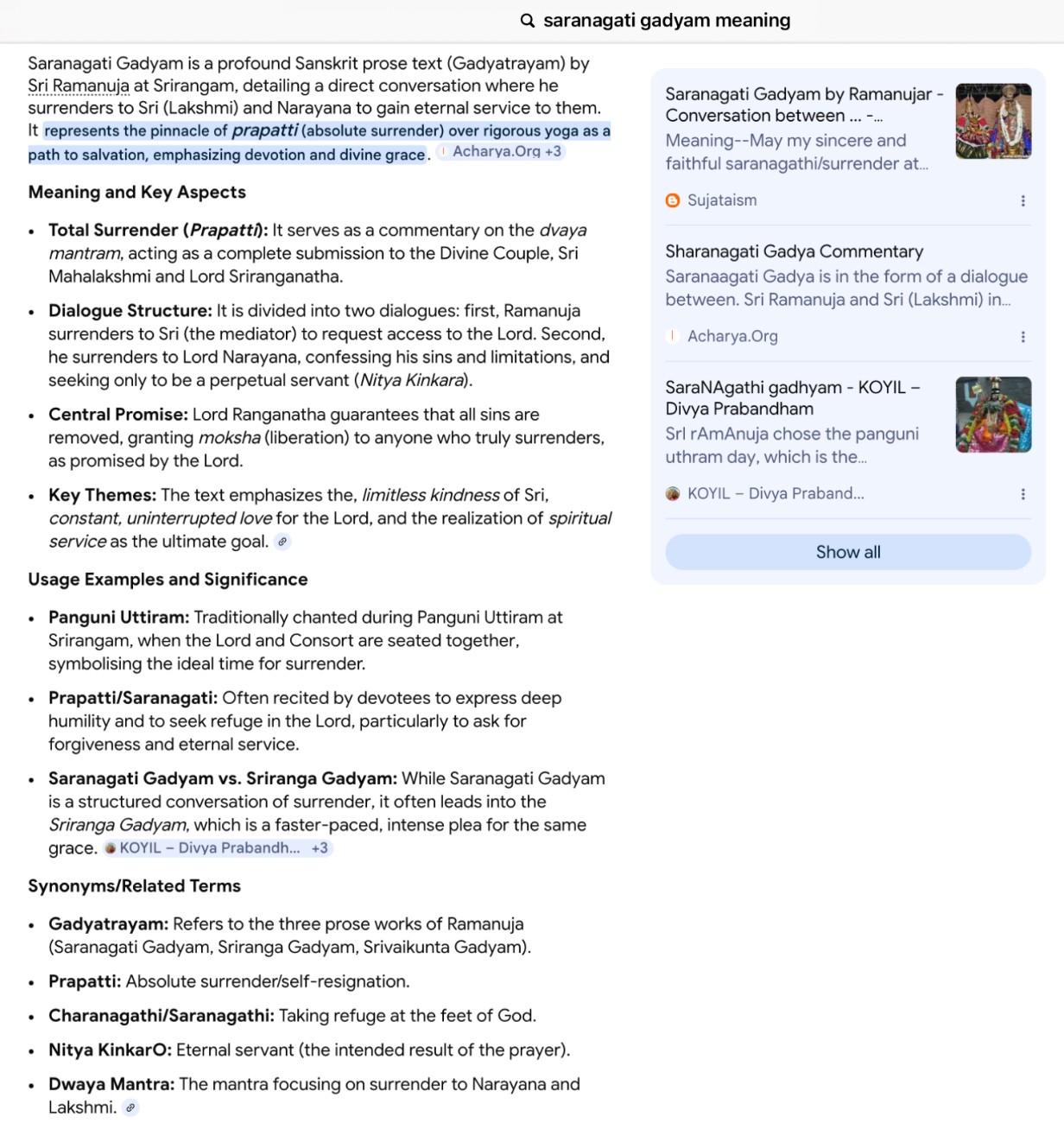
Ramanuja developed this system to synthesize the Upanishads, Brahma Sutras, and the Bhagavadgita, acting as a bridge between absolute monism and duality, providing a deeply theistic, personal, and devotional approach to God.
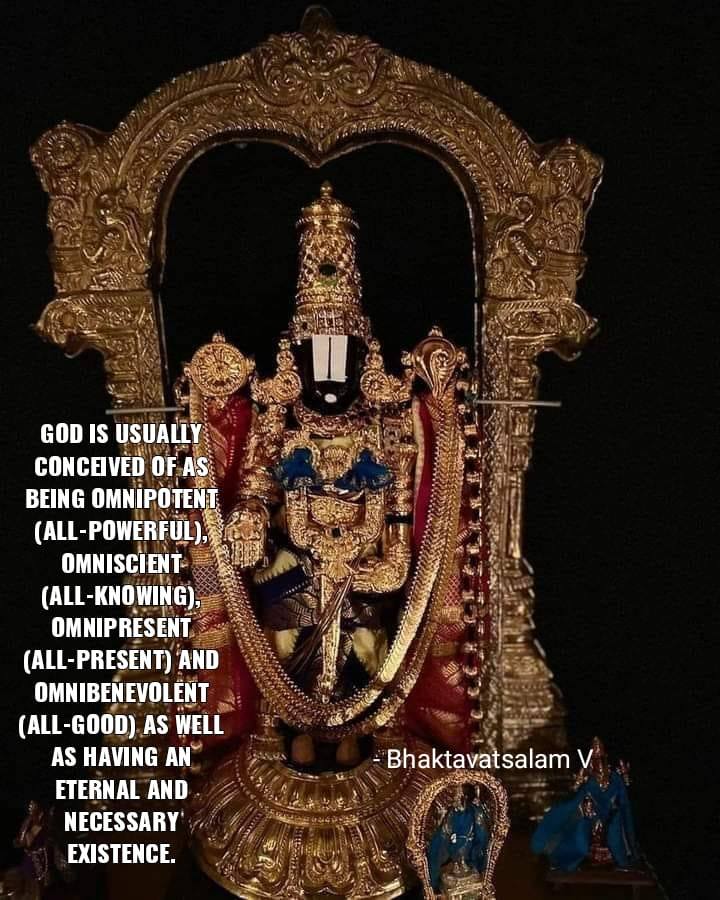
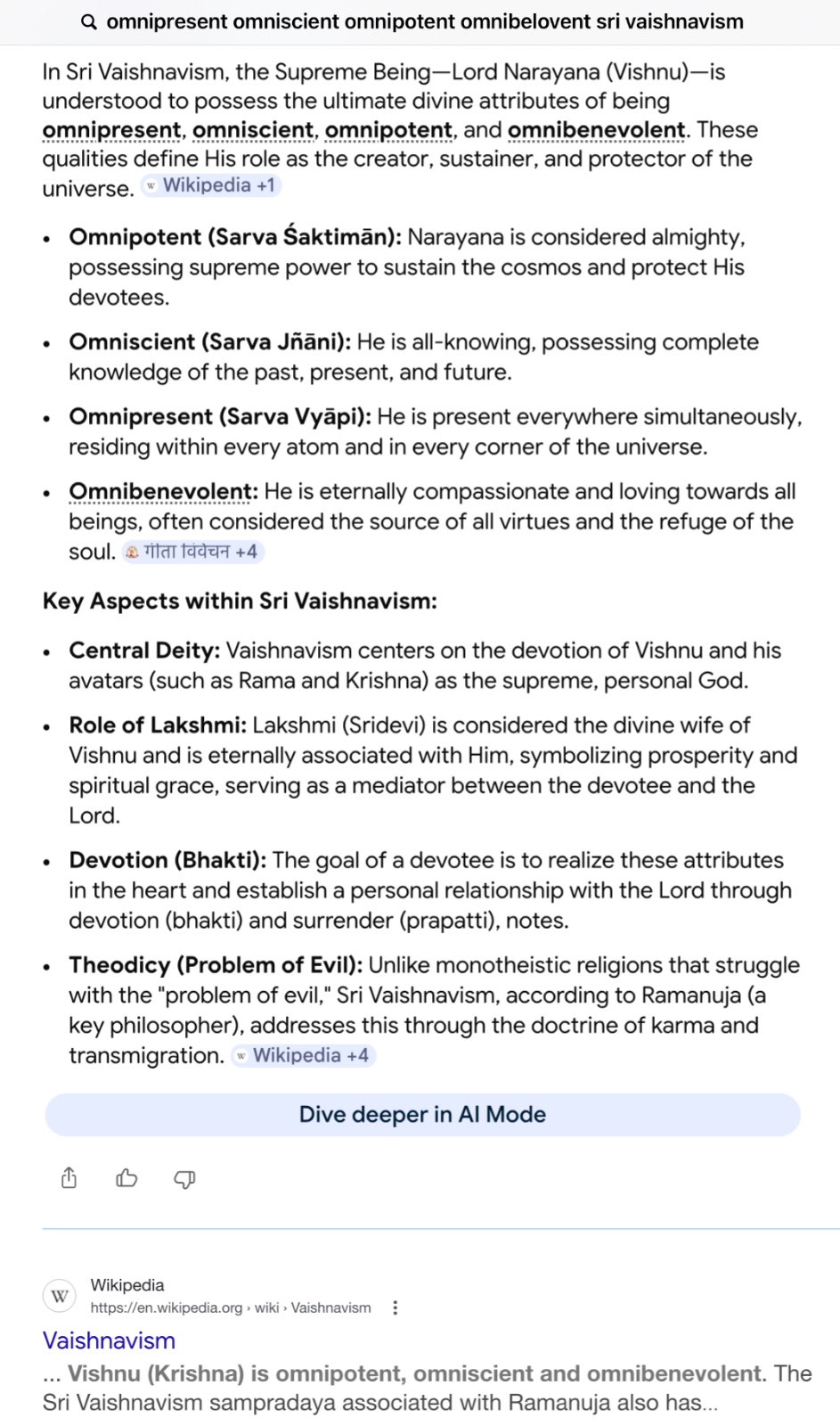
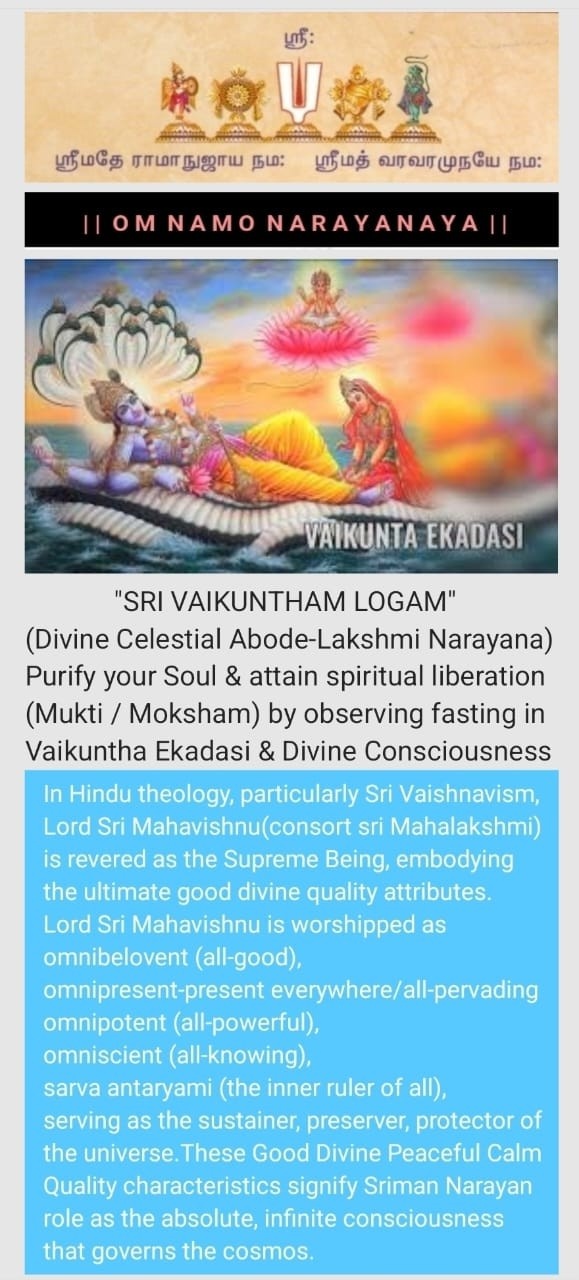
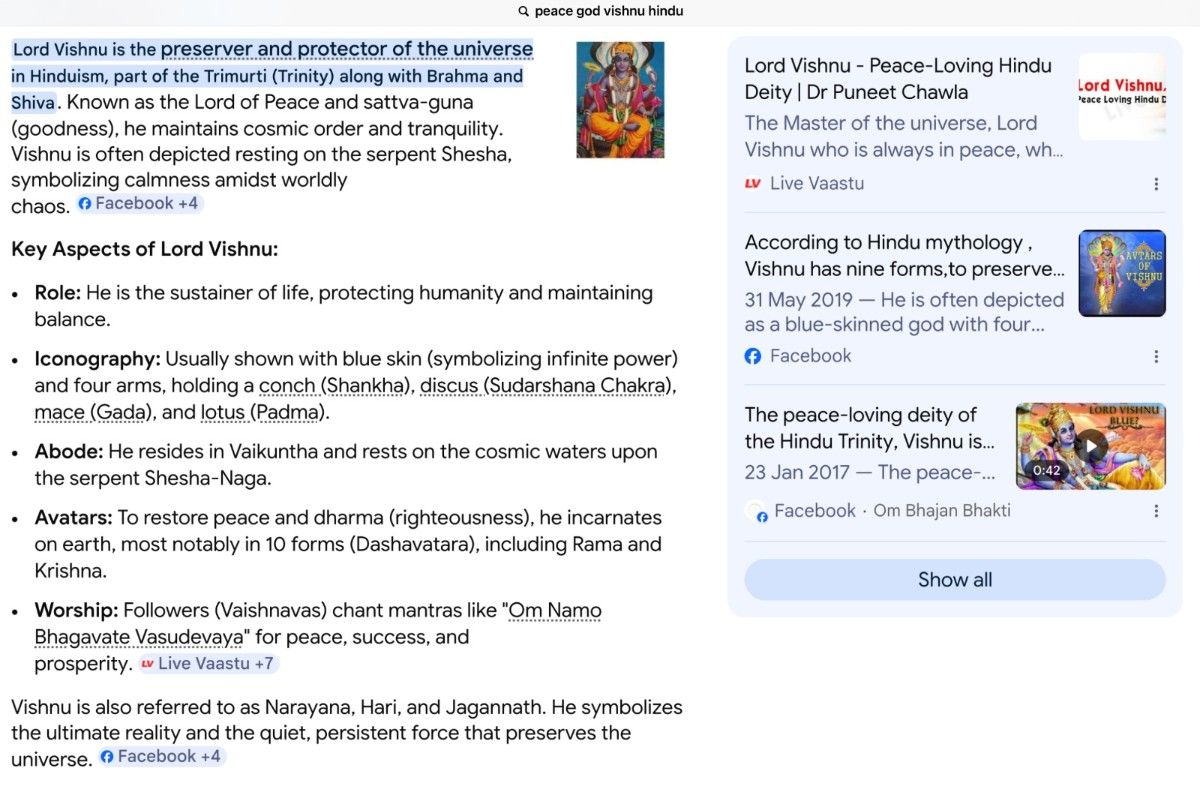
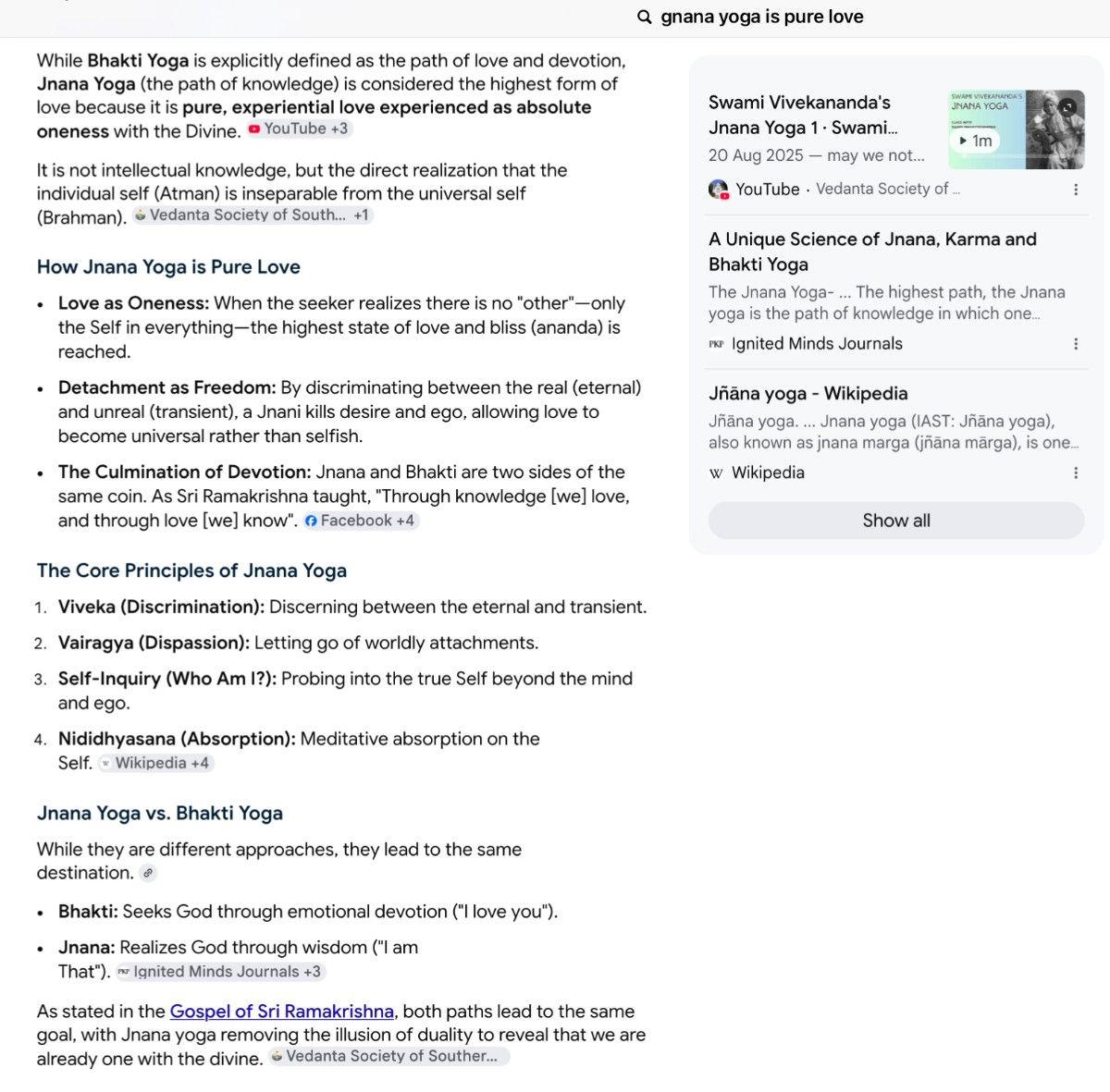
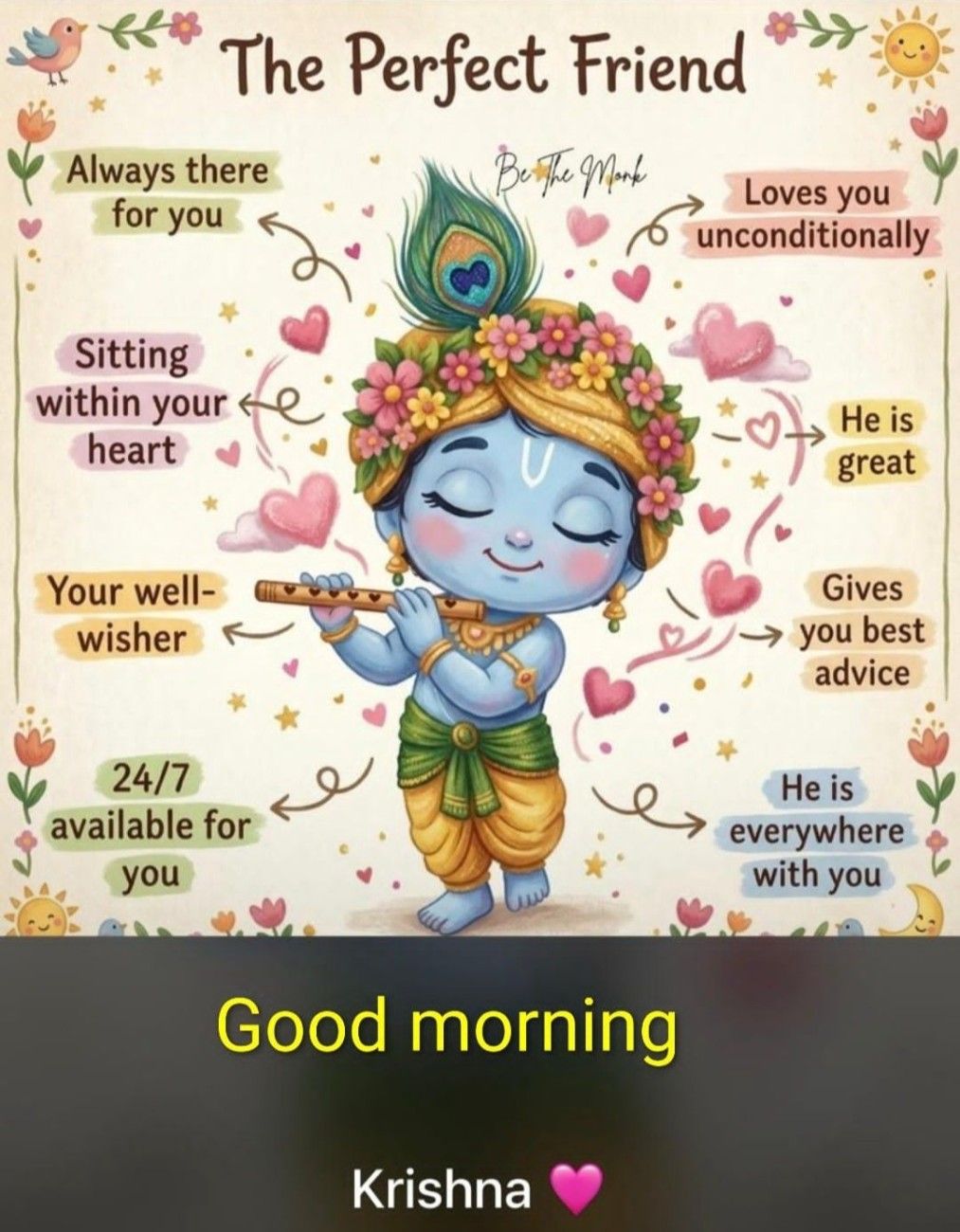
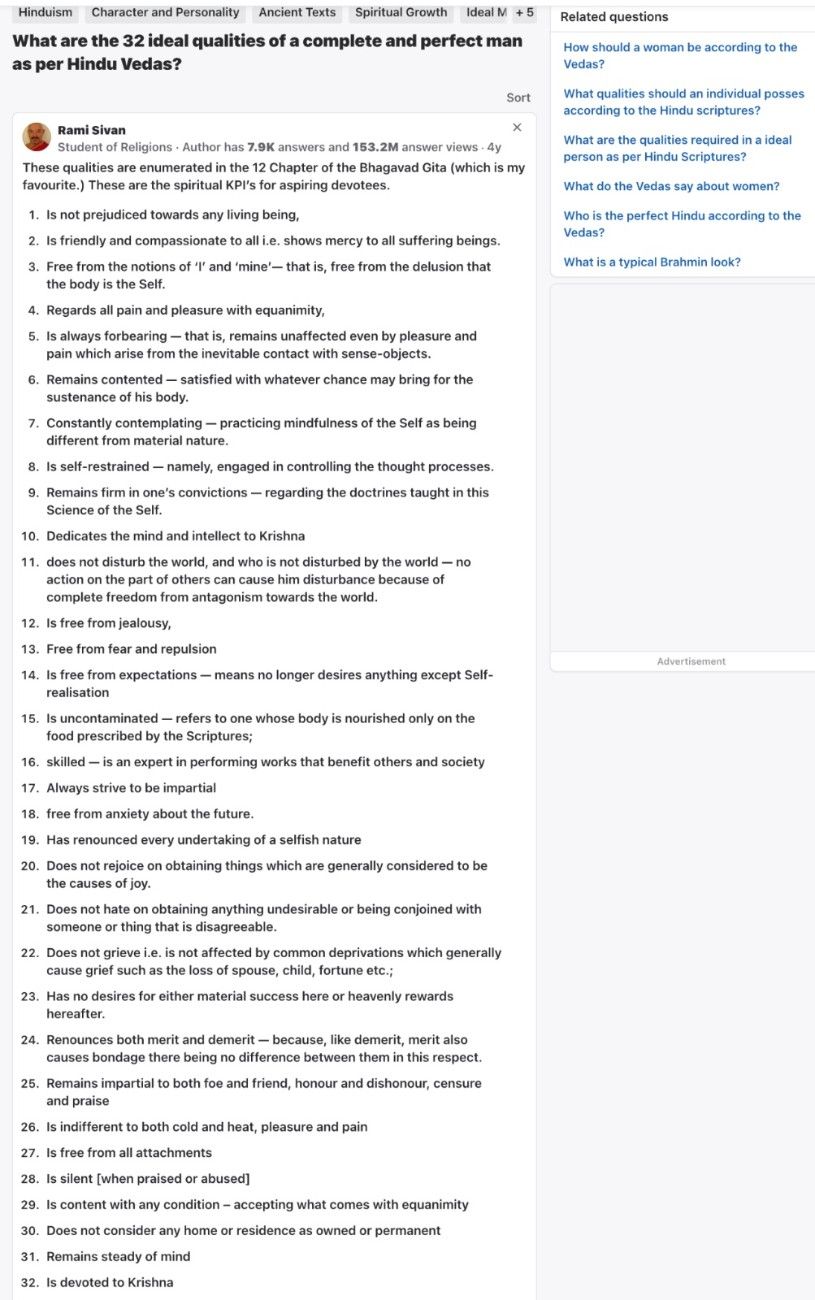
In Hindu theology, particularly Sri Vaishnavism, Lord Sri Vishnu is revered as the Supreme Being, embodying the ultimate divine attributes. He is worshipped as omnibelovent (all-good), omnipresent (present everywhere/all-pervading), omnipotent (all-powerful), and omniscient (all-knowing), serving as the sustainer and preserver of the universe. These good quality characteristics signify Sriman Narayan role as the absolute, infinite consciousness that governs the cosmos.
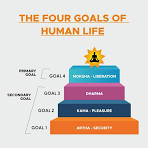
The Ultimate Goal (Purushartha):
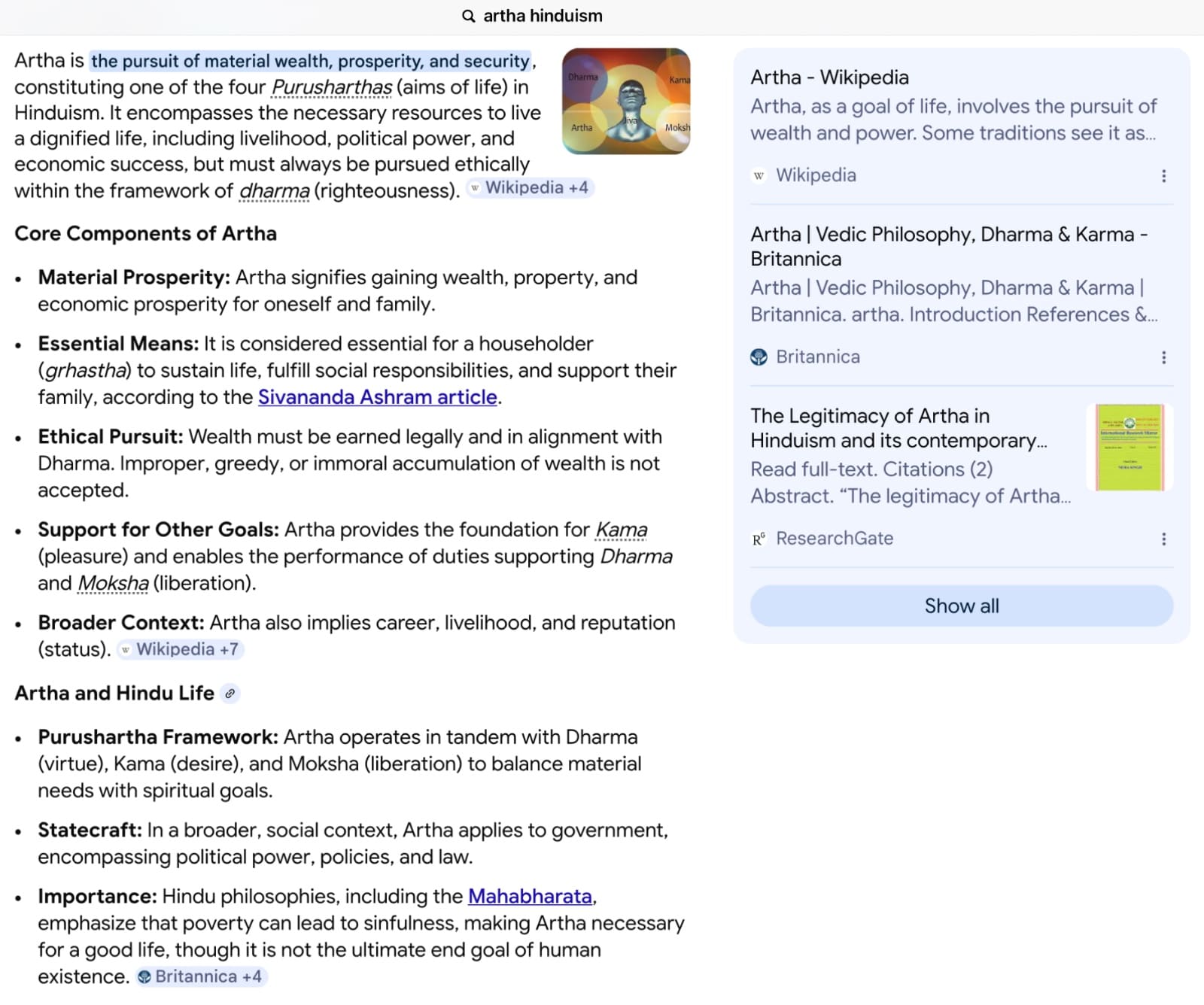
Purushartha defines what a human being ought to seek:
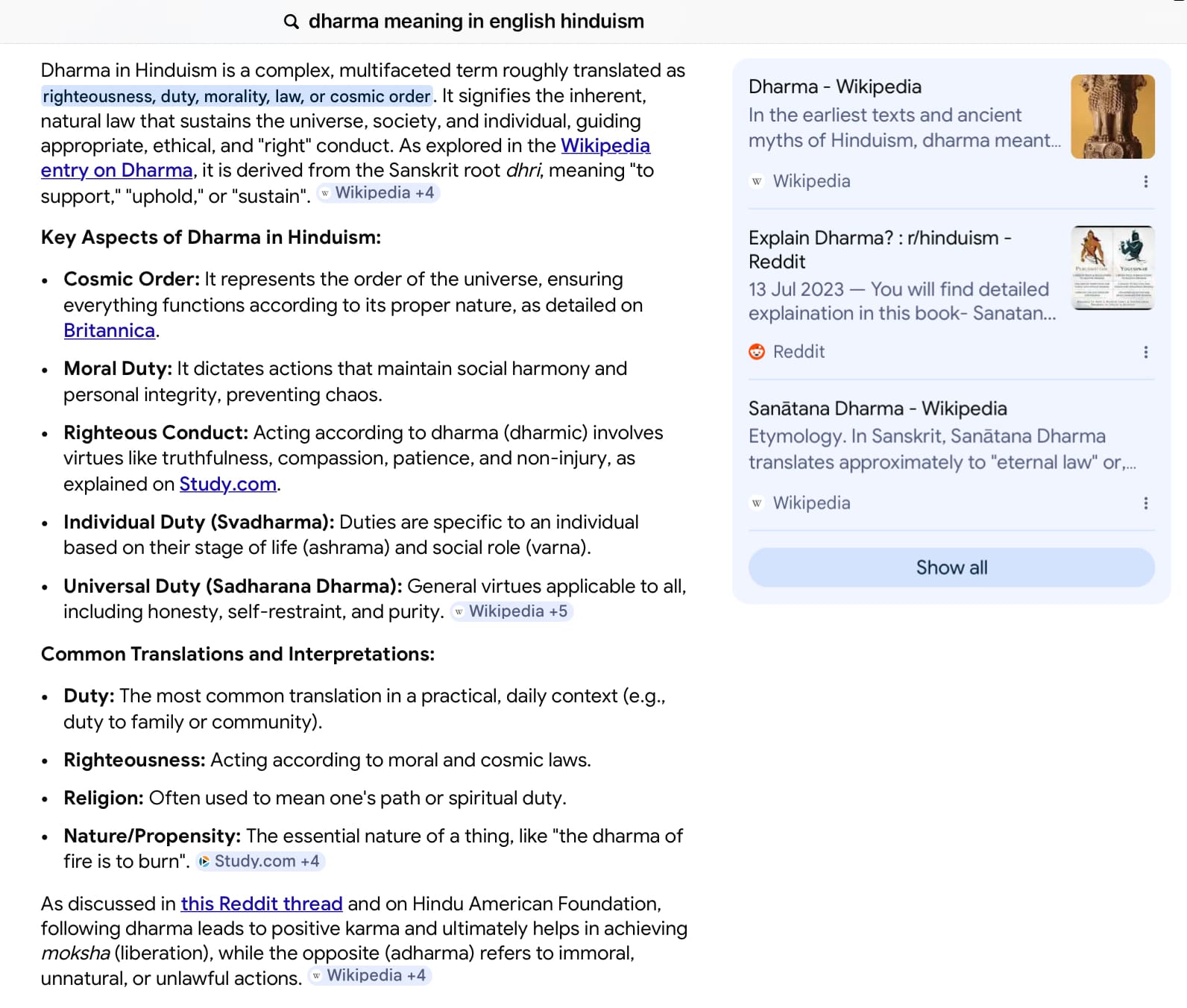
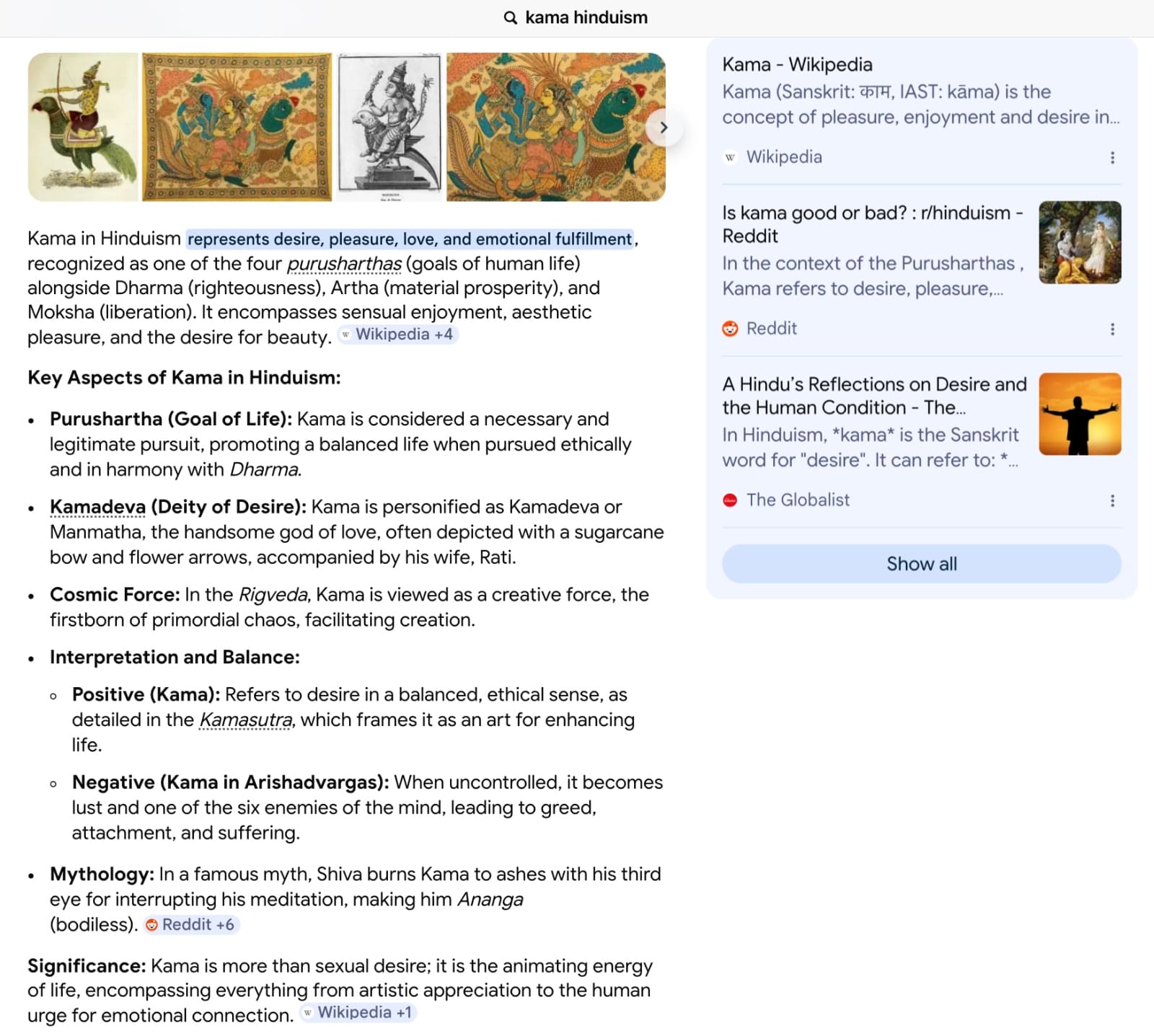
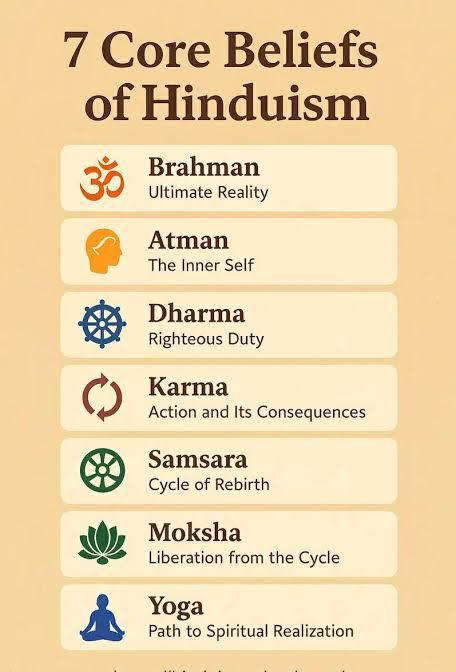
- Dharma, Artha, and Kāma:
Good Righteousness, material wealth, and legitimate desires, which act as a baseline for human life. - Moksham (Mukti):
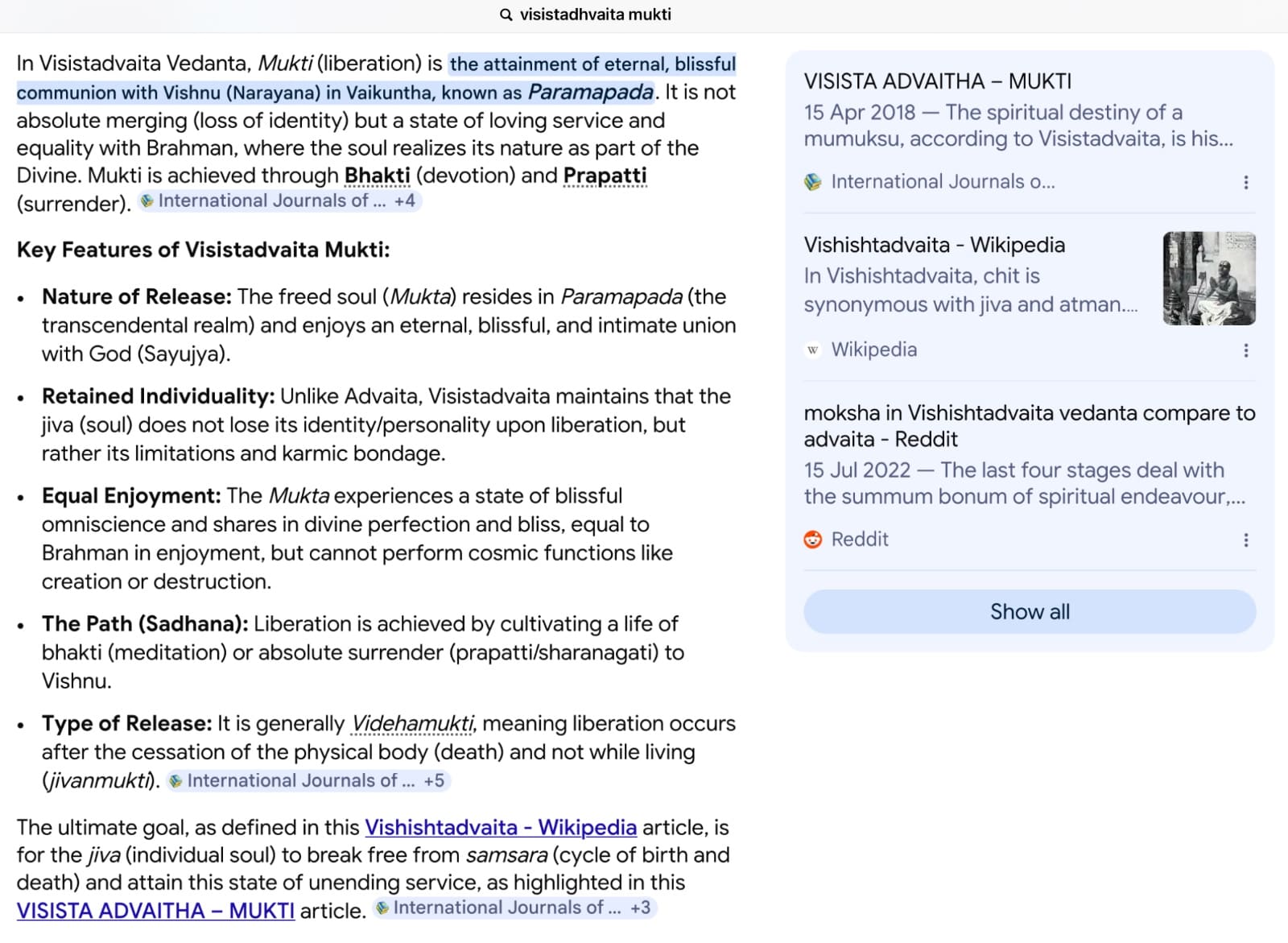
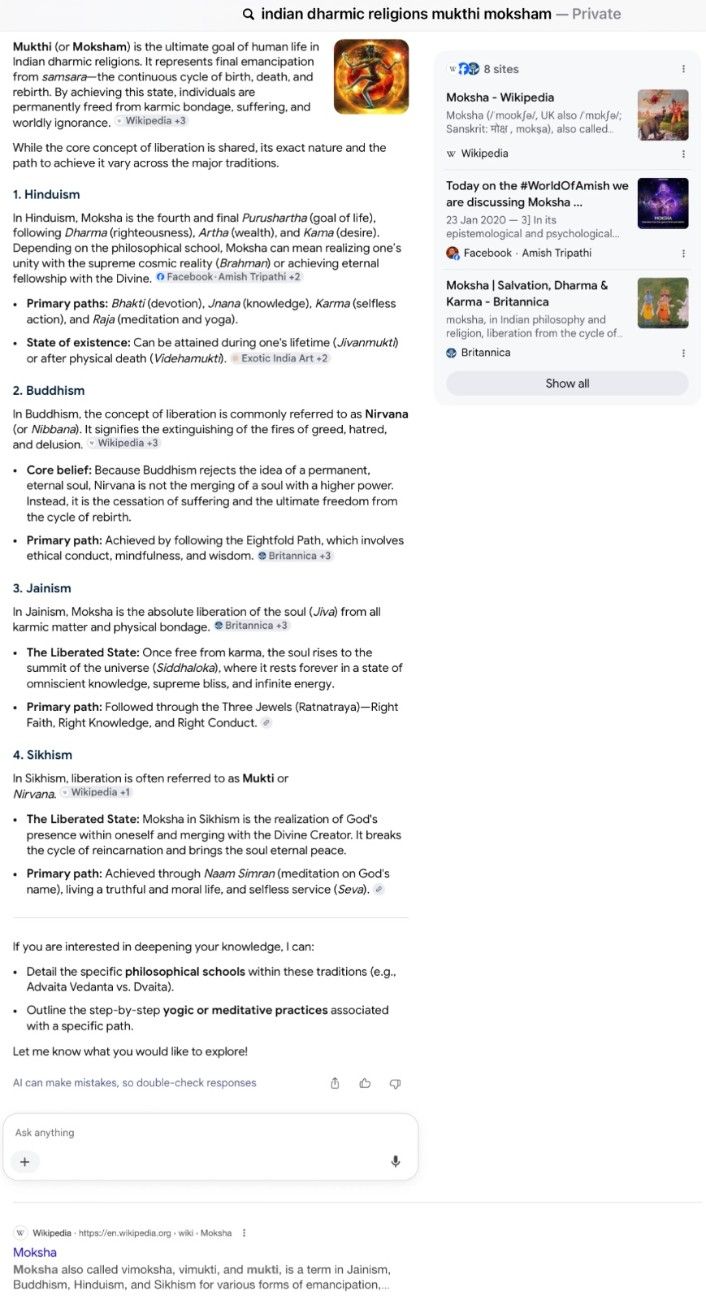
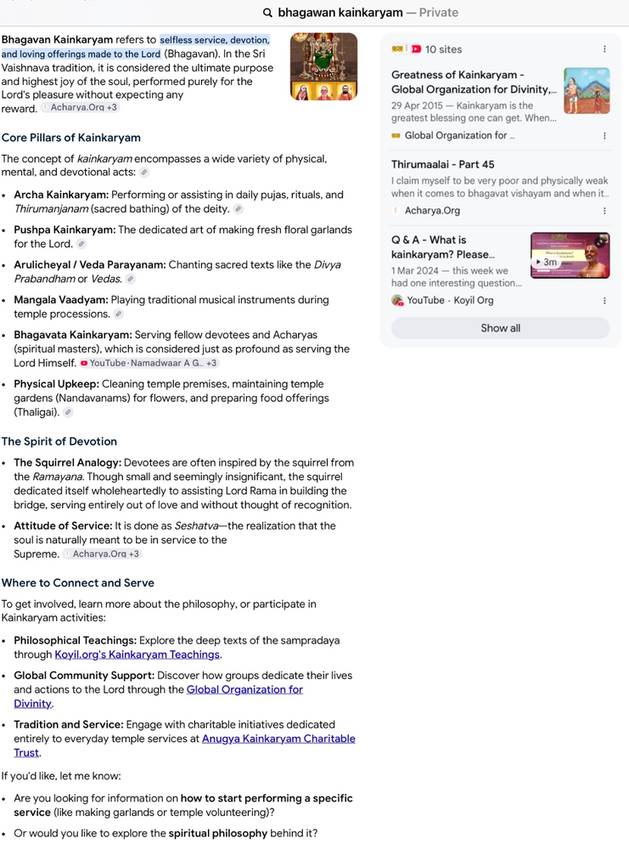
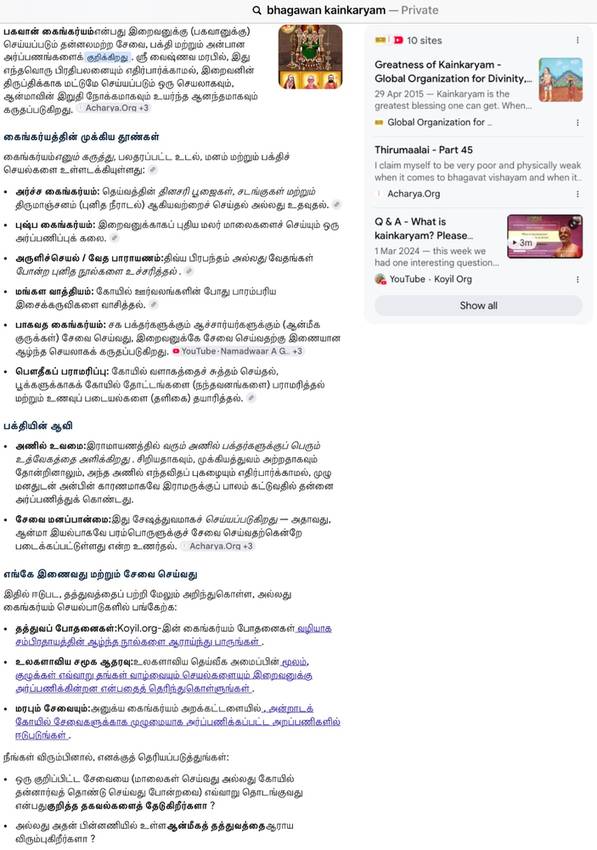
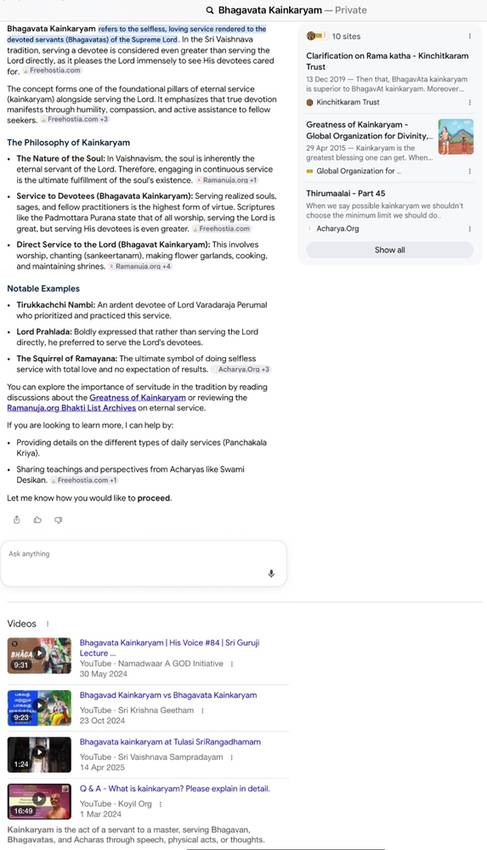
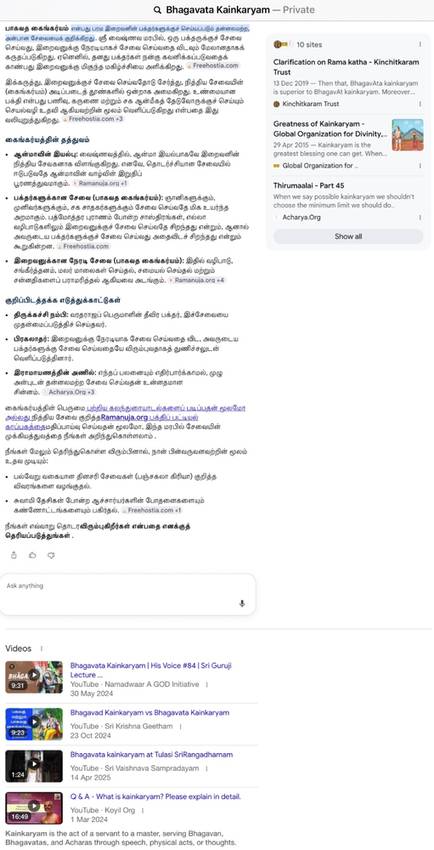
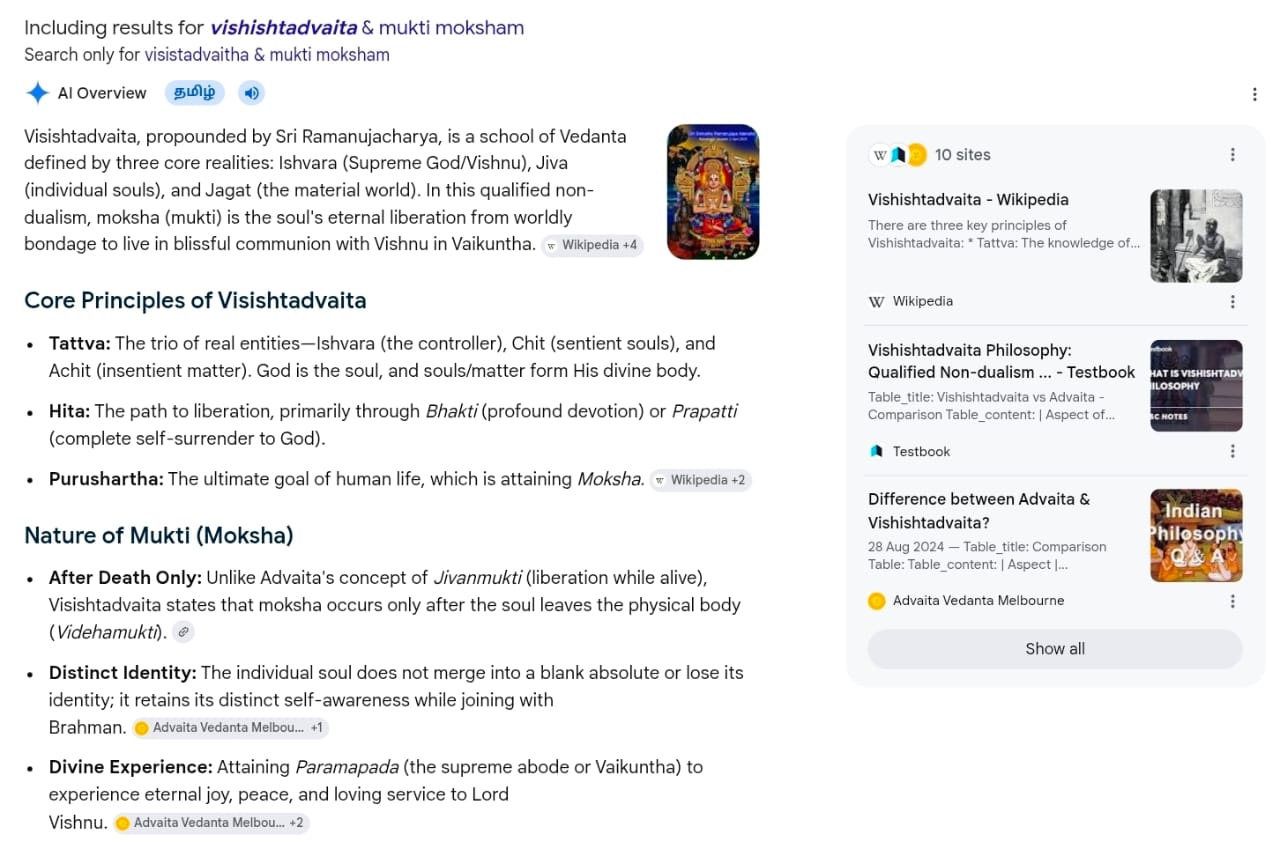
The ultimate liberation where the individual soul is freed from the cycle of rebirth (samsara) and reaches the supreme abode (Sri Vaikuntham-Divine Abode of Sri Lakshmi Narayanan) to engage in eternal, blissful service (kainkarya) to Parabrahman while retaining its individual identity.
Sri Vaishnavism -Visistadhvaitam
Sri Vaishnavism - videos

Sri Venkateswara Suprabhatam
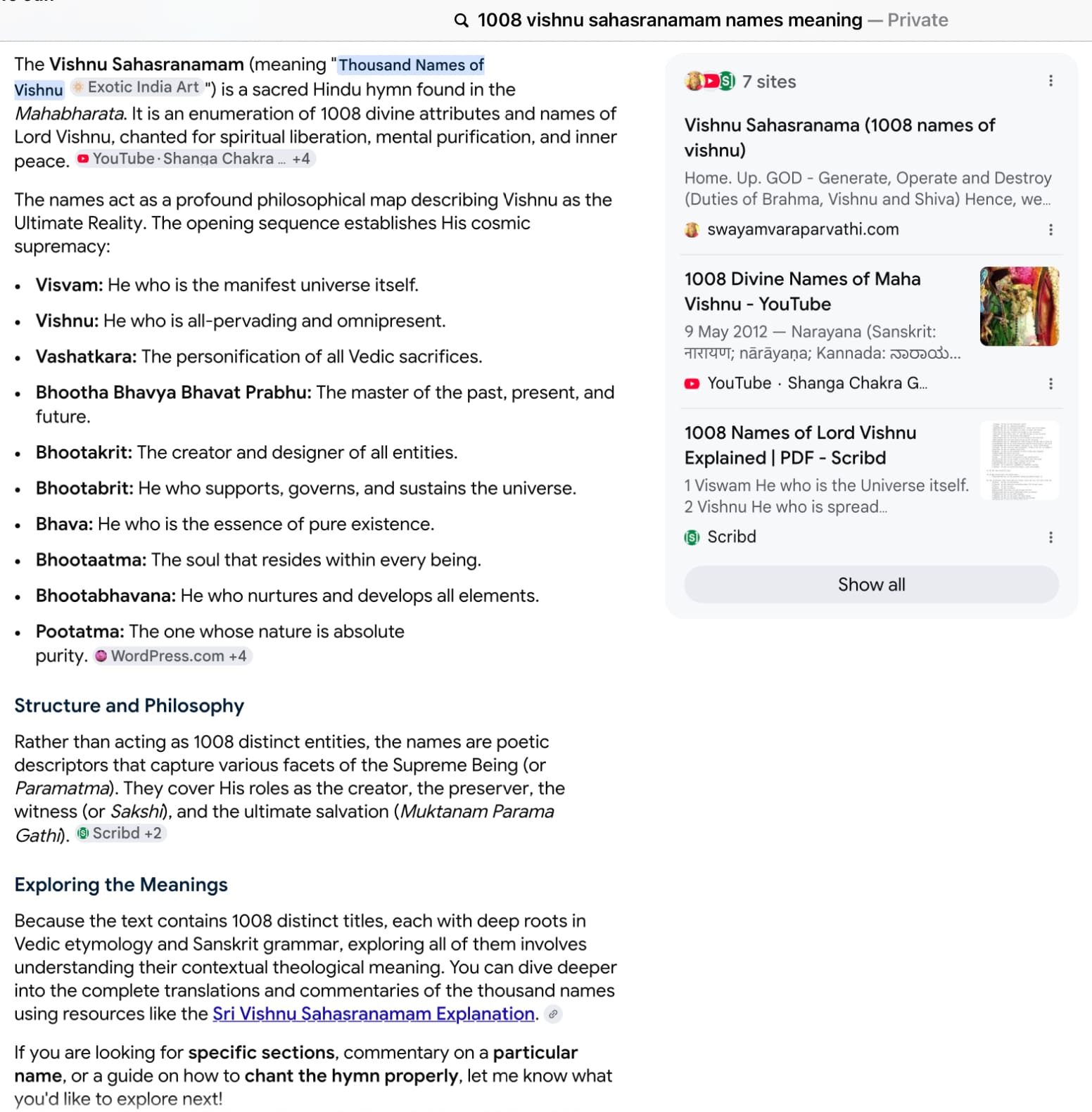
Vishnu Sahasranamam
Bhaja Govindam
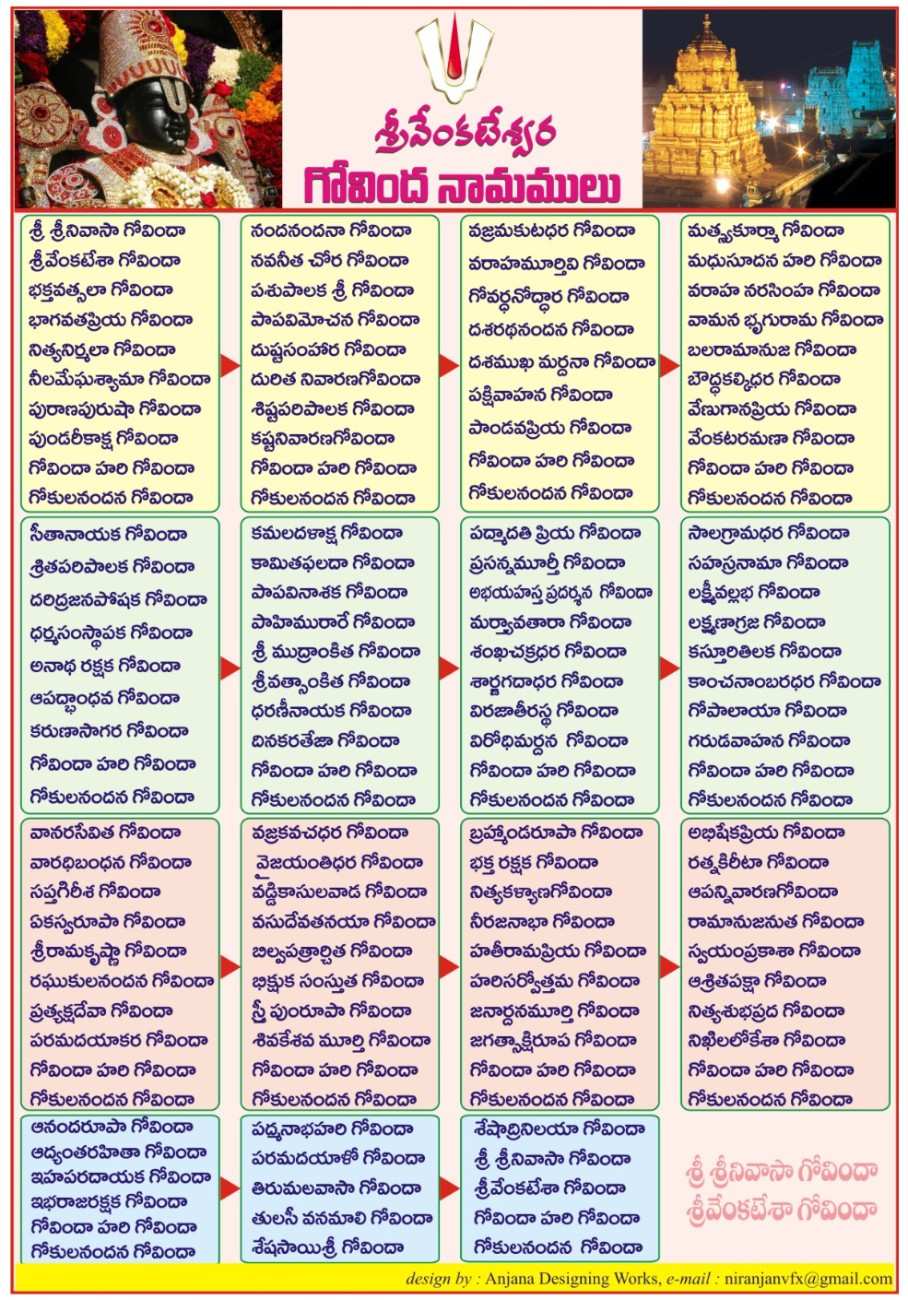
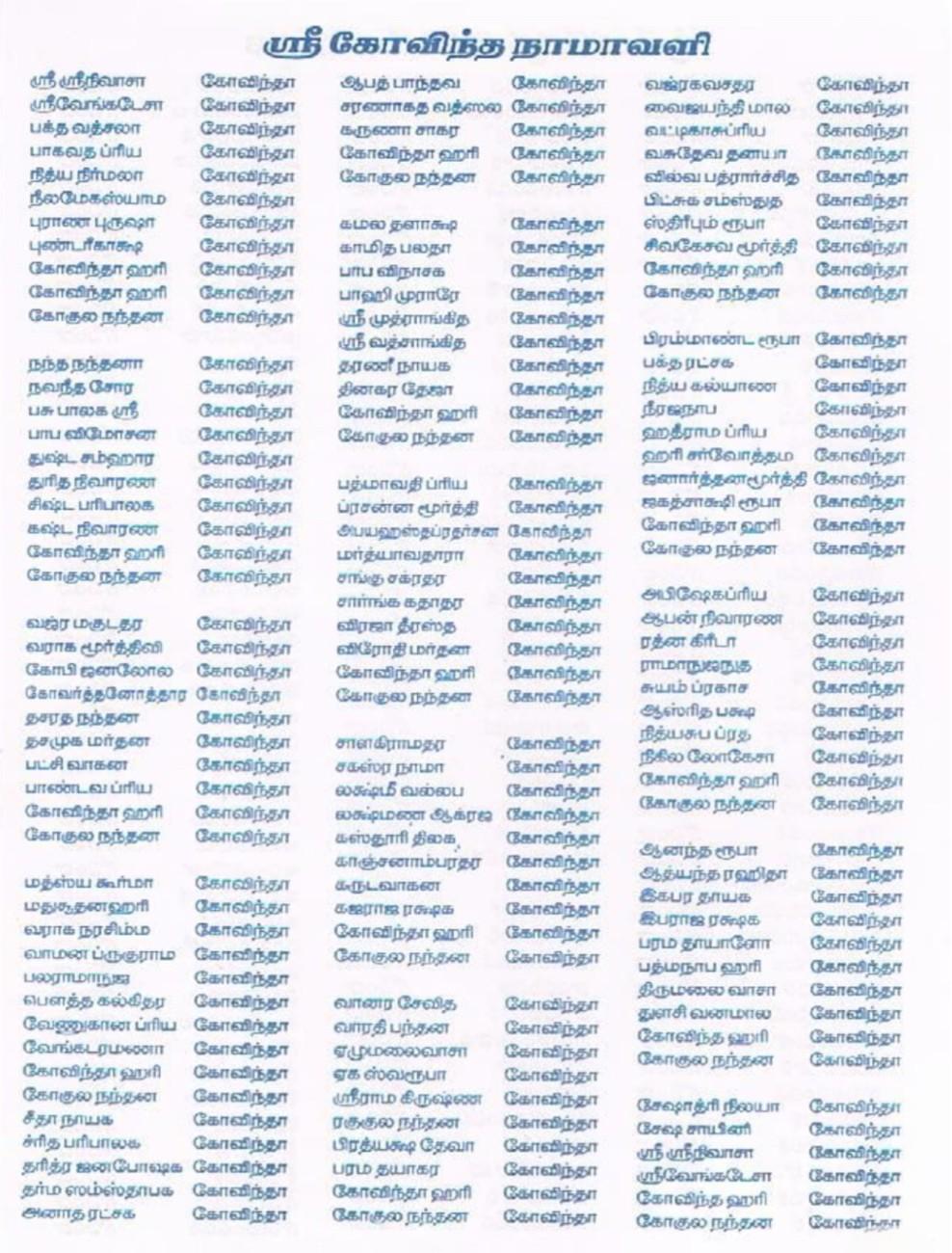
Govinda Namalu
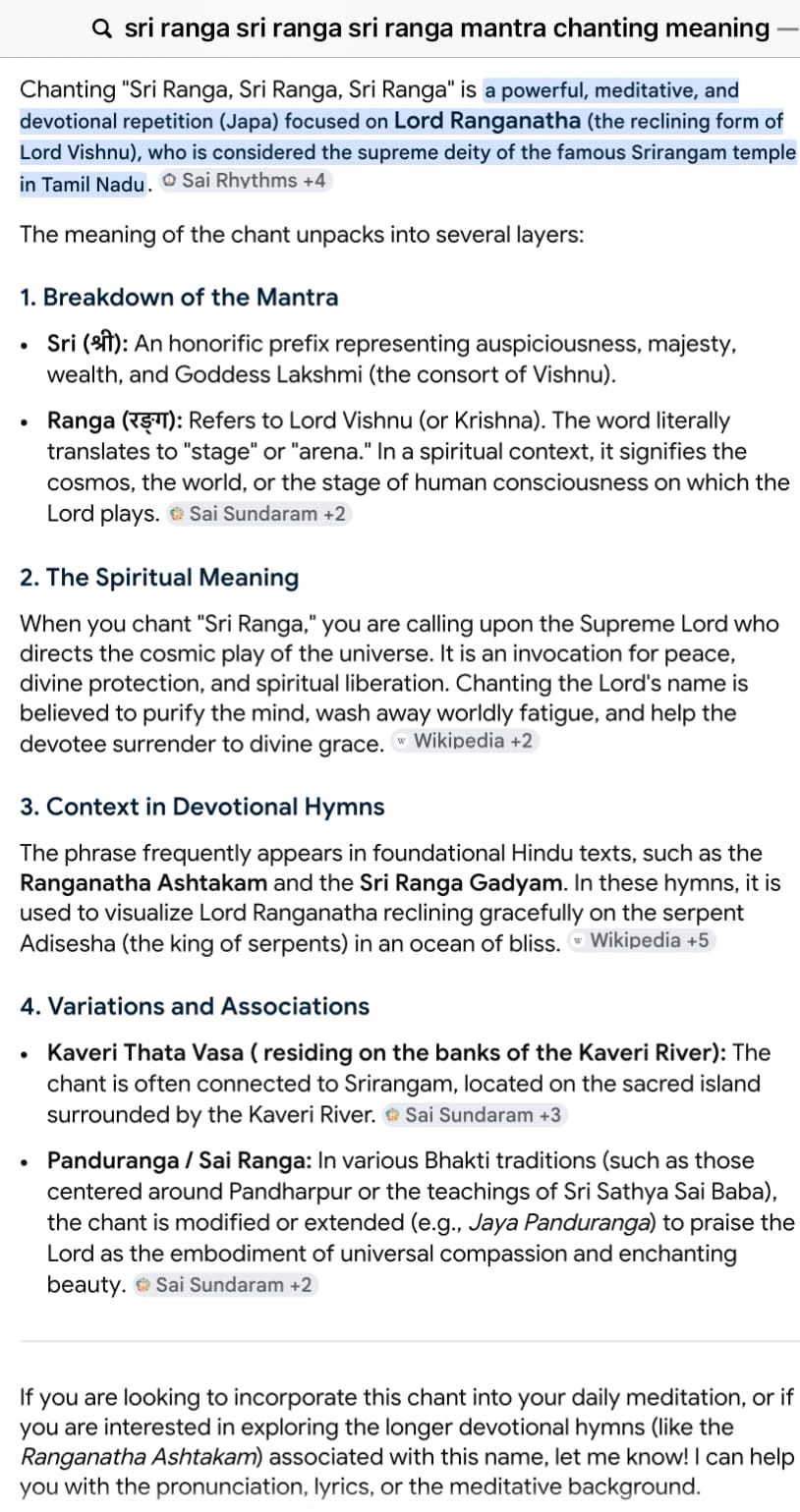
Sri Ranganaathane
Annamayya Krithis
Sriman Narayana
TTD-Brahmotsavam Song
Purusha Suktham(God Sri Mahavishnu)
Shri Suktham(Goddess Sri Mahalakshmi)
75 Divine Songs-MS Subbulakshmi-Part 1
Top 75 Songs-MS Subbulakshmi-Part 2
Pallandu Pallandu Palakodi Noorayiram:
Paasurams (Nalayira Divya Prabandham)
Nalayira Divya Prabandham-1
Nalayira Divya Prabandham-2
Aandal Thiruppavai
Srimath Bhagavatham
Sri Vishnu Puranam
Sri Sita Kavacham
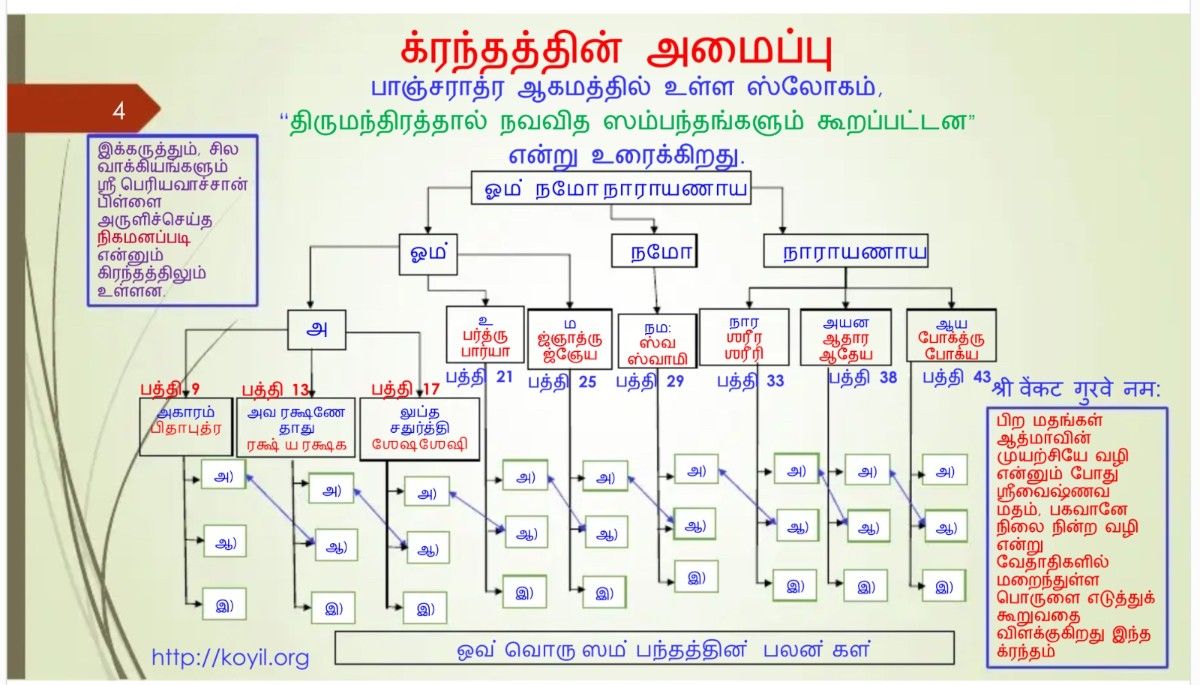
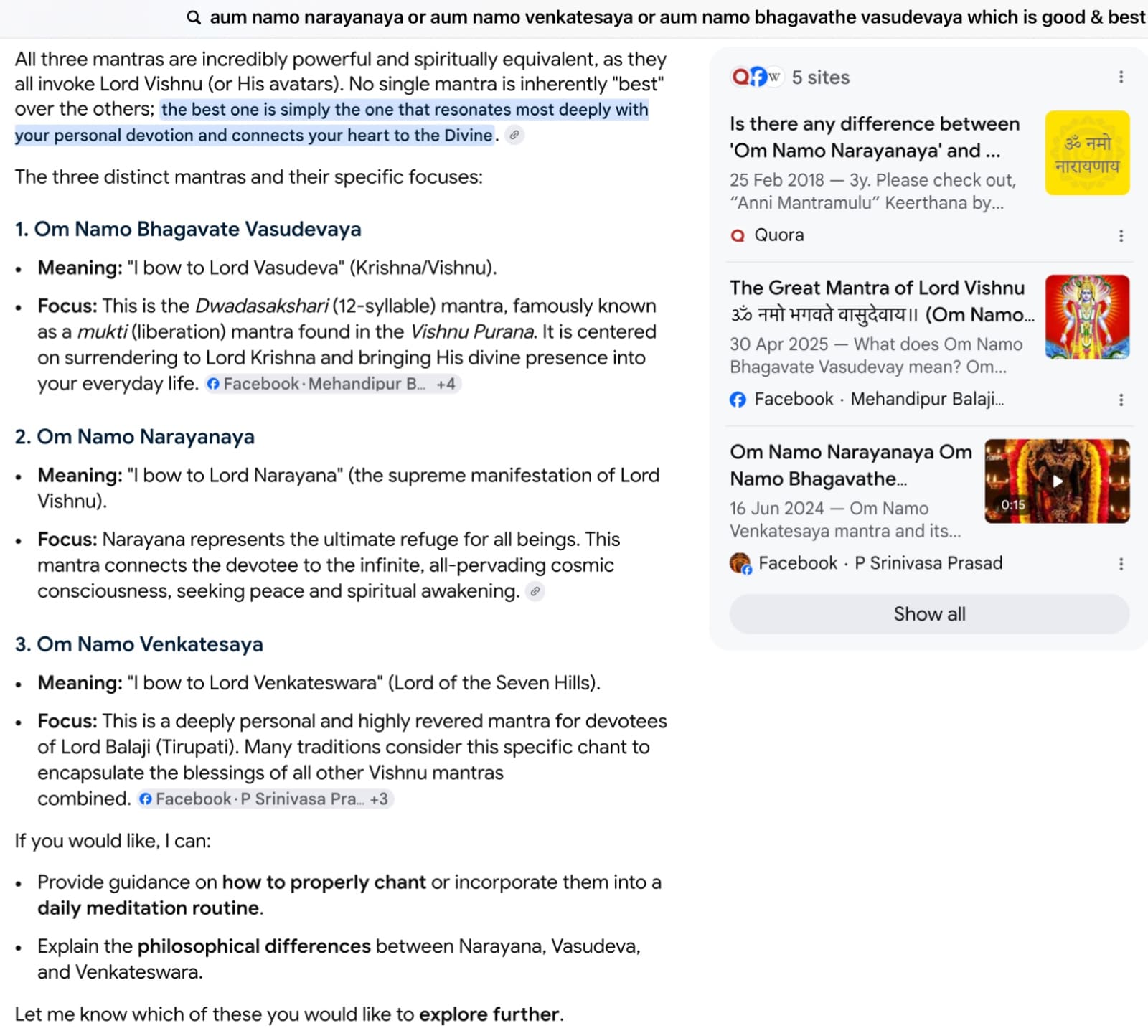
Aum Namo Narayanaya
Sri Ashtalakshmi Stothram
Sri Ramachandra Moorthy Kavacham
Sri Ranganayaki Astothram
Sri Ranganathar Ashtakam
Sri Padmavathi Ammavaru Namavali
Sri Venkateswara Stotram
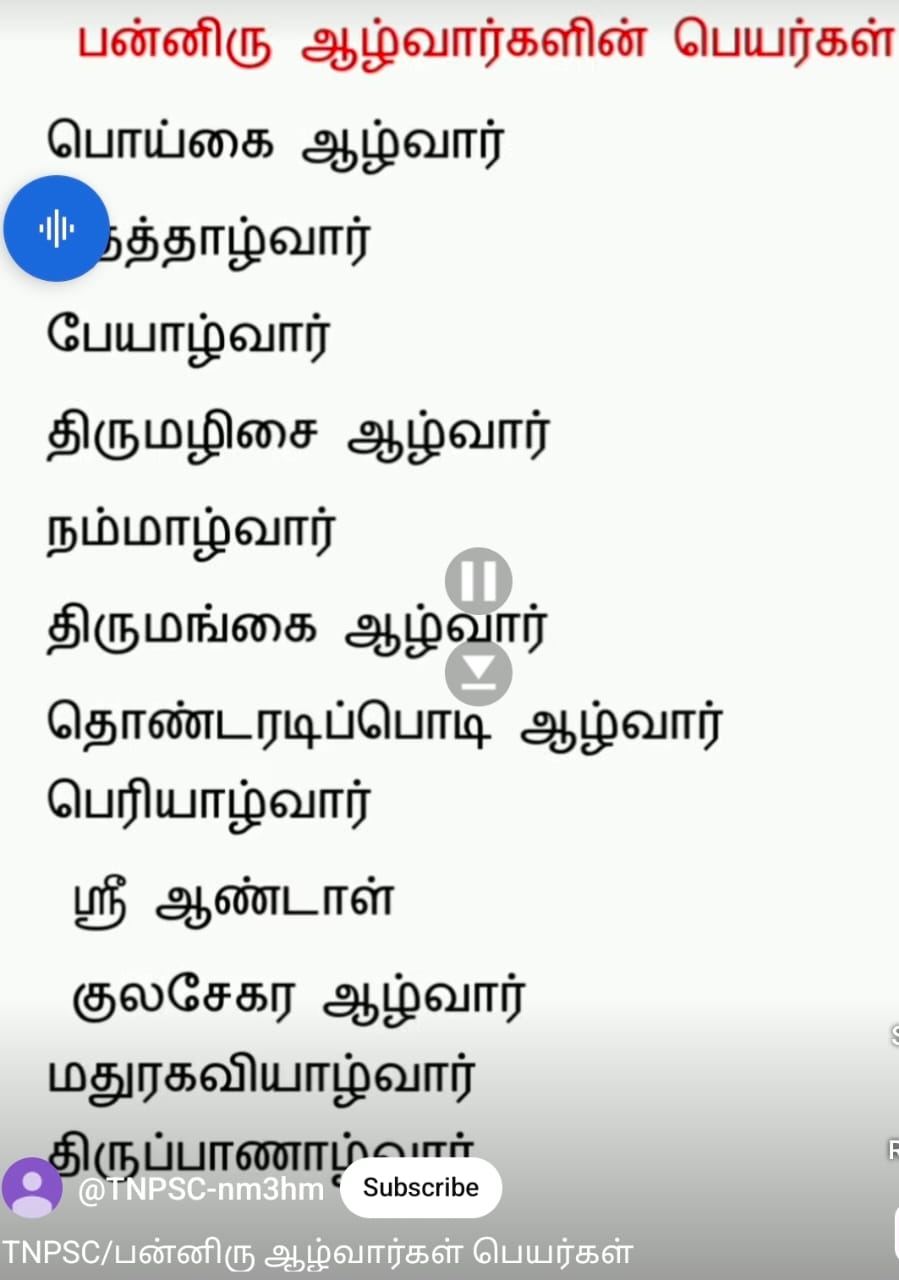
12 Alvars - Sri Vaishnavam
Sri Vaishnavism
Sri Vaishnavam - Guru Parampara
Sri Vaishnavism - Sampradayam is best
Mahalakshmi Sahasranamam
Mahalakshmi Stotrams
Mahalakshmi Devi Mantras
Mahalakshmi Songs
Aum Namo Venkatesaya
Aum Namo Narayanaya
Mahalakshmi Mantra
Sita Devi Astothram
Seetha Kalyanam Vaibhogame
Ashtalakshmi Stotram
Sita Matha Aarti
Gowri Kalyanam Vaibhogame
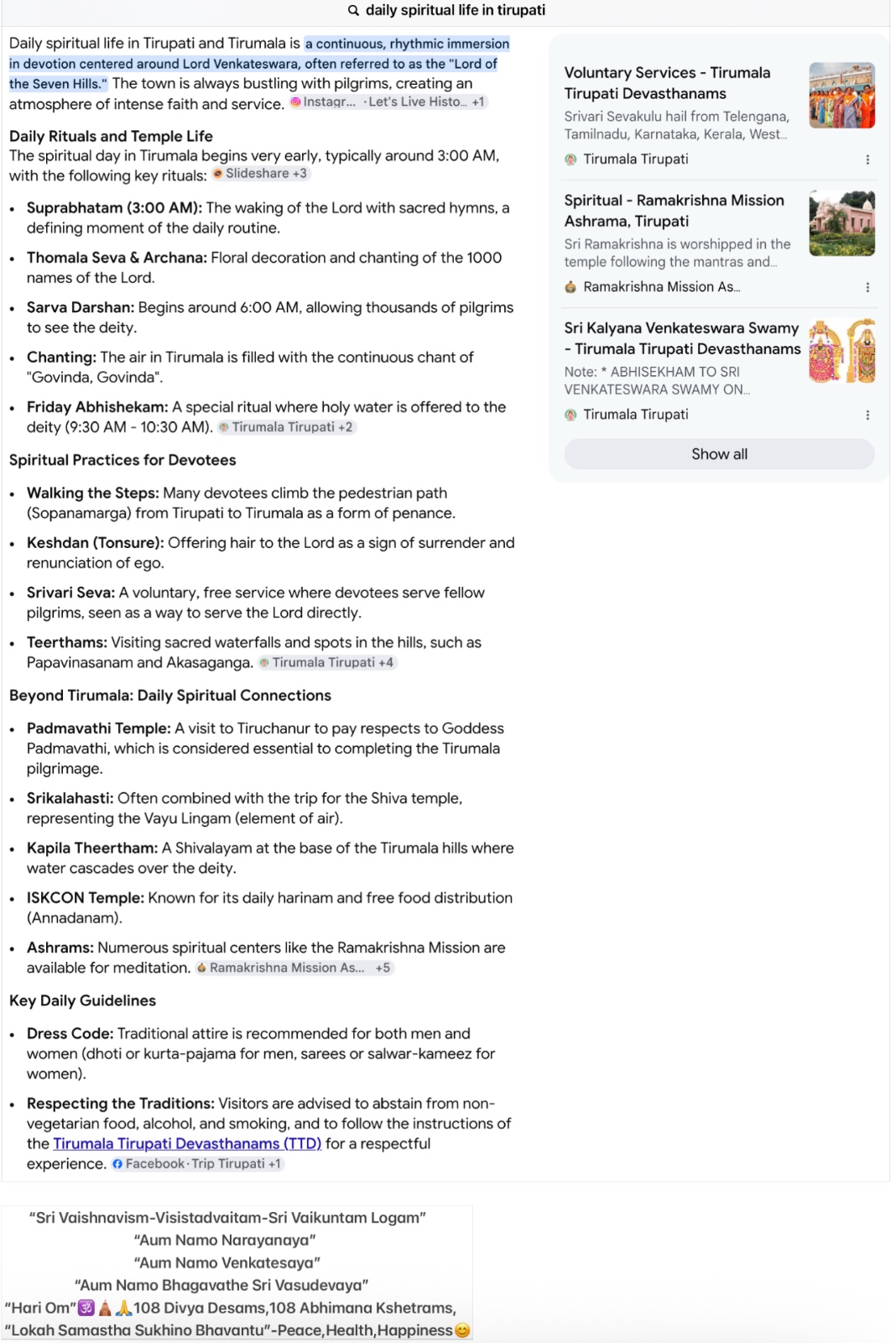
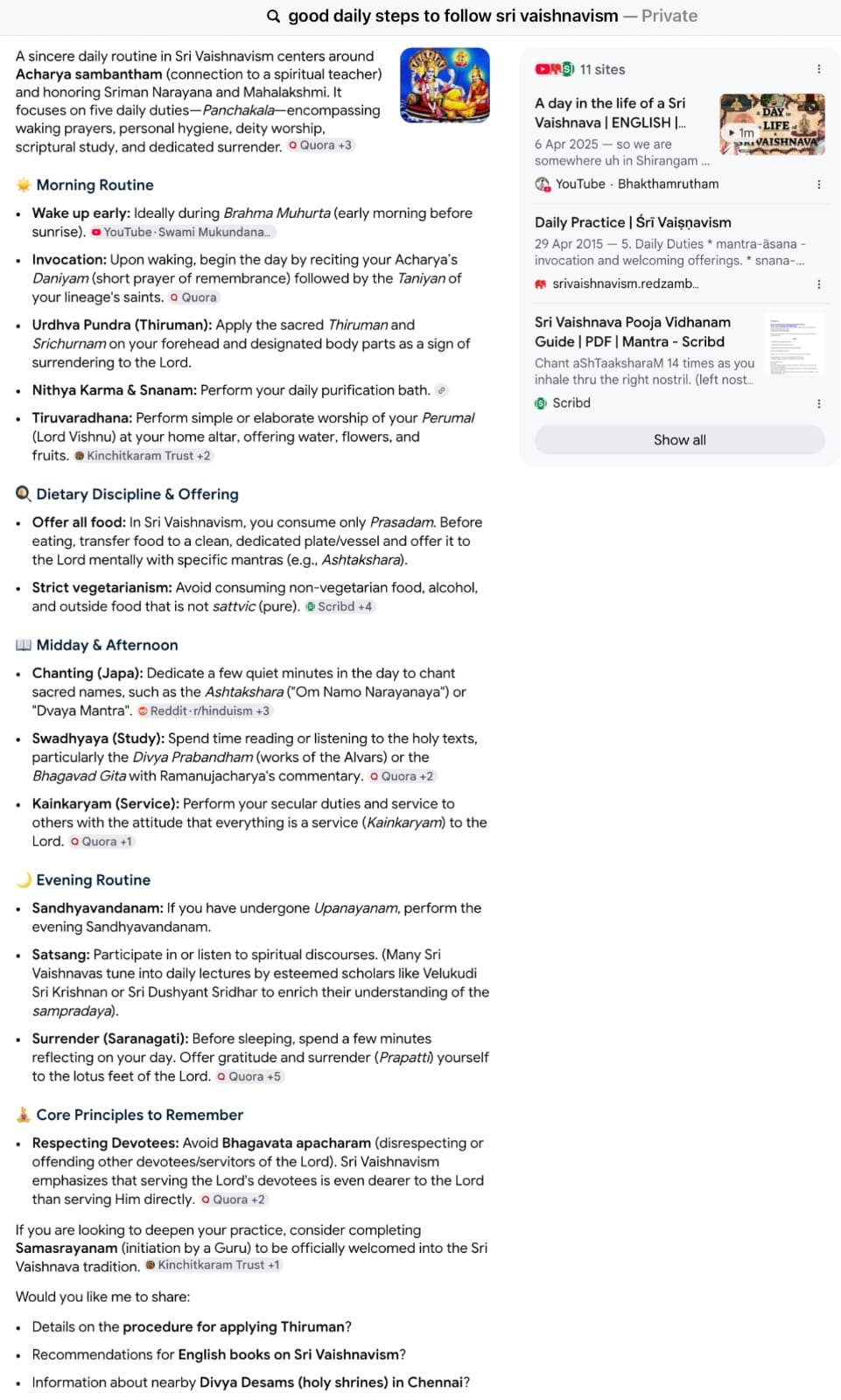
Sri Vaishnava-Daily Spiritual Life
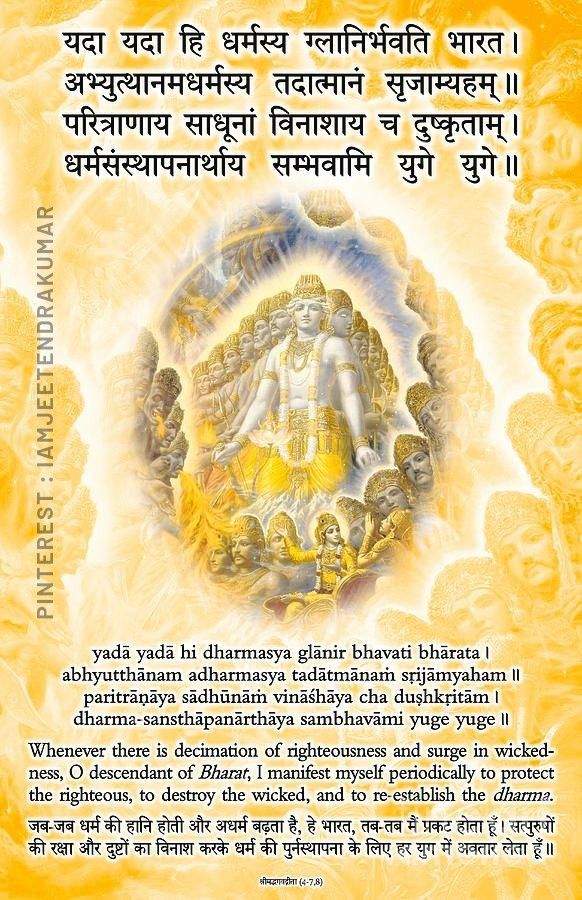
Srimath Bhagavat Gita
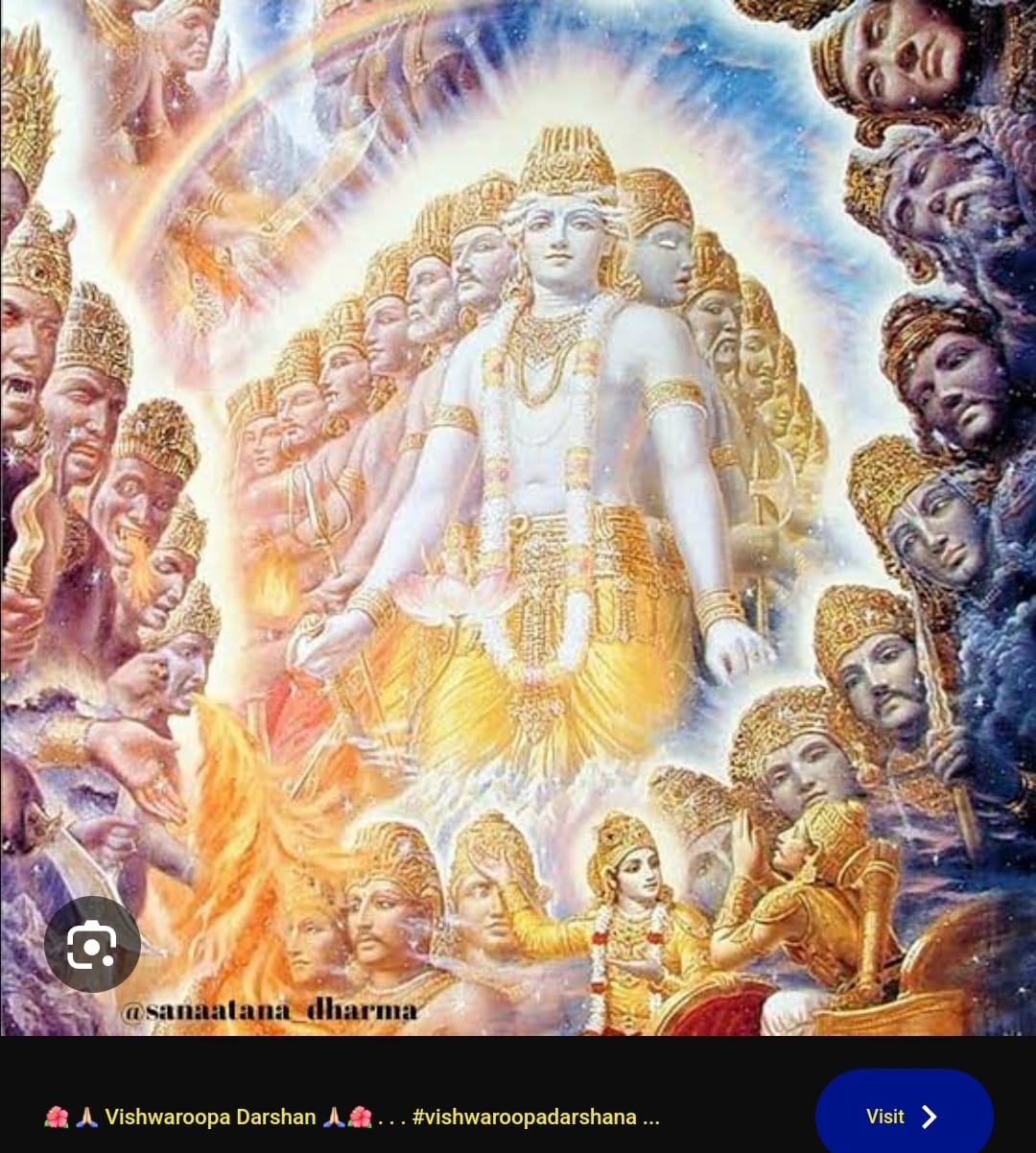
Viswaroopa Darshan
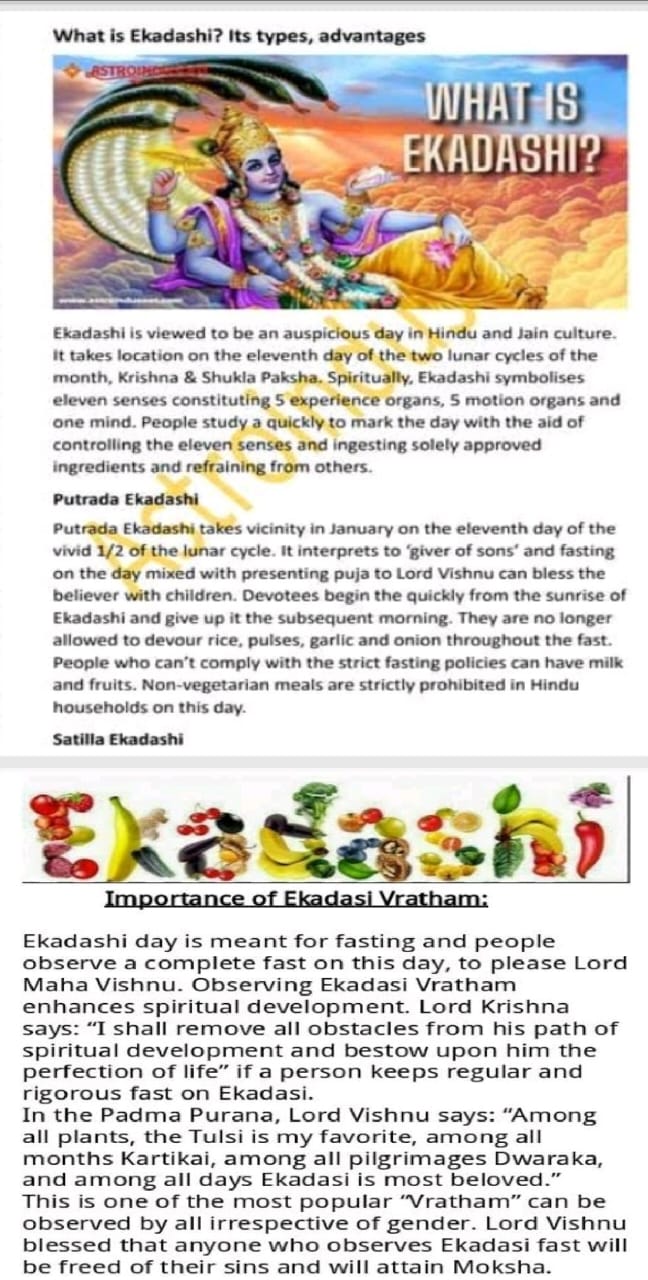
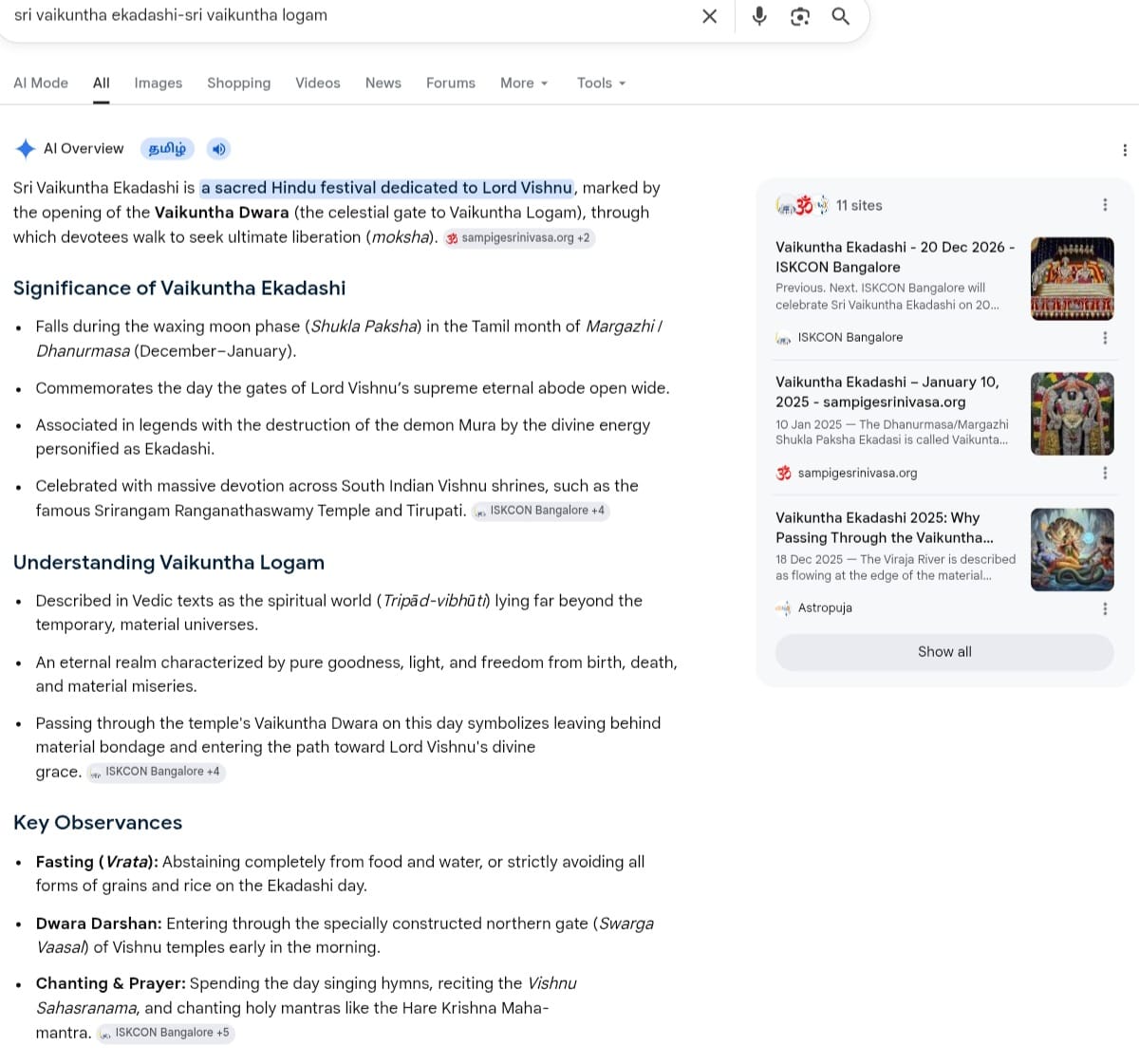
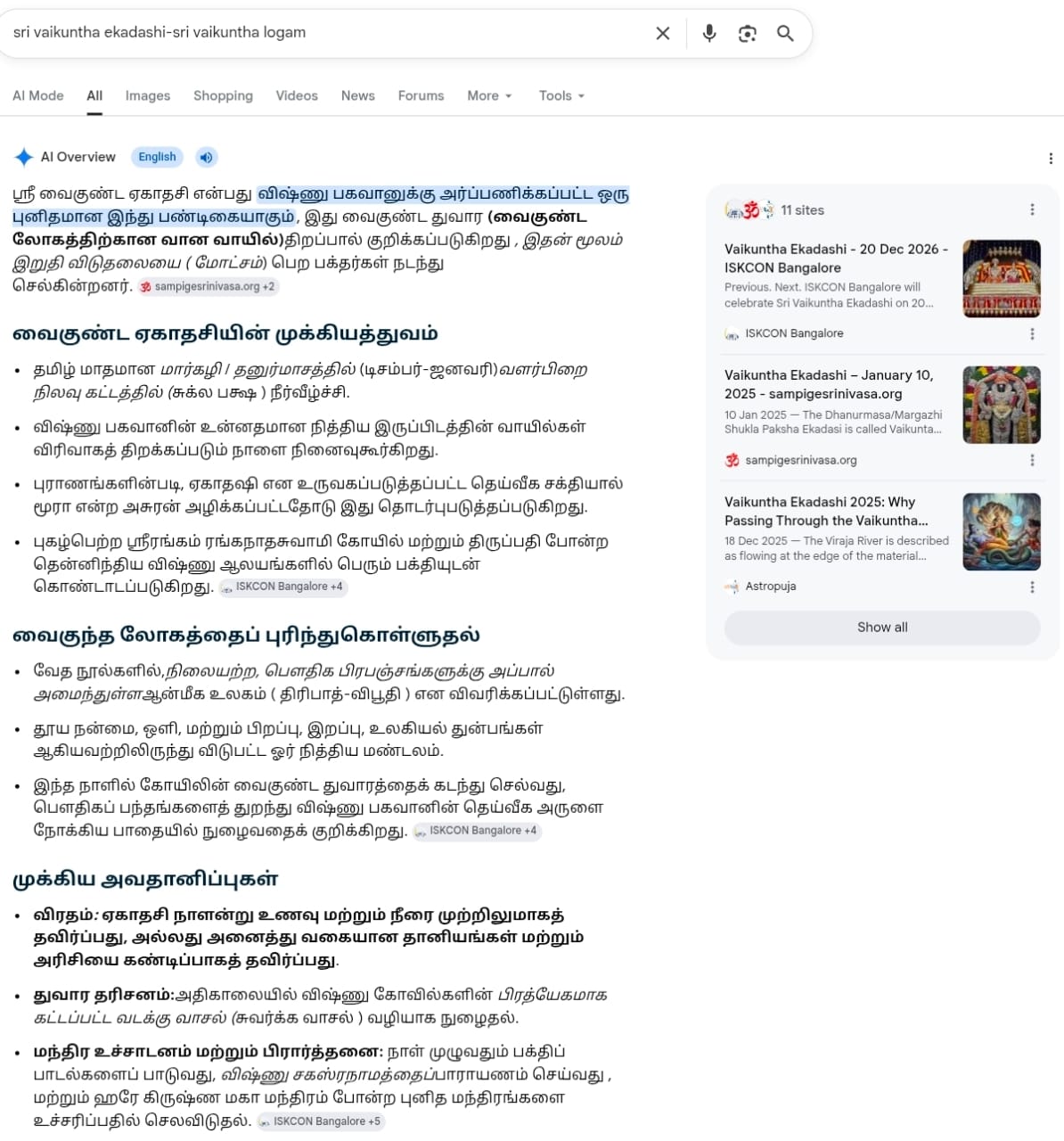
Vaikuntha Ekadashi
Vaikuntha Ekadashi
Sri Vaikuntha Ekadash (Mukti Moksham)
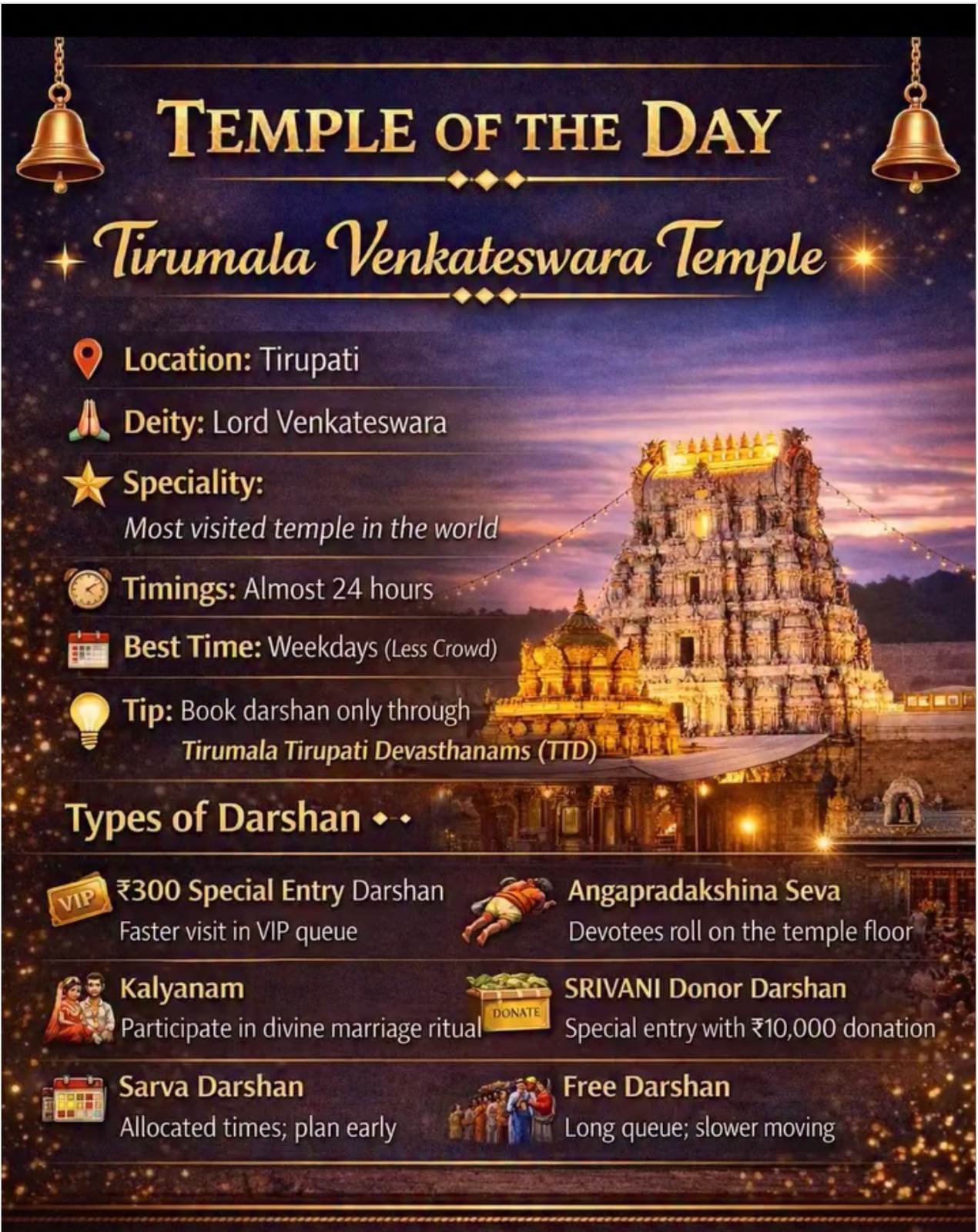
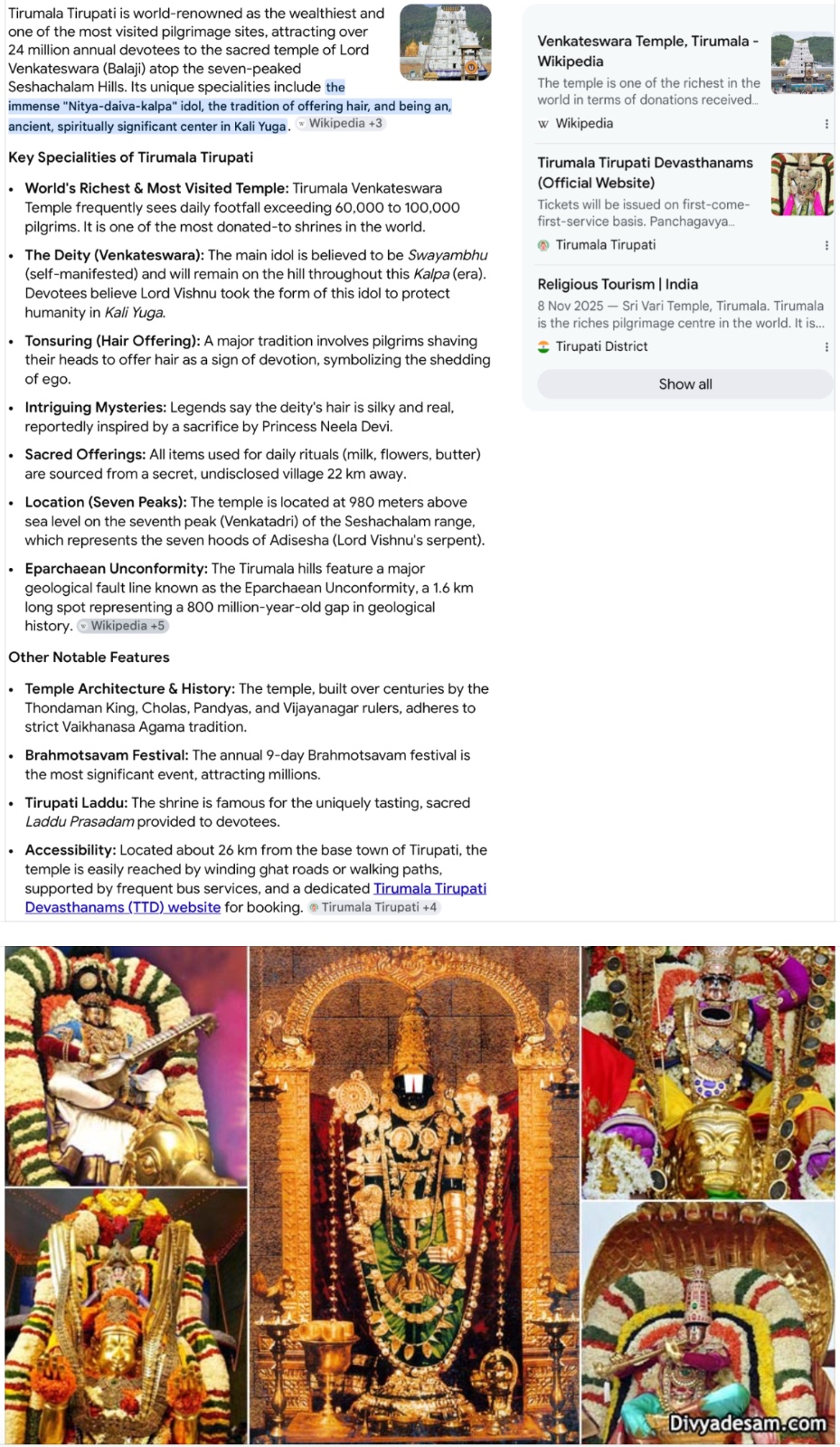
TTD-Sri Venkateswara Swamy
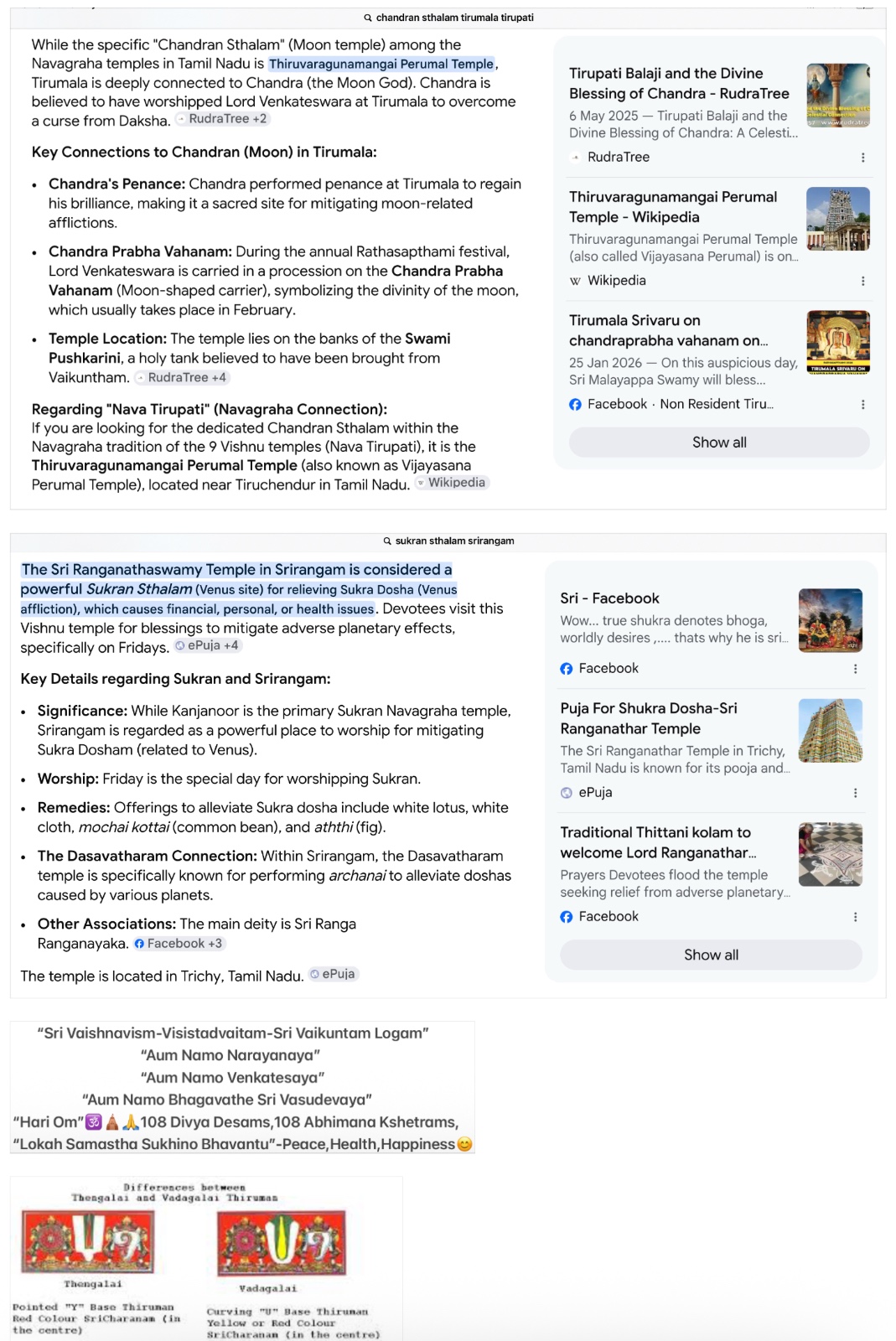
Srirangam Temple
TTD-Tirumala Tirupati Devasthanams
Sri Ramanujar - 150 Episodes
Sri Ramanujar - 300 Episodes
Sri Ramanujar - 450 Episodes
Velukkudi Swamigal Discourses
SVBC-TTD-Live-Telugu
SVBC-TTD-Live-Tamil
SVBC-TTD-Live-Kannada
Thomala Seva-TTD
108 Divya Desams
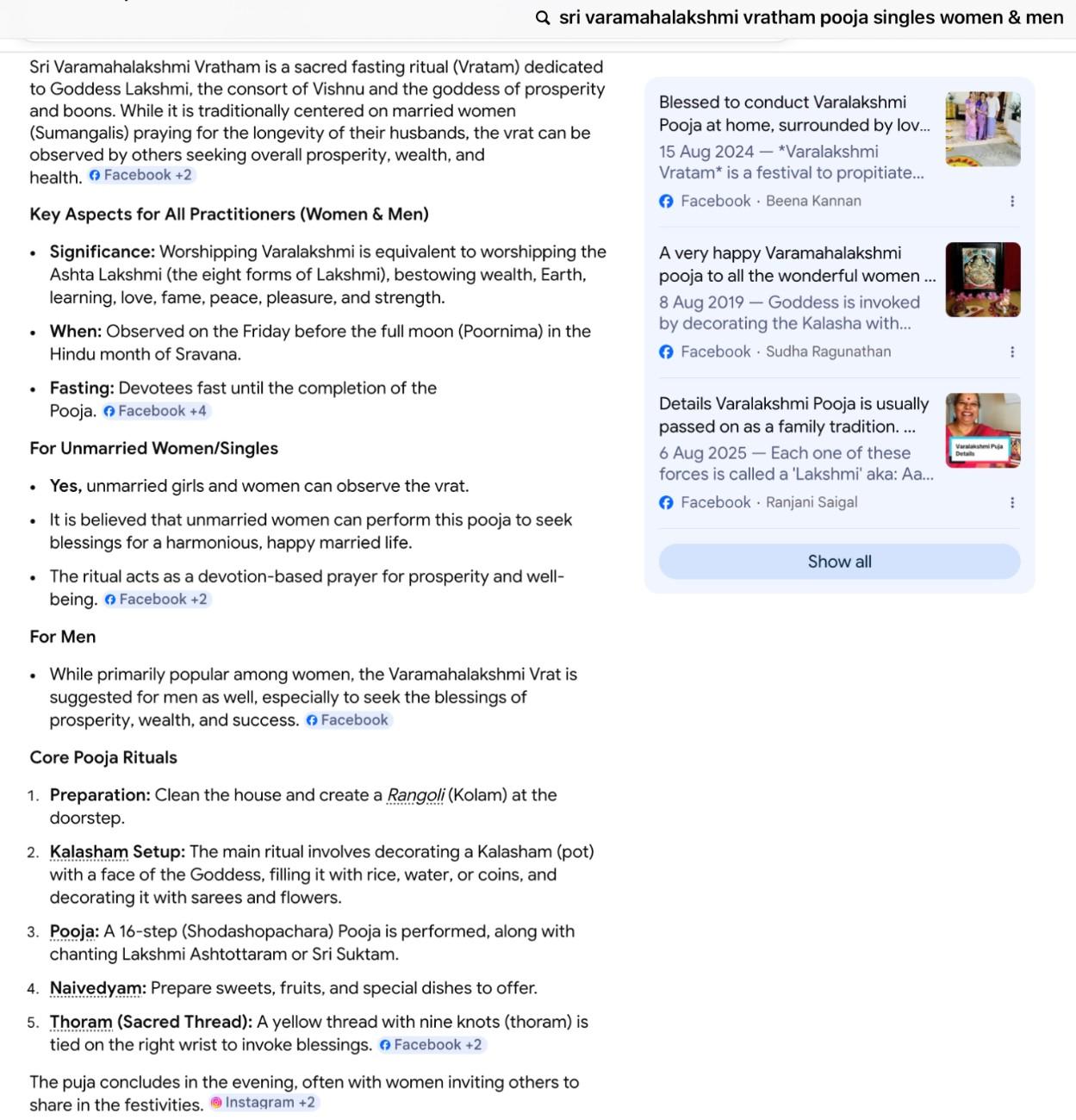
Sri Varalakshmi Vratham
Sri Vaikuntha Ekadesi
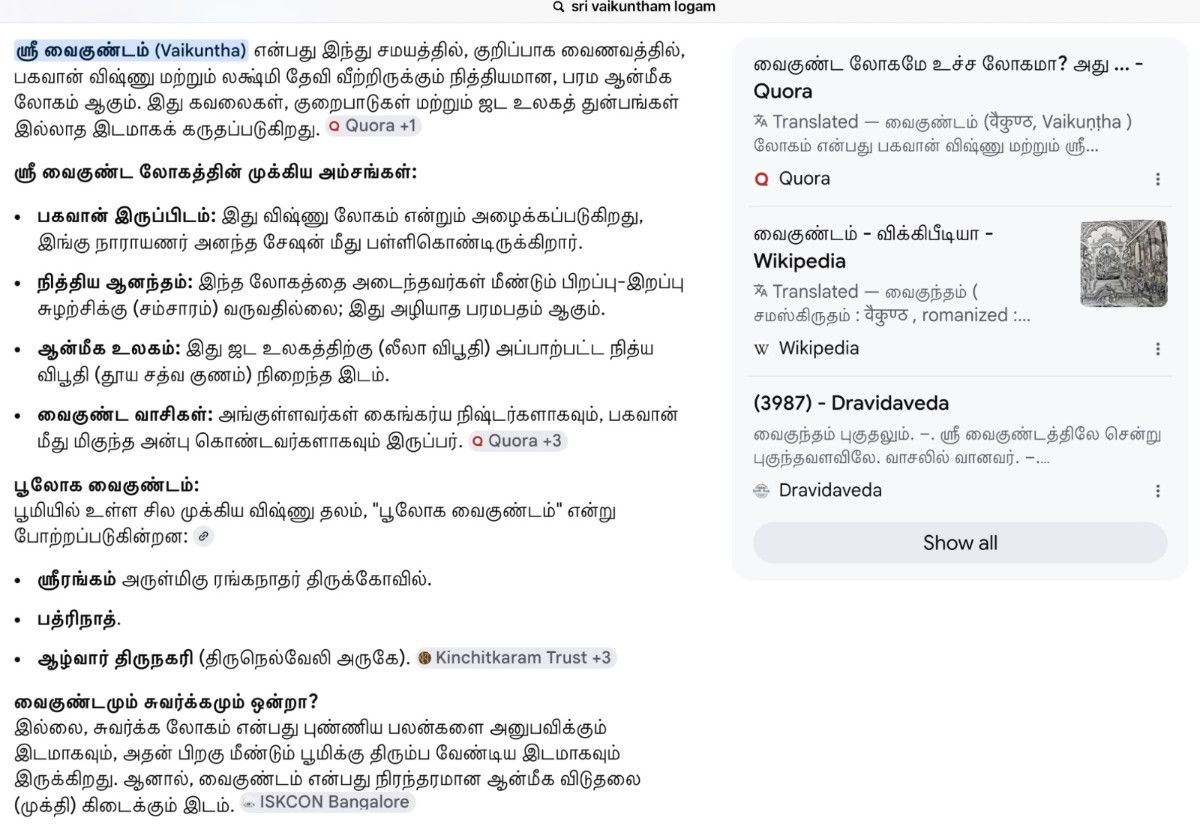
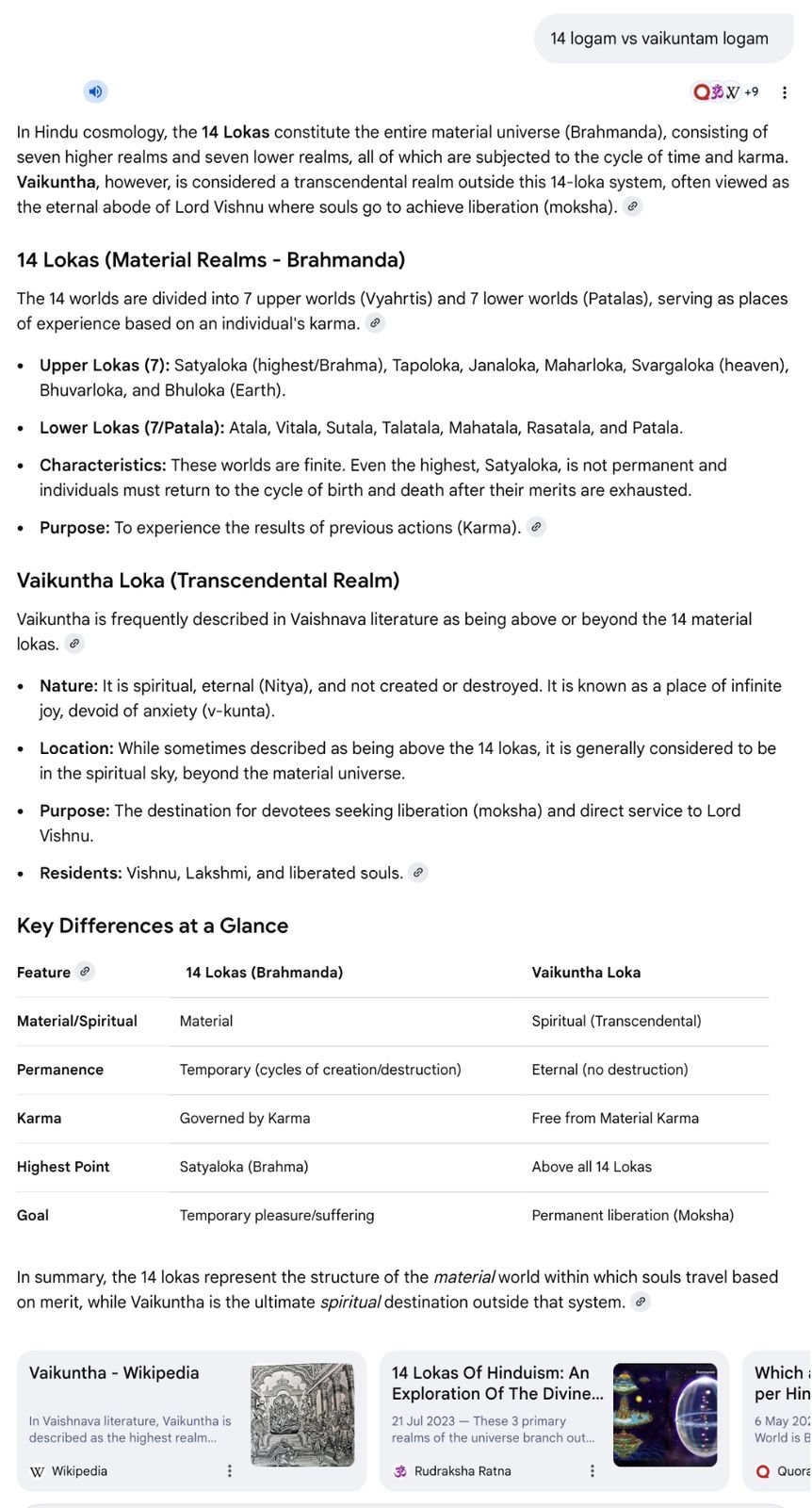
Sri Vaikuntham Logam
Sri Annamacharya Devotional Songs
Sri Lakshmi Kadaksham
3. Kurai Onrum Illai Kanna(Sung in UNO)
Deva Devam Bhaje
Sri Kanakadhara Stotram
Bhagyada Lakshmi Baramma
Narayana Stotram
Goddess Sri Lakshmi Songs
Sri Lakshmi Narayan Stotram
Sri Rama Bhajans
Sri Krishna Bhajans
Sri Lakshmi Sahasranamam
Nama Ramayana
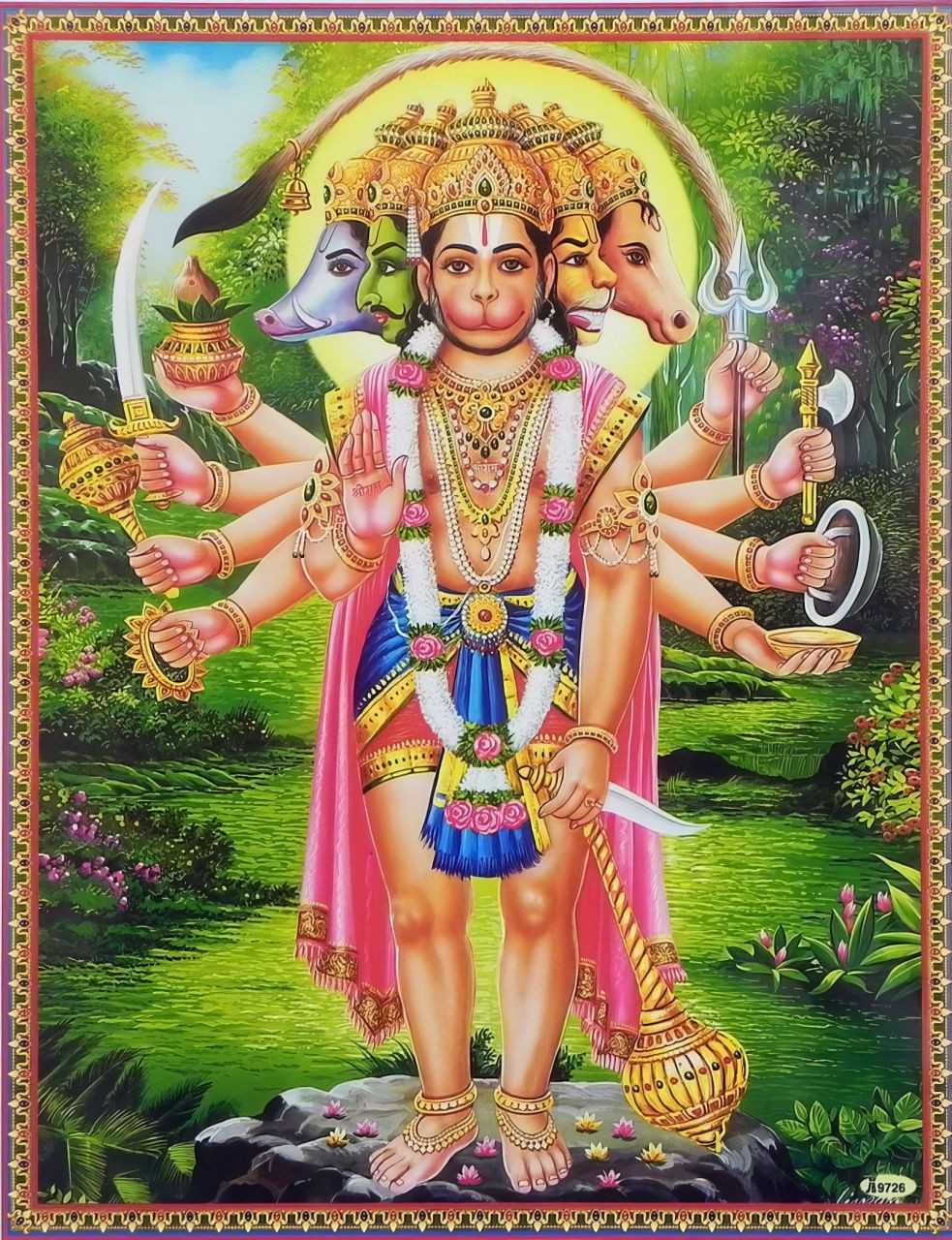
Hanuman Chalisa
Namo Namo Sri Narayana
Bhakti Meera Bhajans
Narayaneeyam
Sri Mahavishnu Bhajans
50 Divine Songs-MS Subbulakshmi
Saint Thyagaraja Keerthis
Sri Thyagaraja Keerthanalu
Sri Muthuswami Deekshitar Keerthis
Shyama Sastri Krithis
Sri Purandara Dasa Keerthanas
MS Subbulakshmi Concerts-Carnatic Music Devotional songs
Balaji Pancharatnamala-1
Balaji Pancharatnamala-2
Balaji Pancharatnamala-3
Balaji Pancharatnamala-4
Balaji Pancharatnamala-5
Andal & Rangamannar
Sri Vaishnavam Sampradayam
4000 Divya Prabandham
12 Alvars
Sri Vaikuntham Logam
Panchasuktham
Kinchit Dharma Samsthapanam
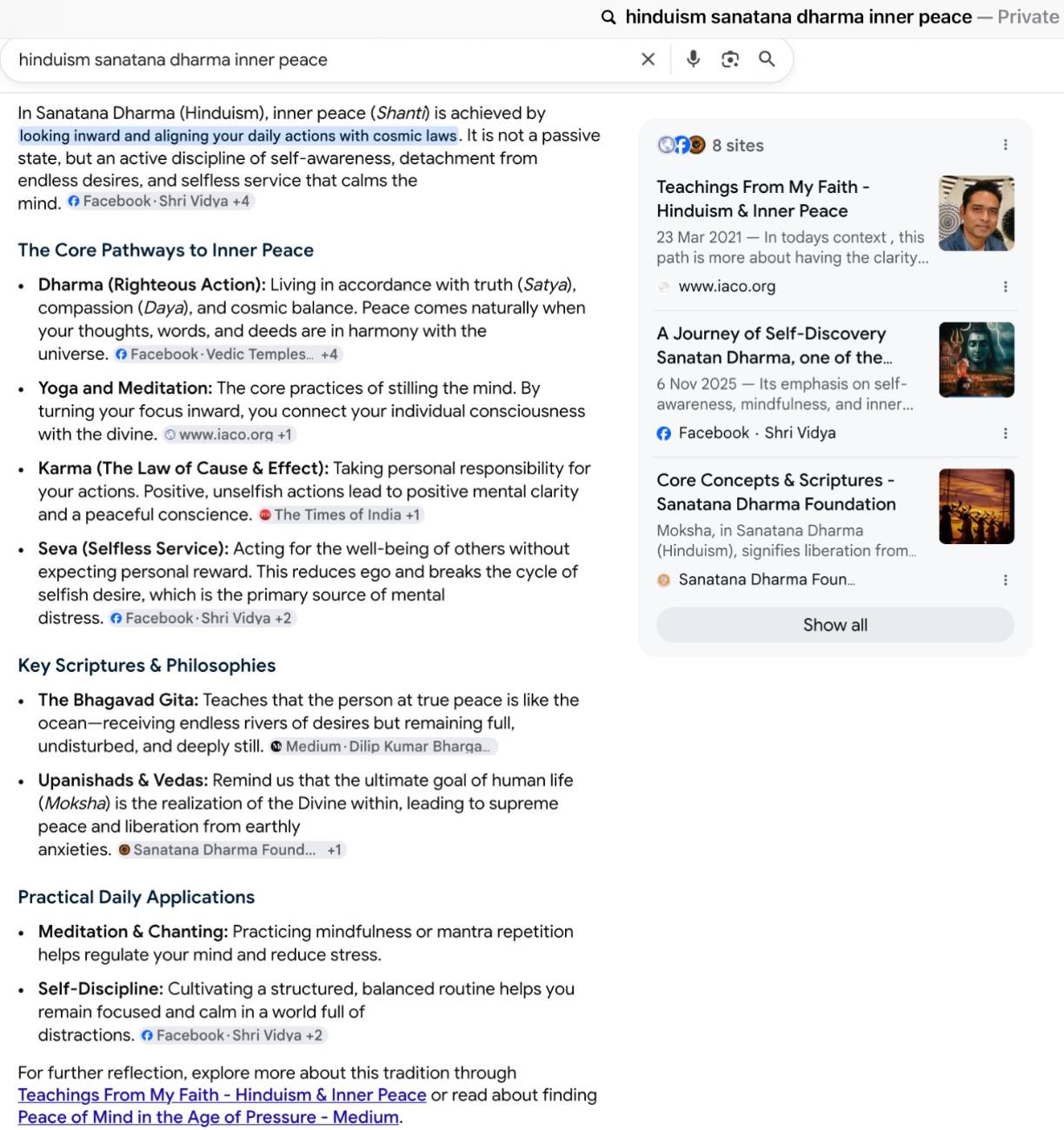
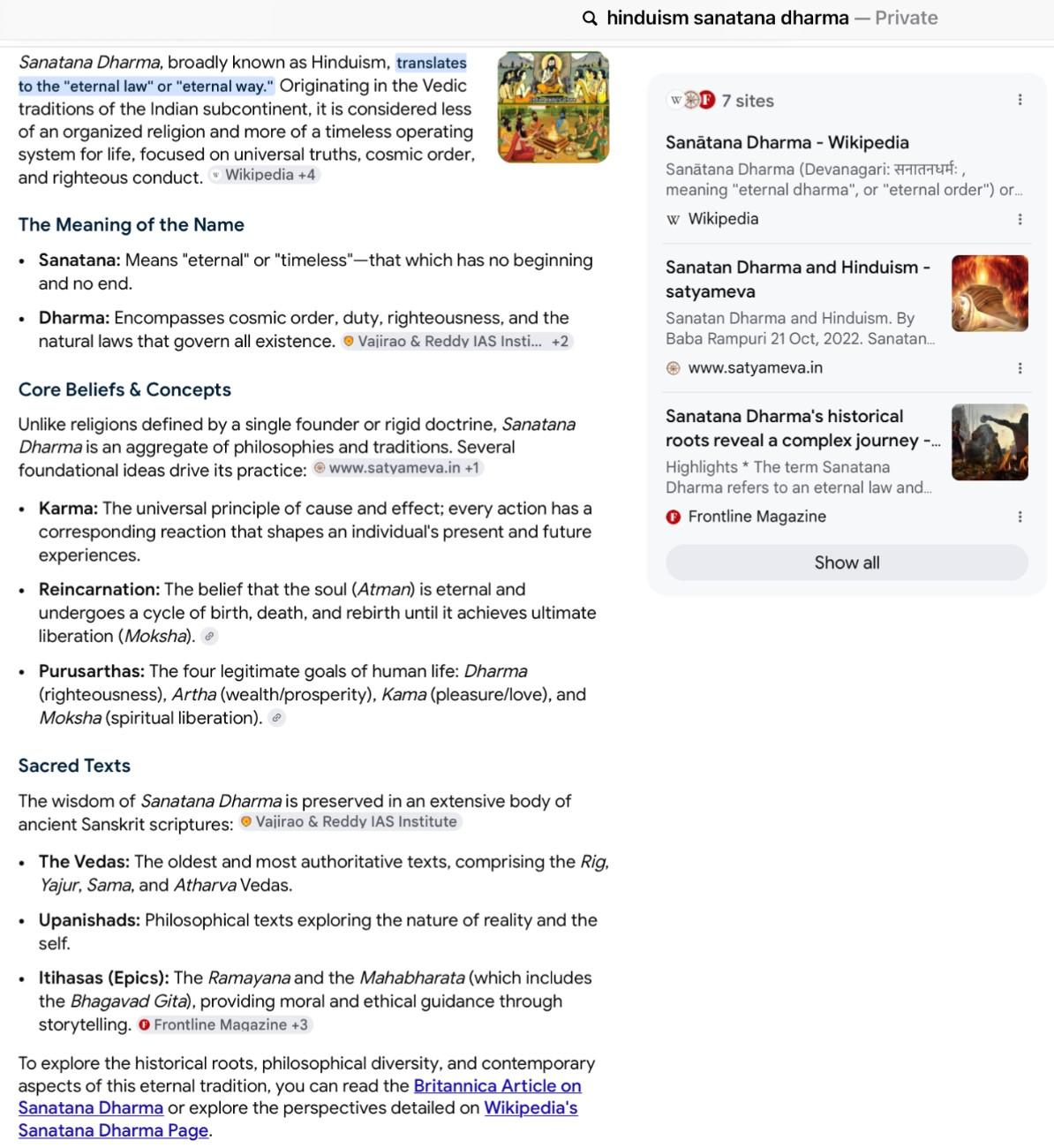
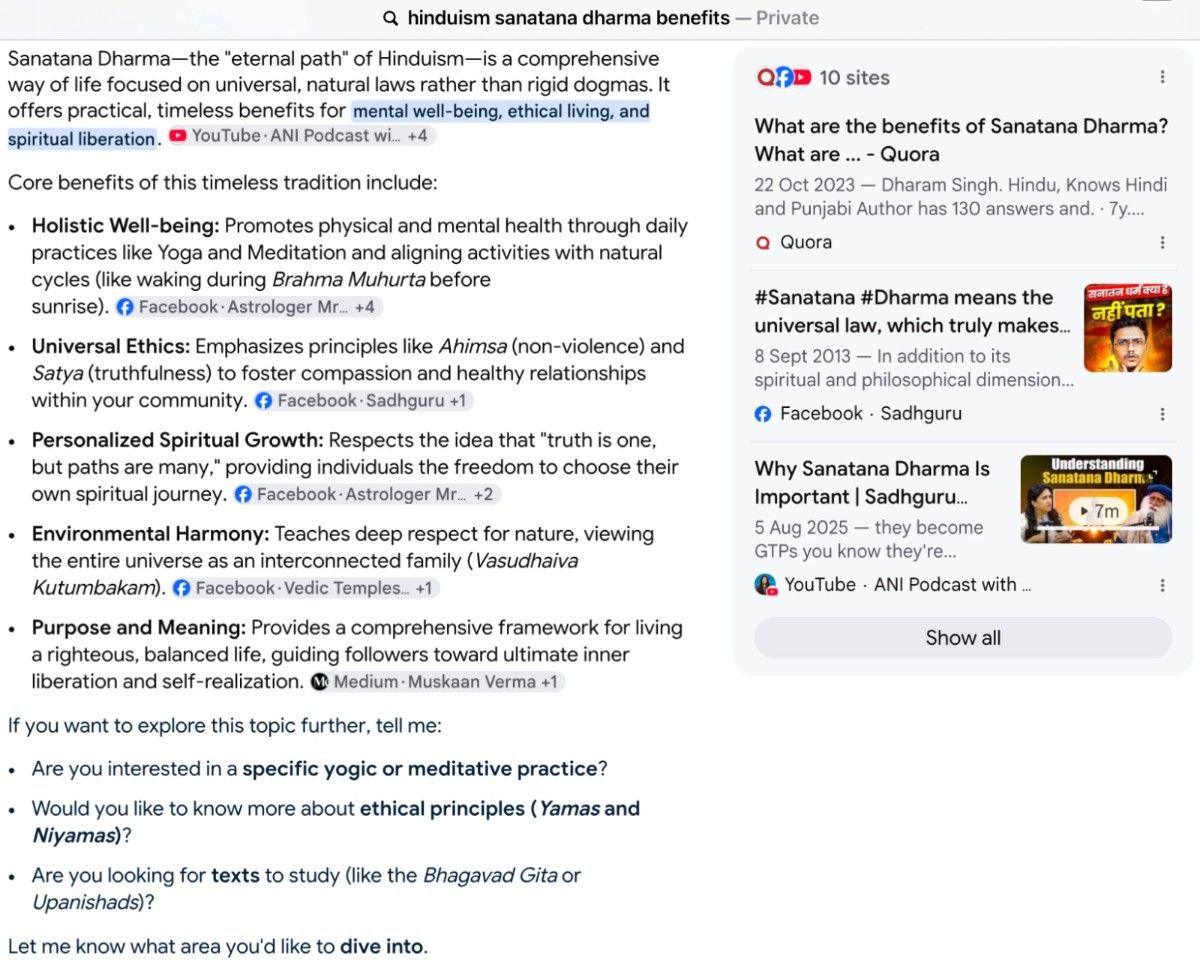
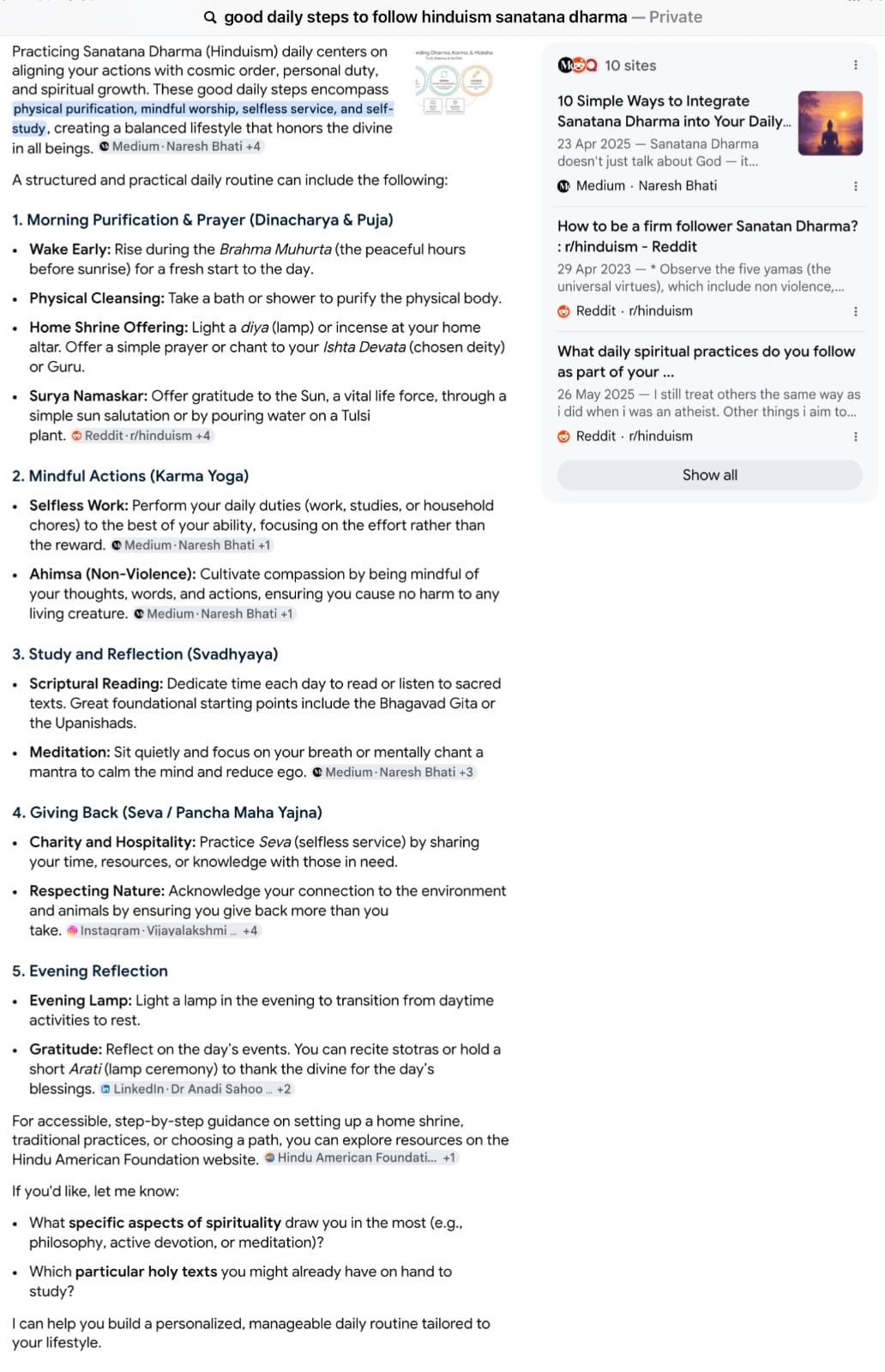
Hinduism Sanatana Dharma
Sri Vaishnavite
Samashrayanam-Pancha Samskaram
Sri Ramanujacharya & Visistadhvaita Vedanta
Antaryami
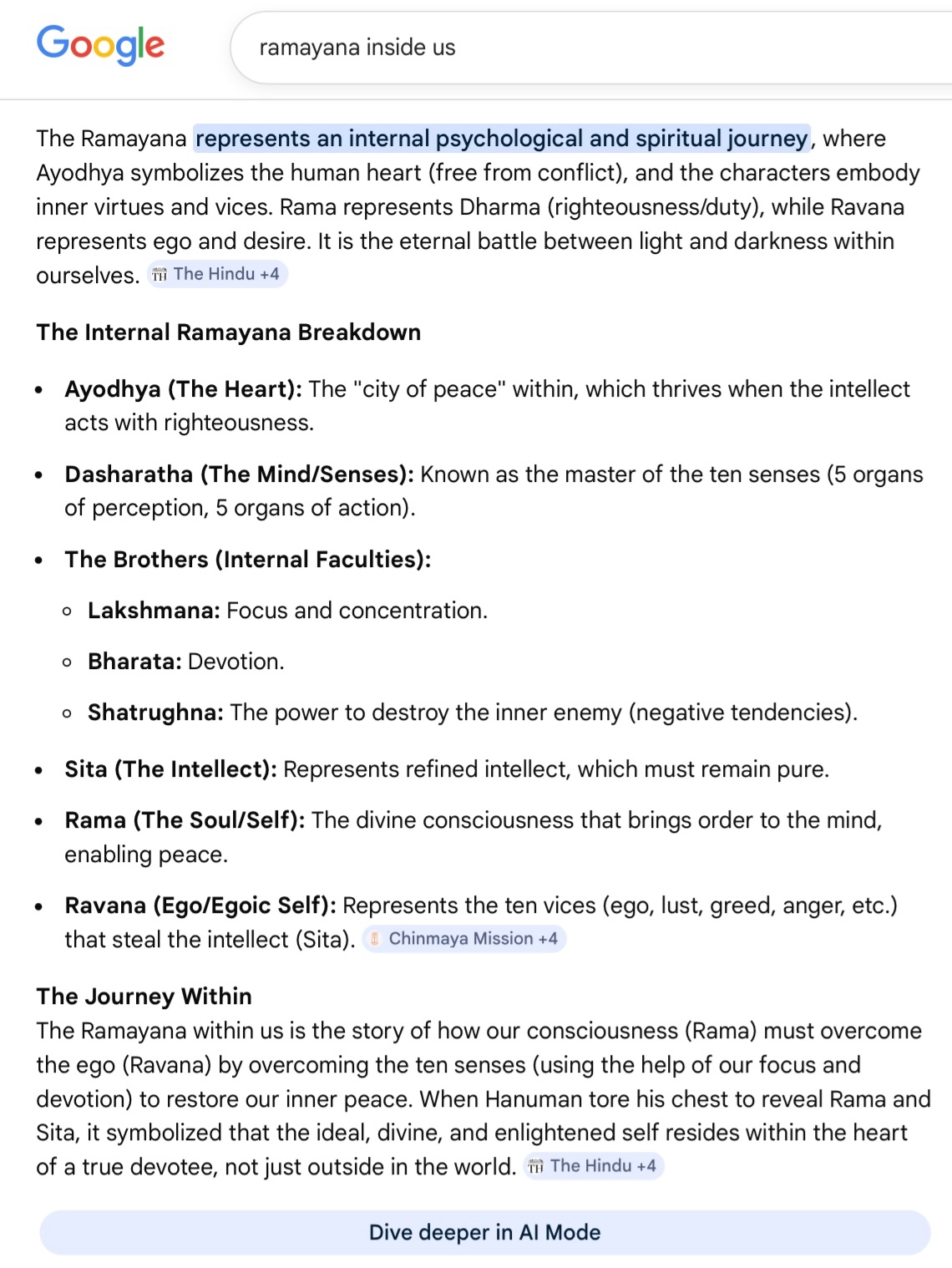
Ramayanam-79 Episodes
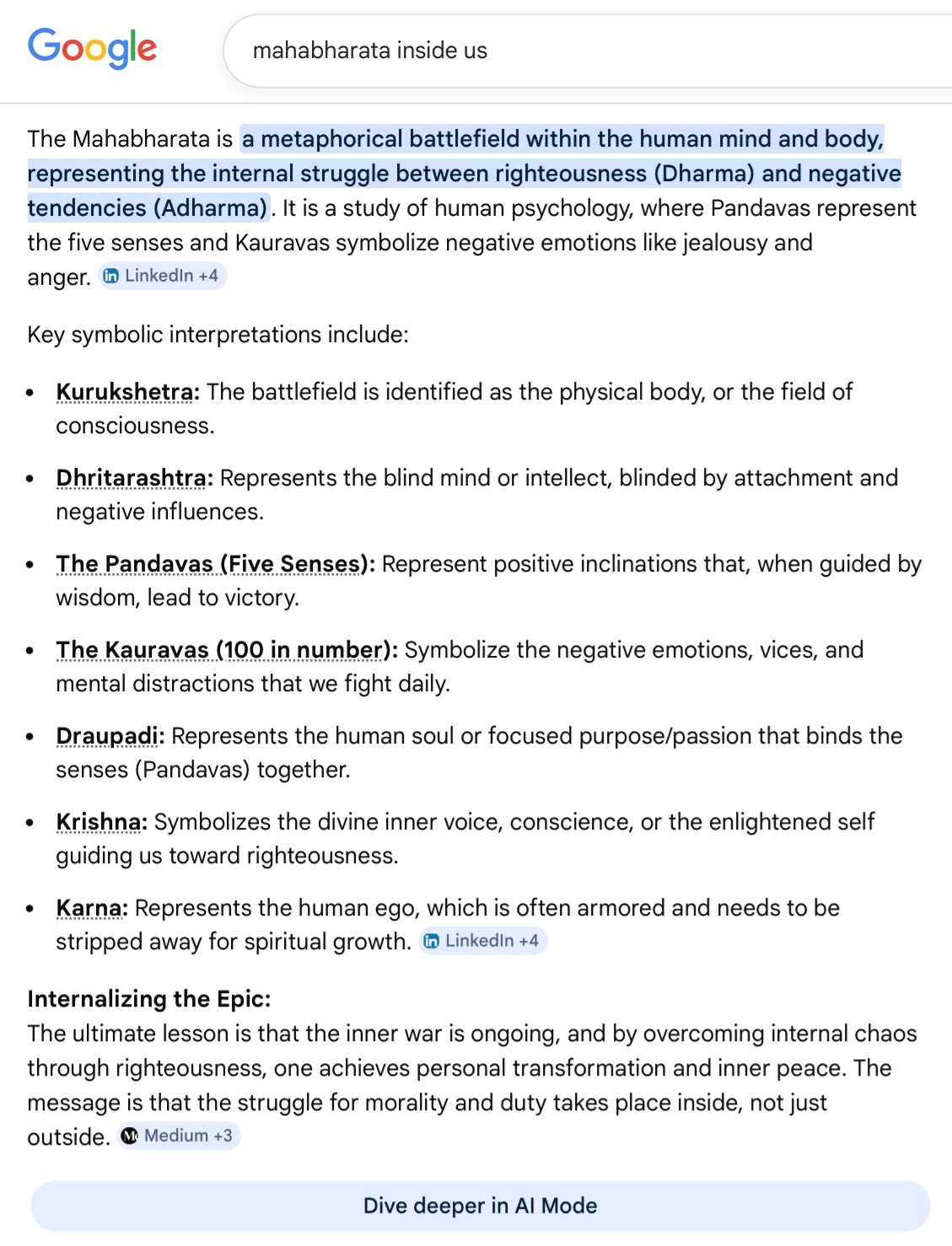
Mahabharatam-139 Episodes
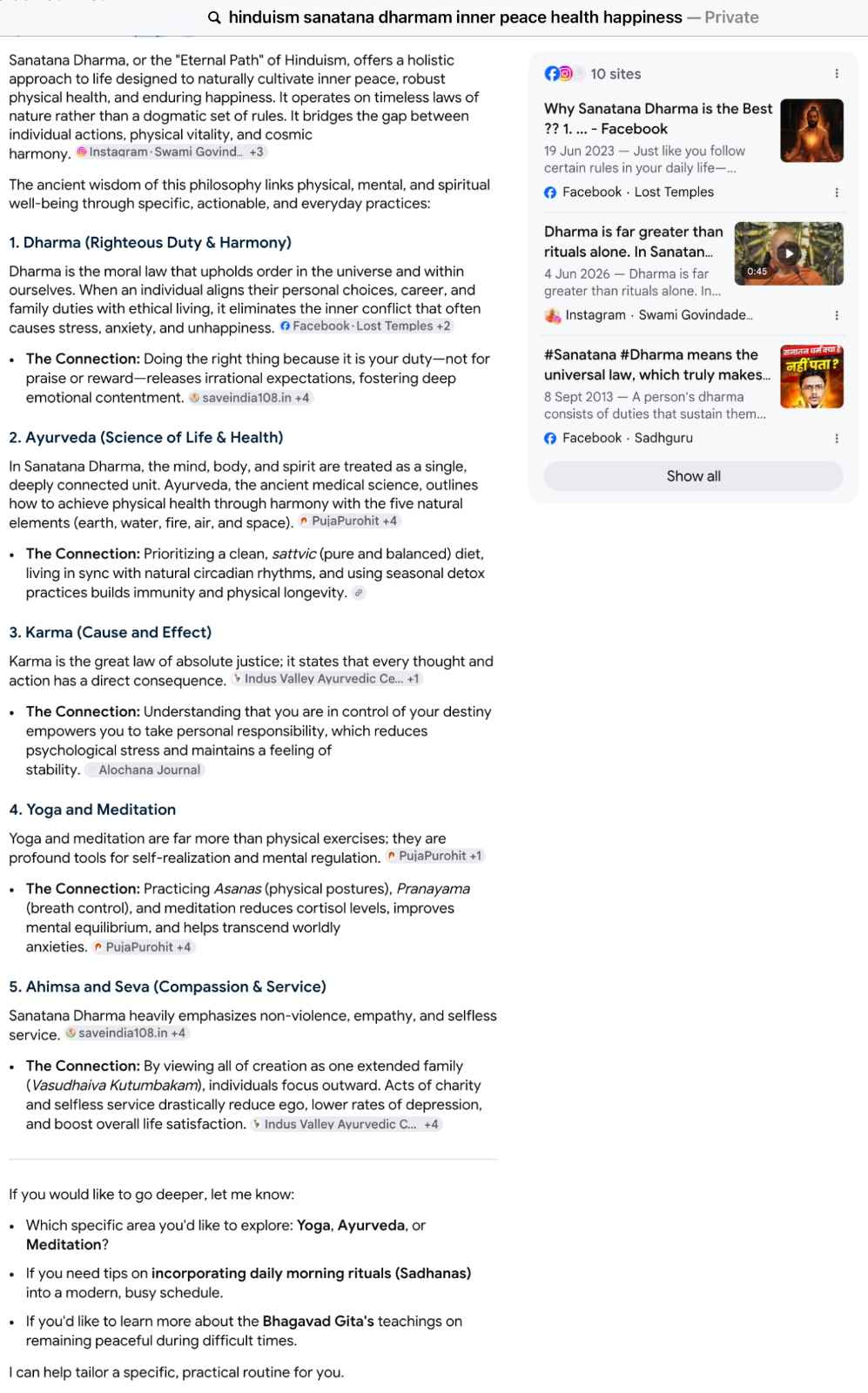
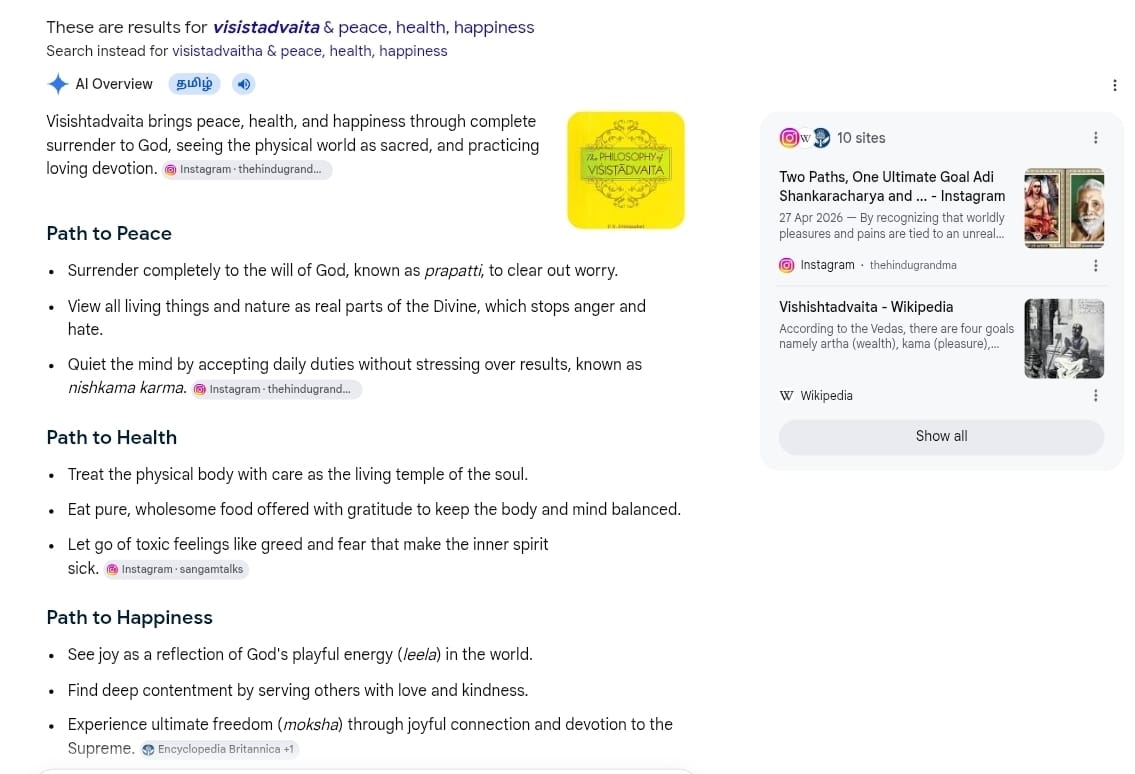
Peace, Health, Happiness
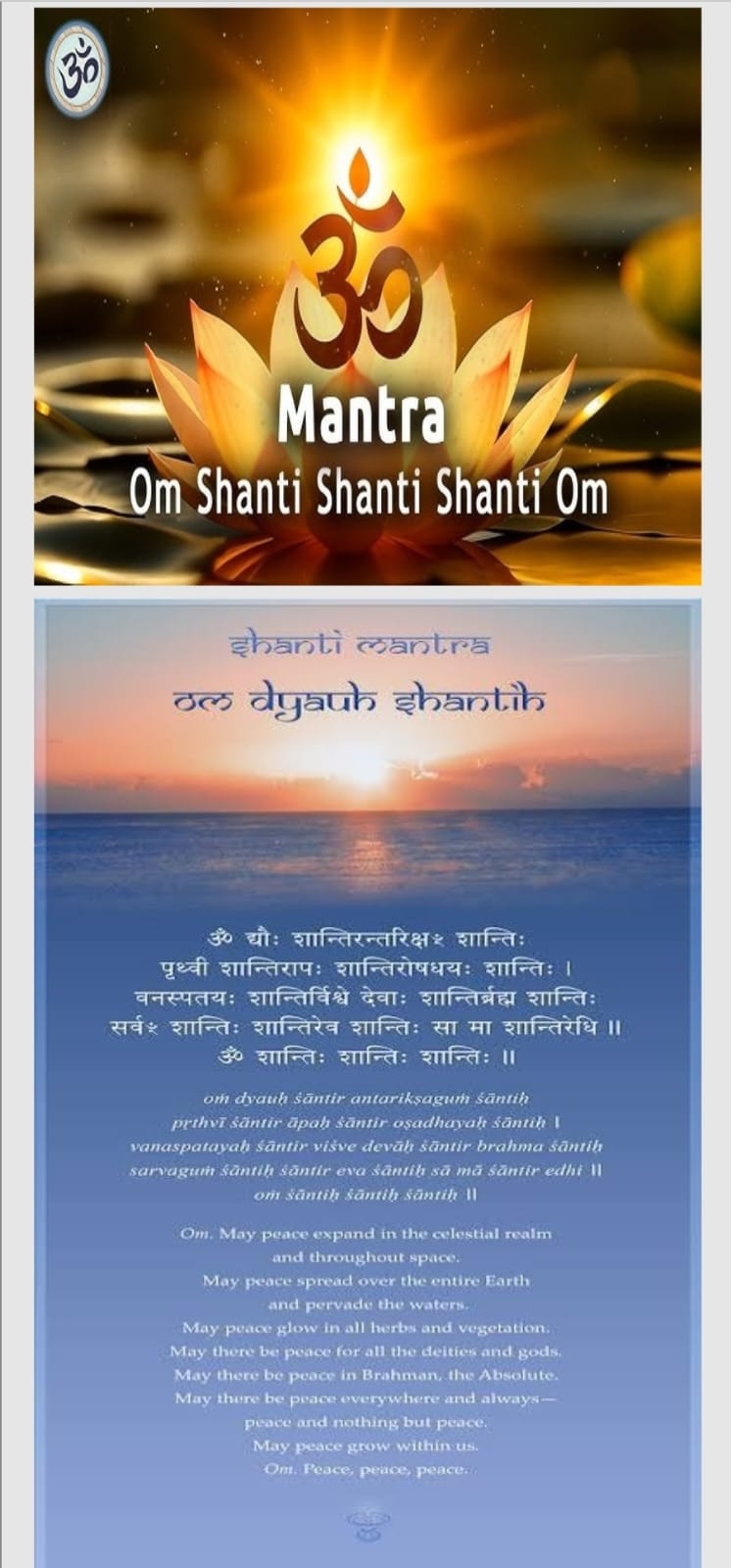
Shanti Mantra-Peace
Sudarshanashtakam-Health
Sri Dhanvantari Mantra-Health
Sri Vaishnavism
Saint Thyagaraja Aradhana Festival-Carnatic Music
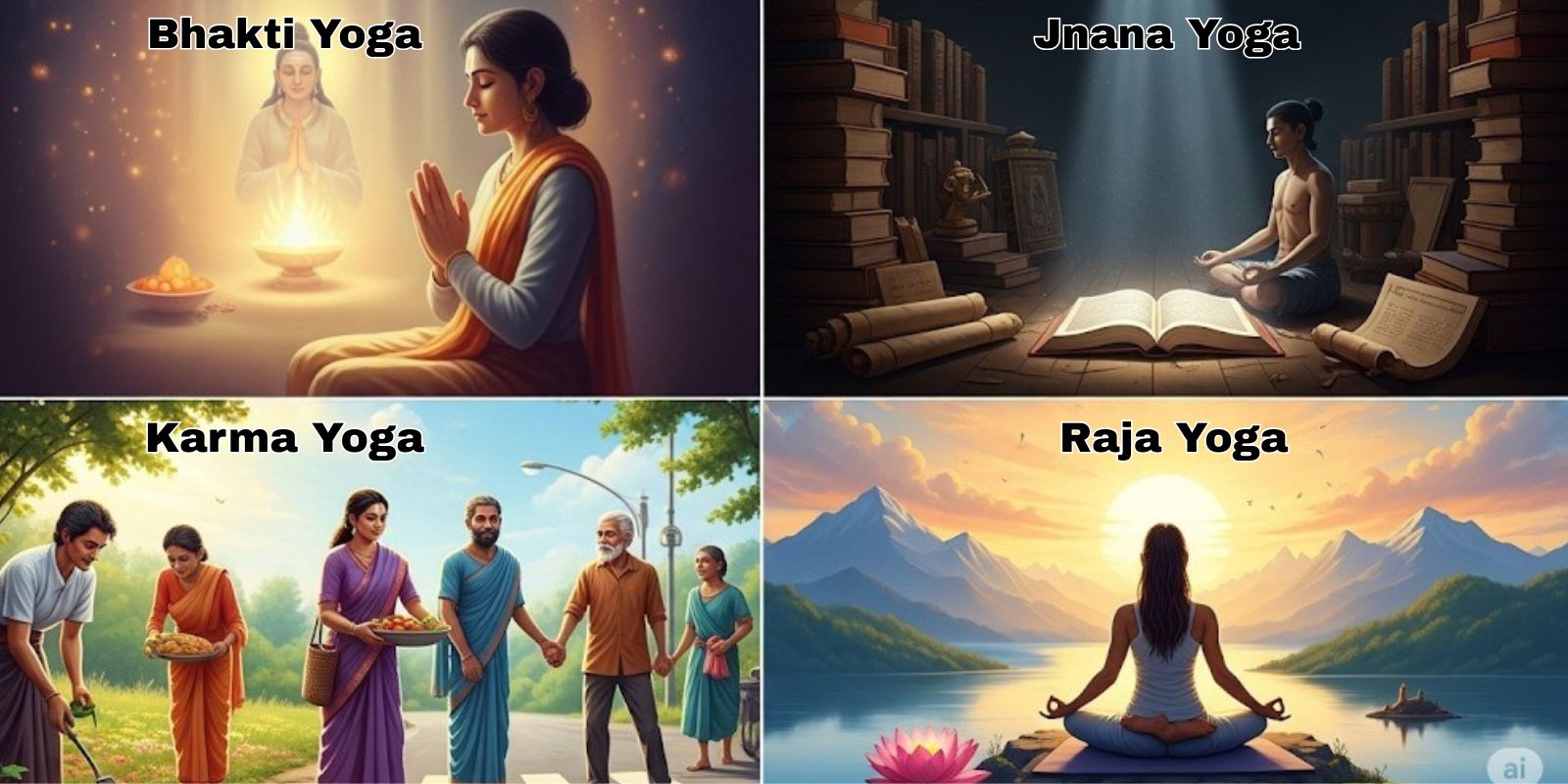
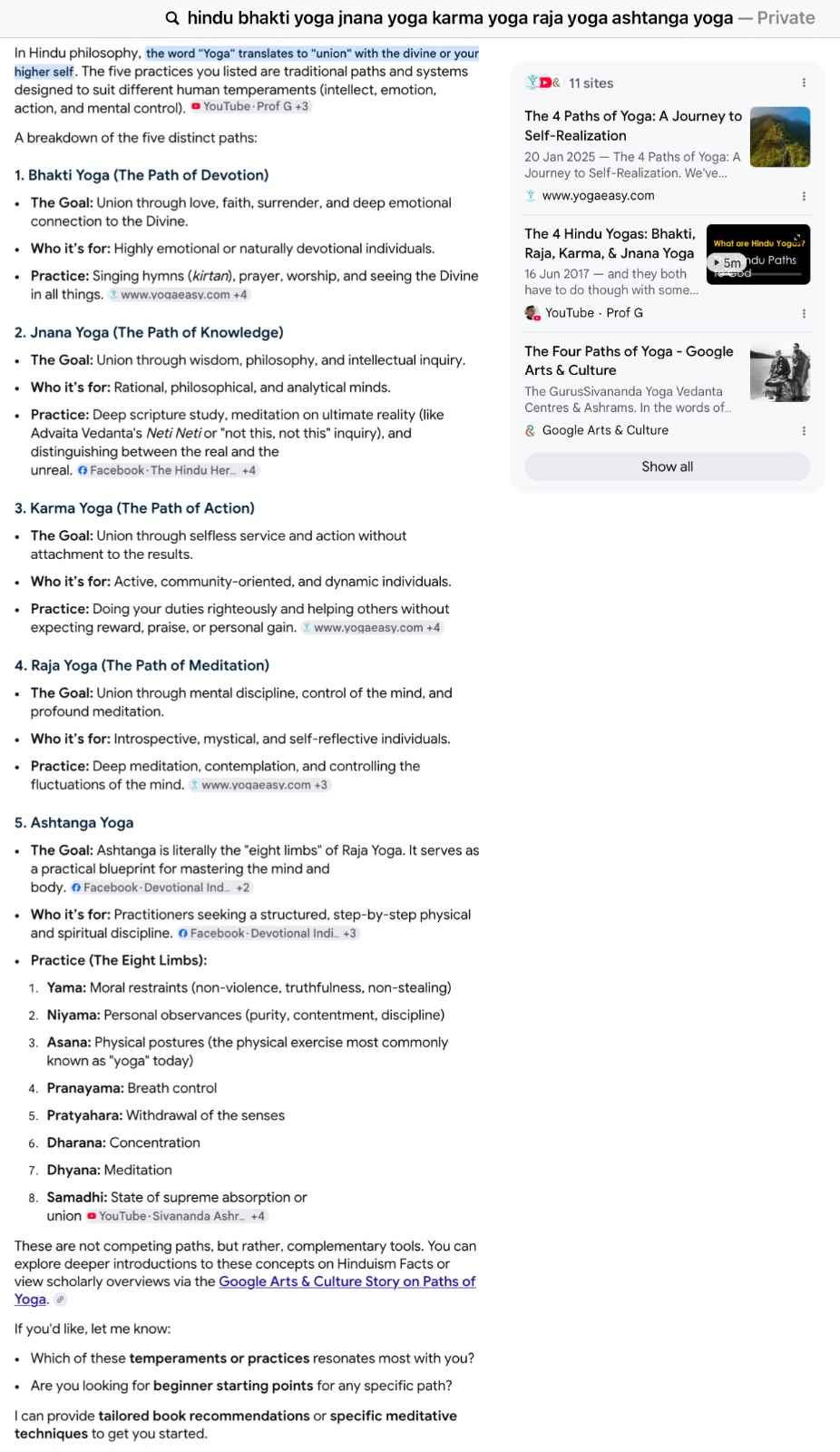
Bhakti, Gnana, Karma, Raja Yoga-Spiritual Enlightenment
Aum Namo Narayanaya
Ramayanam-1987 (Tamil)-125 Episodes
Mahabharatam-1988 (Tamil)-94 Episodes
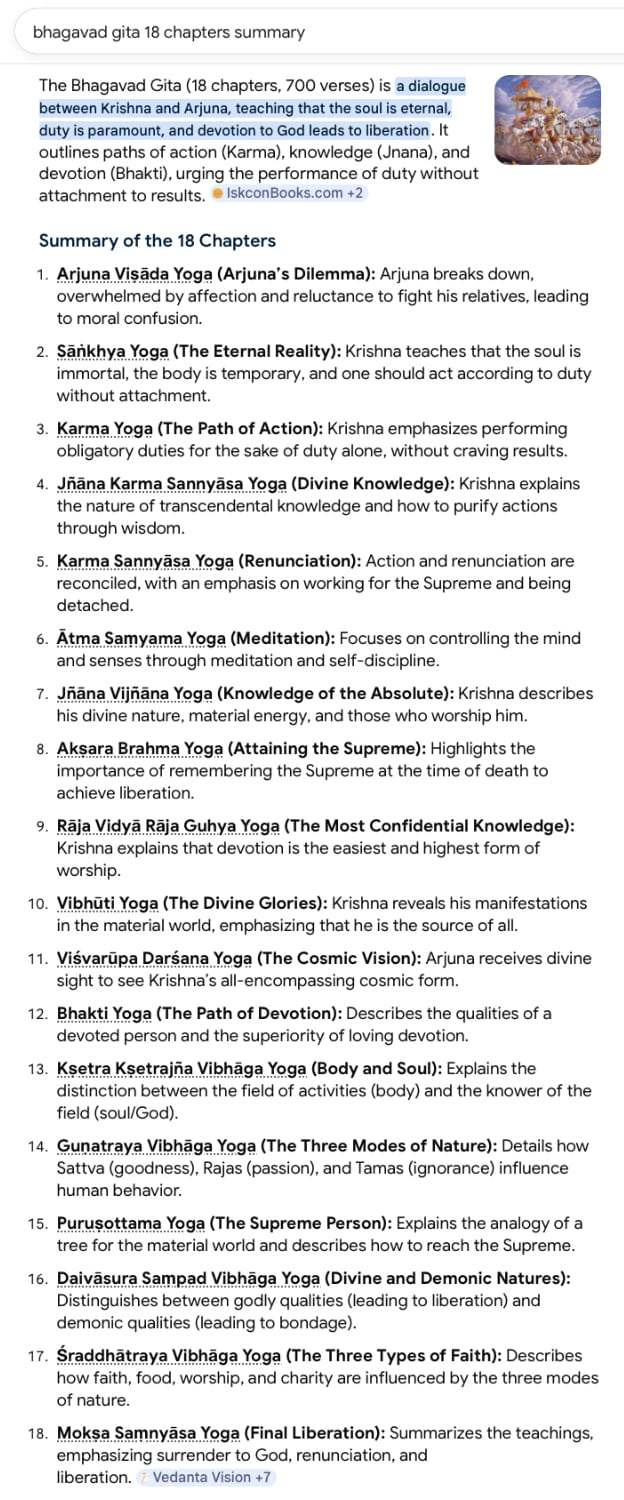
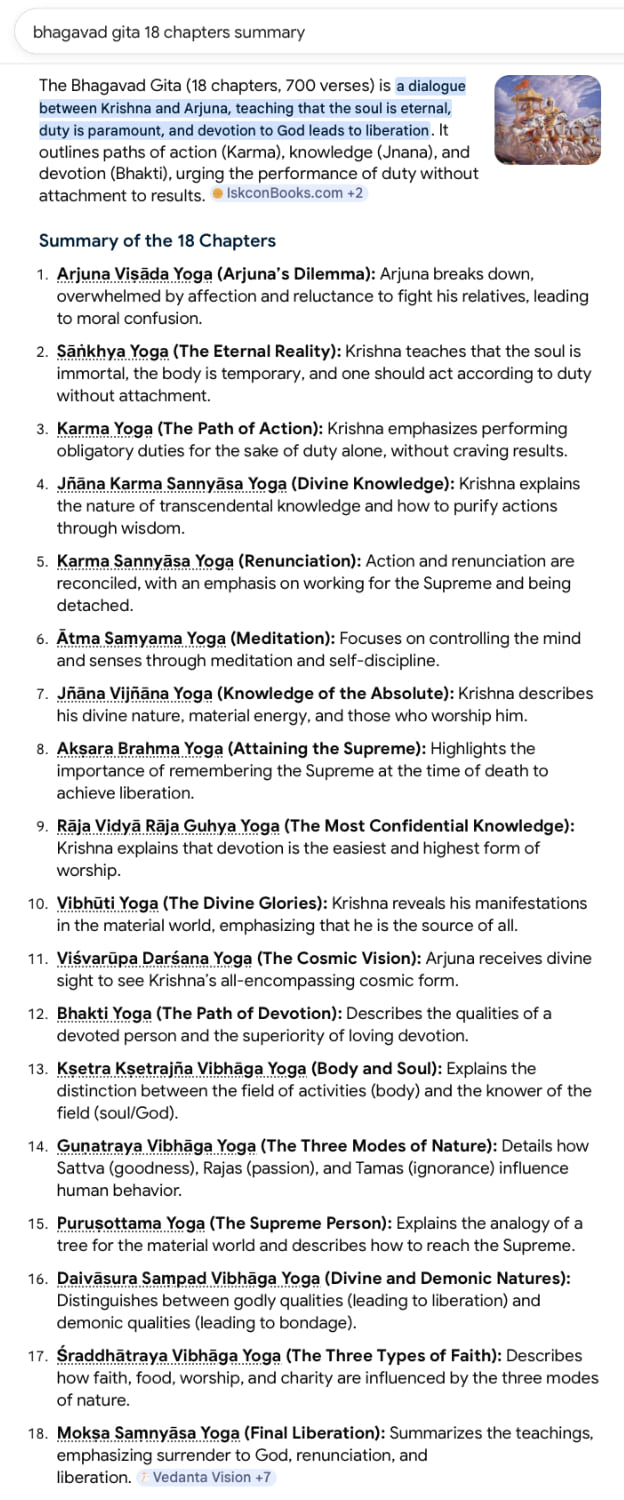
Srimath Bhagawad Geeta-18 Yogas
Srimath Bhagawad Geeta-Tamil-18 Chapters Yogas
Sri Vaikuntham Logam-Bhoologa Vaikuntham
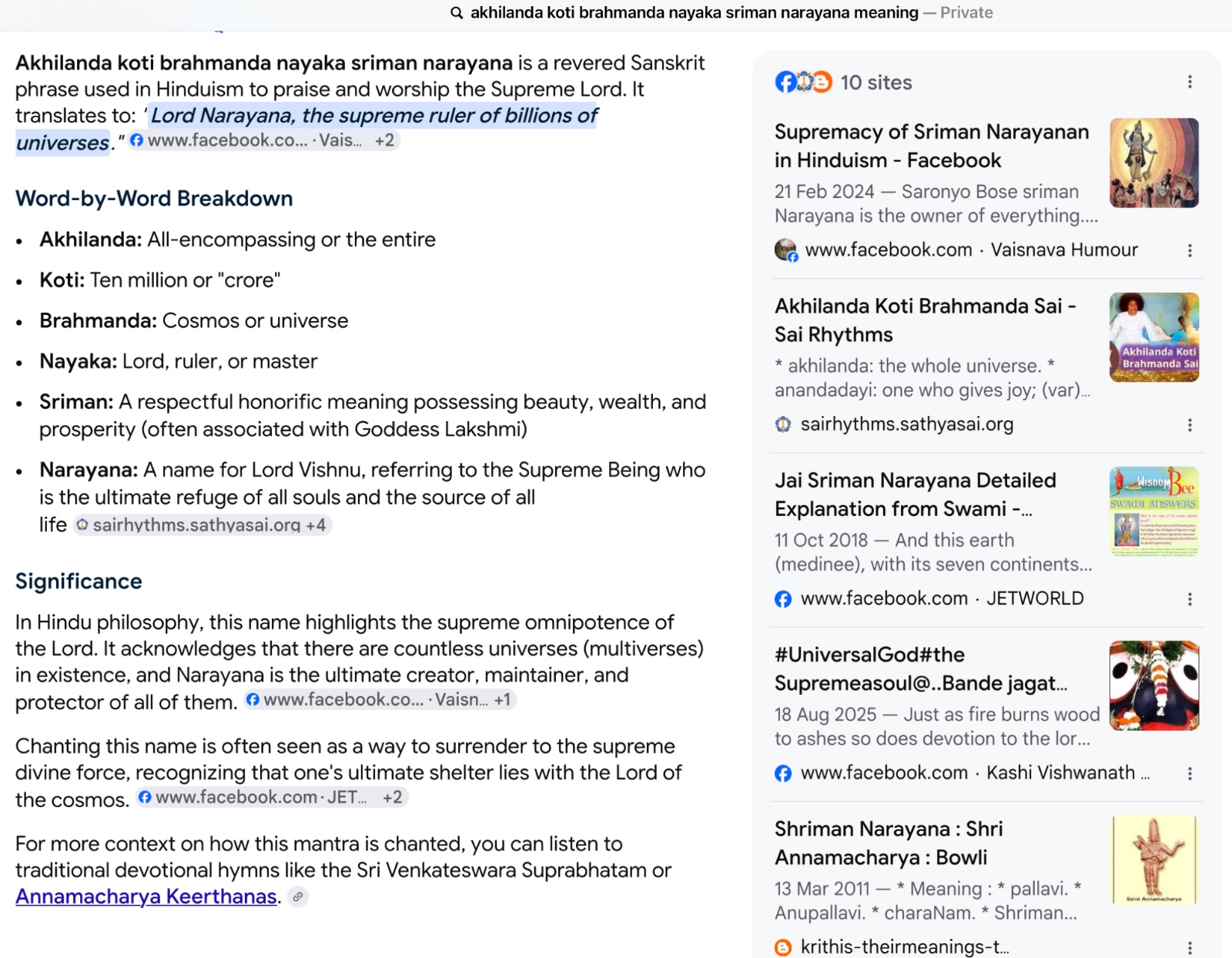
Akhilandakodi Brahmandanayaka - Aum Namo Venkatesaya
Sri Ashtalakshmi Divine Songs
Namo Namo Sri Narayana
Sri Venkatesam Manasa Smarami
Srinivasa Govinda Sri Venkatesa Govinda
Gantasala-Aum Namo Venkatesaya
Sri Ranganayakane
Ezhumalaiyane
Shriman Narayana Hari Hari
Kulam Tharum Selvam Tharum
Sri Venkateswara Stothram
Sri Venkateswara swamy
Bhakta Prahlada
Bhakta Tukaram
TTD-Tirumala Gantanaadham
Sri Lakshmi Narayana
Kannan Vandhan
Enna Thavam Seithanai Yashoda
Sri Krishna Paramathma
Maalai Maatrinal Sri Aandaal
Mukunda Mukunda Krishna
Sri Venkateswara swamy
Srirangam Sri Ranganathane
Sri Ramanuja Nootrandhadi-4000 Divya Prabandham
Ullathil Nalla Ullam
Thirumal Perumai
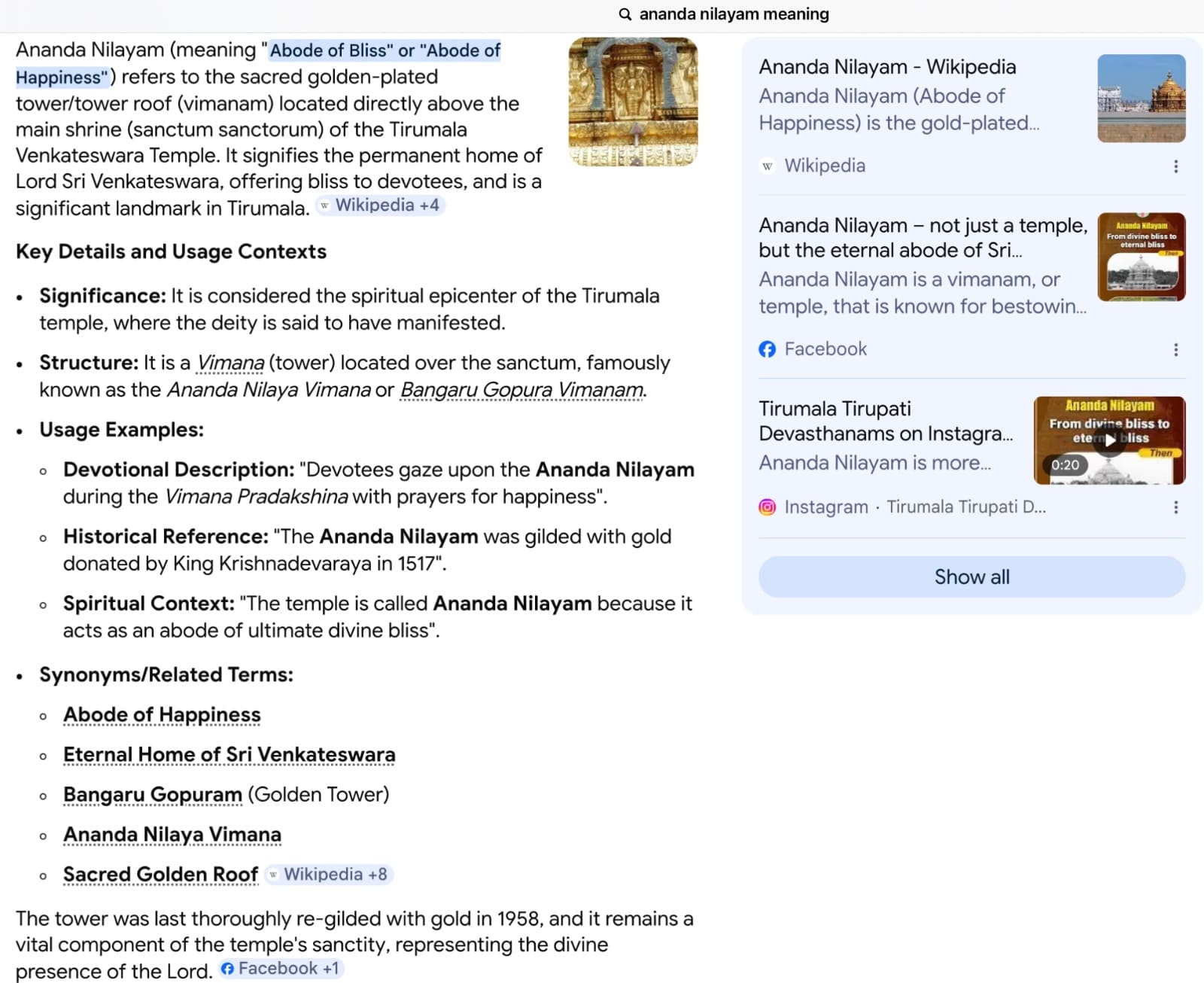
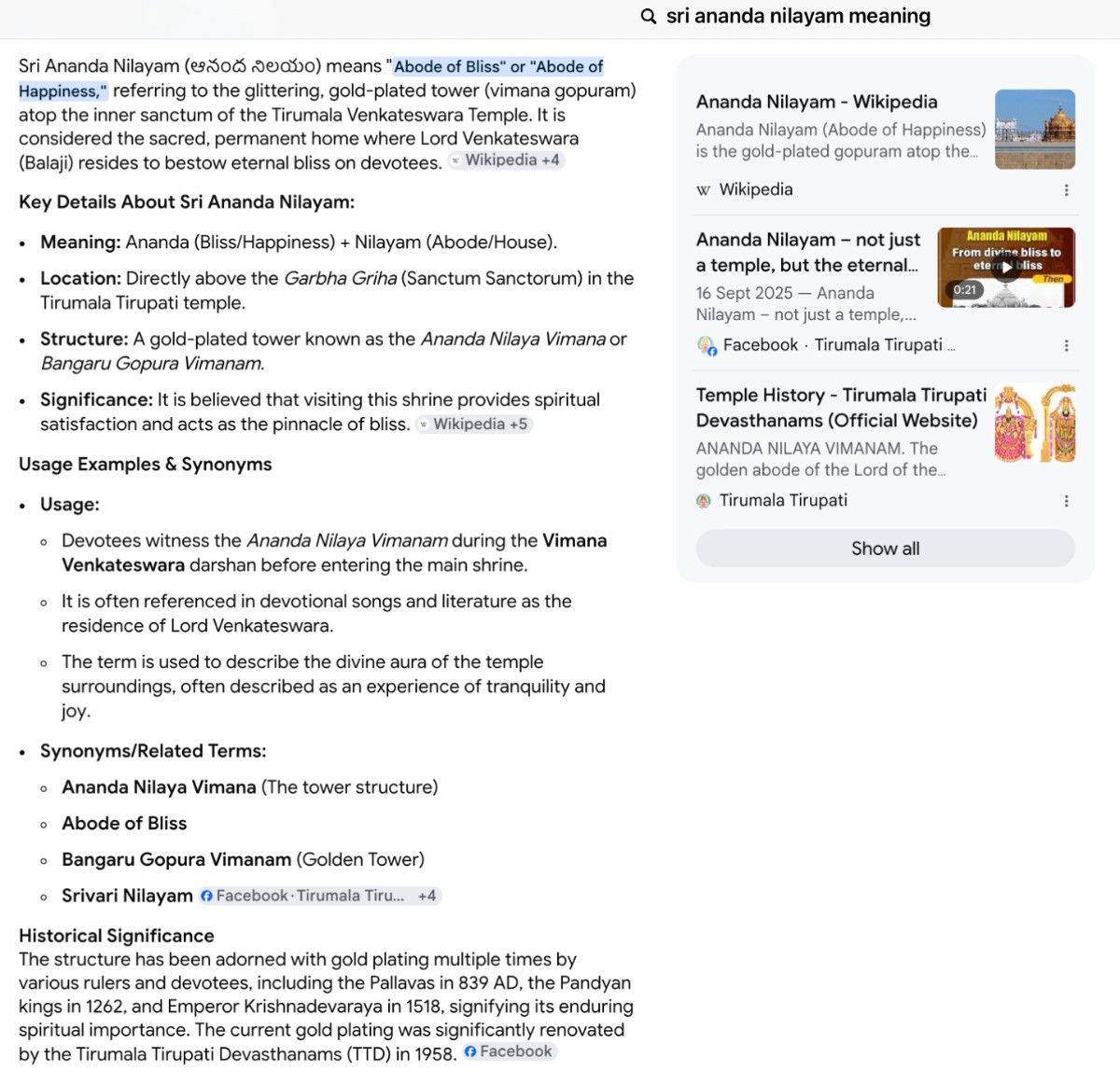
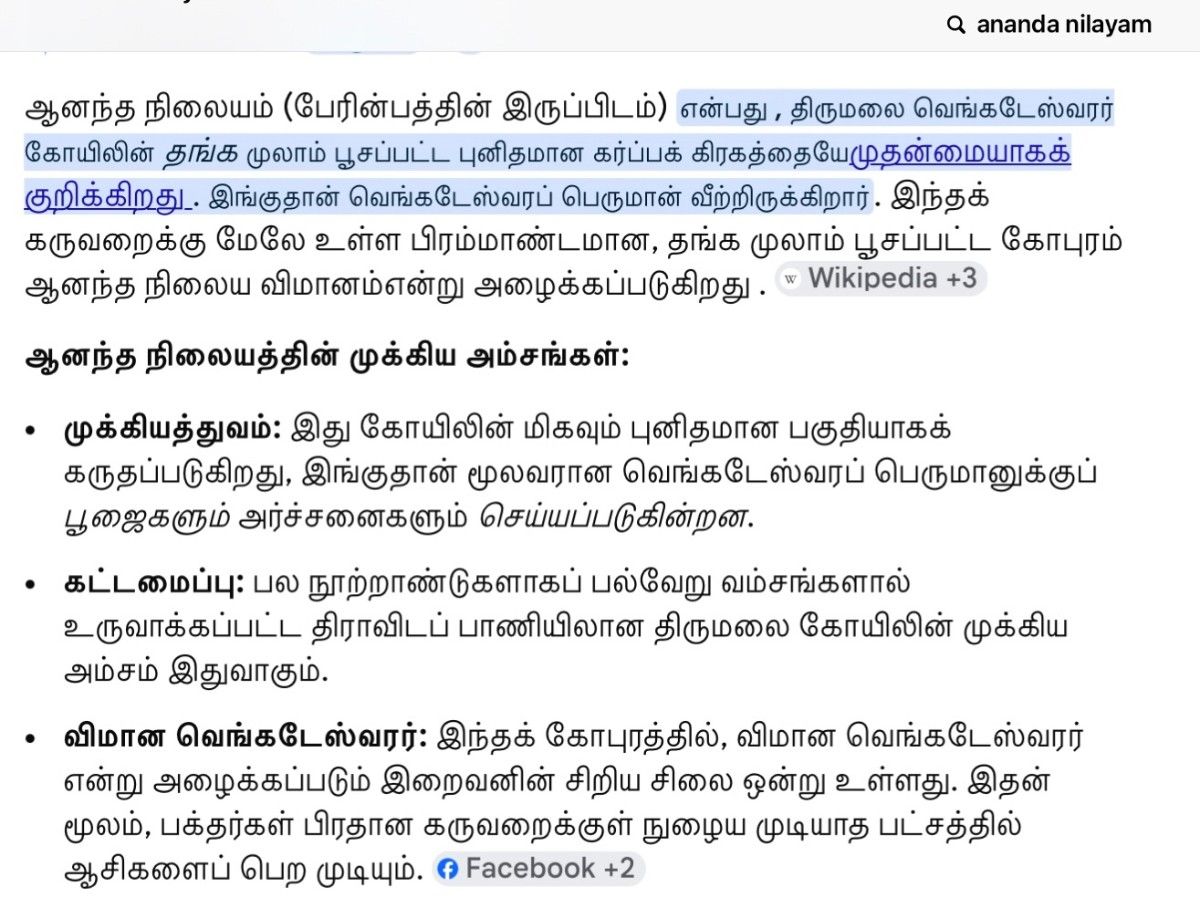
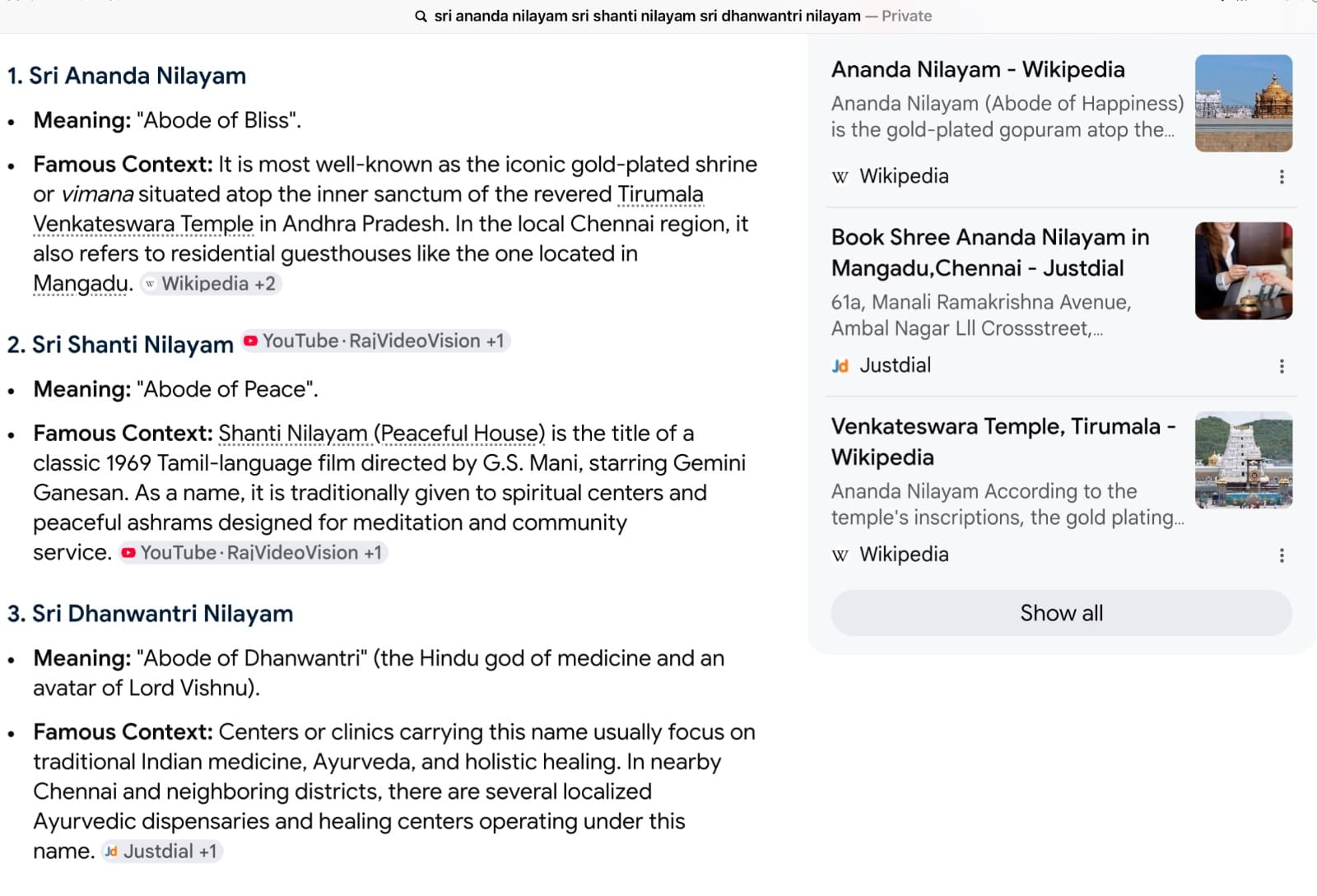
Anandha Nilayam-TTD-Sri Venkateswara Swamy
Tirupati Malai Vaazhum Venkatesa
Sakthi Bhakti Mukth
Sri Mahalakshmi Suprabhatam
Karagre Vasate Lakshmi
Achyutham Kesavam Krishna Damodaram
Hare Krishna Hare Rama
Sri Sita Rama Pattabhishekam
Sriman Narayana
Thirumala Vaasa Sri Venkatesa
Sri Venkateswara Mangalashasanam
Govinda Namalu-Srinivasa Govinda Sri Venkatesa Govinda
Sri Vaikuntha Ekadesi
Perumal Bhakti Songs
Sri Hari Stotram
Sri Vishnu Stuthi
Om Namo Venkatesaya-Divine Songs
Sri Vishnu Mantras
Janaki Stuthi
Sri Sita Matha Devi Astothram Satha Namavali
Aathma Rama Aananda Ramana
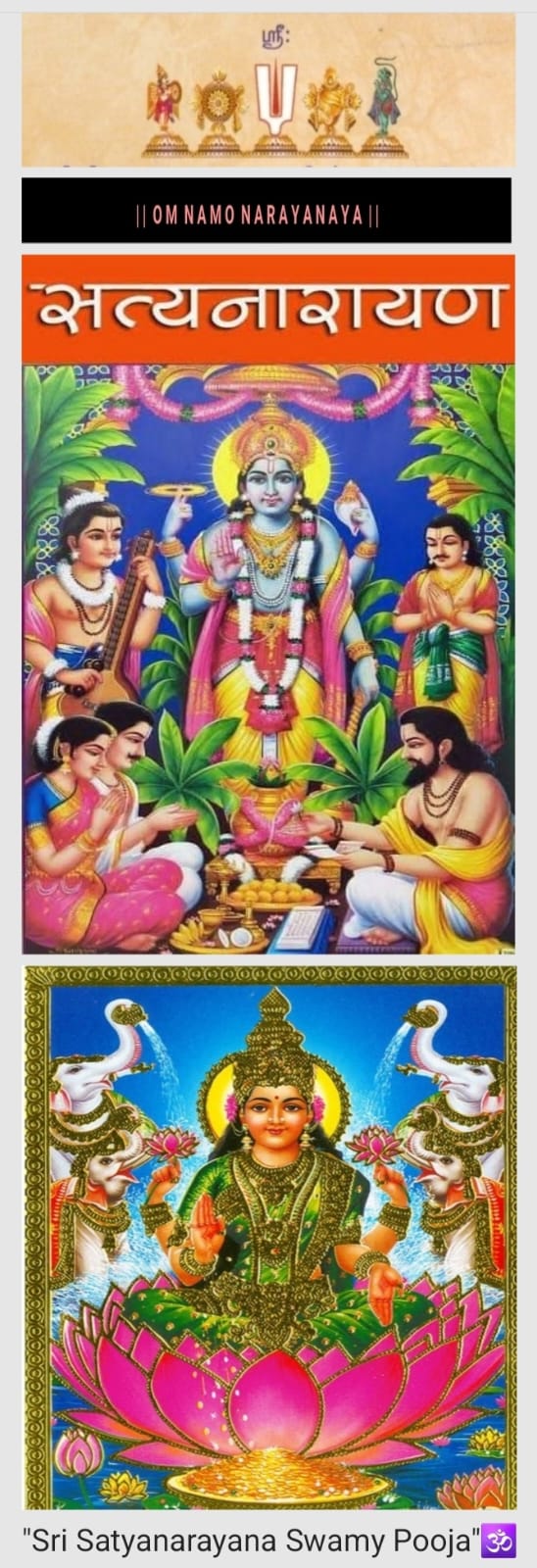
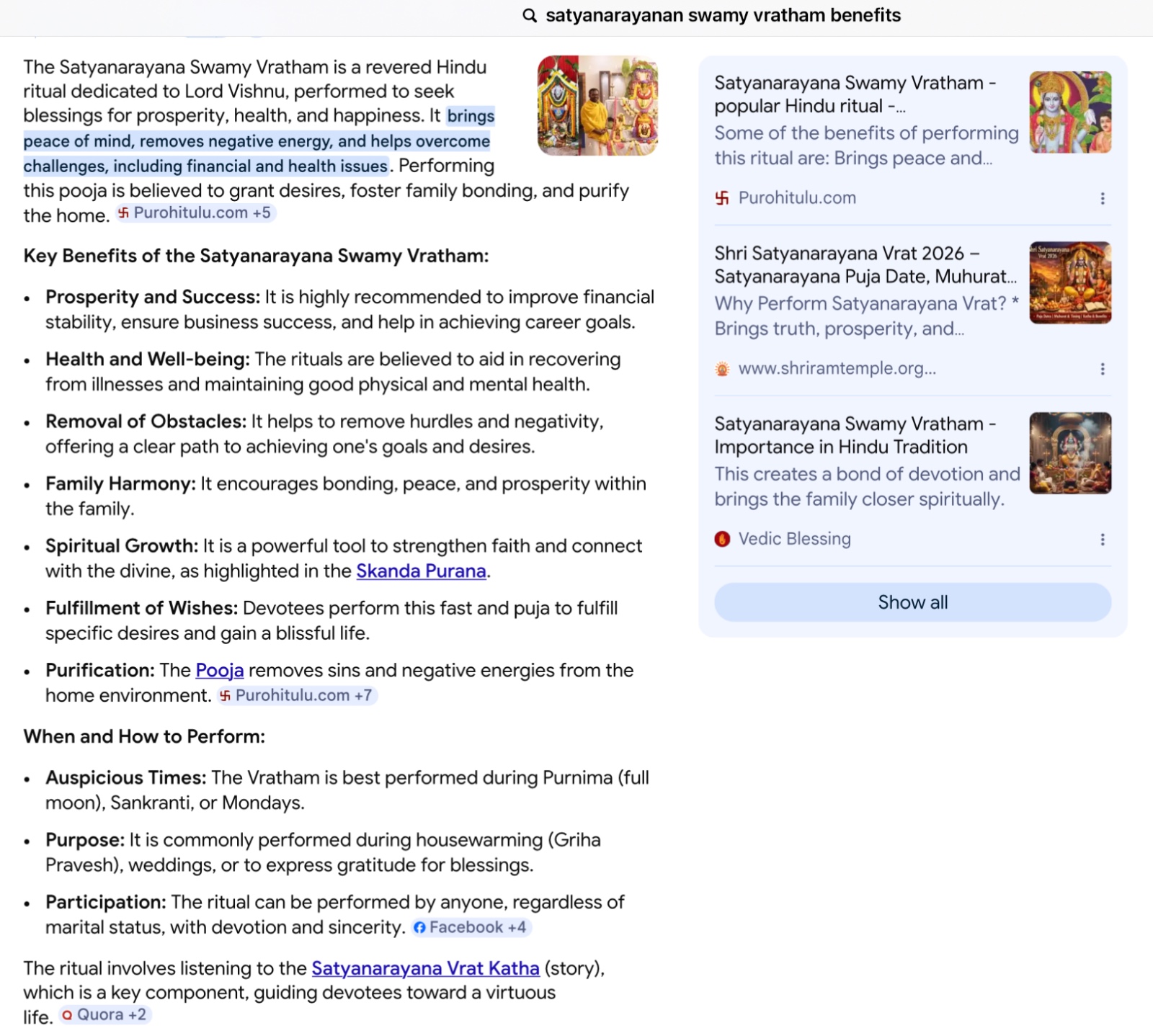
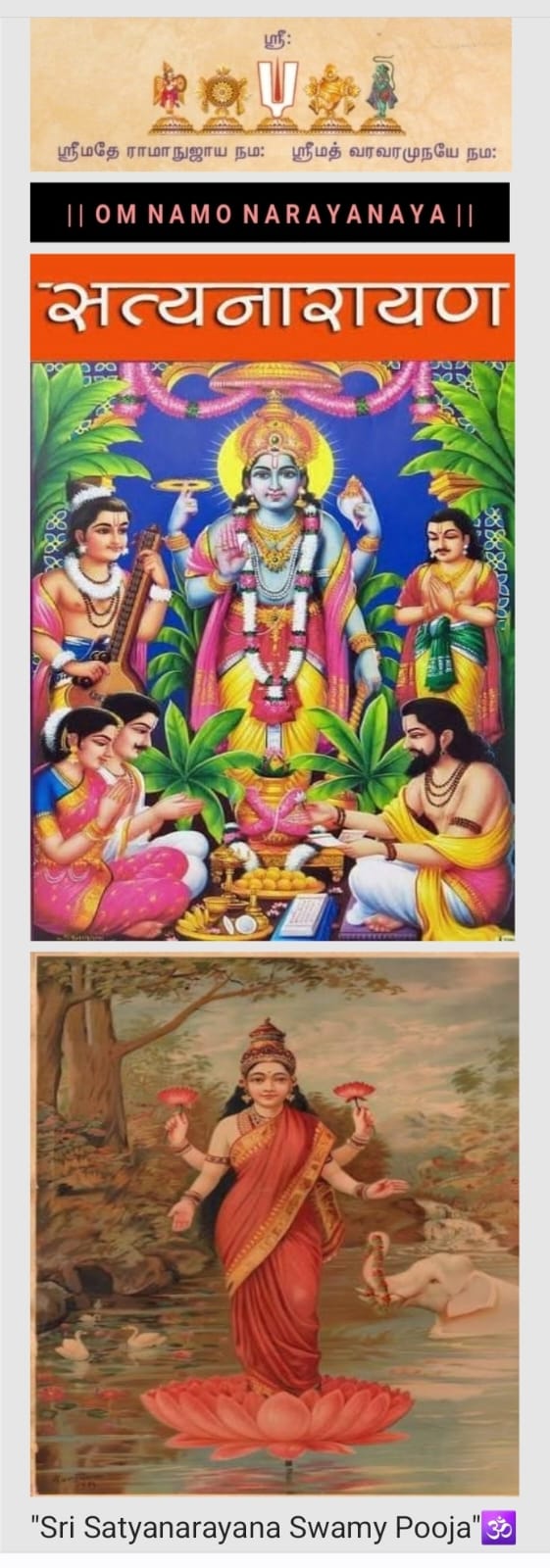
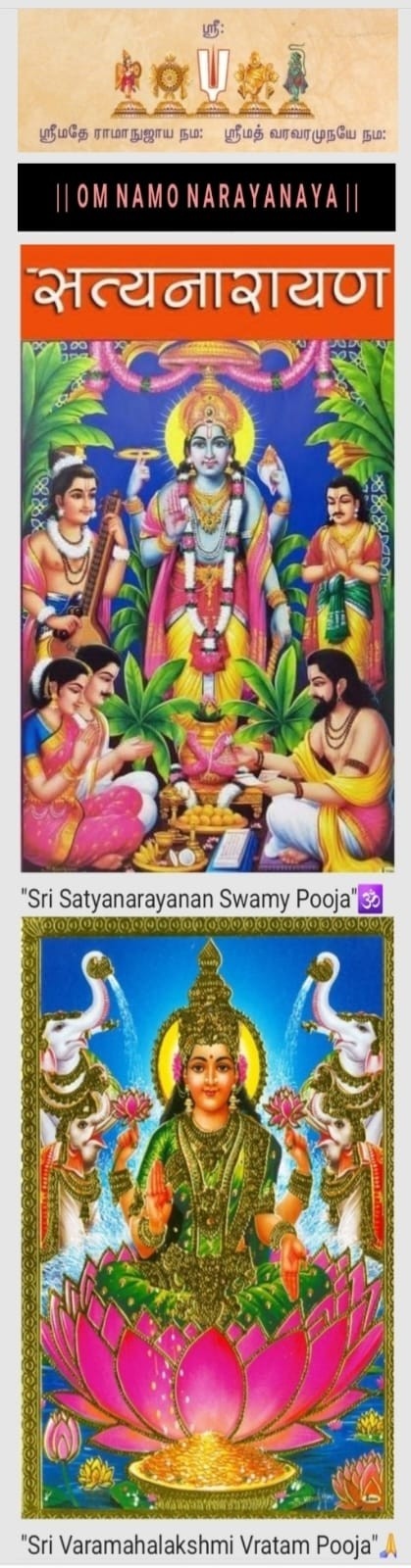
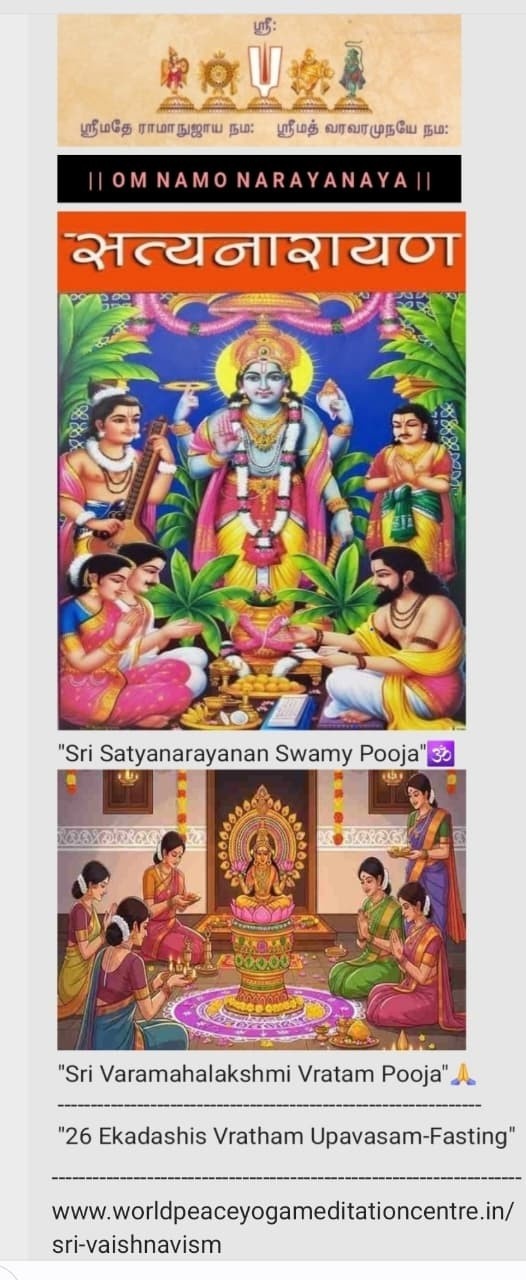
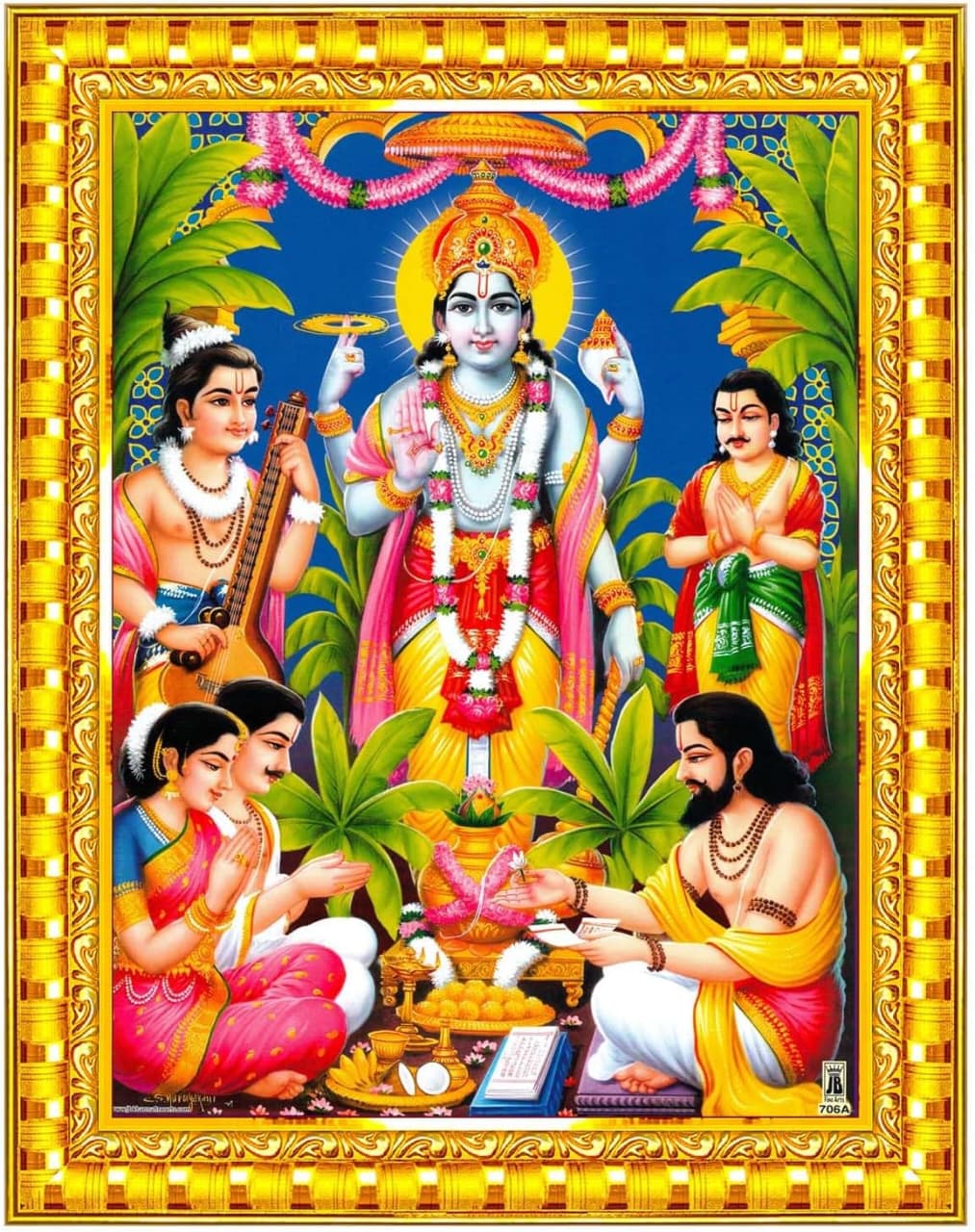
Sri Satyanarayana Swamy Vratham
Sri Satyanarayana Swamy Pooja & Katha
Sri Satyanarayana Pooja Mantras
Sri Padmavathi Ammavaru & Sri Venkateswara Swamyvaru Kalyanam
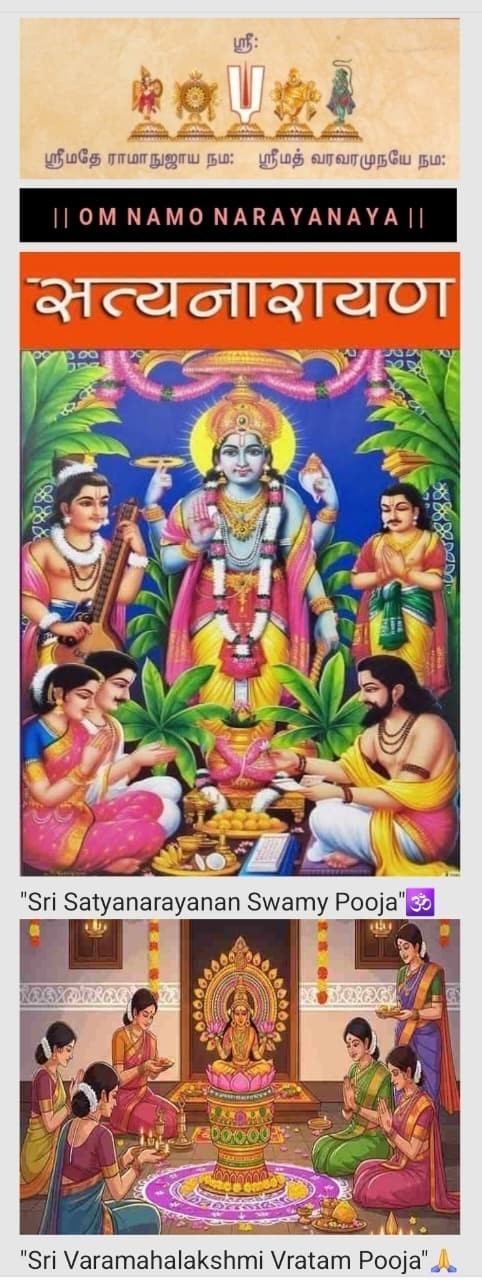
Sri Varalakshmi Vratham Pooja Vidhanam
Sri Varalakshmi Vratham Songs
Thirumalai Theivam
Sri Ramachandraya Janaka
Adharam Madhuram-Madhurashtakam
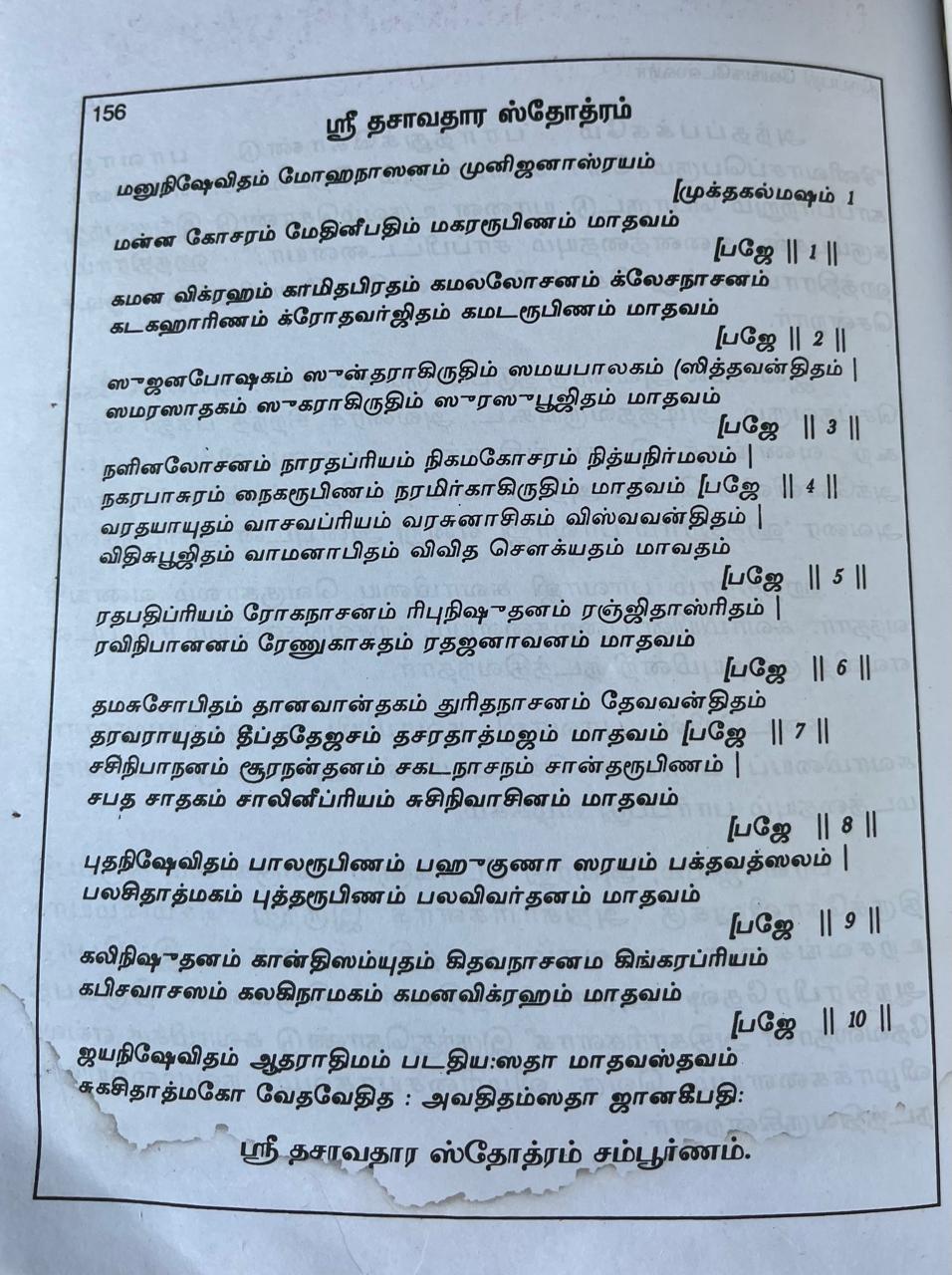
Dasavatharam-Gita Govindam
Garuda Gamana Tava
Vishwaroopam
Sri Vaishnavism-Telugu
Sri Vaishnava-Initiation-Pancha Samskaram
Sri Ramanujacharya Sampradayam-Sri Vaishnava Sampradayam-Hindi
Do's & Don'ts-Human Being Life
En Pani-Sri Velukkudi Swamigal Discourses
Sri Venkateswara Veda Vignana Peetham-Dharmagiri-TTD
SVVVP-Ankurarpanam-TTD
Sri Vaishnava-Dinasari
Introduction-Sri Vaishnavism
76. Who is a "Sri Vaishnava"
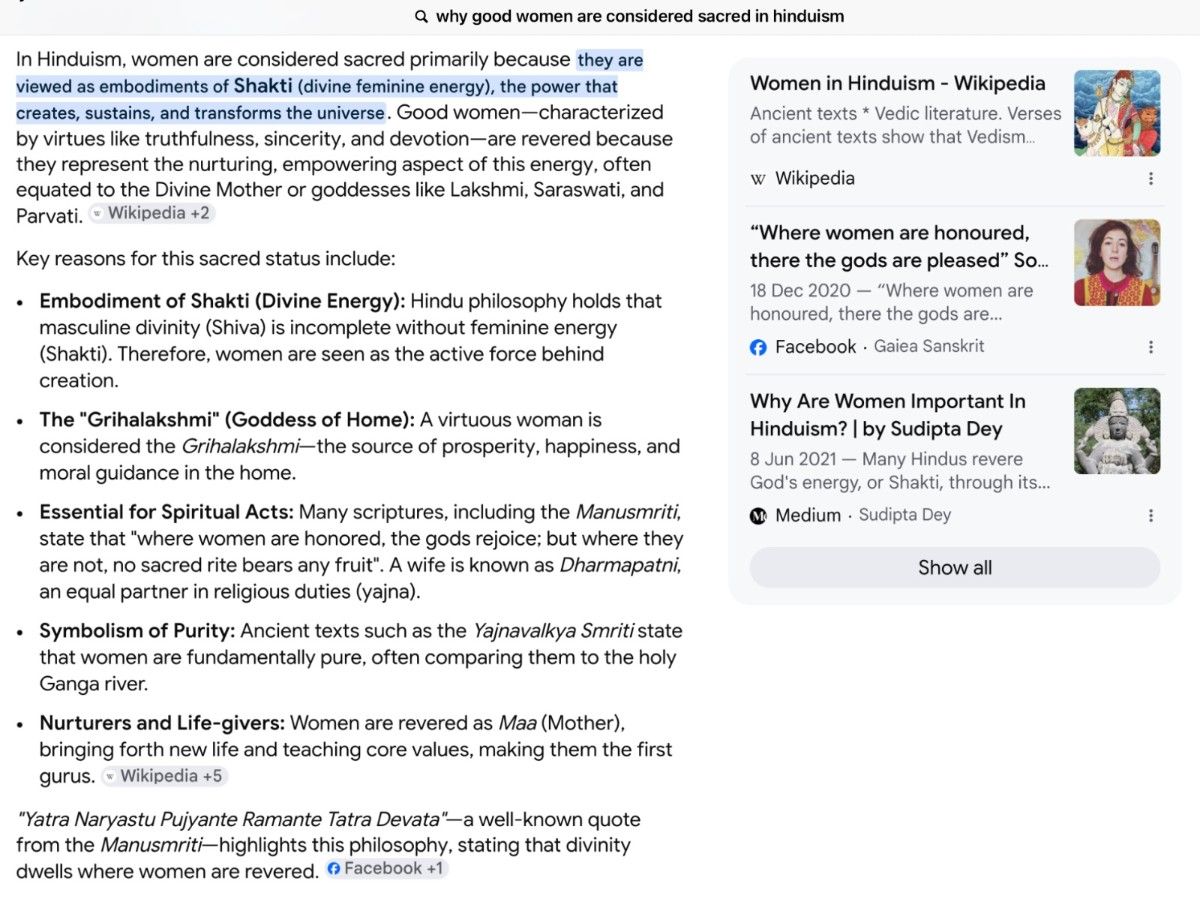
Sthree Dharmam"-Hindu Women Duties
Sri Vaishnava Guru Parampara Mantram
Sri Vaishnavam-6
Sri Vaishnava-3 Charama Slokams
Sri Ranganayakane
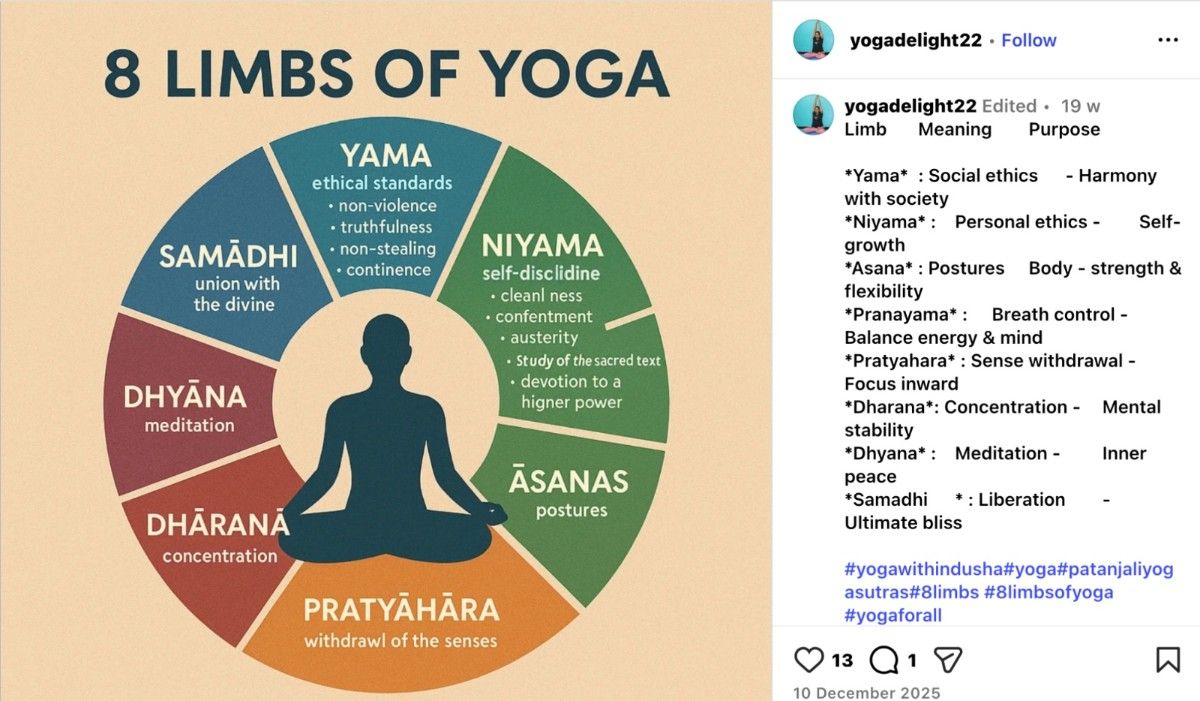
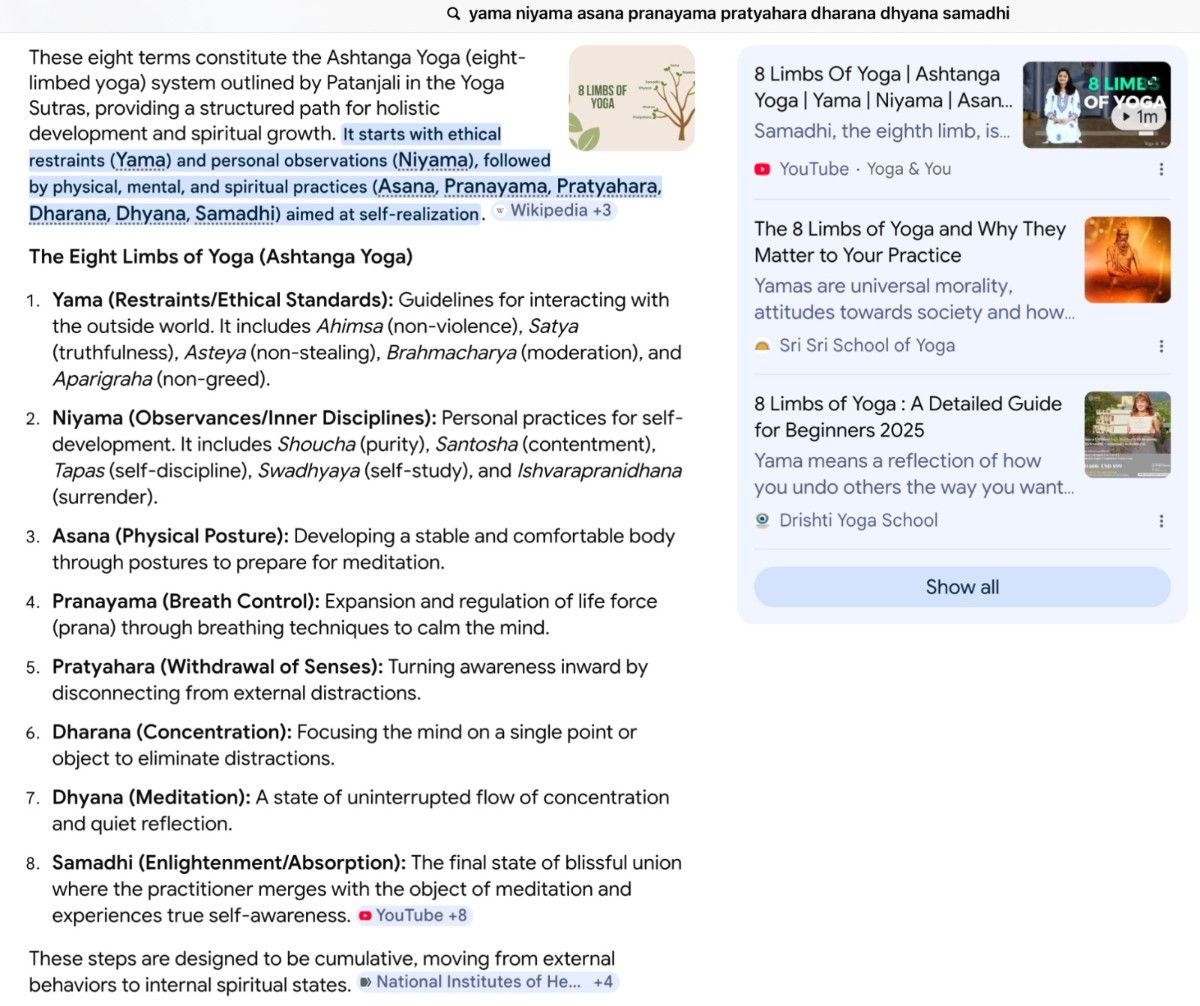
Saint Patanjali-Ashtanga Yoga
Sri Vaishnava Dinacharya
Upanyasam
Sri Vaishnavam-Sri Ramanujar-7 Principles
Sundara Kandam-Sri Sita Ram
Sri Goda Stuti
Upanyasam-Kadaisi Piravi
Sri Vaishnavism-7 Questions & Answers
Japam
God Sri Mahavishnu-Bhakti Mukti Moksham
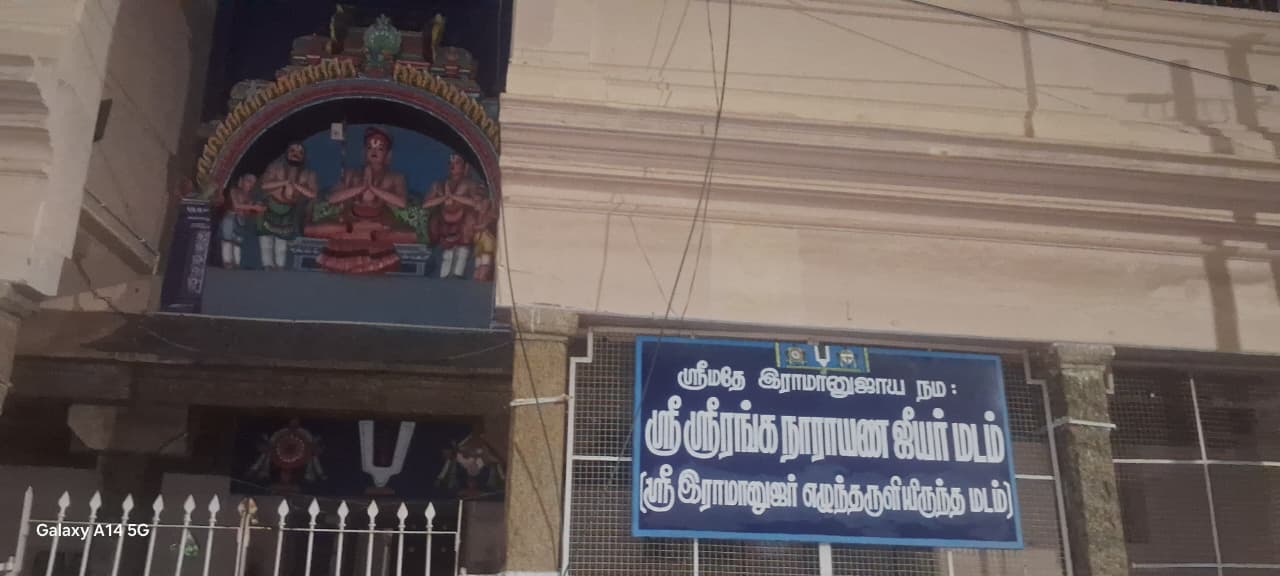
Sri Ramanujar History
Perumalin Karunai
Arivu-Knowledge-Intelligence-Consciousness
Sri Ramar
Sri Sitha Ramar-Mukti Moksham
Tara Tara Tirumala
Thiruvillakku-Sri Mahalakshmi
Sri Mahalakshmi Devi
Sri Mahavishnu Dev-Perumal
Sri Satyanarayana Swamy Vratham
Sri Vaikuntha Ekadesi
Enni Janmalu Punniyamo
TTD-Sri Vari Thiruppavada Seva
TTD-Thomala Seva
Sri Venkateswara Manasa Smarami
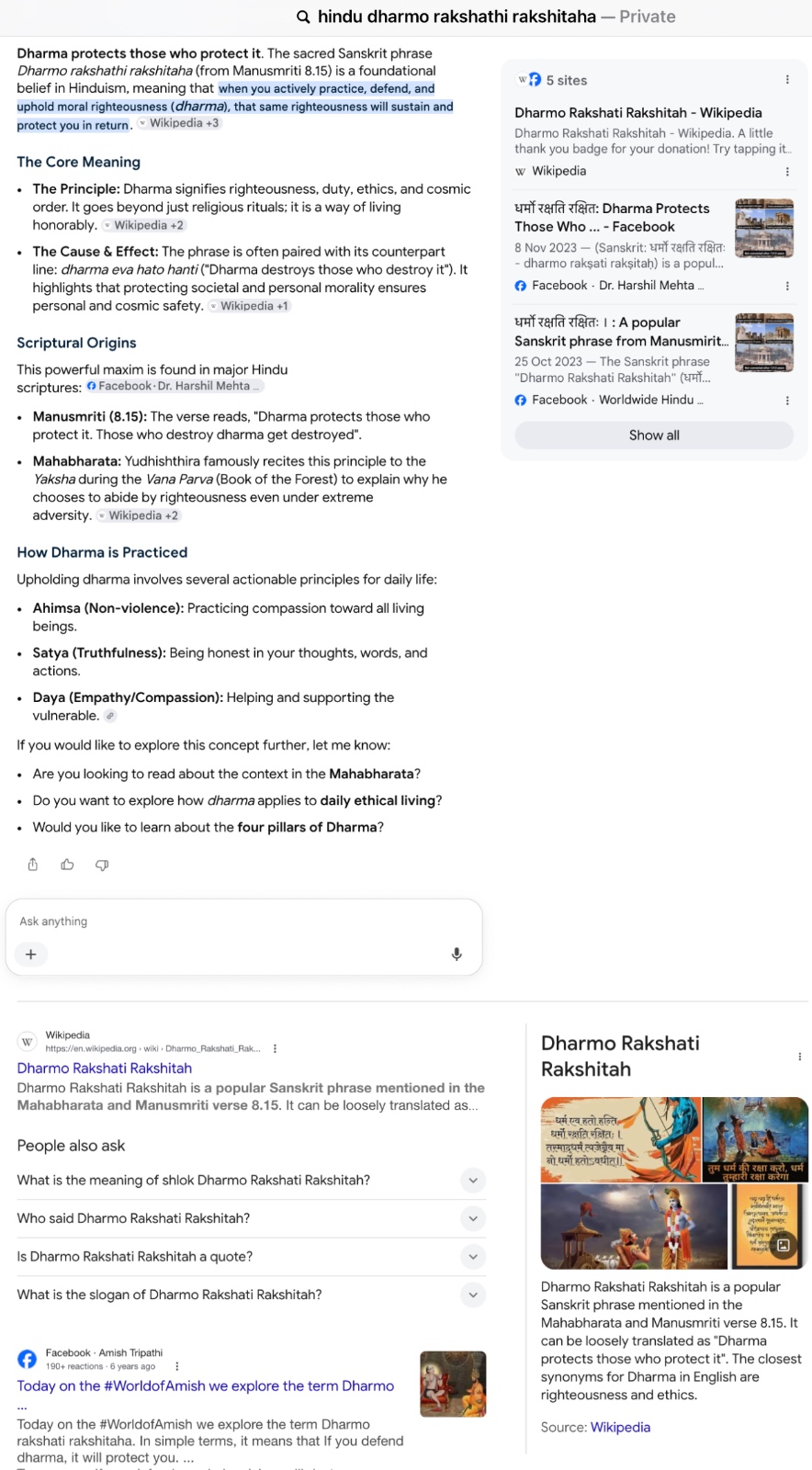
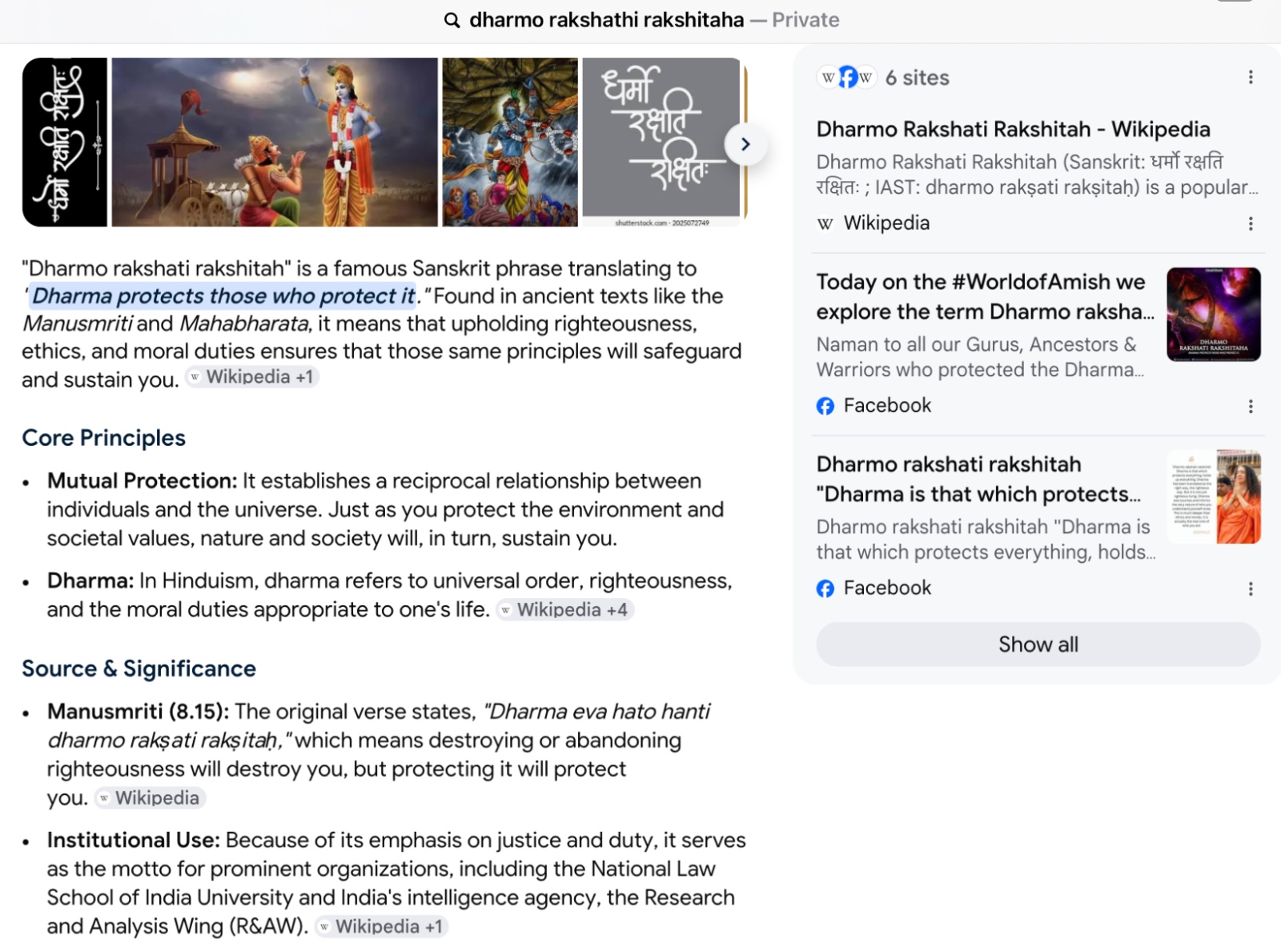
Dharmo Rakshati Raksitah - Brahmasri Chaganti Koteswara Rao Garu
Lokah Samastah Sukhino Bhavantu"-World Peace
Sarvam Sri Krishnarpanamasthu
Sri Vaishnava Guru Parampara
Ahobilam
Dwarka
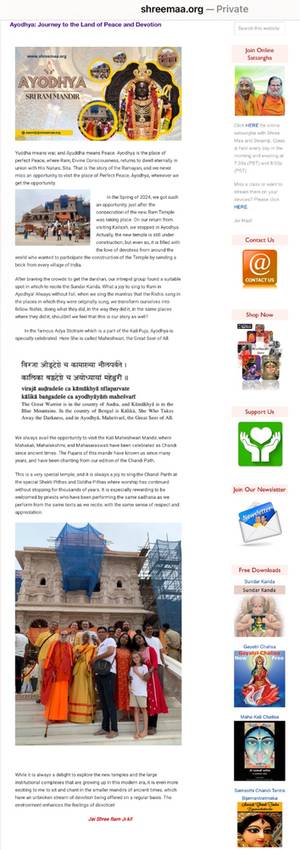
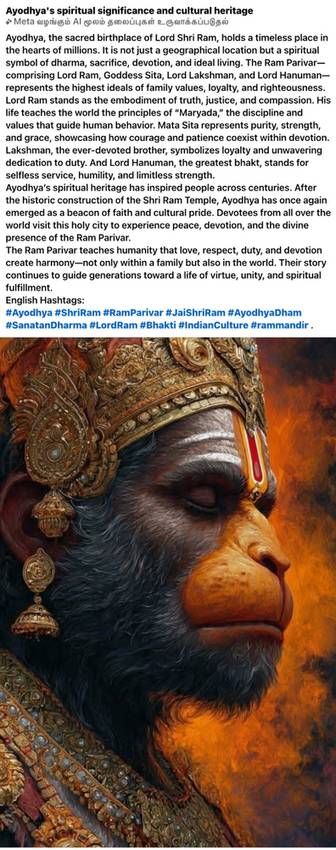
Ayodhya-Sri Sita Ram
Mathura-Sri Radhe Krishna
Badrinath-Pawan Mand Sugandh Sheetal
Nepal-Muktinath-108 Divya Desams Temples
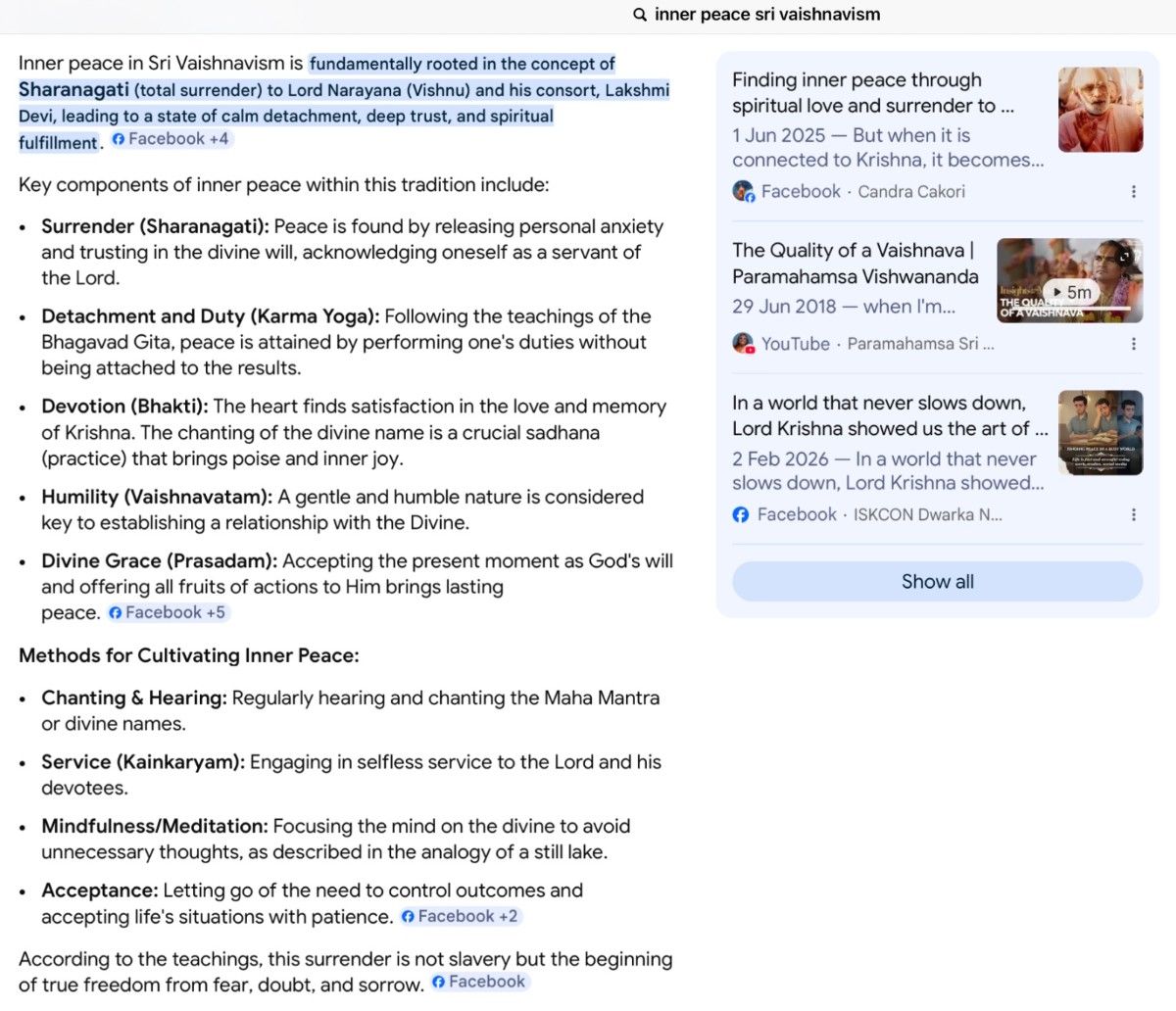
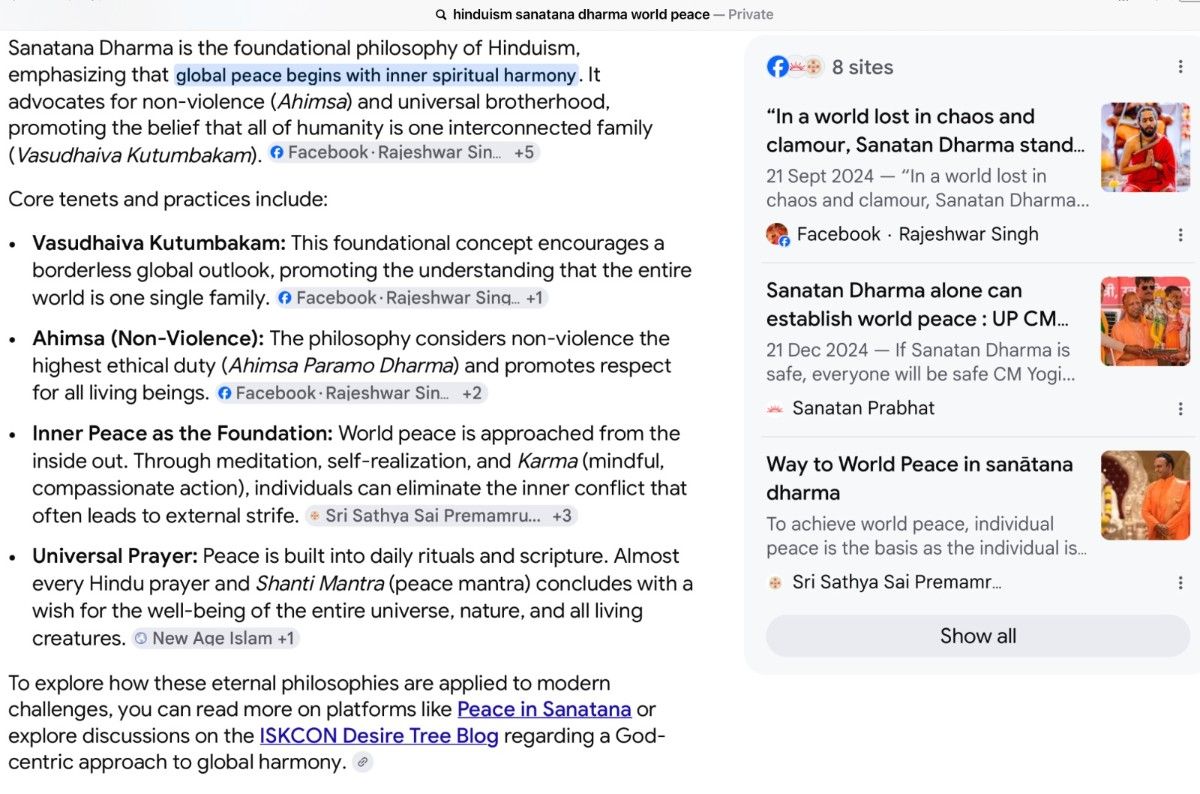
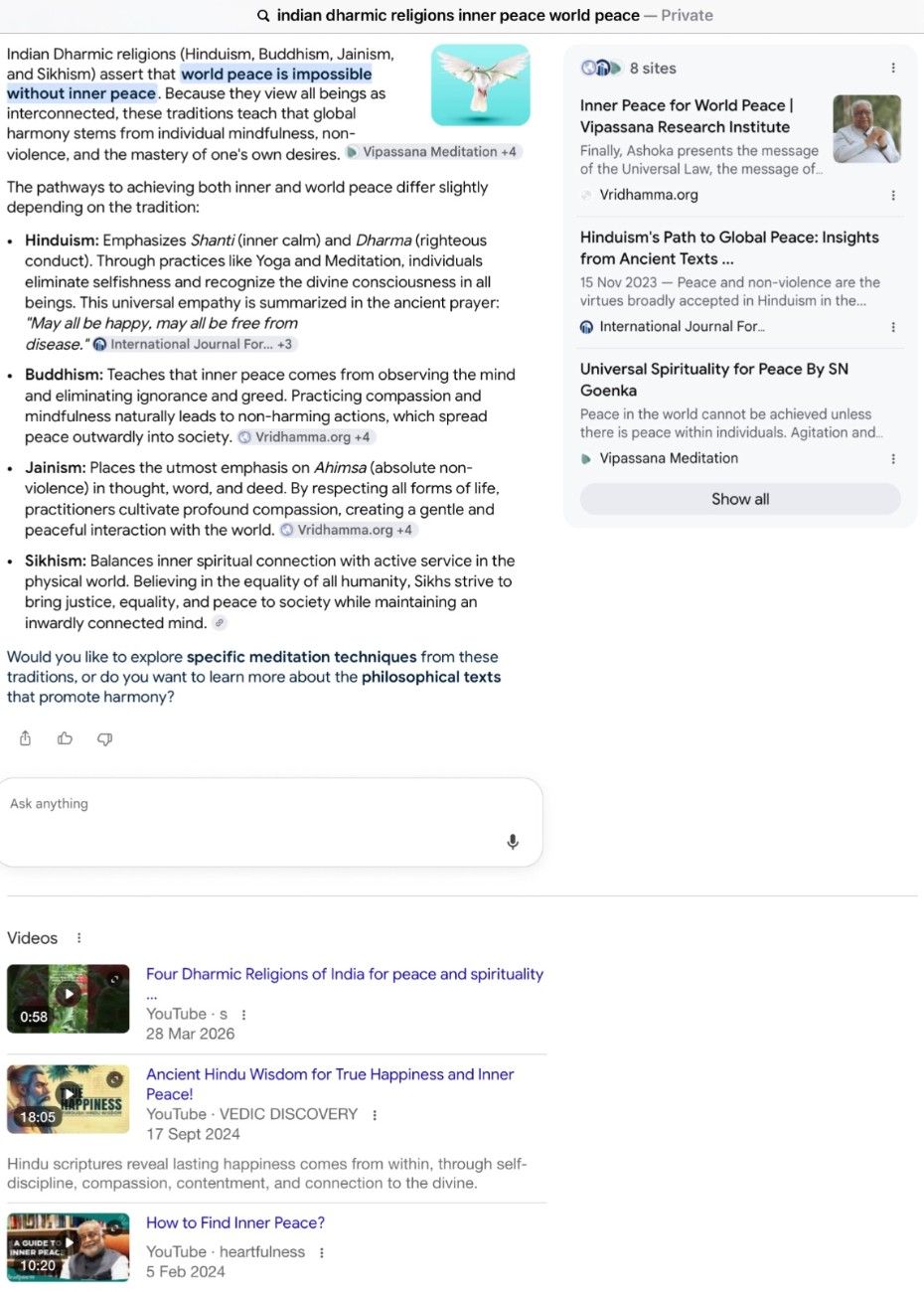
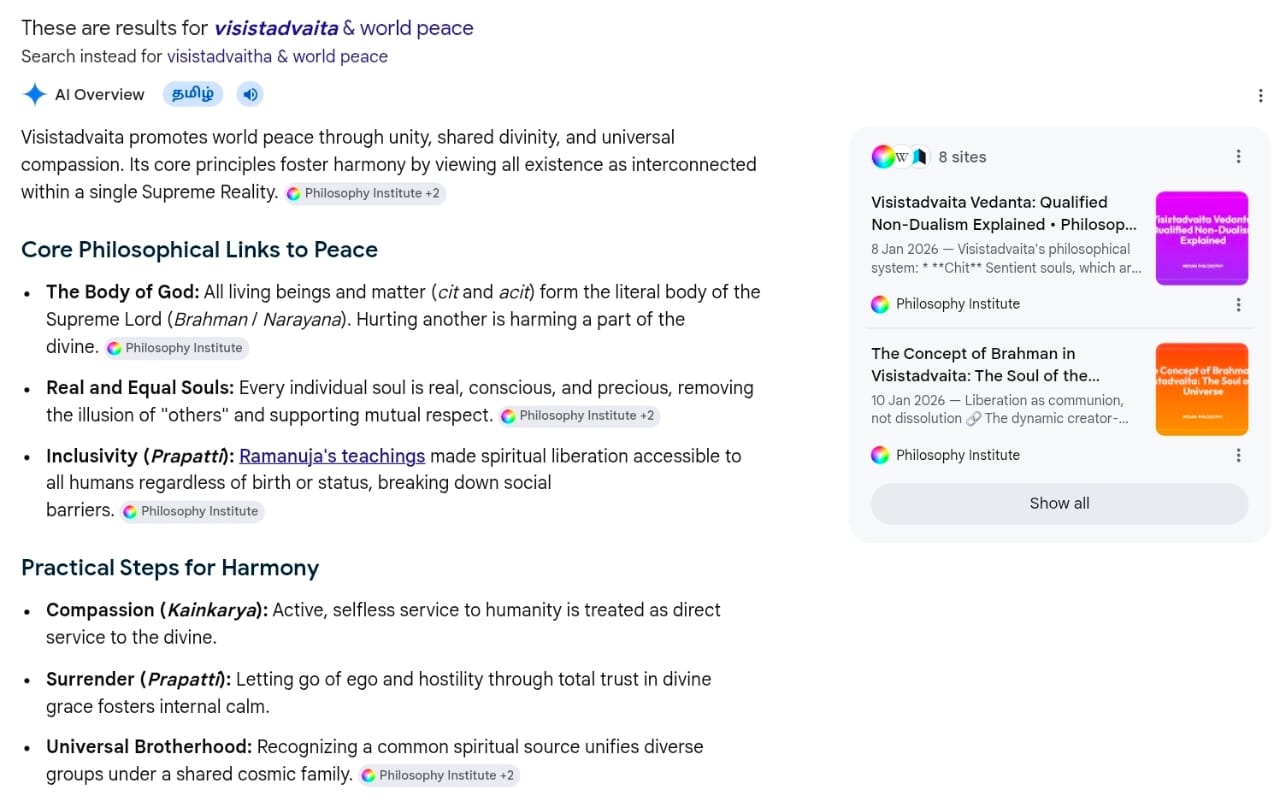
Lokah Samastah Sukhino Bhavantu - Inner Peace & World Peace
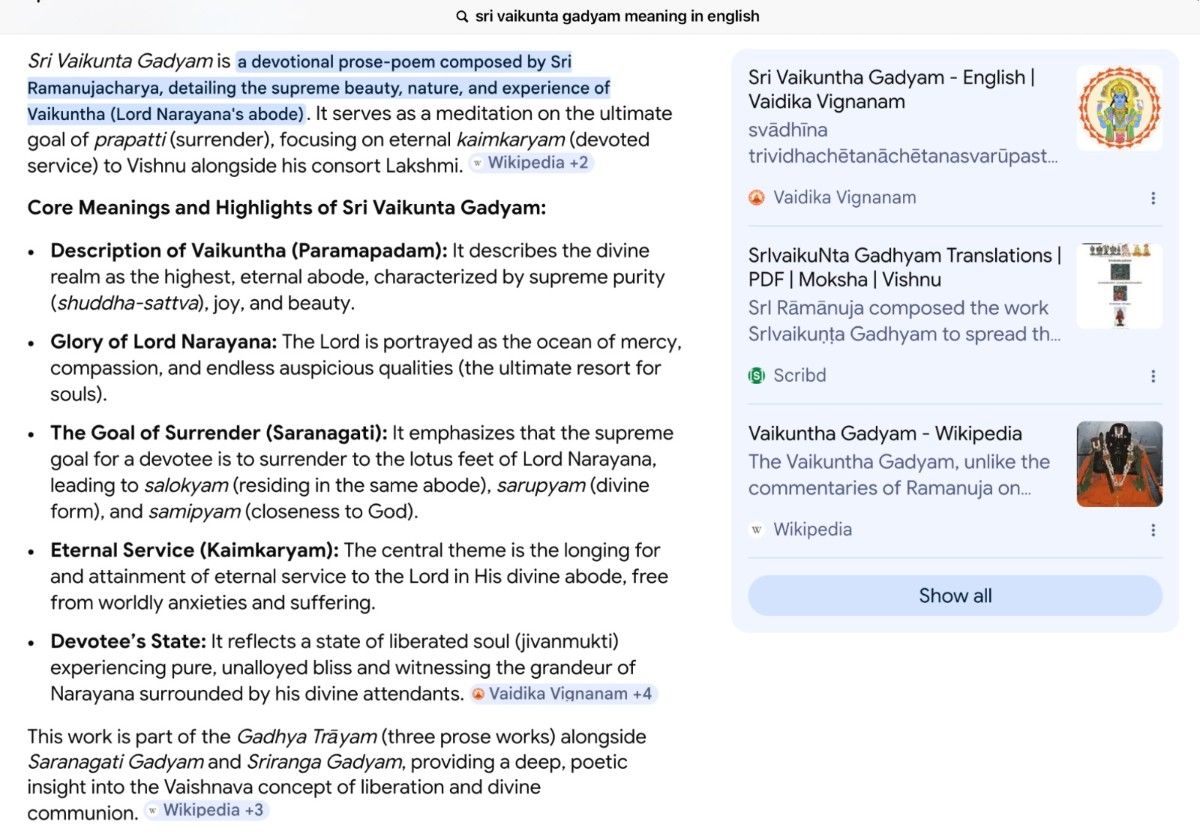
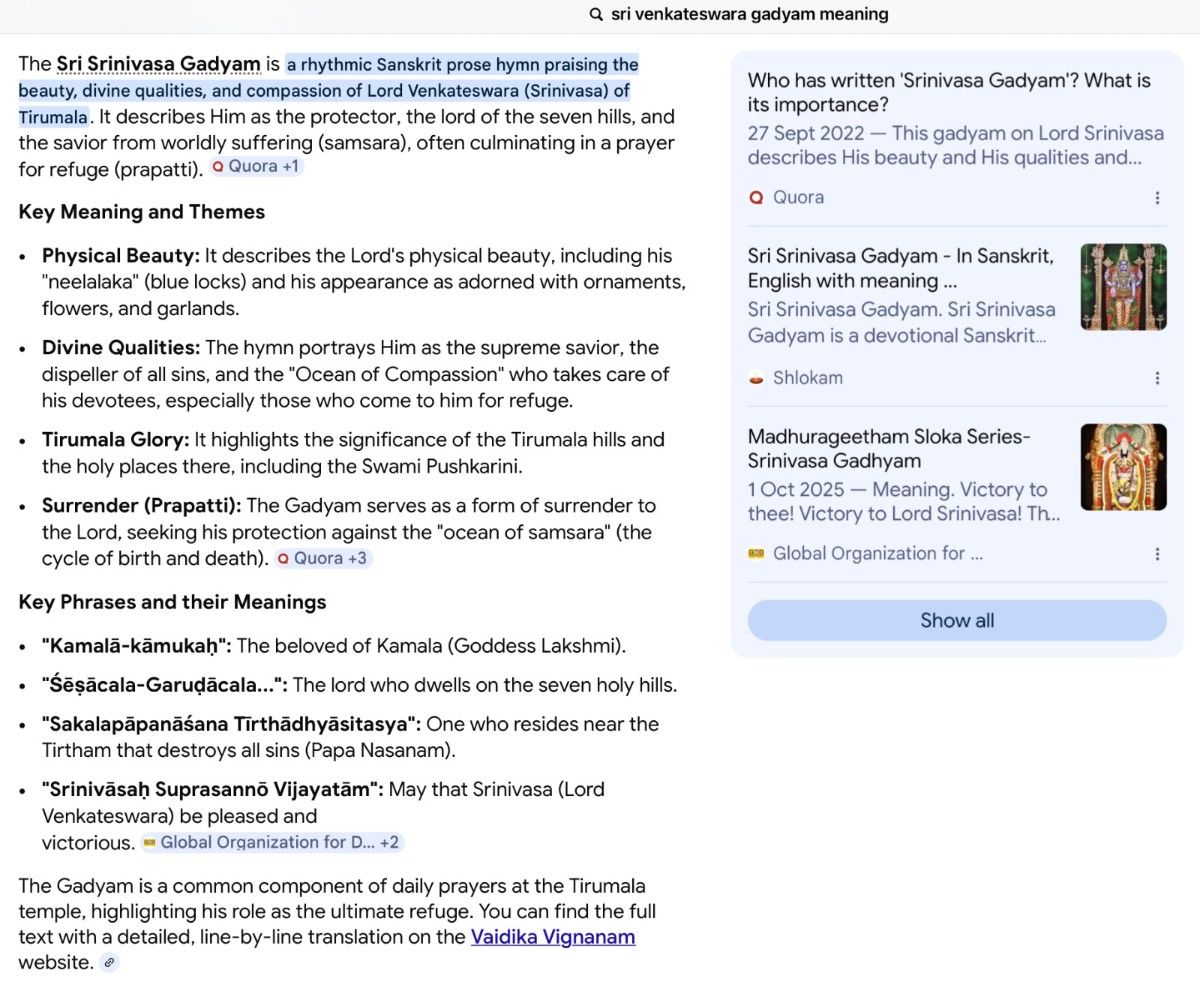
Sri Vaikuntha Gadyam - Gadyatyaram
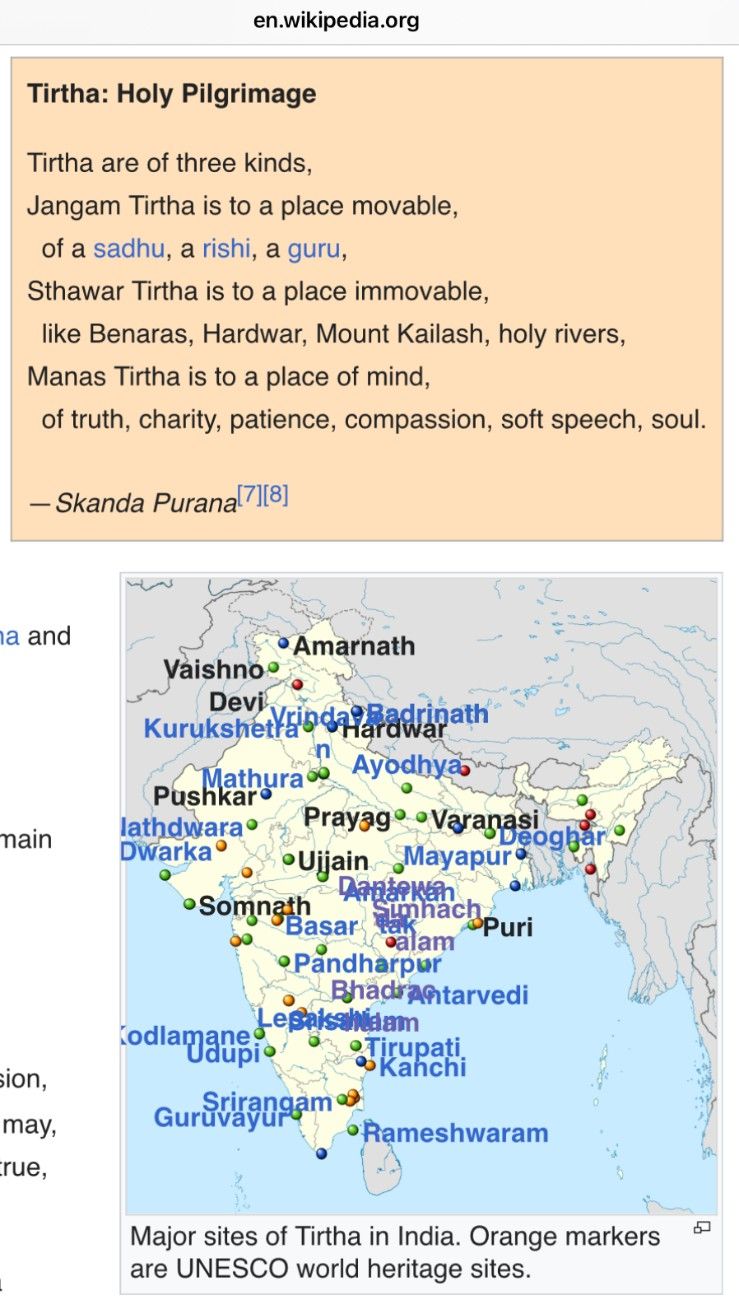
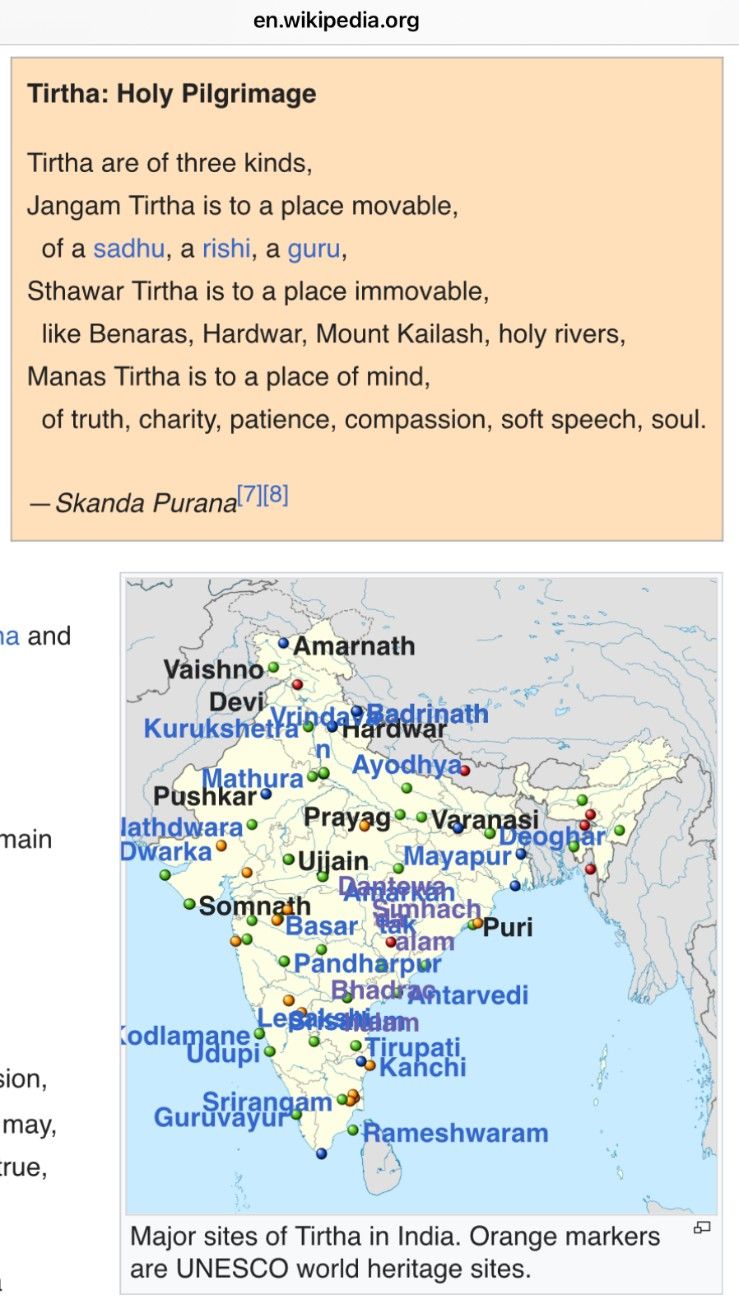
Yatra - Hindu Pilgrimage Temples Swamy Darshan
Moksha Dharmam
Good Clean Pure Heart
Sri Vaishnavism - Thiruvaradhanam at Home-Daily Pooja
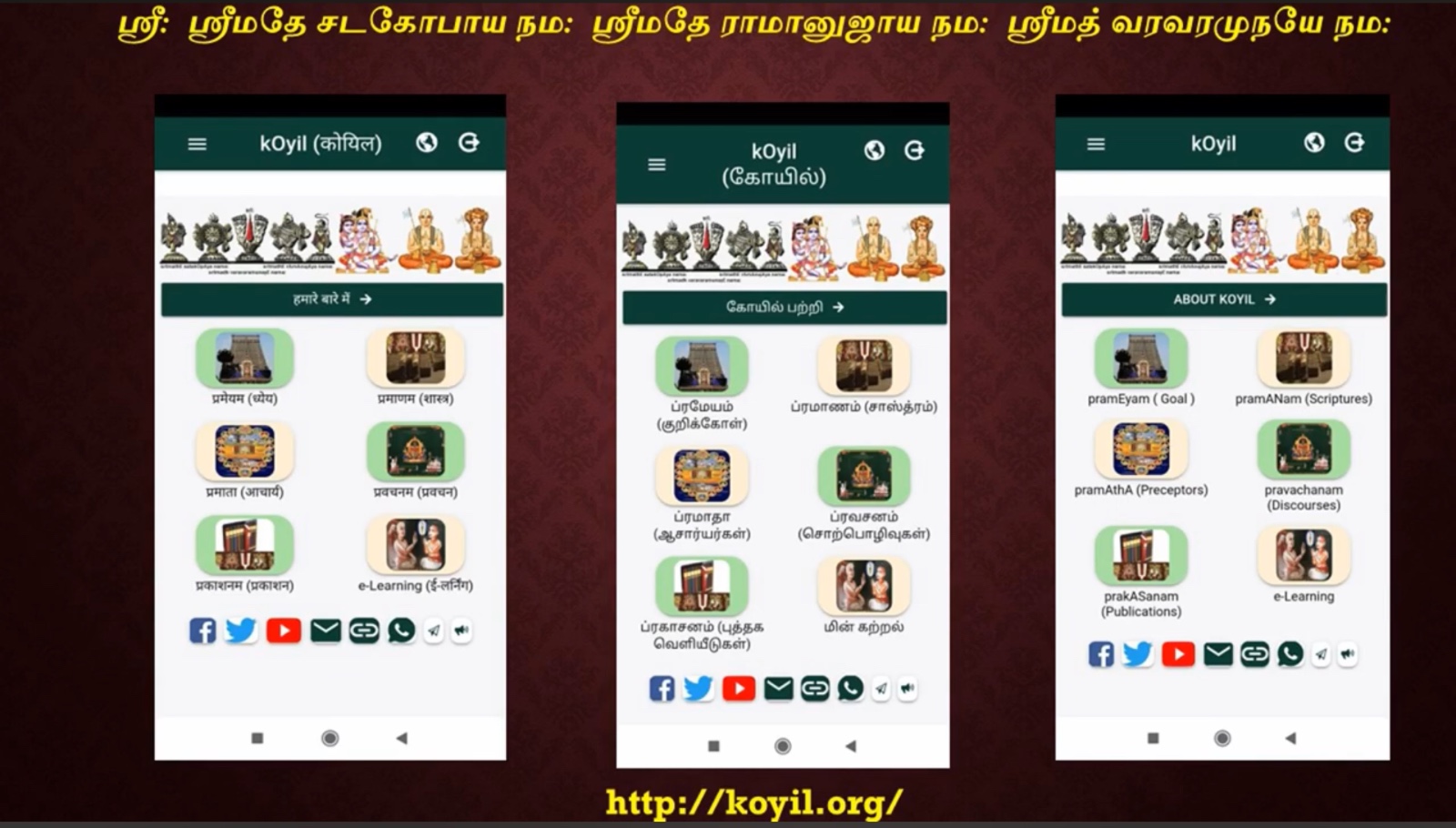
Sri Vaishnavism Basics - Koyil
Who is a Sri Vaishnava ?
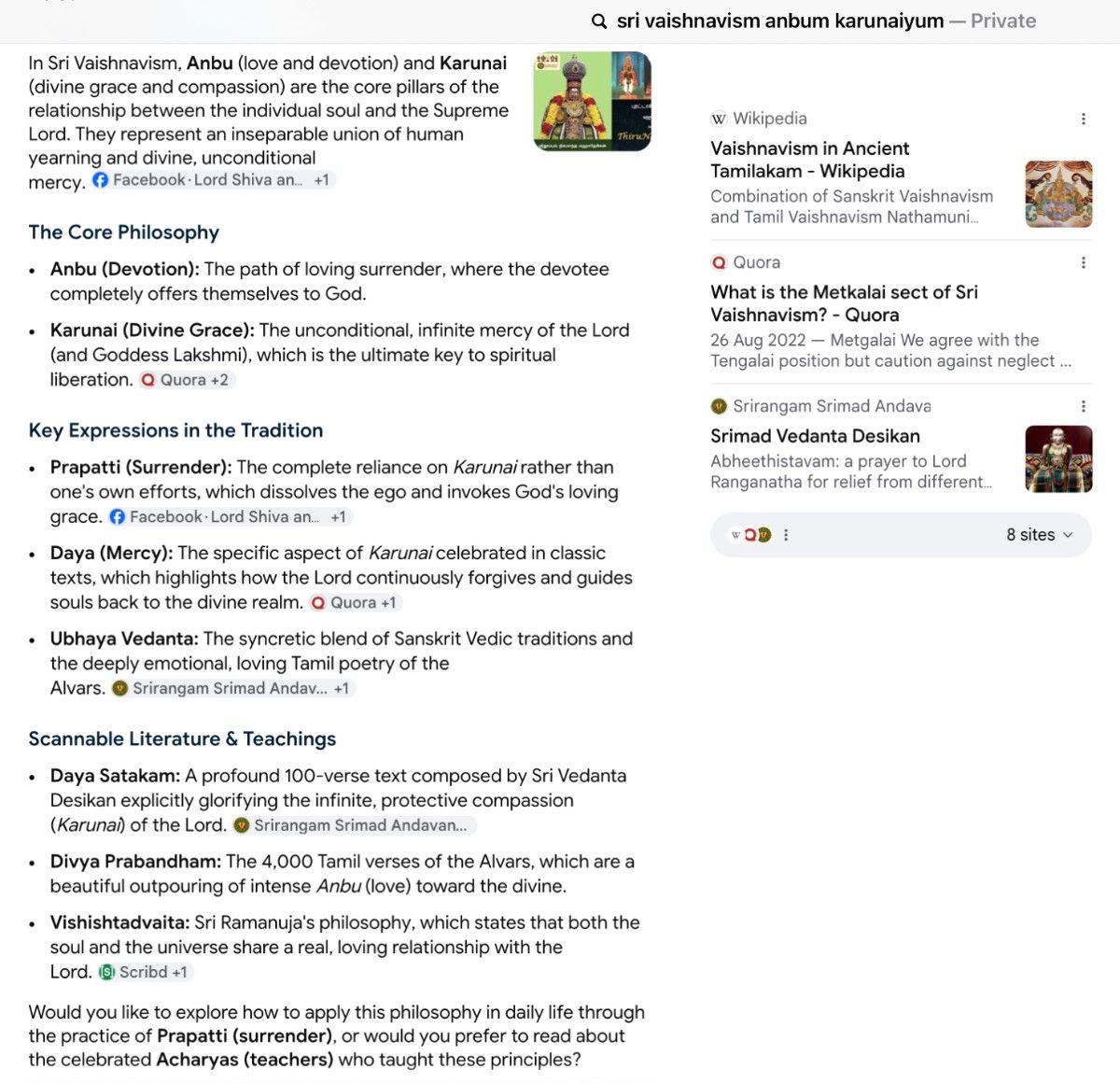
Sri vaishnavite - Goodness, Anbum, Karunaiyum
Sri MahaLakshmi Kadaksham
Sri Velukkudi Krishnan Swamigal Upanyasams-Kumudam Bhakti
Sri Vaikuntham Logam - Mukthi Moksham
Acharya Devo Bhava - Pravachanam SVBC TTD - 300 Episodes
Thiruppavai - 30 Paasurams
Vidhura Neethi
Dhaanam Dharmam
Peace, Health, Happiness-Enjoy Freedom-Yoga Meditation
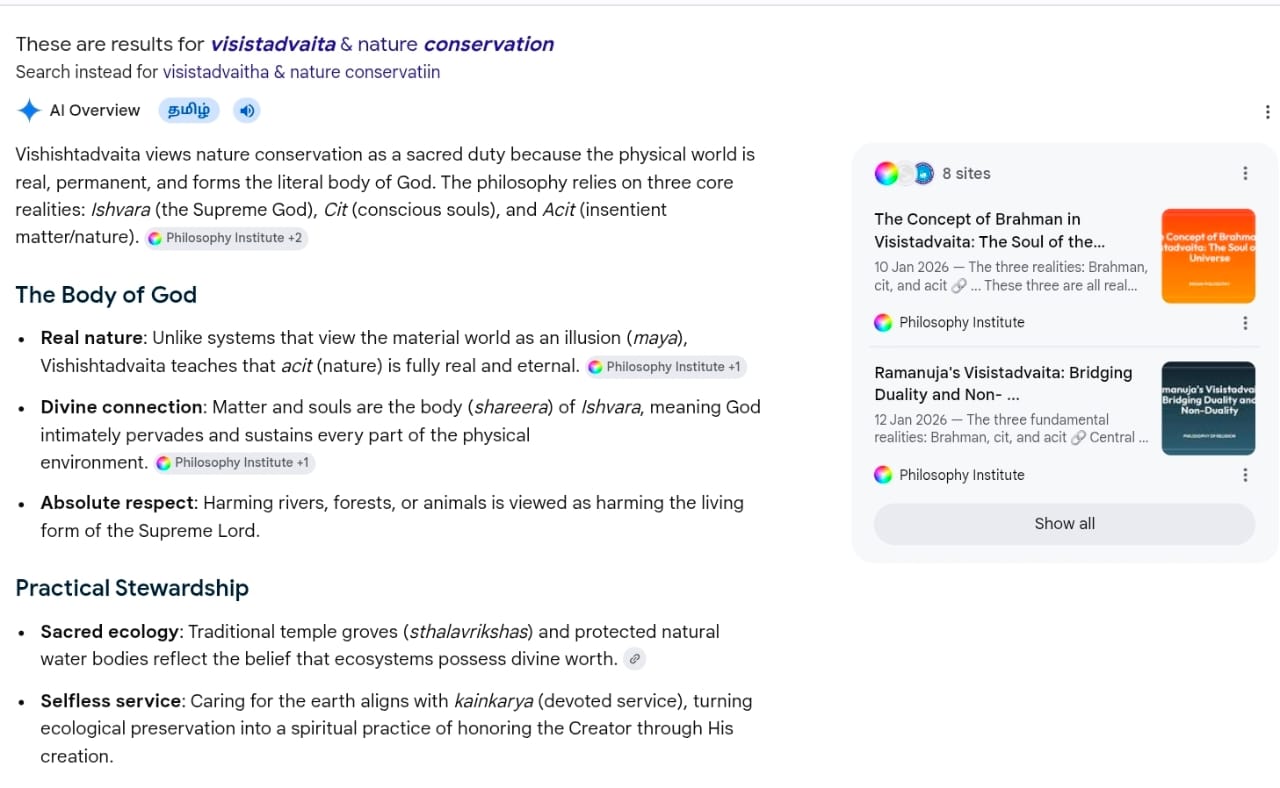
Hinduism & Ecology-Nature & Environment Care
Hindu Traditions & Good Health Care
Sri Dhanvantari Ayurveda - Science of Life - Good Health Care
Guru Paramparai Ramanuja Vaibhavam
Pancha Sastras - Yoga Sasthra
Nyaya Sasthra
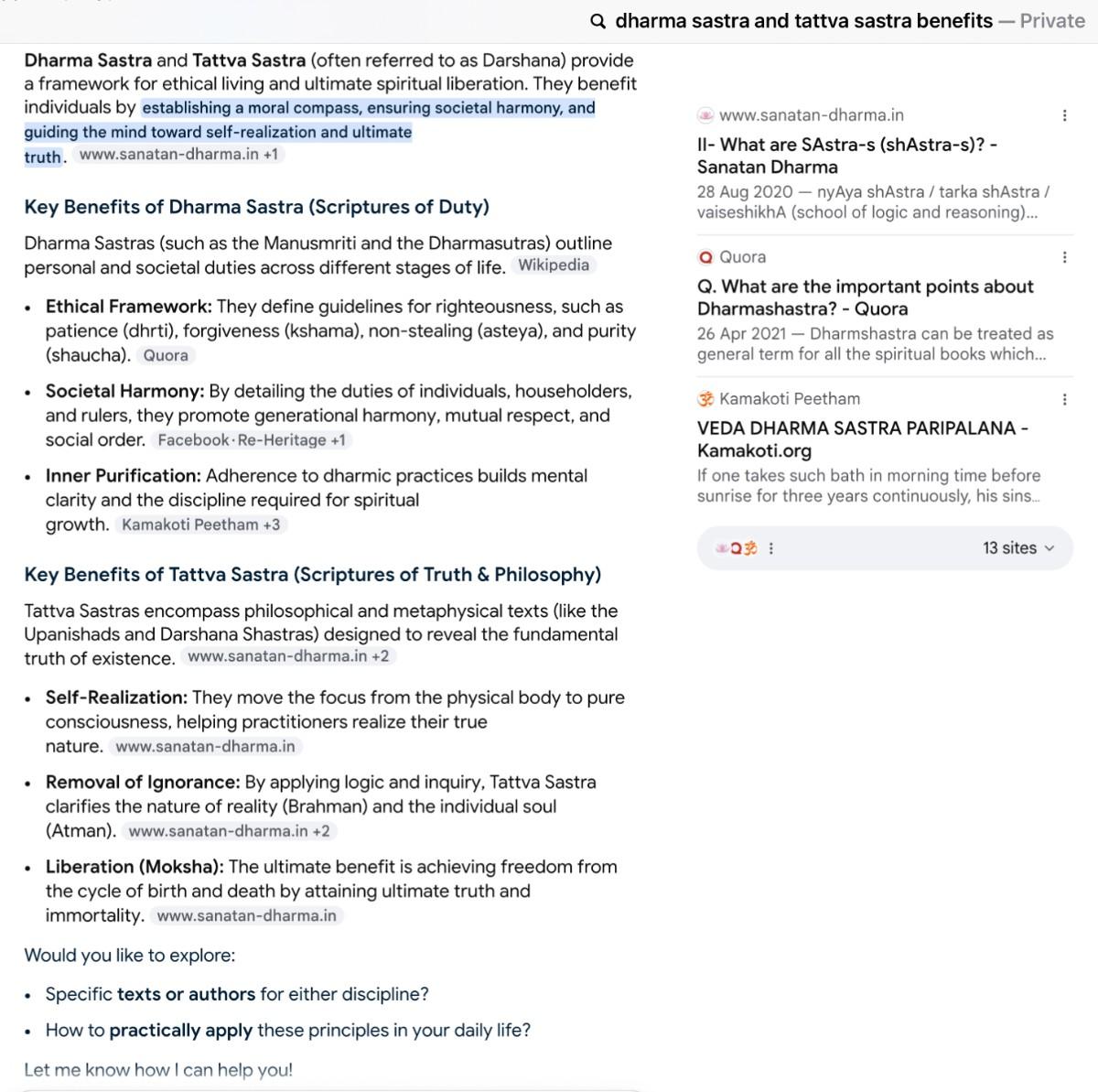
Dharma Sasthra
Mimamsa Sasthra
Artha Sasthra
Srimath Bhagawat Geeta
Mukthi Moksham
Good Deeds - Dharma-Punyams - Moksham
Lifetime - Daily Swamy Pooja
Ayodhya - Sri Sita Ram
Family Peace & Good Children
100% Pure Vegetarian Food - South Indian Breakfast Recipes - Brahmin Samayal
Hot Drinking Water - Good Health Care
Pravachanamalu - Brahmasri Chaganti Koteswara Rao Garu - Telugu
Sri Padmavathi Ammavaru
Srivari Punnami Garuda Seva-SVBC-TTD
Sri Ram Chandra Kripalu Bhajman
Upanyasams
Science & Hinduism
Sri Ramanujacharya
Rama Nama Tarakam
Shree Hanuman Chalisa
Ramayanam-(1987) - Telugu - 120 Episodes - Jai Sri Sita Ram
Mahabharatam - (1988) - Telugu - 125 Episodes - Jai Sri Radha Krishna
Srimath Bhagawat Gita - Telugu - 18 Chapters Yogas
Srirangam Sri Ranganayaki Thayar
Srirangam Sri Ranganayaki Thayar Mahimai
Srirangam Sri Ranganayaki Thayar Anbum Karunaiyum
Pidikita Talambrala Pelli Kuthuru - Hindu Wedding Song
Padhuka Sahasranamam
Padhuka Sahasranamam - Sri Mahalakshmi Mahavishnu Saranam
Brochevarevarura - Khamas - Sri Sita Ram
TTD-Sri Venkateswara Swamyvaru Harathi Utsavam
Alaipayuthe Kanna
Kaatrinile Varum Geetham - Bhakti Meera
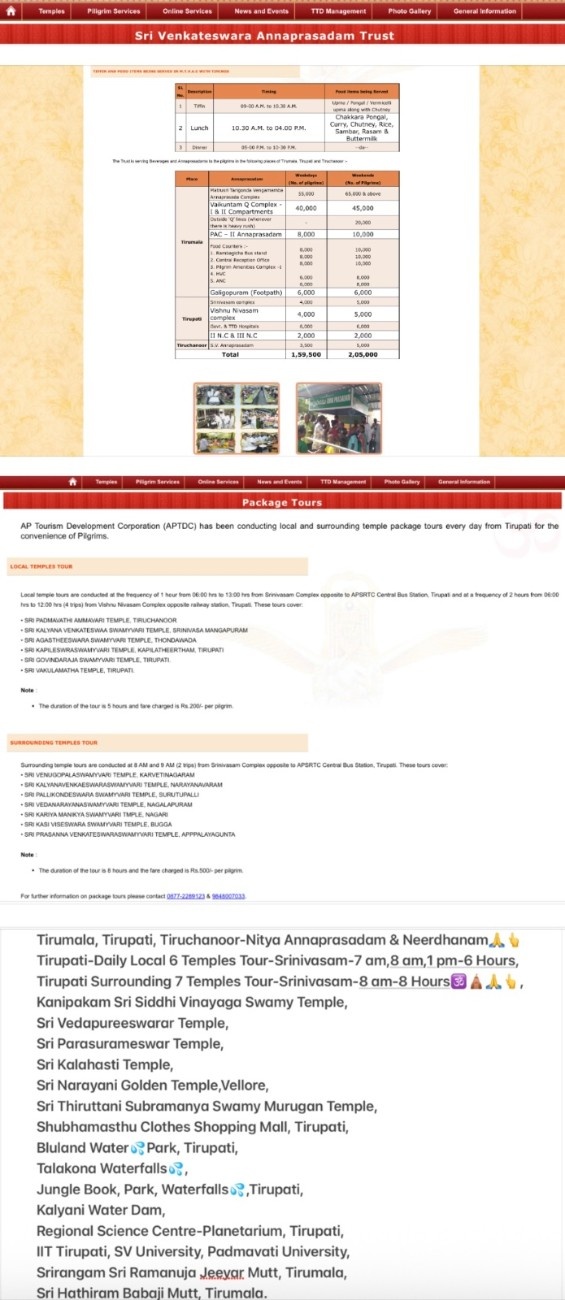
TTD - Annaprasadam - Daily Free Veg Meals Food & Hygiene Drinking Water
Perumal Kovil - Theertham - Punniyam
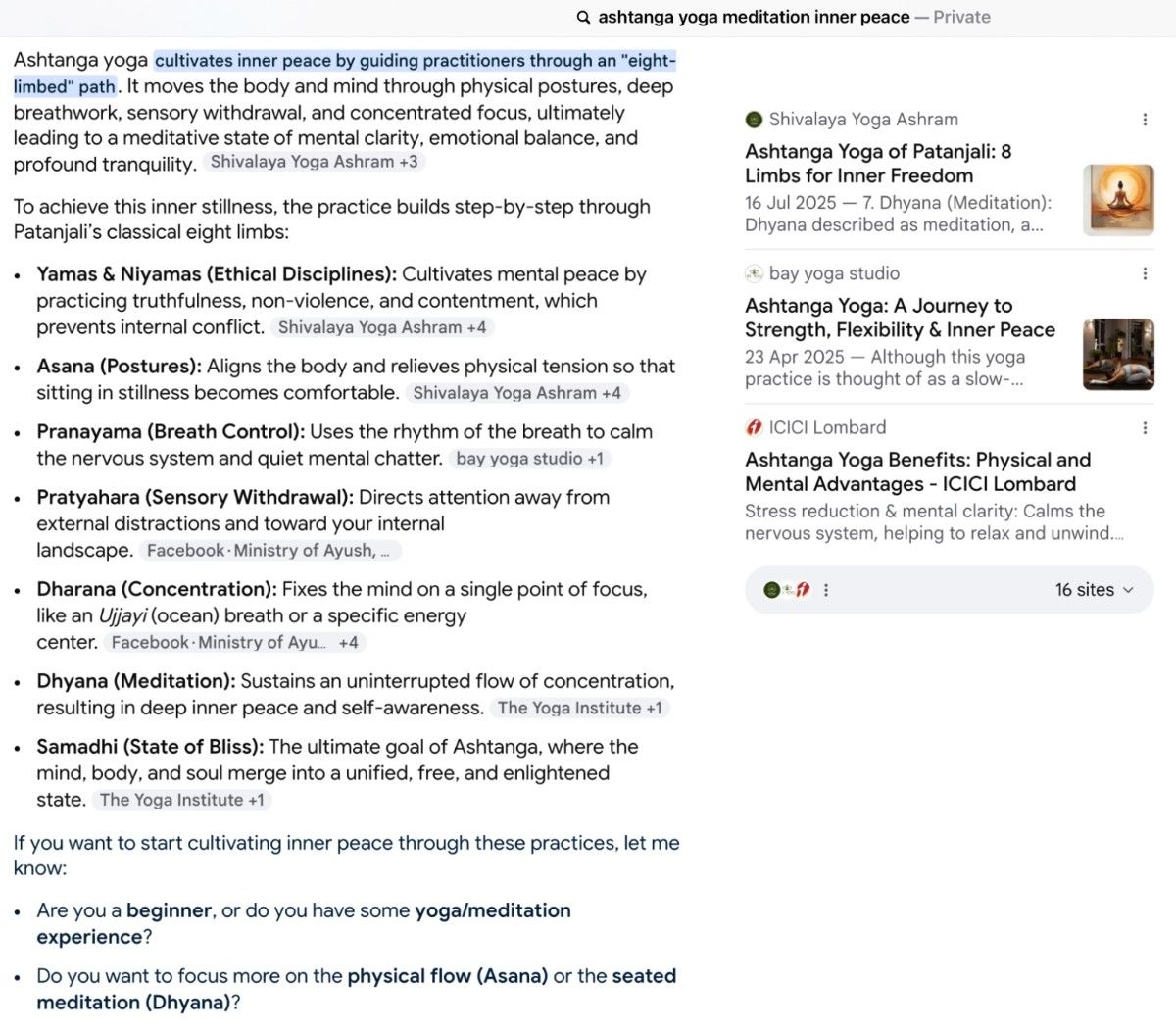
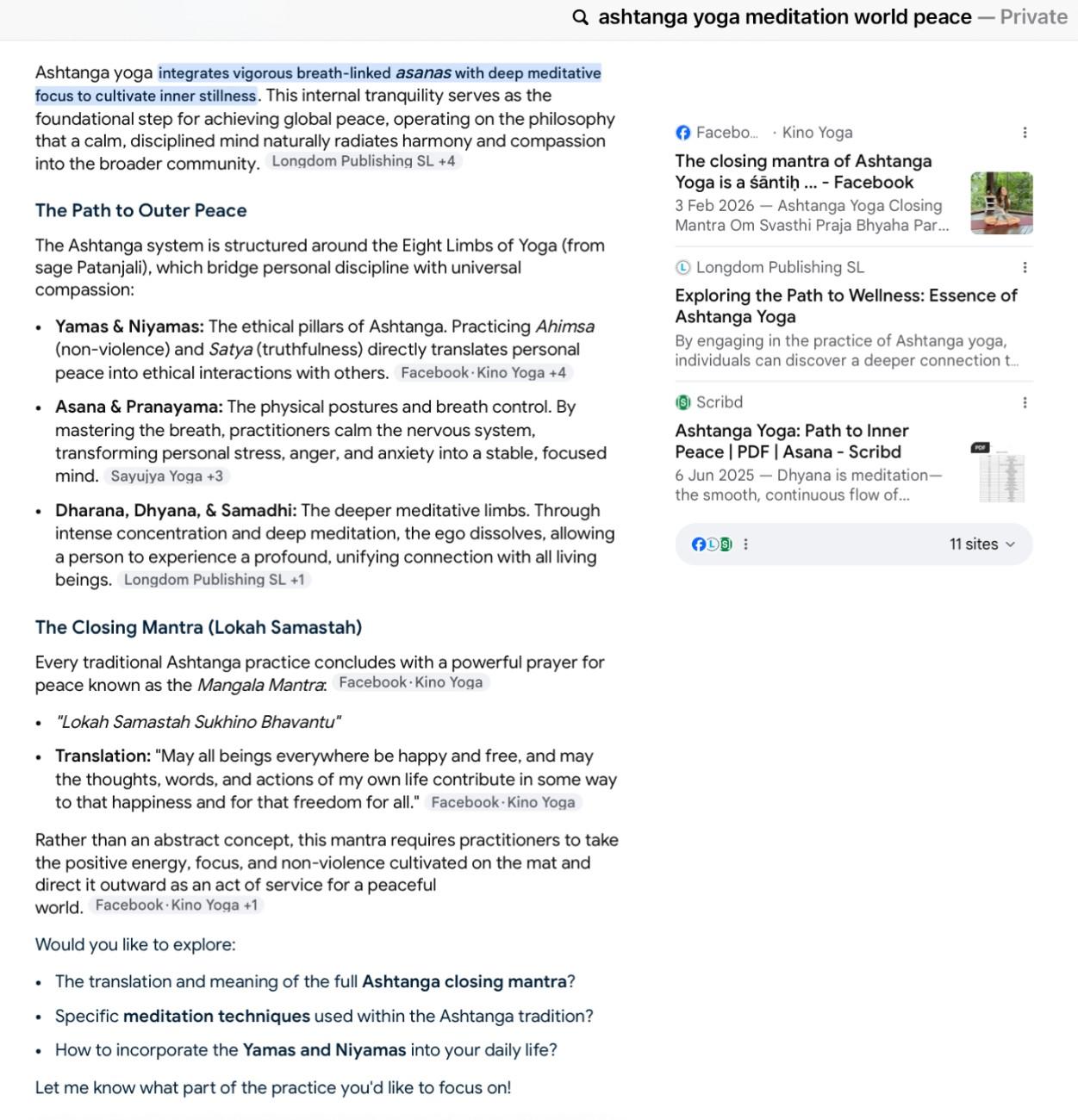
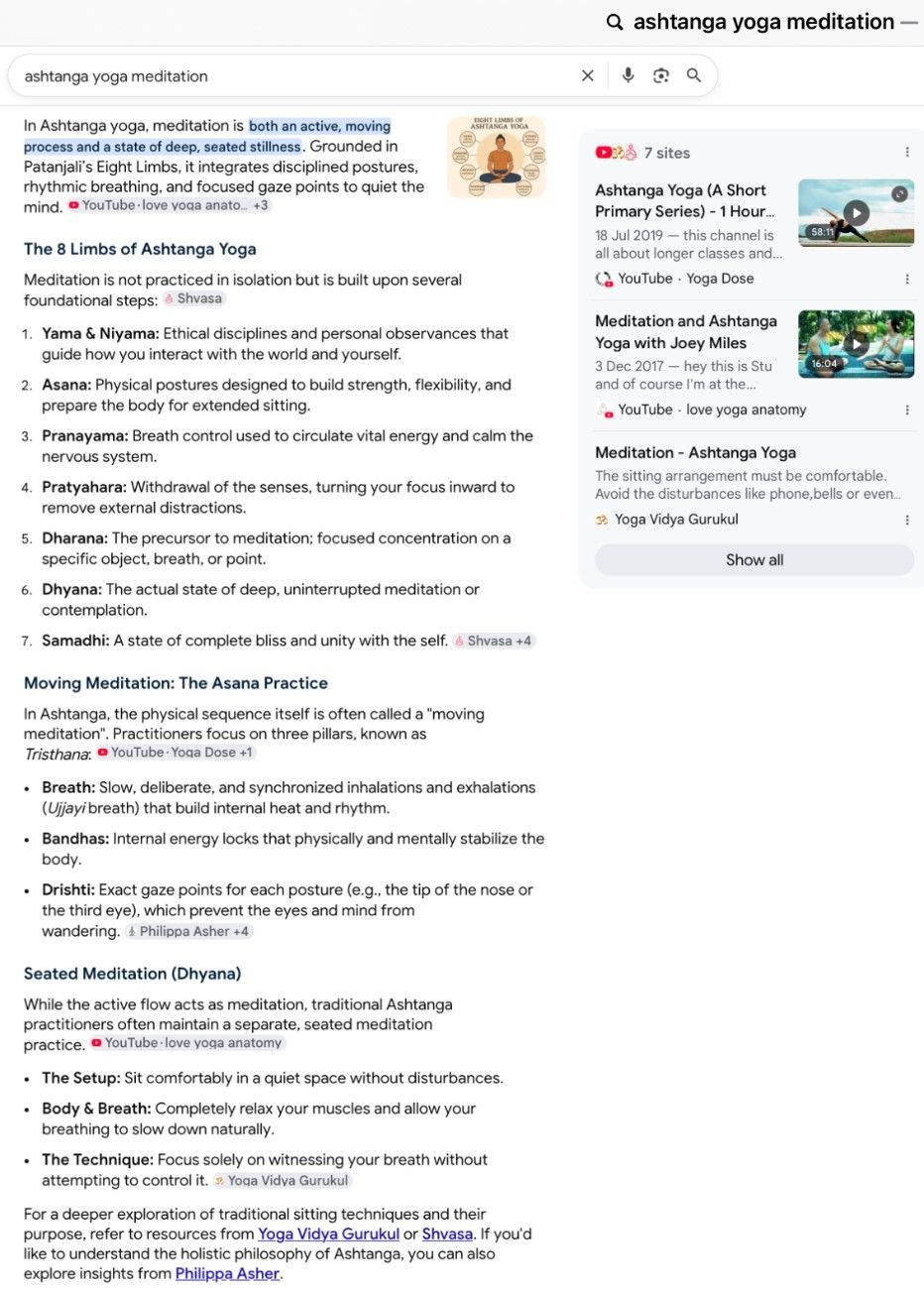
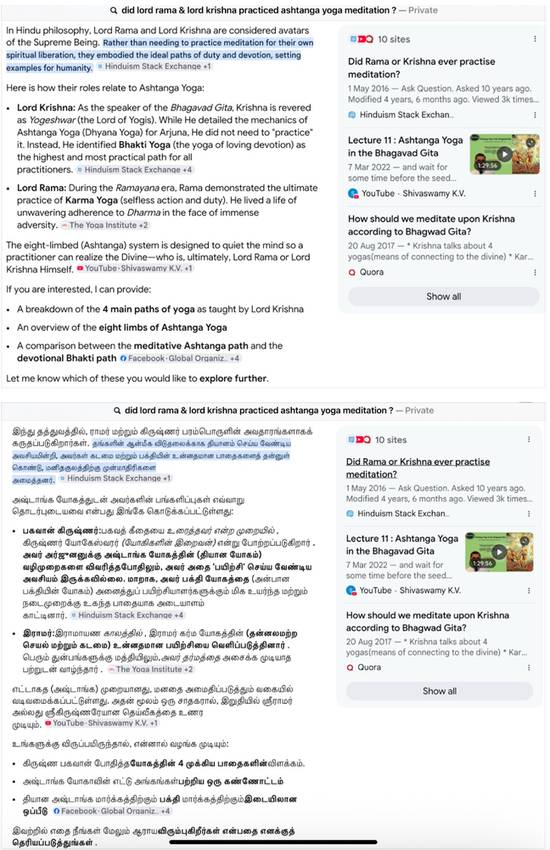
Ashtanga Yoga & Meditation - Peace, Health, Happiness
Saint Patanjali - Yoga Sutras
Rig Veda
Krishna Yajur Veda
Shukla Yajur Veda
Sama Veda
Atharva Veda
Saatvik Jeevan-Inner Peace-Good Healthy Body Mind Heart Soul
Hinduism - Sanatana Dharma
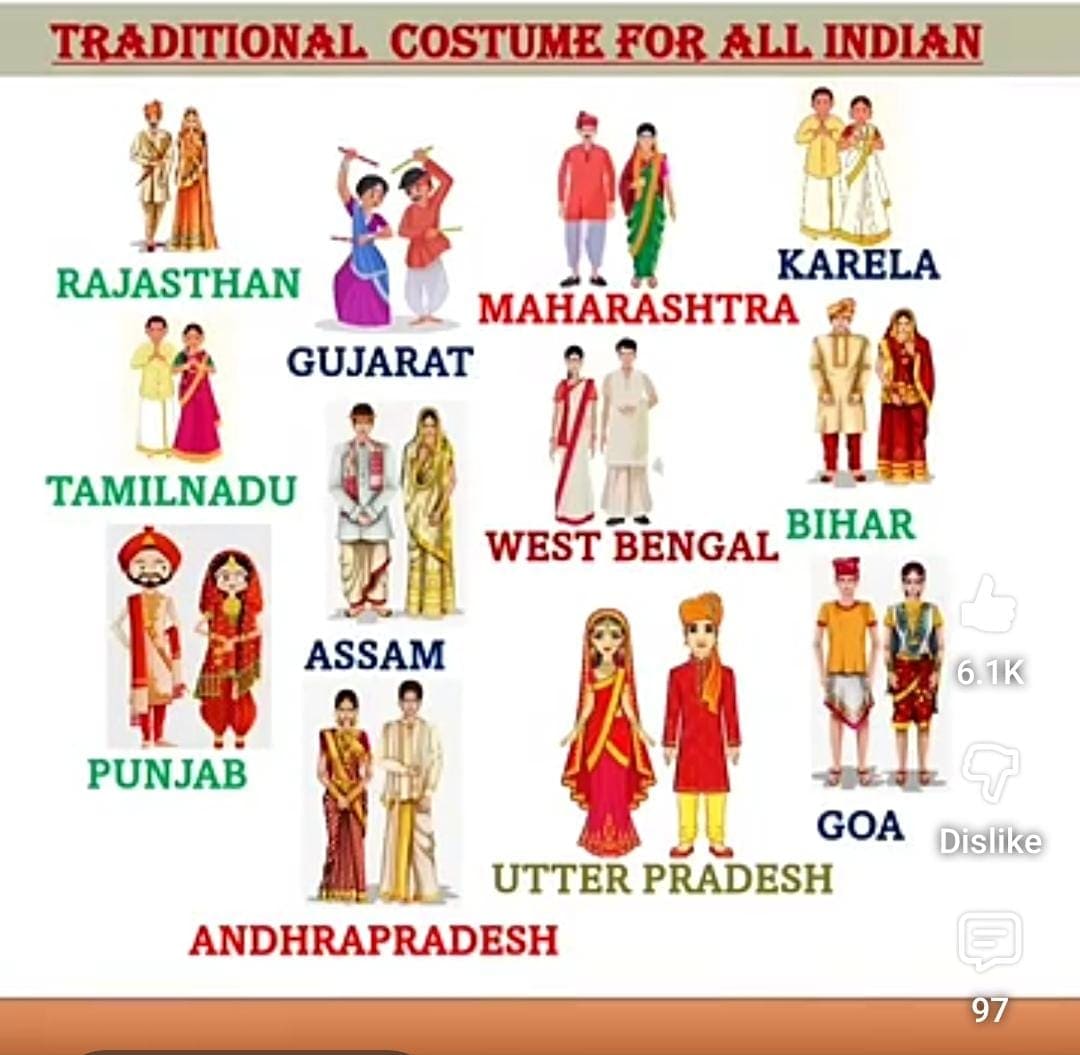
India Hindu Culture Tradition Dress-Men & Women-Silk Sarees & Silk Dhotis Veshti
World Health Care
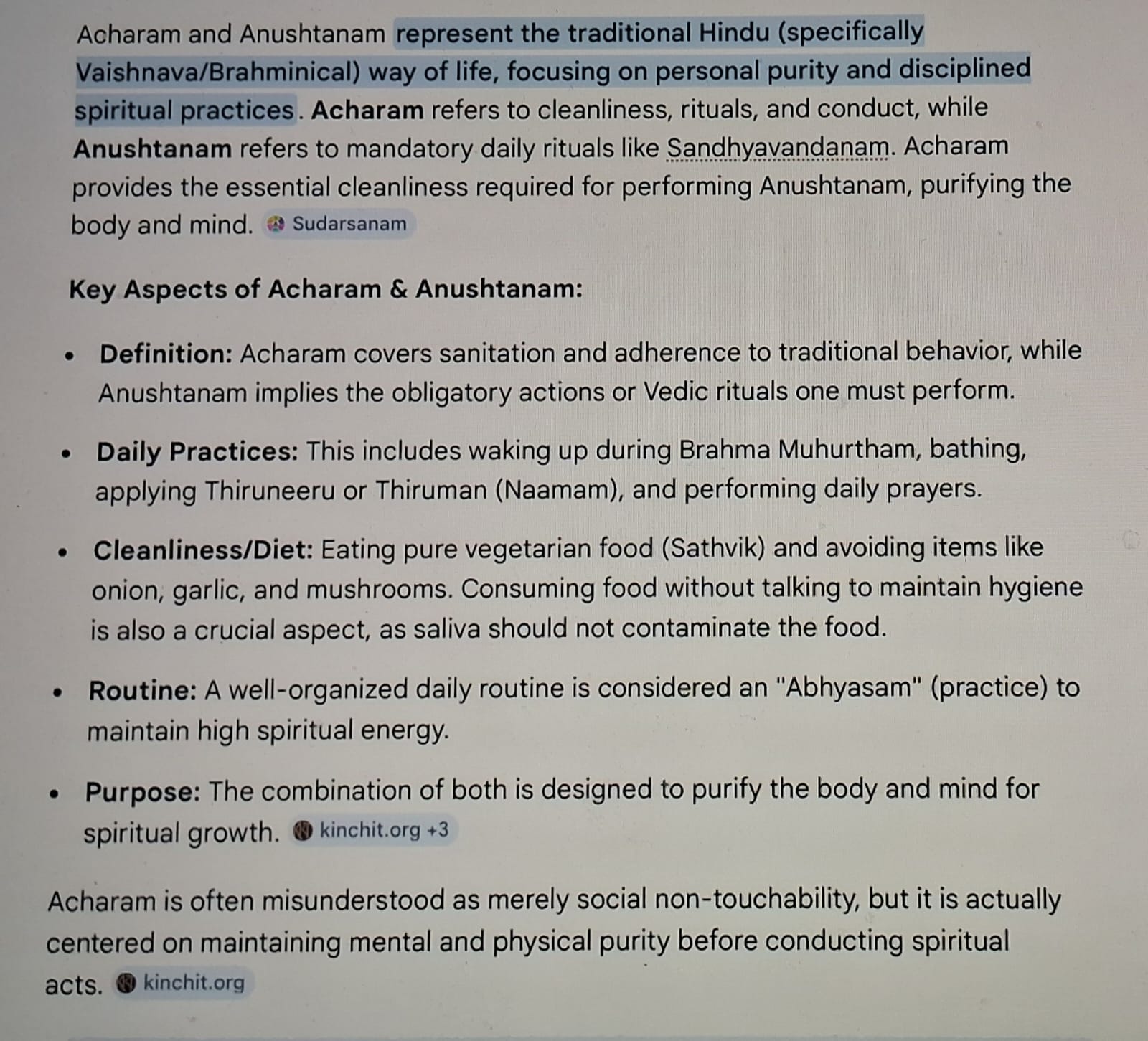
Hindu Traditional Practice-Aacharam & Anushtanam
True Devotion & Love to God & Goddess Sri Lakshmi Narayana-Bhakti Yoga
Uttar Ramayan - Luv Kush Leela Katha - 42 Episodes
Sri Krishna Paramathma - 244 Episodes
Sri Vishnu Puranam-300 Episodes
Jai Sri Mahalakshmi-56 Episodes
Truth is One: Advaita vs Dvaita vs Visishtadvaita
Who Am I? Advaita vs Dvaita vs Visishtadvaita. Which Divine Path is right for you ?
Advaita vs Dvaita vs Visishtadvaita
Visishtadvaitam
Advaita vs Dvaita vs Visishtadvaita - Bhaktamrutham
Swamy Narayan Prasadams, Thulasi Theertham & Punniyam
Vedanta
4000 Divya Prabandhams - Q & A
4000 Naalayira Divya Prabhandhams
Mahasankalpam - Sri Pancharatra Agama
4000 Divya Prabandhams - Explanation by Dr.U.Ve.Venkatesh Swamy
Sri Kubera Ashtalakshmi Devi Mantra
Sri MahaLakshmi Devi
Stri Dharmam - Hindu Women
Sri Ranga Mahatmyam
Tirupati Balaji SwamyVaru
Srirangam, Tirumalai, Kanchipuram, Melkote
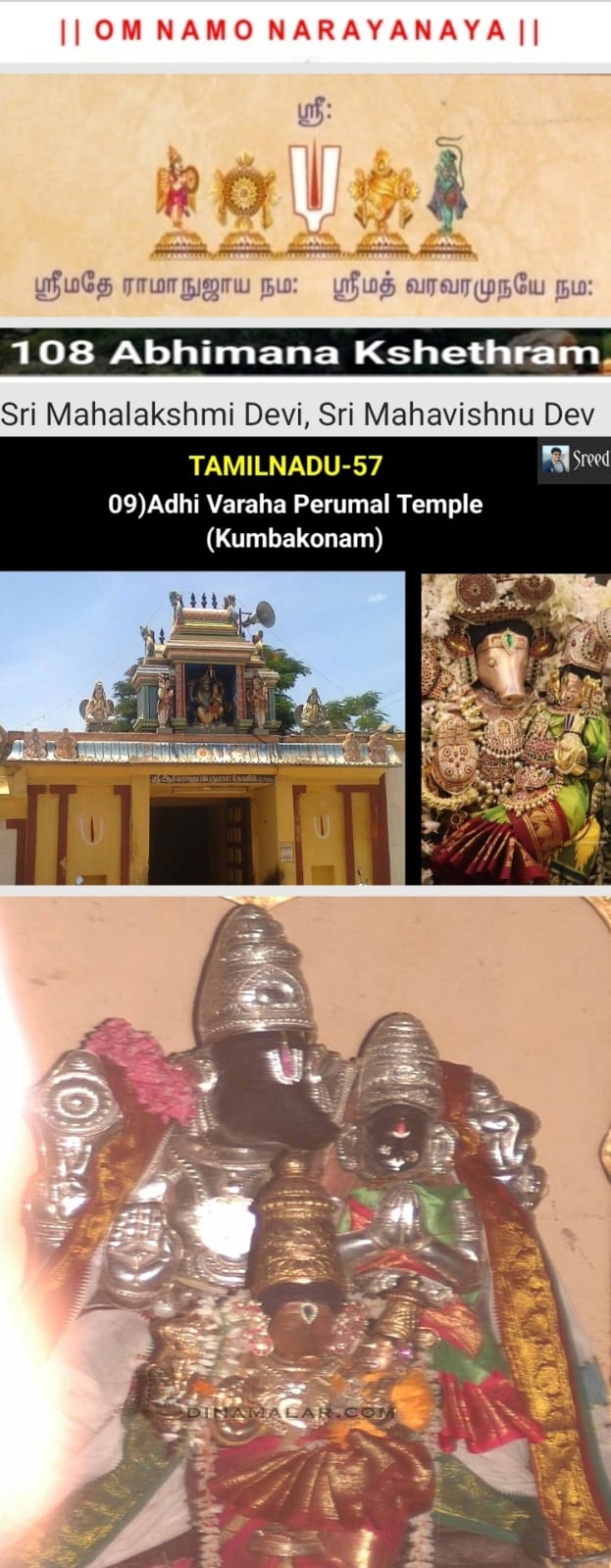
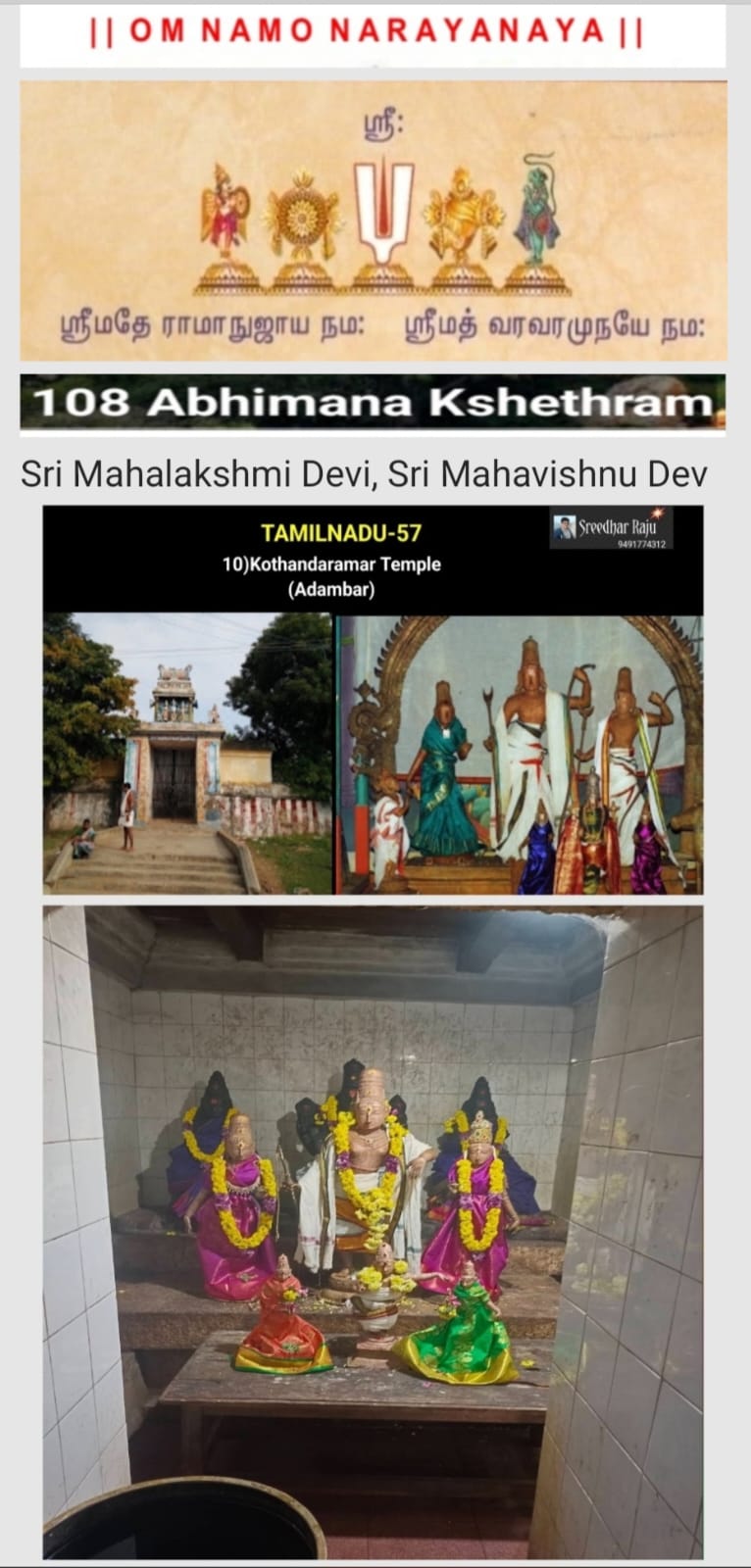
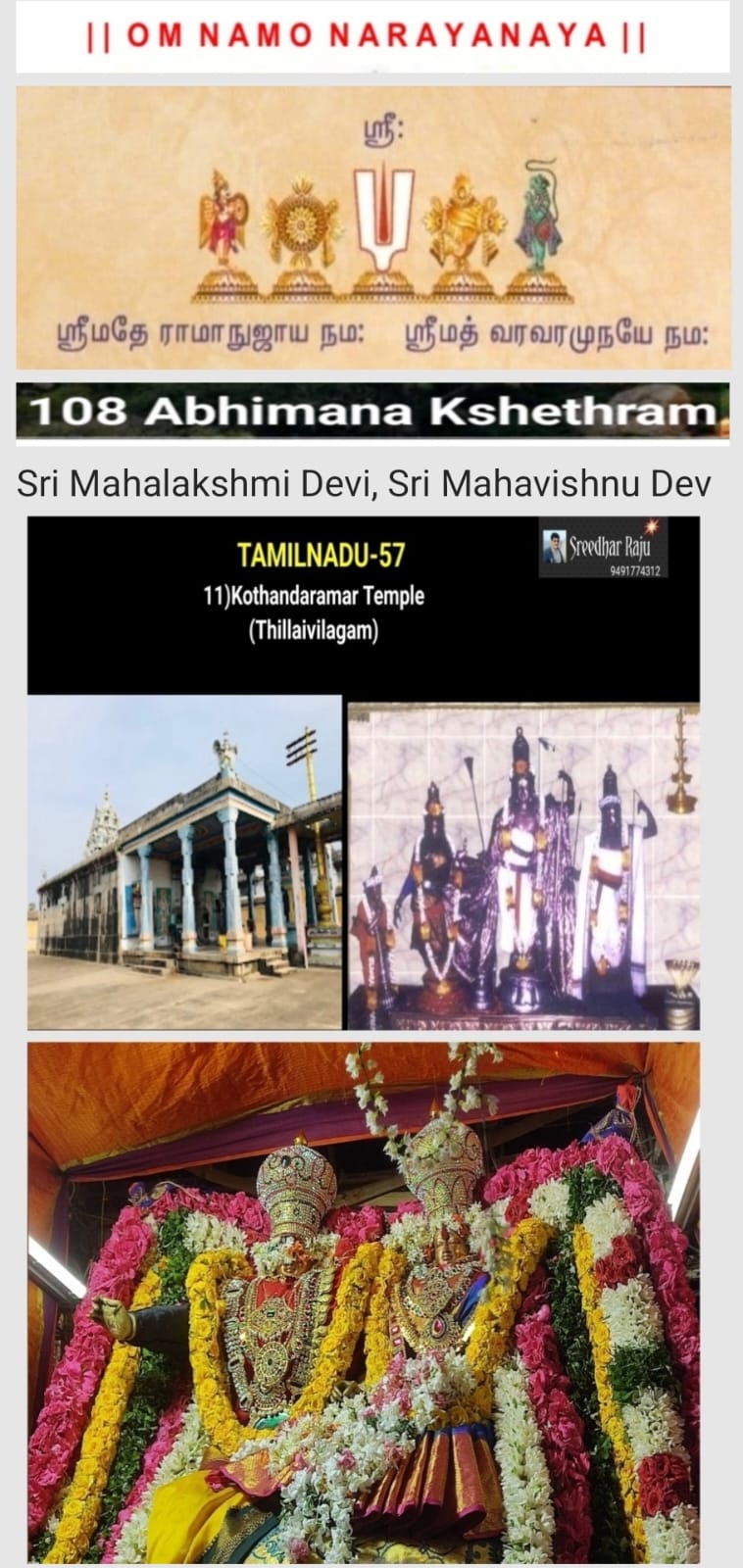
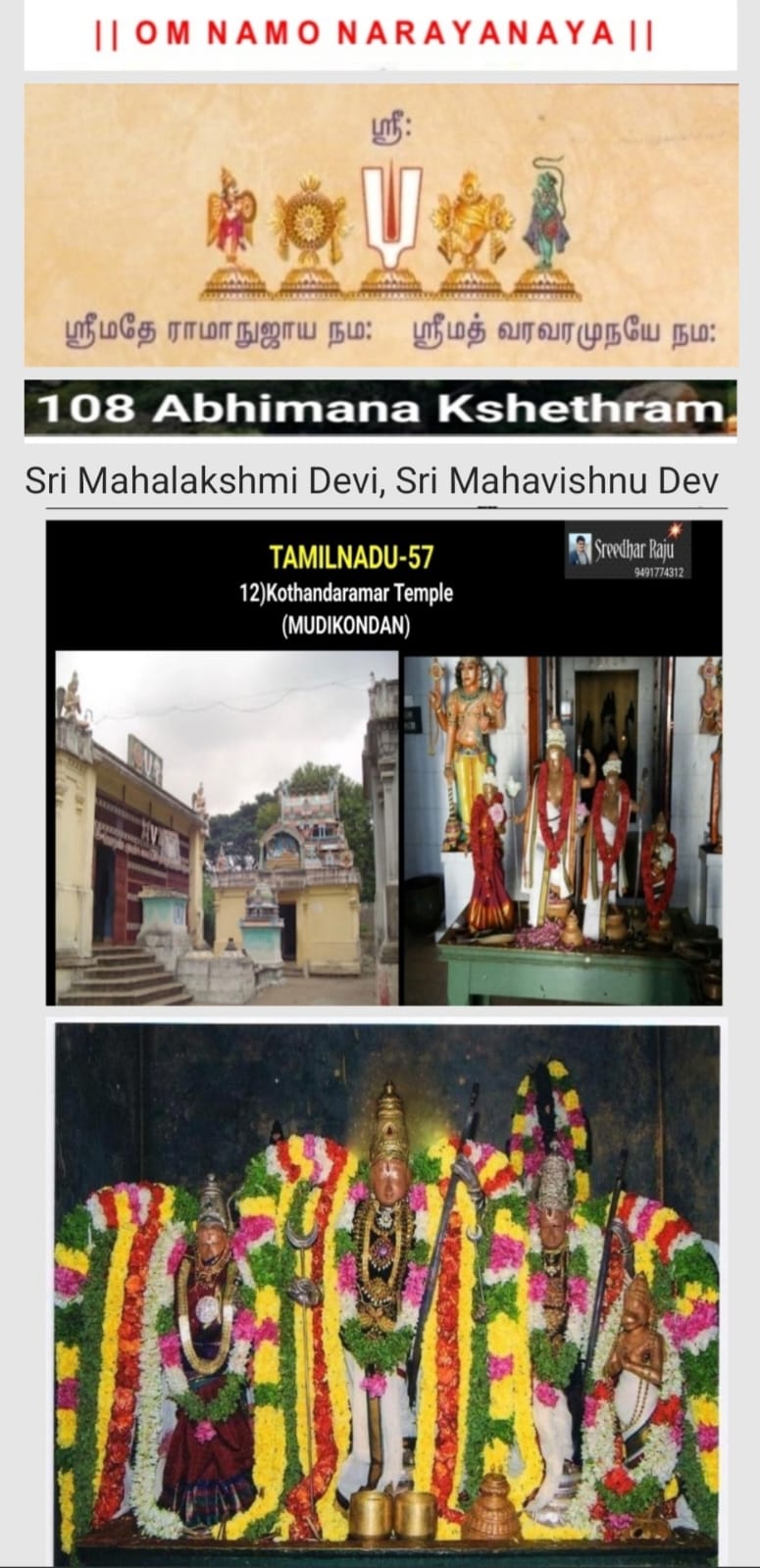
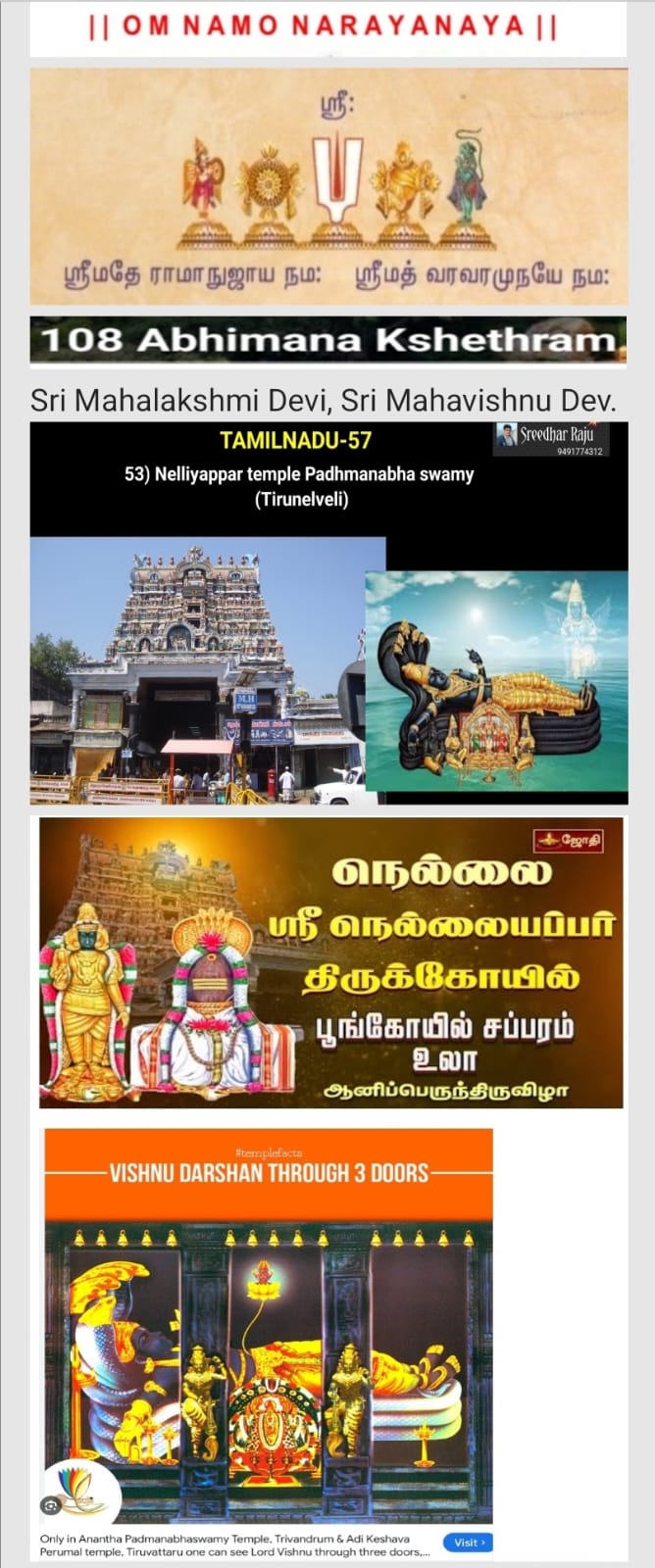
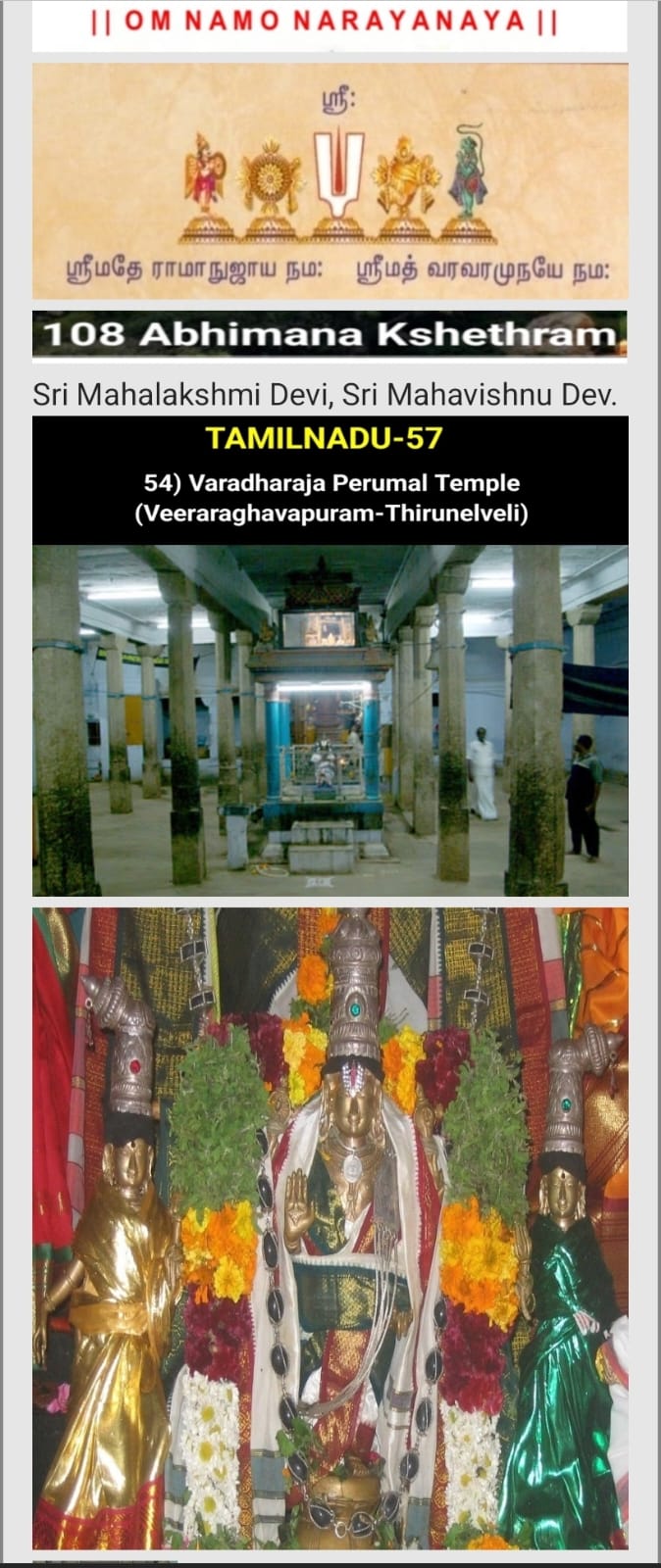
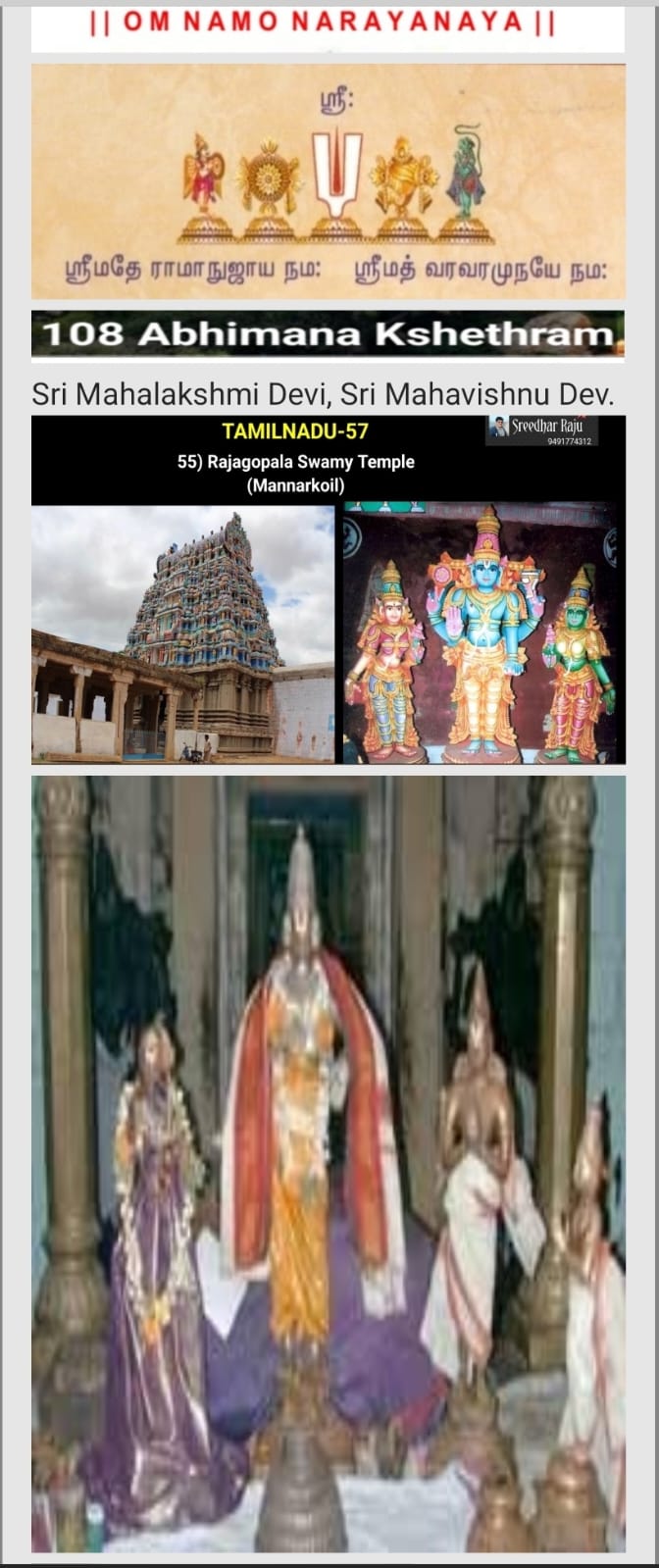
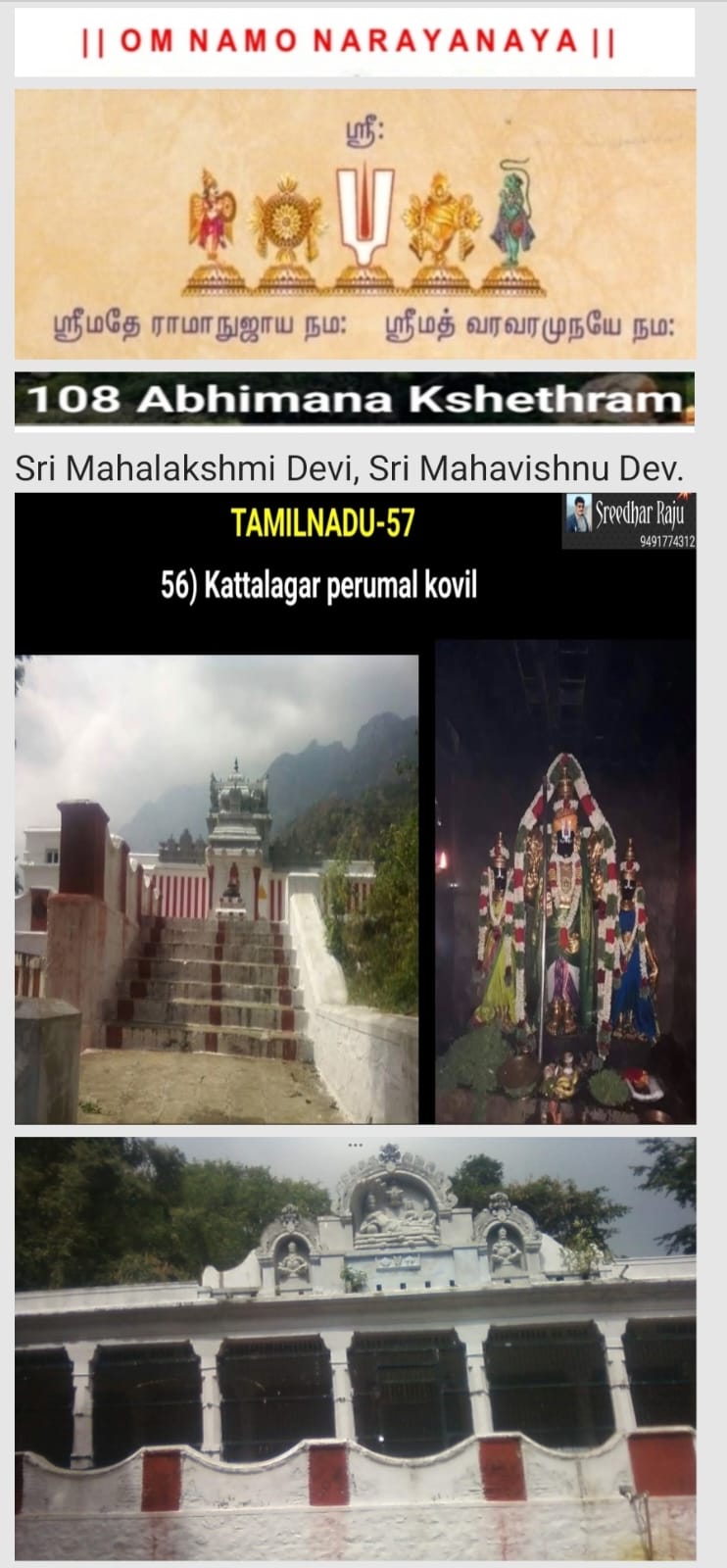
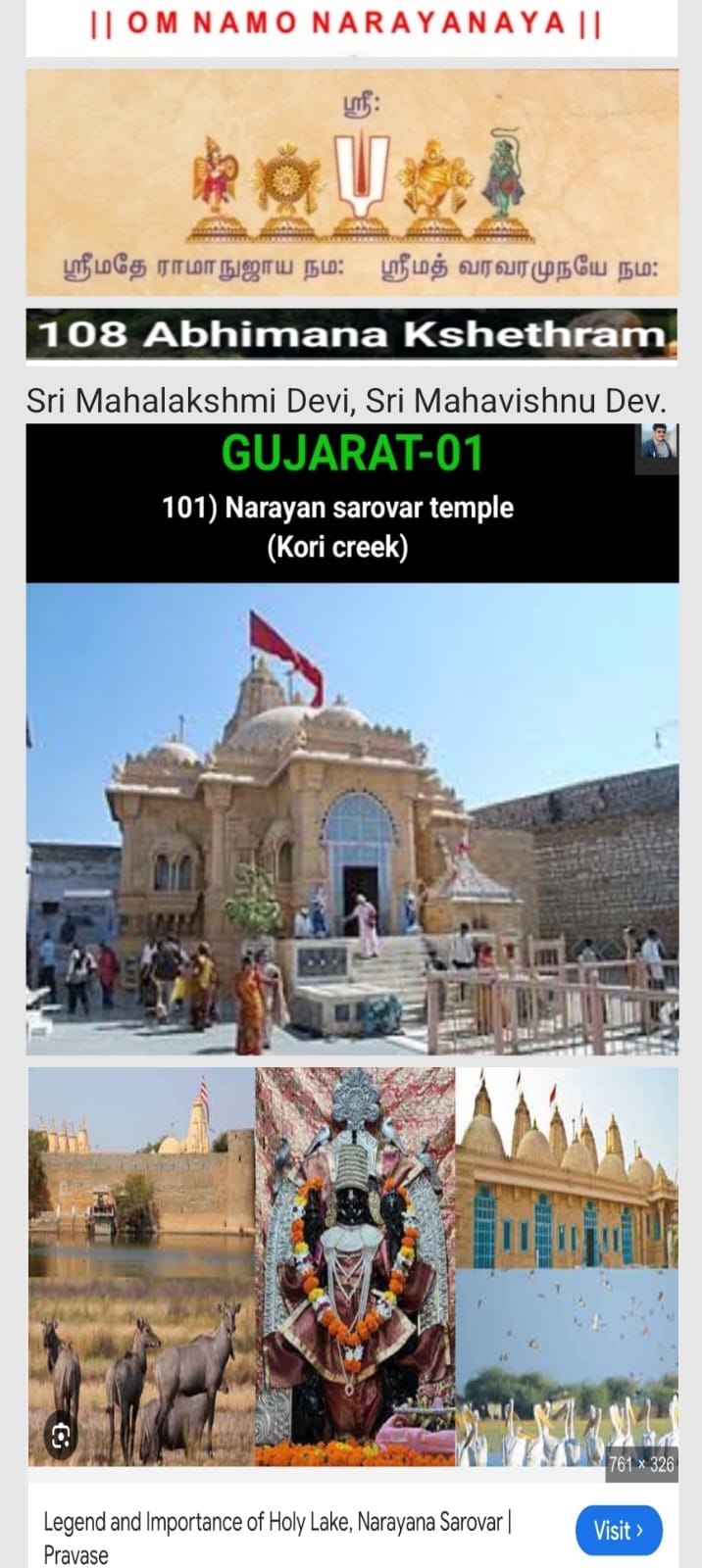
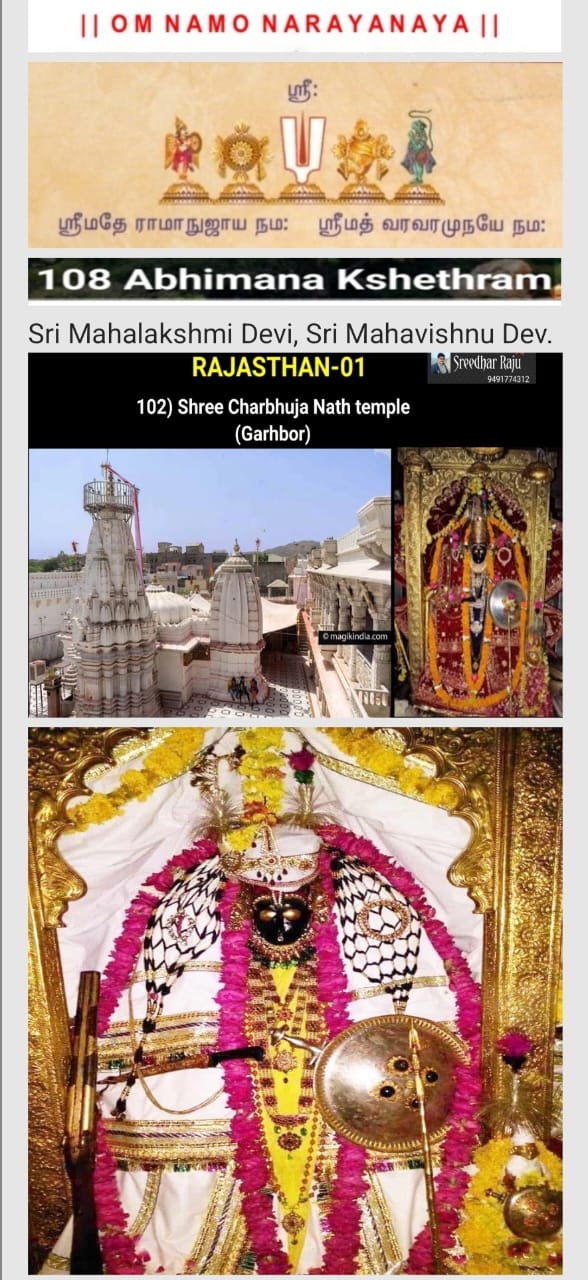
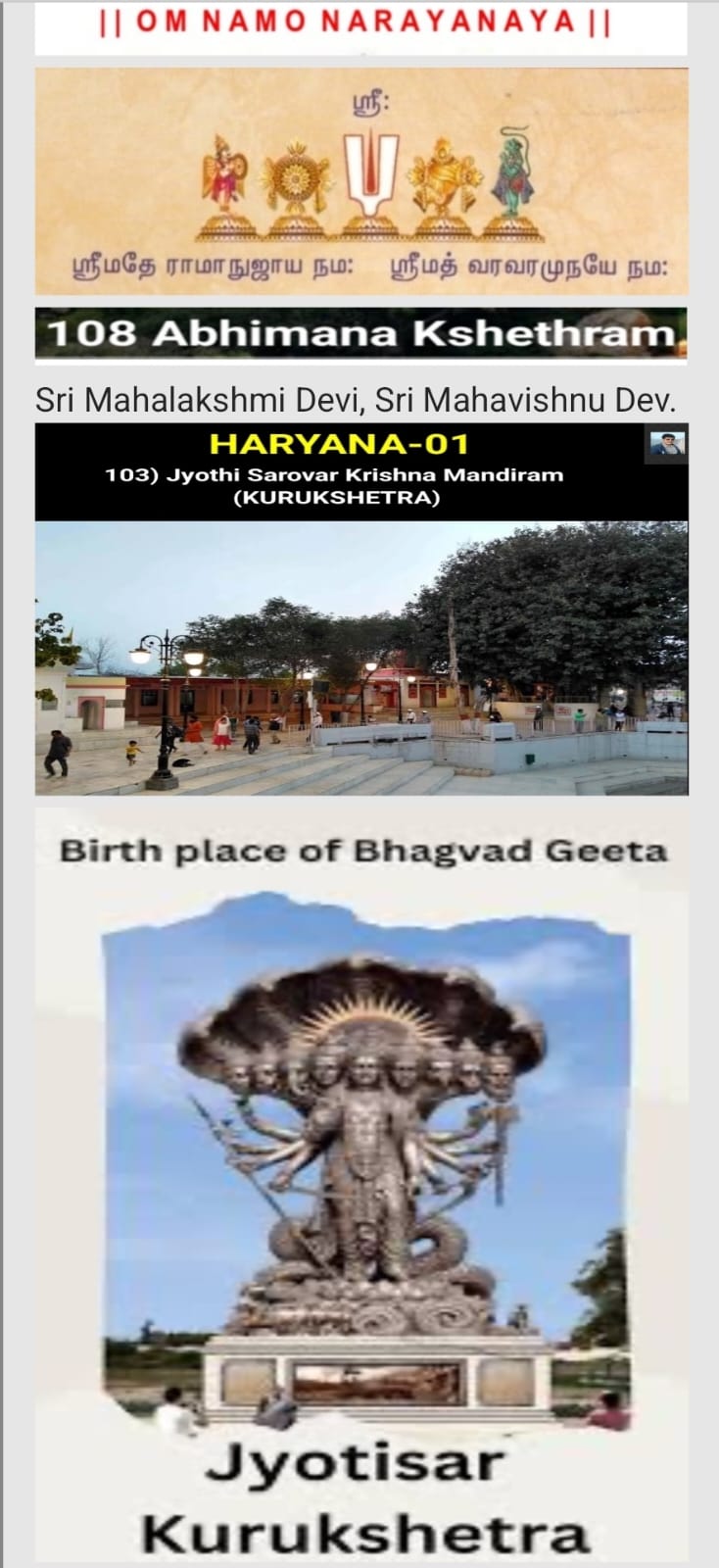
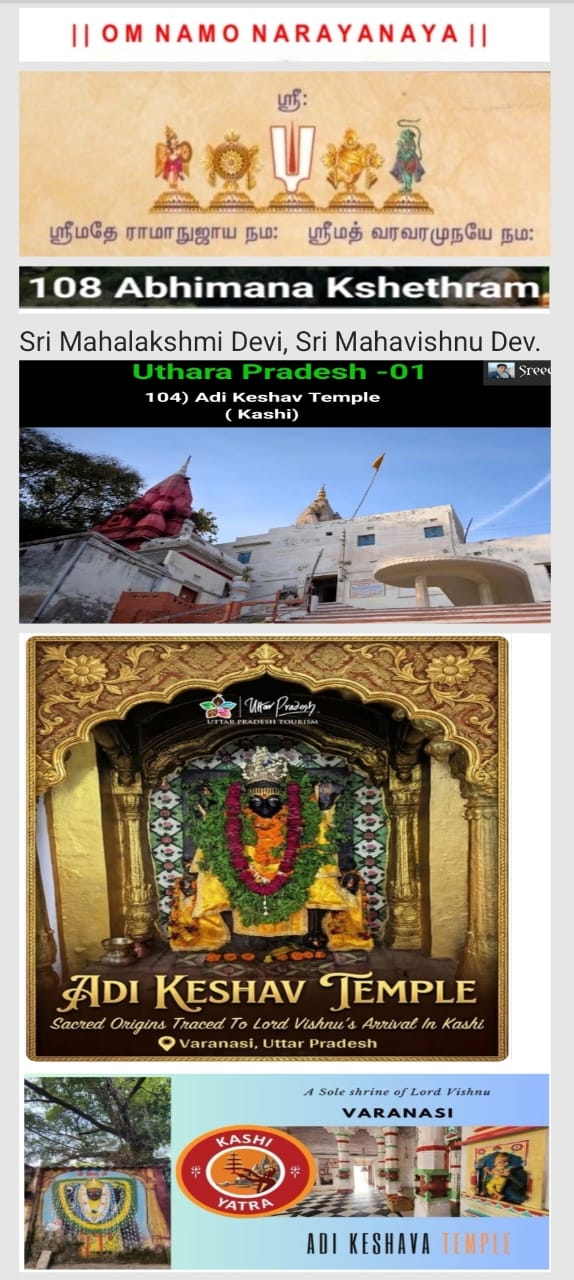
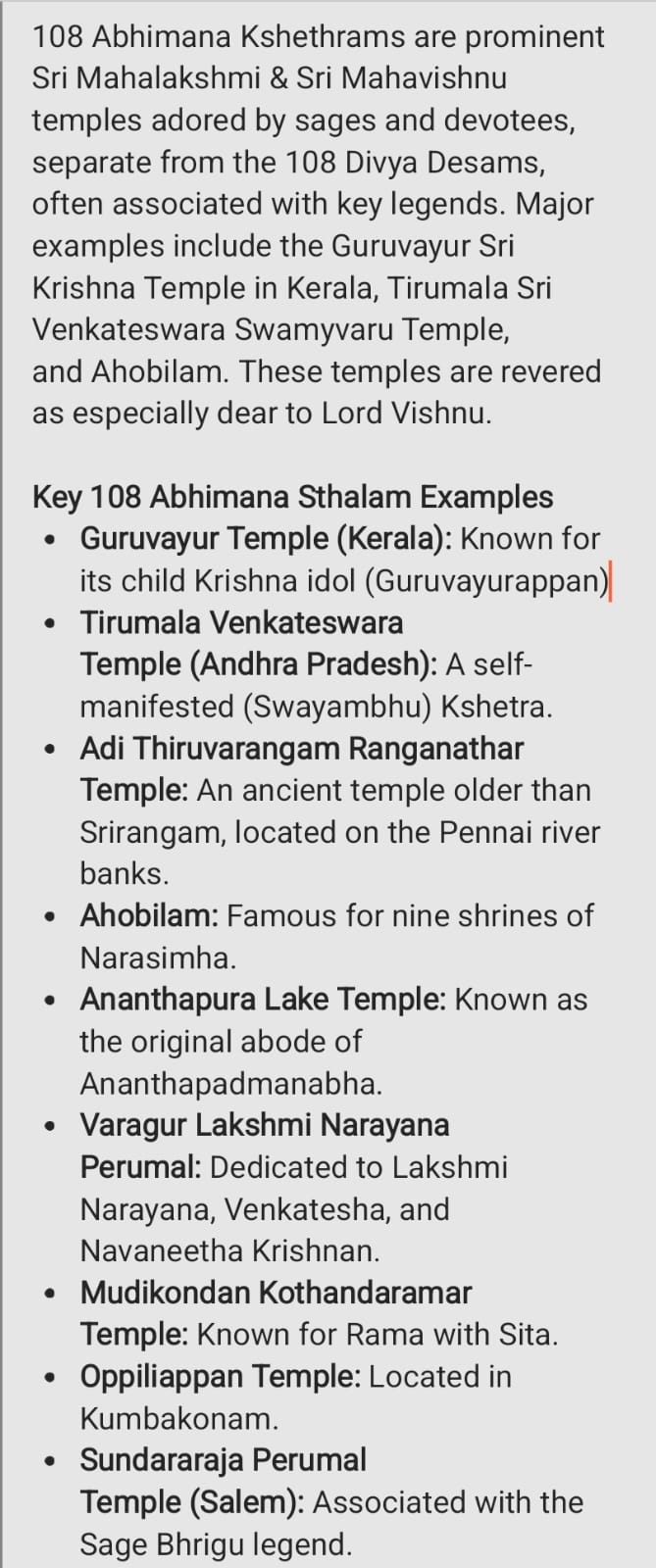
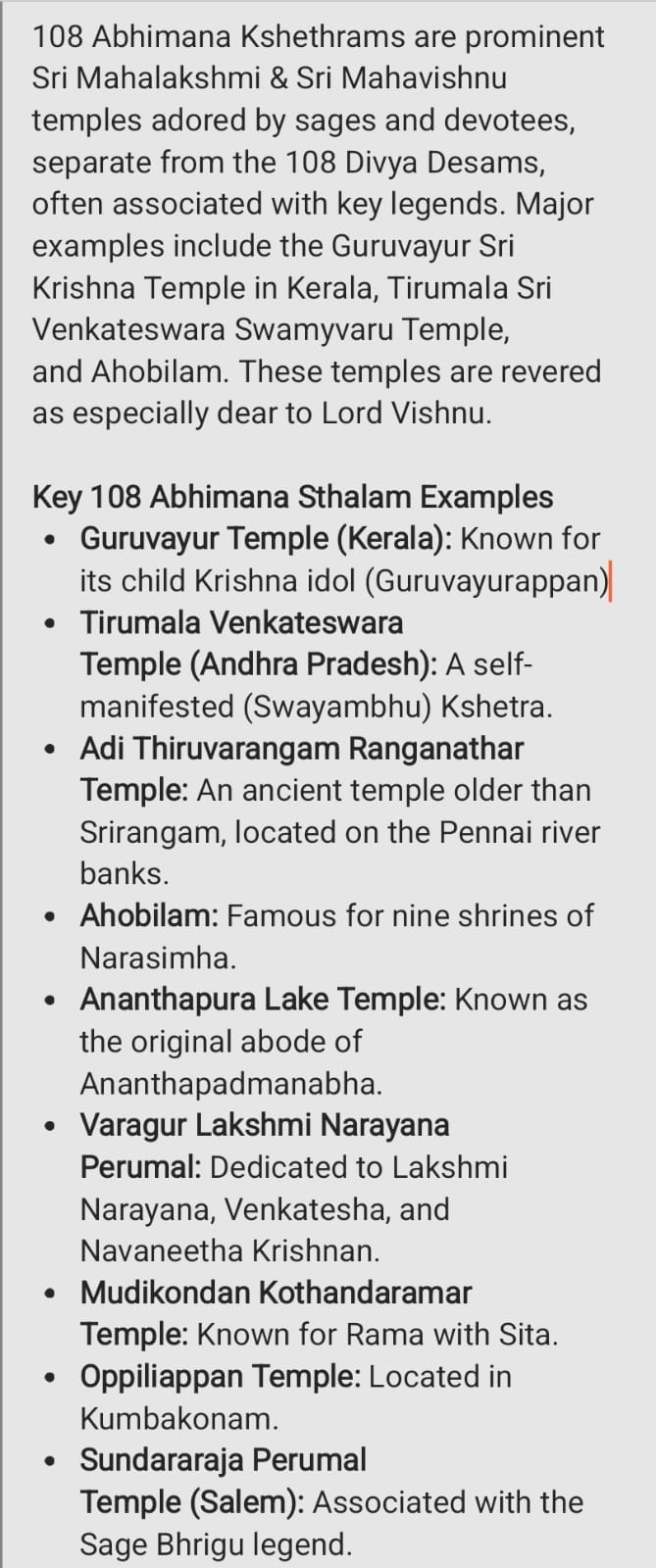
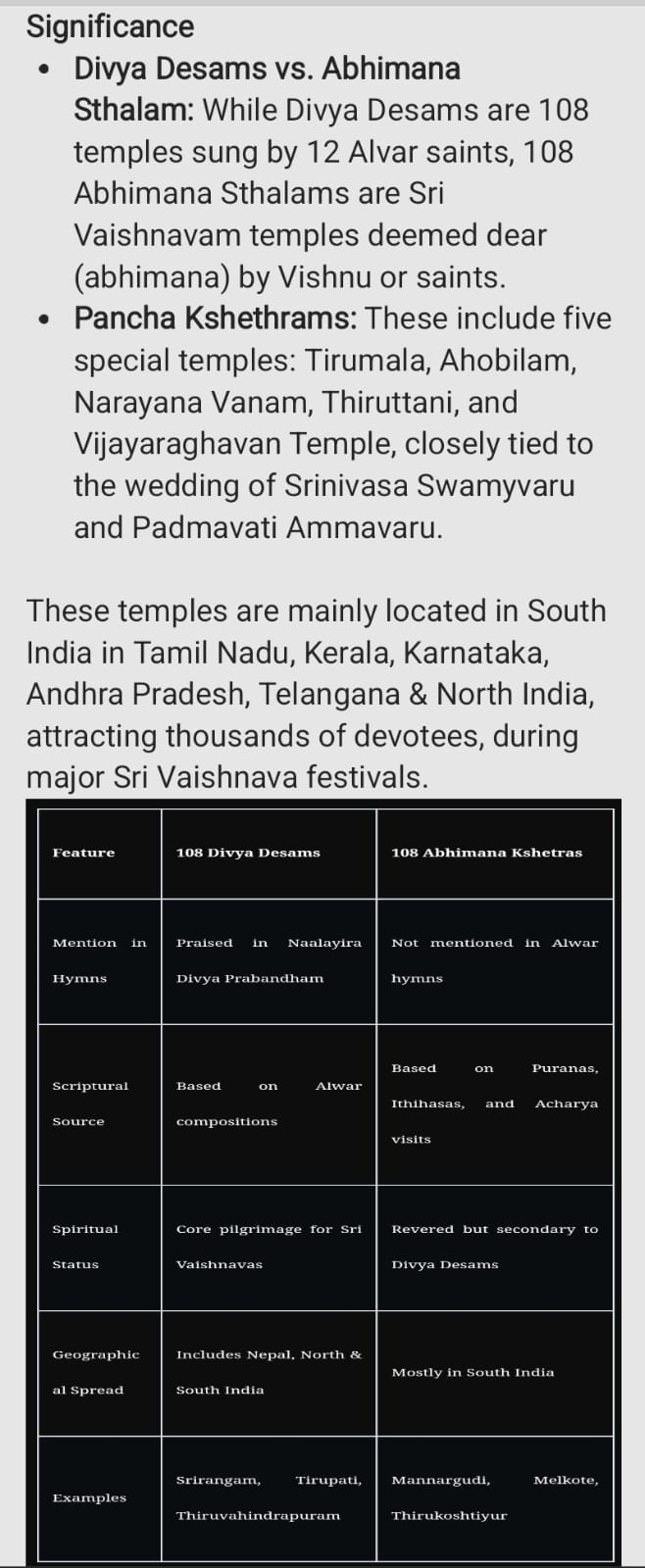
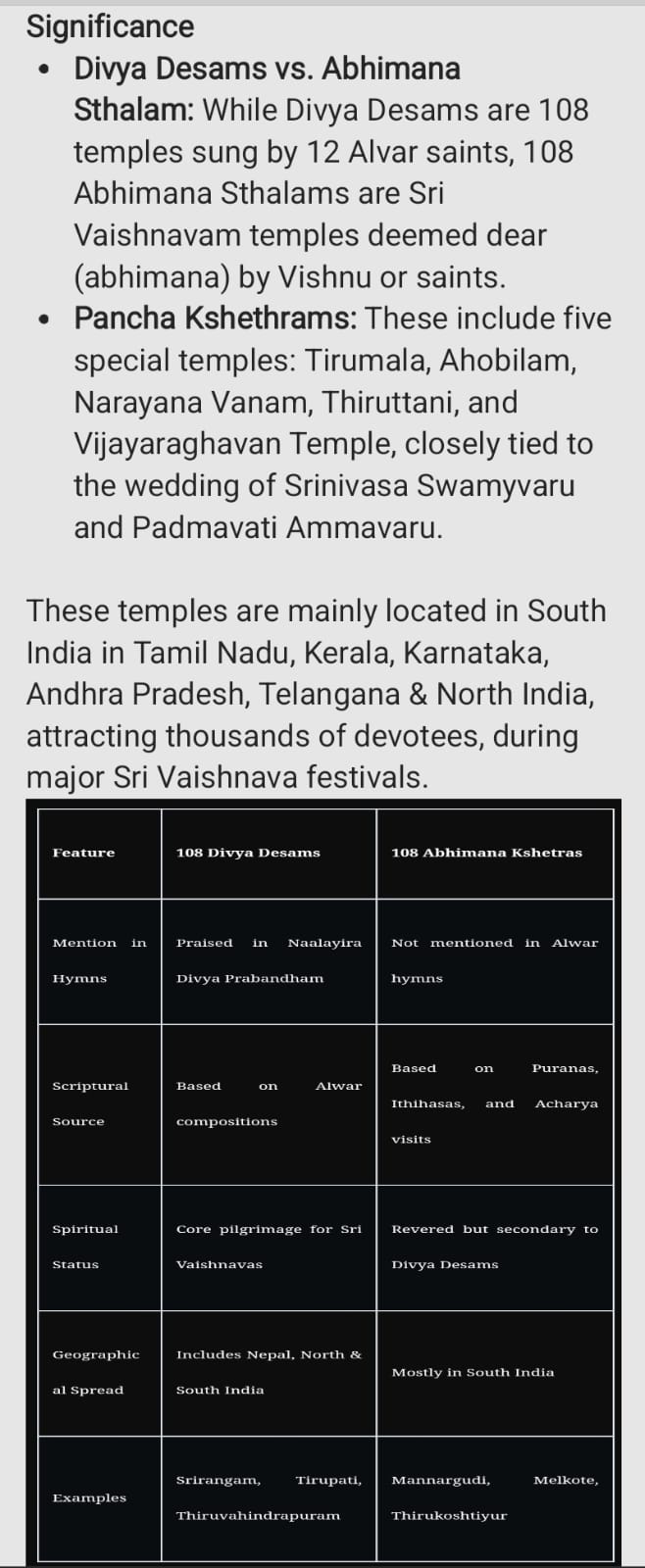
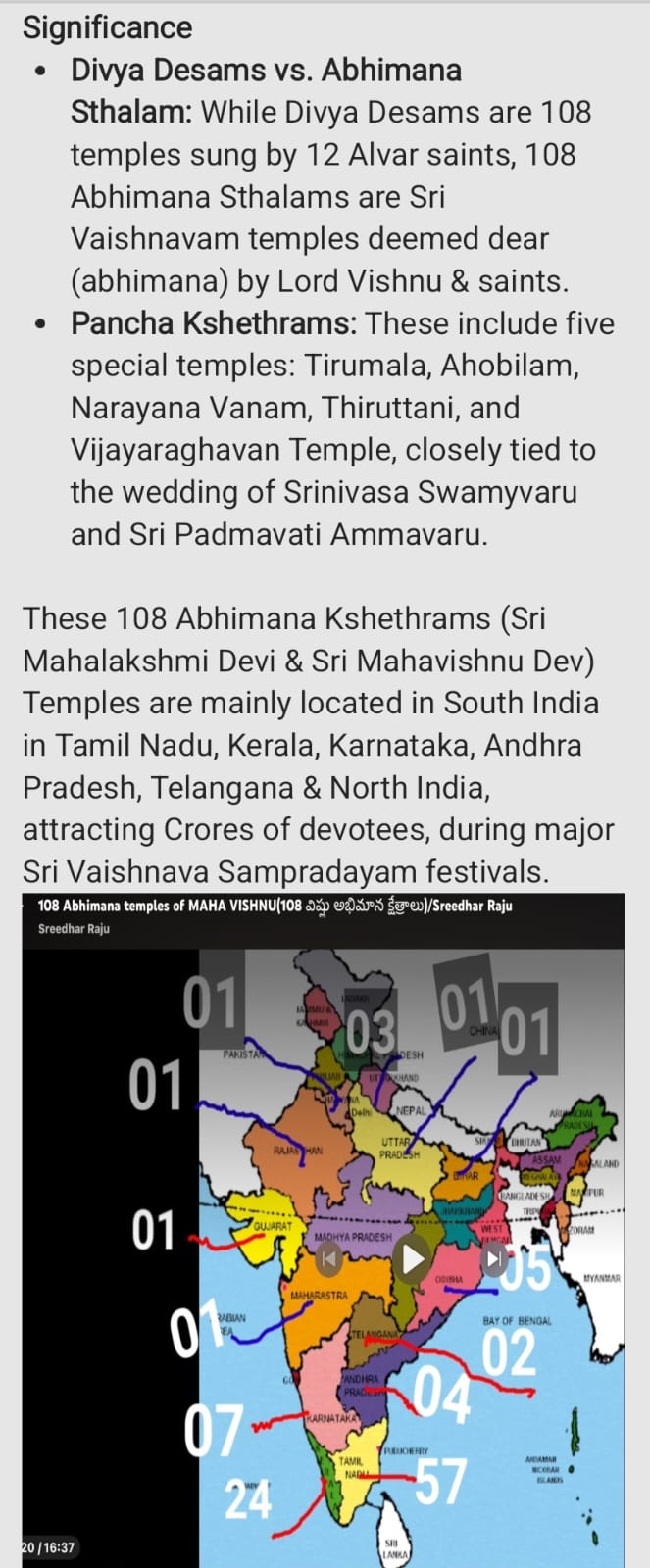
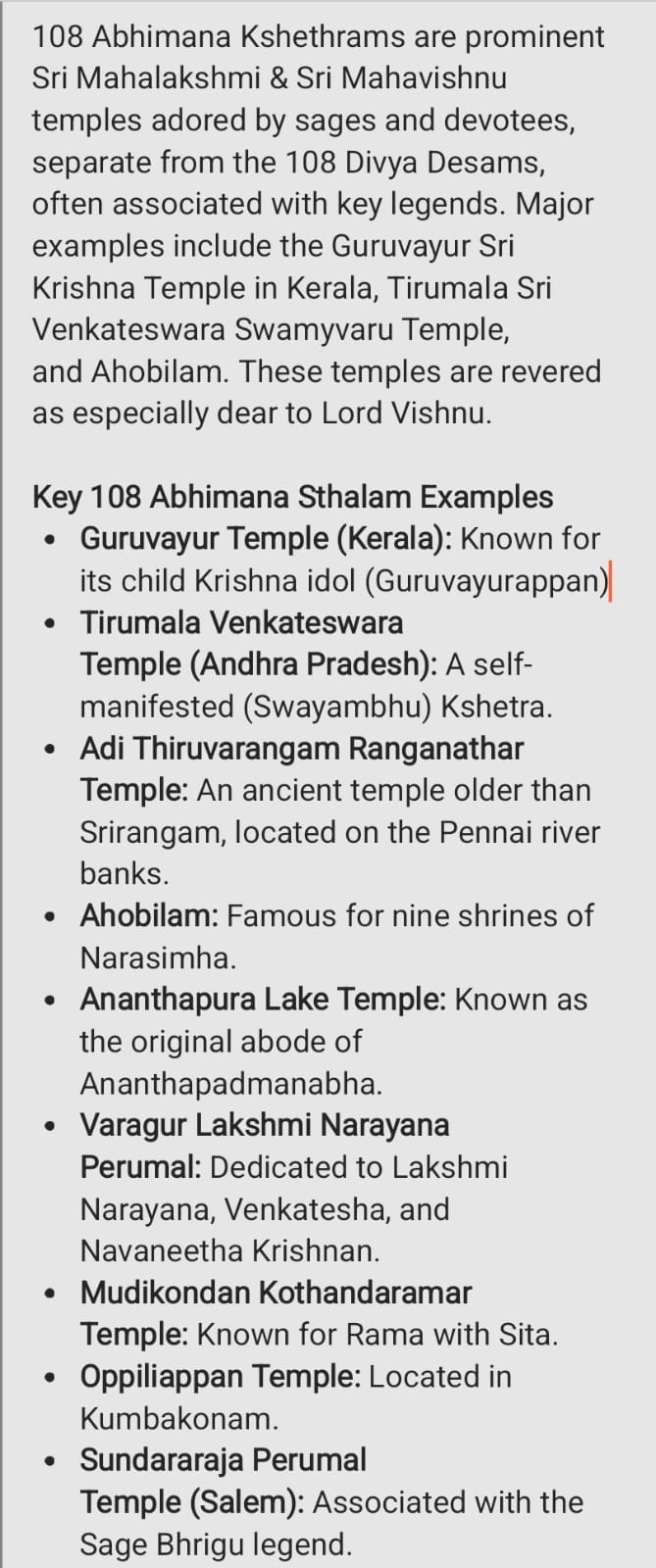
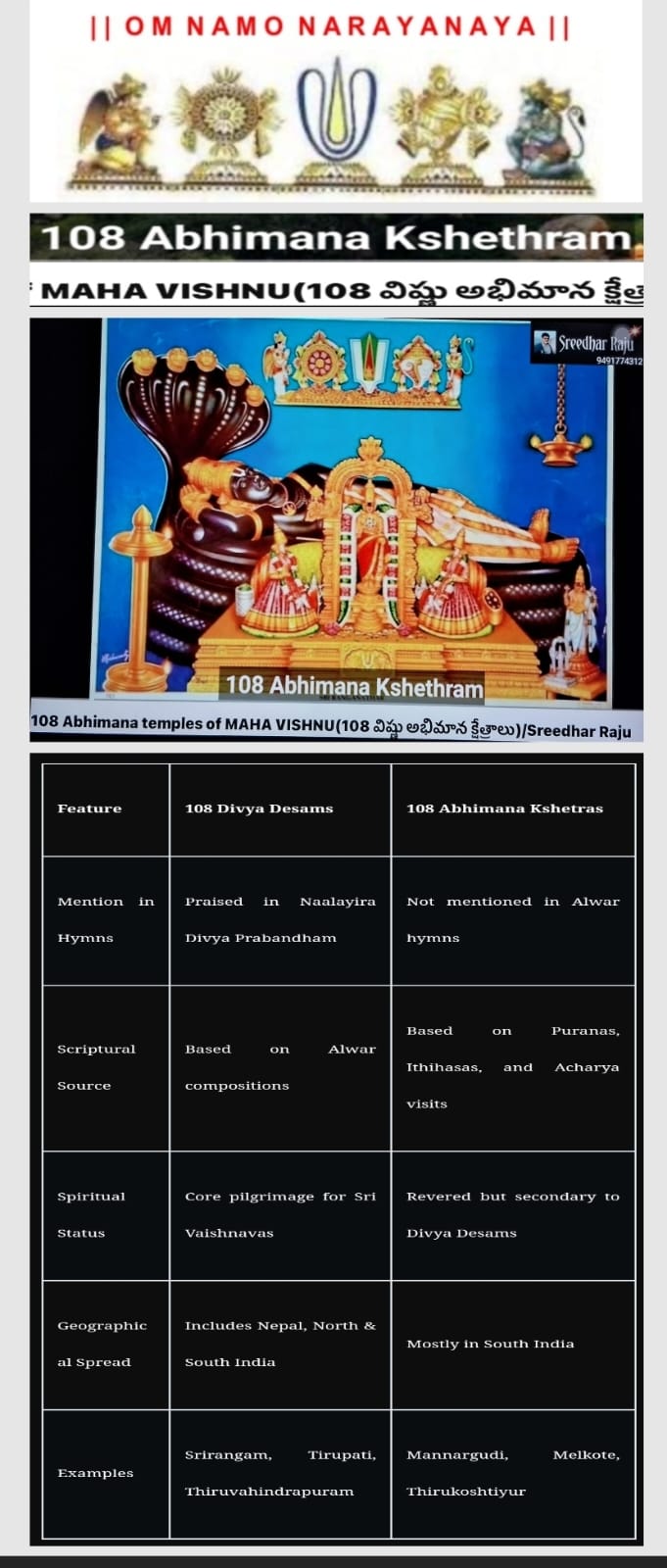
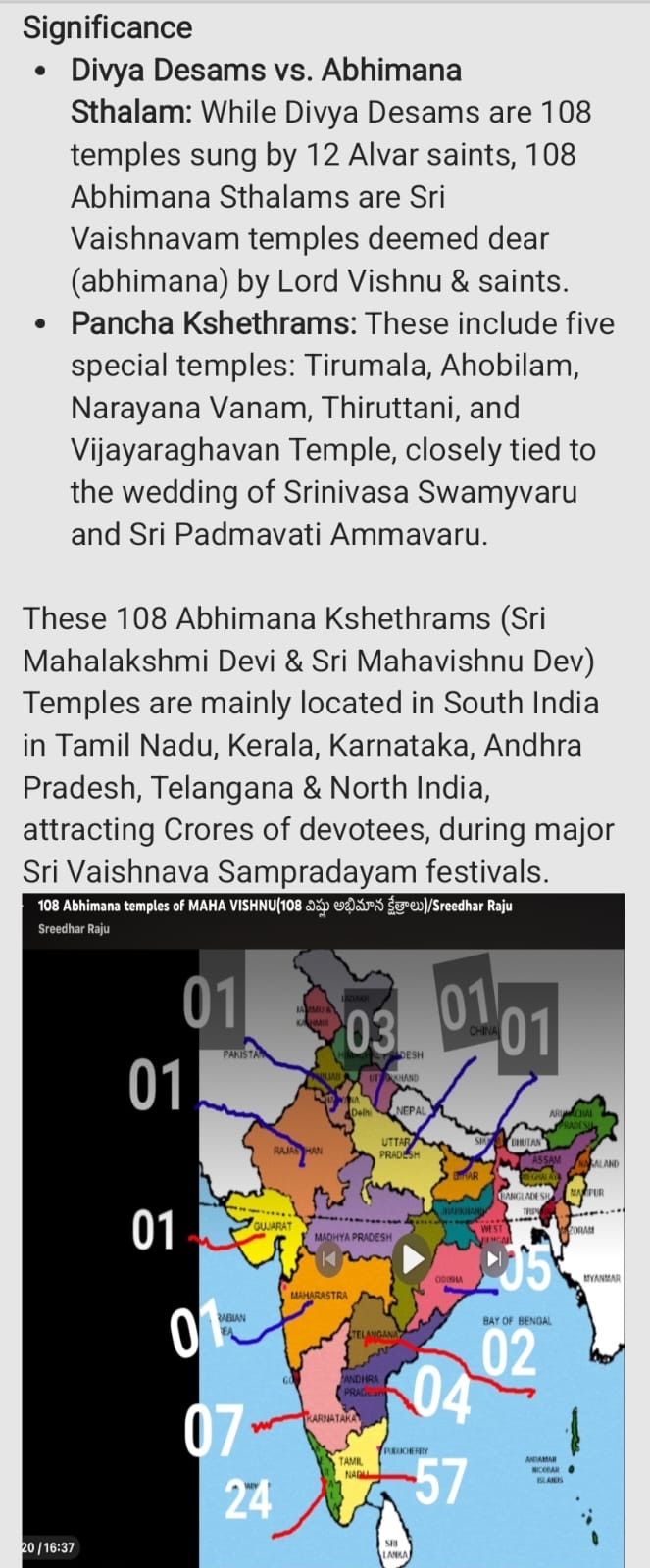
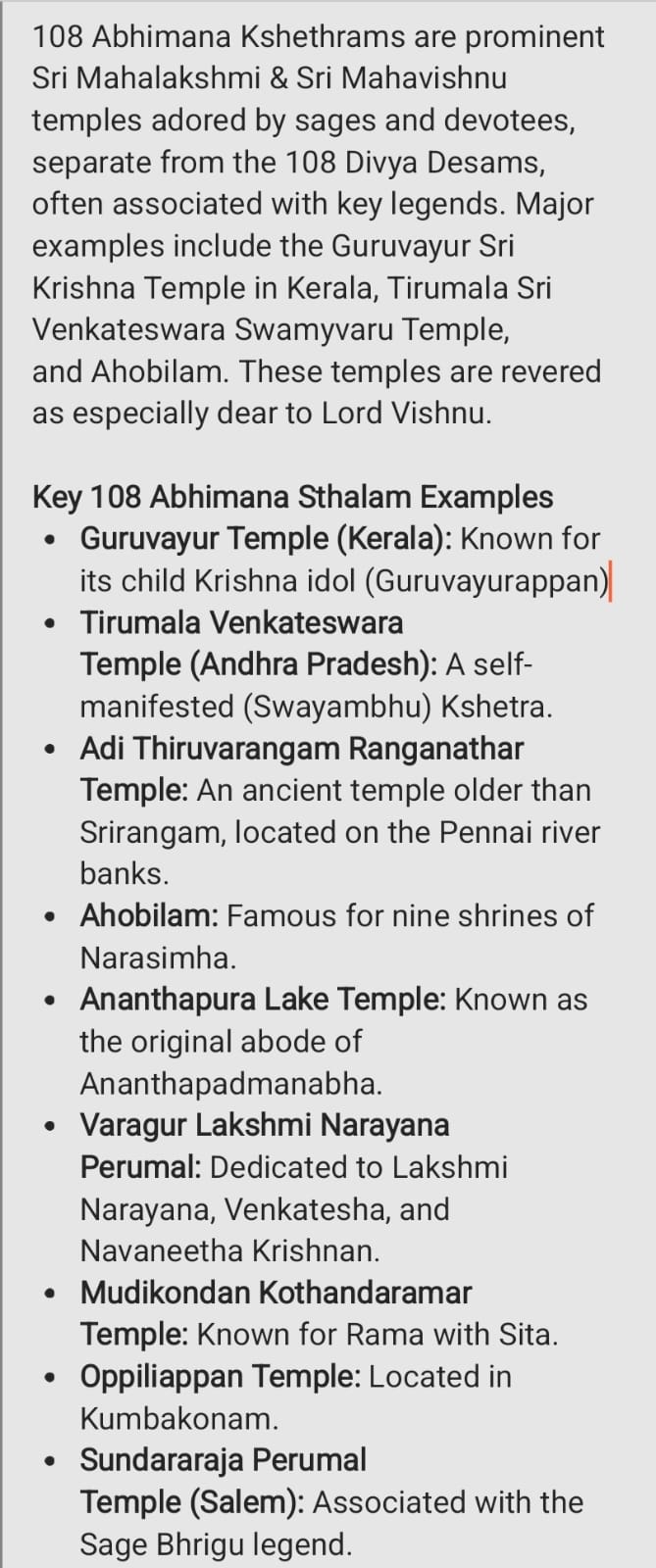
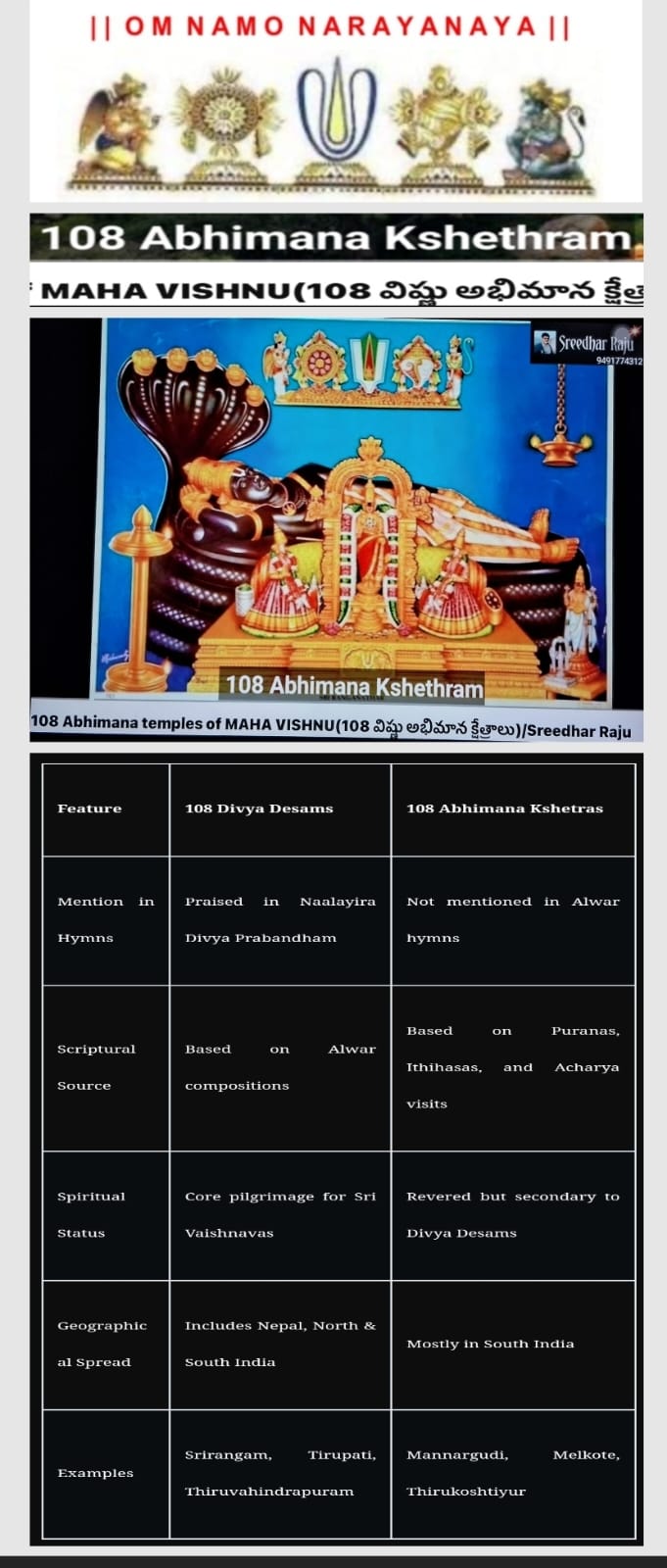
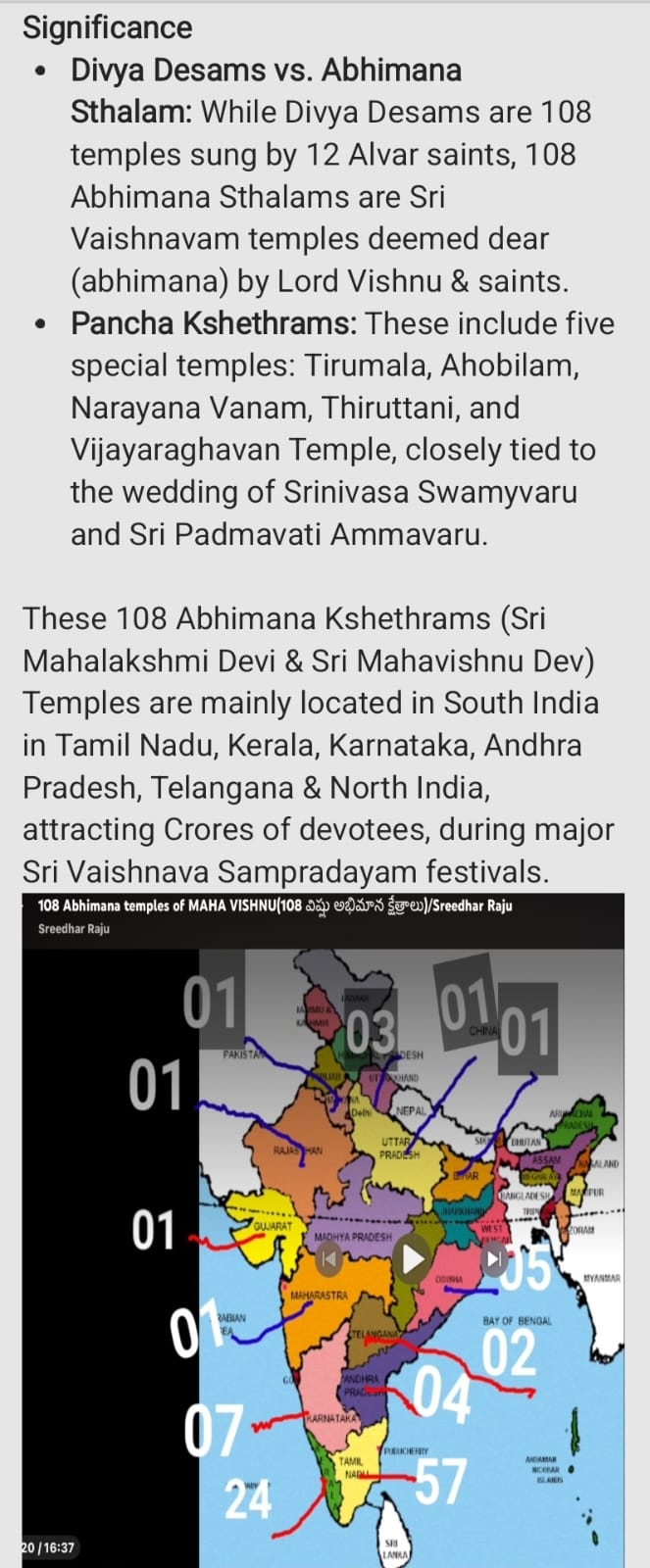
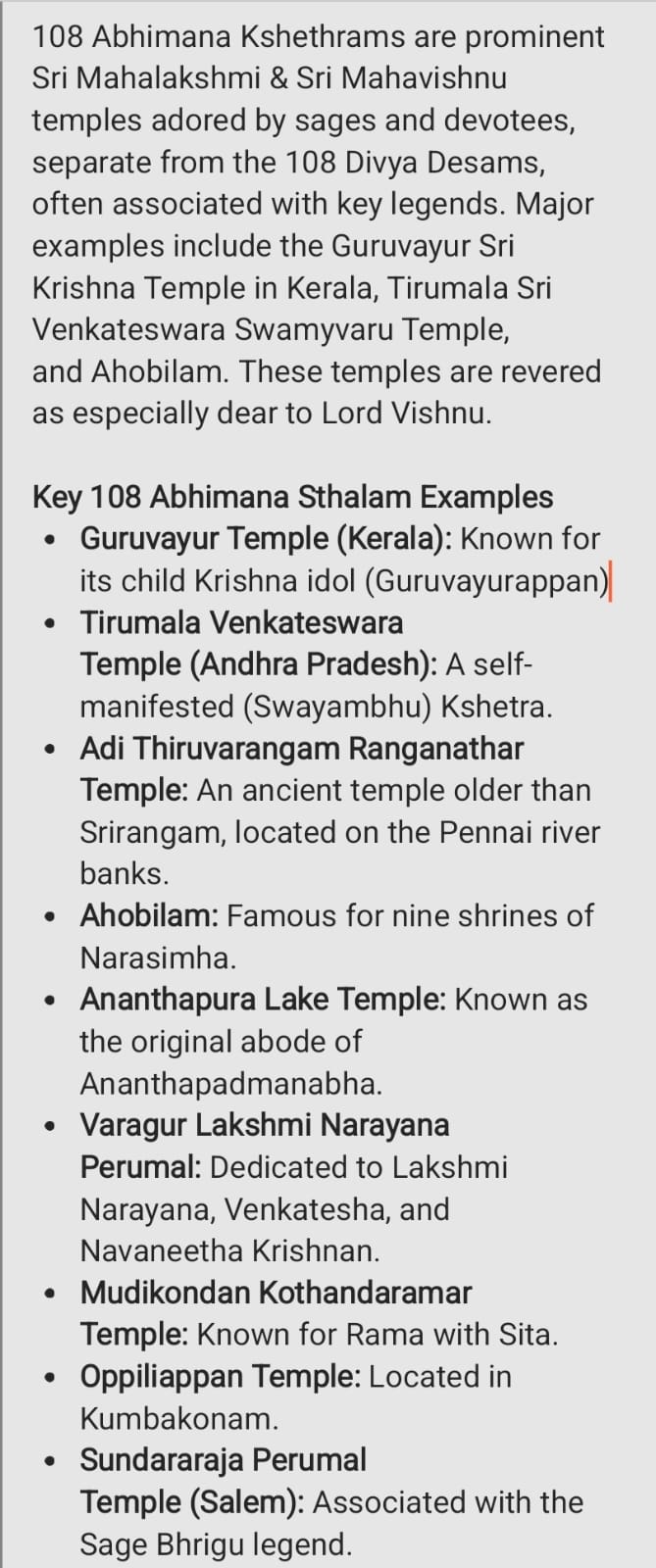
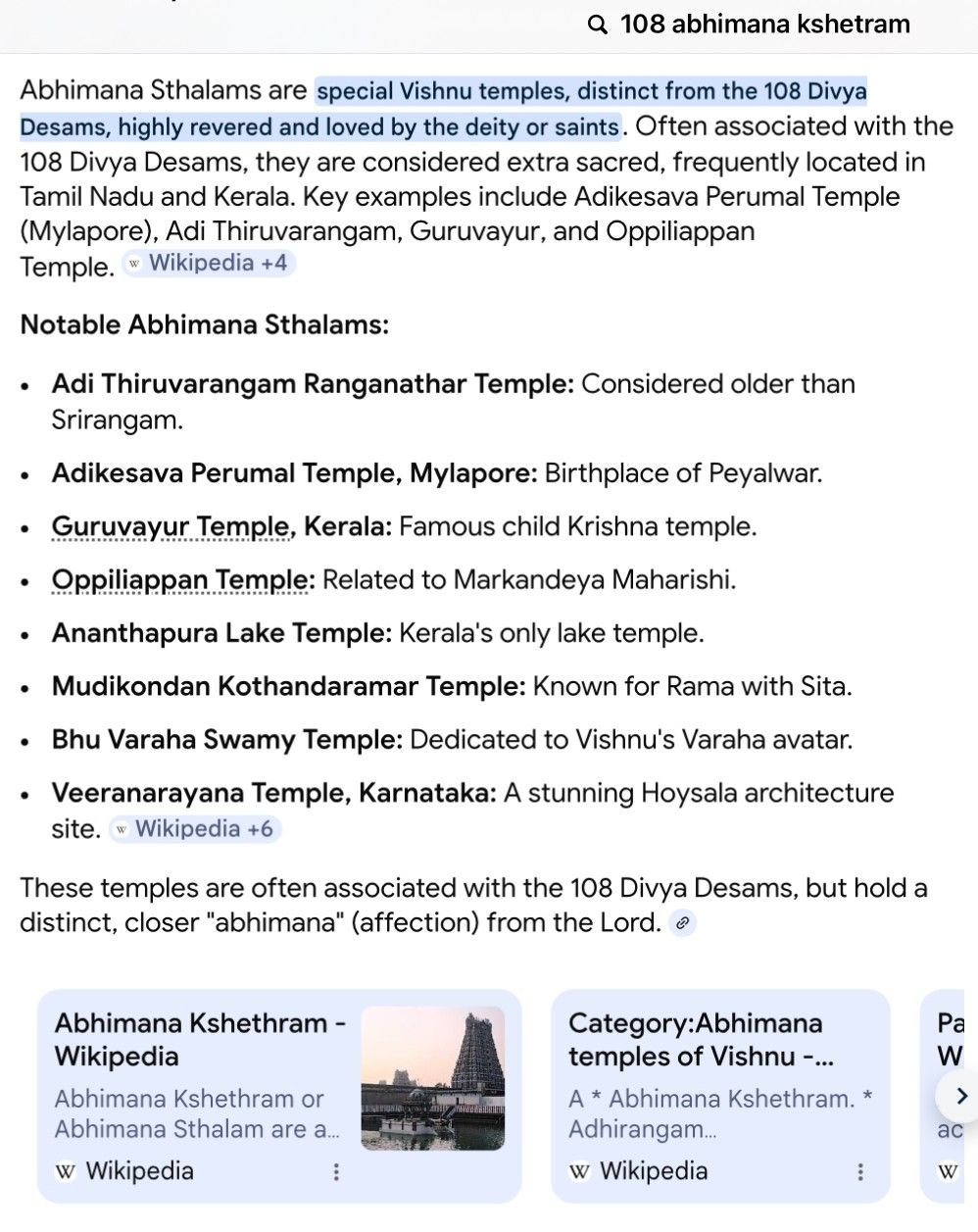
108 Abhimana Kshetrams
Good Mental Health-Calm & Clarity - Good Mind is friend
Carnatic Divine Music Mangala Vadyam - Nadhaswaram & Thavi
Nadaswaram
Nadaswaram Mangala Isai
Nadaswaram - Carnatic Music
Carnatic Music - Veena, Mridangam, Violin, Flute
Nadaswaram - Mallari
Carnatic Music - Veena & Mridangam
Mandolin Srinivas Carnatic Music
Violin - Kunnakudi Vaidyanathan
Flute - Carnatic Music - Dr.N.Ramani
Rudra Veena
Veenai Isai
Thyagaraja Krithis - Flute - Carnatic Music
Fusion Music
Saxophone - Kadari Gopalnath
Violin - Carnatic Music
Flute - Carnatic Music
Violin Melody
Veena - Carnatic Music
Devotional Peaceful Divine - Carnatic Music
Divine instrumental music
Thirukural-1330 Aram, Porul, Inbam, Veeduperu
Avvaiyar - Nal Needhi
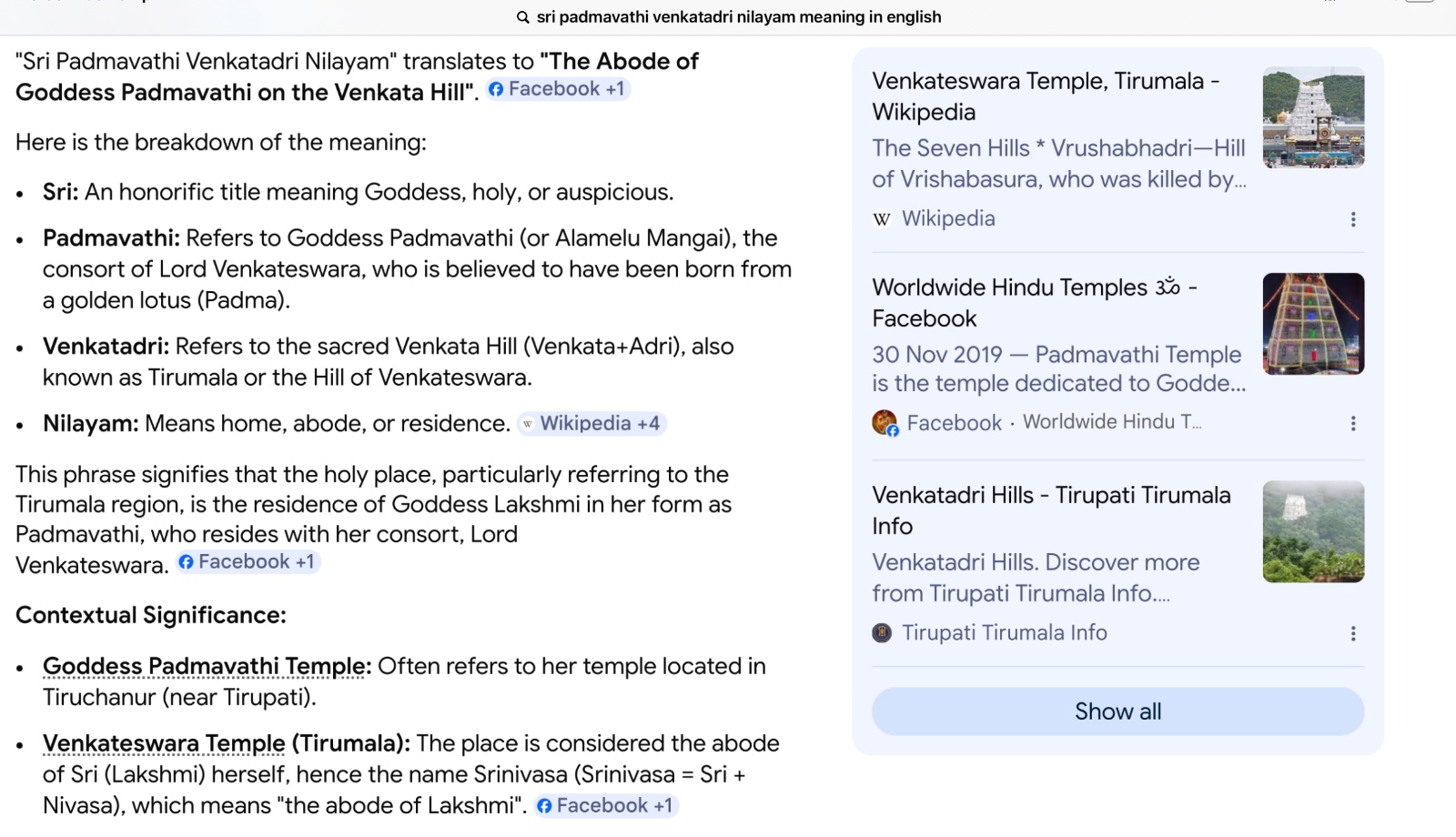
Sri Padmavathi Venkateswara Anantha Nilayam
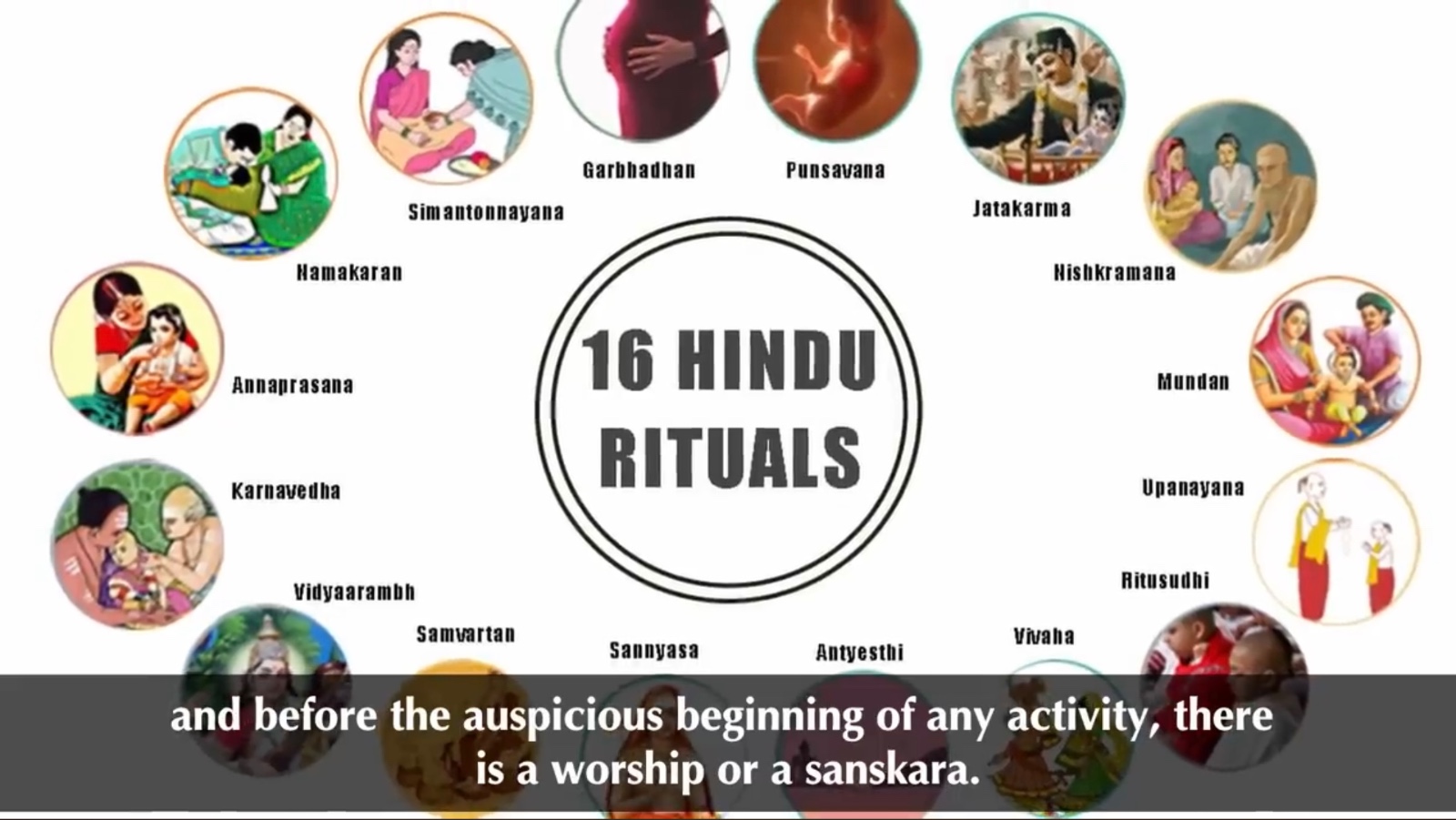
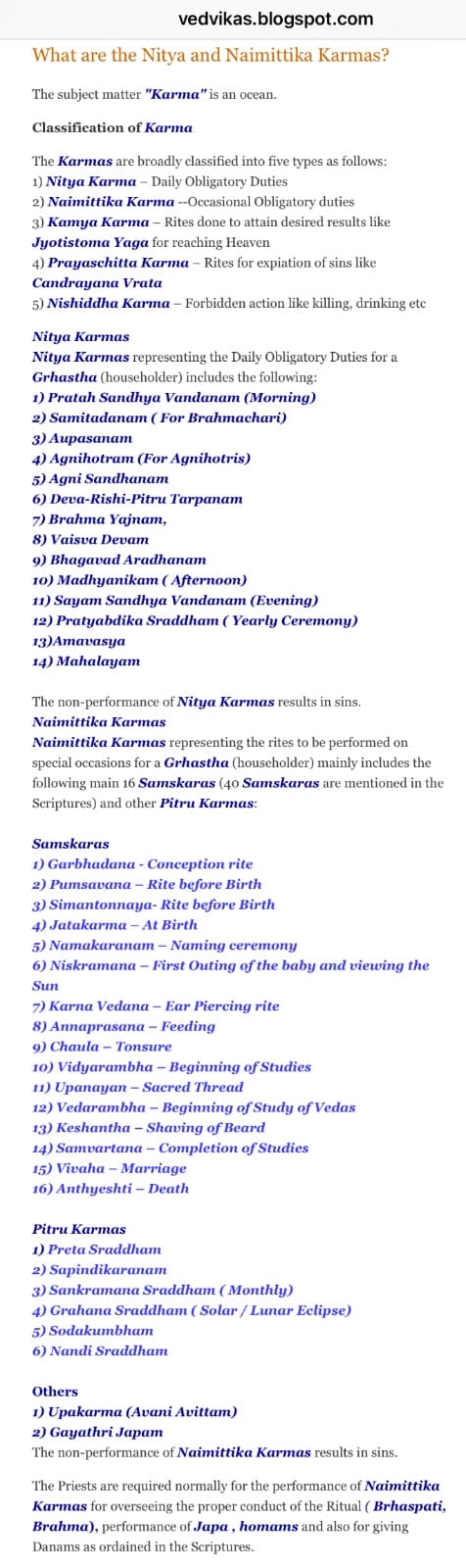
16 Hindu Samskaras Rituals
Sat Chit Ananda - Consciousness, Blissful Being, Ecstasy, Joy, Happiness
108 Upanishads
Vedanta
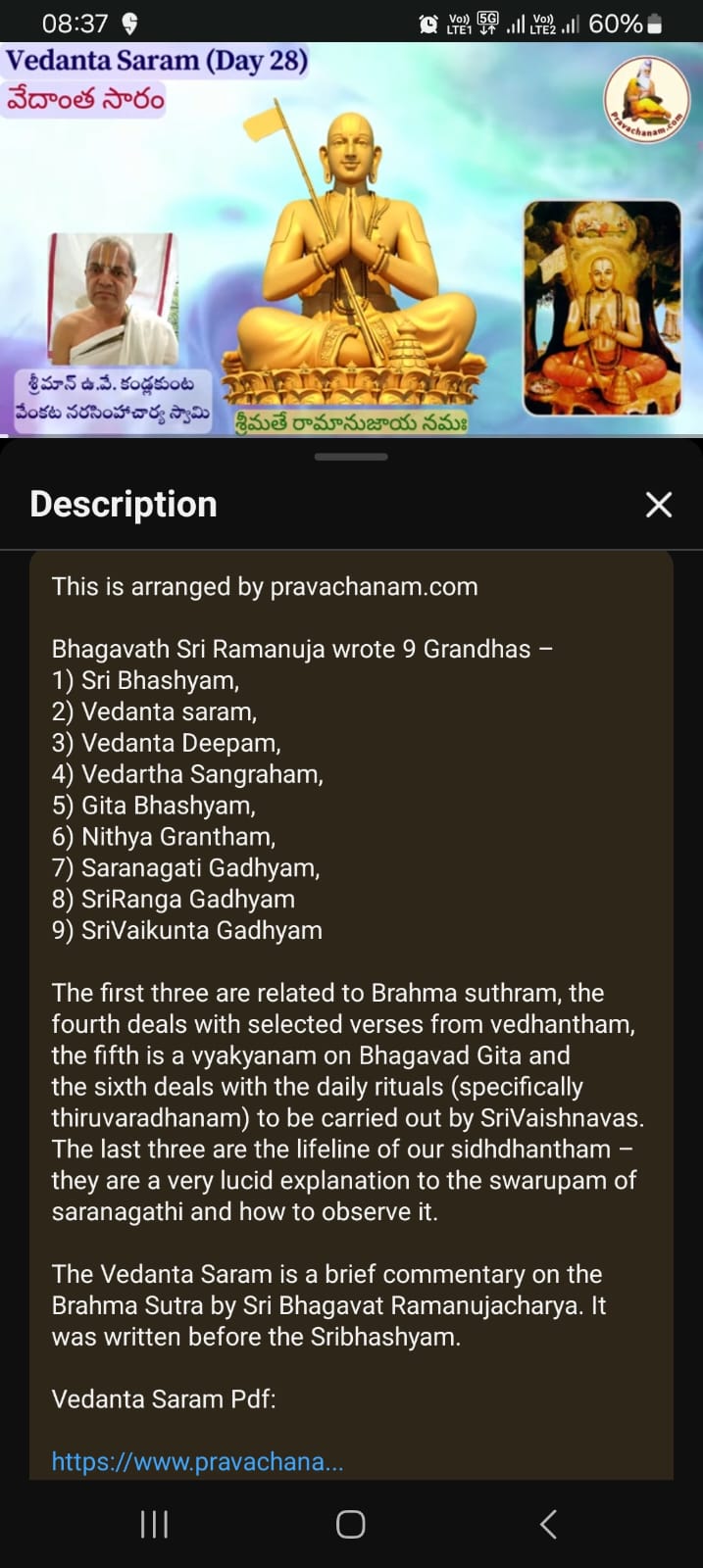
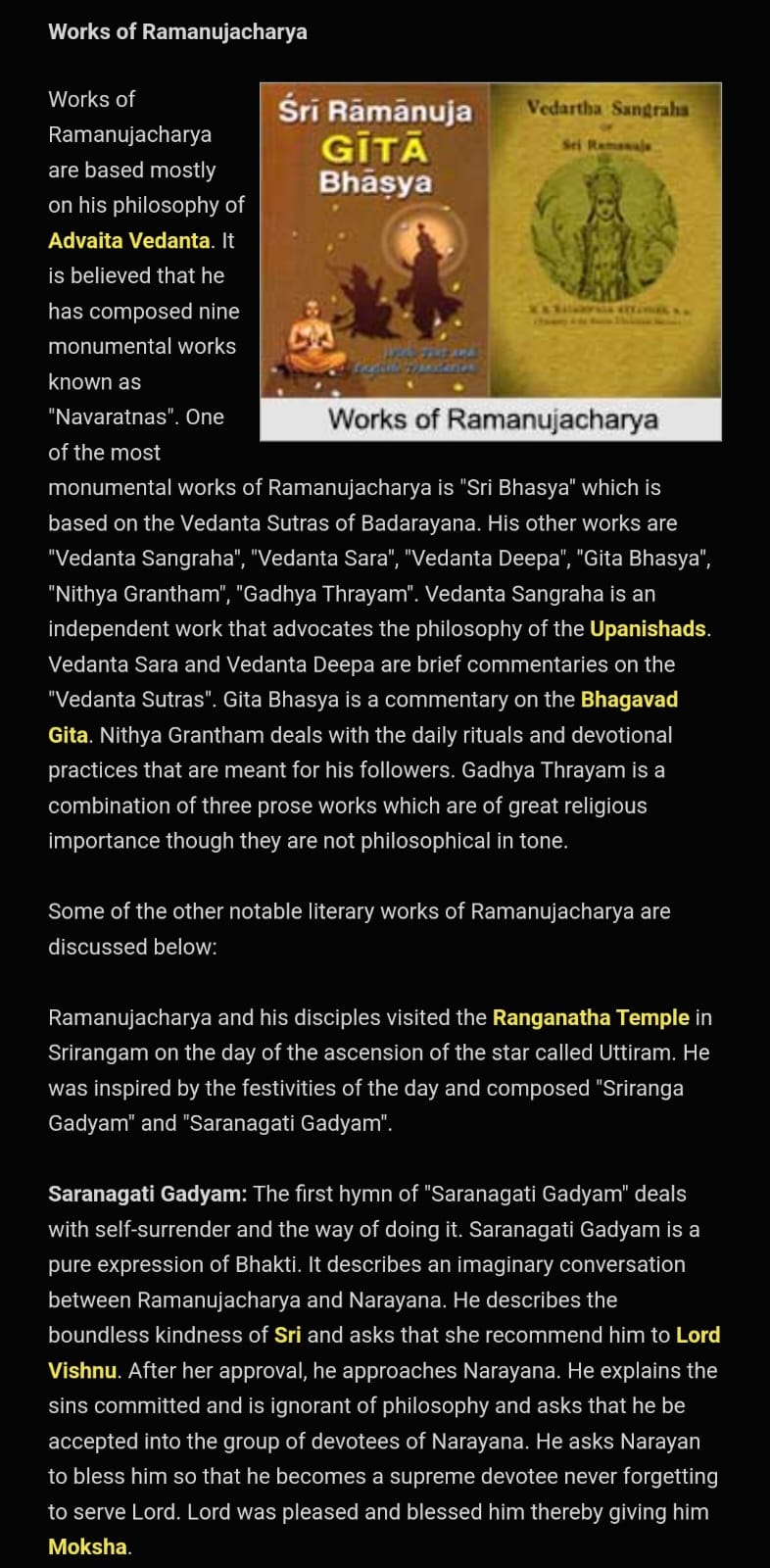
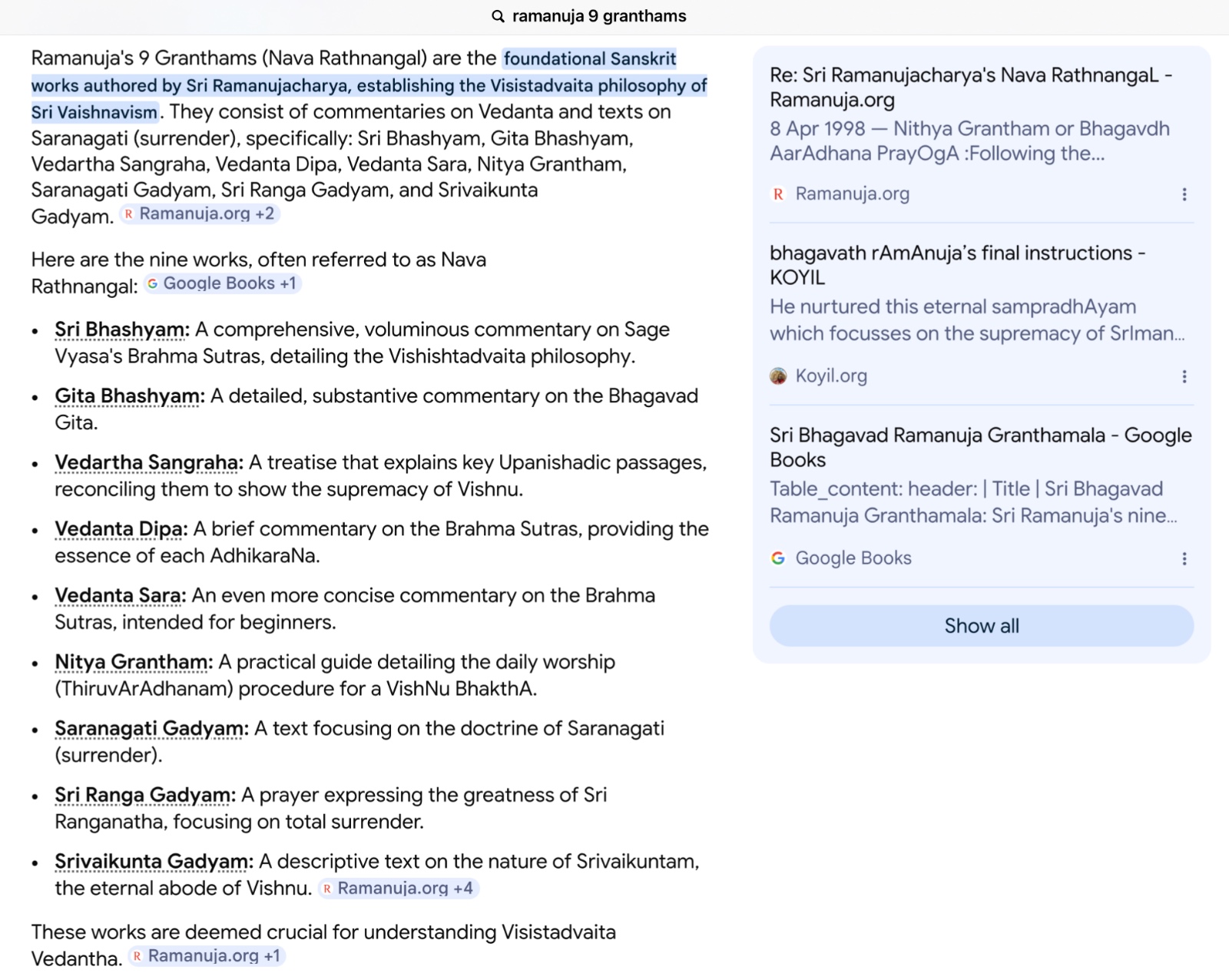
Sri Bashyam
Sri Vaishnavism - Pancharatra Agamam
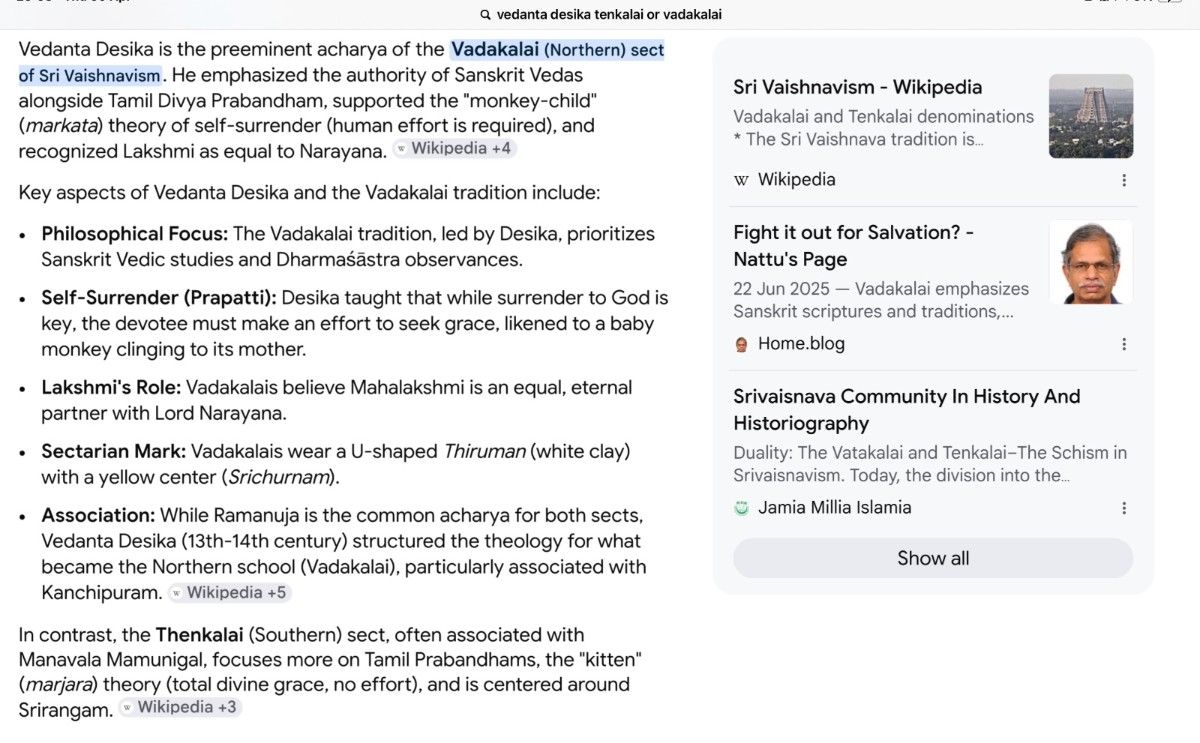
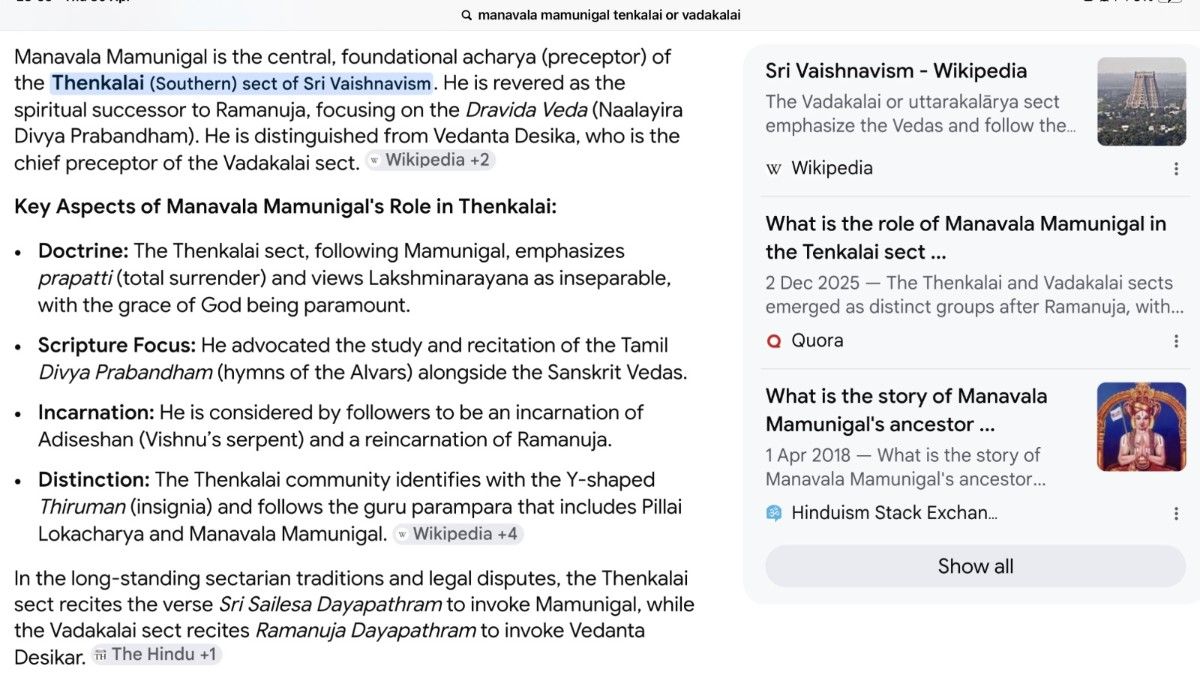
Sri Vaishnavism - Vadakalai & Thenkalai
Thenkalai-Daily Poojai Slokams
Visistadhvaita - Jiva (Cit), Ajiva (Acit), Para Brahman (Sriman Narayana)
Ayodhya - Sri Ram Janmabhoomi - Sri Sita Ram
Mathura - Sri Krishna Janmabhoomi - Vrindavan
Dwarka Dham Yatra
Badrinath, Kedarnath, Gangotri, Yamunotri - Char Dham Yatra
Saptapuri - 7 Holy Pilgrimage Cities - Moksha
Saptarishi Stotram
Saptarishis
Saptanadi Papanashana Stotram
Saptanadi Punyapadmam Stotram
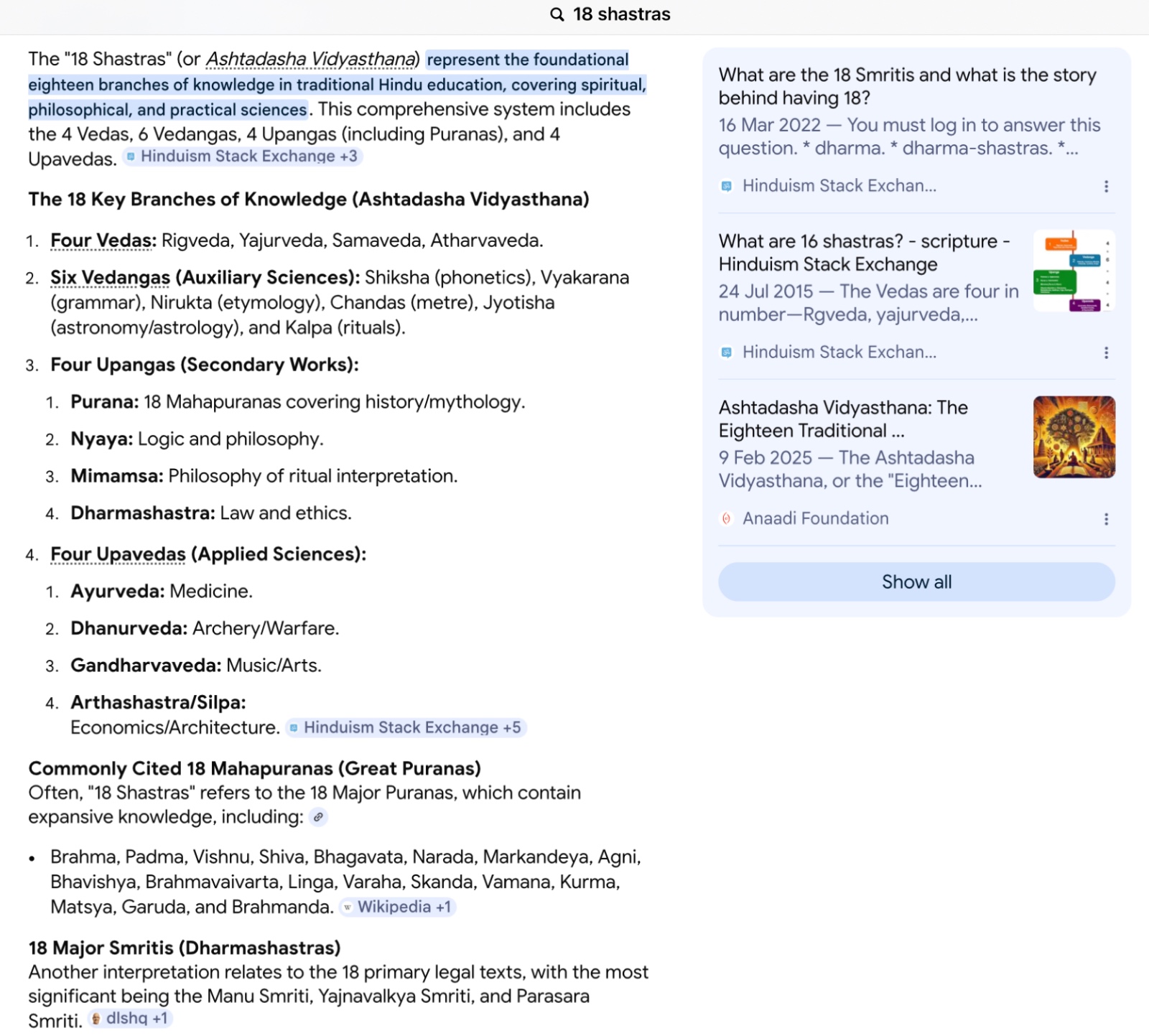
18 Puranams
18 Puranams-Pravachanam - Telugu
Muktinath Dham Yatra - 108 Divya Desams
Aum Shanti Shanti Shanti-Peace Mantra
Sri Ram Mantra
Sri Krishna Govind Hare Murari - Soft, Soulful, Peaceful, Bhakti Life
Radha Krishna - Amrit Bhakti
Sri Lakshmi Narayan - Amrit Bhakti
Om Namo Bhagavathe Vasudevaya
Om Jai Jagdish Hare
Hare Krishna Hare Rama
Pancharatna Krithis
Annamacharya Nitya Sankeerthanalu
Narayan Dhun
Bhadrachalam Sri Sita Rama Pattabhishekam
Thirumala Vaasa Sri Venkatesa
Namo Venkatesa Namo Thirumalesha
Adi Sesha Ananta Sayana
Edukondala Venkateswara Swamy
Om Namo Venkatesaya
Narayana
Narayana Narayana Jaya Govinda Hare
Sri Venkateswara Swamy
TTD - SVBC - Nadaneerajanam - Bharathanatyam
TTD - Srivari Kalyanotsavam - Live
Jai Ganga Maiya - 126 Episodes
Ramayanam - Sundara Kandam
Aum Shanti Shanti Shanti-Mantra for Inner Peace & World Peace
Sri Vaishnava
Sri Vaishnavism Meaning
Panchasamskaarams & Mangalashasanam
Sri Ramanuja & Visistadvaita
Visistadhvaita - Cit, Acit, Para Brahman - Moksham
Sri Bhashyam
Sri Bhashyam
Sri Bhashyam
Gita Bhashyam
Gita Bhashya
Ramanuja Vaibhavam
Visistadhvaita Vedanta
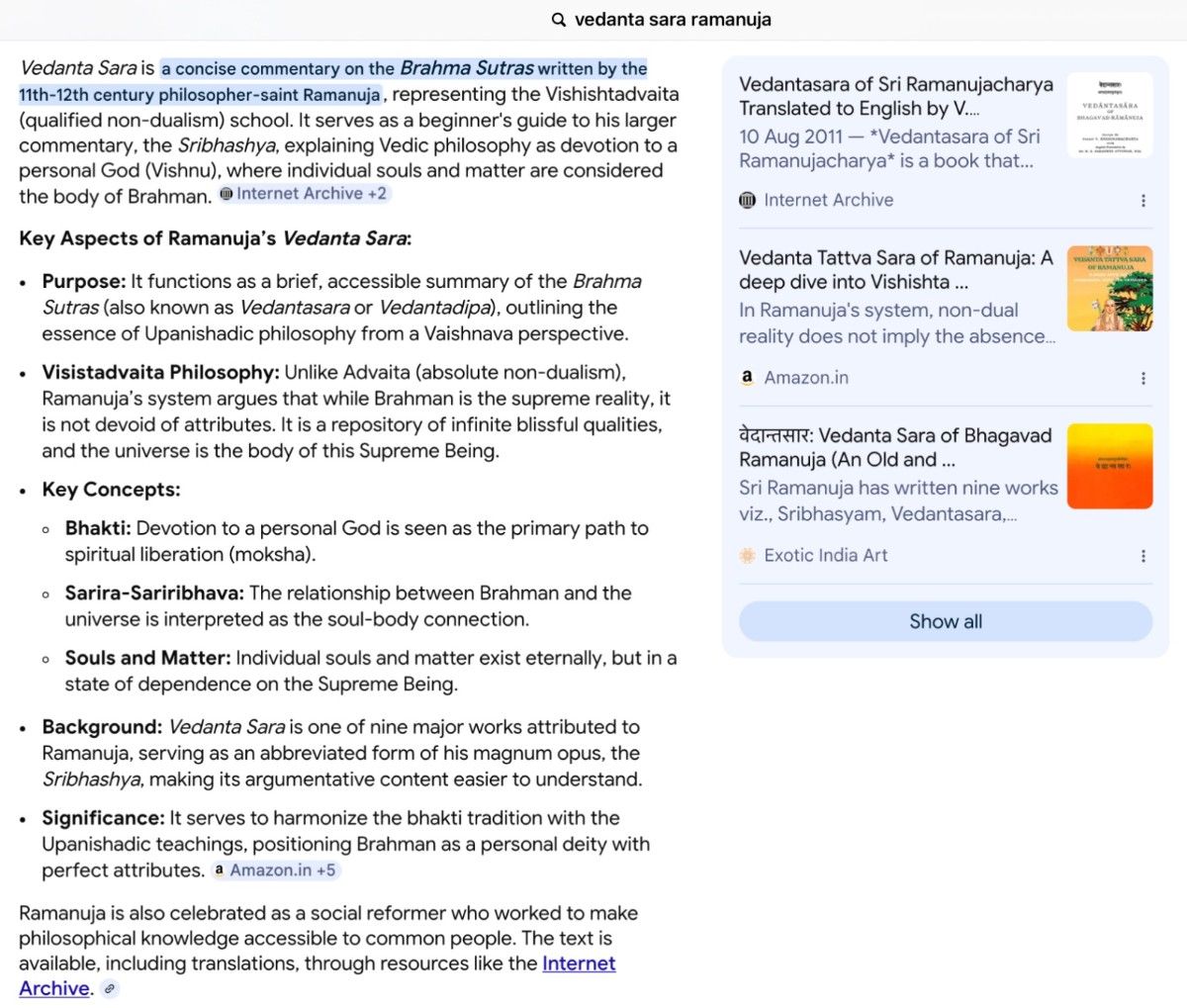
Vedanta Saaram
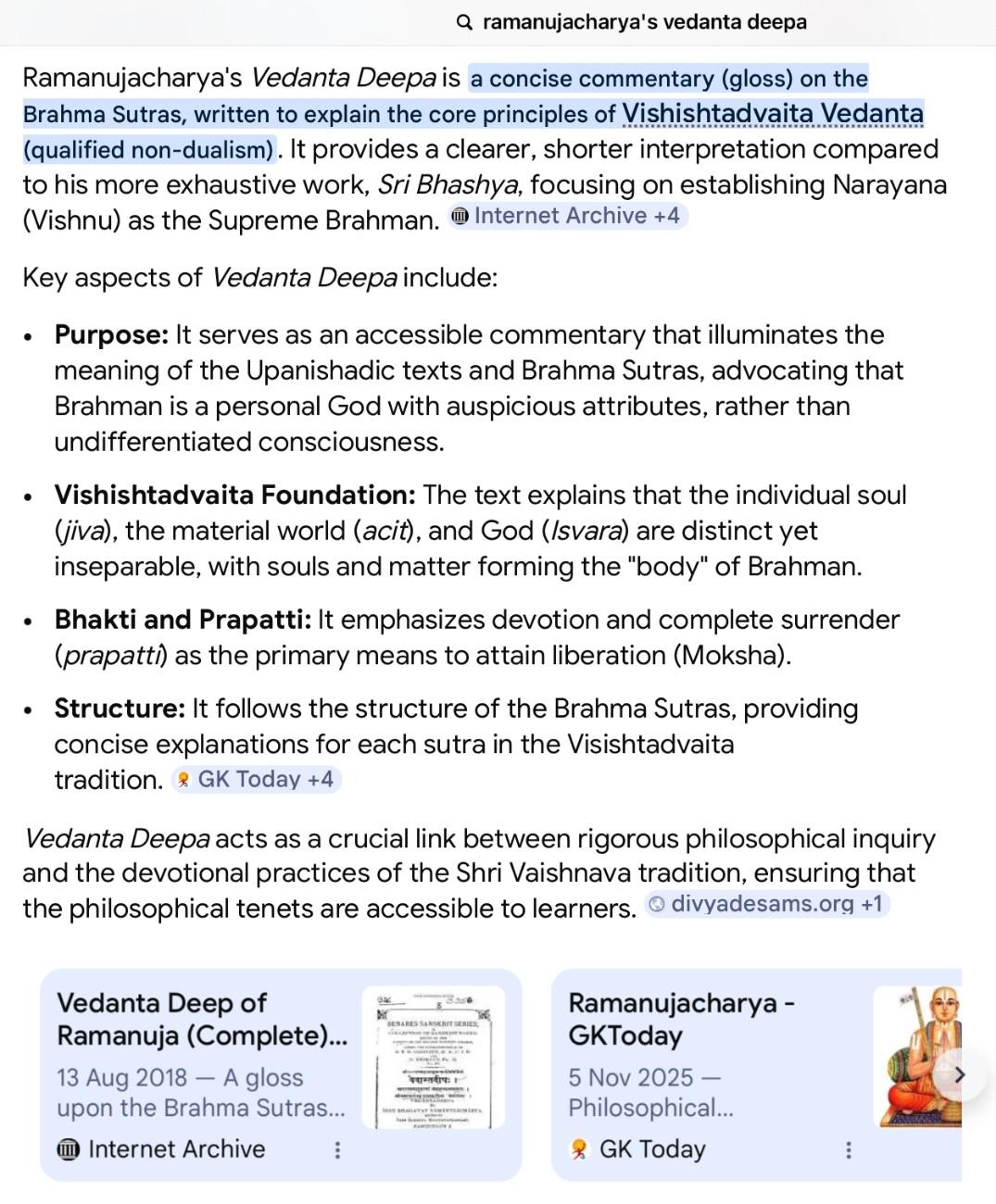
Vedanta Deepam
Vedanta Deepika
Vedartha Sangraham
Sri Ramanuja Vaibhavam
Sri Ramanuja Vaibhavam - SVBC - TTD
4000 Divya Prabandham
Sri Ramanuja Nootrandhadi - Naalayira Divya Prabhandham
108 Divya Desams
Ramanuja Nootrandhadi
Sri Ramanuja Kavacham
Nitya Grantham - 1
Nitya Grantham - 2
Gadyatyaram
Saranagati Gadyam - SVBC - TTD
Saranagati Gadyam - Sri Lakshmi Narayana
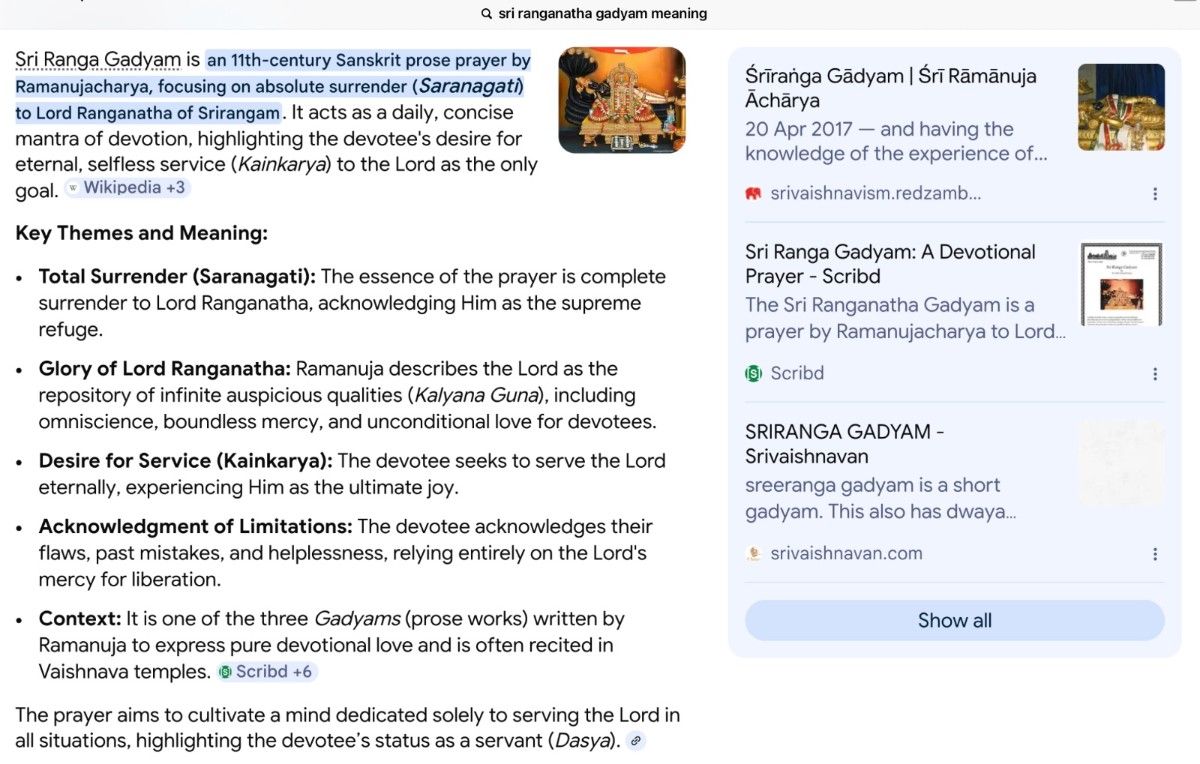
Sri Ranganatha Gadyam
Sri Ranga Gadyam & Sri Vaikuntha Gadyam
Sri Vaikuntha Gadyam
Carnatic music - Dr. m. Balamurali Krishna
Jai Ganga Maiya-Tamil -91 episodes
Shree Krishna-Tamil-222 episodes
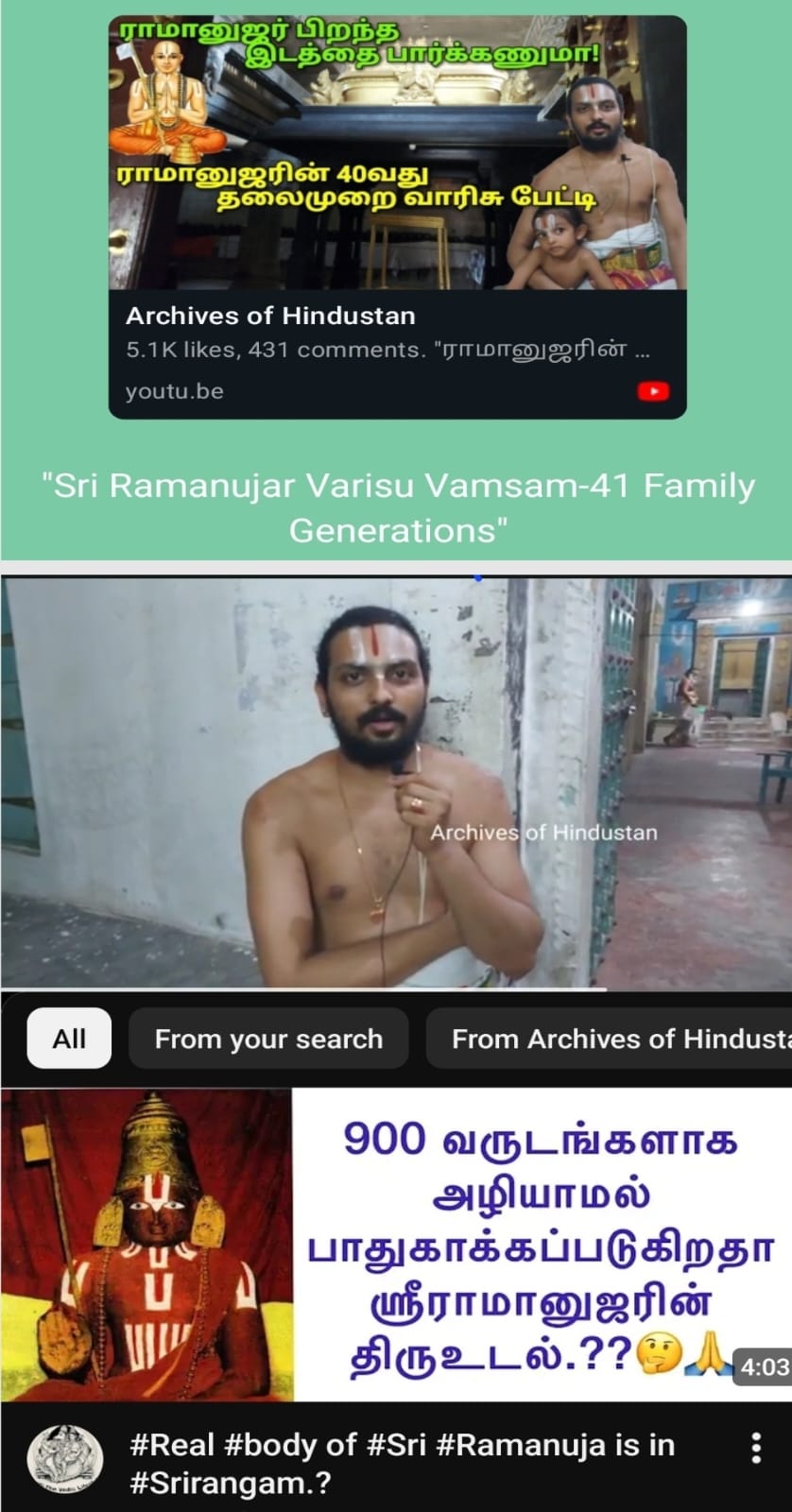
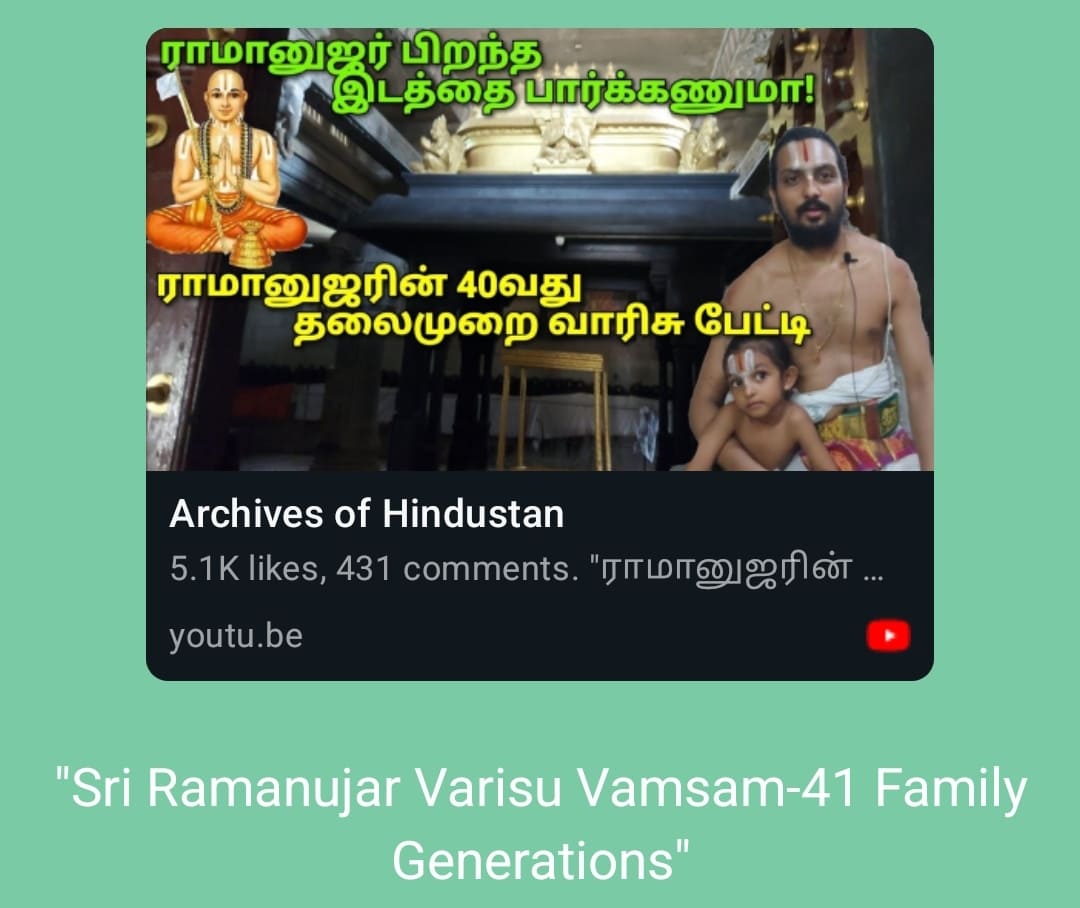
Sri Ramanujar Varisu Vamsam - 41 Family Generations
Jai Sri Mahalakshmi - Tamil 58 Episodes
Sri Kamadhenu Gayatri Mantra Gomatha
Gomatha Suktam
Gomatha Song - Good Auspicious Divine
Health Mantra
Srirangam Sri Ranga Mahatmyam
Sri Ramanuja Vaibhavam
Shanti Suktam - Inner Peace
Inner Peace-Govinda
Nithyanusandhanam-Daily Worship Sri Lakshmi Narayana
Visistadvaita
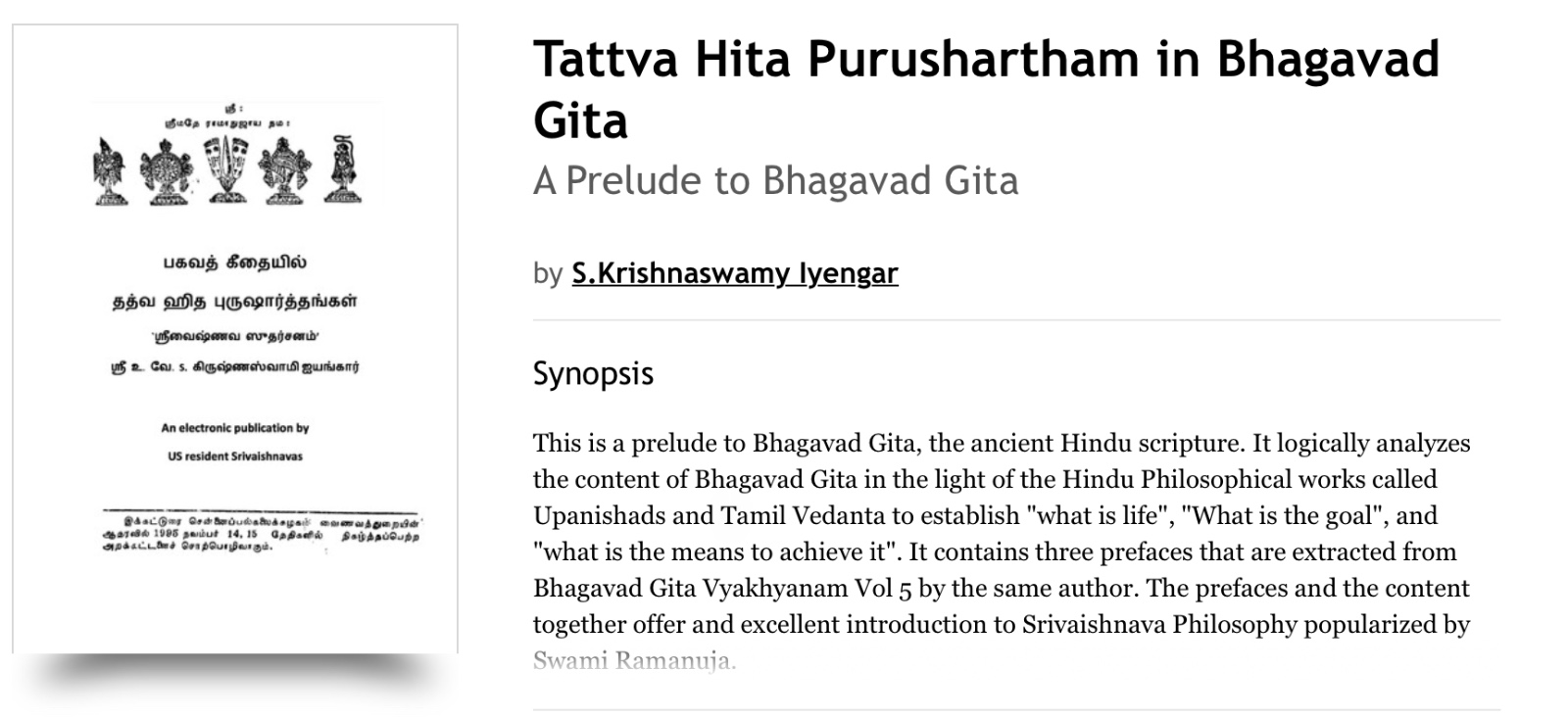
Tattva, Hita, Purushartha
Sandhya Vandhanam-Sri vaishnavism
Sri Satyanarayana Swamy Pooja & Katha
Thiruvaradhanam Daily Worship of Sri Lakshmi Narayana @ Home
Sri vaishnavism-Koyil
HH Sri Chinna Jeeyar Swami
Sri Vaishnavism-Bhaktamrutham
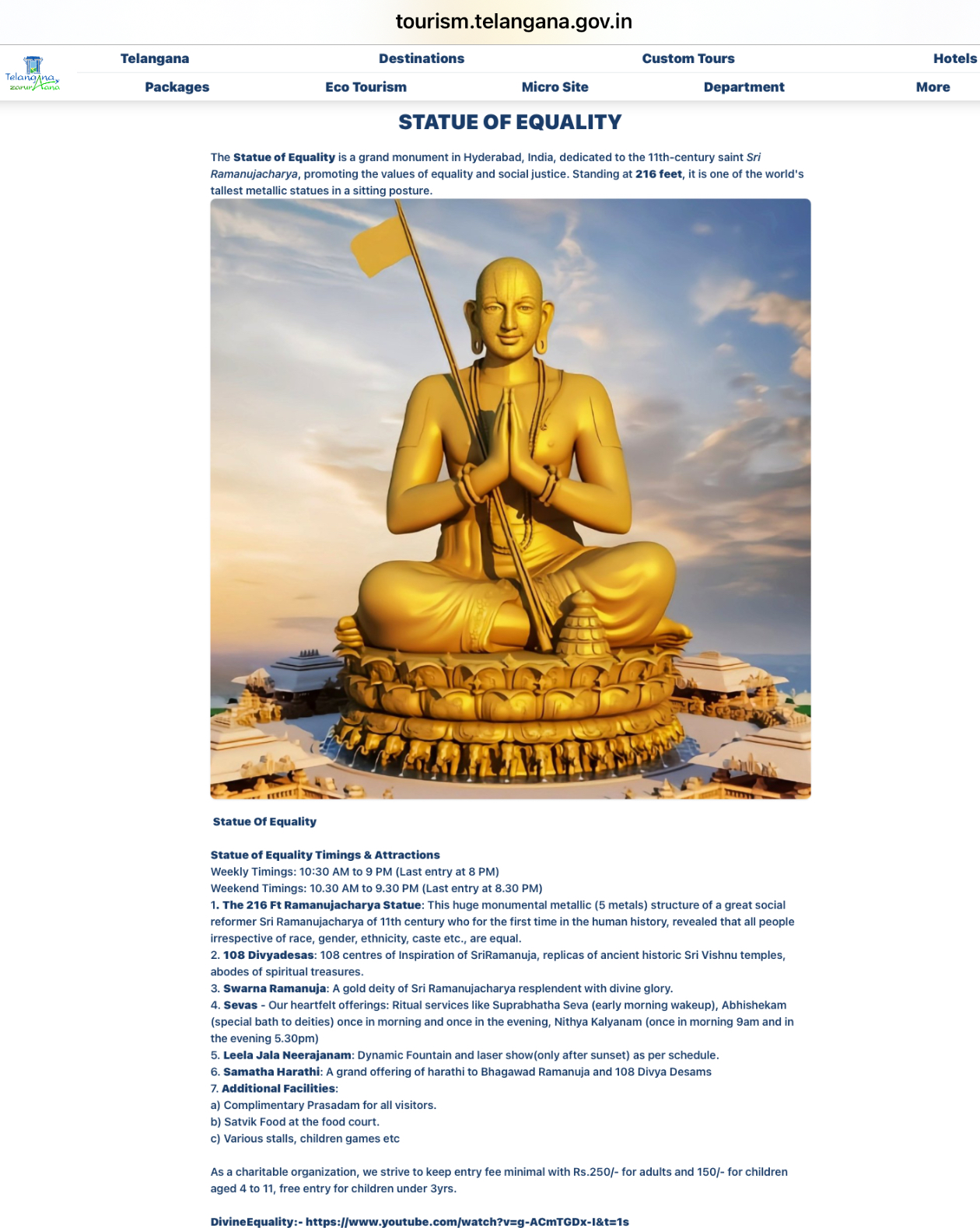
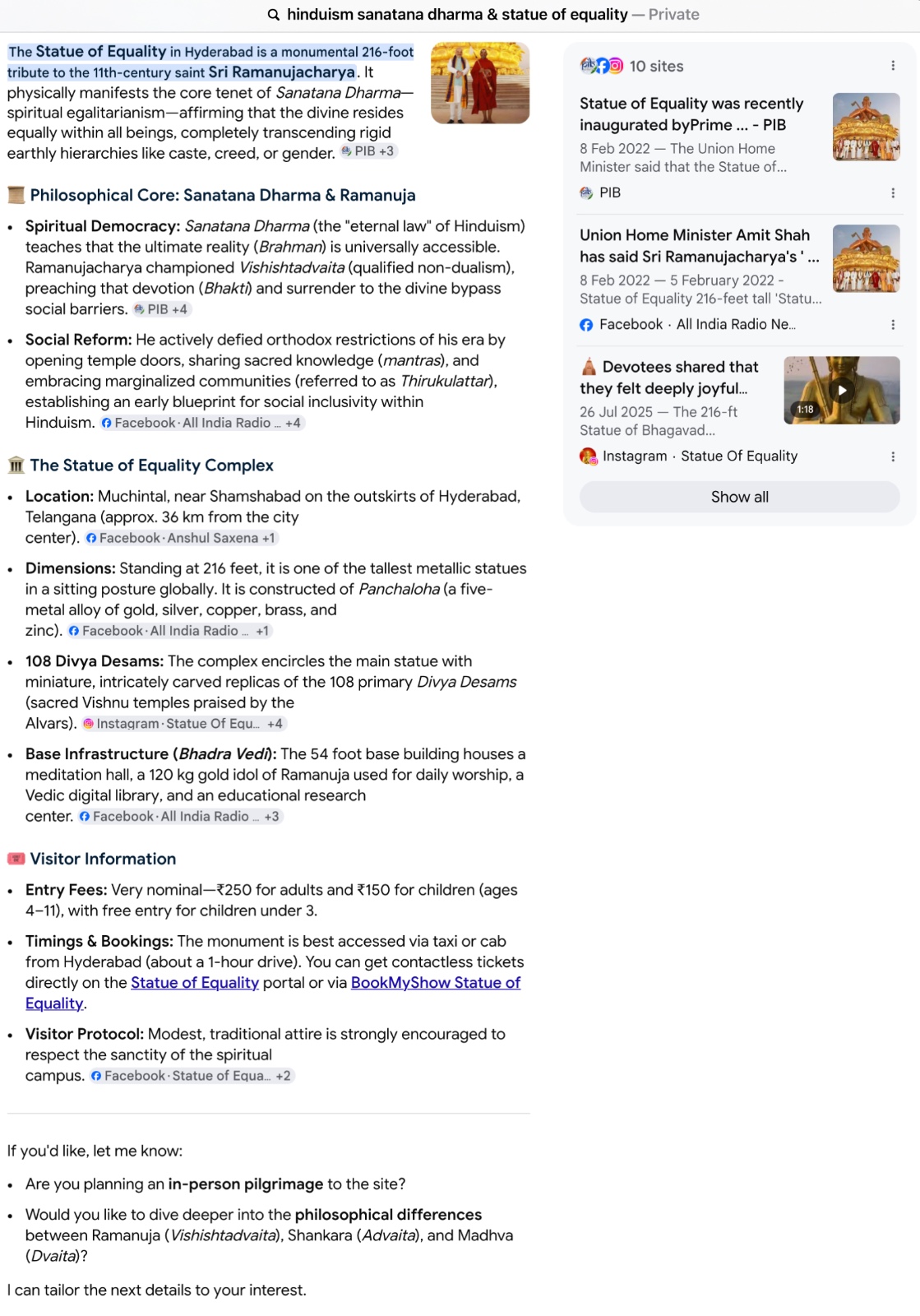
Statue of Equality - Sri Ramanujacharya
Statue of Equality - Sri Ramanujacharya
Sri Vaishnavism-Koyil
Sri Vaishnavism - Bhaktamrutham
Velukkudi swamigal upanyasams rare
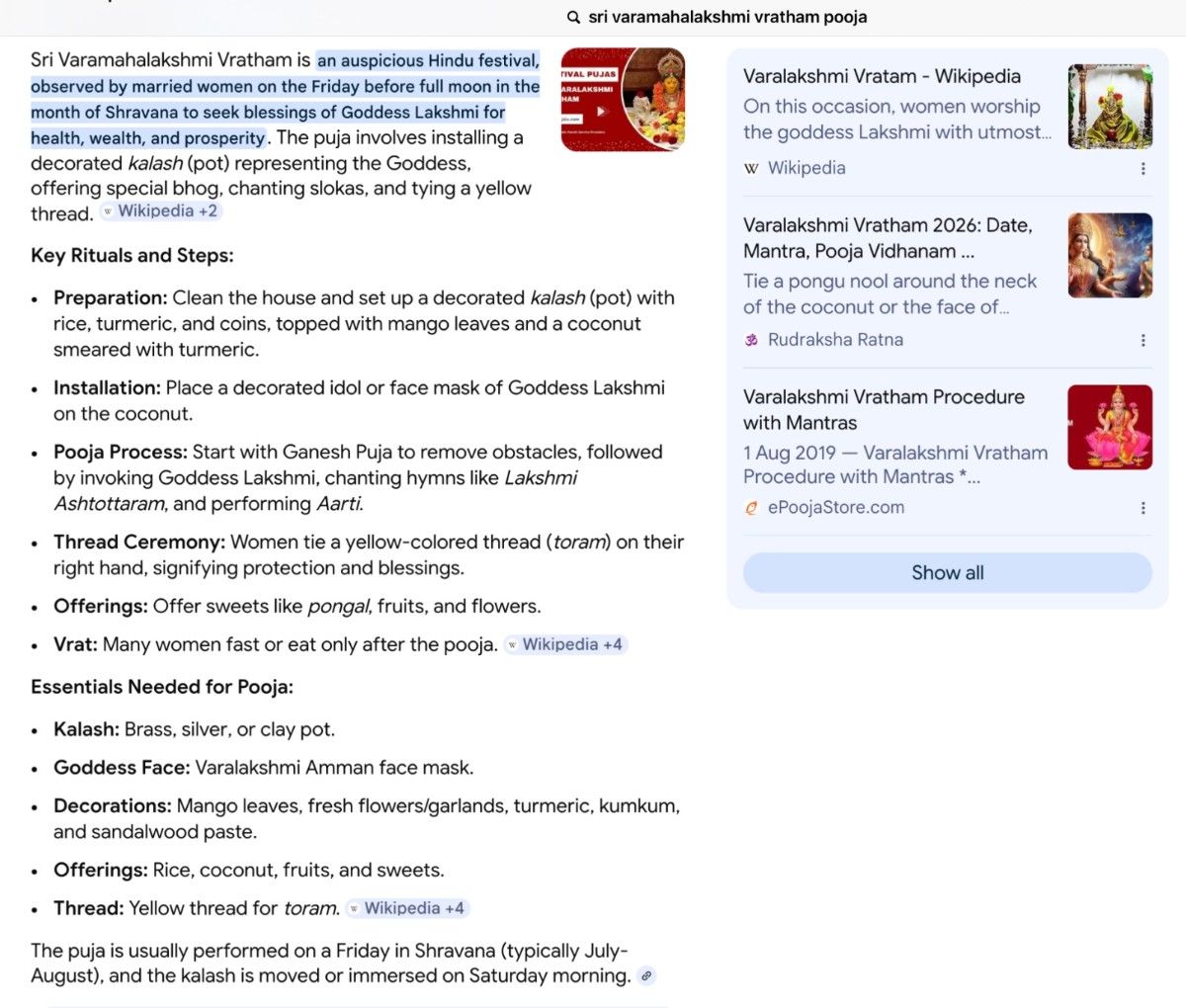
Sri Varamahalakshmi Vratham Pooja
Sri Vaishnavism-Prapatti
Sri Manavala Mamunigal
Prevention is better than cure
Sri Ramanujacharyar History-Tamil
Sri Vaishnavism-Dr.Venkatesh Upanyasams
Vaikuntha Ekadashi-Sri Vaikuntha Logamv
Padhuka Sahasram
Sri Rama Navami Devotional Songs
Vishnu kavacham
Kan Thrishti Durga Devi mantra
Sudarshana Ashtakam
Sudarsana Maha mantra
Shuklambharadharam Vishnum
Shantagaram Bhujagasayanam
Yada Yada hi Dharmasya
Sri Vishnu Dhyanam
Ashtanga Yoga
Hinduism sanatana dharma is good & best
108 Ramanuja Namangal
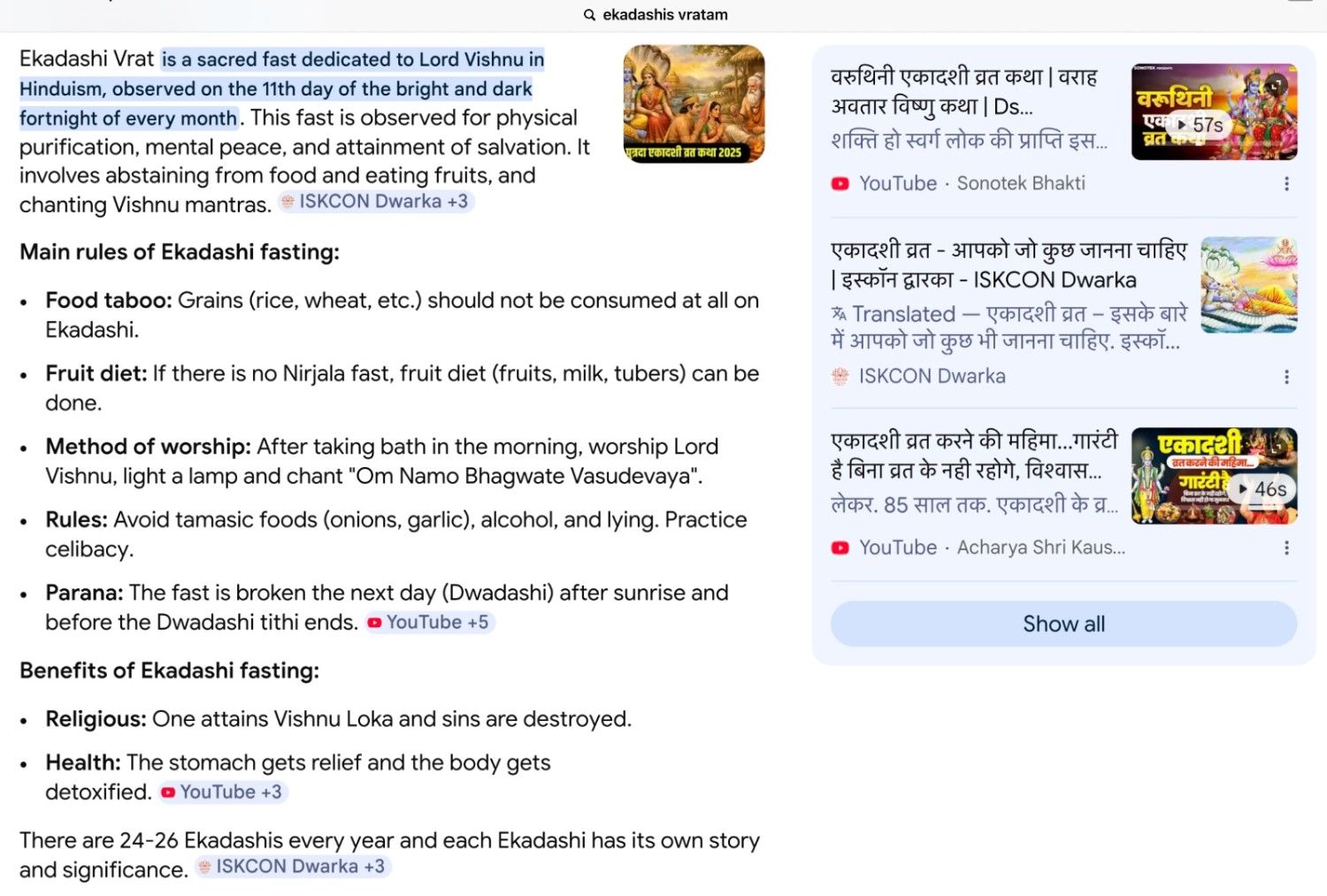
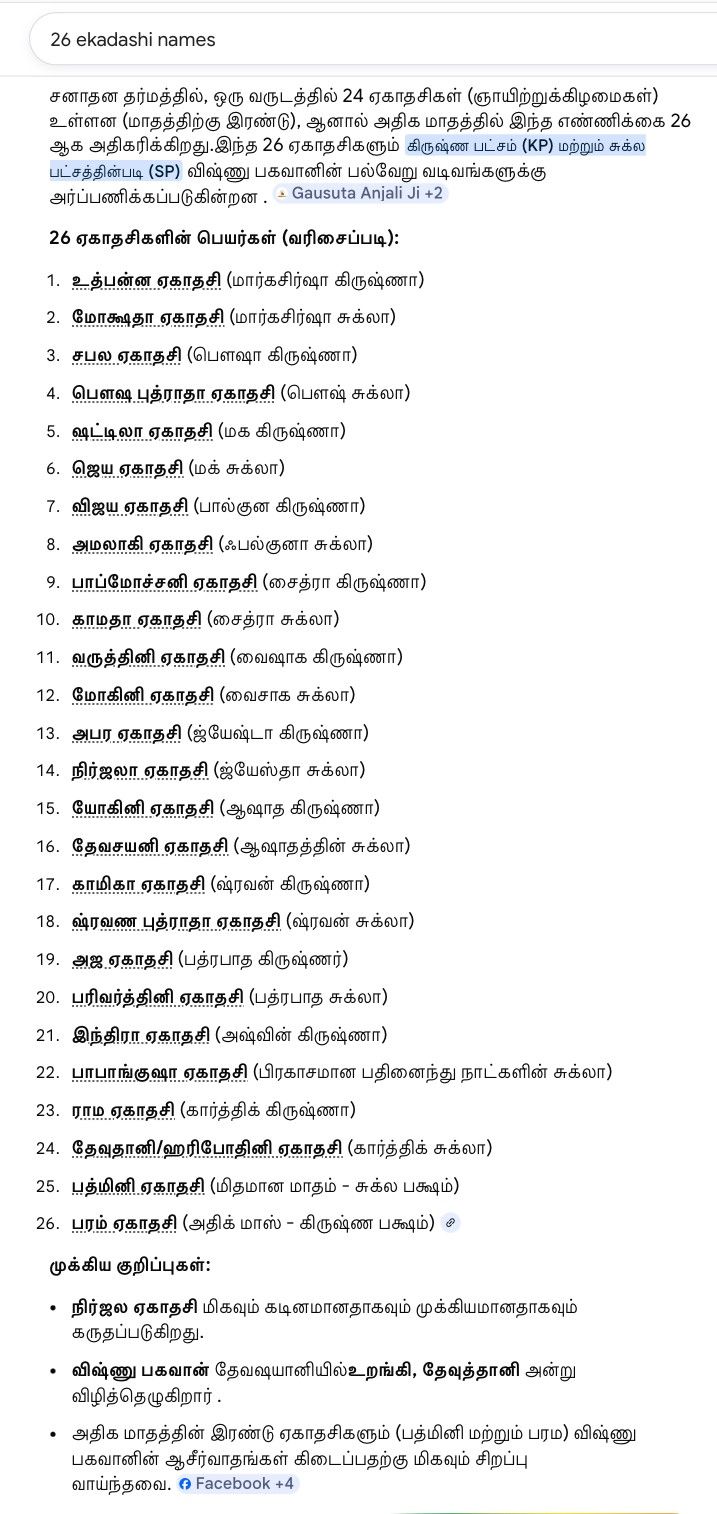
26 Ekadasis Fasting-Health & Longevity of Life
Emperumal @ Pure Heart
Sri vaishnavism-Dushyanth Sridhar Upanyasams
Sri Satyanarayana swamy Pooja
Sri Venkateswara mangalasasanam
Om Achyutaya Anantaya Govindaya Namaha
Sivasri Skandaprasad - Carnatic Music, Bhajans, Upanyasams
Garuda Gamana Tava
Hinduism Sanatana Dharmam - Eternal Truth-Ultimate Good
Manava Seva Madhava Seva
Satyam Vadha Dharmam Chara - Speak Truth, Practice Righteousness - Hinduism sanatana dharma
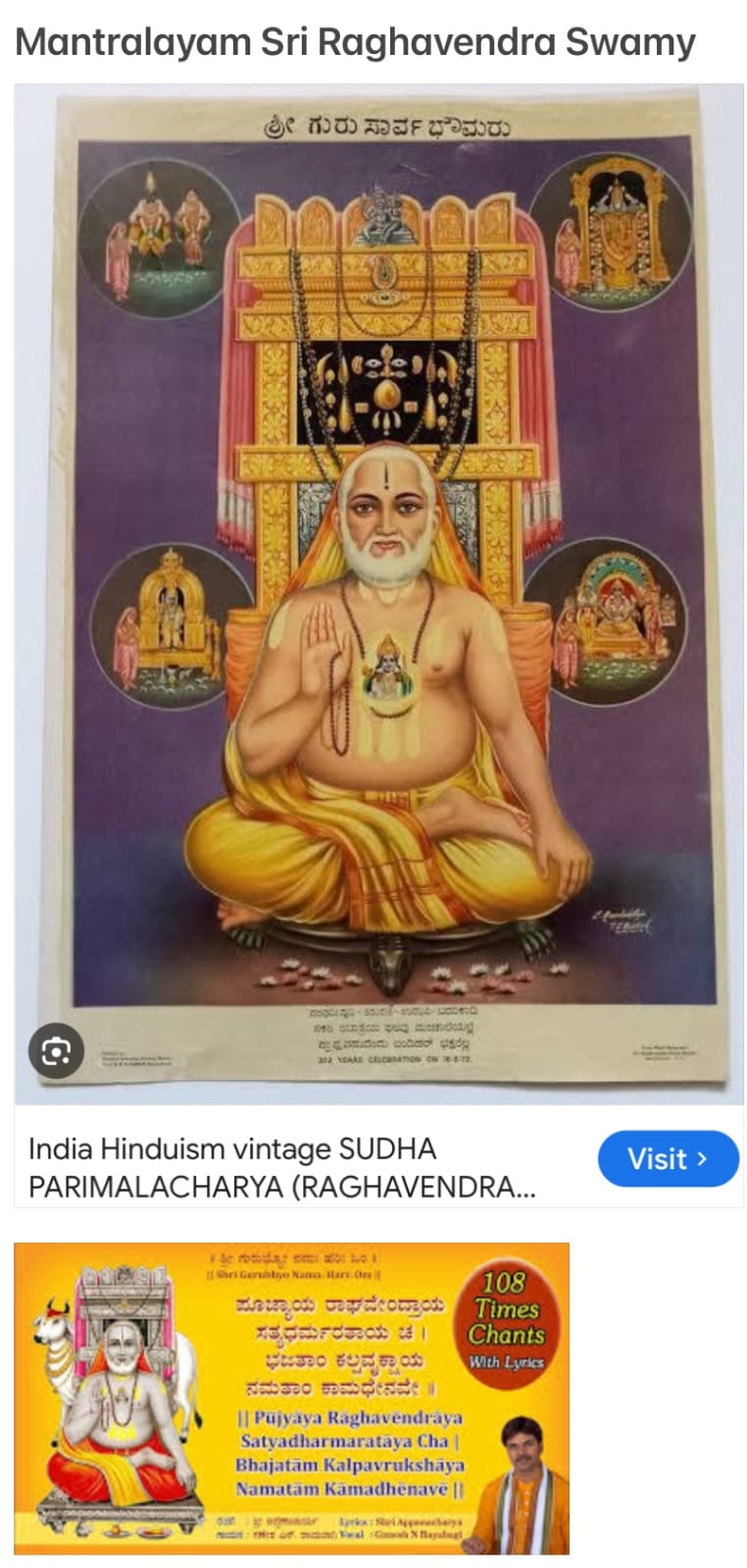
Mantralayam - Sri Raghavendra Swamy Temple
Sri Raghavendra Swamy - 4 Upadesangal
5 pancha bhoothams mantras
Revitalising Hinduism Sanatana Dharma
Muthamil Tamil Sangam-Iyal, Isai, Naatakam
SVBC TTD - Matrusri Tarigonda Vengamamba - Telugu - 52 Episodes
Matrusri Tarigonda Venkamamba Telugu devotional movie
Tirupati Tirumala 1950s
Peace Health Happiness
108 Abhimana Kshetrams
108 Divya Desams
Hindu Temples — Telugu - Sreedhar Raju
Devi Putrudu - Telugu Devotional Movie
Bhajans for all - Trichy Kalyanaraman Upanyasams
Sri vaishnavism - 7 rules in daily life
Family Duties - Inner Peace, Health, Happiness
Hinduism Sanatana Dharmam
Bhagawan SriMahavishnu
Health Peace Happiness
Narayana Narayana Namasankeerthanam
Dhanvanthri - Vaidyo Narayano Hari
Namdev - Panduranga - Hindu Pilgrimage Yatra
Vittala Vittala Paanduranga
Sri Lakshmi Narayana
Thirumaal Perumai
Arghyam in Sandhyavandanam - Hindus Brahmins & world welfare well - being
Hinduism Sanatana Dharma & Mother Nature
Hindu Namasankeerthanam
Narayana Govinda
Namdev Panduranga Yatra
Sivasri Skandaprasad Carnatic Music Devotional Songs
Tandanana-Brahmam Okate
Tandanana - Brahmam Okate
"Tandanana" The True Ultimate - From Childhood Fancies to Eternal Devotion
Sita Pati Ramachandra ki Jai
Srirangam Temple saved by 12000 Brahmins
Mahabharata - Srimath Bhagavad Gita - Kannada
Aatma Thooimai
Srirangam Temple
Srirangam Temple History
Hindu Vaishnavam Temples
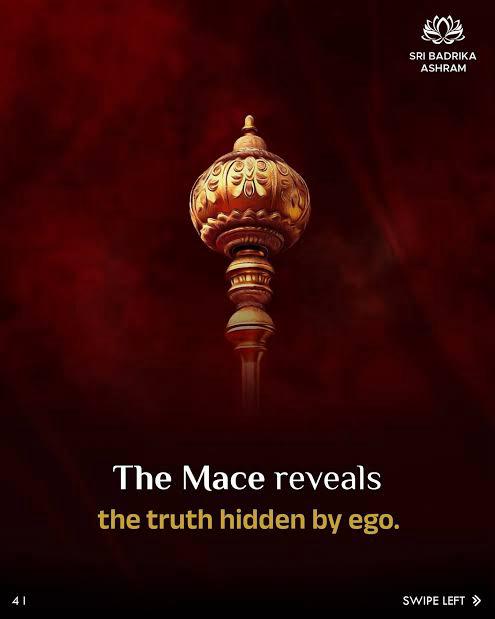
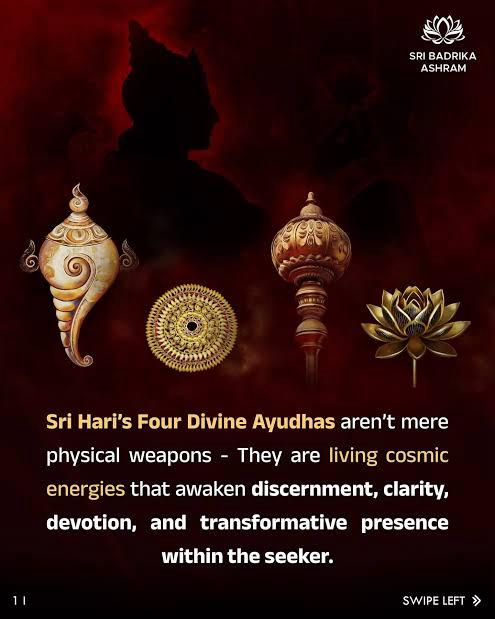
Sangu Chakra Gadha Padmam
Swami Vivekananda Hinduism
Govinda
Ashtapadhi
Gita Govindam-Ashtapadhi
Jayadeva Ashtapadhi
Gita Govindam
The Hindu Temple Girl
Adiyen Ramanuja Dasan
Sri Vaishnavism
Sri Vaishnava Sampradayam
Hinduism Sanatana Dharma
Hinduism Sanatana Dharma
Origin of Hinduism, Sanatan Dharma
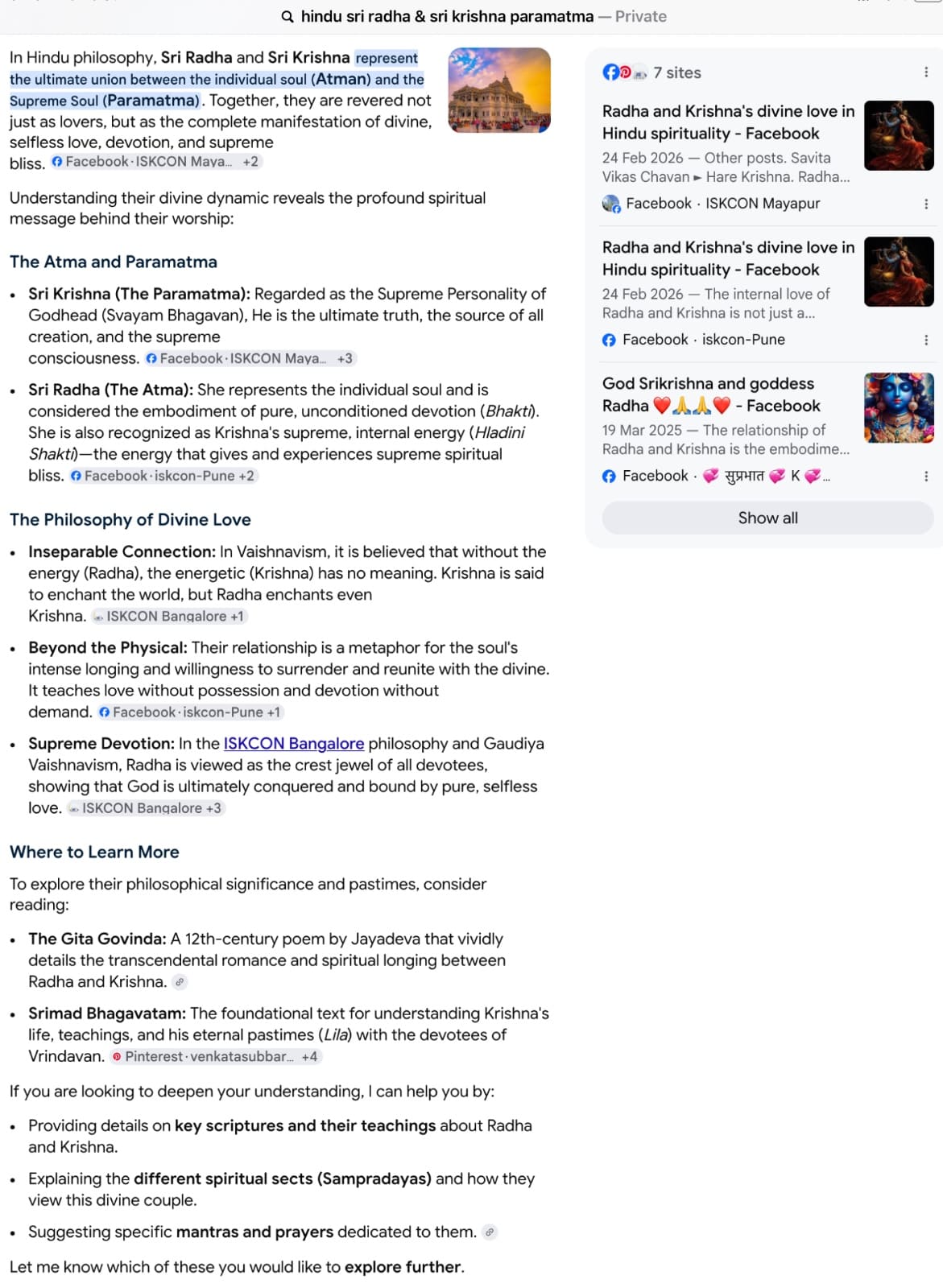
Aatma, Jivatma, Paramatma
Jivatma & Paramatma
Science & Hinduism Sanatana Dharma
Hinduism sanatana dharma history
Carnatic Music Classical
Bombay Sisters - Carnatic Music
Bakthi FM - Devotional songs
INRECO carnatic songs
MRT Music - Bhakti Sagara - all Languages
Aditya Bhakti
Saregama Carnatic classical
Rajshri Soul
ISKCON Bangalore Music
Vande Guru Paramparam
Giri Bhakti
Sri Vaishnavism Bhakti Tv
Amudham Carnatic music
Brahmasri vaddiparti Padmakar
ISKCON temple-Gaur Gopal Das
Srirangam Srimad Andavan Aashramam
TTD - SVBC TV - Hindi
Geethanjali-Carnatic music & Hindu chants
Hinduism & nature
Shobana-Hindu devotional songs
Sudha Raghunathan-Hindu Devotional songs
Kalakriya-Bharatanatyam
Natyakovil-Bharatanatyam
Narayananeeyam Kalakshetra
ISKCON Mathura Vrindavan
Ayodhya-Sri Ram Janmabhoomi Teerth Kshetra
Shri Dwarkadish Mandir-Sri Krishna Paramatma
Nepal-Muktinath Temple
Muktinatha Mandirai Jhalala
T Series - Bhakti Sagar
Hinduism Sanatana Dharmam-Char Dham Yatra
Hindu Sri Vaishnavism Guru Sri Ramanuja Acharya History
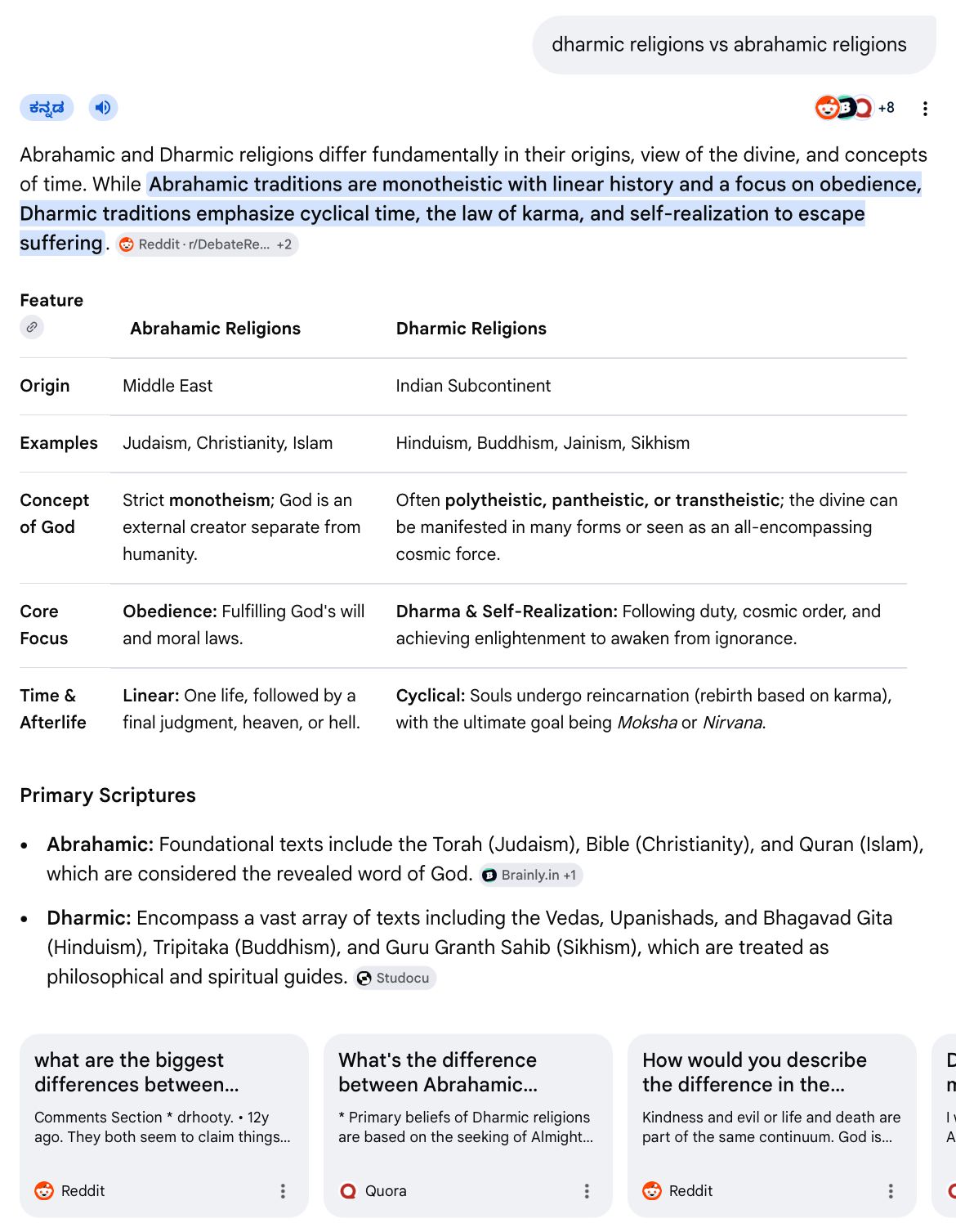
Western Abrahamic Religions vs Eastern Dharmic Religions
Vaishnava Dharma International Vaidhi
Hinduism Sanatana Dharmam - Sri Vaishnavam Sampradayam
Hinduism - Pravachanam
Hinduism - Heritage of India Classes
Hindu Temples-India’s Spiritual Tales
Bhagavath Anubhavam
Hindu - Bhakti Margam NZ
Sri Narayan Dham International
Vaishnavism Department Alumni Association-University of Madras
Geethacharyan
Hindu Temples Books & Science
Hindu Vaishnavism-Divine Learnings
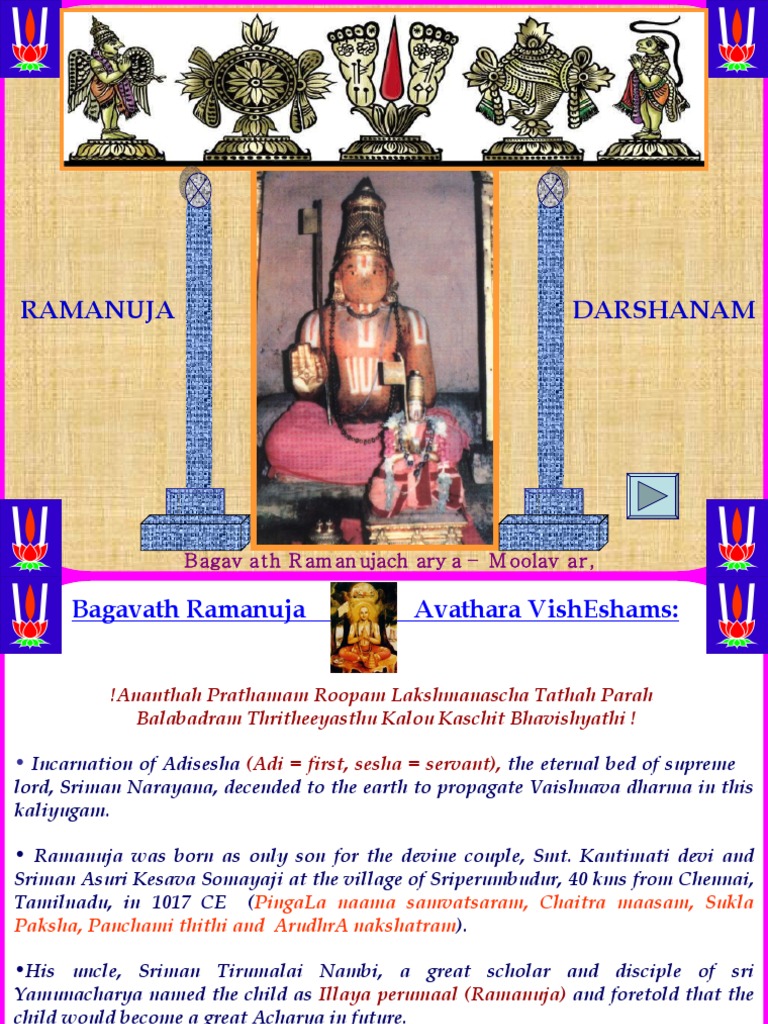
Sri Vaishnava Ramanuja Darshan
Jai Jai Ramanuja
Krishna Ramanuja Dasan
Shreerambhakt
GSPK - Global Stotra Parayana Kainkaryam
Vaalvaangu Vaazhdal
Venkatrao - Hindu Arts
Sathyan Rangarajan
Sri Manjari
Vijayan G
Sampradaya Manjari e Paatashala
Advaita Bharathi-Smt.Suryapriya ji
Subhaji’s Premanjali
Sri Ramanuja PEAC
Hindu Vedic Cultural Centre
Mana Mangalaharathulu
Govinda Upanyasams
INDICA - Health Happiness Harmony
Sri Ahobila Mutt
Rishi Vatika-Vyasa Vani
Sri Kamakshi Vidyalayam
Mumukshu
Sri Ranga Krpa
Desika Vani
Hindu Bhakti Tv-Telugu-24*7*365
Hindu Paripaprachha
Hindu ETV life spiritual
The School of Ancient Hindu Wisdom
Hindu-The Vedantha tv
Sri Vyasaraja Matha Admin
Sri Yadugiri Yathiraja Mutt
Hindu Vedic Chants from India
The Yoga Institute
Hindu Saint Patanjali Ashtanga Yoga & You
Hinduism Sanatana Dharma-Solutions for Illusions-Peace, Health, Happiness
Jothi TV Live - Tamil Bhakti Devotional
Dinamalar Aanmeegam - Tamil
Ahimsa Parmo Dharma" - Inner Peace, Family Peace, World Peace - Health, Happiness, Peace
Yadugiri Yathiraja Mutt Bhakti Channel - Kannada
Hinduism Sanatana Dharma - Ratnamala
Hindu Temples - Geetanjali - Travel Saga
Indian Hindu Temples
Hindu Bhakti - Peace, Health, Happiness
Adiyogam Yoga
The History of Hinduism Sanatana Dharma India
Hinduism Today
Kauai’s Hindu Monastery
Hindu Bhakti Geetalu - Jai Sri Sita Ram
Saregama Bhakti
Saregama South India Hindu Devotional
Saregama Carnatic Classical
Introduction to Hinduism Sanatana Dharmam
Yoga Meditation Hindu Prayer
Hinduism Sanatana Dharmam Explained
Hindu Spirition
Hindu Mantras
Hindu Mantras - Tamil
Hindu Mantras - Kannada
Hindu Mantras - Telugu
Hinduism Sanatana Dharmam - Vedic Mantras
Hindu Devotional - Bhakti Movement
Hindus Bhakti Movement
Hindu Bhakti Devotion
Hindu Bhakti Movement
Indian Spiritual Philosophies
Hindu Shastras Wisdom
Hindu India History - 6000+Plus years old ancient peaceful religion
Sri Ramanuja Acharya - Sri Vaishnavism-Visistadvaitam - Sri Vaikuntam Logam
Viswacharyadu - Hindu Guru Sri Ramanuja Acharya
Hindu Guru Sri Ramanuja Acharya
Sri Satyanarayana Swamy
Desabhakti Prachara Parishat
Hindu Vedic Mantras
Hindu Vedic Mantras - Peace, Health, Happiness, Prosperity, Humanity, Devotion
Shashwat Swar
Shashwat Sargam
Mahakatha - Healing Hindu Meditation Mantras
Hindu Goddess Sri Mahalakshmi Mantra
Hindu God Sri Mahavishnu Mantras
Hindu Mantra Marg
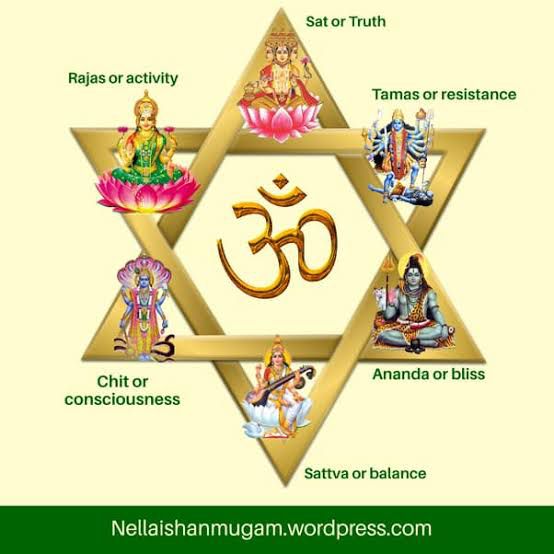
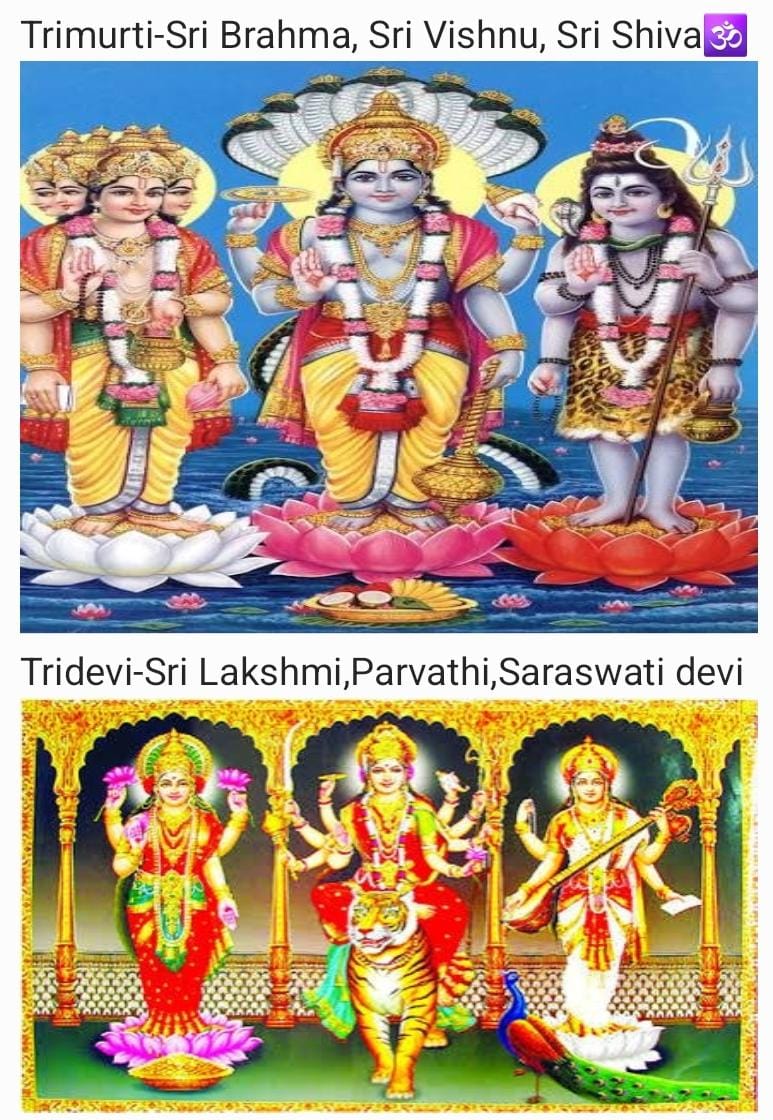
Hindu Trimurti Mantra - Brahma, Vishnu, Shiva
Hindu Tridevi Goddesses-Saraswati, Lakshmi, Parvati Devi
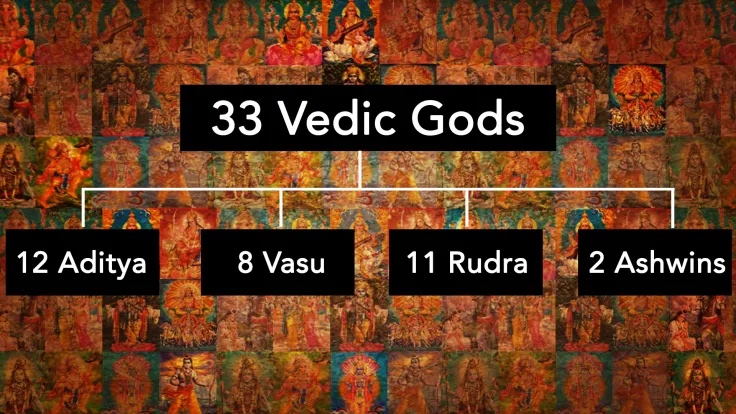
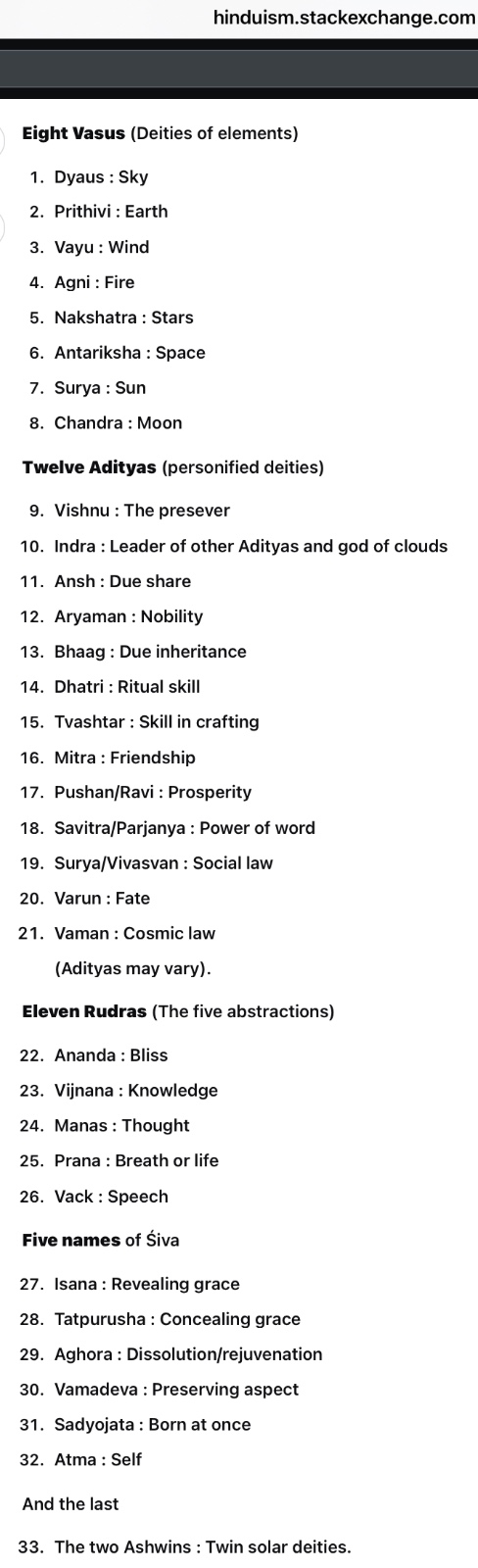
Hindu 33 Koti Devis Devtas
Hindu Bhakti Bhajan Mantra
Hindu God Guru Sri Dakshina Moorthy Mantra
Hindu Saptarishis Slogam Good Benefits
Hindu Saptarishi Mantra
Hindu Swastik Stories
Hindu Punya Saptanadis
Hinduism Vedanta - Moksham
Hinduism Carnatic Music - Divine Rhythms
Hindu Aanmeegam Thuligal-Peace of Mind
Hindu Sanskrit
Hindu Temples
Padmashri Nanammal Yoga-100 years old woman
Padmashri Sivananda Yoga - 125 years old man
World’s oldest yoga teacher
Indian Hindu Yoga Gurus
Guru Sivananda Yoga meditation class-2 hours
Nature Universe & Hinduism Gods
Hindu HOPEAD tv
Hindu Sri Ramakrishna Sevashramam
Hindu Srimath Bhagavatham Saaram - Punyam
ISKCON Bangalore - Hare Rama Hare Krishna
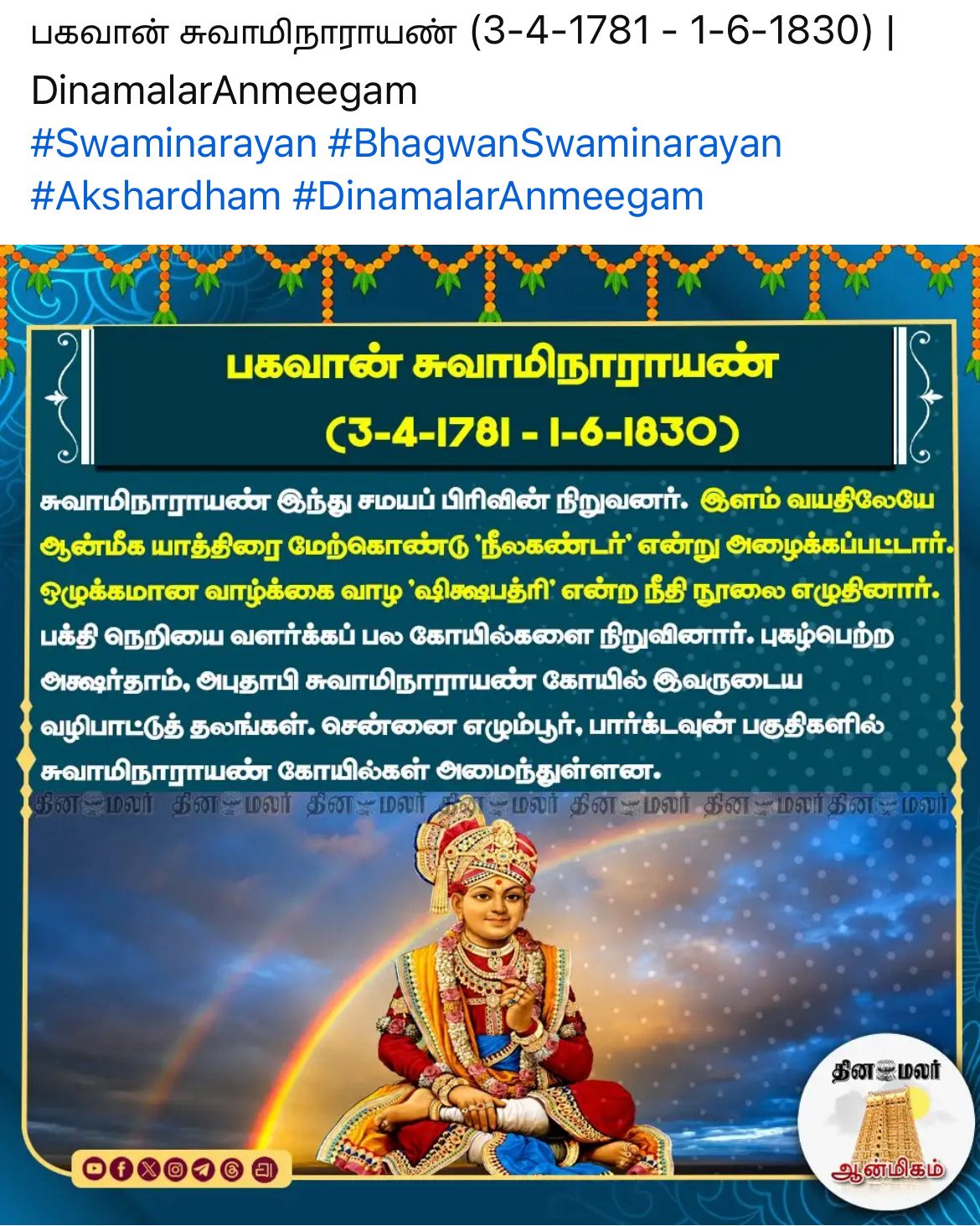
BAPS Swaminarayan Sanstha
Hindu BAPS Swaminarayan Akshardham
Sri Ramanuja Vaibhavam
Bharatanatyam - Hindu Indian Classical Dance
Hindu Nova Spiritual India
Mayuram Radhakalyanam mahotsavam
Deivam Darisanam
Noolatti - Visistadvaitam - Sri Vaishnavism
Sri Ramanujar - Mukti Moksham
Sarvam Sri Krishnarpanamasthu
Sri Vaishnava Devotional Bhakti Songs
Hindu Gods & Goddesses
Hindu BAPS Swaminarayan Akshardham Mandi
Hindu BAPS Swaminarayan Akshardham Mandir Newdelhi India
Hindu BAPS Swaminarayan Akshardham
Sahaj Anand Water Show
Sri Mahavishnu Puranam
Science & Hindu Traditions
Sri Hari Vamsam
TTD - SVBC - Dasavatharam - Sri Velukkudi Krishnan Swamigal Upanyasams
Sri Ramanuja Avayava Prabhavam - Poorvacharyargal
Kaliyugam Vaikuntam Tirupati Tirumala Srinivasa Padmavati Kalyanam - Sri Velukkudi Krishnan Swamigal Upanyasams
Thiruppavai - Sri Mukkur Lakshmi Narasimhacharyar
Sri Ramavatharam - Jai Sri Sita Ram
Sri Vaishnavism
Harikatha Sri Ramacharitra Manjari
Sri Vishnu Sahasranamam - 19 Hours - Dushyant Sridhar ji Upanyasams
Sri Krishna devotional songs
Hinduism Sanatana Dharma - RSS 100 years
Aatma Rama Ananda Ramana
Achyutam Kesavam Krishna Damodaram
Kamalakucha-Vinaa Venkateswaram
Naamadwar A GOD initiative-Hare Rama Hare Krishna
Bhagawad Ramanujar - Jivatma Paramathma
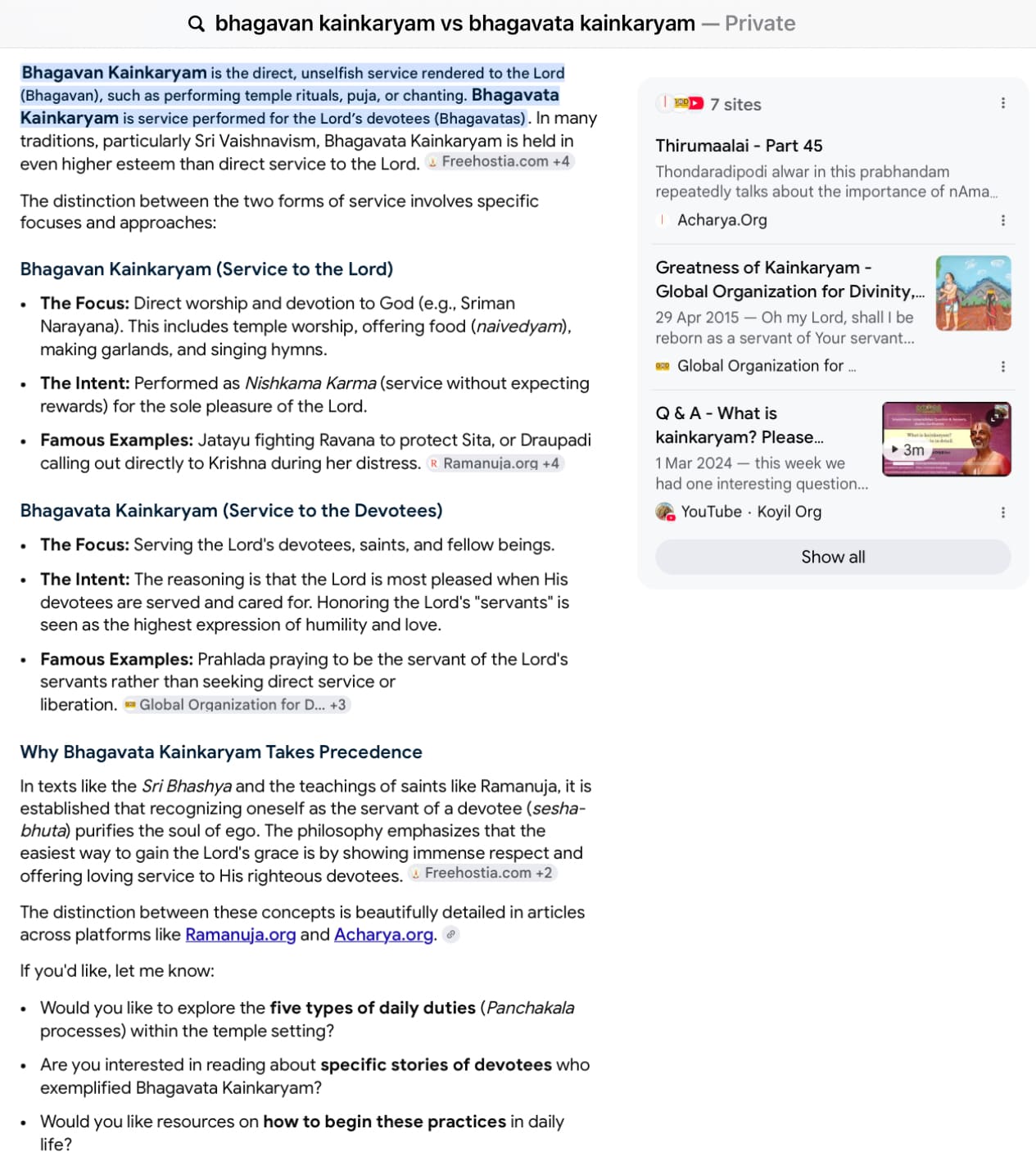
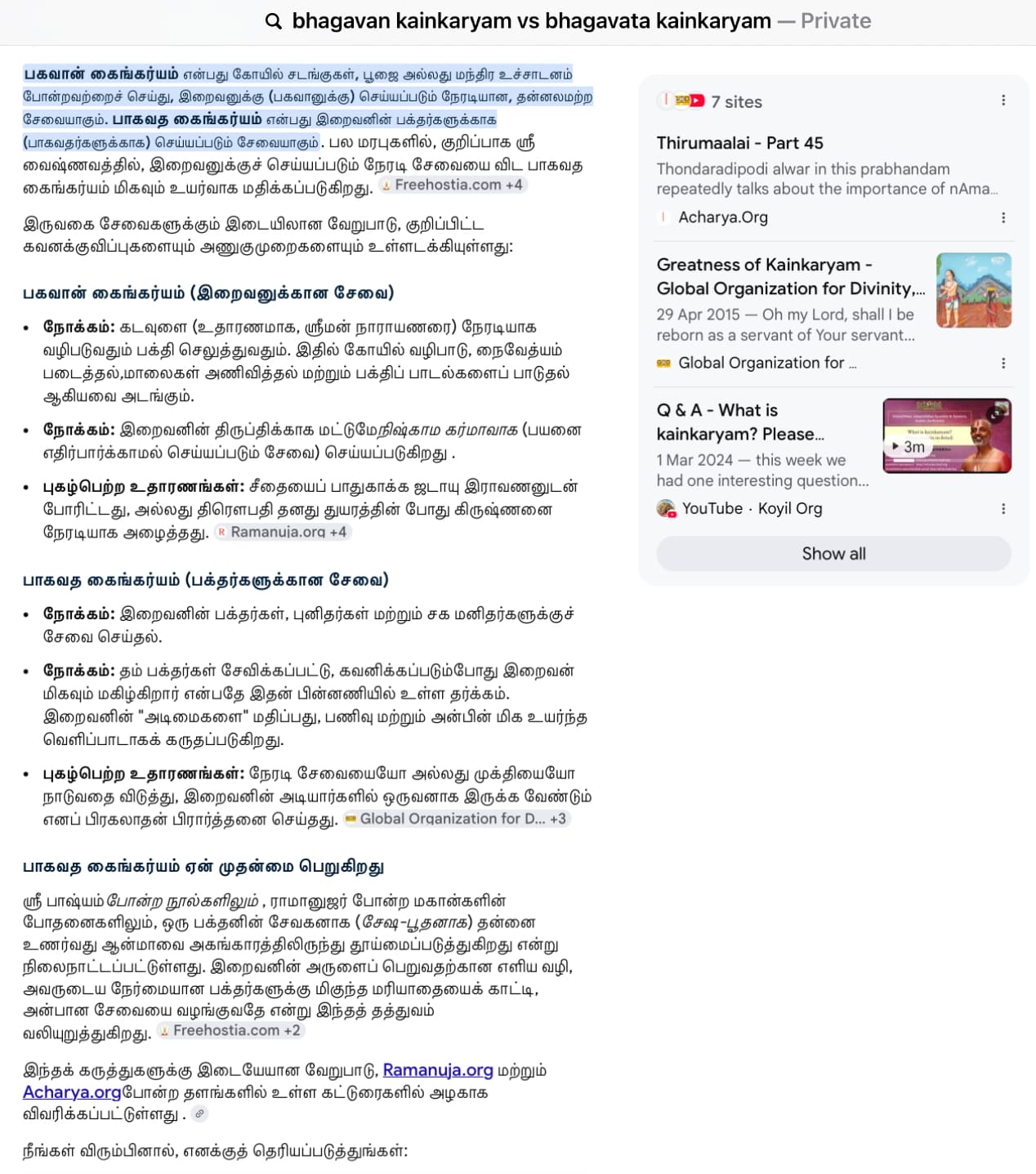
Bhagawan Kainkaryam vs Bhagavata Kainkaryam
Ram Lakshman Janaki Jai Bholo Hanuman Ki
Hanuman Chalisa
Harikatha
Padmini Padmalaye Padmapriye Sri Mahalakshmi Ashtalakshmi Devi
Tamil Samayam Hinduism Sanatana Dharmam - 4
Shanti
Sri Venkateswara 108 Astotram sathanamavali
Pattinathar
Ekashloki-Sri Velukkudi Krishnan Swamigal Upanyasams
Rukmini Devi & Sri Krishna Paramathma
Hindu Temples of Bharat India
Ayodhya Sri Ramjanmabhoomi - Sri Sita Ram Mandir
Ayodhya Sri Sita Ram Hindu Temple
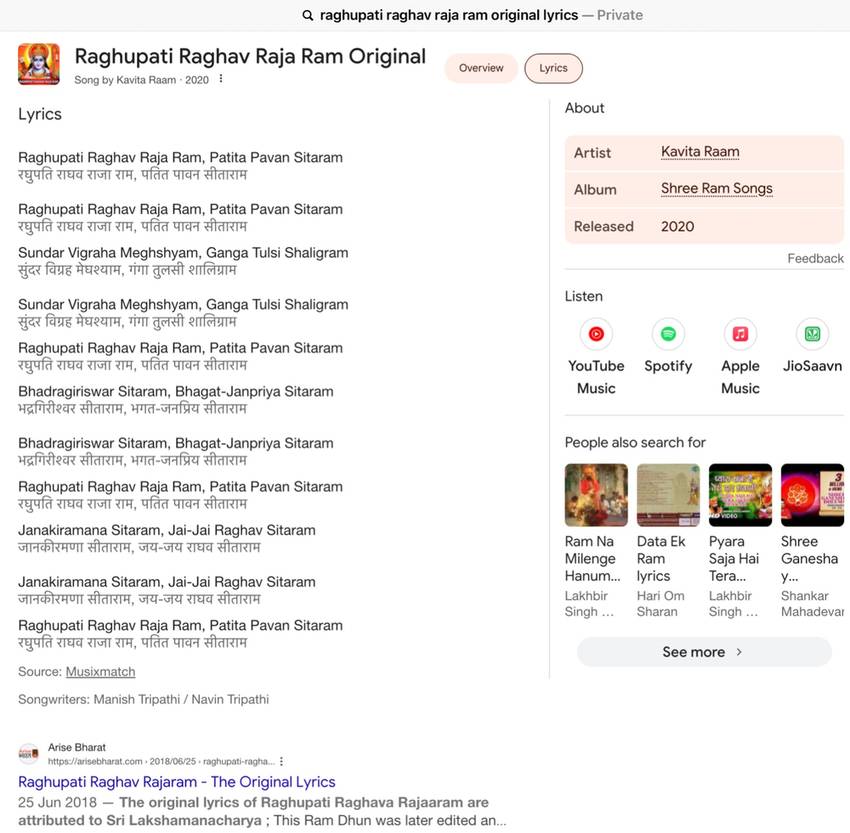
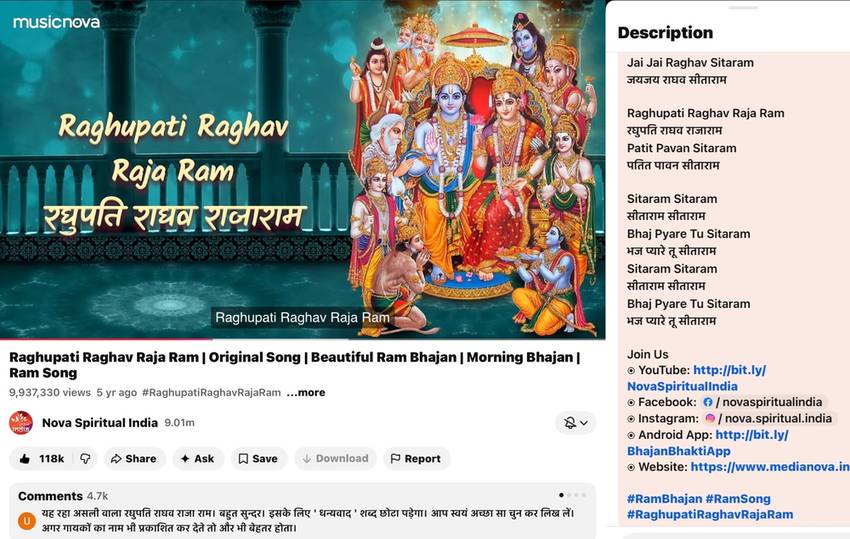
Raghupati Raghava Raja Ram-Original Song
Sri Sita Ram Devotional Bhakti Bhajans
Ayodhya Maryada Purushottam Bhagwan Sri Ram Lalla Pran Prathishta Live
Ayodhya - Global Hindu Pilgrimage Centre - Jai Sri Sita Ram
Ayodhya Bhagwan Sri Ram Lalla Idol
Dashavatar - 10 Incarnations of Hindu God Bhagwan Sri Mahavishnu
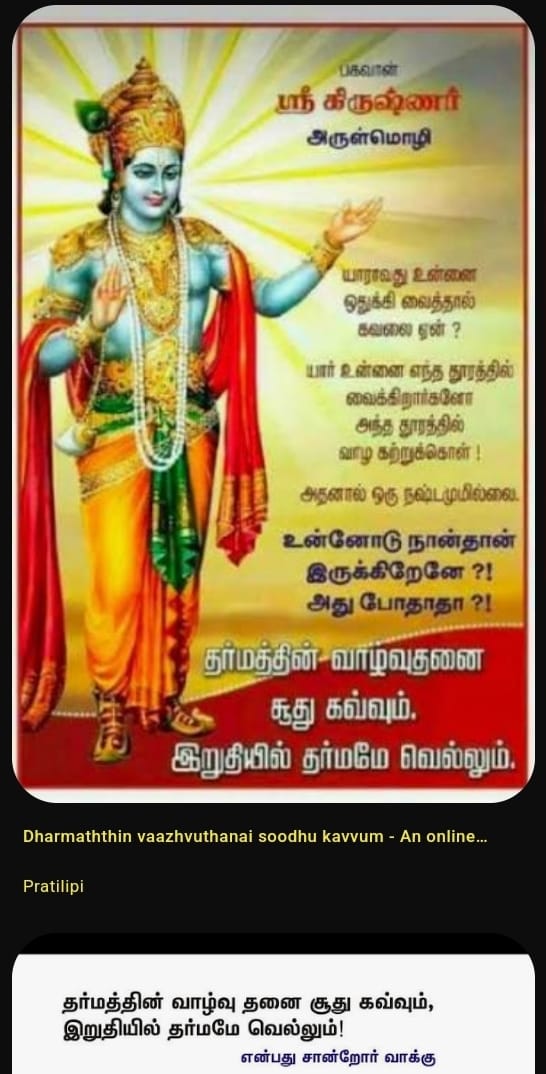
Dharma, Krishna, Srimath Bhagawad Gita
Hindu child Paridhi Mangalampalli
Hindu sage Valmiki Ramayanam - Jai Sri Sita Ram
God & Afterlife - The Story of GOD - by Morgan Freeman - NGC Documentary
Hare Krishna Movement Mumbai
Tirumala Silathoranam Rock - 2.5 Billion Years
TTD SVBC - Sri Ramanuja Vaibhavam
Guru Emperumanar Sri Ramanujar Vaibhavam - Srirangam Srimath Andavan Ashram
Ramanujar history
Sri Ramanujar Charitram
Sri Ramanuja Vaibhavam - Telugu
Sri Ramanujar Vaibhavam - Tamil
12 Alwars Sri Vaishnavism
Brahmam Okate
Pancha Samskaram
TTD-Trusts
Thirumalai Tirupati Perumai
Tirumala Positive Vibes when you listen to this!
Shaivam & Vaishnavam
Sri Vaishnavism - Visishtadvaitam - Sri Ramanujacharya - True Nature of Jiva & Isvara in Sri Bhashya-Jeevatma, Prakrithi, Paramathma
Sri Vaishnavism - Sakthi Vikatan
Ramanuja Engal Ramanuja - Sri Vaishnavism Visistadvaitam
Ramanuja Muni Kiliyae
Suprabhatam - Sri Venkateswara Swamy - Tirupati Tirumala Devasthanams
Sri Vaikuntam Logam - Gallery